Zesty Italian Antipasto Pasta Salad Easy Recipe with Simple Ingredients
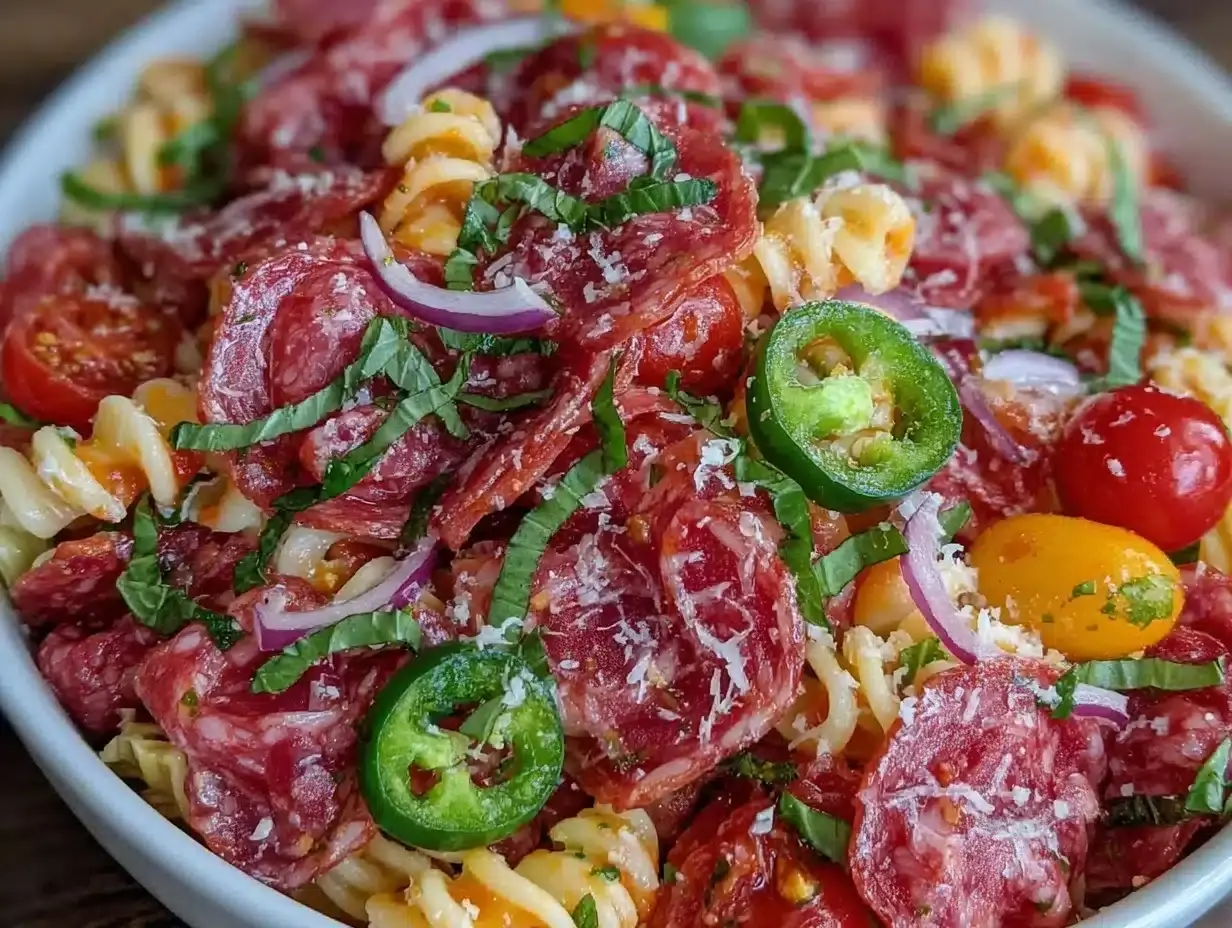
Last summer, I was invited to a casual backyard picnic where everyone was asked to bring a dish. I wanted something that was easy, colorful, and could feed a crowd without much fuss.
I rummaged through my pantry and fridge and found just a handful of simple ingredients—pasta, some cured meats, cheese, and a few veggies. I threw them together with a bright, zesty Italian dressing, and what came out was this zesty Italian antipasto pasta salad that disappeared in minutes.
Honestly, it was a hit, and I made it again and again all season long. What I love about this antipasto pasta salad is how it balances tangy, savory, and fresh flavors with zero complicated prep.
It’s the kind of dish you can whip up quickly from pantry staples but still impress your friends or family. Plus, it travels like a dream, so it’s perfect for potlucks, picnics, or even a quick lunch. After testing and tweaking this recipe about a dozen times, I nailed the perfect ratio of ingredients and dressing to get that classic Italian zing without overpowering the pasta.
Why You Will Love This Recipe
- Quick Preparation: This zesty Italian antipasto pasta salad comes together in under 30 minutes, making it ideal for busy weeknights or last-minute gatherings. The pasta cooks swiftly, and the rest involves simple chopping and tossing.
- Bursting with Flavor: A delightful combination of savory cured meats, tangy cheese, briny olives, and fresh vegetables is brought to life by a zesty homemade Italian dressing. Every bite offers a complex and satisfying taste experience that is both refreshing and hearty.
- Incredibly Versatile: This recipe is a fantastic base that can be easily customized with your favorite ingredients. Feel free to swap out meats, cheeses, or vegetables to suit your preferences or what you have on hand, ensuring a unique salad every time.
- Perfect for Make-Ahead: The flavors in this pasta salad actually improve as they meld, making it an excellent choice for meal prep or preparing ahead for parties. It holds up beautifully in the refrigerator, ready to be enjoyed when you are.
- Visually Appealing: The vibrant colors from the assorted vegetables, meats, and cheeses make this salad a feast for the eyes as well as the palate. It’s a beautiful addition to any table, from casual barbecues to more formal potlucks.
Ingredients You Need
The magic of this zesty Italian antipasto pasta salad lies in its straightforward yet impactful ingredients. Opting for good quality components, especially for the dressing and cured meats, will elevate the overall taste profile. You might be surprised how many of these are likely already stocked in your pantry, ready to be transformed into a spectacular dish.
Zesty Italian Antipasto Pasta Salad
A quick, colorful, and flavorful antipasto pasta salad featuring rotini pasta, cured meats, cheese, fresh veggies, and a zesty Italian dressing. Perfect for picnics, potlucks, or easy lunches.
- 12 ounces rotini or penne pasta
- 6 ounces cured meats (salami, pepperoni, or prosciutto), chopped
- 1 cup cheese cubes (provolone or mozzarella, or feta for tangier twist)
- 1 cup cherry tomatoes, halved
- 1 medium cucumber, peeled and diced
- 3 tablespoons red wine vinegar
- 1 teaspoon Dijon mustard
- 1 clove garlic, minced
- 1 teaspoon dried Italian herbs (oregano, basil, thyme)
- Salt and black pepper to taste
- 1Bring a large pot of salted water to a boil. Add the rotini pasta and cook according to package instructions until al dente, about 8 to 10 minutes. Drain and rinse under cold water to cool. Drain well and set aside.
- 2In a small bowl, whisk together olive oil, red wine vinegar, Dijon mustard, minced garlic, dried Italian herbs, salt, pepper, and optional red pepper flakes until smooth and slightly thickened. Set aside.
- 3Dice cured meats into bite-sized pieces. Cube the cheese. Halve cherry tomatoes, dice cucumber, thinly slice red onion. Drain and roughly chop marinated vegetables. Pit and halve Kalamata olives. Combine all in a large mixing bowl.
- 4Add cooled pasta to the bowl with antipasto ingredients. Pour dressing over the top and gently toss until evenly coated. Taste and adjust seasoning if needed.
- 5Cover and refrigerate for at least 30 minutes to let flavors meld. Before serving, toss gently again and add a drizzle of olive oil or vinegar if dry.
Keywords: antipasto pasta salad, Italian pasta salad, rotini pasta salad, picnic salad, potluck recipe, easy pasta salad, Italian dressing
The specific quantities for these delicious components are detailed within the recipe card provided above, ensuring perfect balance in every serving.
Variations
This zesty Italian antipasto pasta salad is a wonderfully adaptable dish, perfect for catering to different dietary needs and flavor preferences. You can transform it into a satisfying vegetarian option by omitting the cured meats and embracing a more robust selection of vegetables and plant-based proteins.
Consider adding hearty elements like roasted chickpeas, marinated artichoke hearts, sun-dried tomatoes, or even cubes of seasoned tofu to provide that satisfying bite. This approach still delivers a delicious and visually appealing salad, proving that you don’t need meat to create a flavorful antipasto experience. For those looking to reduce carbohydrates, swapping traditional pasta for spiralized zucchini noodles or shirataki noodles can offer a lighter, lower-carb alternative. Ensure these are prepared correctly to maintain a pleasant texture.
To make it a truly vegan delight, ensure all your chosen ingredients, including the cheese and dressing components, are plant-based. Many store-bought vegan cheeses melt beautifully and add a creamy element, while a dairy-free dressing base can be easily achieved. A touch of nutritional yeast can also add a cheesy undertone to the dressing itself, enhancing the savory notes without any animal products.
How to Prepare zesty Italian antipasto pasta salad
Step 1: Cook the Pasta to Perfection
Begin by bringing a generous pot of generously salted water to a rolling boil. This initial step is crucial for infusing the pasta with flavor from the very start, preventing it from tasting bland later. Select your preferred pasta shape, with rotini or penne being excellent choices due to their ability to hold onto the dressing and small ingredients.
Add the pasta to the boiling water and cook it according to the package directions, aiming for an “al dente” consistency. This means the pasta should be tender but still retain a slight firmness when bitten into, avoiding any mushiness. Overcooked pasta will not hold up well in a cold salad, becoming soft and unappealing.
Once the pasta has reached the ideal al dente stage, carefully drain it in a colander. Immediately after draining, rinse the pasta thoroughly under cold running water. This essential step stops the cooking process instantly, preventing further softening, and also helps to cool the pasta down to a temperature suitable for assembling a cold salad. Ensure it is well-drained to prevent excess water from diluting the dressing.
Step 2: Whisk Together a Zesty Dressing
In a separate, small bowl, combine the fundamental elements for your vibrant Italian dressing. Start with a good quality extra virgin olive oil, which forms the rich base of the dressing and contributes significantly to its overall flavor. Red wine vinegar provides the essential tanginess and acidity that cuts through the richness of the other ingredients.
Add Dijon mustard to the mix; this not only helps to emulsify the dressing, creating a smoother, more cohesive texture, but also introduces a subtle, piquant flavor. Incorporate finely minced fresh garlic for its pungent aroma and taste, and dried Italian herbs—a blend of oregano, basil, and thyme—to impart that classic Mediterranean essence. Season generously with salt and freshly ground black pepper to taste, and for those who enjoy a little heat, add a pinch of red pepper flakes.
Whisk all these ingredients together vigorously until the dressing is well-emulsified and slightly thickened. An emulsified dressing will have a smooth, consistent appearance, with the oil and vinegar fully integrated. Set this flavorful concoction aside; allowing it to sit for a while will give the flavors a chance to meld and deepen, enhancing its impact on the salad.
Step 3: Prepare and Chop the Antipasto Components
Now, turn your attention to preparing the star “antipasto” elements that give this salad its signature Italian flair. If you’re using cured meats like salami or pepperoni, dice them into small, bite-sized pieces. This ensures that each forkful contains a delightful burst of savory flavor. Cube your chosen cheese, whether it’s mild provolone, creamy mozzarella, or a sharper feta for an extra tang.
Prepare the fresh vegetables by halving the cherry tomatoes, ensuring they are juicy and sweet. Peel and dice a medium cucumber, adding a refreshing crunch and coolness to the salad. Thinly slice a quarter of a red onion; for those who prefer a milder onion flavor, soaking these slices in ice water for about 10 minutes can significantly reduce their sharpness. If you’re using marinated vegetables such as pepperoncini peppers, roasted red peppers, or artichoke hearts, drain them well and give them a rough chop to distribute their unique flavors.
Don’t forget the briny punch of Kalamata olives; make sure they are pitted and halved to make them easy to eat. Place all these chopped ingredients – the meats, cheese, tomatoes, cucumber, onion, marinated vegetables, and olives – into a large mixing bowl. This collection of ingredients forms the colorful and flavorful heart of your pasta salad, promising a medley of textures and tastes.
Step 4: Combine Everything for a Flavorful Mix
With all your components prepped and ready, it’s time to bring them together. Add the cooled, well-drained pasta directly into the large mixing bowl that already contains your chopped antipasto ingredients. The spirals of the rotini or the hollows of the penne are perfect for capturing the dressing and all the delightful little bits of meat, cheese, and vegetables.
Generously pour the prepared zesty Italian dressing over the pasta and antipasto mixture. Ensure you have enough dressing to lightly coat all the ingredients, but avoid drowning the salad, as this can make it too oily or heavy. The vibrant red wine vinegar and olive oil dressing will immediately begin to infuse the salad with its bright, herbaceous notes.
Using a large spoon, a pair of salad tongs, or even clean hands, gently toss all the ingredients together. Continue tossing until everything is evenly coated in the dressing, ensuring that each piece of pasta and every ingredient is touched by the flavor. This is also the ideal moment to taste the salad and make any necessary adjustments to the seasoning; you might want to add a little more salt, pepper, or even a splash more red wine vinegar for extra tang.
Step 5: Chill and Marry the Flavors
Once everything is beautifully combined and seasoned to perfection, cover the large mixing bowl tightly with plastic wrap or a lid. Place the bowl in the refrigerator and let the zesty Italian antipasto pasta salad chill for a minimum of 30 minutes. This chilling period is not just about cooling the salad; it’s a crucial step for allowing the flavors to meld and deepen.
During this time, the pasta will absorb some of the delicious dressing, becoming even more flavorful. The vegetables will soften slightly, and the savory notes from the meats and olives will fully integrate with the tanginess of the dressing. This resting period truly transforms the salad from a collection of ingredients into a cohesive and harmonious dish.
Just before you’re ready to serve, give the salad one last gentle toss. This helps to redistribute the dressing, especially if any has settled at the bottom of the bowl. If the salad appears a bit dry after chilling, which can happen as the pasta absorbs more liquid, don’t hesitate to drizzle in a little extra olive oil or a touch more red wine vinegar to revive its moistness and vibrancy.
Pro Tips for zesty Italian antipasto pasta salad
Don’t Skip the Cold Rinse: Rinsing the pasta under cold water after cooking is a non-negotiable step. It halts the cooking process, preventing the pasta from becoming mushy and clumpy as it cools. This ensures a better texture that holds up well, even when served cold or the next day.
Quality Olive Oil Matters: The olive oil is a significant component of the dressing, so using a good quality extra virgin olive oil will make a noticeable difference in flavor. A robust, flavorful olive oil adds richness and a pleasant peppery note that a cheaper alternative might lack.
Make the Dressing Ahead: For an even more flavorful salad, prepare the dressing up to a day in advance. Storing it in the refrigerator allows the herbs and garlic to infuse the oil and vinegar more deeply. Just give it a quick whisk before tossing with the salad.
Be Mindful of Salt: Cured meats and olives are naturally quite salty, so it’s essential to be conservative when initially salting your dressing. It’s always easier to add more salt later after tasting the assembled salad, rather than trying to correct an overly salty dish. Start light and adjust as needed.
Don’t Overdress the Salad: Aim for a salad that is lightly coated in dressing, not swimming in it. Too much dressing can make the pasta heavy and greasy. You can always add a little more dressing if it seems dry, but you can’t take it away if there’s too much.
Allow Time for Flavors to Meld: Patience is key with pasta salads. The resting period in the refrigerator is crucial for allowing all the diverse flavors to meld together beautifully. The salad is always better after it’s had a chance to sit for at least 30 minutes, and ideally longer.
If your salad tastes a bit flat or lacks zest, a small splash of extra red wine vinegar can work wonders to brighten the flavors. Conversely, if it’s too tangy, a tiny pinch of sugar or a drizzle of honey in the dressing can help to balance it out. Remember that fresh herbs, like basil or parsley added just before serving, can also provide a much-needed lift.
For a truly elevated experience, consider adding some toasted pine nuts or slivered almonds just before serving to introduce a delightful crunch. These small additions can make a big difference in the texture and overall appeal of the salad. If you’re making this for a special occasion or want to add a gourmet touch, a sprinkle of fresh shaved Parmesan cheese over the top just before serving is always a welcome addition.
When it comes to incorporating ingredients, consider adding some sun-dried tomatoes, either oil-packed or rehydrated, for an intense burst of umami flavor. Artichoke hearts, whether marinated or plain, also lend a wonderful texture and characteristic taste. Don’t be afraid to experiment with different types of olives, such as Castelvetrano or Cerignola, for varied briny notes. Even a few capers can add a sharp, salty kick.
If you’re a fan of spicy food, consider incorporating finely diced Calabrian chilies or a few dashes of your favorite hot sauce into the dressing. This will add a pleasant warmth that complements the other robust flavors beautifully. For a more herbaceous salad, consider adding fresh parsley, chives, or even a bit of fresh dill to the mix. These fresh herbs can significantly lighten up the salad and add a layer of aromatic complexity.
Serving Suggestions for zesty Italian antipasto pasta salad
Decoration
Garnish the zesty Italian antipasto pasta salad with a generous sprinkle of freshly chopped parsley or basil just before serving. This not only adds a vibrant splash of green color but also introduces a fresh, aromatic quality that enhances the overall appeal. A few whole olives or cherry tomatoes can also be strategically placed on top for a visually appealing finish. Consider a light drizzle of high-quality olive oil over the top for a glossy sheen. A sprinkle of red pepper flakes can also add a visual hint of the slight heat within.
Side Dishes
This antipasto pasta salad pairs wonderfully as a side dish with a variety of mains. It’s an excellent accompaniment to grilled chicken or fish, providing a cool, refreshing contrast to hot entrees. Serve it alongside crusty bread for dipping into any errant dressing, or alongside hearty lemon chicken or other roasted meats. It also makes a fantastic addition to a picnic spread, complementing sandwiches and other picnic fare beautifully.
For a more complete meal, consider serving it with a simple green salad tossed with a light vinaigrette. It can also be part of a larger antipasto platter, alongside cured meats, cheeses, and marinated vegetables. Think of it as a versatile building block for a larger Mediterranean-inspired feast. Its robust flavors mean it can stand up to even the most flavorful main courses.
If you’re planning a barbecue or outdoor gathering, this pasta salad is a must-have. It complements burgers, sausages, and grilled vegetables with equal aplomb. The cool, tangy notes cut through the richness of grilled meats, creating a balanced and satisfying dining experience. It also works exceptionally well as a side for Italian-inspired dishes like meatballs or chicken parmesan, further enhancing the theme.
Creative Serving Ideas
For a more elegant presentation, serve the antipasto pasta salad in individual small bowls or mason jars, making them perfect for grab-and-go lunches or party favors. You can also layer the ingredients in a trifle dish for a visually stunning, multi-dimensional effect that highlights the various colors and textures. Another idea is to use it as a filling for hollowed-out bell peppers or large tomatoes for a unique and edible serving vessel.
Consider serving it warm or at room temperature rather than strictly chilled, especially if you’re pairing it with heartier main dishes. This can subtly change the texture of the vegetables and the way the flavors are perceived. For a festive touch, especially during holidays, incorporate seasonal ingredients or garnishes that match the occasion. You could even serve it alongside a creamy bisque for a delightful contrast.
If you’re entertaining, create a pasta salad bar where guests can customize their own bowls with additional toppings like grilled shrimp, crumbled feta cheese, or toasted nuts. This interactive approach ensures everyone gets exactly what they want. You can also incorporate it into a larger lunch buffet, offering a lighter, more refreshing option alongside heavier dishes. This salad is also a fantastic foundation for a deconstructed pasta bowl, where components are artfully arranged.
For a fun twist on a potluck, pack individual servings in clear plastic cups topped with a decorative lid and a fork. This makes it easy for guests to serve themselves and minimizes the risk of spills. You can also serve smaller portions as part of a larger appetizer spread, allowing guests to sample it alongside other delightful bites. Its versatility makes it suitable for both casual gatherings and more formal occasions.
Preparation & Storage
Storing Leftovers
Leftover zesty Italian antipasto pasta salad should be stored in an airtight container in the refrigerator. Properly stored, it will remain fresh and delicious for up to 3 days. As the salad sits, the flavors will continue to meld and deepen, which can actually enhance its taste. However, be aware that the pasta may absorb more dressing over time, potentially becoming softer.
If you find the salad has become a bit dry after a day or two, don’t worry. You can easily revive it by tossing it with a little extra drizzle of olive oil and a splash of red wine vinegar before serving. Adding some fresh chopped herbs like parsley or basil at this stage can also help to brighten the flavors and give it a fresher appearance. The key is to ensure it remains covered to prevent it from drying out further.
When packing leftovers for lunch the next day, consider adding a small extra portion of dressing on the side. This way, you can adjust the moisture content of the salad to your preference just before eating. This simple step ensures that your leftover pasta salad is just as enjoyable as when it was first made. The refrigerator’s cool environment also helps to maintain the crispness of the fresh vegetables for as long as possible.
Freezing
Unfortunately, this zesty Italian antipasto pasta salad is not ideally suited for freezing. The fresh vegetables can become waterlogged and mushy upon thawing, and the texture of the cooked pasta can also change significantly. Freezing and then thawing can lead to a loss of the salad’s vibrant freshness and desirable textures, making it less appealing.
The ingredients, particularly the fresh components like cucumber and tomatoes, as well as the cooked pasta, undergo textural changes that are not easily reversible. While some sturdier elements might fare slightly better, the overall integrity of the salad would likely be compromised. It’s best enjoyed fresh or within its refrigerated shelf life. This is why it’s recommended to only make the amount you anticipate consuming within a few days.
For best results, it’s always recommended to consume this pasta salad within its optimal refrigerated period. If you find yourself with an abundance of ingredients, consider making a smaller batch. Alternatively, if you have a large amount prepared, you might consider repurposing some of the sturdier components, like the pasta or meats, into a different dish that freezes better. However, for the salad in its intended form, freezing is not advised.
Reheating
This zesty Italian antipasto pasta salad is designed to be served cold or at room temperature, so reheating is generally not recommended. The fresh vegetables and the cooked pasta are best enjoyed when cool, and the dressing’s flavor profile is most vibrant at these temperatures. Reheating would likely lead to a loss of texture and freshness.
If you prefer to serve it slightly warmer than chilled, simply allow it to sit at room temperature for about 15-20 minutes before serving. This will take the chill off without cooking the ingredients. This approach maintains the integrity of the salad while making it slightly more palatable for those who dislike very cold foods, especially during cooler months. It’s about bringing it to a pleasant serving temperature, not cooking it.
The focus for this salad is on the refreshing qualities of its ingredients and the bright, tangy dressing. Warm pasta salad might alter the perception of these qualities. If you are craving a warm pasta dish, it might be better to prepare a different recipe altogether, perhaps one from our dinner section that is specifically designed for cooking and serving warm. This antipasto salad truly shines when served chilled or at ambient temperature.
Frequently Asked Questions
-
Can I make this antipasto pasta salad ahead of time?
Absolutely! It actually tastes better after chilling for a few hours or overnight, as this allows all the wonderful flavors to meld together. The pasta absorbs the dressing beautifully, creating a more cohesive and delicious dish. Just give it a good stir before serving to redistribute any settled dressing or ingredients.
-
What if I don’t have pepperoncini or marinated veggies?
No worries at all! This recipe is very flexible. You can easily substitute pepperoncini with sliced banana peppers for a similar tangy crunch, or even use finely chopped pickled jalapeños for a bit more heat. If you don’t have other marinated vegetables, fresh chopped bell peppers (any color will do) will add a nice crunch and vibrant color. Another option is to add a few tablespoons of chopped pickles for that vinegary bite.
-
Can I use a different type of pasta?
Yes, you certainly can! The key is to choose pasta shapes that are good at catching and holding onto the dressing and small ingredients. While rotini is excellent, fusilli, farfalle (bow-tie pasta), medium shells, or even cavatappi are fantastic alternatives. Just make sure to avoid very small pastas like orzo or thin pastas like angel hair, as they tend to get lost or don’t hold up as well in a hearty salad like this.
-
How can I make this salad vegan?
To make this zesty Italian antipasto pasta salad vegan, simply omit the cured meats and cheese. For protein and texture, you can add ingredients like marinated baked tofu cubes, roasted chickpeas, or cannellini beans. Ensure your dressing is made without any honey, perhaps using maple syrup as a sweetener if needed. Fresh herbs like basil and parsley are also a great addition to boost flavor when animal products are omitted.
-
Can I freeze antipasto pasta salad?
I do not recommend freezing this particular salad. The texture of the fresh vegetables and the cooked pasta can change significantly after thawing, often resulting in a mushy or watery consistency. It’s best enjoyed fresh or after being refrigerated for a few days to preserve its optimal texture and flavor. Freezing is not ideal for the fresh components.
-
Why does my salad sometimes taste bland?
A bland taste usually means it needs a flavor boost. Always taste as you go when assembling the salad and especially when adding the dressing and seasonings. It might need a little extra red wine vinegar for brightness, more salt to bring out the flavors, or a pinch more of the dried Italian herbs. Freshly chopped herbs added just before serving can also dramatically lift the overall taste. Ensuring the dressing is well-seasoned is key.