Easy Patty Melt Recipe – Classic Comfort Food at Home!
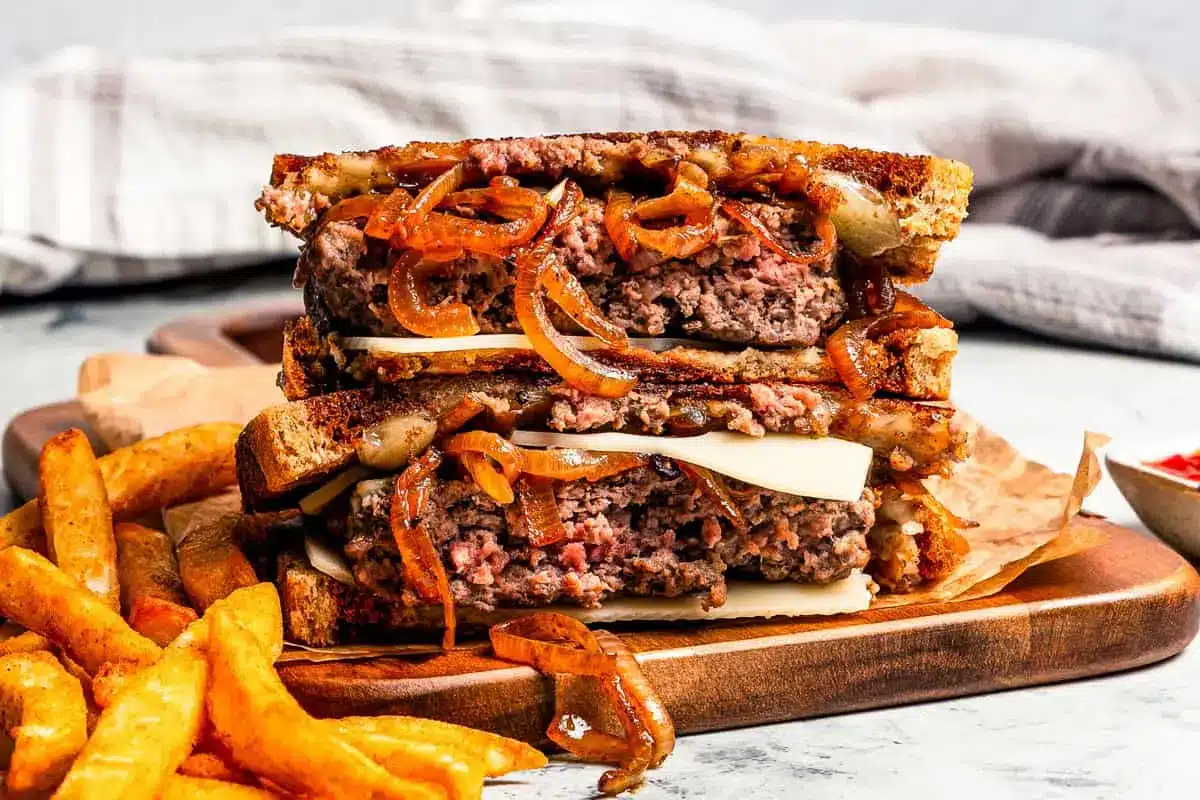
The aroma of sizzling beef, sweet caramelized onions, and melted cheese wafting from the kitchen is an irresistible siren song. This classic patty melt recipe delivers precisely that comforting and nostalgic experience, elevating a simple meal into a truly satisfying indulgence. It’s more than just a sandwich; it’s a carefully constructed symphony of textures and flavors that evokes diner charm right in your own home.
Imagine biting into perfectly toasted rye bread, yielding to a juicy, seasoned beef patty, all embraced by ribbons of deeply sweet, slow-cooked onions and the luxurious ooze of two kinds of perfectly melted cheese. This recipe is designed to be achievable for home cooks, ensuring that a diner-style masterpiece is well within your reach, offering pure comfort with every delicious bite.
Why You Will Love This Recipe
- Quick & Easy Preparation: Despite its gourmet flavor, this patty melt comes together surprisingly fast, making it ideal for weeknight dinners or a speedy lunch.
- Comfort Food Classic: It captures the essence of nostalgic diner fare, offering that beloved combination of savory beef, sweet onions, and gooey cheese that’s universally adored.
- One-Skillet Simplicity: Most of the cooking, from the patties to the onions and the final grill, can be done in a single skillet, minimizing cleanup and maximizing efficiency.
- Customizable Cheese Blend: While Emmental and Provolone are recommended, you have the freedom to experiment with your favorite melting cheeses for a personalized touch.
- Flavorful Caramelized Onions: The secret to an exceptional patty melt lies in the deeply sweet and savory caramelized onions, which add a layer of complexity that transforms the entire sandwich.
Ingredients You Need
The magic of a truly great patty melt lies in the quality and thoughtful preparation of its core components. While the ingredient list appears simple, selecting good quality ground beef, fresh onions, and delicious bread will make a noticeable difference. The interplay of these fundamental elements, brought together with care, is what elevates this dish from ordinary to extraordinary, creating a harmonious balance of flavors and textures that will delight your palate.
Patty Melt Recipe
This classic patty melt recipe features caramelized onions and gooey, melty cheese grilled between slices of rye bread. It's like a juicy burger meets a grilled cheese, offering a taste of diner-style comfort food made at home.
- For the patties:
- ½ pound ground chuck
- Salt and freshly ground black pepper, to taste
- 1½ tablespoons cooking oil
- For the onions:
- 1 large onion
- 1 tablespoon butter
- Salt and freshly ground black pepper, to taste
- 2-3 tablespoons water, or as needed
- Additional:
- 4 slices rye bread, or the desired type of bread
- 2 tablespoons mayonnaise
- 4 slices Provolone cheese
- 2 slices Emmental cheese
- 1Make the patties: Season the ground beef with salt and pepper. Shape the meat into two patties, trying to mimic the shape of your bread slices.
- 2Cook the patties: Heat oil in a skillet over medium-high heat. Add the patties and cook for 3-4 minutes per side or until cooked through. Remove the patties from the skillet and set aside, covered on a plate to collect the meat juices.
- 3Prepare the onions and butter: Peel and thinly slice the onions into half-moons. Melt the butter in a large skillet over medium-high heat.
- 4Caramelize the onions: Season the onions with salt and pepper, and cook for 5 minutes. Then reduce the heat to medium and cook the onions, stirring, until they start to change color. At this point, add some water to prevent burning. Scrape down any browned bits. Continue to cook the onions for 20 minutes, adding water as needed. Finally, stir any meat juices into the onions. Remove the onions from the skillet and set aside.
- 5Get ready to assemble: Spread mayonnaise over one side of the bread slices. Add the bread slices to the skillet, mayonnaise side down. Place the skillet on the stove over medium-high heat.
- 6Assemble the sandwiches and cook: Add 2 slices of Provolone cheese on top of a slice of bread, followed by half of the onions and a cooked patty. Add the Emmental cheese on top of the meat patty, and close the sandwich with another piece of bread, mayonnaise side up. Cook for 2-3 minutes per side or until the bread is browned and the cheese is melted. Repeat the same with the second sandwich.
- 7Serve: Slice the patty melt in half and serve.
Keywords: patty melt, burger, grilled cheese, caramelized onions, rye bread, comfort food, diner food
The exact quantities for each ingredient are detailed within the provided recipe card, ensuring you have all the precise measurements needed for success. You’ll find all the necessary components listed there, ready for your culinary adventure.
Variations
The patty melt, in its essence, is a versatile canvas for culinary creativity, allowing for numerous delightful adaptations beyond its classic form. By tweaking key ingredients or introducing new flavor profiles, you can transform this beloved sandwich into something entirely new, catering to diverse dietary preferences and taste cravings.
Consider a vegan twist by substituting the ground beef with a hearty mushroom-based patty or a plant-based crumble, and using vegan butter and cheese. The caramelized onions remain a crucial element, adding sweetness and depth, while a good quality sourdough or a hearty vegan bread will serve as the perfect foundation for this plant-powered version of the classic.
For those embracing a low-carb lifestyle, the bread is the primary element to modify. Opt for large, grilled portobello mushroom caps or thick slices of roasted eggplant as your “bread.” The delicious beef patty, melty cheese, and caramelized onions will still provide all the satisfying flavors and textures, minus the carbohydrates. This adaptation offers a rich and fulfilling experience without compromising on taste.
Another exciting variation is the “spicy Tex-Mex” patty melt. Introduce a pinch of chili powder and cumin into the ground beef mixture, and layer in some thinly sliced pickled jalapeños along with the caramelized onions and cheese. A smoky chipotle mayonnaise or a drizzle of hot sauce can add an extra kick, transforming the patty melt into a bold and zesty delight. This version brings a vibrant, fiery dimension to the comforting classic, perfect for those who enjoy a little heat.
How to Prepare Patty Melt Recipe
Step 1: Crafting the Perfect Patties
The foundation of any exceptional patty melt is a well-seasoned and properly formed beef patty. Begin by taking your ground chuck, ensuring it’s at a desirable fat ratio for juiciness and flavor, typically around 80/20. Gently season the meat generously with salt and freshly ground black pepper. It’s important not to overwork the meat at this stage, as excessive handling can lead to tough patties.
Divide the seasoned ground beef into two equal portions. Carefully shape each portion into patties that are roughly the same size and shape as your bread slices. Aim for a thickness that allows for even cooking without becoming dry. Creating a slight indentation in the center of each patty can help prevent them from puffing up excessively during cooking, ensuring a flatter, more evenly cooked result.
Once shaped, set the patties aside briefly while you prepare other elements. This initial step is crucial for setting the stage for a perfectly cooked and flavorful sandwich. The simplicity of the seasoning allows the natural flavors of the beef to shine through, complemented by the other ingredients to come.
Step 2: Achieving Perfectly Caramelized Onions
The sweet, savory depth of caramelized onions is what truly sets a patty melt apart from a simple burger. Start by peeling and thinly slicing one large yellow onion into half-moons. Yellow onions are ideal for caramelizing due to their balanced sweetness and their ability to hold their shape during the slow cooking process.
In a large skillet, melt a tablespoon of butter over medium-high heat. Add the sliced onions and a pinch of salt and pepper. Cook for about 5 minutes, stirring occasionally, allowing the onions to soften and begin to brown slightly. This initial searing helps to develop their flavor and color before the slower caramelization process begins.
Reduce the heat to medium and continue to cook the onions, stirring frequently. As they start to change color and deepen in hue, it’s essential to add 2-3 tablespoons of water. This deglazes the pan, scraping up any browned bits that contribute to the flavor, and prevents the onions from burning. Continue this process, adding water as needed, for approximately 20 minutes, or until the onions are tender, deeply golden brown, and wonderfully sweet. Just before removing them from the pan, stir in any accumulated meat juices from cooking the patties to further enhance their savory profile.
Step 3: Cooking the Beef Patties to Perfection
With your onions well on their way to caramelization or set aside, it’s time to focus on the heart of the patty melt: the beef patties. Heat about 1.5 tablespoons of cooking oil in a skillet over medium-high heat. Ensure the skillet is hot enough to create a beautiful sear on the patties.
Carefully place the seasoned beef patties into the hot skillet. Cook for approximately 3-4 minutes per side. The goal is to achieve a well-browned exterior crust while ensuring the interior is cooked through to your desired level of doneness, though for a patty melt, a slightly more cooked patty is often preferred. The exact time will depend on the thickness of your patties and the heat of your stove.
Once cooked, remove the patties from the skillet and place them on a plate. Tent them loosely with foil to keep them warm and allow the juices to redistribute. This resting period is critical for ensuring the patties remain moist and tender inside, preventing any loss of precious savory liquid. The juices collected on the plate can even be incorporated into the caramelized onions, as mentioned in the previous step, for an extra layer of flavor.
Step 4: Assembling the Patty Melts
Now comes the exciting part: assembling your delicious patty melts. Take your four slices of rye bread, or your chosen bread type. Spread a thin, even layer of mayonnaise on one side of each slice. Mayonnaise is preferred by many for its ability to create an exceptionally crispy and golden-brown crust when grilled, offering a delightful tang that complements the rich fillings.
Place the bread slices, mayonnaise-side down, into the skillet you used for the patties and onions. It’s beneficial to have the skillet still warm, but you can adjust the heat to medium-high to ensure even toasting. This step prepares the bread for the generous layering of ingredients that will follow, ensuring a perfectly toasted exterior.
Begin building your sandwiches directly in the skillet. On top of the bread slices currently in the pan, layer two slices of Provolone cheese. Evenly distribute the deeply caramelized onions over the Provolone cheese, ensuring each bite will have a delightful onion presence. Finally, place one of the cooked beef patties on top of the onions.
Step 5: The Final Grill and Melt
To complete the patty melt, it’s time for the final layer of cheese and the top piece of bread. Place the two slices of Emmental cheese on top of the beef patty. The Emmental will melt beautifully, adding a nutty complexity that pairs wonderfully with the Provolone. Then, carefully place the remaining bread slices on top, ensuring the mayonnaise-side is facing upwards, ready to be grilled to golden perfection.
Cook the sandwiches for approximately 2-3 minutes per side. Keep a close eye on them to achieve that desirable golden-brown crispness on the bread and to allow the cheese to become thoroughly melted and gooey. You want the cheese to be oozing slightly from the edges, indicating it’s perfectly melted and ready to be enjoyed. The warmth from the skillet will complete the melting process.
Once both sides of each sandwich are beautifully golden brown and the cheese is luxuriously melted, remove them from the skillet. For the most satisfying presentation and ease of eating, slice each patty melt in half diagonally. This reveals the luscious layers of beef, onions, and melted cheese within, creating an enticing visual appeal that perfectly matches its delicious taste. Serve immediately while hot and melty for the ultimate experience.
Step 6: Serving Your Masterpiece
The moment of truth has arrived – serving your perfectly crafted patty melt. As you slice the sandwich in half, the rich aroma of beef, caramelized onions, and melted cheese will fill the air, a testament to the delightful journey of preparation. The visual appeal of the golden-brown bread and the oozing cheese promises a truly satisfying culinary experience.
Present your patty melts immediately after slicing. The ideal scenario is to serve them piping hot, ensuring the cheese is at its most gooey and the bread retains its delightful crispness. The contrast between the warm, juicy interior and the perfectly toasted exterior is a key element of this beloved sandwich’s appeal, making it an instant crowd-pleaser.
Pairing your patty melt with classic accompaniments can further enhance the dining experience. Think of the delightful crunch of crispy French fries, the satisfying texture of roasted sweet potato wedges, or a refreshing side salad for a lighter touch. The rich flavors of the patty melt are beautifully balanced by these classic partners, creating a complete and enjoyable meal that honors the diner-style tradition.
Pro Tips for Patty Melt Recipe
Master the Caramelization: Patience is key when caramelizing onions. Don’t rush the process; slow and low heat is your best friend here. This allows the natural sugars in the onions to develop fully, creating a deep, rich sweetness that is fundamental to an authentic patty melt flavor profile. Stirring occasionally prevents sticking and ensures even browning.
Patty Thickness Matters: Aim for patties that are about ½ inch thick. This thickness allows the beef to cook through without drying out too quickly. If your patties are too thin, they might overcook, losing their juiciness. If they are too thick, they might not cook evenly. The slight indentation in the center also helps maintain a more uniform thickness during cooking.
The Right Bread is Crucial: Rye bread is the traditional choice, and for good reason; its slightly tangy, earthy flavor complements the richness of the beef and cheese beautifully. However, sourdough, pumpernickel, or even a good quality brioche can also work wonderfully. Ensure the bread is sturdy enough to hold the fillings without becoming soggy during the grilling process.
Don’t Skimp on the Cheese: While the recipe calls for Emmental and Provolone, feel free to experiment with other excellent melting cheeses. Swiss, cheddar, Gruyère, or even Monterey Jack can be delicious. The key is to use cheeses that melt well and contribute to that irresistible gooey texture. A combination of two cheeses often yields the best flavor and melt.
The Mayo Trick: Spreading mayonnaise on the outside of the bread slices before grilling is a game-changer. It browns beautifully, creating a crispier, more uniformly golden crust than butter alone. The subtle tang of the mayonnaise also adds an unexpected but welcome flavor dimension that enhances the overall sandwich experience. This technique is a secret weapon for achieving that perfect diner grill.
Serving Suggestions for Patty Melt Recipe
Decoration
While a patty melt is inherently rustic and comforting, a few simple decorative touches can elevate its presentation. A sprinkle of fresh, finely chopped chives or parsley over the top of the sandwich just before serving adds a pop of color and a hint of freshness. A small garnish of dill pickle slices on the side also complements the rich flavors and adds a bright, acidic counterpoint.
Side Dishes
Classic pairings are key to a perfect patty melt experience. Crispy shoestring fries, whether classic potato or seasoned sweet potato, are an almost mandatory accompaniment, providing that satisfying crunch. Onion rings, with their own delightful crispness and savory flavor, also make an excellent partner. For a lighter option, a simple green salad with a vinaigrette dressing offers a refreshing contrast to the richness of the sandwich.
Creative Serving Ideas
For a truly gourmet twist, consider serving your patty melt with a side of aioli or a creamy dipping sauce. Roasted garlic aioli offers a sophisticated depth of flavor, while a classic ranch dressing can provide a comforting, familiar taste. Another creative approach is to serve the patty melt “au jus,” in the style of a French dip sandwich, offering a small bowl of warm beef broth for dipping. This adds an unexpected and incredibly flavorful dimension to every bite.
Preparation & Storage
Storing Leftovers
If you find yourself with any leftover patty melts, it’s best to store the components separately to maintain optimal texture. Refrigerate any leftover cooked beef patties and caramelized onions in airtight containers. Assembled sandwiches tend to become soggy when refrigerated, so it’s advisable to store the fillings and bread separately. Leftovers stored this way can generally be kept fresh in the refrigerator for up to 3 to 4 days.
Freezing
The individual components of the patty melt freeze quite well, allowing you to enjoy this delicious meal at a later date. Cooked beef patties and leftover caramelized onions can be frozen for up to two months. Ensure they are cooled completely before packaging them tightly in freezer-safe bags or containers. Thawing them in the refrigerator overnight is the recommended method before reheating and assembling.
Reheating
Reheating your patty melt components is straightforward and ensures you can enjoy them almost as if they were freshly made. Warm the pre-cooked beef patties and caramelized onions gently in a microwave or on the stovetop until heated through. Once the fillings are warm, assemble them onto fresh slices of rye bread, applying mayonnaise and grilling them as directed in the recipe to achieve that signature golden-brown, crispy finish. This ensures the bread is perfectly toasted and the cheese is delightfully melted.
Frequently Asked Questions
-
What is the best type of bread for a patty melt, and why is rye traditional?
Rye bread is the quintessential choice for a classic patty melt due to its distinctive, slightly tangy, and earthy flavor profile. This robust taste stands up exceptionally well to the richness of the beef, the sweetness of the caramelized onions, and the savory melted cheese, creating a harmonious balance. Its sturdy structure also holds up well during the grilling process, preventing it from becoming overly soggy. While rye is traditional, other hearty breads like sourdough, pumpernickel, or even a good quality white bread can be used, offering a slightly different but still delicious experience.
-
Can I make the caramelized onions ahead of time, and how should I store them?
Absolutely, making the caramelized onions ahead of time is a brilliant strategy for streamlining the patty melt assembly process. Once caramelized, allow them to cool completely. Store them in an airtight container in the refrigerator for up to 3-4 days. They can also be frozen for longer storage, typically up to 2 months, provided they are properly sealed in a freezer-safe container. When ready to use, simply reheat them gently on the stovetop or in the microwave until warm, and they will be ready to add to your sandwich.
-
What are the best cheese combinations for a patty melt, beyond Emmental and Provolone?
While Emmental and Provolone offer a delightful nutty and savory blend, the world of cheese for a patty melt is wonderfully open to exploration. For a classic American diner feel, a combination of sharp cheddar and American cheese creates a wonderfully gooey and familiar taste. Swiss cheese is another excellent choice, known for its characteristic holes and mild, nutty flavor. Monterey Jack offers a creamy texture and a mild taste that melts beautifully, and Gruyère provides a deeper, more complex, nutty, and slightly sweet flavor profile that elevates the sandwich significantly. Experimenting with two or three cheeses often yields the most interesting and delicious results, allowing you to tailor the flavor to your personal preference.