Easy Steak Salad with Green Goddess Dressing
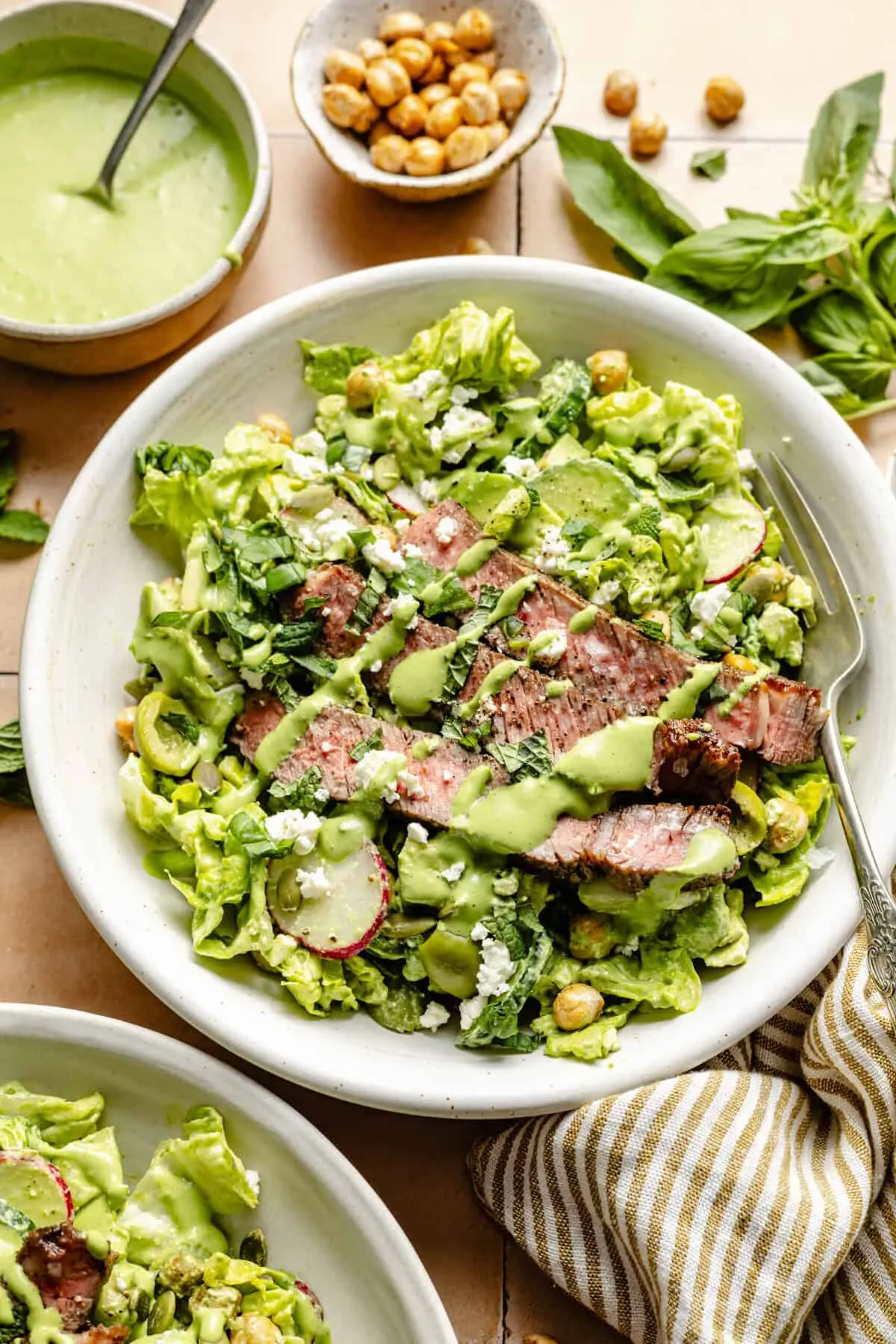
Embark on a culinary journey with a dish that promises a symphony of textures and flavors, a vibrant celebration of fresh ingredients and satisfying protein. This steak salad is more than just a meal; it’s an experience, meticulously crafted to elevate your dining, whether it’s a quick weeknight supper or a sophisticated lunch.
Imagine biting into perfectly cooked, tender steak, complemented by crisp, refreshing greens and a medley of delightful toppings, all unified by a luscious, creamy dressing. This recipe is designed to be both approachable for the home cook and impressive enough to share, offering a delightful balance of simplicity and gourmet appeal.
Why You Will Love This Recipe
- Quick Preparation: This entire dish comes together with remarkable speed, making it an ideal choice for busy evenings when you desire a healthy and delicious meal without spending hours in the kitchen.
- Flavor Explosion: Each ingredient contributes a unique taste and texture, from the savory steak to the bright herbs and crunchy chickpeas, creating a complex and utterly delicious flavor profile.
- Customizable Toppings: The flexibility of this salad allows you to easily adapt it to your personal preferences or what you have on hand, ensuring it’s always a hit.
- Healthy & Wholesome: Packed with lean protein, fresh vegetables, and healthy fats, this salad is a nutritious choice that will leave you feeling satisfied and energized.
- Visually Appealing: The vibrant colors and artful arrangement of ingredients make this steak salad a feast for the eyes, perfect for impressing guests or simply enjoying a beautiful meal.
Ingredients You Need
The success of any great dish hinges on the quality of its components, and this steak salad is no exception. Utilizing fresh, high-quality ingredients will significantly enhance the final taste and overall dining experience. Opting for vibrant produce and well-marbled steak will make a noticeable difference.
Steak Salad with Green Goddess Dressing
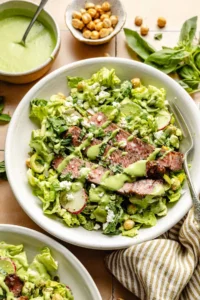
This easy Steak Salad recipe is so good, it has crisp veggies, crunchy chickpeas, perfectly cooked steak, and a creamy green goddess dressing that pulls it all together. It's quick, flavorful, and exactly the kind of recipe you need for a weeknight dinner!
- 1 pound boneless ribeye steak
- Salt and pepper
- 10-12 cups chopped little gem or romaine lettuce
- 1/2 cup castelvetrano olives, halved
- 4 oz feta cheese, crumbled
- 1 large avocado, diced
- 1 cup crispy chickpeas (store bought is fine)
- 1/2 cup thinly sliced radish
- 1/2 cup English cucumber, sliced into half moons
- 1/3 cup pumpkin seeds
- 1/4 cup thinly sliced green onion
- Fresh basil and mint, for garnish
- For the Green Goddess Dressing:
- 1/2 cup parsley
- 1/4 cup basil
- 1/4 cup tarragon
- 1/4 cup dill
- 1/4 cup mint
- 2 green onions
- 1 cup whole milk Greek yogurt
- Zest and juice of 1 lemon
- 1 teaspoon Dijon mustard
- 1 teaspoon honey
- 2 cloves garlic
- 1/2 tablespoon Worcestershire sauce
- 1/4 cup olive oil
- 1/2 teaspoon salt, plus more to taste
- 1/4 teaspoon black pepper, plus more to taste
- 1Prep the steak: Remove the steak from the fridge 30-45 minutes before you're ready to cook.
- 2Make the Green Goddess Dressing: Add all of the ingredients to a blender or food processor and blend until smooth. Set aside in the fridge.
- 3Make Salad: Add the chopped lettuce to a large mixing bowl. Toss with a few spoonfuls of dressing until lightly dressed. Top the salad with all of the olives, feta, avocado, chickpeas, radish, cucumber, pumpkin seeds, green onion, and fresh herbs.
- 4Cook the steak: Pat the steak dry with paper towels and then liberally season the steaks all over with salt and pepper. Use your fingers to press the salt and pepper into the steaks. Heat a large cast iron skillet over medium-high heat. Once hot, add the avocado oil. Once the oil is hot and shimmering, add the steak to the pan. Cook the steak for 4-5 minutes until a deep brown and crusty. Flip the steak and continue to cook for an additional 3-5 minutes (the length of time will vary depending on your preferred doneness). Once the steak hits your preferred internal temperature, remove from the skillet and let rest for 10 minutes before slicing the steak against the grain.
- 5Top the salad with the sliced steak and serve with additional dressing.
Keywords: steak salad, green goddess dressing, healthy salad, weeknight dinner, gluten-free
Quantities for these delightful ingredients can be found within the accompanying recipe card for your convenience.
Variations
For those following a plant-based lifestyle, transforming this steak salad into a delectable vegan option is wonderfully simple. Begin by substituting the steak with grilled or pan-seared tofu, tempeh, or hearty portobello mushrooms, ensuring they are well-seasoned and cooked to perfection. Instead of feta cheese, opt for a sprinkle of a dairy-free alternative like a cashew-based feta or a sharp, crumbly vegan cheddar. The creamy green goddess dressing can be made vegan by using a plant-based yogurt, such as coconut or soy, and ensuring all other dressing components are dairy-free. This adaptation maintains the salad’s vibrant appeal and satisfying textures, proving that vegan dining can be just as exciting and flavorful.
Adopting a low-carb approach doesn’t mean sacrificing flavor or satisfaction with this versatile salad. Omit the chickpeas entirely, as they are a source of carbohydrates. Instead, you can increase the quantity of other crunchy elements like toasted nuts (almonds or pecans work beautifully) or seeds (sunflower or pepitas). Consider adding more creamy components like sliced avocado or even a dollop of full-fat Greek yogurt mixed with herbs. When it comes to the dressing, ensure it’s made with low-carb sweeteners or is naturally sugar-free. This adjustment ensures the salad remains a delightful and filling low-carbohydrate meal that adheres to your dietary goals without compromising on taste.
For a refreshing twist, consider a Mediterranean-inspired iteration of this steak salad, perfect for a lighter yet equally satisfying meal. Swap the traditional lettuce base for a mix of spinach and arugula for a peppery kick. Introduce Kalamata olives and crumbled Feta cheese (or a vegan alternative) for that classic Greek flavor. Marinated artichoke hearts, sun-dried tomatoes, and thinly sliced red onion would add further depth and zest. For a protein boost beyond the steak, add some grilled halloumi cheese or even a handful of chickpeas, if your dietary preferences allow. A lemon-herb vinaigrette, perhaps with a touch of oregano and garlic, would be a superb complement to these Mediterranean elements.
How to Prepare Steak Salad Recipe
Step 1: Preparing the Steak for Optimal Flavor
The first crucial step in crafting this exceptional steak salad involves meticulously preparing the star of the show: the steak. It is highly recommended to remove the steak from refrigeration at least 30 to 45 minutes before you intend to cook it. This period allows the steak to come closer to room temperature, ensuring a more even cooking process from edge to center.
A steak that is evenly cooked throughout offers a more tender and enjoyable eating experience. A steak that is too cold from the refrigerator will cook unevenly, potentially resulting in a tough exterior and a raw interior, which is far from ideal for a premium salad topping.
This resting period is not just about temperature; it also allows the muscle fibers to relax slightly, contributing to increased tenderness once cooked. Patience at this stage significantly contributes to the final quality of your steak salad.
Step 2: Crafting the Luscious Green Goddess Dressing
Simultaneously, while the steak is acclimating to room temperature, you can focus on creating the vibrant and flavorful Green Goddess dressing. Gather all the specified dressing ingredients – fresh herbs like parsley, basil, tarragon, dill, and mint, along with green onions, creamy whole milk Greek yogurt, lemon zest and juice, Dijon mustard, honey, garlic, Worcestershire sauce, olive oil, salt, and pepper. Place all these components into a high-powered blender or a food processor. The key here is to blend until the mixture is exceptionally smooth and emulsified, creating a luxurious, cohesive dressing.
Once the dressing achieves its desired silky consistency, transfer it to an airtight container. It should then be refrigerated immediately. This chilling period allows the flavors to meld and deepen, transforming from individual ingredients into a harmonious symphony of taste. A well-chilled dressing will also contribute to the refreshing coolness of the finished salad.
Ensuring the dressing is perfectly smooth is essential for its texture and how it coats the salad ingredients. Any grittiness from unblended herbs or garlic can detract from the overall eating experience, so dedicate adequate time to achieve that desirable creaminess.
Step 3: Assembling the Salad Base and Toppings
With the steak resting and the dressing chilled, it’s time to begin assembling the salad itself. Take a generously sized mixing bowl and add the pre-chopped lettuce, whether it’s crisp little gem or sturdy romaine. Add a few spoonfuls of the prepared Green Goddess dressing to the lettuce and gently toss. The aim here is to lightly coat the greens, ensuring they are pleasantly dressed without being drowned or soggy. This light dressing of the greens sets the foundation for the vibrant assembly to come.
Next, artfully arrange the various salad toppings over the lightly dressed lettuce. This includes the halved Castelvetrano olives, crumbled feta cheese, diced avocado, crunchy chickpeas, thinly sliced radish, refreshing English cucumber, toasted pumpkin seeds, and thinly sliced green onion. Finally, scatter the fresh basil and mint leaves over the top, adding a burst of aromatic freshness and visual appeal to the ensemble. Each ingredient plays a vital role in the salad’s texture and flavor tapestry.
The careful layering of these toppings is not just for aesthetics; it ensures that each bite offers a delightful combination of flavors and textures. This meticulous arrangement elevates the salad from a simple mix of ingredients to a thoughtfully composed dish. Consider the distribution of each topping to ensure a balanced taste experience with every forkful.
Step 4: Seasoning and Preparing the Steak for Searing
Before the steak hits the hot skillet, it requires proper preparation to achieve that coveted savory crust. Remove the steak from any packaging and pat it thoroughly dry using paper towels. This step is critically important because moisture on the surface of the steak will steam rather than sear, preventing the formation of a delicious brown crust.
Once the steak is completely dry, liberally season both sides with a generous amount of salt and freshly ground black pepper. Use your fingertips to gently press the seasonings into the meat, ensuring they adhere well and will contribute to the flavorful crust during cooking. Don’t be shy with the seasoning; a well-seasoned steak is fundamental to a great-tasting salad.
The quality of the salt and pepper used can also make a difference; consider using flaky sea salt and freshly cracked black pepper for optimal flavor impact. This simple yet essential step guarantees that the steak itself is as flavorful as the accompaniments.
Step 5: Searing the Steak to Perfection
Now, it’s time to bring the steak to life with heat. Place a large, heavy-bottomed skillet, preferably cast iron, over medium-high heat. Allow the skillet to become thoroughly heated; this is crucial for achieving a good sear. Once the pan is hot, add a tablespoon or two of avocado oil. Wait until the oil begins to shimmer, indicating it has reached the optimal temperature for searing without smoking excessively.
Carefully place the seasoned steak into the hot skillet. Let it cook undisturbed for 4 to 5 minutes, or until a deep, rich brown crust has formed on the bottom. This caramelization is where much of the steak’s flavor is developed. Resist the urge to move the steak around during this initial searing period, as this allows the crust to develop properly. Then, using tongs, flip the steak to sear the other side.
Continue to cook for an additional 3 to 5 minutes, or until the steak reaches your desired level of doneness. For medium-rare, aim for an internal temperature of around 125-130°F (52-54°C). For medium, target 135-140°F (57-60°C). It is imperative to remove the steak from the skillet slightly before it reaches your target temperature, as it will continue to cook while resting. Once cooked, transfer the steak to a clean cutting board and allow it to rest for at least 10 minutes. This resting period is non-negotiable; it allows the juices to redistribute throughout the meat, resulting in a more tender and moist steak.
After resting, slice the steak thinly against the grain. This technique shortens the muscle fibers, making each slice remarkably tender and easy to chew. The angled slices also present beautifully atop the vibrant salad, adding a restaurant-quality finish to your homemade creation. Pay attention to the grain of the steak; it typically runs in one direction, and slicing perpendicular to it is key for tenderness.
Step 6: The Grand Finale: Assembling and Serving
The final step involves bringing all the prepared elements together for a stunning presentation and a delightful dining experience. Once the steak has rested and been expertly sliced against the grain, it’s time to crown your meticulously assembled salad. Arrange the warm, tender steak slices fanned out over the top of the dressed greens and toppings. The contrast in temperature and texture between the warm steak and the cool salad is a key element of this dish’s appeal.
Serve the salad immediately, allowing your guests or yourself to enjoy the steak at its prime temperature. Offer additional Green Goddess dressing on the side, allowing individuals to add more as they prefer. This ensures every bite is perfectly coated and seasoned to their liking, catering to diverse taste preferences.
The visual appeal of the finished salad, with its vibrant colors and array of textures, is truly captivating. It’s a dish that not only tastes incredible but also looks magnificent, making it perfect for any occasion, from a casual lunch to a more formal gathering. Enjoy the culmination of your efforts, a truly satisfying and delicious meal.
Pro Tips for Steak Salad Recipe
Achieve a Perfect Sear: Ensure your skillet is screaming hot before adding the steak. A cast-iron pan is ideal for retaining and distributing heat evenly, which is essential for developing a beautiful, flavorful crust on the steak. Don’t overcrowd the pan; cook steaks in batches if necessary to maintain high heat.
Resting is Key: Never skip the steak resting period after cooking. Allowing the steak to rest for at least 10 minutes permits the juices to redistribute throughout the meat, resulting in a significantly more tender and moist final product. Cutting into it too soon will cause all those delicious juices to run out onto the cutting board.
Customize Your Greens: While romaine or little gem lettuce are excellent choices for their crunch and structure, feel free to experiment with other greens. A mix of baby spinach and peppery arugula can add another dimension of flavor, or even chopped kale could be used if you prefer a heartier base. Just ensure the greens are thoroughly dried to prevent a watery salad.
Boost the Crunch: The crispy chickpeas add a fantastic textural contrast, but don’t stop there. Toasted nuts like slivered almonds, chopped walnuts, or pecans offer another layer of crunch and nutty flavor. Sunflower or pumpkin seeds (pepitas) are also excellent additions and provide a satisfying bite.
Flavorful Dressing Variations: While the Green Goddess dressing is divine, don’t hesitate to explore other vinaigrettes or creamy dressings. A bright lemon-Dijon vinaigrette, a zesty lime-cilantro dressing, or even a simple balsamic glaze could beautifully complement the steak and vegetables, offering a different flavor profile each time.
Serving Suggestions for Steak Salad Recipe
Decoration
Elevate the visual appeal of your steak salad with thoughtful garnishes. A final scattering of fresh, vibrant herbs like parsley, chives, or cilantro adds a pop of color and freshness. Consider a sprinkle of toasted sesame seeds or a few edible flowers if you want to add an extra touch of elegance. A drizzle of extra dressing or a swirl of balsamic glaze can also create an attractive finish, drawing the eye and inviting the first delicious bite.
Side Dishes
This steak salad is substantial enough to be a complete meal on its own, but it pairs wonderfully with a few select accompaniments. Crusty artisanal bread, perfect for soaking up any leftover dressing, is always a welcome addition. For those craving something warm and comforting, crispy baked potato wedges or sweet potato fries offer a delightful contrast to the cool salad. A light, refreshing soup, such as a chilled gazpacho or a simple tomato bisque, can also complement the richness of the salad without overpowering it.
Creative Serving Ideas
Move beyond the traditional bowl by serving this steak salad in individual portions for an elegant presentation. You could layer the ingredients in mason jars for portable lunches, creating a visually appealing and convenient meal. Another idea is to serve the salad deconstructed, arranging the steak, greens, and toppings artfully on platters, allowing guests to assemble their own perfect bite. For a more casual gathering, serve the salad buffet-style with all the components in separate bowls, encouraging guests to customize their own creations.
Preparation & Storage
Storing Leftovers
To maximize the freshness of leftover steak salad, it’s best to store the components separately. Transfer any remaining salad dressing to an airtight container and keep it refrigerated; it should remain fresh for up to a week. Store the undressed salad ingredients (lettuce and toppings) in a separate airtight container in the refrigerator. If the steak is leftover, slice it and store it in its own container, also refrigerated, for up to 2-3 days.
When you’re ready to enjoy the leftovers, combine the greens and toppings, dress them lightly, and then top with the sliced steak. This method prevents the salad from becoming soggy and ensures the textures remain appealing. Leaving out any very delicate toppings like fresh herbs until just before serving can also help maintain their crispness.
If the steak has been refrigerated for a day or two, it can still be sliced and added to fresh greens. Avoid dressing the entire salad in advance if you anticipate having leftovers, as this is the quickest way to make it unappealing.
Freezing
Freezing this steak salad is generally not recommended due to the delicate nature of the fresh ingredients. Lettuce will become wilted and mushy upon thawing, and the texture of most fresh vegetables can be compromised. The cooked steak, while more resilient, may also lose some of its optimal texture and moisture when frozen and then reheated.
The Green Goddess dressing, however, is a different story. While freezing might slightly alter its creamy texture, it can be frozen in ice cube trays for smaller portions or in an airtight container. Thaw it in the refrigerator and whisk vigorously before serving. It’s best to plan on making a fresh batch of dressing if you have all the ingredients on hand for the best possible result.
Ultimately, this salad is best enjoyed fresh, making it an ideal candidate for planned meals rather than extensive batch cooking and freezing. The quick preparation time also means that making a fresh batch is usually more feasible than attempting to freeze and revive leftovers.
Reheating
Reheating is only applicable to the steak component of the salad if it has been refrigerated. The best method for reheating steak while preserving its quality is to do so gently. You can briefly warm the slices in a skillet over low heat with a tiny bit of oil or butter, just until warmed through, being careful not to overcook it, which would make it tough.
Alternatively, you can reheat the steak in a low oven (around 250-300°F or 120-150°C) on a baking sheet for a few minutes, again ensuring it doesn’t dry out. Microwaving is the least ideal method, as it can quickly lead to a rubbery texture, but if necessary, use short bursts of power and check frequently.
The salad itself should not be reheated; it is meant to be served chilled or at room temperature. If you are reheating steak to add to a salad, allow the steak to cool slightly before adding it to the fresh greens and toppings to avoid wilting them prematurely.
Frequently Asked Questions
- Can I use a different cut of steak for this salad?
Absolutely! While ribeye is a fantastic choice for its marbling and tenderness, many other cuts work wonderfully for this steak salad. Sirloin, flank steak, strip steak, flat iron, and New York strip are all excellent alternatives. The key is to select a cut you enjoy and ensure it’s cooked to your preferred doneness before slicing. For flank and skirt steaks, which can be tougher, slicing very thinly against the grain after resting is particularly important to maximize tenderness. You could even consider grilling tougher cuts for added flavor and texture. - What if I don’t have all the fresh herbs for the Green Goddess dressing?
The beauty of homemade dressings is their adaptability. While the specific blend of herbs contributes to the classic Green Goddess flavor, you can certainly make delicious substitutions. If you’re missing tarragon or dill, you can increase the amount of parsley or basil, or add other complementary herbs like chives or a hint of oregano. Even a small amount of fresh mint can add a refreshing note. The goal is a vibrant, herbaceous profile, so feel free to adjust based on what you have available. The yogurt and lemon will still provide the creamy, tangy base. - How can I make this steak salad ahead of time?
To prepare this steak salad ahead of time, the best approach is to store all the components separately. Cook and slice the steak, then let it cool completely before storing it in an airtight container in the refrigerator. Prepare the Green Goddess dressing and store it in a sealed jar or container in the fridge. Chop all your vegetables and store them in separate containers, or in one large container if they won’t make each other soggy. Keep the lettuce separate and un-dressed. When ready to serve, combine the lettuce with the desired amount of dressing, top with the steak and other vegetables, and add any delicate garnishes. This ensures maximum freshness and prevents ingredients from becoming limp or unappetizing.