Irresistible Mediterranean Rice and Beans
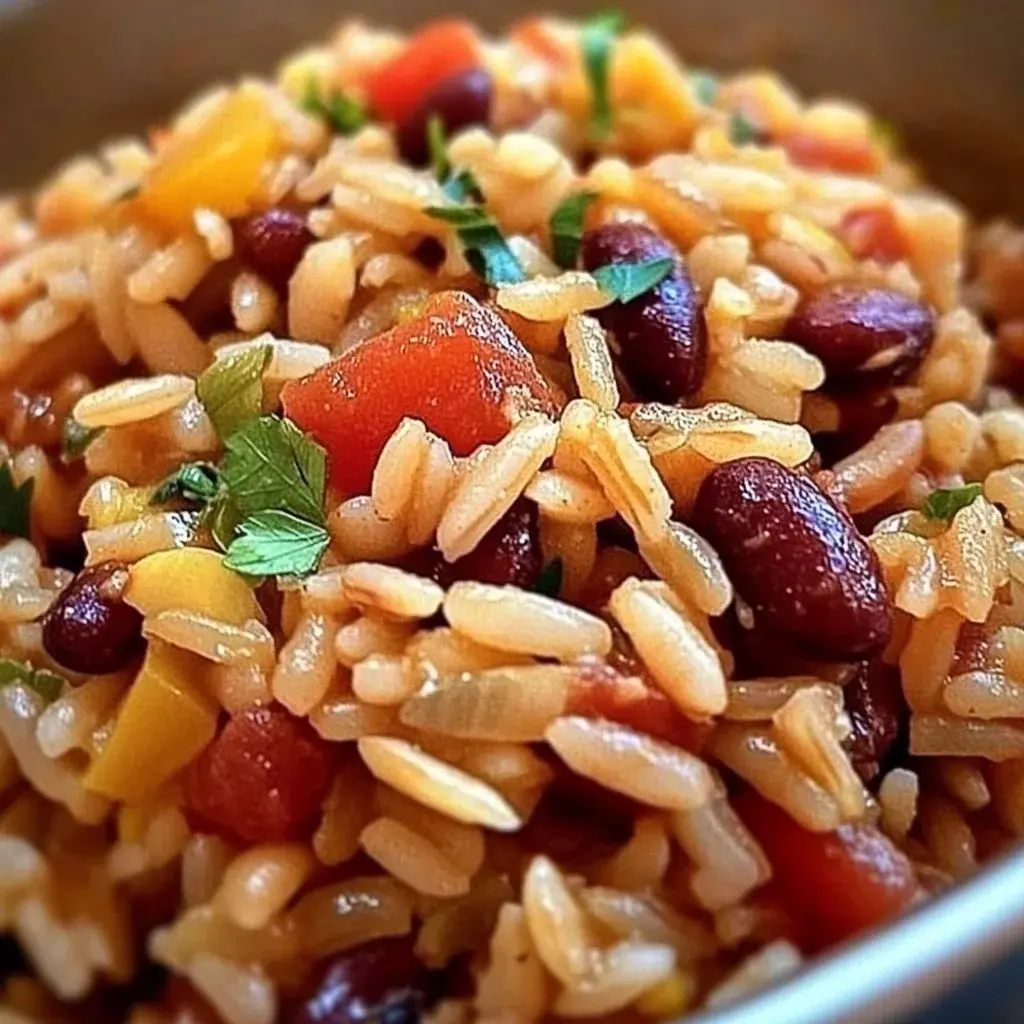
If you’re looking for a dish that brings together vibrant flavors, texture, and nutrition, look no further than Mediterranean Rice and Beans. This recipe is not only satisfying but also easy to prepare, making it an ideal addition to your weekly meal rotation. Have you ever wondered how simple beans and rice can provide so much variety and taste? The blend of spices and fresh ingredients transforms these staples into a delightfully flavorful dish that your whole family will love.
What sets Mediterranean Rice and Beans apart from other rice and bean recipes is the infusion of Mediterranean flavors. With the addition of fresh bell pepper, aromatic garlic, and fragrant cumin, each bite is bursting with taste. Moreover, the high protein content from the black beans, combined with the wholesome rice, makes this dish filling and nutritious. Whether you’re looking for a quick weeknight meal or a dish to impress your guests, Mediterranean Rice and Beans can be the answer.
Why You Will Love This Recipe
- Flavor Explosion: The careful blend of aromatic spices like cumin, coupled with fresh vegetables and tender rice, creates a truly captivating taste experience that is both comforting and exciting.
- Effortless Preparation: This recipe is designed for maximum flavor with minimal fuss, making it perfect for busy weeknights when time is of the essence, allowing you to enjoy a delicious meal without the stress.
- Nutritional Powerhouse: Packed with plant-based protein from the black beans and wholesome carbohydrates from the rice, this dish offers sustained energy and satisfaction, making it a guilt-free indulgence.
- Remarkable Versatility: Whether served as a hearty main course or a delightful side, Mediterranean Rice and Beans adapts beautifully to various dining occasions, from casual family dinners to more formal gatherings.
- Customizable Charm: The beauty of this dish lies in its adaptability; you can easily tweak the spices, add your favorite vegetables, or even introduce different types of beans to tailor it perfectly to your unique palate.
Ingredients You Need
Selecting high-quality ingredients is paramount to achieving the authentic and vibrant flavors of Mediterranean cuisine. Freshness plays a key role, from the crisp bell pepper to the pungent garlic, each component contributes to the overall symphony of taste. Using good quality olive oil will also make a noticeable difference in the final dish’s richness and aroma, so opt for the best you can find.
Mediterranean Rice and Beans
A nutritious and flavorful dish combining rice, beans, and Mediterranean spices in under 30 minutes. This recipe is simple, versatile, and packed with plant-based protein and fiber, making it a perfect quick meal for any occasion.
- 1 cup rice (preferably long-grain)
- 1 can black beans, drained and rinsed
- 1 cup vegetable broth or water (Use gluten-free broth if needed)
- 1 bell pepper, diced (red, yellow, or green)
- 1 onion, diced
- 2 cloves garlic, minced
- 1 tablespoon olive oil
- 1 teaspoon cumin
- Salt and pepper to taste
- Fresh parsley for garnish
- 1Gather all the ingredients. Rinse and drain the black beans, and chop the onion and bell pepper into bite-sized pieces.
- 2In a large pan, heat the olive oil over medium heat. Add the diced onion and bell pepper, sautéing until soft for about 5-7 minutes.
- 3Stir in the minced garlic and cumin, cooking for another minute until garlic is fragrant.
- 4Add the rice to the pan, stirring to coat it with the oil and vegetables.
- 5Pour in the vegetable broth or water and add the drained black beans, mixing gently.
- 6Bring the mixture to a boil, then reduce heat to low and cover the pan. Let it simmer for about 20 minutes.
- 7After 20 minutes, check if the rice is cooked and the liquid has been absorbed. Fluff gently with a fork and season with salt and pepper to taste.
- 8Transfer to a serving dish and garnish with fresh parsley before serving.
Keywords: Healthy Recipe, Mediterranean Rice and Beans, Quick Dinner, Vegetarian Dish
- rice, preferably long-grain: The foundation of the dish, providing a satisfying texture and neutral base for the flavors to shine.
- black beans, drained and rinsed: Offering a creamy texture and a significant boost of plant-based protein and fiber, making the dish hearty and filling.
- vegetable broth or water: The cooking liquid that hydrates the rice and infuses it with subtle savory notes; using a good vegetable broth can add an extra layer of depth.
- bell pepper, diced: Adds a fresh crunch and a touch of sweetness, with colors like red or yellow offering visual appeal and vibrant flavor.
- onion, diced: Provides a foundational aromatic sweetness as it sautés, creating a savory base for the entire dish.
- garlic, minced: Essential for its pungent, aromatic quality, garlic is a cornerstone of Mediterranean cooking, lending a distinctive depth of flavor.
- olive oil: A crucial element for sautéeing the aromatics and adding a characteristic rich, fruity note inherent to Mediterranean cooking.
- cumin: This warm, earthy spice is a hallmark of many Mediterranean dishes, providing a distinct aromatic profile that ties the ingredients together beautifully.
- salt and pepper: Essential for seasoning, these fundamental ingredients enhance and balance all the other flavors present in the dish, ensuring a well-rounded taste.
- fresh parsley for garnish: A bright, herbaceous finishing touch that adds a burst of freshness and a vibrant visual contrast to the finished dish.
These are the primary components that build the flavor profile, with specific quantities detailed within the provided recipe card.
Variations
Embracing the versatility of this Mediterranean Rice and Beans recipe opens up a world of culinary creativity. You can easily adapt it to suit various dietary preferences or to introduce exciting new flavor dimensions. Consider transforming it into a vibrant, protein-packed lunch bowl by layering it with other Mediterranean favorites.
For a plant-based powerhouse, a vegan iteration is wonderfully simple. Ensure your vegetable broth is plant-based, and you can amplify the protein and texture by incorporating cooked lentils or even crumbled firm tofu sautéed with a touch of smoked paprika. This approach maintains the dish’s integrity while catering to vegan diners, proving that deliciousness knows no dietary bounds.
A low-carb twist is also achievable by substituting the traditional rice with cauliflower rice. This creates a lighter, more vegetable-forward version that still captures the essence of the Mediterranean spices and beans. The cauliflower rice absorbs the flavors beautifully, offering a satisfying alternative without compromising on taste.
How to Prepare Mediterranean Rice and Beans
Step 1: Preparing Your Ingredients for Flavorful Success
Begin by meticulously gathering all the components for your Mediterranean Rice and Beans. This initial step is crucial for a smooth and efficient cooking process, ensuring that nothing is overlooked. Rinse the black beans thoroughly under cool running water to remove any excess salt or canning liquid, which can sometimes impart an unwanted flavor; this simple action ensures a cleaner bean taste.
Next, finely dice your onion and bell pepper into uniform, bite-sized pieces. This ensures they cook evenly and meld seamlessly into the rice mixture. Mince the garlic cloves as finely as possible; this maximizes their aromatic release when heated, infusing the entire dish with their pungent charm. Proper preparation here lays the groundwork for the exquisite flavors you’re about to create.
Step 2: Building the Aromatic Foundation
In a generously sized skillet or a medium-sized pot, heat one tablespoon of olive oil over a medium heat setting. The key here is to achieve a gentle warmth that will coax the flavors out of the vegetables without scorching them. Add the diced onion and bell pepper to the heated oil.
Sauté these vegetables for approximately five to seven minutes, stirring occasionally, until they become visibly softened and translucent. This process, known as sweating the vegetables, releases their natural sugars and creates a sweet, aromatic base. Avoid overcrowding the pan, as this can lead to steaming rather than sautéeing, impacting the texture and flavor development.
Step 3: Infusing with Garlic and Spices
Once the onions and bell peppers have reached a tender consistency, it’s time to introduce the minced garlic and the star spice, cumin. Add these potent aromatics to the pan, stirring them into the softened vegetables. Allow them to cook for about one minute more, stirring constantly.
This brief cooking period is essential for blooming the spices and releasing the garlic’s fragrant oils. Be extremely watchful during this stage; burnt garlic can introduce a bitter taste that will detract significantly from the dish. The goal is to achieve an intoxicating aroma that signals the readiness for the next stage of flavor infusion.
Step 4: Toasting the Rice for Enhanced Texture
Now, introduce the uncooked rice to the skillet, ensuring it is distributed evenly amongst the sautéed vegetables and spices. Stir the rice gently but thoroughly for about one to two minutes. This process, known as toasting the rice, is a subtle yet impactful step that coats each grain with the flavorful oil and aromatics.
Toasting the rice before adding liquid helps to slightly toast the outer layer of each grain, which can contribute to a more separate and less sticky final texture. It also allows the rice to absorb the surrounding flavors more effectively, making every bite more delicious and integrated into the overall flavor profile of the dish. This foundational step is key to achieving perfectly cooked, flavorful rice.
Step 5: Incorporating Beans and Liquid for Cooking
With the rice beautifully coated and fragrant, it’s time to add the primary cooking liquid and the protein. Pour in your one cup of vegetable broth or water, choosing a good quality broth for an enhanced savory depth. Next, add the drained and rinsed black beans directly into the skillet. Give everything a gentle yet thorough stir to ensure all the ingredients are well combined and evenly distributed throughout the pan.
This mixing step ensures that the liquid will distribute evenly, allowing the rice to cook uniformly and absorb all the wonderful flavors that have been built up. It also helps to integrate the beans into the rice mixture, preventing them from clumping together and ensuring they are evenly dispersed for a balanced bite in every spoonful. This stage is where the dish truly begins to come together into a cohesive and flavorful meal.
Step 6: Bringing the Mixture to a Rolling Boil
Increase the heat under the skillet to bring the entire mixture to a vigorous, rolling boil. This initial burst of high heat is crucial for jump-starting the cooking process for the rice. A strong boil ensures that the liquid rapidly reaches its boiling point, which is necessary to properly begin the absorption and gelatinization of the rice starches.
It also helps to quickly meld the initial flavors together, creating a more cohesive taste profile from the outset. Keep an eye on it to ensure it doesn’t boil over excessively, but a robust boil is precisely what you’re aiming for at this pivotal stage before reducing the heat for the simmering process.
Step 7: The Gentle Simmer for Perfect Rice
Once the mixture has reached a rolling boil, immediately reduce the heat to the lowest setting possible. Cover the skillet tightly with a lid, creating a steam-trapping environment. Let the rice and beans simmer gently for approximately 20 minutes.
Resist the urge to lift the lid frequently during this simmering period; maintaining the trapped steam is vital for ensuring the rice cooks evenly and absorbs the liquid fully. The low, slow heat allows the rice grains to swell and soften beautifully, creating a tender texture while the beans meld into the dish. This patient simmering is where the magic truly happens, transforming the raw ingredients into a delicious, cohesive meal.
Step 8: Fluffing and Seasoning to Perfection
After the 20-minute simmering period has elapsed, carefully remove the lid. Check to see if the rice is fully cooked—it should be tender and all the liquid should have been absorbed. If there’s still a bit of liquid, allow it to simmer uncovered for a minute or two more.
Once the rice is cooked and the liquid absorbed, take a fork and gently fluff the rice mixture. This action separates the grains, preventing them from becoming gummy and creating a lighter texture. Now is the critical moment to season the dish with salt and pepper to your personal taste; remember that seasonings should enhance, not overpower, the existing flavors. Taste and adjust as needed, ensuring a perfectly balanced flavor profile.
Step 9: Garnishing and Presenting Your Masterpiece
Carefully transfer the beautifully cooked Mediterranean Rice and Beans from the skillet into your desired serving dish. The warm, aromatic steam rising from the dish is a testament to the delicious meal you’ve created. Garnish generously with freshly chopped parsley, scattering it over the top.
The vibrant green of the parsley not only adds a beautiful visual contrast to the rich colors of the rice and beans but also introduces a final layer of fresh, herbaceous flavor. This simple yet effective garnish elevates the presentation and adds a bright, zesty note that perfectly complements the savory depth of the dish, making it ready to be enjoyed.
Pro Tips for Mediterranean Rice and Beans
Don’t Rush the Sauté: Allow the onions and bell peppers to soften properly before adding other ingredients. This builds a sweet, tender base that significantly enhances the overall flavor profile of the dish.
Toast the Rice: Taking a few extra minutes to toast the rice in the oil and aromatics before adding liquid can result in a fluffier, more distinct grain. This step helps prevent the rice from becoming gummy and adds a subtle nutty depth.
Use Quality Broth: While water works, a good quality vegetable broth will imbue the rice with a richer, more complex savory flavor. Consider a low-sodium option if you prefer to control the salt content more precisely.
Taste and Adjust: Seasoning is an art, and this dish is no exception. Taste the rice and beans towards the end of cooking and adjust salt and pepper as needed. You might even find a pinch of red pepper flakes adds a welcome warmth.
Fresh Herbs Make a Difference: While parsley is traditional, don’t shy away from adding other fresh herbs like cilantro or even a bit of chopped mint for a unique twist. Fresh herbs added at the end bring a brightness that is unparalleled.
Serving Suggestions for Mediterranean Rice and Beans
Decoration
Elevate the visual appeal of your Mediterranean Rice and Beans with thoughtful garnishes. A generous sprinkle of fresh, finely chopped parsley adds a vibrant pop of green and a hint of fresh, herbaceous flavor that cuts through the richness of the dish. Consider adding a few toasted pine nuts for a delightful crunch and a touch of nutty elegance, or a swirl of plain Greek yogurt or a drizzle of tahini sauce for added creaminess and visual interest.
Side Dishes
This hearty and flavorful rice and bean dish pairs wonderfully with a variety of accompaniments. A crisp, simple green salad tossed with a light lemon-herb vinaigrette provides a refreshing contrast to the warm, savory components. Crusty, warm bread is ideal for soaking up any delicious residual flavors left in the serving bowl. Roasted Mediterranean vegetables, such as zucchini, eggplant, and cherry tomatoes, offer a complementary texture and flavor profile.
Creative Serving Ideas
Transform your Mediterranean Rice and Beans into a delightful stuffed pepper filling by scooping the mixture into hollowed-out bell peppers and baking until tender and slightly browned. Another innovative approach is to serve it as a base for a vibrant Buddha bowl, topped with grilled halloumi cheese, a dollop of hummus, and a scattering of Kalamata olives for an explosion of Mediterranean flavors. You can also serve it as a warm side dish alongside grilled chicken or fish, offering a complete and balanced meal experience.
Preparation & Storage
Storing Leftovers
To ensure the best quality and safety of your leftover Mediterranean Rice and Beans, allow the dish to cool down to room temperature before storing. Once cooled, transfer the leftovers to an airtight container. Properly stored in the refrigerator, this dish can maintain its delicious flavor and texture for up to 3 to 4 days, making it ideal for convenient lunches or quick weeknight meals.
Freezing
Mediterranean Rice and Beans freezes exceptionally well, making it a fantastic option for meal prepping or having a convenient meal on hand. After cooling completely, portion the leftovers into freezer-safe containers or heavy-duty freezer bags. When stored properly in the freezer, it can last for up to three months, retaining its flavor and quality.
Reheating
Reheating your Mediterranean Rice and Beans is a straightforward process. For best results, thaw frozen portions overnight in the refrigerator. Then, gently reheat the dish in a saucepan over low to medium heat, stirring occasionally to ensure even warming and to prevent sticking. Alternatively, you can reheat it in a microwave-safe dish in short intervals, stirring between each, until thoroughly heated through.
Frequently Asked Questions
-
Can I make this dish ahead of time and reheat it later for a party?
Absolutely! Mediterranean Rice and Beans is an excellent candidate for making ahead. You can prepare the entire dish up to 2 days in advance and store it covered in the refrigerator. When ready to serve, gently reheat it on the stovetop over low heat, stirring occasionally, or in a warm oven until heated through. For an extra touch of freshness, you can stir in a bit more chopped parsley just before serving.
-
Are there any common mistakes to avoid when preparing Mediterranean Rice and Beans that might affect the final taste or texture?
A crucial mistake to avoid is not properly rinsing the beans, which can leave them tasting metallic or overly salty. Another common pitfall is overcooking the vegetables during the initial sauté, leading to a mushy texture; they should be tender-crisp. Lastly, resist the temptation to lift the lid too often while the rice is simmering, as this releases essential steam needed for proper cooking, potentially resulting in undercooked rice or a watery consistency. Ensuring the rice-to-liquid ratio is correct is also key to achieving perfectly cooked grains.
-
What are some creative ways to enhance the flavor or presentation of Mediterranean Rice and Beans beyond the basic recipe?
To elevate the flavor, consider adding a pinch of smoked paprika for a subtle smoky depth, or a dash of cayenne pepper for a gentle kick of heat. A squeeze of fresh lemon juice stirred in just before serving can brighten all the flavors beautifully. For presentation, serving it in individual small clay pots or ramekins can be charming, or top it with crumbled feta cheese, a dollop of plain Greek yogurt with a swirl of olive oil, or a sprinkle of toasted slivered almonds for added texture and visual appeal.