Jamaican Cabbage Recipe That Tastes Like the Islands
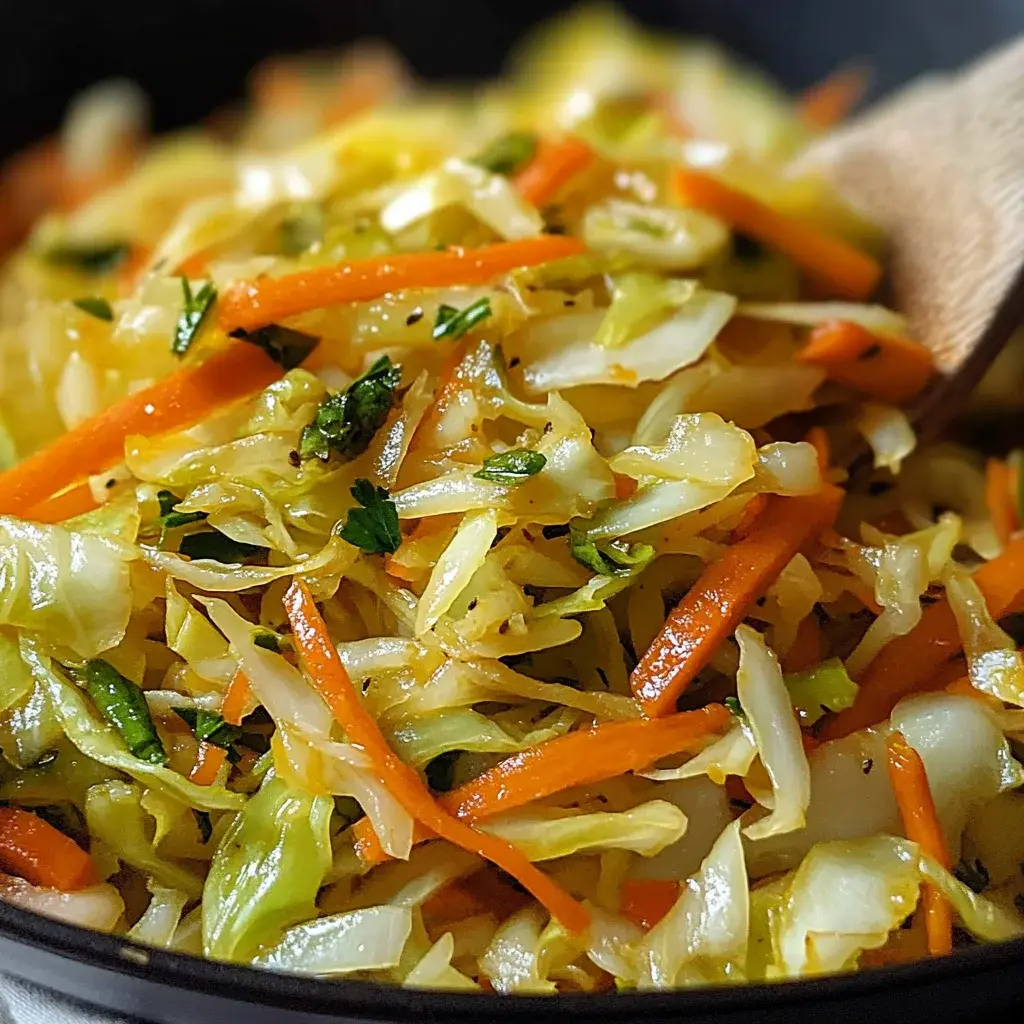
This Jamaican Cabbage Recipe is a vibrant and flavorful dish that brings the essence of the Caribbean right to your kitchen. It’s an incredibly versatile side that complements a wide array of main courses, offering a taste of tropical freshness with every bite. The unique blend of spices and textures makes it a standout addition to any meal, promising a delightful culinary journey.
Perfect for family gatherings, casual weeknight dinners, or even as a special addition to a festive spread, this recipe embodies the spirit of island cooking. Its preparation is straightforward, allowing you to recreate this delightful dish without a fuss. The result is a colorful, aromatic, and utterly delicious experience that will have your guests asking for the recipe.
Why You Will Love This Recipe
- Quick Preparation: This Jamaican cabbage dish comes together in a remarkable 35 minutes, making it an ideal solution for busy weeknights or when you need a flavorful side in a pinch.
- Authentic Flavors: The masterful combination of traditional Caribbean spices, including allspice and a hint of Scotch bonnet pepper, infuses every mouthful with genuine island taste.
- Versatile Serving Options: Whether you’re looking for a complementary side for grilled meats, a flavorful component for a rice and peas dish, or even a light and satisfying main on its own, this recipe adapts beautifully.
- Wholesome Ingredients: Packed with the goodness of fresh, crisp vegetables, this recipe provides a nutritious and healthy option that doesn’t compromise on taste or satisfaction.
- Customizable Heat: The recipe allows for easy adjustment of spice levels, ensuring that you can tailor the heat of the Scotch bonnet pepper to your personal preference, from a gentle warmth to a fiery kick.
Ingredients You Need
The foundation of this exceptional Jamaican Cabbage Recipe lies in the quality and freshness of its ingredients. Selecting vibrant, crisp vegetables will ensure the best texture and most intense flavors. Simple, readily available items are transformed into something extraordinary through careful preparation and cooking. Remember that precise quantities are detailed in the accompanying recipe card, allowing for perfect execution every time.
Jamaican Cabbage Recipe That Tastes Like the Islands
Bring the vibrant flavors of the Caribbean to your kitchen with this Jamaican Cabbage Recipe That Tastes Like the Islands. This colorful and aromatic dish combines fresh vegetables with spices to create a delightful side or light main course. Ready in just 35 minutes, each bite is packed with a unique blend of allspice and the subtle heat of Scotch bonnet pepper, ensuring it transports you straight to sun-soaked shores. Perfect for family gatherings or casual dinners, this versatile recipe can be customized to suit your taste. Whether served alongside grilled chicken, over coconut rice, or as a refreshing salad, this dish will become a cherished favorite.
- 1 medium green cabbage, shredded
- 2 medium carrots, julienned
- 1 small onion, thinly sliced
- 2 cloves garlic, minced
- 1 Scotch bonnet pepper, finely chopped (deseeded)
- 1 sprig fresh thyme or ½ tsp dried
- 1 tsp ground allspice
- 1 tsp sea salt
- 3 tbsp vegetable or coconut oil
- 1Prep all vegetables: shred cabbage, julienne carrots, slice onion, mince garlic, chop Scotch bonnet.
- 2Heat oil in a large sauté pan over medium-high heat; add onion and sauté for 2 minutes until translucent.
- 3Stir in garlic, thyme, and Scotch bonnet; cook for an additional 2–3 minutes until fragrant.
- 4Add carrots and stir-fry for about 3 minutes until softened.
- 5Gradually add shredded cabbage in batches; mix in allspice, sea salt, and black pepper.
- 6Pour in water, cover the pan, reduce heat, and simmer for about 5 minutes.
- 7Uncover and stir-fry for an additional 3–4 minutes until moisture evaporates.
Keywords: Jamaican Cabbage, Caribbean, Side Dish, Vegetarian, Spicy, Quick, Easy
- green cabbage: one medium head, shredded finely for optimal tenderness.
- carrots: two medium-sized, julienned into thin matchsticks to add sweetness and color.
- onion: one small yellow or white onion, thinly sliced for a mild, aromatic base.
- garlic: two cloves, minced to release their pungent, savory essence.
- Scotch bonnet pepper: one, finely chopped with seeds removed for a manageable level of heat, or left in for a spicier dish.
- fresh thyme: one sprig, or half a teaspoon of dried thyme, to impart its distinctive herbal notes.
- ground allspice: one teaspoon, a quintessential Caribbean spice that adds warmth and depth.
- sea salt: one teaspoon, or to taste, to enhance all the other flavors.
- black pepper: half a teaspoon, freshly ground, for a subtle peppery bite.
- vegetable or coconut oil: three tablespoons, for sautéing and building the flavor base.
- water: a quarter cup, used to help steam the vegetables and meld the flavors.
Variations
To enhance the versatility of this delightful Jamaican Cabbage recipe, consider incorporating a few exciting variations. These can cater to different dietary needs or simply add a new dimension of flavor and texture to the dish, making it even more appealing for diverse palates.
For a plant-based version, ensure your choice of oil is indeed vegetable or coconut oil, as specified. The recipe is inherently vegan, making it an excellent choice for those following a vegan lifestyle. This adaptation requires no ingredient swaps but simply a confirmation of the oil used and the absence of any other animal products, which are not present in the original formulation. This ensures everyone can enjoy the vibrant Caribbean flavors.
If you’re following a low-carb or ketogenic diet, this recipe can be adapted with minor adjustments. The primary focus would be on reducing the natural sugars from the vegetables. While cabbage and carrots are relatively low in carbohydrates, you might consider omitting the carrots entirely or significantly reducing their quantity. This simple change helps maintain the dish’s flavor profile while adhering to stricter carbohydrate limits, proving that healthy eating can still be incredibly delicious.
Another creative twist involves adding other complementary vegetables to the mix. Bell peppers, for instance, in any color, can introduce a sweet crunch and additional nutritional benefits. You could also include finely chopped celery for an extra layer of aromatic depth or even a handful of fresh peas for a pop of sweetness. These additions can be sautéed alongside the carrots and cabbage, integrating seamlessly into the cooking process and enriching the overall dish.
How to Prepare Jamaican Cabbage Recipe
Step 1: Prepare Your Vegetables with Precision
The initial step in creating this exquisite Jamaican Cabbage recipe involves the meticulous preparation of all your fresh ingredients. This ensures a smooth and efficient cooking process, allowing the flavors to develop beautifully. Begin by taking your medium green cabbage and shredding it finely; this can be done with a sharp knife or a mandoline for uniform results. Next, take your two medium carrots and julienne them into slender matchsticks, a process that can be easily achieved by slicing them lengthwise into thin planks and then cutting those planks into thin strips.
Following the carrots, thinly slice one small onion, aiming for uniform pieces that will sauté evenly. Mince your two cloves of garlic as finely as possible to ensure their flavor is distributed throughout the dish without large, overpowering chunks. Finally, for the Scotch bonnet pepper, a crucial element for authentic heat and flavor, finely chop it; remember to remove the seeds and membrane if you prefer a milder heat, as this is where most of the capsaicin resides. Having all your vegetables prepped and ready before you begin the sautéing process is key to achieving the perfect texture and taste.
Step 2: Build the Aromatic Foundation
Now, it’s time to build the flavor base of your Jamaican Cabbage by sautéing the aromatics. Heat three tablespoons of vegetable or coconut oil in a large sauté pan or wok over medium-high heat until it shimmers. Add your thinly sliced onion to the hot oil and sauté for approximately two minutes, stirring occasionally, until the onions become translucent and begin to soften, releasing their sweet aroma. It is important not to rush this stage, as softened onions contribute a lovely sweetness to the overall dish.
Once the onions are translucent, stir in the minced garlic and the fresh thyme sprig (or dried thyme). Continue to cook for an additional two to three minutes, stirring constantly, until the garlic is fragrant. Be careful not to burn the garlic, as this can impart a bitter taste; its fragrance should be pleasant and inviting. This aromatic mixture is the heart of the dish’s initial flavor profile, setting the stage for the vegetables to come.
Step 3: Introduce the Carrots for Sweetness and Texture
With your aromatics beautifully fragrant, it’s time to add the julienned carrots to the sauté pan. Stir them into the onion and garlic mixture, ensuring they are evenly coated with the oil and aromatic spices. Stir-fry the carrots for about three minutes, allowing them to begin softening slightly while still retaining a pleasant al dente texture. The carrots will add a wonderful sweetness and a vibrant orange hue to the dish, contributing to its overall visual appeal.
The key here is to stir-fry them just enough to take the raw edge off without making them mushy. Their slight crunch will provide a delightful textural contrast later in the dish. This brief sautéing period also helps to concentrate their natural sweetness, enhancing the overall flavor profile of the Jamaican cabbage. Proper sautéing is crucial for achieving the desired consistency in this step.
Step 4: Gently Wilt the Cabbage and Spice It Up
Now, it’s time to introduce the star ingredient: the shredded cabbage. Add the shredded cabbage to the pan gradually, perhaps in two or three batches, allowing each addition to wilt slightly before adding the next. Stir gently as you add the cabbage; the heat from the pan and the existing ingredients will begin to soften it. This gradual addition prevents overcrowding the pan, which could lead to steaming rather than sautéing, and ensures the cabbage cooks evenly.
Once all the cabbage has been added and has begun to wilt, sprinkle in the ground allspice, sea salt, and freshly ground black pepper. Stir everything together thoroughly to ensure the spices are evenly distributed throughout the cabbage and carrot mixture. The allspice is particularly important here, as it provides that quintessential warm, slightly sweet, and peppery note that defines Caribbean cuisine. This step is where the dish truly begins to take on its characteristic flavor profile.
Step 5: Simmer to Meld Flavors
To help the cabbage soften further and allow all the delicious flavors to meld beautifully, it’s time for a brief simmer. Pour the quarter cup of water into the pan over the vegetable mixture. This liquid will create steam, helping to cook the cabbage through and preventing it from becoming dry. Once the water is added, cover the pan tightly with a lid. Reduce the heat to low or medium-low, depending on your stove, and let the mixture simmer gently for approximately five minutes.
During this simmering period, the residual heat and the trapped steam will work to tenderize the cabbage leaves. It also allows the spices and aromatics to infuse more deeply into the vegetables. The small amount of liquid is crucial for this step, acting as a gentle braising agent. This short simmering time is sufficient to soften the cabbage to a tender-crisp consistency without making it soggy, which is key to a well-executed Jamaican Cabbage.
Step 6: Finish Cooking to Perfection
After the five-minute simmer, carefully uncover the pan. You will notice that the cabbage has softened considerably and the liquid has reduced. Now, increase the heat back to medium-high and continue to stir-fry the mixture for an additional three to four minutes. The goal during this final cooking stage is to allow most of the remaining moisture to evaporate, concentrating the flavors and achieving the desired texture for your Jamaican Cabbage.
Continue stirring frequently to prevent sticking and ensure even cooking. You want the vegetables to be tender but still have a slight bite to them, a delightful al dente texture. Once the excess moisture has evaporated and the vegetables are perfectly cooked, taste the dish and adjust the seasoning if necessary. Add more salt or pepper if needed to achieve your desired flavor balance. Serve this vibrant and flavorful Jamaican Cabbage hot, and enjoy the taste of the islands!
Pro Tips for Jamaican Cabbage Recipe
Achieving the perfect Jamaican Cabbage recipe involves a few key considerations that elevate the dish from good to truly exceptional. Paying attention to these details can make a significant difference in the final texture and flavor profile. These tips are designed to help home cooks consistently produce a delicious and authentic result.
Freshness is Key: Always opt for the freshest vegetables possible. A crisp head of cabbage and firm carrots will yield a much better texture and flavor than their less-than-fresh counterparts. The vibrancy of the produce directly translates into the vibrancy of the final dish, so choose wisely when shopping for your ingredients.
Mastering the Heat: The Scotch bonnet pepper is central to the authentic flavor, but its heat can be intimidating. To control the spice level, always remove the seeds and the white pithy membrane inside the pepper, as these are the primary sources of capsaicin. For a milder flavor with just a hint of warmth, you can use even less of the pepper or substitute it with a milder chili, like a jalapeño, though the authentic taste will be slightly altered.
The Art of Sautéing: Use a good quality vegetable or coconut oil for sautéing. The high smoke point of these oils is ideal for the medium-high heat required for this recipe. Ensure your pan is adequately heated before adding ingredients; this promotes proper searing and prevents vegetables from becoming greasy. The initial sauté of the onions and garlic builds a critical flavor foundation.
Don’t Overcook the Cabbage: Cabbage is prone to becoming mushy if overcooked. The goal is a tender-crisp texture, where the cabbage is softened but still retains a slight bite. Monitor the cooking time closely, especially during the simmering and final stir-frying stages. The cabbage should be yielding but not limp or waterlogged.
Taste and Adjust: Seasoning is an ongoing process. Taste the dish at various stages, particularly before serving, and adjust the salt and pepper as needed. The natural sweetness of the vegetables and the intensity of the spices can vary, so a final taste test ensures the perfect balance for your palate. Don’t be afraid to add a little more salt to really make the flavors pop.
Serving Suggestions for Jamaican Cabbage Recipe
Decoration
Garnishing your Jamaican Cabbage can add a final touch of visual appeal and freshness. Consider a sprinkle of finely chopped fresh parsley or cilantro just before serving for a burst of green color and herbaceous aroma. A thin slice of red bell pepper, julienned very finely, can also provide a lovely contrast in color and a hint of fresh sweetness, making the dish even more enticing.
Side Dishes
This vibrant Jamaican Cabbage dish serves as an excellent accompaniment to a variety of main courses. It pairs beautifully with classic Jerk Chicken or grilled pork, where its freshness cuts through the richness and spice. For a hearty vegetarian meal, serve it alongside Rice and Peas or seasoned fried plantains, creating a complete and satisfying Caribbean-inspired plate. It also complements baked fish or curried dishes wonderfully.
Creative Serving Ideas
Beyond being a simple side, this Jamaican Cabbage can be incorporated into other dishes. Use it as a flavorful filling for vegetarian tacos or burritos, adding a delightful crunch and tropical zest. It can also be layered into hearty grain bowls with quinoa or brown rice, along with your favorite protein and a drizzle of lime dressing. For a lighter option, serve it chilled as a refreshing salad, perhaps with some avocado slices and a squeeze of lime.
Preparation & Storage
Storing Leftovers
Should you find yourself with any delicious Jamaican Cabbage leftovers, proper storage is key to maintaining its quality. Ensure the cooked cabbage has cooled down completely to room temperature before transferring it to an airtight container. This prevents condensation from forming inside the container, which can lead to sogginess. Properly stored, the leftovers can be enjoyed for up to three days when kept in the refrigerator.
Freezing
While fresh is always best, freezing this Jamaican Cabbage is possible for longer-term storage, though some texture may be lost upon thawing. Allow the cooked cabbage to cool completely. Then, portion it into freezer-safe bags or containers, removing as much air as possible to prevent freezer burn. Frozen Jamaican Cabbage can be stored for up to two months; it’s advisable to label the containers with the date of freezing.
Reheating
Reheating your Jamaican Cabbage is a straightforward process that helps revive its flavors and textures. For oven reheating, preheat your oven to 350°F (175°C), place the cabbage in a covered, oven-safe dish, and reheat for about 15 to 20 minutes, or until thoroughly warmed through. Alternatively, you can reheat it in the microwave by placing it in a microwave-safe bowl, covering it, and heating in 1-minute intervals, stirring between each, until hot. For stovetop reheating, place the cabbage in a skillet over medium heat, stirring occasionally, until it’s heated through.
Frequently Asked Questions
-
Can I customize this Jamaican Cabbage Recipe to include other vegetables?
Absolutely! This recipe is wonderfully adaptable. You can easily incorporate other vegetables like finely chopped bell peppers (red, yellow, or green) for added sweetness and crunch, or perhaps some thinly sliced zucchini or yellow squash. A handful of fresh or frozen peas added towards the end of cooking can also provide a delightful pop of sweetness and color. Even some finely diced celery can add another layer of aromatic complexity. Remember to add firmer vegetables like bell peppers earlier in the sautéing process to ensure they cook through properly alongside the carrots.
-
Is this Jamaican Cabbage recipe considered healthy?
Yes, this Jamaican Cabbage recipe is indeed a very healthy option. It is primarily composed of fresh vegetables, which are packed with essential vitamins, minerals, and dietary fiber. Cabbage itself is a good source of vitamin C and vitamin K, while carrots contribute beta-carotene, which the body converts to vitamin A. The use of healthy cooking oils like vegetable or coconut oil in moderation, and the minimal amount of added sodium, further contribute to its nutritional profile. It’s a fantastic way to incorporate more vegetables into your diet without compromising on flavor or satisfaction.
-
Is it possible to make this Jamaican Cabbage recipe vegan, and are there any hidden non-vegan ingredients?
You’ll be pleased to know that this Jamaican Cabbage recipe is already entirely vegan as written. It does not contain any animal products, such as meat, dairy, eggs, or honey. The specified cooking oil (vegetable or coconut oil) is plant-based, and all other ingredients listed are typically vegan. Therefore, no modifications are necessary to make this dish suitable for a vegan diet. You can confidently prepare and enjoy this flavorful Caribbean-inspired dish as a plant-based delight.