Salattorte Rezept einfach & lecker – Muma’s Kitchen

The Salattorte is a true eye-catcher at any buffet, delighting with its creative combination of fresh ingredients and creamy layers. Whether for birthdays, parties, or as a special family meal, this savory cake combines taste, appearance, and versatility in one dish. Especially practical: the Salattorte can be well prepared in advance and customized, making it an ideal choice for any occasion.
This layered creation transcends the ordinary salad, presenting a visually stunning and delightfully flavorful experience. It’s a culinary masterpiece that proves salads can be sophisticated and celebratory, offering a delightful departure from the usual.
Why You Will Love This Recipe
- Visually Stunning: Its layered structure and potential for elaborate decoration make it a showstopper at any gathering, offering a feast for the eyes as well as the palate.
- Incredibly Versatile: Easily adaptable to various tastes and dietary needs, from vegetarian options to low-carb variations, ensuring everyone can enjoy a slice.
- Make-Ahead Convenience: Perfect for busy hosts, this dish can be prepared hours or even a day in advance, allowing flavors to meld beautifully and reducing day-of stress.
- Satisfying and Filling: A delightful balance of carbohydrates, protein, and fresh vegetables makes it a substantial and satisfying meal, far beyond a typical salad.
- Customizable Flavors: Whether you prefer a classic combination or want to experiment with new ingredients, the Salattorte provides a flexible canvas for culinary creativity.
Ingredients You Need
The foundation of a spectacular Salattorte lies in the quality and freshness of its components. Selecting vibrant vegetables, good quality bread, and creamy dairy products will elevate your creation from delicious to divine. Each ingredient plays a vital role in building the harmonious layers that define this impressive dish.
Savory Layered Bread Torte

A visually stunning and delicious savory torte made with layers of bread, creamy cheese spread, fresh vegetables, and savory fillings. Perfect for buffets, parties, or a unique family meal, this torte can be prepared in advance and customized to your taste.
- 12 slices of toast bread
- 300g cream cheese
- 150g yogurt or crème fraîche
- 150g cooked ham or turkey breast
- 150g grated cheese
- 1 cucumber
- 1 bell pepper
- 1 small can of corn (approx. 150g, drained)
- 3 hard-boiled eggs
- 1 bunch chives or parsley
- 1 tbsp lemon juice
- Salt and pepper to taste
- 1Prepare a springform pan by lining it with parchment paper or lightly greasing it. Arrange a layer of toast bread slices to cover the bottom, trimming to fit if necessary.
- 2In a bowl, whisk together the cream cheese, yogurt or crème fraîche, lemon juice, salt, and pepper until smooth.
- 3Spread a generous layer of the cream cheese mixture evenly over the first bread layer.
- 4Finely chop the cooked ham or turkey breast, cucumber, and bell pepper. Distribute these evenly over the cream cheese layer.
- 5Sprinkle some grated cheese over the ham and vegetable layer.
- 6Place another layer of toast bread slices on top and press down gently.
- 7Repeat the process: spread cream cheese mixture, then add corn and chopped hard-boiled eggs.
- 8Continue layering bread, cream cheese, and fillings until all ingredients are used, ending with a bread layer on top.
- 9Spread the remaining cream cheese mixture evenly over the entire outside of the torte, creating a smooth surface.
- 10Decorate the top as desired with more vegetables, herbs, or cheese.
- 11Refrigerate the savory torte for at least 2-4 hours (or preferably overnight) to allow the flavors to meld and the torte to firm up.
- 12Carefully remove the torte from the springform pan before serving. Slice with a sharp knife and serve chilled.
Keywords: savory torte, layered bread, no-bake, party food, buffet, make-ahead, German cuisine, picnic, appetizer
- toast bread or sandwich bread: forms the base and provides stability for the layers
- cream cheese: ensures creaminess and binds the individual layers together
- yogurt or crème fraîche: brings freshness and a slight tang
- ham or turkey breast: provides savory seasoning and protein
- cheese (grated or sliced): adds flavor and helps with binding
- cucumbers: offer freshness and crunch
- bell peppers: contribute color and a mild sweetness
- corn: adds a sweet note and texture
- eggs (hard-boiled): supply protein and a creamy element
- chives or parsley: provide fresh herb flavors
- salt and pepper: to refine the taste
- lemon juice: brightens the flavors and enhances the overall profile
The specific quantities for these essential ingredients are detailed within the provided recipe card for your convenience.
Variations
Embrace the boundless possibilities of the Salattorte by exploring delightful variations that cater to every palate and dietary preference. This recipe serves as a canvas for your culinary imagination, allowing for endless creativity.
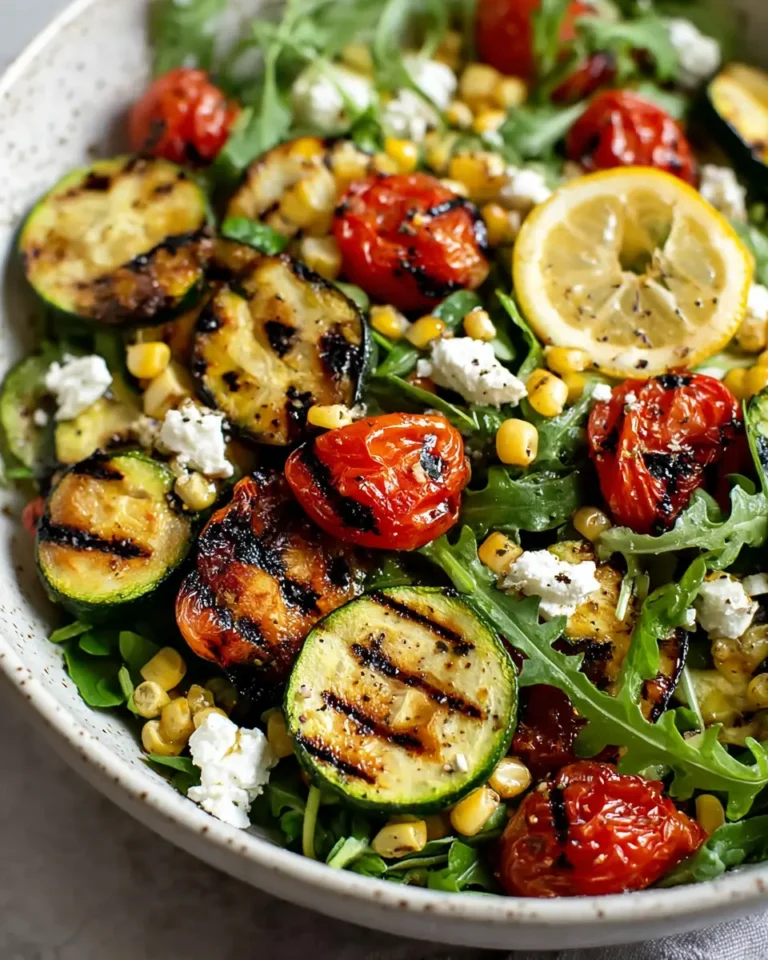
For a vibrant Vegan Salattorte, replace the traditional cream cheese with a rich cashew-based alternative and use plant-based yogurt. Swap the ham or turkey for layers of grilled or roasted vegetables such as zucchini, eggplant, and bell peppers, perhaps even adding some marinated tofu or tempeh for protein. The base can remain toast bread, or you could experiment with a crusty whole-grain loaf for added texture.
A Low-Carb Salattorte offers a guilt-free indulgence. Instead of bread, thinly sliced and lightly grilled zucchini or even cauliflower “steaks” can form the structural layers. The creamy filling can be enhanced with herbs and a touch of garlic for extra flavor, and you can load up on nutrient-dense vegetables like spinach, avocado, and sun-dried tomatoes. Consider adding finely chopped nuts for a satisfying crunch and healthy fats.
For seafood enthusiasts, a Smoked Salmon and Dill Salattorte is an elegant and sophisticated choice. Layer the bread with a dill-infused cream cheese mixture, followed by generous amounts of thinly sliced smoked salmon, capers, and finely chopped red onion. Cucumber and a sprinkle of fresh dill will add refreshing notes, creating a delightful interplay of oceanic flavors and creamy textures.
How to Prepare Salattorte
Step 1: Preparing the Base and Creamy Filling
Begin by preparing your chosen springform pan. Lining it with parchment paper is highly recommended to ensure easy removal and to prevent any sticking. Alternatively, a light greasing of the pan will suffice, but parchment offers superior ease. Once the pan is prepped, carefully arrange the first layer of toast bread slices at the bottom. You may need to trim the crusts or cut the slices to fit snugly, creating an even foundation.
In a separate bowl, combine the cream cheese, yogurt or crème fraîche, a generous squeeze of lemon juice for brightness, and season generously with salt and freshly ground black pepper. Whisk this mixture until it is exceptionally smooth and creamy, ensuring there are no lumps. This lusciously smooth cream will form the binding agent and provide a delightful richness to each layer of your Salattorte, setting the stage for the subsequent additions.
Step 2: Layering the First Savory Components
Take your prepared cream mixture and spread a substantial, even layer over the toast bread base in the springform pan. Ensure that the cream reaches all the edges and corners, creating a solid barrier that will hold the subsequent ingredients. This initial layer of cream is crucial for the stability and moisture content of the entire torte. It prevents the bread from becoming too dry and helps to meld the flavors together beautifully.
Next, carefully arrange your first set of savory ingredients over the cream layer. If using ham or turkey breast, lay the slices evenly, ensuring good coverage. Then, add finely diced or thinly sliced cucumber and bell peppers. Sprinkle a layer of grated cheese over the vegetables; this will melt slightly during chilling and add a wonderful depth of flavor and a satisfying gooey texture.
Step 3: Building Subsequent Layers with Flavor and Texture
Place another layer of toast bread slices on top of the cheese and vegetable mixture. Gently press down to ensure the bread adheres to the layer below, creating a cohesive structure. This second bread layer acts as a separator and a new base for the next set of fillings. It’s important to maintain an even distribution of pressure to avoid compacting the layers too much, which could result in a dense torte.
Repeat the process of spreading the cream cheese mixture over this new bread layer. Once again, ensure complete coverage from edge to edge. Now, introduce other flavor components such as sweet corn kernels, which add a delightful pop of sweetness and texture. If you are using hard-boiled eggs, chop them finely and scatter them evenly over the corn. This adds a valuable protein boost and a wonderfully creamy, almost custardy element to the Salattorte’s profile.
Step 4: Completing the Structure and Initial Coating
Continue this layering process, alternating between toast bread, the creamy filling, and your chosen savory ingredients. You can vary the ingredients in each layer to create a complex flavor profile, or keep it consistent for a more uniform taste. Aim for a balanced distribution of all components, ensuring each bite offers a delightful mix of flavors and textures. The goal is to build a substantial, well-defined torte within the springform pan.
Once you have used up your ingredients and reached your desired height for the Salattorte, finish with a final layer of toast bread. Gently press down on the top layer to secure everything in place. Now, take the remaining cream cheese mixture and carefully spread it over the entire top surface of the torte. This acts as a ‘frosting,’ creating a smooth canvas for your decorative efforts and sealing in the flavors from the top.
Step 5: Decorating and Chilling for Optimal Flavor
This is where your Salattorte truly comes to life visually. Get creative with your decoration! Thinly sliced cucumber rounds, colorful bell pepper strips, cherry tomatoes, or fresh herbs like chives and parsley can be arranged artfully on the top. You can create intricate patterns or a simple, elegant design. Even a sprinkle of cheese or a few olives can add a sophisticated touch. The visual appeal is just as important as the taste.
Once decorated, it is absolutely crucial to chill the Salattorte properly. Cover the springform pan loosely with plastic wrap, ensuring it doesn’t touch the decorations too much if possible. Place the entire pan into the refrigerator for a minimum of 2 to 4 hours. This chilling period is essential; it allows the flavors to meld and harmonize, the layers to firm up, and the torte to become stable enough for slicing. For an even more intense flavor, chilling overnight is highly recommended.
Pro Tips for Salattorte
Optimal Bread Selection: While toast bread is a classic choice for its softness and pliability, don’t hesitate to experiment. A good quality sandwich bread or even a lightly toasted whole-grain bread can offer a more robust texture and nutty flavor profile. Ensure the bread is fresh and not stale, as this will affect its ability to absorb moisture and hold its structure.
Moisture Control is Key: Always ensure that any wet ingredients, such as diced vegetables or canned items like corn, are thoroughly drained before being added to the layers. Excess moisture can lead to a soggy Salattorte, compromising its delightful texture and making it difficult to slice cleanly. Patting vegetables dry with paper towels is a simple yet effective step.
The Magic of Chilling: Patience truly pays off with this dish. The recommended chilling time of at least 2-4 hours is essential for the flavors to meld and the structure to firm up. Ideally, allow the Salattorte to chill overnight in the refrigerator. This extended period allows the bread to soften slightly while absorbing the creamy filling and vegetable juices, resulting in a more cohesive and deeply flavorful experience.
Sharp Tools for Clean Cuts: When it’s time to serve, use a very sharp, long knife. Dipping the knife in hot water and drying it between each cut will help you achieve clean, distinct layers without smearing or crushing the torte. This attention to detail ensures that your beautiful creation remains visually appealing when served, showcasing the neat stratification of ingredients.
Balancing Flavors and Textures: Don’t be afraid to introduce contrasting elements. A sprinkle of crunchy nuts, some tangy capers, or a layer of finely chopped pickles can add exciting dimensions to the creamy filling and soft bread. The interplay of soft, creamy, crunchy, and tangy components is what makes a Salattorte so enjoyable and memorable.
Serving Suggestions for Salattorte
Decoration
The final flourish of your Salattorte lies in its decoration, transforming it from a delicious dish into a visual masterpiece. Thinly sliced cucumber ribbons can be elegantly draped around the sides or coiled on top, adding a touch of natural beauty. Small, vibrant cherry tomatoes, halved or quartered, provide pops of red and a juicy contrast. Radishes, thinly sliced, offer a peppery bite and a delicate pink hue, while edible flowers can add an unexpected touch of sophistication and color.
For more intricate designs, consider using a piping bag with cream cheese to create delicate swirls or borders around the edge. Patterns can be formed using finely diced bell peppers of various colors, or even with small, precisely cut pieces of cheese. A sprinkle of fresh, finely chopped chives or parsley over the entire surface adds a burst of green and a fresh, herbaceous aroma, enhancing both the visual appeal and the overall sensory experience of the Salattorte.
Side Dishes
To complement the richness and layered complexity of the Salattorte, consider serving it alongside light and refreshing side dishes. A simple green salad tossed with a bright vinaigrette offers a crisp counterpoint to the creamy filling. The acidity of the dressing will cut through the richness of the torte, cleansing the palate between bites. A classic cucumber salad, perhaps with a dill and yogurt dressing, echoes the freshness of the ingredients within the torte itself, creating a harmonious flavor profile.
For a heartier accompaniment, a light potato salad, prepared with a mayonnaise-based dressing or a vinaigrette, can add substance without overwhelming the main dish. Alternatively, a coleslaw with a creamy or vinegar-based dressing provides a satisfying crunch and a tangy flavor that pairs wonderfully with the savory elements of the Salattorte. The key is to select sides that enhance, rather than compete with, the star of the meal.
Creative Serving Ideas
Beyond traditional slicing, the Salattorte lends itself to inventive serving methods that can elevate any occasion. For a more formal gathering, consider cutting the torte into individual portions and presenting each one on a small plate, perhaps with a drizzle of balsamic glaze or a dollop of crème fraîche. This personalizes the experience and showcases the meticulous layering of each serving.
For a more casual, buffet-style presentation, cut the torte into small, bite-sized squares or rectangles. These “torte bites” are perfect for mingling and can be served with toothpicks or small forks, making them easy for guests to enjoy while standing. You can also arrange these bites artfully on a platter, perhaps interspersed with fresh herbs or edible flowers, turning the serving platter itself into a decorative element of the feast.
Preparation & Storage
Storing Leftovers
If you find yourself with any leftover Salattorte, proper storage is key to maintaining its freshness and delightful texture. The most effective way to store it is to ensure it remains tightly covered. Plastic wrap is a good option, but pressing it directly onto the surface of the torte can help prevent air exposure and potential drying. Alternatively, you can use an airtight container, especially if you have already cut the torte into individual portions.
Keep the covered Salattorte in the refrigerator at all times. Its creamy components and bread base mean it is susceptible to spoilage if left at room temperature for extended periods. When stored correctly, leftovers can typically be enjoyed for 2 to 3 days. The flavors may even continue to develop and meld during this time, offering a slightly different, yet still delicious, experience on subsequent days.
Freezing
Freezing a Salattorte presents some challenges due to its layered structure and the presence of dairy and bread, which can alter in texture upon thawing. While not the ideal method for maintaining its pristine quality, it is possible if absolutely necessary. It’s best to freeze individual portions rather than the entire torte, as this allows for easier thawing and reduces the risk of the entire dish becoming compromised.
Wrap each portion very tightly in several layers of plastic wrap, ensuring no air can penetrate. Then, place these wrapped portions into a freezer-safe bag or container. When you are ready to enjoy it, transfer the frozen portion to the refrigerator to thaw slowly overnight. Avoid thawing at room temperature, as this can lead to sogginess and potential bacterial growth. The texture may be slightly softer than when fresh, but it should still be enjoyable.
Reheating
Reheating a Salattorte is generally not recommended, as it is designed to be served chilled, and the process can negatively impact its texture and delicate layers. The bread can become soggy, and the creamy filling might become too liquid. The primary goal of reheating would be to slightly firm up the layers if the chilling was insufficient, but this is best achieved by simply continuing the chilling process.
However, if for some specific reason you wish to slightly warm a portion, do so with extreme caution. A very brief period in a low-temperature oven (around 250°F or 120°C) for just a few minutes might be attempted, but this carries a high risk of making it unpleasantly warm or altering the texture undesirably. It is far better to ensure it is thoroughly chilled before serving, as this is when its flavors and textures are at their absolute best.
Frequently Asked Questions
-
How long does Salattorte typically last in the refrigerator?
A well-prepared Salattorte can maintain its optimal freshness and delightful flavor for approximately 2 to 3 days when stored correctly in the refrigerator. It’s paramount to ensure it is covered tightly to prevent it from drying out or absorbing any unwanted odors from other foods in the fridge. The cool, stable environment of the refrigerator is crucial for preserving the integrity of its layered components and creamy fillings, making it a reliable option for make-ahead meals or party planning.
-
Is it possible to prepare the Salattorte the day before serving?
Absolutely, preparing the Salattorte the day before is not only possible but highly recommended for achieving the best results. This extended chilling period allows the flavors to fully meld and harmonize, creating a more complex and satisfying taste profile. Moreover, the layers have ample time to firm up, which significantly improves the ease of slicing and ensures the torte holds its shape beautifully when served, showcasing its attractive layered structure.
-
What types of bread are most suitable for constructing a Salattorte?
The most traditional and widely used bread for Salattorte is toast bread or sandwich bread, valued for its soft texture and ability to absorb moisture without becoming overly mushy. Its neutral flavor also allows the fillings to shine. However, for those seeking a slightly heartier or more robust option, a good quality whole-grain bread or a dense rye bread can also be used, offering a nuttier flavor and a chewier consistency that adds another dimension to the torte.