Zucchini Noodles with Tomatoes
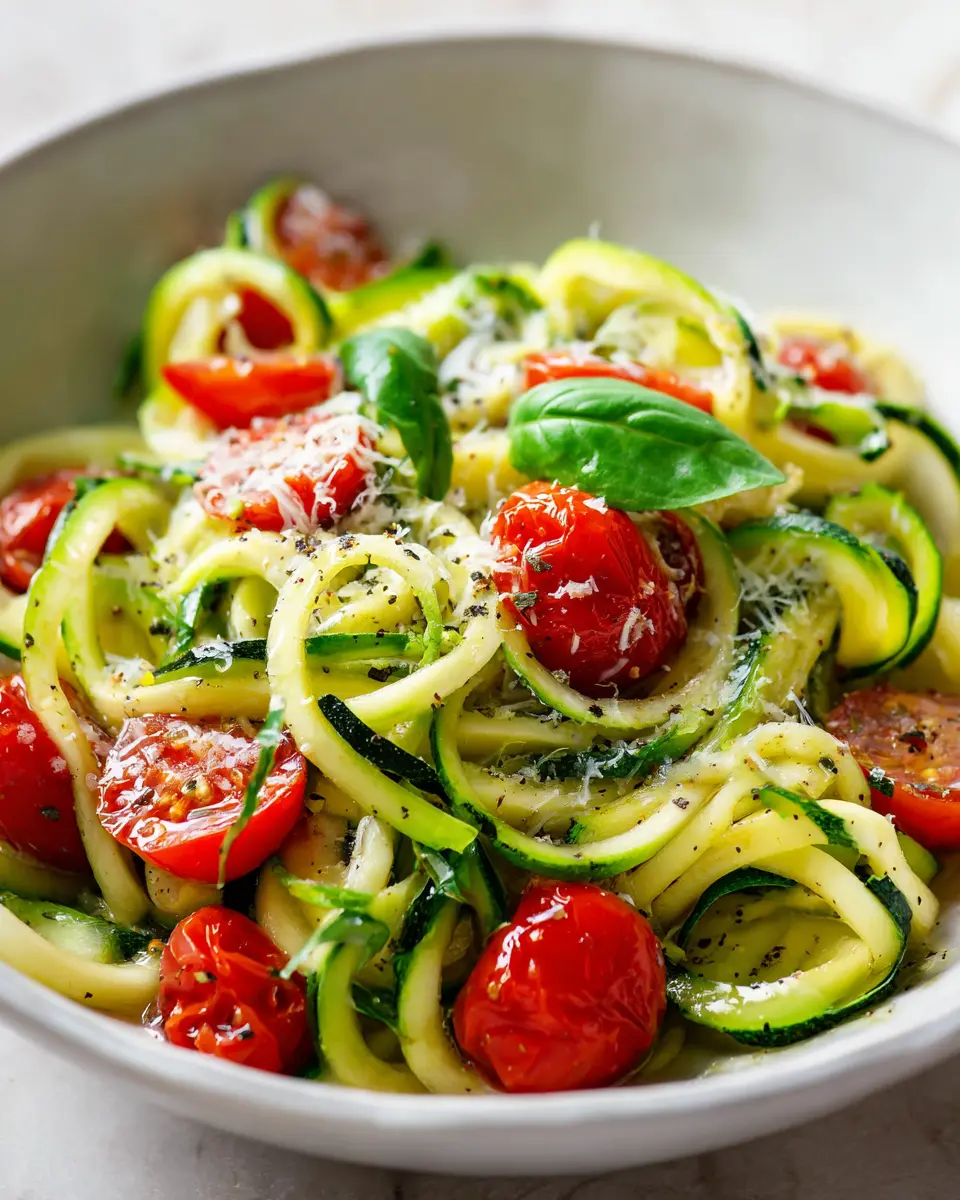
Quick, fresh, and beginner-friendly, Zucchini Noodles with Tomatoes is a light skillet dish that delivers garlicky flavor, juicy bursts of tomato, and a bright basil finish in just 15 minutes. It works as a speedy lunch, a simple side, or a low-effort dinner base.
This is the kind of meal you make when you want something that feels fresh but still tastes satisfying. The zucchini stays lightly tender, the tomatoes soften just enough to get juicy, and the Parmesan brings in a salty finish that ties everything together beautifully for a delightful experience.
Why You Will Love This Recipe
- Speedy Preparation: Dinner is on the table in approximately 15 minutes, making it ideal for busy weeknights or when you need a quick meal solution.
- Fresh and Light: This dish is incredibly refreshing, packed with vibrant flavors from fresh ingredients that won’t leave you feeling heavy.
- Versatile: Whether served as a light main course, a healthy side dish, or a base for other proteins, this recipe adapts easily to your mealtime needs.
- Simple Ingredients: Utilizing common pantry staples and fresh produce, this recipe is accessible and easy to gather ingredients for, minimizing grocery store trips.
- Beginner-Friendly: The straightforward cooking method requires minimal culinary skill, making it a perfect option for novice cooks or anyone looking for a no-fuss meal.
Ingredients You Need
The success of this dish hinges on the quality of its components. Opting for fresh, vibrant produce will truly elevate the flavors and textures, making each bite a delightful experience. Using good quality extra-virgin olive oil, fragrant garlic, and ripe cherry tomatoes will make a significant difference in the final outcome, ensuring a dish that is both healthy and delicious.
Zucchini Noodles with Tomatoes
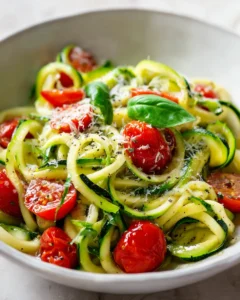
This simple zucchini noodle dish combines tender spiralized zucchini with garlic, cherry tomatoes, basil, red pepper flakes, and Parmesan for a fresh, light preparation with bright flavor and a gentle touch of heat.
- 1 cup cherry tomatoes, cut in half
- 2 tablespoons extra-virgin olive oil
- 2 tablespoons Parmesan cheese, finely grated
- 2 medium zucchini (about 1 1/2 pounds), spiralized into noodles
- Salt to taste
- Freshly ground black pepper to taste
- 1 garlic clove, very finely minced
- 2 tablespoons fresh basil leaves, thinly sliced or gently torn
- 1/2 teaspoon red pepper flakes
- 1Use a spiralizer to turn the zucchini into long noodle-like strands. In the absence of a spiralizer, a julienne peeler or a knife may be used to cut the zucchini into thin strips.
- 2Warm the olive oil in a large skillet over medium heat. Add the zucchini noodles and cook for about 3 minutes, stirring gently, until they are just slightly softened while still holding their shape.
- 3Add the minced garlic and cook for 1 minute more, just until fragrant, taking care not to let it brown.
- 4Add the halved cherry tomatoes to the skillet and toss gently until they are heated through. When the tomatoes begin to soften, season the mixture with the red pepper flakes, salt, and black pepper. Stir well so the seasoning is evenly distributed and the zucchini is thoroughly coated.
- 5Remove the skillet from the heat. Scatter the basil and grated Parmesan over the zucchini noodles, then toss lightly to combine. Serve at once, twirling the noodles onto plates.
Keywords: Zucchini Noodles, Tomatoes, Garlic, Basil, Parmesan, Light Dinner, Side Dish, Quick, Easy, Vegetarian
- cherry tomatoes: these add bursts of sweetness and juiciness as they cook down slightly.
- extra-virgin olive oil: the base for sautéing, it carries the flavors of garlic and herbs beautifully.
- parmesan cheese: finely grated, it adds a salty, savory depth that complements the vegetables perfectly.
- medium zucchini: spiralized into noodles, these form the light and healthy base of the dish.
- salt: essential for enhancing all the other flavors in the dish.
- freshly ground black pepper: provides a subtle warmth and aromatic complexity.
- garlic clove: finely minced, its pungent aroma and flavor are foundational to the dish.
- fresh basil leaves: adds a burst of herbaceous freshness that brightens the entire plate.
- red pepper flakes: offer a gentle warmth that elevates the savory notes without overpowering the dish.
The precise quantities for these ingredients are detailed within the provided recipe card for your convenience.
Variations
For those following a plant-based lifestyle, transforming this dish into a delicious vegan meal is wonderfully simple. Omit the Parmesan cheese entirely, allowing the natural sweetness of the tomatoes and the fragrant garlic to shine through. You can also enhance the richness by stirring in a tablespoon of nutritional yeast at the end for a cheesy, umami flavor without any dairy. A drizzle of good quality balsamic glaze over the top can also add a delightful sweet and tangy complexity that complements the zucchini beautifully.
If you’re aiming for a lower-carbohydrate option, this recipe is already an excellent choice due to its zucchini base. To make it even more robust and filling without adding carbs, consider incorporating protein sources like pre-cooked shredded chicken or pan-seared shrimp directly into the skillet during the last minute of cooking. Adding a handful of toasted pine nuts or slivered almonds just before serving can provide a satisfying crunch and healthy fats, further enhancing the meal’s appeal and satiety without significantly impacting the carbohydrate count.
To add a Mediterranean flair, consider introducing other vegetables that cook quickly and complement the existing flavors. Thinly sliced bell peppers, perhaps in a vibrant red or yellow, can add a touch of sweetness and color. Kalamata olives, halved, would introduce a briny, savory note that pairs exceptionally well with tomatoes and basil, evoking the sunny flavors of the Mediterranean coast. A sprinkle of fresh oregano along with the basil can also lend an authentic touch to this inspired variation.
How to Prepare Zucchini Noodles with Tomatoes
Step 1: Preparing the Zucchini Noodles
The first crucial step involves transforming your zucchini into delightful noodle-like strands. A spiralizer is the most efficient tool for this task, yielding long, uniform ribbons that cook evenly and mimic the texture of traditional pasta. Ensure your zucchini are of a medium size, as they tend to spiralize more readily and avoid becoming too watery compared to larger ones.
If a spiralizer isn’t available, don’t fret; creative alternatives exist. A julienne peeler can create thin, matchstick-like strands that work wonderfully, or you can carefully use a sharp knife to slice the zucchini into very thin, uniform strips, aiming for a consistency that will cook quickly. Once your zucchini are prepared into noodles, it’s beneficial to gently pat them dry with paper towels. This simple action helps to reduce excess moisture, preventing the pan from steaming rather than sautéing, which is key to achieving the best texture.
This preparation step sets the foundation for the entire dish. The consistency of your “noodles” will directly impact the cooking time and the final texture, so take a moment to ensure they are as uniform as possible. Properly prepared zucchini noodles will absorb the flavors of the sauce and seasonings beautifully, creating a cohesive and satisfying dish that is both light and flavorful. This initial attention to detail truly pays dividends in the end result.
Step 2: Sautéing the Zucchini Noodles
Once your zucchini noodles are ready, the next step is to gently sauté them in a large skillet over medium heat. Warm the extra-virgin olive oil until it shimmers slightly, indicating it’s ready to embrace the zucchini. Carefully add the spiralized zucchini to the hot skillet, ensuring not to overcrowd it, which can lead to steaming instead of sautéing. Allow them to cook for a brief period, tossing them gently with tongs or a spatula.
The goal here is to soften the zucchini just enough to make them tender-crisp, not mushy. You want them to retain some structure and a slight bite, which provides a more enjoyable textural contrast. This quick sauté process helps to cook off some of the excess water inherent in zucchini, leading to a more concentrated flavor and better consistency in the final dish. Keep the heat at a moderate level to prevent the zucchini from browning too quickly.
This stage is about coaxing out the best texture from the zucchini. A gentle hand and mindful attention to the cooking time are paramount. Overcooking will result in a watery, unappealing dish, while undercooking will leave the zucchini too firm. The brief time in the skillet awakens the zucchini, making it receptive to the other flavors that will soon be introduced, ensuring a harmonious blend of tastes and textures throughout the entire dish.
Step 3: Infusing with Garlic
After the zucchini noodles have been lightly sautéed and are beginning to soften, it’s time to introduce the aromatic cornerstone of this dish: garlic. Add the finely minced garlic to the skillet with the zucchini and continue to cook for approximately one minute, stirring constantly. This short duration is crucial; it allows the garlic to release its potent fragrance and infuse the olive oil with its savory essence without burning.
Burnt garlic can impart a bitter and unpleasant taste to the entire dish, so maintaining a moderate heat during this step is essential. The gentle warmth will transform the raw pungency of the garlic into a mellow, inviting aroma that forms the flavor backbone of your zucchini noodles. Watch closely as the garlic becomes fragrant, indicating it’s ready to meld with the other ingredients.
This simple addition of garlic is remarkably impactful. It elevates the entire flavor profile, adding a depth and savory complexity that makes the dish far more satisfying. The way the garlic coats the tender zucchini noodles creates a subtle yet profound layer of taste that prepares your palate for the bright, fresh notes to come. It’s a testament to how a few well-chosen ingredients can create such a delightful culinary experience.
Step 4: Incorporating the Tomatoes
With the garlic having imparted its wonderful aroma, the next step is to introduce the vibrant cherry tomatoes. Add the halved cherry tomatoes to the skillet, tossing everything together gently. As the tomatoes begin to warm in the skillet, their skins will start to soften and burst slightly, releasing their natural juices. This process creates a light, fresh sauce that coats the zucchini noodles beautifully.
The release of tomato juices adds a subtle sweetness and acidity that perfectly balances the savory notes from the garlic and olive oil. It also helps to moisten the dish, preventing it from becoming dry, while still maintaining a light and fresh character. Continue to toss everything gently for a minute or two, allowing the tomatoes to heat through and begin to break down just enough to release their liquid gold.
This integration of tomatoes marks a significant shift in the dish’s flavor profile. The bright, slightly acidic burst of the tomatoes cuts through the richness of the olive oil and garlic, creating a more dynamic and complex taste. It’s this interplay of sweet, savory, and acidic elements that makes simple dishes like this so incredibly satisfying and enjoyable to eat, offering a delightful textural contrast as well.
Step 5: Seasoning for Flavor
As the zucchini noodles and tomatoes meld together, it’s time to introduce the seasoning that will tie all the flavors together. Season the mixture generously with red pepper flakes, salt, and freshly ground black pepper. Stir everything gently to ensure the seasonings are distributed evenly throughout the skillet. This is where the dish truly comes alive, with each component contributing to a harmonious taste experience.
The red pepper flakes provide a subtle, warming heat that awakens the palate without being overwhelming, adding a gentle kick that complements the sweetness of the tomatoes and the earthiness of the zucchini. The salt is crucial for enhancing all the natural flavors of the vegetables, making them more vibrant and pronounced. Freshly ground black pepper adds a final layer of aromatic complexity, rounding out the overall taste profile beautifully.
This careful seasoning step transforms the dish from a simple medley of ingredients into a well-balanced and flavorful meal. The interplay of heat, saltiness, and subtle spice creates a delightful sensation with every bite. It’s a reminder that even the simplest dishes can achieve culinary excellence through thoughtful seasoning, ensuring that every forkful is a burst of deliciousness. The even distribution of these elements is key to a consistently enjoyable flavor throughout the entire serving.
Step 6: Finishing Touches and Serving
The final act of preparation involves removing the skillet from the heat and adding the fresh, vibrant elements that will provide a burst of freshness. Stir in the thinly sliced fresh basil leaves and the finely grated Parmesan cheese. The residual heat from the skillet will gently wilt the basil, releasing its aromatic oils, and melt the Parmesan into a light, creamy coating that clings to the zucchini noodles.
Tossing everything lightly ensures that the basil and cheese are evenly distributed, providing that bright herbal note and savory finish in every bite. It’s important to add these ingredients off the heat to preserve the fresh flavor of the basil and prevent the cheese from clumping. This gentle incorporation allows the flavors to meld without being subjected to further cooking, maintaining their vibrant essence.
Serve the zucchini noodles immediately, allowing them to be enjoyed at their freshest. Twirling the noodles into small, elegant nests on individual plates can enhance the visual appeal and ensure that the topping is evenly distributed. This final presentation step makes the dish look as delightful as it tastes, offering a light yet satisfying meal that is perfect for any occasion. The immediate serving ensures the zucchini retains its ideal texture and the basil its bright aroma.
Pro Tips for Zucchini Noodles with Tomatoes
Don’t Overcook the Zucchini: The most critical tip for perfect zucchini noodles is to cook them only until they are just tender. Overcooking leads to a mushy texture and the release of excess water, which can make the dish watery. A quick sauté of about 3-5 minutes over medium heat is usually sufficient, ensuring they retain a pleasant bite and structure.
Add Basil and Parmesan Off Heat: To preserve the fresh, vibrant flavor of basil and achieve a light, creamy coating from the Parmesan, it’s best to add them after removing the skillet from the heat. The residual warmth is enough to slightly wilt the basil and melt the cheese, without causing them to cook down or become greasy. This ensures the finishing touches are as bright and flavorful as possible.
Use Finely Grated Parmesan: For the smoothest integration and best coverage, opt for finely grated Parmesan cheese. This type of cheese melts more readily and distributes evenly throughout the zucchini noodles, creating a cohesive flavor and texture. Avoid using pre-shredded cheese, which often contains anti-caking agents that can hinder proper melting and lead to a less desirable consistency.
Pat Zucchini Dry: Before sautéing, gently pat the spiralized zucchini noodles with paper towels to remove excess moisture. This simple step is key to preventing the pan from steaming. By reducing the initial water content, you encourage a proper sauté, which develops flavor and texture rather than making the dish watery and bland. This ensures a better overall result.
Taste and Adjust Seasoning: Always taste your dish before serving and adjust the seasonings as needed. The saltiness of Parmesan can vary, and your preference for heat from red pepper flakes might differ. A quick taste test allows you to fine-tune the salt, pepper, and spice levels to ensure perfect balance and maximum flavor enjoyment.
Serving Suggestions for Zucchini Noodles with Tomatoes
Decoration
Elevate the presentation of your Zucchini Noodles with Tomatoes with simple yet effective garnishes. A sprinkle of extra fresh basil leaves, torn or chiffonaded, adds a vibrant green contrast and an intensified aroma that signals freshness. A final dusting of finely grated Parmesan cheese not only adds flavor but also a visually appealing snowy texture atop the noodles.
For a touch of color and a hint of elegance, consider a very light drizzle of high-quality extra-virgin olive oil just before serving. A few toasted pine nuts or slivered almonds can also provide a delightful textural contrast and a subtle, nutty flavor, adding another layer of visual interest and culinary appeal to the dish.
Side Dishes
This light and flavorful dish pairs beautifully with a variety of side dishes, making it suitable for a range of meal occasions. Grilled or baked salmon offers a complementary lean protein that matches the freshness of the zucchini and tomatoes, creating a well-rounded and healthy meal. A simple side of crusty bread or warm dinner rolls is perfect for soaking up any delicious residual juices left in the skillet.
For a more substantial vegetarian option, consider serving it alongside a warm, hearty lentil soup or a portion of quinoa. These additions provide extra protein and fiber, making the meal more filling without overpowering the delicate flavors of the zucchini noodles. Consider exploring baked lemon chicken for a zesty protein companion.
Creative Serving Ideas
Transform this simple dish into a stunning appetizer by serving it in individual small bowls or ramekins, perhaps garnished with a single cherry tomato and a basil leaf. You can also incorporate it into a larger meal by layering it with other vegetables, such as sautéed spinach or roasted bell peppers, to create a colorful medley of flavors and textures.
For a unique twist, consider topping the zucchini noodles with a perfectly poached or fried egg. The runny yolk will create a rich, creamy sauce that beautifully coats the noodles, adding a decadent element to this light dish. This innovative approach turns a simple side into a satisfying and surprisingly elegant main course, showcasing the versatility of zucchini noodles.
Preparation & Storage
Storing Leftovers
Leftovers of Zucchini Noodles with Tomatoes are best enjoyed fresh, but they can be stored for later consumption. Place any remaining portion in an airtight container to prevent it from drying out or absorbing odors from other foods in the refrigerator. Ensure the container is sealed properly to maintain the quality of the dish for as long as possible.
While the flavors will still be pleasant, it’s important to note that zucchini tends to release more moisture as it sits, which can slightly alter the texture of the noodles over time. For optimal quality, it’s recommended to consume leftovers within one to two days of preparation. Proper storage is key to enjoying the dish even after the initial meal.
Freezing
Freezing zucchini noodles is generally not recommended, as the high water content of zucchini can significantly impact the texture upon thawing. When frozen and then defrosted, the zucchini noodles tend to become mushy and watery, losing their desirable tender-crisp bite. This transformation can result in a dish that is unappealing in both texture and consistency, diminishing the overall enjoyment.
The delicate nature of cooked zucchini means it doesn’t hold up well to the freezing and thawing process, much like other high-water content vegetables. Therefore, it is advisable to prepare only the amount you anticipate consuming in the immediate aftermath or within a couple of days, to avoid the textural compromises that freezing would inevitably introduce to this particular dish.
Reheating
Reheating Zucchini Noodles with Tomatoes requires a gentle approach to preserve their texture and flavor as much as possible. The most effective method is to warm them gently in a skillet over low heat for just a minute or two, stirring occasionally until they are heated through. This method helps to maintain some of the noodle’s structure and prevents them from becoming overly soft or waterlogged.
Avoid microwaving for extended periods or using high heat, as these methods can easily overcook the delicate zucchini, leading to a mushy consistency. A quick toss in a warm pan is far superior for this vegetable-based dish, ensuring a more palatable result. The goal is to warm them through without further cooking them down, aiming to recapture some of the freshness from their initial preparation.
Frequently Asked Questions
-
Can I prepare zucchini noodles ahead of time?
Yes, you can prepare the zucchini noodles ahead of time, but it’s best to keep them uncooked until you’re ready to cook the dish. Spiralize the zucchini several hours in advance and store them in the refrigerator. Lightly wrap them or ensure they are patted dry to prevent them from collecting too much moisture. This preparation will save you time when you’re ready to cook, ensuring a quick and seamless cooking process.
-
Will zucchini noodles get watery?
Zucchini noodles can get watery if they are overcooked. Zucchini has a high water content, so the key to preventing a watery dish is to cook them briefly over medium heat just until they are slightly tender. They should still retain some structure when you remove the pan from the heat. Patting them dry before cooking also significantly helps in reducing excess moisture and achieving a better texture.
-
What cheese can I use if I don’t have Parmesan?
If you don’t have Parmesan cheese, several excellent alternatives can be used to achieve a similar savory depth. Pecorino Romano cheese is a fantastic substitute, offering a sharper and saltier flavor profile that works wonderfully with vegetables. Crumbled feta cheese can also be used for a different, yet delicious, flavor experience, though it will impart a tangier, saltier note and alter the dish’s overall traditional Italian-inspired character. Both options will add a delightful salty finish to your zucchini noodles.