Vegetarian Caesar Dressing without Anchovies – The Perfect Creamy Delight

This Vegetarian Caesar Dressing without Anchovies is a creamy, tangy delight that will quickly become a go-to in your kitchen. It offers all the classic flavor you love, but with a clever twist that makes it accessible and enjoyable for everyone. Whether you’re a seasoned home cook or just starting out, this recipe is designed for simplicity and spectacular results.
Imagine a vibrant salad, perfectly tossed with a rich, zesty dressing that bursts with flavor, all made without any fishy undertones. This dressing achieves that magic, proving that deliciousness doesn’t need to compromise on dietary preferences. It’s a testament to how simple, quality ingredients can create something truly special, transforming ordinary meals into memorable culinary experiences.
Why You Will Love This Recipe
- Quick Preparation: This entire dressing comes together in a mere 5 minutes, making it an absolute lifesaver for busy weeknights or spontaneous salad cravings. You’ll spend less time in the kitchen and more time enjoying your delicious meal.
- Luxurious Creaminess: The harmonious blend of thick, protein-rich Greek yogurt and smooth mayonnaise creates an incredibly velvety texture that coats every leaf of your salad. It’s a decadent mouthfeel that truly elevates the dining experience.
- Bold, Bright Flavor: Forget bland dressings; this recipe packs a punch with fresh garlic and vibrant lemon juice, offering a delightful tang and zest. It’s a symphony of taste that awakens the palate without the need for anchovies.
- Exceptional Versatility: Beyond being a salad dressing, this creation is a culinary chameleon. It shines as a dip for crunchy vegetables, a flavorful spread for sandwiches and wraps, or even a sauce for roasted potatoes.
- Nutrient-Conscious Choice: Leveraging the goodness of Greek yogurt, this dressing offers a boost of protein and is generally lower in calories than many traditional alternatives. It’s a smart way to enjoy indulgence while keeping health in mind.
Ingredients You Need
Crafting this exceptional dressing hinges on the quality of its components, so selecting fresh, vibrant ingredients is paramount. The foundation of its creamy texture is a balance of Greek yogurt and mayonnaise, while aromatic garlic and zesty lemon juice provide the signature tang. A touch of Dijon mustard and vegetarian Worcestershire sauce adds depth and complexity, ensuring a flavor profile that is both familiar and refreshingly new.
Vegetarian Caesar Dressing without Anchovies

This creamy and tangy vegetarian Caesar dressing without anchovies is a delightful twist on the classic recipe, perfect for anyone seeking a flavorful dressing without fish. Made with Greek yogurt and mayonnaise, this dressing is quick to prepare and incredibly versatile. In just five minutes, you can whip up a rich sauce that enhances salads, serves as a dip for veggies, or adds flavor to sandwiches.
- 3/4 cup plain Greek yogurt
- 1/4 cup mayonnaise
- 2 small cloves garlic (minced)
- 1 teaspoon vegetarian Worcestershire sauce
- 2 tablespoons lemon juice
- 1 teaspoon Dijon mustard
- 1/2 teaspoon black pepper
- 1 tablespoon nutritional yeast (optional)
- 1In a mixing bowl, combine Greek yogurt and mayonnaise until smooth.
- 2Add minced garlic, vegetarian Worcestershire sauce, lemon juice, Dijon mustard, black pepper, and nutritional yeast (if using).
- 3Whisk together until completely smooth and well combined.
- 4Taste and adjust seasoning with more lemon juice or black pepper if needed.
- 5Serve immediately or store in an airtight container in the fridge for up to two days.
Keywords: vegetarian caesar dressing, no anchovies, greek yogurt dressing, mayonnaise dressing, quick salad dressing, healthy dressing, homemade dressing
- plain greek yogurt: a creamy, tangy base that also provides protein and a lighter texture than purely mayonnaise-based dressings.
- mayonnaise: adds richness and a smooth, emulsified consistency, bringing together all the flavors beautifully.
- garlic: fresh cloves are essential for that pungent, savory kick that defines a Caesar dressing.
- vegetarian worcestershire sauce: this provides umami depth and a hint of savory complexity, crucial for replicating that classic Caesar taste without anchovies.
- lemon juice: fresh lemon juice is key for brightness and acidity, cutting through the richness and adding a refreshing zest.
- dijon mustard: offers a subtle sharpness and helps to emulsify the dressing, adding another layer of flavor complexity.
- black pepper: freshly ground black pepper provides a mild warmth and a hint of spice that complements the other ingredients perfectly.
- nutritional yeast (optional): for an extra layer of cheesy, umami flavor, especially beneficial for those looking to enhance the savory notes.
The specific quantities for these ingredients are readily available within the accompanying recipe card.
Variations
This adaptable dressing serves as a perfect canvas for culinary exploration, allowing for delightful variations to suit different dietary needs and taste preferences. Consider transforming it into a vibrant vegan option by substituting the dairy components with rich, plant-based alternatives.
For a lighter, low-carb version, you might explore using a lighter mayonnaise or adjusting the yogurt-to-mayo ratio, focusing on ingredients that align with a ketogenic or reduced-carbohydrate lifestyle. The core flavors of garlic and lemon will still shine through beautifully.
Another exciting avenue is incorporating fresh herbs, such as finely chopped chives or a hint of fresh dill, for an added aromatic dimension. These subtle additions can elevate the dressing from classic to uniquely signature with minimal effort.
How to Prepare Vegetarian Caesar Dressing without Anchovies
Step 1: Combine the Base Ingredients
Begin by selecting a clean, medium-sized mixing bowl; this provides ample space for thorough ingredient incorporation and ensures a smooth, homogenous mixture. Into this bowl, carefully measure and add the specified amount of plain Greek yogurt. This forms the creamy, protein-rich foundation of your dressing, offering a lighter alternative to traditional Caesar bases.
Next, add the mayonnaise to the same bowl. The mayonnaise contributes essential richness and helps to emulsify the dressing, ensuring a luxurious, velvety texture that coats salad greens beautifully. Gently stir these two base ingredients together with a whisk or a spatula until they are completely combined and no streaks of either yogurt or mayonnaise are visible. The goal here is a uniform, smooth paste before proceeding to the flavor-enhancing elements.
This initial step is crucial for setting the stage for the dressing’s final consistency and flavor profile. A well-combined base ensures that the subsequent additions integrate seamlessly, preventing any grittiness or separation. Ensure the mixture is smooth before moving on to introduce the aromatic and zesty components that will define the dressing’s signature taste.
Step 2: Add Flavor Enhancers
With your smooth yogurt and mayonnaise base ready, it’s time to introduce the elements that will give your dressing its characteristic Caesar flair. First, carefully add the minced garlic to the bowl. The fresh garlic is indispensable for that pungent, savory depth that is a hallmark of any great Caesar dressing, providing a bold flavor that awakens the palate. Ensure the garlic is finely minced to distribute its flavor evenly throughout the dressing.
Following the garlic, incorporate the vegetarian Worcestershire sauce. This ingredient is vital for mimicking the umami richness typically provided by anchovies, lending a complex savory note that rounds out the flavor profile. It’s a secret weapon for achieving that authentic Caesar taste in a vegetarian format. Then, add the freshly squeezed lemon juice; its bright acidity is essential for cutting through the richness of the dairy and adding a refreshing zing that prevents the dressing from feeling heavy.
Next, measure and add the Dijon mustard. This condiment not only contributes a subtle, peppery sharpness but also aids in the emulsification process, helping to create a stable and smooth dressing. Finally, sprinkle in the freshly ground black pepper; its mild warmth and subtle spice complement the other ingredients without overpowering them. If you are opting to enhance the savory, cheesy notes, this is also the stage to add the nutritional yeast, which offers a fantastic umami boost.
Ensure that each of these flavor enhancers is measured accurately to maintain the intended balance of tastes. The combination of these carefully chosen ingredients is what transforms a simple creamy base into a sophisticated and satisfying Caesar dressing. The process is straightforward, focusing on layering flavors that build upon each other for a complex yet harmonious result.
Step 3: Whisk Until Smooth
Now that all the base ingredients and flavor enhancers are in the mixing bowl, it’s time to bring everything together into a perfectly smooth and emulsified dressing. Grab your whisk; this is the ideal tool for the job, as it efficiently incorporates air and breaks down any small lumps, creating a luxuriously creamy texture. Begin whisking vigorously, ensuring you reach all the way to the bottom and sides of the bowl to catch any pockets of unmixed ingredients.
Continue whisking until the mixture is completely homogenous. You should see a uniform color and consistency throughout the dressing. There should be no visible streaks of yogurt, mayonnaise, or garlic fragments; all components should be fully integrated. The goal is a smooth, velvety liquid that coats the back of a spoon beautifully and has no lumps whatsoever.
This step is critical for achieving the desired texture. A well-whisked dressing is not only pleasing to the palate but also coats salad greens evenly, ensuring every bite is infused with flavor. Patience here will pay dividends in the final outcome, transforming a collection of ingredients into a cohesive and delightful dressing. The visual cue of a completely smooth texture is your indicator that you’re ready for the next stage of seasoning adjustments.
Step 4: Adjust Seasoning
Once your dressing has achieved a smooth, homogenous consistency, it’s time for the crucial step of tasting and adjusting the seasoning. Using a clean spoon, carefully sample a small amount of the dressing. This is your opportunity to ensure the flavors are perfectly balanced according to your personal preference. Does it need more brightness? Perhaps a touch more tang?
If you find the dressing isn’t as zesty as you’d like, add another splash of lemon juice. The fresh citrus brightens the overall flavor and cuts through the richness, so don’t be shy if you prefer a tangier profile. Similarly, if it lacks a bit of punch or spice, a small additional grinding of black pepper can make a significant difference. Adjust these elements incrementally, tasting after each addition, to avoid over-seasoning.
Consider the thickness as well. If the dressing appears too dense or thick for your liking, you can easily thin it out. Add water, one teaspoon at a time, whisking thoroughly after each addition until you reach your desired consistency. This gradual approach ensures you achieve the perfect pourable yet clingy texture without diluting the flavor too much. This careful adjustment phase guarantees a dressing that is perfectly tailored to your taste buds.
Step 5: Serve or Store
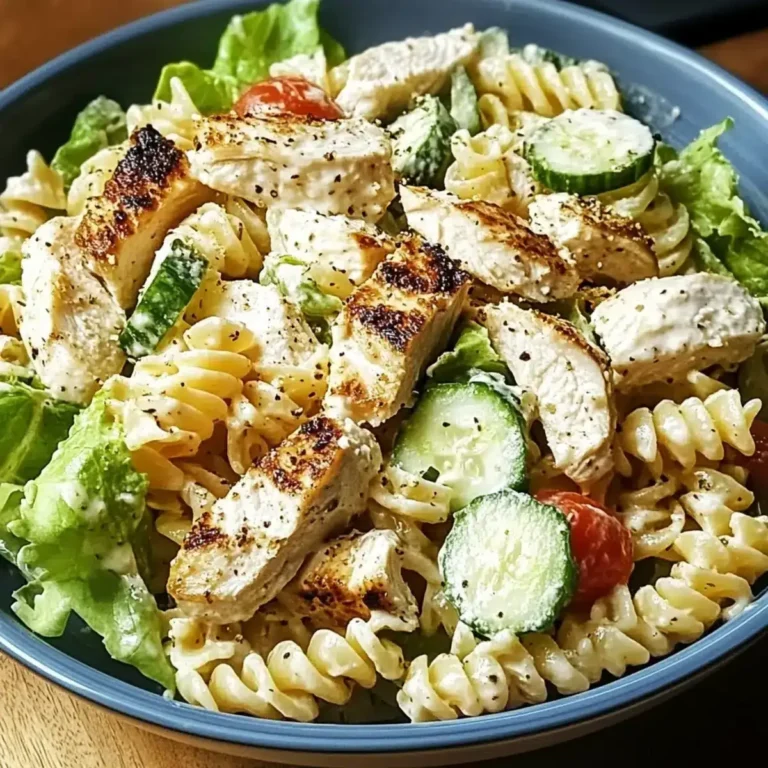
With your vegetarian Caesar dressing perfectly seasoned and its consistency just right, it’s ready to be enjoyed in its full glory. For immediate use, toss it generously with crisp Romaine lettuce, crunchy croutons, and a sprinkle of Parmesan cheese for an authentic Caesar salad experience. Its creamy texture and vibrant flavor will beautifully coat every leaf, ensuring a delightful bite every time.
If you’re not using it right away, the dressing can be stored for later enjoyment. Transfer the prepared dressing into an airtight container, such as a glass jar or a sealed plastic container. This step is crucial for maintaining its freshness and preventing it from absorbing odors from other foods in the refrigerator. Properly stored, it will remain delicious for a short period.
It’s important to note that for the best possible flavor and texture, it is recommended to consume this dressing within two days of preparation. While it can be stored for a little longer, its vibrant zestiness is most pronounced when fresh. Enjoying it within this timeframe ensures you get the most out of its delightful taste and creamy consistency, making any meal special.
Pro Tips for Vegetarian Caesar Dressing without Anchovies
Fresh is Best: Always opt for freshly minced garlic and freshly squeezed lemon juice. Pre-minced garlic and bottled lemon juice can lack the vibrant flavor and aromatic intensity that truly elevates this dressing. The difference in taste is remarkable.
Master the Consistency: If your dressing is too thick, don’t panic. Slowly whisk in a teaspoon of water at a time until you reach your desired pourable yet coating consistency. This ensures you don’t dilute the flavor while achieving the perfect texture.
Taste and Tweak: Never skip the tasting step! Your palate is the ultimate guide. Adjust the amount of lemon juice for tanginess, black pepper for warmth, or even add a pinch of salt if needed. Every ingredient can be balanced to your preference.
Proper Storage is Key: To maintain its freshness and prevent spoilage, store the dressing in an airtight container in the coldest part of your refrigerator. This helps to preserve the bright flavors and creamy texture for as long as possible.
Get Creative with Additions: Don’t be afraid to experiment. A pinch of dried dill, a sprinkle of finely chopped fresh parsley, or even a dash of hot sauce can introduce delightful new dimensions to the classic flavor profile.
Serving Suggestions for Vegetarian Caesar Dressing without Anchovies
Decoration
A final flourish can elevate the visual appeal of any dish featuring this dressing. Consider a scattering of toasted breadcrumbs or panko for a delightful textural contrast and a touch of golden color. A few finely grated shreds of vegetarian Parmesan cheese add visual richness and an extra hint of savory flavor. For a pop of color and freshness, a sprinkle of finely chopped fresh parsley or chives provides an elegant finishing touch.
Side Dishes
This dressing’s versatility extends beyond salads, making it an excellent accompaniment to a variety of side dishes. It pairs wonderfully with roasted vegetables like broccoli, asparagus, or Brussels sprouts, adding a creamy, zesty counterpoint. Serve it alongside crispy sweet potato fries or classic potato wedges as a decadent dipping sauce. A simple side of grilled bread or garlic knots also benefits immensely from a generous drizzle.
Creative Serving Ideas
Beyond traditional salads, think outside the bowl. Use this dressing as a flavorful spread in wraps and sandwiches, bringing a creamy tang to fillings like grilled chicken or roasted vegetables. It makes an outstanding dip for crudités, offering a healthier alternative to many store-bought options. You can also toss it with cooked grains like quinoa or farro for a flavorful grain salad that’s perfect for packed lunches or potlucks.
Preparation & Storage
Storing Leftovers
To keep your delicious vegetarian Caesar dressing at its best, transfer any remaining amount into a clean, airtight container. This prevents it from absorbing other odors in the refrigerator and helps maintain its creamy texture. Store the container in the main compartment of your fridge, which typically offers more consistent temperatures than the door.
When stored correctly, this dressing can maintain its quality for approximately two days. While it may remain safe to consume for a bit longer, the fresh, zesty flavors are most pronounced within this initial timeframe. Always check for any off-putting smells or visible changes in texture before using leftovers.
It’s important to remember that the texture might slightly change after refrigeration, especially if it contains ingredients like mayonnaise that can firm up. A quick whisk before serving can often restore its smooth consistency.
Freezing
Freezing this particular dressing is generally not recommended, as the emulsified base, particularly the mayonnaise and yogurt components, can undergo textural changes upon thawing. The smooth, creamy consistency can become separated or grainy, significantly impacting the dressing’s appeal. Therefore, it’s best to prepare only the amount you anticipate using within a few days.
If you absolutely must freeze it, opt for a freezer-safe container with a tight-fitting lid to minimize exposure to air. It’s advisable to consume it within one month to maintain the best possible quality, though the texture is likely to be compromised. You may need to re-whisk it vigorously or even re-emulsify it after thawing.
The breakdown of fats and dairy proteins during the freezing and thawing process is the primary reason for texture alteration. For optimal results and enjoyment, fresh is always the preferred method for this dressing.
Reheating
Reheating this vegetarian Caesar dressing is generally not advisable, especially if you aim to preserve its intended creamy texture and fresh flavor. The ingredients, particularly the mayonnaise and yogurt, are best served cold or at room temperature. Attempting to heat it significantly can lead to separation and an undesirable, oily consistency.
However, if the dressing has become very cold and you wish to serve it at a slightly cooler room temperature, a very gentle warming might be considered. This could involve placing the container in a bowl of lukewarm water for a short period, stirring frequently. Avoid direct heat sources like a microwave or stovetop, as these are highly likely to cause the emulsion to break.
If you are using the dressing as part of a warm dish and it needs to be heated, it’s often better to add it at the very end of the cooking process, allowing the residual heat of the dish to warm it gently. This minimizes the risk of textural degradation. Always proceed with caution when attempting to warm delicate dressings.
Frequently Asked Questions
-
Can I use substitutes for Greek yogurt in this recipe?
Yes, you can certainly use substitutes for Greek yogurt to achieve a similar creamy texture in your vegetarian Caesar dressing. Sour cream is an excellent alternative, offering a comparable tang and richness, though it may be slightly more indulgent. For a dairy-free or vegan version, a thick, unsweetened plant-based yogurt, such as coconut yogurt or cashew yogurt, works very well. Ensure the plant-based yogurt is sufficiently thick to provide the necessary body for the dressing.
-
Is this dressing suitable for vegan diets, and if so, what modifications are needed?
This dressing can be easily adapted for a vegan diet with a few key substitutions. The primary modification involves replacing the Greek yogurt with a thick, unsweetened vegan yogurt alternative, such as coconut, cashew, or soy yogurt. Ensure it’s a creamy, full-fat variety for the best texture. Additionally, you’ll need to ensure your mayonnaise is vegan; many brands offer excellent plant-based mayonnaise. The vegetarian Worcestershire sauce may also contain anchovies, so look for a specifically labeled vegan Worcestershire sauce or substitute with a dash of soy sauce or tamari for umami depth.
-
How long will this vegetarian Caesar dressing last in the fridge, and what are the best storage practices?
When stored properly in an airtight container, this vegetarian Caesar dressing will typically last for up to two days in the refrigerator. The key to maximizing its shelf life is to use a container that seals tightly to prevent air exposure and potential contamination. It’s also beneficial to store it in the main section of your refrigerator, rather than the door, as this area tends to maintain a more consistent and colder temperature, which helps to slow down any potential spoilage. Always check for any signs of spoilage, such as off-putting smells or changes in color or texture, before consuming leftovers.