Tagliatelle mit Salbei und Zitrone – Bestes Rezept – Muma’s Kitchen
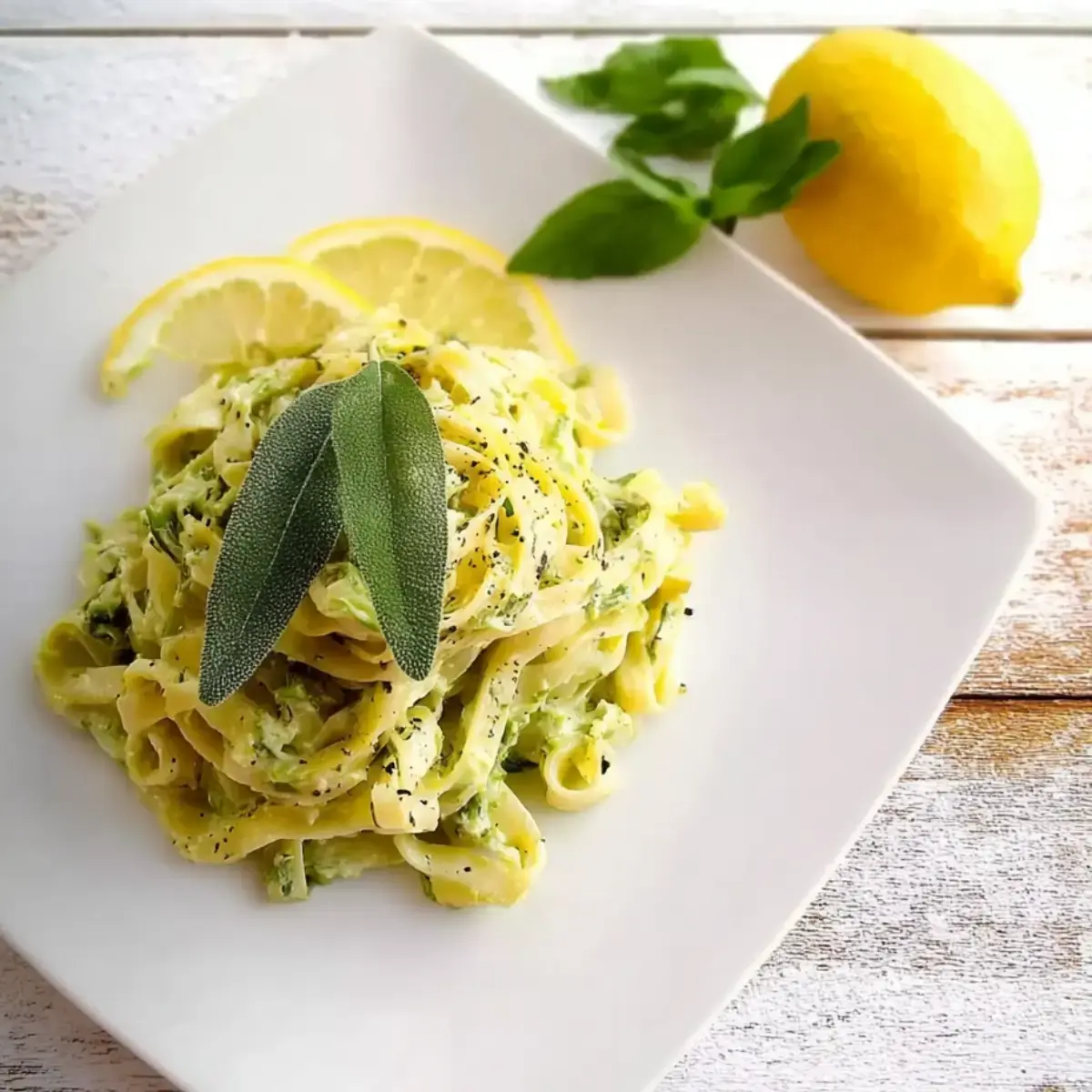
Tagliatelle mit Salbei und Zitrone is a wonderfully light pasta dish that uses few ingredients but delivers intense flavor. The combination of fresh lemon, aromatic sage, and silky pasta makes this recipe a perfect choice for quick yet sophisticated meals. Whether as a light dinner or a Mediterranean highlight for guests, Tagliatelle with Sage and Lemon brings fresh aromas directly to your plate.
This dish shines with its simplicity and elegance. The fresh citrus notes lend the pasta a pleasant lightness, while sage provides a savory depth. It’s an ideal option for those who love fast recipes without compromising on taste. The ingredients are readily available, and the entire dish can be prepared in under 30 minutes, making it a weeknight favorite that still feels special.
Why You Will Love This Recipe
- Quick Preparation: Enjoy a delicious, restaurant-quality pasta dish on your table in approximately 25 minutes, perfect for busy evenings.
- Vibrant Flavors: The zesty brightness of fresh lemon perfectly complements the earthy, aromatic notes of pan-fried sage, creating a harmonious taste sensation.
- Simple Elegance: This recipe proves that sophisticated flavors can come from just a few high-quality ingredients, making it ideal for both casual meals and entertaining.
- Versatile Pairing: The light yet satisfying nature of this pasta makes it an excellent companion to a variety of side dishes, from fresh green salads to crusty bread.
- Adaptable to Tastes: Easily customize this dish to suit dietary needs or preferences, such as making it vegan or adding protein for a heartier meal.
Ingredients You Need
The beauty of Tagliatelle mit Salbei und Zitrone lies in its reliance on fresh, high-quality components. Selecting the best possible ingredients, even for a simple dish, will elevate its final taste profile significantly. Fresh herbs, a vibrant lemon, and good quality pasta are the cornerstones of this delightful preparation. When these elements come together, the result is a symphony of Mediterranean flavors that is both comforting and invigorating.
Tagliatelle with Sage and Lemon
Tagliatelle with sage and lemon is a wonderfully light pasta dish that impresses with intense flavor using only a few ingredients. The combination of fresh lemon, aromatic sage, and silky pasta makes this recipe a perfect choice for quick, refined meals.
- 250 g Tagliatelle
- 40 g Butter
- 2 tbsp Olive oil
- 10–12 Fresh sage leaves
- 2 Garlic cloves, minced
- 1 Organic lemon (juice and zest)
- 50 g Freshly grated Parmesan cheese
- Salt to taste
- Black pepper to taste
- 100 ml Pasta water (as needed)
- 1Bring a large pot of salted water to a boil and cook the Tagliatelle until al dente.
- 2Reserve about one cup of pasta water before draining the pasta.
- 3Heat butter and olive oil in a large pan over medium heat.
- 4Add the sage leaves and fry briefly until crispy.
- 5Add the minced garlic and sauté briefly until fragrant.
- 6Add the lemon juice and lemon zest to the pan and stir well.
- 7Add the cooked Tagliatelle directly into the pan.
- 8Pour in some of the reserved pasta water and toss thoroughly until a creamy sauce forms.
- 9Stir in the grated Parmesan and season with salt and pepper to taste.
- 10Serve immediately, garnished with additional Parmesan and fresh sage if desired.
Keywords: Tagliatelle, Sage, Lemon, Pasta, Vegetarian, Mediterranean, Quick Dinner
- tagliatelle: the wide pasta shape is excellent for capturing the light sauce, providing a satisfying bite and creamy texture.
- fresh sage leaves: these lend an intensely aromatic, slightly herbaceous, and subtly peppery flavor that is central to the dish’s character.
- organic lemon (zest and juice): this is the star ingredient, providing a bright, zesty acidity that cuts through richness and awakens the palate.
- butter: it forms the base of the sauce, contributing a rich, velvety mouthfeel and a subtle sweetness.
- olive oil: used in conjunction with butter, it adds a characteristic Mediterranean depth and helps prevent the butter from burning too quickly.
- garlic: finely minced, it offers a pungent, savory undertone that enhances the overall complexity of the flavors.
- parmesan cheese: freshly grated, it introduces a salty, umami-rich element that binds the sauce and adds a delightful finishing touch.
- salt: essential for seasoning, it amplifies all the other flavors and balances the dish.
- black pepper: freshly ground, it provides a mild, warming spice that complements the citrus and sage.
- pasta water: this starchy liquid is a secret weapon, helping to emulsify the sauce and achieve a perfect, glossy consistency.
The exact quantities for these essential components can be found within the accompanying recipe card, ensuring perfect proportions for a delightful meal.
Variations
To cater to different dietary preferences or simply to explore new taste horizons, Tagliatelle mit Salbei und Zitrone offers a wonderful canvas for creativity. Its fundamental structure is robust enough to incorporate a variety of additions without losing its essence. This adaptability makes it a go-to recipe for many home cooks looking to personalize their meals.
For a delightful vegan twist, the classic butter can be replaced with a high-quality olive oil or vegan butter substitute. The parmesan cheese, a key flavor component, can be skillfully swapped with nutritional yeast flakes, which provide a cheesy, umami depth reminiscent of the original. Ensuring the tagliatelle itself is vegan, often made without eggs, is also a crucial step in achieving a completely plant-based version of this exquisite dish. This variation proves that vegan cooking can be just as rich and satisfying as its traditional counterpart.
If you’re following a low-carb lifestyle, consider opting for a zucchini noodle or shirataki noodle base instead of traditional pasta. The sauce itself is already relatively low in carbohydrates, with the primary carb source being the pasta. By swapping out the noodles for a vegetable-based alternative, you can significantly reduce the carb count while still enjoying the bright, aromatic flavors of lemon and sage. This adaptation ensures that everyone can enjoy a taste of this delightful dish, regardless of their dietary restrictions.
Enhancing the protein content is another simple yet impactful variation. Consider adding pan-seared shrimp, grilled chicken strips, or even flaky white fish to the finished pasta. These additions transform the dish into a more substantial main course, perfect for a heartier appetite or a more complete meal. For a vegetarian protein boost that complements the creamy sauce, incorporating cannellini beans or chickpeas can also be a wonderfully satisfying choice. These additions maintain the Mediterranean spirit of the dish while making it more filling.
How to Prepare Tagliatelle mit Salbei und Zitrone
Step 1: Cooking the Tagliatelle
Begin by bringing a large pot of generously salted water to a rolling boil. This initial step is crucial for ensuring the pasta cooks evenly and develops proper flavor. Once the water is at its peak, carefully add the tagliatelle, ensuring it is fully submerged to prevent clumping.
Cook the tagliatelle according to the package directions, aiming for an “al dente” texture. This means the pasta should be tender but still possess a slight resistance to the bite. Overcooked pasta can become mushy and detract from the dish’s overall appeal.
Before draining, remember to reserve at least one cup of the starchy pasta water. This liquid gold is essential for creating the creamy sauce and will be used later in the cooking process. It acts as a natural emulsifier, bringing together the fats and liquids to form a cohesive and glossy sauce.
Step 2: Sautéing the Sage and Aromatics
While the tagliatelle is cooking, heat a generous amount of butter and olive oil in a large, wide skillet over medium heat. The combination of butter and olive oil provides a wonderful richness and depth of flavor, preventing the butter from scorching too quickly. Ensure the pan is adequately heated before adding the other ingredients.
Add the fresh sage leaves to the shimmering fat. Allow them to gently crisp up, releasing their distinct aroma into the oil. This process infuses the fat with the sage’s essence, which will then transfer to the pasta and sauce. Be watchful to prevent them from burning, which can impart a bitter taste.
Next, introduce finely minced garlic to the skillet. Sauté the garlic for just about 30-60 seconds until it becomes fragrant. The goal is to lightly cook the garlic, releasing its pungent aroma, without allowing it to brown or become bitter. This step significantly amplifies the savory complexity of the final dish.
Step 3: Infusing with Lemon
Now it’s time to introduce the vibrant citrus element that defines this dish. Squeeze fresh lemon juice directly into the skillet, capturing the bright, zesty essence of the fruit. Immediately follow this by adding the finely grated zest of the lemon. The zest contains aromatic oils that provide a more intense and complex lemon flavor than juice alone.
Stir everything together gently in the pan. The heat from the skillet will help to meld the lemon juice, zest, sage-infused oil, and garlic. This creates a fragrant base for the sauce, ready to embrace the pasta. This step is where the foundational flavors of the lemon and sage truly begin to harmonize.
Allow this mixture to simmer for just a moment, allowing the flavors to meld and deepen. The aroma at this stage should be incredibly inviting, hinting at the delicious meal to come. This brief cooking period ensures the lemon’s brightness is present without becoming overly sharp or acidic.
Step 4: Combining Pasta and Sauce
Once the tagliatelle has reached its perfect al dente stage, carefully transfer it directly from the boiling water into the skillet with the lemon and sage mixture. Do not drain the pasta completely; a little bit of the starchy pasta water clinging to the noodles is highly beneficial.
This residual pasta water is key to creating a beautifully emulsified and creamy sauce. As you toss the pasta in the skillet, the starch from the water will help to bind the olive oil and butter with the lemon juice, forming a silky coating that clings to every strand of tagliatelle.
Gently toss the pasta in the skillet, ensuring each strand is thoroughly coated with the fragrant sauce. Use tongs or two forks to lift and mix the pasta, allowing the sauce to distribute evenly. This process should take about one to two minutes, allowing the flavors to marry.
Step 5: Achieving Creaminess with Pasta Water
If the sauce appears a bit too thick or dry, this is the time to introduce the reserved pasta water. Add a splash of the starchy liquid to the skillet, about a quarter cup at a time.
Continue to toss the pasta vigorously. The starch in the water will react with the fats in the pan, creating a wonderfully creamy and glossy sauce that coats the tagliatelle beautifully. This technique is fundamental to achieving that luscious, restaurant-quality texture without relying on heavy cream.
Keep adding pasta water as needed until the sauce reaches your desired consistency – it should be fluid enough to coat the pasta but not watery. The goal is a perfectly balanced, silky sauce that clings to every piece of tagliatelle, ensuring maximum flavor in every bite.
Step 6: Finishing Touches and Seasoning
Once the sauce has reached its ideal consistency, sprinkle a generous amount of freshly grated Parmesan cheese over the pasta. The residual heat from the skillet and the pasta will begin to melt the cheese, adding another layer of richness and umami.
Toss the pasta again to ensure the melting Parmesan is evenly distributed throughout the dish. This step not only adds flavor but also helps to thicken the sauce slightly, contributing to its creamy texture. The combination of the emulsified sauce and melted cheese is truly delightful.
Finally, taste the Tagliatelle mit Salbei und Zitrone and season with salt and freshly ground black pepper to your preference. Adjust seasonings as needed to perfectly balance the bright citrus, savory sage, and rich cheese. The final seasoning is critical to bringing all the flavors into perfect harmony.
Pro Tips for Tagliatelle mit Salbei und Zitrone
Use Fresh, High-Quality Ingredients: The simplicity of this dish means that the quality of your ingredients truly matters. Opt for the freshest sage leaves you can find, and always use fresh lemons for both their juice and zest. Good quality tagliatelle will also make a difference in texture and flavor.
Don’t Overcook the Pasta: It is crucial to cook the tagliatelle until it is perfectly al dente. Remember that the pasta will continue to cook slightly when tossed in the hot skillet with the sauce. Overcooked pasta will result in a mushy dish, which is far from ideal for this light and elegant recipe.
Master the Pasta Water: The starchy pasta water is your best friend for creating a silky, emulsified sauce. Don’t discard all of it! Adding it in small increments allows you to control the sauce’s consistency, transforming the olive oil and butter into a creamy coating for the pasta.
Crisp the Sage Gently: While you want the sage leaves to be slightly crisp, be very careful not to burn them. Burnt sage can impart a bitter taste that will overpower the delicate flavors of the lemon and pasta. Watch them closely as they fry; they should become fragrant and slightly darker, but not black.
Grate Lemon Zest Finely: When zesting the lemon, aim for the outer yellow peel only. The white pith underneath is bitter and should be avoided. Fine grating ensures that the citrus oil is released effectively without creating large, undesirable pieces in the sauce.
Serving Suggestions for Tagliatelle mit Salbei und Zitrone
Decoration
Garnish each serving generously with extra fresh sage leaves, lightly fried until crisp, for added texture and visual appeal. A final flourish of finely grated Parmesan cheese over the top enhances both the flavor and the presentation. A light drizzle of high-quality extra virgin olive oil just before serving can add a beautiful sheen and an extra layer of fruity aroma.
Side Dishes
This light pasta dish pairs wonderfully with a crisp green salad featuring a simple lemon vinaigrette to echo the pasta’s flavors. For a more substantial meal, consider serving it alongside grilled or roasted vegetables like asparagus, zucchini, or bell peppers. Crusty bread or garlic bruschetta is also an excellent accompaniment for soaking up any extra sauce.
Creative Serving Ideas
Elevate the dish by adding pan-seared scallops or plump shrimp directly to the pasta just before serving. For a vegetarian protein boost, toss in some blanched green beans or tender broccoli florets. A dollop of creamy ricotta cheese added at the end can provide an extra layer of indulgence and a delightful contrast in texture.
Preparation & Storage
Storing Leftovers
Leftover Tagliatelle mit Salbei und Zitrone can be stored in an airtight container in the refrigerator for up to 2 days. It’s important to let the pasta cool completely before sealing the container to prevent condensation, which can make the dish soggy. The flavors will meld further as it sits, though the texture of the pasta may change slightly.
Freezing
This particular pasta dish is not ideal for freezing. The creamy sauce, made with butter and emulsified pasta water, can separate upon thawing, leading to a less appealing texture. Freshly made is always best for this recipe, as the delicate balance of flavors and textures is compromised by freezing.
Reheating
When reheating leftover Tagliatelle mit Salbei und Zitrone, it’s best to do so gently on the stovetop. Place the pasta in a skillet over medium-low heat. Add a splash of water, broth, or a little extra olive oil to help loosen the sauce and restore its creamy consistency. Stir gently until heated through, being careful not to overheat, which can dry out the pasta.
Frequently Asked Questions
-
Can I make Tagliatelle mit Salbei und Zitrone vegan?
Yes, absolutely! To create a vegan version, replace the butter with a good quality vegan butter or extra virgin olive oil. For the parmesan cheese, nutritional yeast flakes are an excellent substitute, providing a cheesy, umami flavor without any animal products. Ensure your tagliatelle is also egg-free, as many dried pasta varieties are naturally vegan.
-
What kind of pasta is best for this recipe, or can I use alternatives?
While tagliatelle is highly recommended due to its broad surface area which perfectly captures the light sauce, other flat pasta shapes like fettuccine or linguine would also work beautifully. Even long spaghetti can be used, though it might require slightly more attention when tossing to ensure even coating. For a different texture, consider using a short pasta like penne or farfalle, though the sauce might not cling quite as effectively.
-
How can I ensure the sage leaves get crispy without burning?
The key to perfectly crispy sage leaves is medium heat and close attention. Add the sage to the pan after the butter and oil have heated up but before they are smoking hot. Fry them for only about 30-60 seconds per side, or until they darken slightly and become translucent, indicating they are crisp. Remove them promptly from the oil to prevent them from continuing to cook and burn.