Oatmeal Cake with Coconut Pecan Frosting
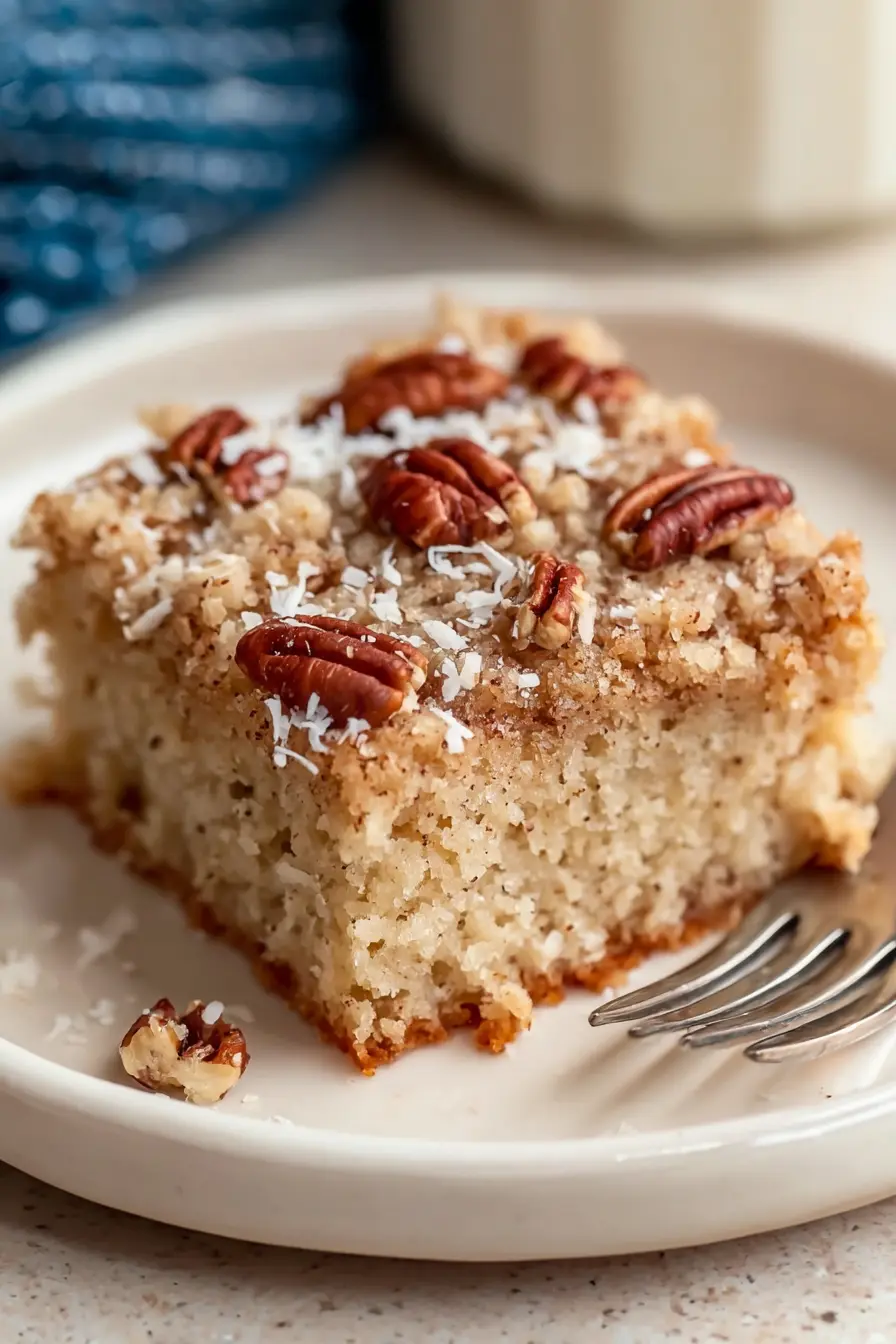
This oatmeal cake with coconut pecan frosting is a truly comforting dessert, perfect for any occasion that calls for a touch of homemade goodness. Its familiar flavors and tender texture evoke a sense of nostalgia, making it an instant favorite for bakers of all skill levels. The process is straightforward, ensuring a delightful outcome without unnecessary fuss.
Imagine a cake that’s both incredibly moist and beautifully spiced, topped with a layer of toasted coconut and crunchy pecans that caramelizes just so under the broiler. It’s the kind of dessert that brings people together, a perfect centerpiece for a holiday table or a simple yet elegant end to a weeknight meal. The aromatic spices and the sweet, nutty topping combine to create a truly irresistible treat.
Why You Will Love This Recipe
- Cozy Flavor Profile: The combination of warm spices like cinnamon and nutmeg, along with the sweetness of brown sugar, creates a deeply comforting and familiar taste that’s perfect for any season.
- Tender, Moist Crumb: The use of quick-cooking oats, softened in hot water, contributes to an exceptionally tender and moist cake texture that’s delightfully soft with every bite.
- Irresistible Topping: The buttery, toasted coconut and pecan frosting provides a delightful contrast in texture and flavor, adding a rich, caramelized sweetness that perfectly complements the spiced cake base.
- Beginner-Friendly: This recipe is designed to be accessible to bakers of all levels, with clear steps and forgiving ingredients that lead to a consistently delicious result.
- Versatile Appeal: Whether served warm with ice cream or cooled for a lighter treat, this cake is a crowd-pleaser that’s suitable for casual gatherings, holiday celebrations, or simply enjoying a sweet moment.
Ingredients You Need
The success of any great cake lies in the quality of its ingredients, and this oatmeal cake is no exception. Using fresh, high-quality components will ensure the best possible flavor and texture for both the cake and its luscious topping. We recommend using pure vanilla extract for that distinct bakery aroma and flavor.
Oatmeal Cake with Coconut Pecan Frosting
A warmly spiced oatmeal cake with a soft, tender crumb, finished with a buttery coconut and pecan topping that is briefly broiled until lightly toasted and caramelized. This is a cozy, beginner-friendly dessert with a soft spiced crumb, a buttery toasted topping, and reliable crowd-pleasing flavor for holidays, potlucks, or an everyday bake.
- 1 cup quick-cooking oats
- 1 1/2 cups very hot water
- 1/2 cup vegetable shortening
- 1 cup firmly packed light brown sugar
- 1 cup granulated white sugar
- 2 large eggs
- 1 1/2 cups all-purpose flour
- 1 teaspoon baking soda
- 1/2 teaspoon fine salt
- 1/2 teaspoon ground cinnamon
- 1/2 teaspoon ground nutmeg
- 1 teaspoon pure vanilla extract
- 1/2 cup salted butter, melted
- 1 cup packed light brown sugar
- 1/4 cup milk
- 1 teaspoon vanilla extract
- 1 cup sweetened flaked coconut
- 1 cup pecans, chopped
- 1Place the quick-cooking oats in a large mixing bowl and pour the very hot water over them. Let the mixture sit for a few minutes until softened. Meanwhile, preheat your oven to 350°F (175°C) and grease a 9 x 13-inch baking dish.
- 2Stir the vegetable shortening into the warm oat mixture until melted and smooth. Add both brown sugar and granulated sugar, then whisk in the eggs until the mixture looks evenly blended and glossy.
- 3Gently fold in the all-purpose flour, then add the baking soda, salt, cinnamon, and nutmeg. Finish with the vanilla extract and stir only until the batter looks uniform. Spread it into the prepared pan in an even layer.
- 4Bake until the center is set and a toothpick inserted comes out clean. The cake should look lightly golden on top and feel springy when touched in the middle.
- 5While the cake bakes, mix the melted butter, brown sugar, milk, and vanilla extract for the topping. Fold in the sweetened coconut and chopped pecans until everything is well coated and the mixture looks thick but spreadable.
- 6Spread the topping over the warm cake as soon as it comes out of the oven. Place it under the broiler just long enough for the surface to bubble and the coconut to turn lightly golden at the edges. Watch closely to prevent scorching.
- 7Let the cake cool before slicing so the topping can settle and the crumb can finish setting. Serve it slightly warm for a softer texture or fully cooled for cleaner slices.
The specific quantities for each ingredient are detailed within the recipe card for your convenience.
Variations
To adapt this delightful cake to different dietary needs or flavor preferences, a few creative modifications can be made. For instance, to create a vegan version, you can substitute the eggs with a flax egg mixture and use a plant-based milk and a dairy-free butter alternative for the frosting. This will still yield a moist and flavorful cake, with the plant-based ingredients blending seamlessly.
For those following a low-carb lifestyle, consider using almond flour or a gluten-free baking blend instead of all-purpose flour. You can also experiment with sugar substitutes like erythritol or stevia in place of granulated and brown sugars, though this might slightly alter the moisture content and caramelization of the topping. Adjustments to the topping’s consistency might be needed with alternative sweeteners.
Another enjoyable variation is to incorporate other spices into the cake batter, such as a pinch of cardamom or ginger, to add a different layer of warmth. You could also add a handful of dried cranberries or raisins to the batter for pops of tartness and chewiness, or sprinkle some extra nuts on top of the frosting before broiling for an even nuttier crunch. These small additions can significantly alter the cake’s overall taste experience.
How to Prepare Oatmeal Cake with Coconut Pecan Frosting
Step 1: Prepare the Oats and Pan
Begin by placing the quick-cooking oats into a generously sized mixing bowl. Carefully pour the very hot water over the oats. Stir them gently to ensure they are all submerged, then allow them to sit undisturbed for a few minutes. This crucial step allows the oats to soften and hydrate, which is essential for achieving the cake’s signature tender and moist crumb. It also helps to break down the oats, making them easier to incorporate smoothly into the batter later on.
While the oats are steeping, take this time to preheat your oven. A consistent oven temperature is key for even baking, so ensure it reaches 350°F (175°C). Simultaneously, prepare your baking vessel. A standard 9×13-inch baking dish is ideal for this recipe, and it needs to be thoroughly greased. Use butter, shortening, or a baking spray to coat the bottom and sides generously. This prevents the cake from sticking, ensuring it releases cleanly after baking and maintains its beautiful shape.
This initial preparation ensures that as soon as your batter is mixed, it can go straight into the preheated oven without any delay. Any waiting time for a hot oven or an ungreased pan can affect the batter’s consistency and the final outcome of your bake. Having everything ready to go streamlines the entire baking process, making it more efficient and less prone to error.
Step 2: Cream the Wet Ingredients
Once the oat mixture has had a moment to soften and has cooled slightly, it’s time to incorporate the fat. Add the vegetable shortening to the warm oat mixture. Stir diligently until the shortening is completely melted and smoothly integrated into the oats. The shortening will help to create that classic, tender texture in the cake, providing richness and moisture that is characteristic of old-fashioned baking.
Following the melted shortening, introduce the sugars. Add both the firmly packed light brown sugar and the granulated white sugar to the bowl. Whisk these ingredients together with the oat and shortening mixture until everything is thoroughly combined. The sugars not only provide sweetness but also contribute to the cake’s moisture retention and tender crumb structure, while the brown sugar adds a lovely caramel undertone.
The next step involves incorporating the eggs. Crack the two large eggs into the bowl. Continue to whisk the entire mixture vigorously until it appears smooth, glossy, and uniformly blended. The eggs act as a binder, providing structure to the cake, and their incorporation at this stage helps emulsify the batter, creating a cohesive and well-developed mixture that will bake up beautifully and evenly.
Step 3: Combine Dry and Wet Ingredients
With the wet ingredients smoothly blended, it’s time to introduce the dry components. Gently fold in the all-purpose flour to the batter. It’s important to do this gently to avoid overmixing, which can lead to a tough cake. Mix just until you no longer see streaks of dry flour throughout the batter. A light hand at this stage ensures the cake remains tender and light.
Next, add the leavening agent and flavor enhancers. Sprinkle in the baking soda, fine salt, ground cinnamon, and ground nutmeg. These ingredients are vital for the cake’s rise and its characteristic warm spice notes. The baking soda will react with the moisture and slight acidity in the batter to create lift, while the salt balances the sweetness and the spices add that comforting aroma and flavor that defines this cake.
Finally, complete the batter by adding the vanilla extract. Stir it in until the batter looks uniform and the vanilla is evenly distributed. Spread this prepared batter into the greased 9×13-inch baking dish, ensuring it forms an even layer. This evenness is crucial for uniform baking, preventing some parts from being overcooked while others are still underbaked. The batter will be relatively thick, which is perfectly normal for this type of cake.
Step 4: Bake the Cake
Place the prepared baking dish into your preheated oven, ensuring it’s positioned in the center rack for the most even heat distribution. Allow the cake to bake for approximately 30 minutes. During this time, the magic of heat transforms the raw batter into a delicious cake, causing it to rise and develop its structure and flavor.
To check for doneness, insert a toothpick or a thin skewer into the center of the cake. If it comes out clean, with no wet batter clinging to it, your cake is ready. The cake should also appear lightly golden on top, and when you gently press the center, it should feel springy and firm, indicating that the internal structure has set properly. Avoid the temptation to overbake, as this can result in a dry cake.
Once baked, carefully remove the cake from the oven. It’s important not to let it sit in the hot pan for too long after baking, as residual heat can continue to cook it. However, for this specific recipe, the frosting is applied while the cake is still warm, so it will be left to cool slightly in the pan before the topping is added. This warm-cake-topping application is a key technique for this recipe’s success.
Step 5: Prepare the Coconut Pecan Frosting
While the cake is in its final stages of baking, or immediately after it comes out of the oven, it’s time to prepare the glorious topping. In a medium-sized bowl, combine the melted salted butter, packed light brown sugar, and milk. Whisk these ingredients together until they form a smooth, cohesive mixture. This forms the rich, buttery base for your delightful topping, ensuring it spreads easily and bakes up with a wonderful texture.
Next, stir in the vanilla extract. This adds another layer of familiar warmth and flavor that ties the topping beautifully to the cake. Then, gently fold in the sweetened flaked coconut and the chopped pecans. Ensure that the coconut and pecans are thoroughly coated with the butter and sugar mixture. The goal is to have a thick, but still spreadable, mixture that will create a luscious layer on top of your cake.
This topping is designed to be rustic and wonderfully textured, with plenty of chewy coconut and crunchy nuts interspersed throughout the buttery caramel-like sauce. The combination of the toasted nuts and the sweet coconut is a classic pairing that elevates this simple oatmeal cake into something truly special and memorable. It’s this contrast in textures and flavors that makes the cake so appealing.
Step 6: Top and Broil the Cake
As soon as the cake comes out of the oven and is still warm, carefully and evenly spread the prepared coconut pecan frosting over its entire surface. It’s important that the cake is warm for this step, as it helps the topping to settle into the cake’s surface slightly and creates a beautifully integrated layer rather than sitting purely on top. Use a spatula to ensure an even distribution, pushing the mixture gently to the edges.
Now comes the part that adds that irresistible golden-brown finish: the broiling. Change your oven setting to the broiler function. Carefully place the cake back into the oven, but keep a very close watch on it. The broiler is intense, and the coconut and pecans can go from perfectly golden to burnt in a matter of moments. You only need to broil it for about 1 to 2 minutes, or just until the edges of the coconut begin to turn a lovely golden-brown and the topping becomes bubbly and slightly caramelized.
The key here is constant vigilance. Do not walk away from the oven while the cake is under the broiler. Peek through the oven door frequently. The goal is a beautiful toasted color, not charred bits. Once the desired color is achieved, immediately remove the cake from the oven. This quick broiling step is what gives the topping its characteristic depth of flavor and delightful texture.
Step 7: Cool and Serve
After the cake has been taken out of the oven following the broiling of the topping, it’s essential to let it cool. Allow the cake to rest in the baking dish for at least 20 to 30 minutes before attempting to slice and serve it. This cooling period is crucial because it allows the topping to set properly and the cake’s crumb structure to firm up. Rushing this step can result in a messy slice and a less cohesive final product.
The cake can be served when it’s still slightly warm, which offers a wonderfully soft texture and allows the buttery topping to be wonderfully gooey. This is often the preferred way to enjoy it, especially when paired with a scoop of ice cream. Alternatively, you can let it cool completely to room temperature. When fully cooled, the slices will be cleaner and easier to handle, making it ideal for packing into lunches or serving at a more formal occasion.
Whether served warm or at room temperature, this oatmeal cake with its luscious coconut pecan frosting is a guaranteed hit. It embodies the spirit of comforting, home-baked goods and is sure to become a go-to recipe in your baking repertoire. Enjoy every delicious bite of this classic, heartwarming dessert.
Pro Tips for Oatmeal Cake with Coconut Pecan Frosting
Optimal Oat Softening: For the softest, most integrated crumb, ensure the quick-cooking oats are fully softened in the hot water. Let them sit for at least 5-7 minutes, or even a bit longer, before proceeding with the batter. This ensures they become tender and blend smoothly, contributing to a moist texture.
Gentle Flour Incorporation: When adding the flour to the wet ingredients, always fold it in gently. Overmixing the flour develops gluten, which can lead to a tough or dense cake. Mix just until the flour streaks disappear for a tender result.
Topping Application: Apply the coconut pecan topping to a warm cake, not a cold one. This allows the topping to meld slightly with the cake’s surface, creating a unified deliciousness. A warm cake makes the topping more spreadable and better integrated.
Broiler Vigilance: The broiler is your best friend and your worst enemy in this recipe. It toasts the topping beautifully, but it can burn it in seconds. Stay by the oven door, watch the topping constantly, and remove the cake the moment it reaches your desired golden-brown color.
Cooling is Key: While serving warm is delightful, allowing the cake to cool for at least 20-30 minutes after broiling is crucial. This setting time prevents the topping from sliding off in large globs and allows the cake’s internal structure to fully stabilize, ensuring cleaner, more appealing slices.
Serving Suggestions for Oatmeal Cake with Coconut Pecan Frosting
Decoration
For a touch of elegance, consider a light dusting of powdered sugar over the cooled cake before serving. Alternatively, a few extra toasted pecans artfully arranged on top can enhance its visual appeal and hint at the delicious flavors within. A drizzle of caramel sauce could also add a decadent touch, complementing the brown sugar and nut notes beautifully.
Side Dishes
A scoop of classic vanilla ice cream is an absolute triumph alongside a slice of this warm cake. The cool creaminess provides a delightful contrast to the warm, spiced cake and buttery topping. A small bowl of fresh, vibrant berries, such as raspberries or strawberries, also offers a refreshing counterpoint to the cake’s sweetness and richness, adding a burst of brightness.
Creative Serving Ideas
Transform this cake into a more elaborate dessert by serving it slightly warm with a dollop of freshly whipped cream infused with a hint of cinnamon. For a brunch setting, consider cutting it into smaller, bite-sized squares and serving them alongside coffee or tea. Another idea is to crumble a slice into a bowl and top it with Greek yogurt and more fresh fruit for a deconstructed breakfast treat that’s still incredibly satisfying.
Preparation & Storage
Storing Leftovers
Leftover oatmeal cake with coconut pecan frosting can be stored at room temperature, tightly covered, for up to two days. If your kitchen tends to be warm or humid, or if you want to extend its freshness, it’s best to refrigerate the cake. Refrigeration will help the topping maintain a slightly firmer texture and prevent the cake from drying out too quickly, keeping it delicious for up to five days.
Freezing
This cake freezes remarkably well, making it an excellent candidate for baking ahead. Once the cake has completely cooled, wrap individual slices or the entire cake very securely in plastic wrap, followed by a layer of aluminum foil or placing it in an airtight freezer container. This triple protection will prevent freezer burn and preserve the topping’s integrity. Properly stored, it can be frozen for up to two months.
Reheating
To reheat a frozen slice, allow it to thaw overnight in the refrigerator or at room temperature for a few hours. For a warm, freshly-baked taste, you can gently reheat individual slices in a microwave for about 10-15 seconds until just warm. Alternatively, a few minutes in a low oven (around 300°F or 150°C) can also revive the cake and its topping, bringing back that delicious buttery aroma and texture.
Frequently Asked Questions
-
Can I use old-fashioned rolled oats instead of quick-cooking oats in this recipe?
While the recipe specifically calls for quick-cooking oats, you can technically use old-fashioned rolled oats. However, it’s important to note that old-fashioned oats will result in a heartier, chewier texture within the cake’s crumb, as they don’t break down and soften as readily. If you do opt for old-fashioned oats, you might want to let them soak in the hot water for a slightly longer period, perhaps an extra 5-10 minutes, to ensure they soften sufficiently before you mix them into the batter. This adjustment will help to mitigate the textural difference and ensure a more integrated result.
-
Why is it important to broil the coconut pecan topping, and what happens if I skip this step?
Broiling the coconut pecan topping is a crucial step that transforms it from a simple mixture into a deeply flavorful, texturally exciting component of the cake. The intense heat of the broiler toasts the coconut, bringing out its nutty, caramelized sweetness, and also slightly toasts the pecans, enhancing their richness and crunch. If you skip this step, you’ll miss out on this delightful toasted flavor and the appealing golden-brown finish. The topping will still be sweet and nutty, but it will lack the depth of flavor and the satisfying crisp-chewy texture that broiling provides, making the cake less of a culinary experience.
-
How far in advance can I prepare this oatmeal cake, and does it affect the texture?
This oatmeal cake is an excellent make-ahead dessert because its texture actually improves with a little resting time. You can bake the cake entirely, let it cool completely, and store it tightly covered at room temperature for up to two days, or in the refrigerator for up to five days. The flavors have a chance to meld and deepen overnight, and the cake remains wonderfully moist thanks to the oats. The topping will set nicely, and the cake is just as delicious, if not more so, when enjoyed a day or two after baking. This makes it a perfect option for holiday baking or when hosting guests, as you can prepare it well in advance.
Share this Recipe if You liked it: Pinterest Facebook Messenger WhatsApp