Marinated Steak Kabobs on the Grill
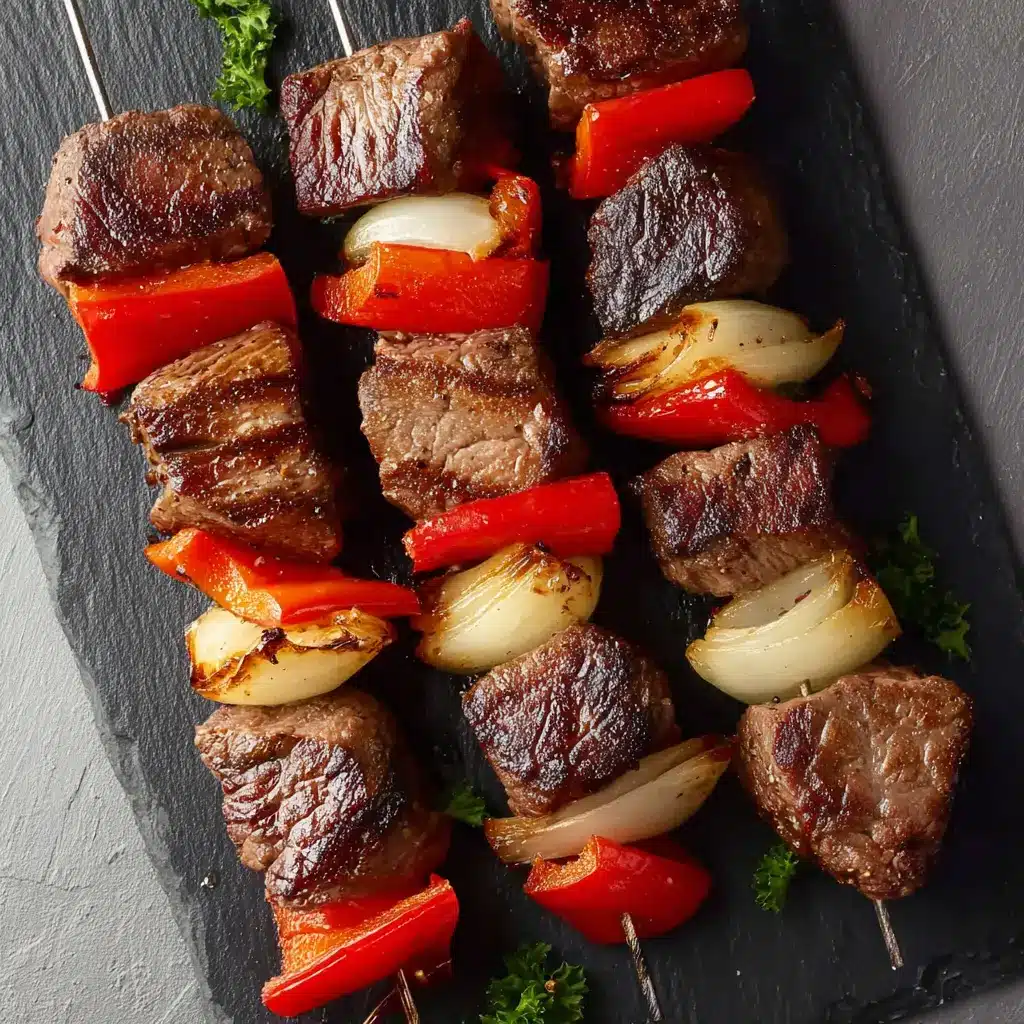
Marinated Steak Kabobs on the Grill are a quick, flavor-packed dinner with tender sirloin, bright lemon, garlic, and warm spices. They cook fast, work well for cookouts or weeknight grilling, and deliver a juicy, reliable result with simple ingredients.
When you want something hearty that still feels fresh and lively, these steak kabobs are a great choice. The marinade is simple, but it gives the beef a lot of character without hiding its natural flavor, making them a perfect addition to any dinner rotation.
The combination of olive oil, lemon juice, garlic, cumin, paprika, and cardamom gives each bite a savory, gently warm finish. Red bell pepper and onion add sweetness and texture, so the skewers feel balanced instead of heavy, creating a truly satisfying meal.
This is also the kind of grilled main dish that fits real life perfectly. You can marinate the steak earlier in the day, thread everything onto skewers when you are ready, and have dinner on the table not long after the grill is hot, offering convenience without sacrificing taste.
Why You Will Love This Recipe
- Quick Preparation: Dinner is on the table in less than 30 minutes once the grill is hot, making it ideal for busy weeknights.
- Incredibly Flavorful Marinade: A blend of citrus, garlic, and warm spices infuses the sirloin with deep, complex flavors that elevate the simple ingredients.
- Versatile Grilling Option: Perfect for casual barbecues, family gatherings, or even a quick and delicious weeknight meal when the weather is right.
- Visually Appealing: The vibrant colors of the bell peppers and onions alongside the seared steak make these kabobs a feast for the eyes.
- Customizable with Veggies: Easily swap out or add your favorite vegetables that complement the steak and grill well, offering endless possibilities.
Ingredients You Need
The quality of your ingredients makes a significant difference in the final taste of these marinated steak kabobs. Opting for fresh produce and good quality sirloin steak will ensure the best possible flavor and texture. Always aim for vibrant bell peppers and firm onions for optimal grilling results.
Marinated Steak Kabobs on the Grill
A robust and well-seasoned grilled steak kabob recipe featuring sirloin cubes marinated with olive oil, citrus, garlic, and warm spices, then skewered with onion and red bell pepper for a simple yet flavorful finish.
- 1 teaspoon ground cumin
- 2 tablespoons freshly squeezed lemon juice
- 1/4 cup olive oil
- 1 teaspoon paprika
- 2 garlic cloves, finely minced
- 1/2 teaspoon ground cardamom
- 1/2 teaspoon freshly ground black pepper
- 1 teaspoon salt
- 1 large yellow onion, cut into 1 1/2-inch sections
- 2 pounds sirloin steak, cut into 1 1/2-inch cubes
- 1 red bell pepper, cut into 1 1/2-inch pieces
- Fresh chopped parsley, for serving
- 1In a large mixing bowl, combine the olive oil, lemon juice, minced garlic, cumin, paprika, cardamom, salt, and black pepper. Whisk thoroughly until the marinade is evenly blended.
- 2Add the cubed sirloin to the bowl and toss well so that every piece is coated in the marinade. Cover the bowl and refrigerate for at least 2 hours, or up to 24 hours for deeper flavor.
- 3When ready to cook, place wooden skewers in cold water and let them soak for 30 minutes if using. Preheat the grill to high heat.
- 4Thread the marinated steak, onion pieces, and red bell pepper onto the skewers, alternating the ingredients as desired. Brush the assembled kabobs with any remaining marinade.
- 5Arrange the kabobs on the hot grill and cook for 8 minutes total, turning them every 2 minutes so they cook evenly on all sides. Brush with additional marinade during grilling if needed.
- 6Remove the kabobs from the grill once cooked, then wrap them loosely in aluminum foil and let them rest for 5 minutes. Garnish with chopped parsley and serve warm.
Keywords: Marinated Steak Kabobs on the Grill
Quantities for each ingredient are detailed within the provided recipe card.
Variations
To cater to different dietary preferences, you can easily adapt these marinated steak kabobs. For a delicious vegan or vegetarian option, substitute the sirloin steak with hearty chunks of extra-firm tofu or large portobello mushroom caps, ensuring they are pressed dry to absorb the marinade effectively.
Marinating thick slices of halloumi cheese is another fantastic alternative for a vegetarian twist that grills beautifully, developing a lovely golden crust while remaining tender inside. Consider adding a medley of colorful vegetables like zucchini, cherry tomatoes, and corn on the cob to the skewers for an even more robust and varied dish.
For those following a low carb lifestyle, focus on maximizing the vegetable components and ensuring the sirloin steak is the primary protein source. Skip any starchy sides and embrace a fresh salad or a plate of grilled asparagus as a complementary accompaniment. The flavorful marinade itself is low in carbohydrates, making it an excellent base for a health-conscious meal.
How to Prepare Marinated Steak Kabobs on the Grill
Step 1: Crafting the Irresistible Marinade
Begin by gathering all the ingredients for your marinade in a generously sized mixing bowl. The foundation of this flavorful marinade is a combination of good quality olive oil, which helps to tenderize the steak and carry the other flavors, and freshly squeezed lemon juice, providing a bright, zesty counterpoint that cuts through the richness of the beef.
Next, incorporate the aromatics and spices that will give your kabobs their distinctive character. Finely minced garlic provides a pungent, savory depth, while ground cumin adds an earthy warmth that is both comforting and aromatic. Paprika lends a beautiful color and a subtle, sweet undertone, and a pinch of ground cardamom introduces an unexpected, yet delightful, fragrant note that elevates the entire flavor profile, making these kabobs truly memorable.
Finally, season the marinade with salt and freshly ground black pepper to enhance all the other flavors and ensure the beef is seasoned from the inside out. Whisk these ingredients together vigorously until they are thoroughly combined into a homogenous, emulsified mixture. This ensures that every piece of steak will be evenly coated, maximizing flavor penetration during the marinating period. A well-mixed marinade is crucial for consistent taste in every single bite.
Step 2: Marinating the Star Ingredient
Once your vibrant marinade is perfectly blended, it’s time to introduce the star of the show: the sirloin steak. Ensure your sirloin is cut into uniform, bite-sized cubes, typically around 1.5 inches. This consistent sizing is critical for even cooking, preventing some pieces from becoming overcooked and tough while others remain underdone. Evenly cut steak ensures a delightful eating experience throughout the skewer.
Add these perfectly cubed sirloin pieces directly into the bowl with the marinade. Using your hands or a sturdy spatula, gently toss the steak cubes until each and every piece is completely enveloped in the flavorful mixture. Take your time with this step to ensure thorough coating, as this is where the magic of deep flavor infusion begins. Every surface of the steak should glisten with the marinade, promising a juicy and delicious outcome.
After the steak is thoroughly coated, cover the bowl tightly with plastic wrap or a lid. It is essential to refrigerate the marinating steak for a minimum of 2 hours. For an even more profound and complex flavor, allow it to marinate for longer, ideally 4 to 6 hours, or even overnight. The longer the steak marinates, the more time the garlic, lemon, and spices have to penetrate the meat, resulting in exceptionally tender and flavorful kabobs. This extended marination is key to unlocking the full potential of the recipe.
Step 3: Preparing the Skewers and Grill
While your steak is luxuriating in its flavorful bath, it’s time to prepare your skewers and preheat your grill, especially if you are opting for wooden skewers. If using wooden skewers, it is a vital step to soak them in cold water for at least 30 minutes. This soaking period prevents the wood from scorching or burning too quickly on the hot grill, ensuring your kabobs hold together beautifully throughout the cooking process and preventing any unpleasant woody flavors from transferring to your food. This small effort makes a big difference in the presentation and integrity of your kabobs.
Simultaneously, preheat your grill to a high heat setting. A very hot grill is essential for achieving that perfect sear on the steak and caramelization on the vegetables. You want the grill to be searingly hot the moment the kabobs make contact, creating a beautiful crust and locking in the juices, much like the initial sear in a baked lemon chicken dish. Ensure your grill grates are clean and lightly oiled to prevent sticking.
Prepare your vegetables by cutting them into pieces similar in size to the steak cubes. This ensures they cook at the same rate as the meat, preventing some components from becoming mushy while others remain raw. Trim and cut the yellow onion and red bell pepper into roughly 1.5-inch sections, ensuring they are large enough to skewer securely but small enough to cook through effectively within the grilling time.
Step 4: Threading the Kabobs for Optimal Grilling
With your ingredients prepped and your grill ready to roar, it’s time for the satisfying task of assembling the kabobs. Take your soaked wooden skewers or your metal skewers and begin threading the marinated steak cubes onto them. Alternate the steak pieces with the prepared chunks of yellow onion and red bell pepper. This alternating pattern is not just for aesthetic appeal; it allows for more even cooking of all the components on the skewer by ensuring heat can circulate around each piece.
Be mindful not to pack the ingredients too tightly onto the skewers. Leave a small amount of space, perhaps about a quarter of an inch, between each piece of steak, onion, and pepper. This spacing is crucial for allowing the heat to penetrate effectively and cook the kabobs evenly on all sides. Overcrowding the skewers will cause the ingredients to steam rather than grill, resulting in a less desirable texture and flavor profile.
Continue this threading process until the skewers are filled, leaving a little room at each end to easily handle them on the grill. You can brush any remaining marinade from the bowl over the assembled kabobs for an extra burst of flavor, although be cautious if the marinade contains a lot of raw garlic or citrus, as excess can sometimes cause burning. The visual appeal of the colorful skewers is already a promise of the delicious meal to come, reminiscent of the vibrant presentation found in a beautiful easy berry tart.
Step 5: Grilling to Perfection
Once your kabobs are beautifully assembled, carefully place them onto the preheated, hot grill grates. The initial searing on a high-heat grill is paramount for developing a delicious crust on the steak and getting a nice char on the vegetables. You want to hear that satisfying sizzle as soon as they hit the grill, indicating they are cooking beautifully.
Cook the kabobs for approximately 8 minutes in total. The key to achieving perfectly cooked steak and tender vegetables is to turn the skewers frequently. Aim to turn them every 2 minutes. This consistent turning ensures that all sides of the steak and vegetables receive direct heat, promoting even cooking and preventing any one side from burning before the others are cooked through. This method mimics the careful attention given to achieving the perfect bake in a delicate pastry, ensuring every component is just right.
During the grilling process, especially in the first few minutes, you can brush the kabobs with a little reserved marinade if you have any extra and if it hasn’t been in contact with raw meat for too long, to enhance the flavor and moisture. However, the primary focus should be on the rotation to ensure an even cook. The steak should reach your desired level of doneness, whether that’s medium-rare with a rosy pink center or cooked through, depending on your personal preference.
Step 6: The Crucial Resting Period
Once the kabobs have reached your preferred level of doneness after their 8-minute grilling session, remove them promptly from the hot grill. The temptation to serve them immediately is strong, but resisting this urge is key to achieving the most tender and juicy results. Place the cooked kabobs onto a clean platter or cutting board.
Loosely tent the kabobs with a piece of aluminum foil. This is a critical resting period of about 5 minutes. During this time, the juices that have been drawn to the surface of the steak during the high-heat cooking process will redistribute themselves back throughout the meat. This reabsorption of juices is what ensures that each bite of your steak kabob is moist, tender, and incredibly flavorful, preventing any dryness that can occur if served too soon.
This resting phase is a fundamental technique in cooking, much like allowing a delicate batter to rest before baking to ensure even gluten development. It allows the steak fibers to relax, making the meat more tender and succulent. The anticipation of these few extra minutes will be richly rewarded with a superior eating experience. The kabobs will be warm and ready to be enjoyed after this brief, but essential, pause.
Pro Tips for Marinated Steak Kabobs on the Grill
Uniform Cutting is Key: Ensure all your steak cubes, onion pieces, and bell pepper chunks are cut to a similar size. This consistency is crucial for even cooking on the grill, preventing some pieces from becoming overcooked while others remain underdone. Aim for pieces that are roughly 1.5 inches.
Don’t Overcrowd the Skewers: Leave a little space between the ingredients on each skewer. This allows the heat to circulate properly, promoting better searing and cooking rather than steaming. Think of it as giving each ingredient its own little breathing room for optimal grilling.
Embrace the High Heat: Grill these kabobs over high heat. A very hot grill sears the steak quickly, creating a delicious crust and locking in the juices, while also caramelizing the vegetables beautifully. This is essential for that authentic grilled flavor.
Frequent Turning is Your Friend: Turn the kabobs every 2 minutes during the cooking process. This ensures even cooking on all sides and helps develop a beautiful, uniform char without burning any single component. This technique is vital for tender steak.
Resting is Not Optional: Always allow the kabobs to rest for about 5 minutes after grilling, loosely tented with foil. This resting period is essential for the juices to redistribute throughout the meat, ensuring maximum tenderness and moisture in every bite. This simple step makes a huge difference.
Serving Suggestions for Marinated Steak Kabobs on the Grill
Decoration
Garnish your beautifully grilled marinated steak kabobs generously with fresh chopped parsley just before serving. The bright green color and fresh aroma of parsley add a vibrant visual appeal and a burst of freshness that complements the rich, savory flavors of the grilled steak and vegetables. This simple garnish elevates the presentation, making the kabobs look as delicious as they taste.
Consider adding a scattering of toasted sesame seeds for a touch of nutty flavor and an appealing texture. A small drizzle of extra virgin olive oil over the finished kabobs can also enhance their glossy appearance and add a subtle richness, making them incredibly inviting. A few edible flowers, if available and in season, can add a delicate and sophisticated touch for special occasions.
For an extra pop of color and flavor, a small dollop of garlic aioli or a swirl of balsamic glaze on the serving platter can be visually striking. The contrast between the dark glaze and the vibrant kabobs is quite appealing, drawing the eye and making the dish look even more gourmet and inviting, much like the artful plating of a main course from a fine dining establishment.
Side Dishes
These marinated steak kabobs are incredibly versatile and pair wonderfully with a variety of side dishes. A bed of fluffy couscous or perfectly cooked white or brown rice is an excellent choice, as it serves as a fantastic canvas to soak up any delicious juices released from the steak and vegetables. The grains provide a comforting base that makes the meal feel complete and satisfying.
For a lighter and fresher option, consider a crisp, cool cucumber salad with dill and a light vinaigrette, or a vibrant tomato and onion salad dressed with herbs. These fresh sides offer a refreshing contrast to the smoky, grilled flavors of the kabobs, balancing the richness of the meat and adding a pleasant textural element. A simple green salad with a lemon vinaigrette also works beautifully.
Another excellent accompaniment is grilled corn on the cob, either plain or brushed with a garlic-herb butter. The sweet, slightly charred corn complements the grilled steak perfectly. You could also serve them with roasted potatoes or sweet potato wedges for a heartier meal, or even a quinoa salad with chopped vegetables for a healthy and filling option.
Creative Serving Ideas
Transform your steak kabobs into a delightful appetizer by serving them in smaller portions on individual skewers or deconstructed on a platter with a dipping sauce. A creamy yogurt-based dip with mint and garlic, or a smoky chipotle crema, would be fantastic accompaniments. This makes them perfect for parties and gatherings.
Consider serving the deconstructed kabob components alongside warm pita bread or naan. Guests can then assemble their own mini wraps or skewers, adding a playful and interactive element to the meal. Offer a selection of toppings like crumbled feta cheese, pickled red onions, or a spicy salsa for added customization and fun.
For a more substantial meal, serve the kabobs over a large Greek salad. The combination of fresh vegetables, olives, feta, and the grilled steak creates a robust and flavorful Mediterranean-inspired feast that is both healthy and incredibly satisfying. This offers a fresh take on a classic salad and provides a complete and well-rounded meal in one bowl.
Preparation & Storage
Storing Leftovers
To store any leftover marinated steak kabobs, allow them to cool to room temperature first. Then, transfer the cooked steak and vegetables to an airtight container. It is often best to remove the meat and vegetables from the skewers before storing, as this allows them to cool more evenly and prevents the skewers from taking up too much space. They will keep well in the refrigerator for up to 3 days.
Ensure the container is properly sealed to prevent the kabobs from drying out or absorbing any unwanted odors from other foods in the refrigerator. Properly stored leftovers retain much of their original flavor and texture, making them a convenient and delicious option for future meals. This careful storage is just as important as the initial preparation for enjoying them later.
If you choose to leave them on the skewers, make sure they are packed snugly and the container is well-sealed. This method can be slightly less ideal for texture preservation but is still a perfectly acceptable way to store leftovers for a short period. The goal is to minimize air exposure and maintain moisture.
Freezing
These marinated steak kabobs can also be frozen for longer-term storage, though it’s important to manage expectations regarding texture. Cooked steak and vegetables can be frozen in a suitable airtight container or heavy-duty freezer bag for up to 2 months. For best results, remove the meat and vegetables from the skewers before freezing to prevent freezer burn and allow for more efficient packaging.
When freezing, try to remove as much air as possible from the packaging to prevent ice crystals from forming, which can degrade the quality of the food. Label the container with the date to keep track of how long they have been in the freezer. This ensures you use them within the recommended timeframe for optimal flavor and safety.
Thaw the frozen kabob components in the refrigerator overnight before reheating. While the steak may lose some of its initial tenderness and the vegetables might become slightly softer, they will still be a convenient and flavorful option for a quick meal. Freezing is a great way to have a delicious dinner option ready at a moment’s notice.
Reheating
Reheating leftover steak kabobs requires a gentle approach to preserve the moisture and tenderness of the meat. The best method is to gently warm the steak and vegetables in a skillet over medium-low heat. Stir them occasionally until they are heated through. This method helps to avoid drying out the steak, which can easily happen with other reheating methods.
If you are using a microwave, cover the leftovers loosely with a microwave-safe lid or plastic wrap and heat in short bursts, stirring in between. Be cautious not to overheat, as this will result in tough, dry meat. Checking the temperature frequently is advised to ensure they are warmed through without becoming overcooked.
Another option, if you have them, is to briefly reheat them on a grill or under a broiler on low heat for just a minute or two, watching them very closely. This can help revive some of the grilled char and flavor. Regardless of the method, the goal is to heat them thoroughly but gently to enjoy them as close to their original delicious state as possible.
Frequently Asked Questions
-
Can I marinate the steak longer than the recommended time?
Yes, you can marinate the steak longer, and it will likely enhance the flavor even further. The citrus in the marinade can start to “cook” the steak if left for an extended period, typically beyond 24 hours, resulting in a mushy texture. For this recipe, marinating for up to 24 hours is perfectly fine and will yield deeply flavorful results. Beyond that, you risk compromising the texture of the sirloin, so it’s best to stick within that timeframe.
-
What is the best way to ensure the vegetables on the kabobs are cooked through without burning the steak?
The key is to cut the vegetables into pieces similar in size to the steak cubes and to ensure the grill is very hot. Starting with a high heat allows the steak to sear and cook quickly, while the frequent turning helps the vegetables get tender from the consistent heat. If you find your vegetables are consistently taking longer or burning before the steak is done, you can try pre-blanching harder vegetables like carrots or potatoes for a few minutes before skewering, though this is less necessary for onions and bell peppers. Proper spacing on the skewers also helps ensure even cooking for both components.
-
Can I use a different cut of beef for these kabobs, or is sirloin essential?
While sirloin steak is an excellent choice for its tenderness and flavor that holds up well to marinating and grilling, you can use other cuts. Top round or eye of round can be used, but they tend to be leaner and might require a longer marinating time to become tender. Tenderloin or ribeye are more premium options that will also be delicious but are more expensive. The important factor with any cut is to ensure it’s trimmed of excess fat and cut into uniform pieces for even cooking, and to be mindful of the cooking time to avoid overcooking, which can make even tender cuts tough.