Korean Beef Zucchini Noodles
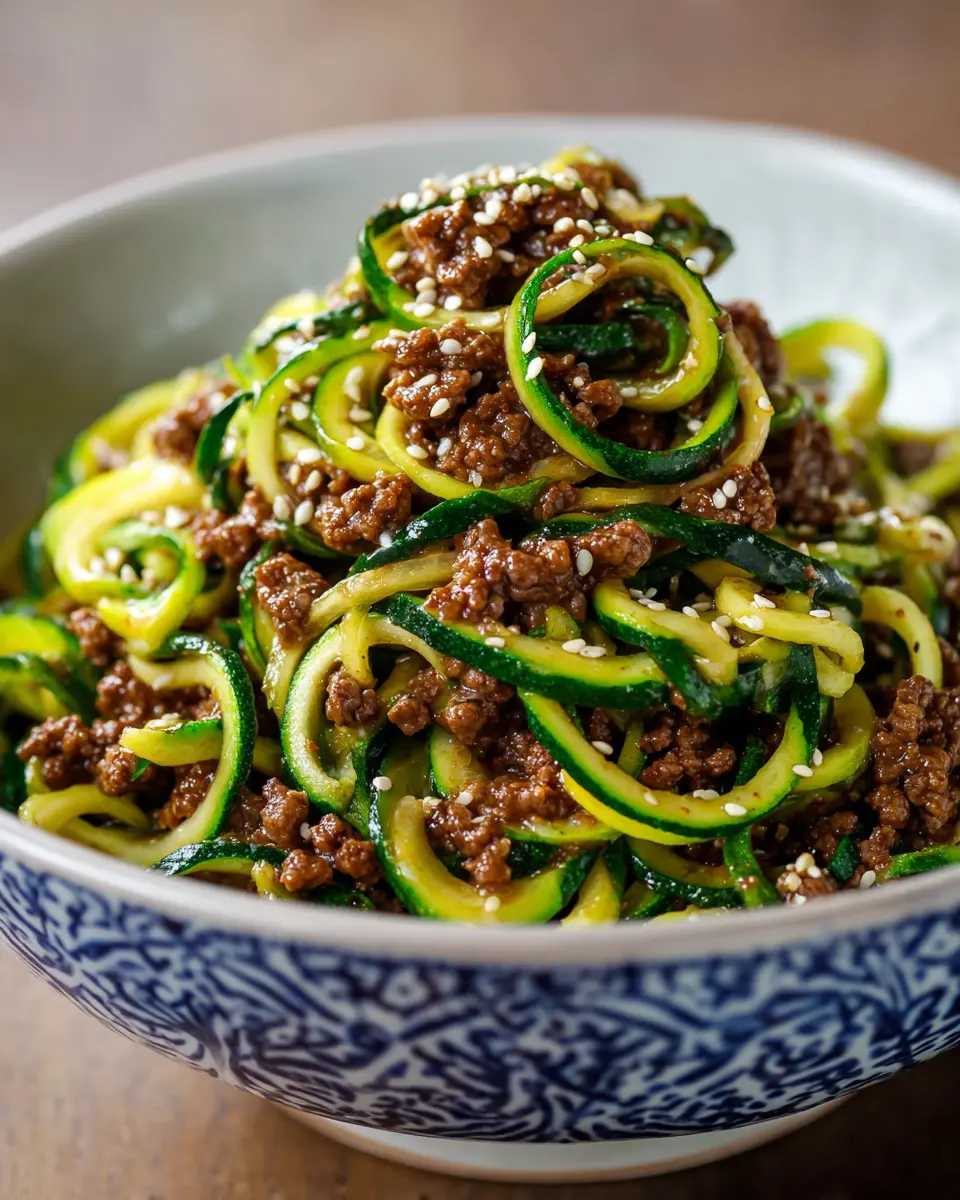
Quick, savory, and full of bold flavor, Korean Beef Zucchini Noodles bring together tender zucchini strands, browned beef, and a glossy sweet-spicy sauce for a fast dinner that feels satisfying without being heavy. This dish is a true winner for any occasion.
This is the kind of meal that fits right into a busy weeknight when you want something warm, flavorful, and on the table fast. The beef makes it hearty, while the zucchini keeps the skillet fresh and light, offering a delightful contrast. It truly embodies the essence of a perfect weeknight meal.
Why You Will Love This Recipe
- Speedy Preparation: Dinner is on the table in under 30 minutes, making it ideal for busy evenings when time is of the essence.
- Flavor Explosion: A perfect balance of savory beef, fresh zucchini, and a sweet and spicy Korean-inspired sauce creates a truly memorable taste experience.
- Healthy & Light: Utilizing zucchini noodles significantly cuts down on carbs compared to traditional pasta, offering a guilt-free indulgence.
- One-Pan Wonder: Minimal cleanup is a significant advantage, as the entire dish is cooked in a single skillet, simplifying the post-meal routine.
- Versatile & Adaptable: Easily customizable to suit your taste preferences, dietary needs, or the ingredients you have on hand, ensuring a consistently delicious outcome.
Ingredients You Need
The quality of your ingredients will significantly impact the final flavor of your Korean Beef Zucchini Noodles. Opting for fresh, high-quality components, especially for aromatics like garlic and ginger, will elevate the dish to new heights. Freshly minced garlic and grated ginger offer a more potent and vibrant flavor profile than their pre-packaged counterparts. Similarly, using good quality soy sauce and toasted sesame oil will ensure the sauce has that authentic, rich taste. The beef you choose also matters; a slightly fattier blend will yield a more succulent and flavorful result that complements the lighter zucchini noodles beautifully.
Korean Beef Zucchini Noodles
A quick Korean-inspired skillet meal featuring tender zucchini noodles, savory ground beef, and a glossy sweet-and-spicy sauce accented with ginger, garlic, and sesame.
- 1 pound ground beef (preferably 80/20 for richer flavor)
- 4 medium zucchini (spiralized)
- 3 fresh garlic cloves (finely minced)
- 2 green onions (thinly sliced)
- 1 tablespoon olive oil
- 1/4 teaspoon sesame seeds (optional for serving)
- For the sauce:
- 1/3 cup low-sodium soy sauce
- 1 tablespoon toasted sesame oil
- 1 tablespoon freshly grated ginger (from about a 1-inch piece)
- 1 teaspoon Sriracha
- 1/3 cup firmly packed brown sugar (either light or dark)
- 1In a small bowl, whisk together the brown sugar, soy sauce, grated ginger, sesame oil, and Sriracha until the mixture is smooth and fully blended. Set aside as the sauce for the stir-fry.
- 2Place a large skillet over medium-high heat and add the olive oil. Once hot, add the minced garlic and stir continuously for about 1 minute, just until fragrant.
- 3Add the ground beef to the skillet and cook for 3 to 5 minutes, breaking it up as it browns. Once fully cooked, drain off any excess grease from the pan.
- 4Add the spiralized zucchini, sliced green onions, and the prepared sauce to the skillet. Stir thoroughly so the beef and zucchini noodles are evenly coated.
- 5Let the mixture simmer for about 2 minutes, or until everything is heated through and the zucchini noodles are just tender.
- 6Serve immediately, finishing with sesame seeds if desired.
Keywords: Korean Beef Zucchini Noodles
- ground beef: preferably 80/20 for richer flavor, providing a savory and hearty base.
- medium zucchini: spiralized into noodles, offering a fresh and light alternative to traditional pasta.
- fresh garlic cloves: finely minced to infuse the dish with pungent aroma and sharp flavor.
- green onions: thinly sliced, adding a mild oniony bite and fresh crunch to the finished dish.
- olive oil: used to sauté the aromatics and cook the beef, forming the foundation of the stir-fry.
- sesame seeds: optional, for a delightful nutty crunch and visual appeal as a garnish.
- low-sodium soy sauce: the salty backbone of the sauce, balanced with other flavorful components.
- toasted sesame oil: imparts a distinct nutty depth and aroma, essential for authentic Korean-inspired flavors.
- freshly grated ginger: from about a 1-inch piece, adding a bright, zesty, and slightly spicy kick.
- Sriracha: provides a gentle heat that complements the sweetness of the sauce without being overpowering.
- firmly packed brown sugar: either light or dark, offering sweetness to balance the savory and spicy elements and create a glossy sauce.
You’ll find specific quantities for each ingredient listed within the recipe card.
Variations
For a delightful Vegan Twist, swap the ground beef for crumbled firm or extra-firm tofu that has been pressed and seasoned. You can also use finely chopped mushrooms, like shiitake or cremini, to provide a satisfyingly ‘meaty’ texture. Ensure your soy sauce is vegan-friendly, and you’re all set for a plant-based version of this delicious meal. The sauce flavors will still shine through beautifully, creating a rich and satisfying dish.
If you’re aiming for a Low Carb or Keto-friendly option, this recipe is already a fantastic starting point. The zucchini noodles are naturally very low in carbohydrates. Ensure your brown sugar is minimal or substituted with a keto-friendly sweetener if strictly adhering to a very low carb diet. The protein from the beef and the healthy fats from the oils will keep you satisfied without the carb load of traditional noodles.
Consider adding a spicy kick by increasing the Sriracha or incorporating a pinch of Gochugaru (Korean chili flakes) into the sauce. For a milder flavor profile, simply reduce or omit the Sriracha entirely. You can also experiment with different proteins; ground turkey or chicken are excellent lean alternatives that still pair wonderfully with the sweet and savory sauce, offering a slightly different nuance to the overall taste experience.
How to Prepare korean beef zucchini noodles
Step 1: Crafting the Flavorful Sauce
Begin by whisking together all the components for the sauce in a small bowl. This crucial step involves combining the low-sodium soy sauce, toasted sesame oil, freshly grated ginger, Sriracha, and brown sugar. Ensure that the brown sugar is fully dissolved, creating a smooth, homogenous mixture. This thorough blending allows the flavors to meld together harmoniously before hitting the hot skillet. Setting this flavorful concoction aside means it’s ready to be introduced at the perfect moment during the cooking process, infusing the entire dish with its distinctive sweet and spicy notes.
The ginger should be finely grated to release its oils and vibrant flavor without leaving large fibrous pieces in the sauce. Similarly, ensure the Sriracha is well incorporated, distributing its heat evenly. If you prefer a thicker sauce, you can slightly increase the brown sugar, but be mindful of it caramelizing too quickly in the pan. This sauce is the heart of the dish, so taking the time to get it right is essential for a truly delicious outcome.
Step 2: Awakening the Aromatics
Next, heat a tablespoon of olive oil in a large skillet over medium-high heat until it shimmers. Once the oil is hot, carefully add the finely minced fresh garlic. It is essential to cook the garlic for only about a minute, or until it becomes fragrant. The aroma should be potent and inviting, signaling that the garlic is releasing its delicious oils. Be very watchful during this stage, as garlic can quickly transition from perfectly toasted to burnt and bitter, which would negatively impact the entire dish. A gentle sauté here awakens the garlic’s flavor, preparing it to complement the beef.
Using fresh garlic is highly recommended for the best flavor profile; pre-minced garlic can sometimes lack the vibrant punch needed for this recipe. The quick sauté in olive oil helps to mellow the raw edge of the garlic, making it sweeter and more aromatic without cooking it through. This initial step builds a foundational layer of flavor that will permeate through the entire Korean Beef Zucchini Noodles dish. The sizzle of the garlic in the hot oil is an indicator that the cooking process is successfully underway.
Step 3: Browning the Savory Beef
Introduce the ground beef to the hot skillet, immediately breaking it apart into small crumbles using a spoon or spatula. Continue to cook the beef, stirring frequently, until it is thoroughly browned. This browning process is critical for developing deep, savory flavors and achieving a desirable texture. Aim for the beef to have developed a nice, rich color before proceeding to the next step. Once the beef is cooked through and has reached this desirable color, carefully drain off any excess grease from the skillet. This step ensures that the final dish is not overly oily and maintains a balanced flavor profile.
The browning of the beef creates Maillard reactions, which are responsible for the complex, rich flavors we associate with cooked meats. Do not overcrowd the pan; if necessary, cook the beef in batches to ensure proper browning rather than steaming. This allows each piece of meat to develop a beautiful crust. Removing excess grease is a simple yet impactful step that contributes to a cleaner, more refined taste in the finished product. The rendered fat can be discarded or saved for other culinary uses, but it is best to remove it from this particular dish to maintain its intended lightness.
Step 4: Incorporating the Zucchini Noodles and Green Onions
Now, add the spiralized zucchini noodles directly into the skillet with the browned beef. Along with the zucchini, toss in the thinly sliced green onions. Stir everything together thoroughly, ensuring that the zucchini noodles and green onions are well mixed with the beef. The goal at this stage is to gently toss the zucchini with the beef, allowing it to begin softening slightly from the residual heat of the pan before the sauce is added. This brief interaction helps the zucchini absorb some of the beef’s savory essence and preps it for the saucing.
It is important not to overcook the zucchini at this stage, as it will continue to soften when the sauce is added and simmered. The green onions add a burst of freshness and a mild onion flavor that complements the richness of the beef. If your zucchini noodles seem particularly wet, you can gently pat them dry with paper towels before adding them to the skillet, which helps prevent the dish from becoming watery. This step is about integrating the fresh elements before they are fully cooked into the saucy mixture.
Step 5: Glazing with the Flavorful Sauce
Pour the pre-prepared sauce mixture evenly over the contents of the skillet, ensuring it coats both the beef and the zucchini noodles. Stir everything together vigorously so that every strand of zucchini and every piece of beef is well-coated with the glossy sauce. As the sauce heats up in the skillet, you will notice it begin to bubble almost immediately. This process allows the sauce to thicken slightly and turn beautifully glossy, clinging to the ingredients and creating that signature appealing finish. The aroma at this point will be absolutely intoxicating, a delightful blend of savory, sweet, and spicy notes.
The key here is to ensure even distribution of the sauce. Stirring continuously helps prevent any one area from becoming too heavily coated or burning. The sugars in the brown sugar will begin to caramelize slightly as they heat, contributing to the glossy sheen of the sauce. This step transforms the individual components into a cohesive, deeply flavorful dish. Watch as the sauce transforms the appearance of the zucchini noodles, giving them a rich, inviting hue.
Step 6: Achieving Perfect Tender-Crisp Zucchini
Allow the mixture to simmer gently for just a couple of minutes more, stirring occasionally. The objective during this brief simmering period is to heat the zucchini noodles through until they are tender but still retain a slight bite, often referred to as “tender-crisp.” You want the zucchini strands to be warmed thoroughly and slightly softened from the sauce, but not so overcooked that they become mushy or release an excessive amount of water into the skillet. This delicate balance ensures the noodles have a pleasant texture that complements the savory beef perfectly.
Overcooking the zucchini at this stage is a common pitfall that can lead to a watery dish. The brief simmer allows the flavors of the sauce to fully penetrate the zucchini without compromising its structural integrity. The vibrant green of the zucchini should remain, though it may soften slightly. Resist the urge to let it cook for too long; the heat of the serving dish and the residual warmth will continue to cook it slightly even after it’s removed from the heat. This final cooking phase is critical for achieving the ideal texture.
Step 7: Presenting Your Delicious Creation
Serve the Korean Beef Zucchini Noodles immediately while the sauce is still wonderfully shiny and the zucchini noodles are at their absolute best in terms of texture and flavor. This dish is meant to be enjoyed fresh from the skillet. If desired, sprinkle a generous amount of toasted sesame seeds over the top as a final garnish. The sesame seeds not only add a subtle nutty flavor but also provide a pleasant textural contrast to the soft noodles and tender beef, elevating the overall eating experience with a delightful crunch.
The visual appeal of the dish is enhanced by the glossy sauce and the vibrant green of the zucchini. The sesame seeds offer a delicate finishing touch, reminiscent of authentic Korean culinary presentations. Enjoying this meal right away ensures that the zucchini maintains its ideal tender-crisp texture and that the sauce remains lusciously coated on every component. This immediate serving is key to appreciating the full spectrum of flavors and textures this dish has to offer, making it a truly satisfying culinary creation.
Pro Tips for korean beef zucchini noodles
Moisture Management: If your spiralized zucchini noodles appear particularly wet, a simple step can make a big difference. Gently pat them dry with paper towels before adding them to the skillet. This small effort helps to prevent the dish from becoming watery, ensuring your sauce remains rich and concentrated rather than diluted.
Zucchini’s Sweet Spot: Avoid the temptation to simmer the zucchini for too long. A short cooking time is crucial to keep the noodles tender-crisp and prevent them from releasing too much moisture into the pan. The goal is a delightful al dente texture, not a mushy consistency.
Taste and Adjust: Before you consider your dish complete, give it a taste. If it feels like it needs a little something extra to brighten the flavors, consider adding more thinly sliced green onion or a tiny extra drizzle of toasted sesame oil. These final touches can lift the entire flavor profile.
The Protein Factor: Ground turkey or ground chicken are excellent lean alternatives to beef if you’re looking for a lighter option. They will lend a slightly different flavor and a leaner finish to the dish, but the beloved sweet-spicy sauce pairs wonderfully with them, keeping the meal satisfying and delicious.
Ginger Power: For the most robust and authentic flavor, always use freshly grated ginger. Its vibrant zestiness cuts through the richness of the beef and adds a crucial bright note that makes the dish sing. Avoid using ground ginger, as it simply doesn’t provide the same aromatic depth.
Serving Suggestions for korean beef zucchini noodles
Decoration
To elevate the presentation of your Korean Beef Zucchini Noodles, consider garnishing with a sprinkle of toasted sesame seeds for a nutty crunch and visual appeal. Thinly sliced green onions, with their vibrant green color, add a fresh contrast and a hint of mild onion flavor. A few fresh cilantro leaves, if you enjoy the flavor, can also provide a lovely pop of color and herbaceous freshness that complements the savory notes of the dish.
Side Dishes
A simple bowl of steamed rice makes an excellent accompaniment, especially if you want to make the meal more filling or simply enjoy soaking up the delicious sauce. For a refreshing contrast, a cool cucumber salad offers a crisp texture and a palate-cleansing effect that beautifully balances the warm, savory flavors of the beef and noodles. Roasted broccoli or other steamed vegetables, like bok choy, can add extra texture and make this skillet dish feel even more like a complete, wholesome meal without competing with the main flavors.
Creative Serving Ideas
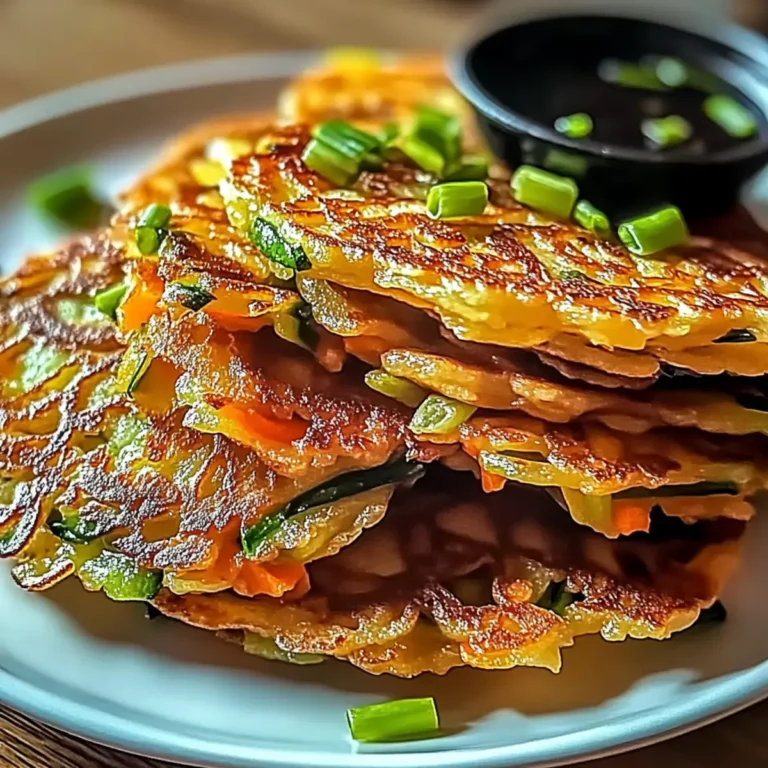
Serve this dish family-style directly from the skillet for a casual and inviting presentation. You could also portion it into individual bowls for a more refined plating. Consider serving it as part of a larger Korean-inspired meal, perhaps alongside a kimchi jjigae (kimchi stew) or some savory jeon (Korean pancakes). For a lighter lunch option, a smaller portion can be served over a bed of mixed greens, allowing the flavors to meld with a fresh salad base.
Preparation & Storage
Storing Leftovers
Leftovers of Korean Beef Zucchini Noodles can be stored in an airtight container in the refrigerator for up to 3 days. It’s important to note that the texture of the zucchini noodles will continue to soften as they sit in the sauce, so the dish is always at its best on the first day it’s made. Ensure the container is well-sealed to maintain freshness and prevent any odors from transferring.
Freezing
Freezing the entire cooked dish is generally not recommended, primarily because zucchini noodles tend to release a significant amount of water upon thawing, which can result in a mushy texture. However, if you wish to freeze components for future use, you can freeze the cooked beef and sauce mixture separately for up to 2 months. When you’re ready to eat, cook fresh zucchini noodles and combine them with the thawed beef and sauce for the best textural result.
Reheating
To reheat leftovers, the best method is to warm them gently in a skillet over medium heat for a few minutes, stirring occasionally. This approach allows any excess moisture to cook off more effectively than microwaving, helping to revive the dish’s texture. If you choose to use the microwave, reheat in short intervals, stirring in between, to prevent the zucchini from becoming overly soft and waterlogged.
Frequently Asked Questions
-
Can I make Korean Beef Zucchini Noodles less spicy?
Absolutely. The primary source of heat in this recipe is the Sriracha, so you can easily reduce the amount or omit it entirely for a milder version. The sauce will still retain its rich, sweet, and savory character thanks to the soy sauce, ginger, garlic, and toasted sesame oil, ensuring it remains flavorful and satisfying even without the spice. You can also add a touch more brown sugar to compensate for any perceived flavor loss from omitting the chili.
-
Do zucchini noodles get watery?
Yes, zucchini noodles can become watery, especially if they are overcooked or left sitting in a pan for too long. The key to preventing this is to cook them briefly over medium-high heat and serve the dish immediately after preparation. Ensuring the pan is hot and avoiding a long, slow simmer helps the noodles stay tender-crisp and prevents them from releasing excessive moisture, maintaining the integrity of the sauce and the overall dish.
-
Can I make this dish ahead of time?
While the entire dish is best enjoyed freshly cooked, you can certainly prepare certain components in advance to expedite dinnertime assembly. You can mix the sauce ingredients together earlier in the day, mince the garlic, slice the green onions, and even spiralize the zucchini. Storing these components separately and then cooking them together just before serving will ensure the freshest taste and optimal texture, making the actual cooking process remarkably quick when it’s time to eat.