Irresistible Honey Dijon Glazed Baked Salmon for Dinner
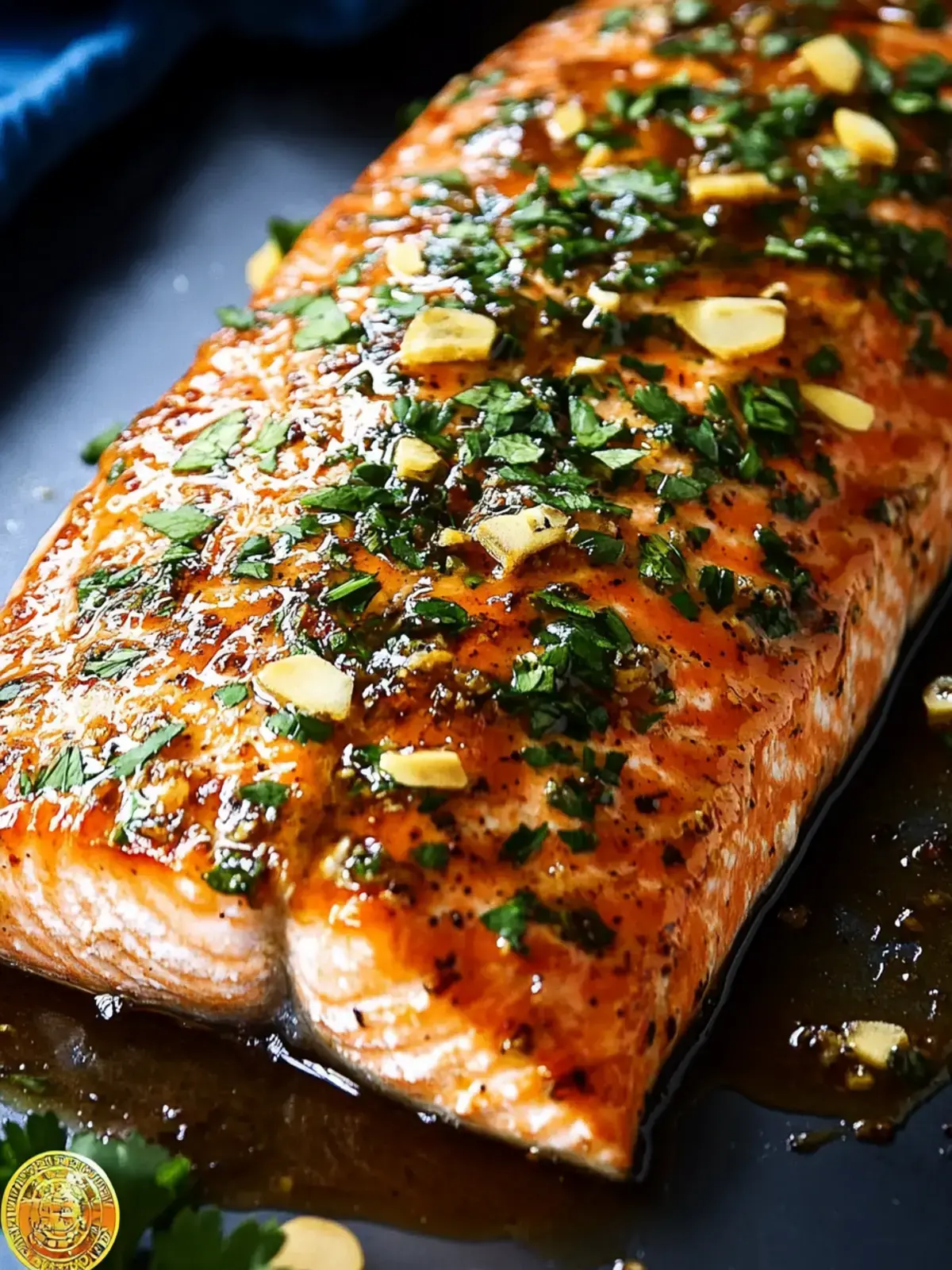
There’s nothing quite like the intoxicating aroma of honey Dijon glaze wafting through the kitchen as I prepare my favorite weeknight meal. This Honey Dijon Glazed Baked Salmon has quickly become a go-to for both busy days and special occasions.
With its perfect balance of sweet and tangy flavors, each bite offers a symphony of taste that’s incredibly satisfying yet simple to achieve. Imagine tender, flaky salmon emerging from the oven, coated in a glossy glaze that beckons with both elegance and comfort.
Why You Will Love This Recipe
- Deliciously Balanced: The delightful combination of sweet honey and tangy Dijon creates an irresistible glaze that perfectly complements the tender salmon, offering a sophisticated yet approachable flavor profile.
- Quick and Easy Preparation: Perfect for busy weeknights, this recipe takes minimal prep time, allowing you to get a gourmet-quality meal on the table in under 30 minutes without sacrificing flavor or presentation.
- Nourishing Goodness: Rich in omega-3 fatty acids and lean protein, this dish supports heart health and provides essential nutrients, making it a tasty yet incredibly healthy dinner alternative that nourishes your body.
- Versatile Variations: Feel free to experiment by swapping out salmon for other fish, adding seasonal vegetables to the baking sheet, or adjusting the spice level to make it uniquely your own and perfectly suited to your preferences.
- Crowd-Pleasing Appeal: Whether for a romantic date night, a family dinner, or entertaining guests, this dish consistently impresses everyone at the table, making it a reliable and elegant choice for any occasion.
Ingredients You Need
The beauty of this Honey Dijon Glazed Baked Salmon lies in its simple yet impactful ingredients, all working in harmony to create a truly memorable dish. Using fresh, high-quality components will elevate the final flavor, ensuring a restaurant-worthy experience right in your own home. Each element plays a crucial role in achieving that perfect sweet and tangy glaze that caramelizes beautifully.
Honey Dijon Glazed Baked Salmon
A flavorful and easy weeknight meal that balances sweet honey and tangy Dijon mustard, creating a delicious glaze for tender, flaky salmon.
- 4 Salmon Fillets (Opt for skin-on for added flavor and moisture.)
- 1/4 cup Honey (For a vegan alternative, substitute with maple syrup.)
- 2 tablespoons Dijon Mustard (Consider yellow mustard for a milder kick.)
- 2 tablespoons Olive Oil (Avocado oil can be used instead for a light flavor.)
- Salt to taste (Essential seasoning.)
- Pepper to taste (Essential seasoning.)
- 1Preheat the oven to 400°F (200°C).
- 2Mix the marinade by combining honey, Dijon mustard, olive oil, salt, and pepper in a bowl. Stir well until smooth.
- 3Arrange your salmon fillets on a baking sheet lined with parchment paper.
- 4Brush the marinade generously over the salmon fillets, ensuring they are fully coated.
- 5Bake for 15-20 minutes, or until the salmon flakes easily with a fork.
- 6Optional: Broil for an additional 2-3 minutes to enhance the glaze's color and create a delightful crispiness on top.
- 7Optional: Serve with a sprinkle of fresh herbs for an added touch of flavor.
Keywords: salmon, baked salmon, honey dijon, weeknight dinner, healthy, fish, glazed salmon
- salmon fillets: the star of this dish, providing protein and healthy fats; opt for skin-on for added flavor and moisture.
- honey: adds a delightful sweetness that caramelizes beautifully; for a vegan alternative, substitute with maple syrup.
- dijon mustard: brings that necessary tang to the glaze, enhancing the overall flavor profile; consider yellow mustard for a milder kick.
- olive oil: provides richness to the marinade and helps the glaze stick; avocado oil can be used instead for a light flavor.
- salt: essential seasoning that elevates the dish; adjust according to your taste preferences for maximum enjoyment.
- pepper: essential seasoning that elevates the dish; adjust according to your taste preferences for maximum enjoyment.
Exact quantities are detailed in the accompanying recipe card, ensuring precision for your culinary success.
Variations
This recipe is a fantastic canvas for culinary creativity, inviting you to explore a world of flavor possibilities beyond the classic honey Dijon profile. Consider adapting it to specific dietary needs or simply to satisfy a craving for something new and exciting.
For a delightful vegan twist, maple syrup can beautifully replace honey, offering a rich, deep sweetness that complements the Dijon mustard wonderfully. Ensure you use 100% pure maple syrup for the best caramelization and flavor. You might also consider adding a touch of smoked paprika to the glaze for an added layer of complexity that works exceptionally well with the plant-based sweetness.
If you’re following a low-carb lifestyle, a sugar-free maple syrup alternative or a monk fruit sweetener can be substituted for honey. This allows you to enjoy the tangy notes of Dijon without the added sugar. A sprinkle of crushed red pepper flakes can also add a pleasant warmth that enhances the savory elements of the dish.
Another exciting variation involves infusing the glaze with fresh herbs. Finely chopped fresh dill, thyme, or even a bit of rosemary can be stirred into the marinade before brushing it onto the salmon. These aromatics add a beautiful fragrance and a nuanced flavor that pairs exceptionally well with the richness of the fish, offering a more complex and sophisticated palate experience.
How to Prepare Honey Dijon Glazed Baked Salmon
Step 1: Preheat Your Oven and Prepare the Baking Sheet
Begin by preheating your oven to a consistent 400°F (200°C). This crucial initial step ensures that the salmon bakes evenly and quickly, allowing the glaze to caramelize to perfection without overcooking the delicate fish. A properly preheated oven is the foundation for a successful bake, promising tender, flaky results every time.
While the oven heats, prepare a baking sheet by lining it with parchment paper or aluminum foil. This simple act of preparation will make cleanup significantly easier, preventing the glaze from sticking to the pan and saving you valuable time after your meal. Ensure the paper or foil covers the entire surface of the baking sheet, providing a protective barrier.
This early preparation phase sets the stage for a smooth cooking process. Having your oven at the right temperature and your baking surface ready means you can move directly to assembling and cooking the salmon without any delays. It’s a small step that contributes immensely to the overall efficiency and enjoyment of preparing this delicious dish.
Step 2: Crafting the Luscious Honey Dijon Marinade
In a medium-sized mixing bowl, combine the key components of your glaze: the golden honey, the sharp Dijon mustard, and the rich olive oil. Stir these ingredients together with a whisk or a fork until they are thoroughly integrated, forming a smooth, glossy, and cohesive marinade. The honey provides a sweet foundation, while the Dijon mustard introduces a piquant zest that cuts through the richness of the salmon.
Season this exquisite mixture generously with salt and freshly ground black pepper to your personal taste. Remember that salmon itself has a mild flavor, so don’t be shy with the seasonings; they are vital in bringing out the best in the fish and the glaze. The goal is a perfectly balanced flavor profile that is both sweet and savory, with just the right amount of tang.
Take a moment to taste the marinade if you wish, adjusting the salt or mustard as needed to achieve your desired flavor intensity. This small step of tasting and adjusting ensures that the glaze is exactly to your liking before it makes contact with the salmon, promising a delightful culinary outcome. This marinade is not just a coating; it’s the essence of the dish’s flavor.
Step 3: Arranging and Glazing the Salmon
Carefully place your salmon fillets onto the prepared baking sheet. Arrange them in a single layer, ensuring there is a little space between each fillet to allow for even cooking and optimal caramelization of the glaze. If you are using salmon with skin on, place the fillets skin-side down on the parchment paper.
Using a pastry brush or the back of a spoon, generously coat the top surface of each salmon fillet with the prepared honey Dijon marinade. Ensure that the glaze is spread evenly, reaching all the edges of the fish. The glaze should form a beautiful, shimmering layer that hints at the deliciousness to come. This coating is essential for infusing the salmon with flavor as it bakes.
For an extra layer of flavor, you can gently press some of the marinade into the flesh of the salmon. This helps the glaze adhere better and ensures that the flavors penetrate the fish more effectively. The visual appeal of the glistening glaze is a significant part of the anticipation for this dish, promising a beautiful finish.
Step 4: Baking the Honey Dijon Glazed Salmon to Perfection
Transfer the baking sheet with the glazed salmon into the preheated oven. Allow the salmon to bake for approximately 15 to 20 minutes. The exact cooking time will depend on the thickness of your salmon fillets and your oven’s calibration, so it’s important to keep an eye on it towards the end of the baking period.
You’ll know the salmon is perfectly cooked when it flakes easily with a fork and the internal temperature reaches 145°F (63°C) on an instant-read thermometer. The honey Dijon glaze should have caramelized beautifully, forming a sticky, irresistible coating on the surface of the fish. The aroma filling your kitchen at this stage is simply divine, signaling that a culinary masterpiece is almost ready.
Avoid the temptation to overcook the salmon, as this can lead to dry, less palatable results. The goal is moist, flaky fish with a perfectly cooked glaze that is both sweet and tangy. The visual cues of flaking and caramelization are your best indicators of doneness, guiding you to pull the salmon out at precisely the right moment for optimal texture and flavor.
Step 5: Achieving an Extra Crispy Glaze (Optional Enhancement)
For those who love a little extra texture and a more deeply caramelized glaze, there’s a simple optional step. Once the salmon has baked for its initial 15-20 minutes and is nearly cooked through, you can switch your oven to the broiler setting. This intensifies the heat directly onto the surface of the salmon.
Position the baking sheet about 6 inches away from the broiler element. Broil for an additional 2 to 3 minutes, watching very carefully to prevent the glaze from burning. The intense heat will bubble and crisp up the honey Dijon glaze, creating delightful little caramelized edges and a slightly crunchy topping that adds another dimension of flavor and texture.
This broiling step is particularly effective if you desire a more robust, almost candy-like glaze. It transforms the already delicious salmon into something truly special. However, if you prefer a softer glaze, simply skip this step and serve the salmon immediately after its initial bake. The choice is yours to tailor the dish to your perfect preference.
Step 6: Finishing Touches and Presentation
Once the salmon is perfectly baked, remove the baking sheet from the oven. Allow the fillets to rest for a minute or two on the baking sheet before transferring them to serving plates. This brief resting period allows the juices within the salmon to redistribute, ensuring maximum moisture and tenderness in every bite.
For an added burst of freshness and visual appeal, consider garnishing the Honey Dijon Glazed Baked Salmon with finely chopped fresh herbs. Parsley, chives, or dill are excellent choices that complement the flavors of the glaze beautifully and add a vibrant splash of color to the dish. A wedge of lemon can also be placed on the side for those who enjoy an extra squeeze of citrus.
Serve your beautifully glazed salmon immediately, allowing your guests to savor the warm, comforting, and exquisitely flavored dish. The combination of tender fish, sweet and tangy glaze, and elegant presentation makes this a standout meal for any occasion, truly a delight for all the senses.
Pro Tips for Honey Dijon Glazed Baked Salmon
Select the Finest Salmon: For the most succulent results, choose fresh salmon fillets with vibrant color and firm flesh. Wild-caught salmon often offers a richer flavor and a better texture compared to farmed varieties, but good quality farmed salmon will also work well. Ensure there are no strong fishy odors; a fresh aroma is key.
Don’t Overcook: The cardinal rule of cooking salmon is to avoid overcooking, which can quickly lead to dryness. Use an instant-read thermometer to check for an internal temperature of 145°F (63°C) or cook until the salmon flakes easily with a fork. It’s better to slightly undercook and let residual heat finish it than to overcook.
Embrace the Glaze: Be generous when applying the honey Dijon marinade. The glaze is where much of the flavor comes from, and it caramelizes beautifully in the oven, adding both taste and an attractive sheen to the finished dish. Ensure an even coating on all sides of the fillet for consistent flavor.
Experiment with Sweeteners: While honey is classic, don’t hesitate to experiment with alternative sweeteners. Maple syrup offers a delightful depth, especially for a vegan version. For those watching sugar intake, a sugar-free syrup alternative can work, although it might affect the caramelization slightly. The goal is a balanced sweet component that pairs well with the tang of the Dijon.
Marinade Time Matters: For a deeper flavor infusion, you can marinate the salmon for up to 30 minutes at room temperature before baking, or for a longer period in the refrigerator (up to 3 hours). However, be mindful that the acidity in some Dijon mustards can “cook” the fish if left to marinate for too long, altering the texture, so adhere to recommended times.
Serving Suggestions for Honey Dijon Glazed Baked Salmon
Decoration
Elevate the visual appeal of your Honey Dijon Glazed Baked Salmon with simple yet elegant garnishes. A scattering of freshly chopped parsley, chives, or dill adds a vibrant splash of green and a hint of herbaceous freshness. A thin slice of lemon or lime placed artfully beside the fillet provides a bright citrus accent and invites diners to add a touch of zest.
For a more sophisticated touch, consider a light drizzle of balsamic glaze over the top of the salmon or around the plate. Edible flowers, such as pansies or nasturtiums, can add a pop of color and a whimsical charm. Even a few toasted slivered almonds scattered around the salmon can offer a contrasting texture and an appealing visual element.
The key is to complement the rich, glossy glaze without overpowering it. Think about color contrast, freshness, and subtle additions that enhance the overall presentation. A well-decorated dish not only looks appealing but also primes the palate for the delicious flavors to come.
Side Dishes
The sweet and tangy notes of Honey Dijon Glazed Baked Salmon pair beautifully with a variety of side dishes that offer contrasting textures and complementary flavors. Creamy mashed potatoes provide a comforting, velvety base that absorbs the delicious glaze. Roasted asparagus, with its slightly charred edges and tender-crisp bite, offers an earthy counterpoint and a vibrant green color.
A refreshing quinoa salad, perhaps with cucumber, bell peppers, and a light lemon vinaigrette, adds a nutty texture and a bright, zesty element that cuts through the richness of the salmon. Garlic green beans, sautéed until tender-crisp, provide a savory depth and a satisfying crunch. Lemon dill rice is another excellent choice, its aromatic fragrance and fluffy texture harmonizing perfectly with the glaze.
Consider lighter options like a citrusy cucumber salad or a simple side of steamed broccoli for a wholesome meal. For a more indulgent meal, consider pairing with roasted sweet potatoes or a wild rice pilaf. The goal is to create a balanced plate where each component enhances the others, making the Honey Dijon Glazed Baked Salmon the star while creating a complete and satisfying dining experience.
Creative Serving Ideas
Transform your Honey Dijon Glazed Baked Salmon from a weeknight meal into a culinary event with these creative serving ideas. For a casual yet impressive presentation, serve individual fillets directly from the baking sheet, allowing diners to help themselves. You can arrange the salmon on a bed of mixed greens for a lighter, salad-style meal.
Consider presenting the salmon as part of a build-your-own bowl station, offering bases like fluffy rice, quinoa, or cauliflower rice, along with various toppings such as roasted vegetables, avocado, and a dollop of Greek yogurt or a light aioli. This interactive approach is perfect for family gatherings or casual get-togethers.
For a more elegant affair, serve the glazed salmon alongside a delicate seafood risotto or a saffron-infused couscous. Another idea is to flaked cooked salmon and mix it into a pasta dish or a hearty grain bowl for a more substantial meal. The versatility of this dish allows it to be adapted to almost any dining scenario, always delivering on flavor and satisfaction.
Preparation & Storage
Storing Leftovers
Leftover Honey Dijon Glazed Baked Salmon can be stored in an airtight container in the refrigerator for up to 2 days. Ensure the salmon has cooled to room temperature before sealing the container to prevent condensation, which can make the fish soggy. Proper storage helps maintain the quality and flavor of the salmon for future enjoyment.
When storing, try to keep the salmon as intact as possible, avoiding breaking it up too much. This helps preserve its texture. If you plan to eat the leftovers within a day, you can also cover the serving plate tightly with plastic wrap, though an airtight container is generally preferred for longer storage.
Always check the salmon for any signs of spoilage before consuming leftovers. If it smells off or has an unusual appearance, it’s best to discard it. The goal is to enjoy the delicious flavors of the salmon safely.
Freezing
To freeze Honey Dijon Glazed Baked Salmon, it’s best to do so immediately after cooking or after cooling completely. Wrap individual portions tightly in plastic wrap, ensuring no air is trapped, then place them inside a freezer-safe airtight container or a heavy-duty zip-lock freezer bag. This double-layer protection helps prevent freezer burn.
Properly stored, the frozen glazed salmon can last for up to 2 months. When you’re ready to use it, transfer the frozen portions to the refrigerator to thaw overnight. Avoid thawing at room temperature, as this can promote bacterial growth. The slow thawing process in the refrigerator ensures the best texture upon reheating.
Freezing is an excellent way to have this delicious meal on hand for future quick dinners. Just remember to plan ahead for the thawing time to ensure a smooth transition from freezer to plate. The quality can be maintained remarkably well with careful freezing techniques.
Reheating
The best way to reheat Honey Dijon Glazed Baked Salmon is gently in the oven to preserve its moisture and delicate texture. Preheat your oven to around 350°F (175°C). Place the leftover salmon in an oven-safe dish, cover it loosely with foil to prevent drying, and reheat for about 10-15 minutes, or until it is heated through.
Avoid reheating in the microwave if possible, as this can lead to a rubbery texture and uneven heating. If you must use a microwave, do so on a lower power setting and for short intervals, checking for doneness frequently. The goal is to warm the salmon through without cooking it further.
If the glaze has dried out during storage, you can brush a little extra honey or a diluted mixture of honey and Dijon mustard over the salmon before reheating. This helps restore some of the delicious sticky coating. You can also add a tablespoon of water or broth to the bottom of the baking dish to create a steamy environment.
Frequently Asked Questions
-
How do I select the best salmon fillets for this recipe?
When selecting salmon fillets, look for those with a bright, vibrant pink or orange hue, indicating freshness. The flesh should be firm to the touch and spring back when gently pressed, rather than being mushy or discolored. Avoid any fillets that have a strong, unpleasant “fishy” odor; fresh salmon should have a clean, oceanic scent. If possible, opt for wild-caught salmon, as it often has a richer flavor and firmer texture, though high-quality farmed salmon is also a suitable choice. Consider the thickness of the fillets; more uniform, thicker cuts tend to cook more evenly, ensuring a perfect result.
-
What is the best way to store leftover Honey Dijon Glazed Baked Salmon to maintain its quality?
To best preserve the quality of leftover Honey Dijon Glazed Baked Salmon, allow the cooked fish to cool completely to room temperature before storing. Then, place the salmon in an airtight container. This prevents air exposure, which can lead to drying out or absorbing odors from other foods in the refrigerator. Store the container in the main section of your refrigerator, not in the door where temperatures fluctuate more. Properly stored, the leftovers should remain delicious and safe to eat for up to two days.
-
Can I freeze Honey Dijon Glazed Baked Salmon, and if so, what is the best method?
Yes, Honey Dijon Glazed Baked Salmon can be frozen, making it a convenient option for future meals. For the best results, it’s recommended to freeze individual portions. Wrap each cooked and cooled fillet tightly in plastic wrap, ensuring there are no air pockets, then place the wrapped portions into a heavy-duty freezer bag or an airtight freezer-safe container. This double protection helps prevent freezer burn and maintains the quality of the salmon for up to two months. When you’re ready to enjoy, thaw the frozen salmon overnight in the refrigerator for optimal texture and flavor.