Grilled Veggies with Marinade
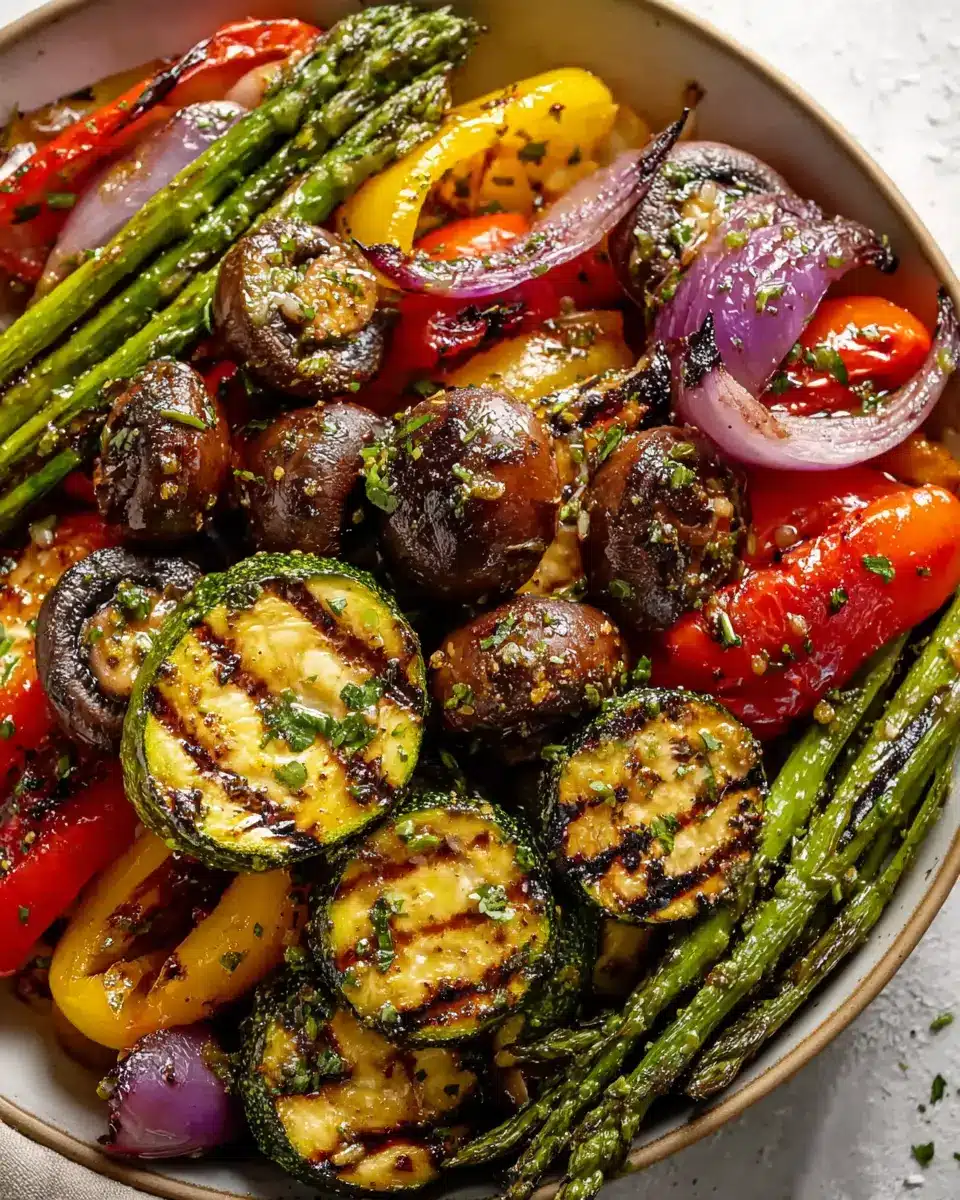
Welcome to a recipe that truly embodies the spirit of vibrant, fresh flavors and simple, satisfying cooking. This dish is a testament to how humble vegetables can transform into a star of any meal with a little bit of grilling magic and a zesty marinade.
Prepare to be delighted by the smoky char, the tender-crisp bite, and the bright, herbaceous notes that dance on your palate. It’s more than just a side dish; it’s an experience that brings color and life to your table, perfect for both casual gatherings and elegant dinners.
Why You Will Love This Recipe
- Effortless Elegance: This recipe transforms everyday vegetables into a stunning, restaurant-worthy side dish with minimal effort, impressing guests and family alike.
- Flavor Explosion: A carefully crafted lemon-herb marinade coats the warm, grilled vegetables, infusing them with a bright, savory, and slightly tangy profile that is utterly irresistible.
- Versatile Perfection: Whether cooked on a charcoal grill, a gas grill, or roasted in the oven, these vegetables deliver exceptional taste and texture, adapting beautifully to any cooking method.
- Healthy & Wholesome: Packed with a variety of colorful vegetables, this dish is not only delicious but also a fantastic source of vitamins, minerals, and fiber, making it a guilt-free pleasure.
- Crowd-Pleasing Appeal: The familiar yet elevated flavors make this a universally loved dish, perfect for barbecues, potlucks, or as a delightful accompaniment to any main course.
Ingredients You Need
The beauty of this grilled vegetable dish lies in its simplicity and the quality of the ingredients you choose. Fresh, seasonal produce is always the best starting point, allowing the natural sweetness and textures of the vegetables to shine through. Don’t be afraid to experiment with what looks best at your local market, as a diverse array of colors and shapes will make your final dish even more appealing.
Delectable Grilled Veggies with Marinade
A vibrant, beginner-friendly side dish featuring a colorful assortment of grilled or oven-roasted vegetables. These vegetables are lightly seasoned before cooking and finished with a bright herb-lemon marinade, resulting in tender-crisp textures with lightly charred edges and a fresh, savory finish. Perfect for cookouts, weeknight dinners, or as a Mediterranean-inspired spread.
- 2 bunches asparagus, trimmed
- 2 red onions, peeled and cut into wedges with the root end left intact
- 2 zucchini, sliced into substantial pieces
- 2 red bell peppers, cut into large diagonal sections
- 2 yellow bell peppers, cut into large diagonal sections
- 1 large eggplant, sliced into 1-inch rounds
- 7 ounces button mushrooms, cleaned and halved
- 1/4 cup extra virgin olive oil
- 3 garlic cloves, finely minced
- 1 teaspoon salt
- 1 teaspoon black pepper
- 1/3 cup olive oil (for marinade)
- 1/3 cup lemon juice (for marinade)
- 1/4 cup freshly chopped parsley or chives (for marinade)
- 2 garlic cloves, minced (for marinade)
- 2 teaspoons white sugar (for marinade)
- 1/2 teaspoon dried oregano (for marinade)
- 1/2 teaspoon dried basil (for marinade)
- 1/2 teaspoon dried thyme (for marinade)
- 1/2 teaspoon dried parsley (for marinade)
- 1/2 teaspoon salt (for marinade)
- 1/2 teaspoon black pepper (for marinade)
- 1/2 to 1 teaspoon red pepper flakes, adjusted to taste (for marinade)
- 1Combine all marinade ingredients in a jar, secure the lid, and shake thoroughly until fully blended. Set aside for at least 10 minutes so the flavors can develop.
- 2Prepare the vegetables in large pieces so they remain easy to handle on the grill and do not fall through the grates. Slice the bell peppers by cutting away the sides, then cut them diagonally into broad pieces. For the onions, keep the root end attached, halve them, and cut each half into wedges through the root.
- 3Lightly oil the barbecue grates and preheat the grill to high. If using the oven instead, preheat it to 480°F (250°C).
- 4Arrange all prepared vegetables in a very large bowl or across a large tray. Drizzle with the extra virgin olive oil, then add the salt, pepper, and minced garlic. Toss very well, preferably by hand, until everything is evenly coated.
- 5Cook the vegetables until tender-crisp and marked with charred edges. Grill or roast the asparagus and zucchini for 2 minutes per side, or bake them for 10 minutes without turning. Grill or roast the bell peppers, mushrooms, and onions for 3 minutes per side, or bake them for 15 minutes, turning after 10 minutes. Grill or roast the eggplant for 4 minutes per side, or bake for 18 minutes, checking that it is soft but not soggy.
- 6Transfer the cooked vegetables to a large bowl while they are still hot. Pour the prepared marinade over the top and toss carefully so the vegetables are evenly coated.
- 7Let the vegetables rest for at least 10 minutes to absorb the marinade. Finish with a scattering of fresh parsley just before serving.
Keywords: grilled vegetables, roasted vegetables, marinade, herb lemon, side dish, vegetarian, healthy, summer, cookout
- asparagus: look for firm stalks with tightly closed tips.
- red onions: choose firm, dry onions with papery skins.
- zucchini: opt for medium-sized, firm zucchini; larger ones can be more watery.
- red bell peppers: select peppers that are firm, glossy, and free from soft spots.
- yellow bell peppers: similar to red peppers, a good yellow pepper will be firm and vibrant.
- large eggplant: a good eggplant will feel heavy for its size and have smooth, glossy skin.
- button mushrooms: choose mushrooms that are plump and firm, without bruises or slimy patches.
- extra virgin olive oil: a high-quality oil will add a wonderful fruity note.
- garlic cloves: fresh garlic cloves are essential for their pungent aroma and flavor.
- salt: sea salt or kosher salt works best for seasoning.
- black pepper: freshly ground black pepper offers the most robust flavor.
- olive oil: a standard olive oil is perfect for the marinade base.
- lemon juice: freshly squeezed lemon juice provides the brightest, zippiest flavor.
- freshly chopped parsley or chives: these add a burst of fresh, green herbaceousness.
- white sugar: a touch of sugar balances the acidity of the lemon juice.
- dried oregano: imparts a classic Mediterranean aroma and taste.
- dried basil: adds a warm, slightly sweet, and peppery note.
- dried thyme: offers a subtle, earthy, and minty undertone.
- dried parsley: complements the fresh parsley and adds depth.
- red pepper flakes: these provide a gentle warmth that enhances the other flavors.
The exact quantities for each ingredient are detailed in the recipe card provided, ensuring you have everything you need for a perfect outcome.
Variations
This versatile recipe is a fantastic canvas for culinary creativity, allowing you to adapt it to various dietary preferences and flavor profiles with ease. The fundamental technique of marinating and grilling or roasting vegetables remains the same, ensuring delicious results regardless of the modifications.
For a vibrant Vegan Delight, this recipe is already perfectly suited, as it relies entirely on plant-based ingredients. You could further enhance this by adding other vegetables that grill beautifully, such as thick slices of portobello mushrooms, chunks of sweet potato, or even wedges of pineapple for a sweet and savory twist. Ensure your marinade is free from any non-vegan ingredients, which is already the case here.
If you’re following a Low-Carb Lifestyle, you can focus on vegetables naturally lower in carbohydrates while still achieving fantastic flavor. Consider swapping out some of the sweeter vegetables like bell peppers and zucchini for cruciferous options like broccoli florets, cauliflower steaks, or Brussels sprouts. These vegetables absorb the marinade wonderfully and offer a satisfying texture and nutrient boost, making this dish a compliant and delicious addition to your low-carb meals.
Embrace a Mediterranean Flair by incorporating ingredients commonly found in this region. After grilling, toss the vegetables with some crumbled feta cheese, Kalamata olives, and a sprinkle of fresh oregano and mint. A drizzle of high-quality extra virgin olive oil just before serving will elevate the dish further, transforming it into a rich and flavorful salad or side that transports you straight to the coast of the Aegean Sea.
How to Prepare Grilled Veggies with Marinade
Step 1: Crafting the Flavorful Marinade
Begin by assembling all the components for your vibrant marinade. In a small jar with a tight-fitting lid, combine the olive oil, fresh lemon juice, minced garlic, white sugar, and all the dried herbs: oregano, basil, thyme, and parsley. Don’t forget the salt and freshly ground black pepper to season it perfectly.
Secure the lid firmly and shake the jar vigorously until all the ingredients are thoroughly emulsified and well-blended. This quick process helps to meld the flavors and allows the dried herbs to begin softening, preparing them to infuse the vegetables with their aromatic essence. Letting this marinade sit for at least 10 minutes while you prepare the vegetables allows the flavors to deepen and become more harmonious.
This step is crucial for building the foundation of the dish’s taste profile. The bright acidity of the lemon, the savory depth of the garlic and olive oil, and the complex fragrance of the dried herbs create a balanced dressing that will awaken the natural sweetness of the grilled vegetables.
Step 2: Preparing the Vegetables for Peak Performance
The key to perfectly grilled or roasted vegetables lies in their preparation, specifically in cutting them into appropriately sized pieces. You want each vegetable to have enough surface area to develop a nice char while maintaining a tender-crisp texture, without becoming mushy or falling apart on the grill grates.
For the red onions, slice them into wedges, ensuring you keep the root end intact; this acts like a binder, holding the layers together and making them much easier to handle when flipping. Asparagus spears should be trimmed to remove the woody ends, keeping them whole for quick cooking. Zucchini should be sliced into substantial rounds or lengthwise planks, avoiding overly thin pieces that will disintegrate.
Bell peppers need to be cored, seeded, and then cut into large, diagonal sections, ensuring they are substantial enough to withstand the heat. Eggplant should be sliced into thick, 1-inch rounds or lengthwise planks, as this thickness prevents them from becoming overly soft and watery. Button mushrooms can be left whole if small, or halved if they are larger, so they can easily absorb the flavors.
Step 3: Heating Your Cooking Apparatus
Whether you are opting for the smoky char of an outdoor grill or the consistent heat of your oven, preheating is a critical step for achieving the best results. For grilling, heat your grill to a high temperature; this intense heat is essential for searing the vegetables quickly, developing those desirable grill marks and caramelized edges.
If you are using a gas grill, aim for medium-high to high heat, and for a charcoal grill, ensure you have a nice bed of glowing coals. If grilling, it’s a good practice to lightly oil the grill grates just before adding the vegetables to prevent sticking. For oven roasting, preheat your oven to a high temperature, typically around 450-480°F (230-250°C). This high heat allows the vegetables to roast and caramelize efficiently.
Ensuring your cooking surface is adequately hot before the vegetables make contact is paramount. This initial blast of heat is what begins the caramelization process, locking in moisture while simultaneously creating flavorful browning on the exterior.
Step 4: Seasoning and Initial Cooking
Once your grill or oven is hot and the vegetables are prepped, it’s time to bring them together. Place all your prepared vegetables into a large, sturdy bowl or directly onto a large baking sheet if you are roasting. Drizzle them generously with the extra virgin olive oil, ensuring that each piece gets a light coating.
Next, sprinkle them evenly with salt, freshly ground black pepper, and the finely minced garlic. The minced garlic will distribute more evenly when tossed with the oil and seasonings. Now, toss everything together thoroughly, preferably using your hands, to ensure that every single piece of vegetable is well-coated with the olive oil and seasonings.
This even coating is vital. It allows the salt and pepper to penetrate the vegetables for better flavor, and the oil acts as a conductor for heat, promoting even cooking and browning. The garlic will release its aroma and flavor during this initial cooking phase.
Step 5: Achieving Perfect Char and Tenderness
Now comes the exciting part: cooking the vegetables to that ideal tender-crisp texture with beautiful char marks. If grilling, place the seasoned vegetables directly onto the hot grill grates in a single layer, ensuring you don’t overcrowd them. Overcrowding will cause the vegetables to steam rather than char, diminishing their flavor and texture.
The cooking times will vary depending on the vegetable and the heat of your grill or oven. Asparagus and zucchini cook relatively quickly; on the grill, they might need just 2-3 minutes per side. Bell peppers, mushrooms, and onions will require a bit longer, perhaps 3-4 minutes per side, to soften and develop char. Eggplant, being denser, will need about 4-5 minutes per side on the grill to become tender.
In the oven, these cooking times will translate to about 10 minutes for asparagus and zucchini, 15 minutes for peppers, mushrooms, and onions, and 18-20 minutes for eggplant, with a turn midway through for even roasting. Keep a close eye on them, looking for those appealing brown or slightly blackened edges and a texture that yields slightly to gentle pressure but doesn’t collapse into mush.
Step 6: The Flavor Infusion – Marinating Warm Vegetables
As soon as the vegetables are cooked to your liking, and while they are still hot from the grill or oven, transfer them immediately to a large, clean bowl. The warmth of the vegetables is key to their ability to absorb the delicious marinade you prepared earlier. This is where the magic truly happens, transforming simple cooked vegetables into something extraordinary.
Pour the prepared lemon-herb marinade directly over the hot vegetables in the bowl. Using a large spoon or tongs, gently toss everything together until each piece is thoroughly coated with the zesty and aromatic dressing. Ensure that every nook and cranny of the vegetables receives a good amount of the marinade.
Once tossed, allow the vegetables to rest in the marinade for at least 10 minutes before serving. This resting period is crucial; it gives the warm vegetables ample time to soak up the bright, savory flavors, allowing the herbs and lemon to fully infuse into every bite. This final step ensures a burst of freshness and complexity that elevates the entire dish.
Pro Tips for Grilled Veggies with Marinade
Uniform Sizing is Key: For consistent cooking and easy handling, especially on an outdoor grill, cut your vegetables into pieces that are roughly the same size and thickness. This ensures that no single vegetable piece is overcooked or undercooked.
Don’t Crowd the Grill: Give your vegetables plenty of space on the grill grates or roasting pan. Adequate spacing allows for better air circulation and direct heat contact, which promotes charring and caramelization rather than steaming.
Embrace the Char: Those slightly blackened edges are not a mistake; they are a sign of delicious caramelization and smoky flavor development. Don’t be afraid to let them get a little color.
Marinate While Warm: The best time to toss the vegetables with the marinade is when they are still hot off the heat. The warmth of the vegetables opens up their pores, allowing them to absorb the marinade’s flavors much more effectively.
Rest for Flavor: After tossing with the marinade, let the vegetables sit for at least 10-15 minutes. This crucial resting period allows the vibrant flavors to meld and penetrate the vegetables, creating a more complex and satisfying taste experience.
Serving Suggestions for Grilled Veggies with Marinade
Decoration
A final flourish can elevate the visual appeal of your grilled vegetables significantly. Just before serving, sprinkle a generous amount of freshly chopped parsley or chives over the top. This not only adds a vibrant pop of green color but also introduces a burst of fresh, herbaceous aroma that tantalizes the senses. A light drizzle of your best extra virgin olive oil can also add a beautiful sheen and enhance the overall richness of the presentation.
Side Dishes
These grilled vegetables are incredibly versatile and pair beautifully with a wide array of main courses. They are a natural companion to grilled meats like succulent chicken breasts, flavorful steak, or savory lamb chops. For seafood lovers, the bright, zesty marinade complements simple grilled fish or shrimp dishes wonderfully. The smoky notes from the grill also make them a fantastic partner for pork tenderloin or sausages, adding a much-needed element of freshness and acidity to richer meats.
Consider serving them alongside hearty grains like fluffy quinoa, chewy farro, or tender couscous for a more complete vegetarian meal. They also make an excellent addition to a dinner plate, providing a colorful and nutritious component that balances richer flavors. Their Mediterranean-inspired profile also makes them a perfect accompaniment to dishes like lemon herb roasted chicken or baked cod.
Creative Serving Ideas
Transform these vibrant vegetables into a stunning salad by serving them chilled or at room temperature over a bed of mixed greens. Add some crumbled feta cheese, toasted pine nuts, and a light vinaigrette for a complete and satisfying meal. They can also be chopped and stirred into warm pasta dishes or incorporated into grain bowls for added flavor and texture. For a delightful appetizer, arrange them on a platter with a dollop of hummus and warm pita bread; it’s a crowd-pleasing option that feels both healthy and indulgent.
Another innovative idea is to use them as a filling for wraps or sandwiches. Layer them generously with some grilled halloumi cheese or falafel, a smear of tzatziki sauce, and fresh lettuce for a flavorful and portable lunch. Their ability to hold up well makes them ideal for meal prep, ensuring you have a delicious and healthy component ready for various culinary creations throughout the week. They can even be blended into a vibrant pesto-like sauce or incorporated into savory tarts.
Preparation & Storage
Storing Leftovers
Leftover grilled vegetables with marinade can be stored in an airtight container in the refrigerator for up to 3-4 days. The flavors often meld and deepen overnight, making them just as delicious, if not more so, on the second or third day. They are wonderfully versatile and can be enjoyed cold, at room temperature, or gently reheated, making them perfect for quick lunches or additions to other meals.
Freezing
While freezing is an option for long-term storage, it’s important to manage expectations regarding texture. The vegetables will soften considerably upon thawing due to their high water content. For the best results when freezing, consider using them in cooked dishes like casseroles, soups, stews, or pasta sauces, where the softened texture will not be as noticeable. Freeze them in portioned bags or containers for up to 1 month.
Reheating
To reheat leftover grilled vegetables, you have a few excellent options. For a method that best preserves some of their original texture, spread them in a single layer on a baking sheet and warm them in a moderate oven (around 350°F or 175°C) for about 10-15 minutes, or until heated through. Alternatively, a quick sauté in a skillet over medium heat for a few minutes will also work effectively.
Avoid overcooking them during reheating, as vegetables like zucchini, eggplant, and mushrooms can become quite mushy if subjected to prolonged high heat. If you prefer them cold or at room temperature, simply take them out of the refrigerator about 30 minutes before serving to allow them to reach an enjoyable temperature.
Frequently Asked Questions
-
Can I prepare the vegetables and marinade ahead of time?
Yes, you absolutely can! Prepping the vegetables and mixing the marinade in advance is a fantastic way to save time, especially when entertaining or planning for busy weeknights. You can chop all your vegetables a day or two before you plan to cook them and store them in airtight containers in the refrigerator. The marinade can also be made a day or two ahead and kept refrigerated in a sealed jar. Just ensure you bring the marinade closer to room temperature or give it a good shake before using it on the freshly cooked vegetables to allow the flavors to meld properly.
-
What are the best vegetables to use if some are out of season?
While this recipe is wonderful with summer vegetables, it’s highly adaptable. If certain vegetables aren’t in season, you can easily substitute them with others that are readily available and grill or roast well. Hearty root vegetables like carrots or parsnips can be cut into similar sized pieces and roasted, though they may require slightly longer cooking times. Broccoli and cauliflower florets also grill beautifully and absorb marinades wonderfully. Even sturdy greens like thick asparagus spears or Brussels sprouts (halved) can be fantastic additions or substitutions, offering great texture and flavor. The key is to choose vegetables that can withstand high heat and have enough substance to hold their shape and absorb flavor without becoming mushy.
-
How can I adjust the spiciness of the marinade to my preference?
The spiciness of the marinade is easily controlled by the amount of red pepper flakes you use. For a very mild warmth that enhances rather than dominates the other flavors, start with 1/2 teaspoon of red pepper flakes. If you enjoy a more pronounced kick and a livelier finish, you can increase this amount to 1 teaspoon or even slightly more, depending on your personal tolerance for heat. Taste the marinade after mixing and before adding it to the vegetables, and adjust the red pepper flakes accordingly. You can also add a pinch of cayenne pepper for a different type of heat, or a touch of smoked paprika for a smoky, mild spice.