Grilled Teriyaki Steak Kabobs
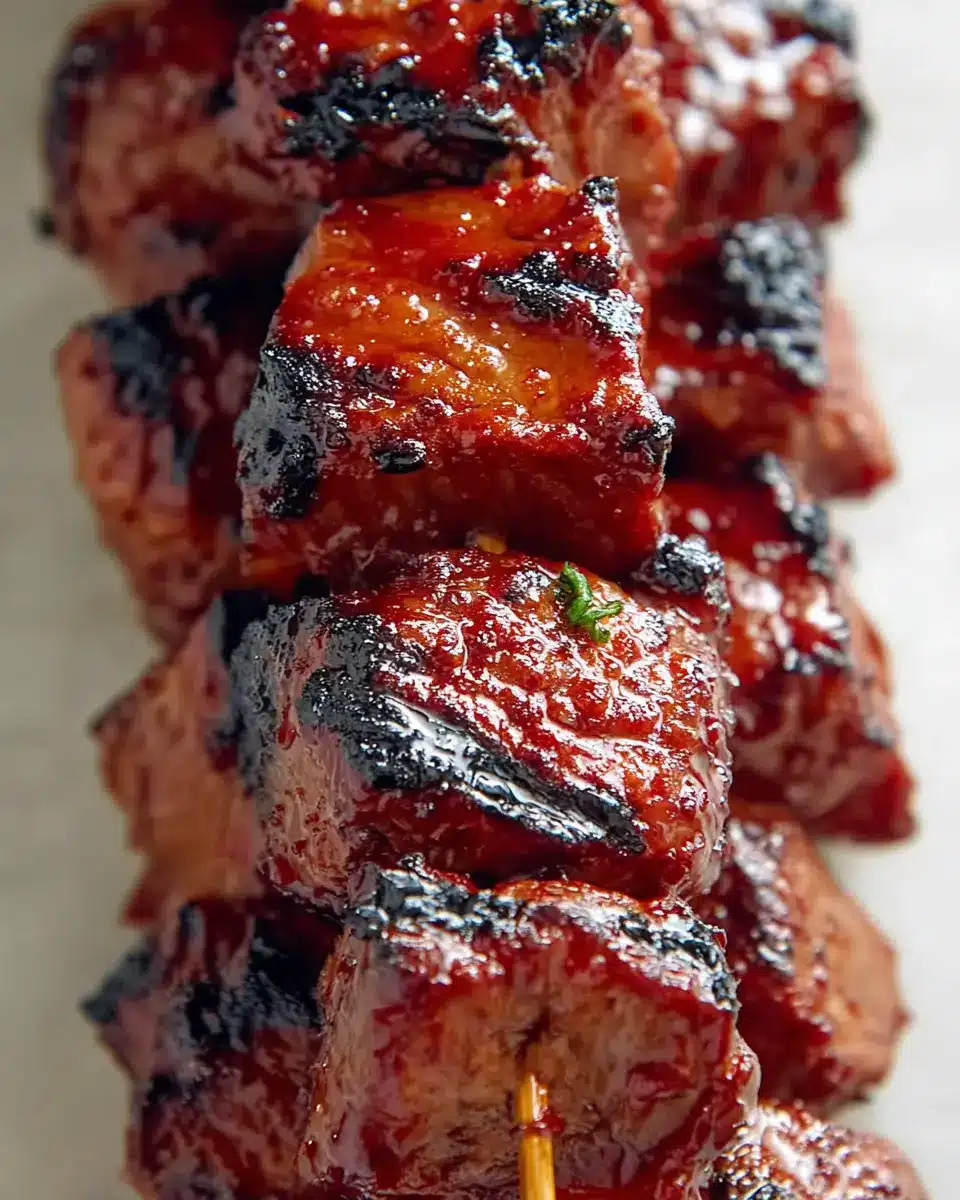
Grilled Teriyaki Steak Kabobs represent a culinary triumph, offering a make-ahead, crowd-pleasing option that is as delicious as it is convenient. The combination of juicy beef, a glistening, deeply savory-sweet marinade, and the irresistible char from the grill creates a dish that’s perfect for any occasion, from casual backyard cookouts to lively party gatherings.
This recipe is designed to make your life easier, transforming preparation into a seamless process that culminates in a fantastic meal. The extensive marinating time does the heavy lifting for developing profound flavors, allowing the actual cooking phase to be quick and efficient, ensuring you spend less time in the kitchen and more time enjoying your company.
Why You Will Love This Recipe
- Effortless Flavor Development: The long marinating period infuses the beef with a complex sweet and savory profile, ensuring deliciousness in every bite without requiring constant attention during cooking.
- Grill-Master Approved: Achieving that perfect char and tender, juicy interior is remarkably straightforward with these kabobs, making you look like a seasoned grilling expert even if you’re a beginner.
- Versatile Serving Options: Whether you envision these as the star of a full dinner spread or as irresistible appetizers, their adaptability to various serving styles makes them incredibly useful for entertaining.
- Make-Ahead Convenience: The ability to prepare the marinade and marinate the beef a day in advance significantly reduces stress on the day of your event, allowing for a more relaxed hosting experience.
- Crowd-Pleasing Appeal: The universally loved sweet and savory teriyaki flavor, combined with tender grilled steak, ensures that these kabobs are a hit with guests of all ages and preferences.
Ingredients You Need
The foundation of exceptional Grilled Teriyaki Steak Kabobs lies in the quality of the ingredients selected. Choosing fresh, flavorful components will elevate the marinade and ensure the beef itself is succulent and satisfying. The right balance of sweet, savory, and aromatic elements is key to achieving that authentic teriyaki taste that diners will rave about.
Grilled Teriyaki Steak Kabobs
These grilled teriyaki steak kabobs feature tender cubes of beef steeped in a sweet and savory marinade made with soy sauce, brown sugar, pineapple juice, garlic, and oil. After a full marinating period, the skewered steak is grilled until lightly charred and thoroughly cooked, producing a flavorful dish suitable for either a main course or a hearty appetizer.
- 3 large garlic cloves, finely minced
- 1/2 cup pineapple juice
- 1 cup soy sauce
- 1/4 cup vegetable oil
- 1/2 cup water
- 1 1/2 cups packed light brown sugar
- 4 pounds boneless round steak, cut into 1-inch cubes
- Bamboo skewers, soaked in water for
- 30 minutes
- 1In a large mixing bowl, combine the light brown sugar, soy sauce, water, pineapple juice, vegetable oil, and minced garlic. Whisk thoroughly until the sugar is dissolved and the marinade is evenly blended.
- 2Add the cubed round steak to the marinade and stir carefully so each piece is fully coated. Cover the bowl tightly with plastic wrap and refrigerate for 24 hours to allow the flavors to penetrate the meat.
- 3Remove the marinated beef from the refrigerator and lift the pieces from the liquid, allowing any excess marinade to drip away. Discard the used marinade.
- 4Thread the beef onto the soaked bamboo skewers, arranging the pieces in a zig-zag pattern so they are secure and evenly spaced for grilling.
- 5Preheat the grill to medium heat. Lightly oil the grill grate to help prevent sticking during cooking.
- 6Arrange the skewers on the hot grill and cook for approximately 3 minutes per side, or until the beef is fully cooked and marked with light charring. Monitor the kabobs closely to avoid overcooking.
- 7Transfer the grilled skewers from the grill and allow them to rest briefly before serving.
Keywords: Grilled Teriyaki Steak Kabobs, Beef, Skewers, Marinade, Grill, Dinner, Appetizer, Asian-inspired
- round steak: provides a hearty, beefy base that holds up well to marinating and grilling, ensuring a satisfying chew.
- soy sauce: builds the savory backbone of the marinade, lending that essential umami depth and familiar teriyaki character to the beef.
- light brown sugar: adds a nuanced sweetness that is crucial for caramelization on the grill, creating a beautiful, glossy finish.
- pineapple juice: contributes a subtle fruity sweetness that helps to tenderize the meat and rounds out the stronger salty and savory notes in the marinade.
- garlic: offers a pungent, aromatic layer that prevents the marinade from becoming cloying and adds a vital depth of flavor.
- vegetable oil: ensures the marinade coats the beef evenly and helps in achieving a desirable seared exterior during grilling without imparting its own strong flavor.
- water: helps to achieve the perfect consistency for the marinade, ensuring all the beef pieces are thoroughly bathed in flavor.
- bamboo skewers: are essential for holding the beef cubes together, making them easy to handle on the grill and simple to serve.
The precise quantities for these ingredients are detailed within the provided recipe card for your convenience.
Variations
These Grilled Teriyaki Steak Kabobs are a fantastic canvas for culinary creativity, allowing for delightful variations that cater to different dietary needs and taste preferences. By making simple adjustments to the core ingredients or the marinating process, you can transform this classic dish into something new and exciting for your next meal.
For a vibrant vegan alternative, you could swap the beef for hearty chunks of firm tofu or large, meaty mushrooms like portobellos. Marinate these plant-based options in the same teriyaki sauce, ensuring they absorb all the delicious flavors, and grill them until tender and slightly charred for a satisfying meat-free kabob experience.
If you’re exploring a low-carb lifestyle, you can still enjoy the essence of teriyaki by omitting the brown sugar and pineapple juice from the marinade. Instead, lean on the savory depth of soy sauce (or tamari for gluten-free), a touch of a sugar substitute like erythritol or stevia, and perhaps a splash of rice vinegar for tang, then grill your beef or firm tofu as usual.
Another exciting variation involves adding colorful vegetables to the skewers alongside the beef, transforming them into a complete meal on a stick. Think about pairing the steak with chunks of bell peppers in various colors, sweet red onion wedges, zucchini slices, or even cherry tomatoes. These vegetables will absorb some of the teriyaki marinade and char beautifully on the grill, adding a fresh, vibrant contrast to the rich, savory meat.
How to Prepare Grilled Teriyaki Steak Kabobs
Step 1: Crafting the Flavorful Marinade
The journey to delicious Grilled Teriyaki Steak Kabobs begins with the creation of a truly spectacular marinade. This sweet and savory elixir is what will transform humble cubes of beef into tender, flavor-packed morsels. You’ll want to gather all your marinade ingredients in a large mixing bowl. This includes the foundational soy sauce, which brings essential umami depth, and the packed light brown sugar, responsible for that irresistible caramelization and sweetness.
Next, incorporate the pineapple juice, which not only adds a bright, fruity counterpoint but also plays a crucial role in tenderizing the beef. The water helps to achieve the ideal marinade consistency, ensuring every piece of meat is thoroughly coated. Don’t forget the aromatic garlic, finely minced to release its potent flavor, and the vegetable oil, which assists in distributing the marinade evenly and promotes better browning on the grill. Whisk these components together vigorously until the sugar is largely dissolved and the mixture is smooth and well-emulsified, creating a glossy, aromatic concoction ready to embrace the beef.
The Best Part: Taking the time to whisk thoroughly ensures that the sugar dissolves properly, preventing gritty textures and guaranteeing an even glaze as the kabobs cook. This step is foundational for the overall success of the flavor profile, making every element meld harmoniously.
Step 2: The Marination Magic
Once your teriyaki marinade is perfectly blended, it’s time to introduce the star of the show: the beef. For this recipe, boneless round steak is an excellent choice due to its heartiness and ability to absorb flavors beautifully, but other lean cuts like sirloin can also be used. Cut the beef into uniform, roughly 1-inch cubes. This consistency is vital, as it ensures that all the pieces of steak will cook at the same rate, preventing some from becoming overcooked and dry while others remain underdone.
Gently add the cubed beef to the bowl containing the prepared marinade. Use a spoon or your hands to stir and toss the beef thoroughly, making sure that every single cube is completely enveloped in the sweet and savory liquid. This thorough coating is essential for maximum flavor penetration. After ensuring all the beef is well-coated, cover the bowl tightly with plastic wrap or a lid. This seal prevents any odors from escaping into your refrigerator and, more importantly, keeps the marinade from drying out. Place the covered bowl in the refrigerator and allow it to marinate for a significant period – ideally 24 hours. This extended marination time is what allows the complex flavors of the teriyaki sauce to deeply infuse into the beef, tenderizing it and creating an incredibly rich taste profile.
Pro Tip: For optimal results, consider the cuts of beef carefully. While round steak is economical and robust, sirloin offers a more tender texture. Regardless of the cut, uniform cubing is paramount for even cooking and a superior eating experience.
Step 3: Preparing for the Grill
As the marinating time concludes, it’s time to prepare your beef for the intense heat of the grill. Gently remove the marinated beef cubes from the marinade. You can use a slotted spoon or simply lift them out with your fingers, allowing any excess marinade to drip back into the bowl. It’s important to let this excess marinade drip off, as too much liquid clinging to the beef can cause it to steam rather than sear on the grill, and can also lead to the sugars in the marinade burning too quickly.
At this point, it is crucial to discard the used marinade. Never reuse marinade that has been in contact with raw meat, as it can harbor harmful bacteria. Preparing your skewers is the next step. If you are using bamboo skewers, as recommended, ensure they have been soaked in water for at least 30 minutes prior to threading the meat. Soaking prevents the wooden skewers from burning and charring excessively on the hot grill, which could impart an undesirable smoky flavor to your kabobs or even cause them to break apart. A well-soaked skewer will hold up beautifully throughout the cooking process.
Crucial Step: Always discard used marinades that have touched raw meat. This is a critical food safety practice that protects you and your guests from potential foodborne illnesses.
Step 4: Skewering with Precision
With your beef cubes ready and your bamboo skewers properly soaked, the art of skewering begins. This step is not just about aesthetics; it plays a role in how evenly your kabobs cook. Take the marinated beef cubes and thread them onto the soaked skewers. Aim to place the pieces relatively close together, but avoid packing them too tightly. There should be a small amount of space between each cube of beef.
This spacing is important because it allows heat to circulate more freely around each piece of meat. When beef cubes are packed too densely, they can essentially steam each other rather than getting that desirable sear and char on all sides. Imagine each cube having its own little pocket of hot air to cook in. If you are also adding vegetables to your kabobs, it’s a good idea to alternate them with the beef. This ensures that the vegetables get a chance to cook and caramelize alongside the meat, absorbing some of the delicious teriyaki glaze.
The Visual Appeal: Arranging the beef cubes snugly but not tightly on the skewer creates a visually appealing presentation and ensures that each piece has optimal exposure to the grill’s heat for a perfect cook.
Step 5: Preheating the Grill
The grill is where the magic truly happens, transforming your marinated, skewered beef into irresistible kabobs. Before you even think about placing the kabobs on the grates, it’s essential to preheat your grill properly. Aim for a medium heat setting. This is not a low-and-slow cooking scenario; rather, it’s about achieving a hot enough surface to sear the exterior of the beef while cooking the interior to perfection without drying it out.
A medium heat generally translates to around 375-400°F (190-205°C) for most gas grills. If you are using a charcoal grill, you’ll want a layer of glowing coals that have started to ash over. Once the grill has reached the desired temperature, it’s time for another critical step: lightly oiling the grill grates. You can do this by dipping a folded paper towel in high-heat cooking oil (like vegetable or canola oil) and, using long tongs, carefully wiping it across the hot grates. This simple act of oiling the grates is a game-changer for preventing the kabobs from sticking. Sticking can lead to torn meat, a messy presentation, and frustration, so don’t skip this vital preparation.
Expert Technique: A well-oiled grill grate is your best friend when cooking anything on skewers. It ensures a clean release of the food, preserving its attractive char and preventing it from adhering to the metal.
Step 6: Grilling to Perfection
With the grill preheated and the grates oiled, your Grilled Teriyaki Steak Kabobs are ready for their close-up. Carefully place the skewered beef onto the hot grill. Resist the urge to move them around immediately; let them sear undisturbed for the first few minutes to develop a nice crust. Aim to grill the kabobs for approximately 3 minutes on the first side.
After the initial searing, it’s time to turn them. Use long tongs to flip each skewer. You should see lovely grill marks forming on the beef. Grill the second side for another 3 minutes, and then continue to flip and grill them every minute or so until the beef reaches your desired level of doneness. For medium-rare, this usually means an internal temperature of about 130-135°F (54-57°C). Overcooking is the enemy of tender steak, so keep a close eye on them, especially since they cook relatively quickly.
The Sweet Spot: Look for lightly charred edges on the beef and a juicy interior. The exterior should have a beautiful glossy glaze from the caramelized teriyaki marinade, indicating that they are perfectly cooked and ready to impress.
Step 7: The Crucial Rest
The final, often overlooked, step in achieving perfectly tender and juicy Grilled Teriyaki Steak Kabobs is the brief resting period. Once the kabobs have reached their ideal doneness on the grill, remove them from the heat using your tongs. Transfer them immediately to a clean platter or a cutting board. Resist the temptation to serve them the moment they come off the grill.
Allowing the kabobs to rest for about 5 to 10 minutes is crucial. During this resting period, the juices that have been pushed to the center of the meat by the high heat of the grill will redistribute themselves back throughout the steak. If you cut into the meat immediately, these precious juices would simply run out onto the plate, leaving the beef drier and less flavorful. This short pause ensures that each bite of steak is as moist and tender as possible, maximizing the enjoyment of the dish.
The Secret to Juiciness: Resting is a fundamental technique in cooking meat. It allows the muscle fibers to relax after the intense heat of the grill, reabsorbing their natural moisture for an incredibly succulent result.
Pro Tips for Grilled Teriyaki Steak Kabobs
To elevate your Grilled Teriyaki Steak Kabobs from good to absolutely spectacular, there are a few insider tips and tricks that can make all the difference. These small adjustments can significantly impact the texture, flavor, and overall presentation of your dish, ensuring every bite is a delight.
Tip: When skewering, ensure there’s a little space between the beef cubes. This prevents them from steaming and encourages even searing and caramelization on all sides, leading to a better crust and texture.
Tip: Don’t let excess marinade pool on the beef before it hits the grill. While the marinade is flavor-packed, too much liquid can cause the sugars to burn too quickly, leading to a bitter taste or a uniformly blackened exterior before the inside is cooked.
Tip: Use high-quality soy sauce. The difference between a standard soy sauce and a good-quality Japanese or premium soy sauce can be remarkable, providing a richer, more complex umami flavor that forms the backbone of the teriyaki marinade.
Tip: If you don’t have a grill, a grill pan on the stovetop or even your oven’s broiler can work. While you’ll miss the authentic smoky flavor of an outdoor grill, the flavorful teriyaki marinade will still create a delicious outcome.
Tip: For an extra burst of flavor and visual appeal, consider a light brush of additional teriyaki glaze or a sprinkle of sesame seeds and chopped scallions over the kabobs just before serving. This adds a final flourish that enhances both taste and presentation.
Serving Suggestions for Grilled Teriyaki Steak Kabobs
Decoration
To make your Grilled Teriyaki Steak Kabobs truly shine on the plate, a few simple decorative touches can go a long way. A sprinkle of toasted sesame seeds over the finished kabobs adds a delightful nutty crunch and a classic visual appeal that complements the teriyaki theme. Freshly chopped green onions or chives, finely sliced, provide a pop of vibrant green color and a fresh, mild oniony bite that cuts through the richness of the beef and glaze.
For a more festive presentation, consider garnishing the platter with a few vibrant red chili flakes, if your guests enjoy a hint of heat, or even a small sprig of fresh cilantro or parsley. These simple additions not only enhance the visual attractiveness of the dish but also offer subtle aromatic and flavor notes that contribute to the overall dining experience.
Side Dishes
Grilled Teriyaki Steak Kabobs are incredibly versatile and pair wonderfully with a wide array of side dishes that complement their sweet and savory profile. Steamed white or brown rice is a classic and foolproof accompaniment, serving as a neutral canvas that soaks up any extra delicious glaze and balances the intense flavors of the kabobs. For a refreshing contrast, a crisp, crunchy Asian-inspired slaw made with shredded cabbage, carrots, and a light, tangy vinaigrette provides a textural and flavorful counterpoint.
Grilled or roasted vegetables, such as asparagus, bell peppers, zucchini, or corn on the cob, echo the grilling method and add color and freshness to the meal. A simple cucumber salad, perhaps with a hint of dill or rice vinegar, offers a cooling and palate-cleansing element that is particularly welcome on warmer days. Consider also a light noodle dish, like sesame noodles or soba noodles, for a more substantial yet still complementary pairing.
Creative Serving Ideas
Beyond simply plating the kabobs, there are numerous creative ways to serve them that can transform your meal into a memorable event. For a casual gathering, consider serving the kabobs buffet-style, allowing guests to easily pick them up and enjoy them as a portable appetizer or main. You could also arrange them creatively on a large platter, perhaps interspersed with colorful fruit like pineapple wedges or mango slices, to enhance the tropical notes of the teriyaki marinade.
For a more interactive experience, set up a “kabob bar” where guests can select their own sides and toppings to customize their meal. This could include various sauces, rice options, and fresh garnishes. Another idea is to serve them as part of a larger Asian-inspired feast, alongside other dishes like spring rolls, dumplings, or stir-fried vegetables, creating a truly immersive culinary experience. They also make excellent additions to packed lunches or picnics, offering a flavorful and substantial meal on the go.
Preparation & Storage
Storing Leftovers
Should you be fortunate enough to have any Grilled Teriyaki Steak Kabobs left over, proper storage will ensure they remain delicious for future enjoyment. Once the kabobs have cooled down to room temperature, transfer any remaining pieces from the skewers into an airtight container. This is important to prevent them from drying out and to keep them protected from absorbing other odors in your refrigerator. Properly stored, these leftover kabobs can be enjoyed for up to 3 to 4 days.
They are surprisingly versatile as leftovers, making a fantastic addition to salads, a quick protein boost for fried rice, or simply enjoyed reheated with a side of rice or noodles. Ensure the container is well-sealed to maintain their moisture and flavor. If the meat seems a little dry upon reheating, a tiny splash of water or a bit more teriyaki sauce can help revive it.
Freezing
For longer-term storage, freezing Grilled Teriyaki Steak Kabobs is an excellent option, but it’s best to remove the beef from the skewers first. This makes them more compact for freezer storage and easier to reheat later. Place the marinated and cooked (or even uncooked, if you plan to grill them after thawing) beef cubes into a heavy-duty freezer-safe bag or an airtight container. Squeeze out as much air as possible before sealing to prevent freezer burn.
Label the container or bag with the date and contents. Properly frozen, these beef cubes can maintain their quality for up to 2 to 3 months. Thawing is best done in the refrigerator overnight to ensure the meat thaws evenly and safely. This allows you to have a delicious, flavorful component ready for a quick meal whenever the craving strikes, without compromising too much on texture.
Reheating
Reheating your Grilled Teriyaki Steak Kabobs requires a gentle approach to preserve their tenderness and moisture. The best method is often to reheat them gently in a skillet over medium-low heat. Add a small splash of water or a tablespoon of teriyaki sauce to the pan before adding the beef. This helps to create steam, preventing the meat from drying out and reviving the delicious glaze.
Alternatively, you can reheat them in the microwave, but it’s crucial to do so in short bursts, stirring occasionally. This helps to ensure even heating and minimizes the risk of overcooking, which can make the beef tough. If reheating from frozen, ensure the beef is fully thawed in the refrigerator before attempting to reheat it, as this will lead to a more consistent and desirable outcome. The goal is to warm the beef through without cooking it further.
Frequently Asked Questions
-
What is the best cut of beef for teriyaki steak kabobs, and why?
The best cuts of beef for teriyaki steak kabobs are typically those that are lean and have good flavor, but can also withstand quick cooking over high heat without becoming tough. Boneless round steak is a popular and economical choice because it offers a firm texture that holds its shape well on the skewer and absorbs marinades beautifully, leading to a hearty bite. Another excellent option is sirloin steak, which is known for its tenderness and rich beefy flavor, making it a slightly more premium choice. The key with any cut is to ensure it’s cut into uniform 1-inch cubes so that each piece cooks evenly, preventing some from overcooking while others remain underdone. This uniformity is crucial for achieving consistent tenderness and flavor throughout the kabobs.
-
Can I make the teriyaki marinade ahead of time, and how long will it last?
Yes, you can absolutely make the teriyaki marinade ahead of time, and this is highly recommended for maximizing flavor development. The marinade itself, when stored in an airtight container in the refrigerator, will keep well for up to 3 to 4 days. This allows you to prepare the marinade a day or two before you plan to marinate the beef, giving you more flexibility. Once the beef has been marinated in the sauce, the combined marinade and raw beef should be used within 24 hours for food safety reasons. It is never recommended to store marinated raw meat for longer than 24 hours in the refrigerator, and always discard the used marinade after use, as it cannot be safely reused.
-
What are some common issues when grilling teriyaki steak kabobs, and how can I prevent them?
One of the most common issues is the teriyaki glaze burning before the steak is cooked through, leading to a bitter taste and a potentially tough texture. This often happens when the grill is too hot or when there is too much excess marinade clinging to the beef. To prevent this, ensure your grill is set to medium heat rather than high, and always allow excess marinade to drip off the beef before skewering and grilling. Another frequent problem is the kabobs sticking to the grill grates, which can ruin their appearance and make them difficult to turn. This can be easily avoided by preheating your grill properly and thoroughly oiling the grates just before you add the kabobs. Finally, overcooking is a significant concern for steak; since teriyaki steak kabobs cook quickly, watching them closely and using a meat thermometer to ensure they reach the desired internal temperature (around 130-135°F for medium-rare) is essential for maintaining tenderness and juiciness.