Grilled Steak Potato Kabobs
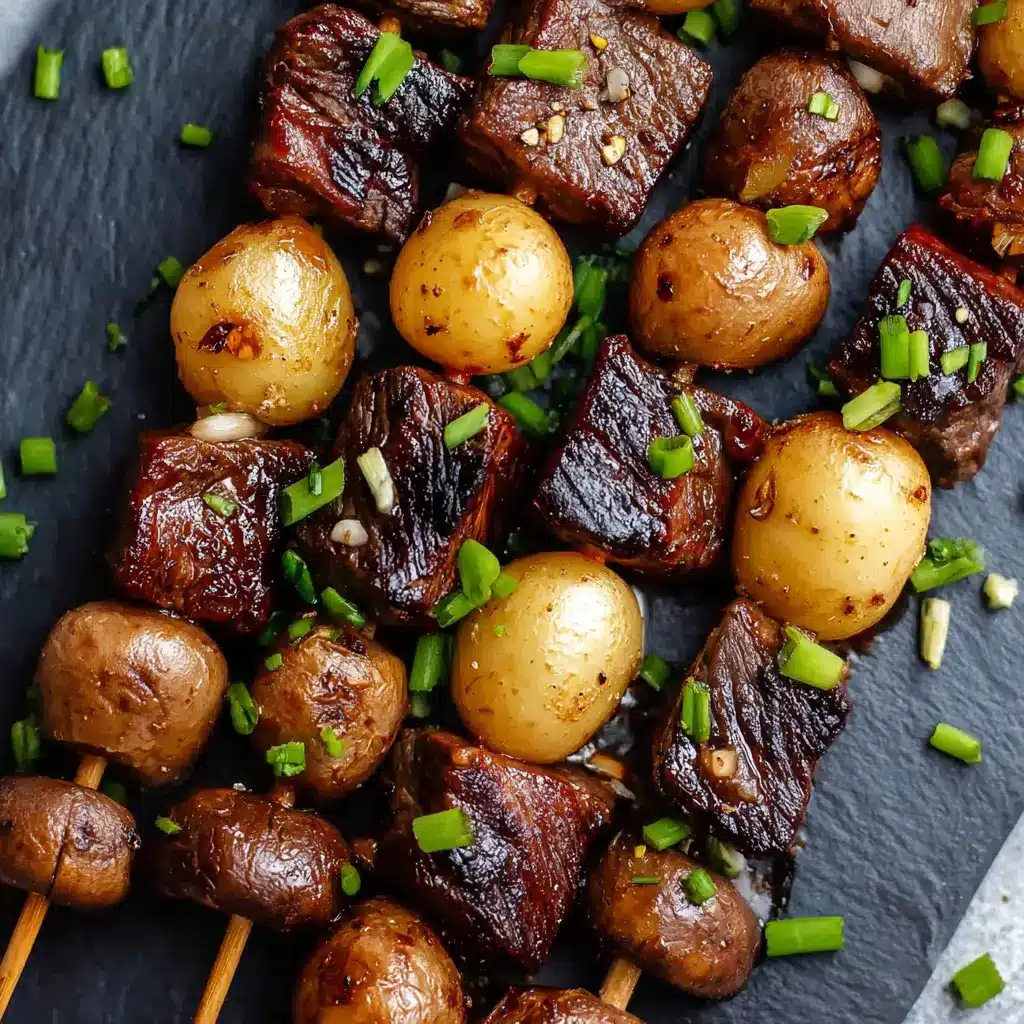
Grilled Steak and Potato Kabobs are a hearty, grill-friendly main dish with juicy ribeye, tender baby Yukon gold potatoes, and mushrooms coated in a savory-sweet marinade for bold flavor, light char, and simple make-ahead convenience. They are the perfect embodiment of a satisfying meal that doesn’t demand hours in the kitchen, yet delivers big on taste.
This is the kind of meal that works beautifully when you want something filling and satisfying without juggling a long list of complicated steps. You get steak, potatoes, and vegetables all on one skewer, which makes serving just as easy as grilling. The flavor combination is especially dependable here, promising a delightful culinary experience for any occasion.
Why You Will Love This Recipe
- Quick Preparation: Dinner is on the table in less than an hour, making it ideal for busy weeknights or spontaneous gatherings. The smart par-boiling technique for the potatoes significantly cuts down on grill time.
- Bold Flavor Profile: The savory-sweet marinade, featuring ketchup, soy sauce, and brown sugar, creates a delicious glaze that caramelizes on the grill, infusing every bite with incredible depth. This complex flavor profile elevates simple ingredients.
- One-Skewer Simplicity: Everything cooks together on a single skewer, minimizing cleanup and maximizing convenience. This “all-in-one” approach is a hallmark of easy, enjoyable outdoor cooking.
- Versatile Steak Choice: While ribeye is recommended for its tenderness and marbling, the recipe is adaptable to other cuts like sirloin, offering flexibility based on your preference and availability. Ensuring even pieces is key for consistent cooking.
- Make-Ahead Convenience: You can prepare the marinade, par-boil the potatoes, and even assemble the skewers in advance, allowing for a stress-free grilling experience when guests arrive or when you’re ready to eat. This advance preparation is a game-changer for entertaining.
Ingredients You Need
The success of these Grilled Steak and Potato Kabobs hinges on the quality and freshness of your ingredients. Opting for well-marbled ribeye steak ensures maximum tenderness and juiciness, while baby Yukon Gold potatoes offer a creamy texture and a buttery flavor that holds up beautifully to grilling. Baby bella mushrooms add a robust, earthy counterpoint that complements the richness of the steak and the sweetness of the marinade.
Grilled Steak and Potato Kabobs
Grilled Steak and Potato Kabobs combine tender ribeye, buttery baby Yukon gold potatoes, and earthy baby bella mushrooms, all coated in a savory-sweet marinade. The result is a hearty grilled dish with balanced flavor and appealing char.
- 1/4 cup ketchup
- 2 tablespoons white vinegar
- 1/4 cup soy sauce
- 1/4 cup neutral vegetable oil
- 2 tablespoons light brown sugar
- 1/2 teaspoon garlic powder
- 8 baby bella mushrooms, cleaned with a damp cloth
- 8 baby Yukon gold potatoes, par-boiled until just fork-tender
- 1 pound ribeye steak, cut into 1-inch cubes
- Metal or wooden skewers (soak wooden skewers in water for
- 30 minutes before use)
- 1Cut the ribeye into 16 evenly sized pieces so the meat cooks consistently.
- 2Transfer the steak cubes and mushrooms to a large gallon-size resealable bag.
- 3In a medium bowl, whisk together the ketchup, white vinegar, soy sauce, vegetable oil, brown sugar, and garlic powder until thoroughly combined.
- 4Pour the marinade into the bag over the steak and mushrooms. Seal the bag tightly, turn it to coat everything well, and refrigerate for at least 30 minutes or up to 2 hours.
- 5Scrub the potatoes well, then place them in a large saucepan. Add enough water to cover them by about 1 inch.
- 6Bring the water to a boil and cook the potatoes for 5 to 7 minutes, or until they are barely fork-tender. Drain and set aside so they can finish cooking on the grill without falling apart.
- 7Preheat the grill to medium-high heat and oil the grates lightly to help prevent sticking.
- 8Assemble each kabob by threading on a piece of steak, one potato, another piece of steak, and one mushroom. Continue with another piece of steak, a second potato, another piece of steak, and a second mushroom. Repeat until all ingredients have been used.
- 9Arrange the skewers on the grill and cook for 5 to 6 minutes per side, turning every 3 minutes for even browning and cooking.
- 10Grill until the steak reaches the desired doneness and the potatoes are lightly charred and fully tender.
- 11Remove the kabobs from the grill and let them rest briefly for 1 to 2 minutes before serving.
Keywords: Grilled Steak and Potato Kabobs, steak, potatoes, mushrooms, kabobs, grill, dinner, American
The marinade itself is a masterclass in balanced flavors, bringing together the tangy sweetness of ketchup and brown sugar with the salty depth of soy sauce and the bright acidity of white vinegar. A touch of garlic powder provides a warm, aromatic foundation. The quantities for all these delicious components are readily available in the accompanying recipe card, making shopping and preparation straightforward.
Variations
Exploring variations of these Grilled Steak and Potato Kabobs can introduce exciting new dimensions to this already fantastic dish. For instance, a vegan twist is entirely achievable by swapping the ribeye steak for hearty chunks of firm tofu or substantial portobello mushroom caps. These plant-based alternatives absorb marinades beautifully and offer a satisfying chew.
To create a low-carb version, simply omit the potatoes and double up on the mushrooms, bell peppers, and onions. You could also introduce other low-carbohydrate vegetables like zucchini or cherry tomatoes to the skewers. This substitution maintains the grilled flavor profile while aligning with specific dietary needs.
Another delightful variation involves infusing the marinade with a touch of smoky heat. Adding a pinch of smoked paprika or a dash of your favorite hot sauce to the marinade can impart a subtle warmth that beautifully complements the grilled steak. Consider experimenting with different types of vinegar, such as apple cider vinegar, for a slightly different acidic tang.
For those who enjoy a citrusy note, a tablespoon or two of fresh lemon or lime juice whisked into the marinade can provide a refreshing zest. This is particularly lovely if you plan to serve the kabobs with a light, fresh salad. The brightness of the citrus cuts through the richness of the beef and the savory marinade.
Adventurous cooks might also consider a Mediterranean-inspired marinade. This could involve olive oil, lemon juice, dried oregano, rosemary, and a hint of garlic. Then, thread the skewers with steak, cherry tomatoes, red onion wedges, and chunks of halloumi cheese for a salty, squeaky element that grills wonderfully.
Finally, consider the protein itself. While ribeye is superb, cubed sirloin, tenderloin, or even flank steak can be used. Just be mindful of cooking times; leaner cuts might benefit from slightly shorter marinating and grilling periods to prevent them from drying out. Ensuring uniform cuts remains paramount for even cooking across all ingredients.
How to Prepare Grilled Steak and Potato Kabobs
Step 1: Marinate the Steak and Mushrooms
Begin by preparing the flavorful marinade that will infuse your steak and mushrooms with deliciousness. In a medium bowl, whisk together the ketchup, white vinegar, soy sauce, neutral vegetable oil, light brown sugar, and garlic powder until the mixture is smooth and well combined. This blend of sweet, tangy, and savory elements is the heart of the kabob’s flavor.
Next, cut your pound of ribeye steak into uniformly sized 1-inch cubes. Evenly sized pieces are crucial for ensuring that all the steak pieces cook at the same rate on the grill, preventing some from being overcooked while others are underdone. Clean your baby bella mushrooms with a damp cloth; avoid washing them, as they can absorb excess water, which might steam them rather than grill them.
Place the steak cubes and the prepared mushrooms into a large gallon-size resealable bag or a shallow dish. Pour the prepared marinade over the steak and mushrooms, ensuring that every piece is thoroughly coated. Seal the bag or cover the dish and refrigerate it for at least 30 minutes, but no longer than 2 hours. This marinating time allows the flavors to meld and penetrate the ingredients without making the steak texture overly soft.
Step 2: Par-boil the Potatoes
While the steak and mushrooms are busy marinating, it’s time to give the potatoes a head start. Scrub the baby Yukon Gold potatoes thoroughly under running water to remove any dirt. You want them to be clean and ready for cooking, but there’s no need to peel them; the skin adds texture and nutrients. If your potatoes are on the larger side, consider halving them so they are roughly the same size as the steak cubes.
Place the scrubbed potatoes in a large saucepan and add enough cold water to cover them by about an inch. Add a generous pinch of salt to the water; this seasons the potatoes from the inside out and enhances their natural buttery flavor. Bring the water to a rolling boil over medium-high heat and cook the potatoes for approximately 5 to 7 minutes. The goal here is to par-boil them until they are just barely fork-tender, meaning a fork can be inserted with slight resistance, but they are not yet fully soft.
Once par-boiled, drain the potatoes thoroughly in a colander. Allow them to steam dry for a few minutes and cool slightly. This step is critical because fully cooked potatoes might break apart when threaded onto skewers or during the grilling process. The slight firmness ensures they will hold their shape and finish cooking perfectly on the grill, developing a lovely tender interior and slightly crisp exterior. This careful preparation ensures everything on the skewer reaches the ideal doneness simultaneously.
Step 3: Preheat and Prepare the Grill
As your ingredients are prepped and ready, it’s time to get your grill fired up for action. Preheat your grill to a medium-high heat setting. A hot grill is essential for achieving that sought-after sear on the steak and developing appealing char marks on the potatoes and mushrooms. This high heat helps to quickly caramelize the sugars in the marinade, creating a beautiful glaze.
Once the grill has reached the desired temperature, it’s imperative to oil the grates lightly. This simple step is a game-changer for preventing your delicious kabobs from sticking. You can use a high-smoke-point oil like canola or vegetable oil, applied to a folded paper towel held with long tongs, or use a grill brush designed for this purpose. Ensuring the grates are clean and oiled will make the process of flipping and removing the kabobs much smoother.
A properly preheated and oiled grill grate not only makes your life easier but also contributes significantly to the final appearance and texture of your Grilled Steak and Potato Kabobs. It promotes even cooking and allows the ingredients to develop those desirable browned edges and slight char, which are hallmarks of expertly grilled food. This attention to detail in the grilling setup sets the stage for a perfectly executed meal.
Step 4: Assemble the Skewers
Now comes the fun part: bringing all the beautifully prepped components together onto the skewers. If you are using wooden skewers, ensure they have been soaked in water for at least 30 minutes prior to this step to prevent them from catching fire on the grill. Metal skewers do not require soaking but can get very hot.
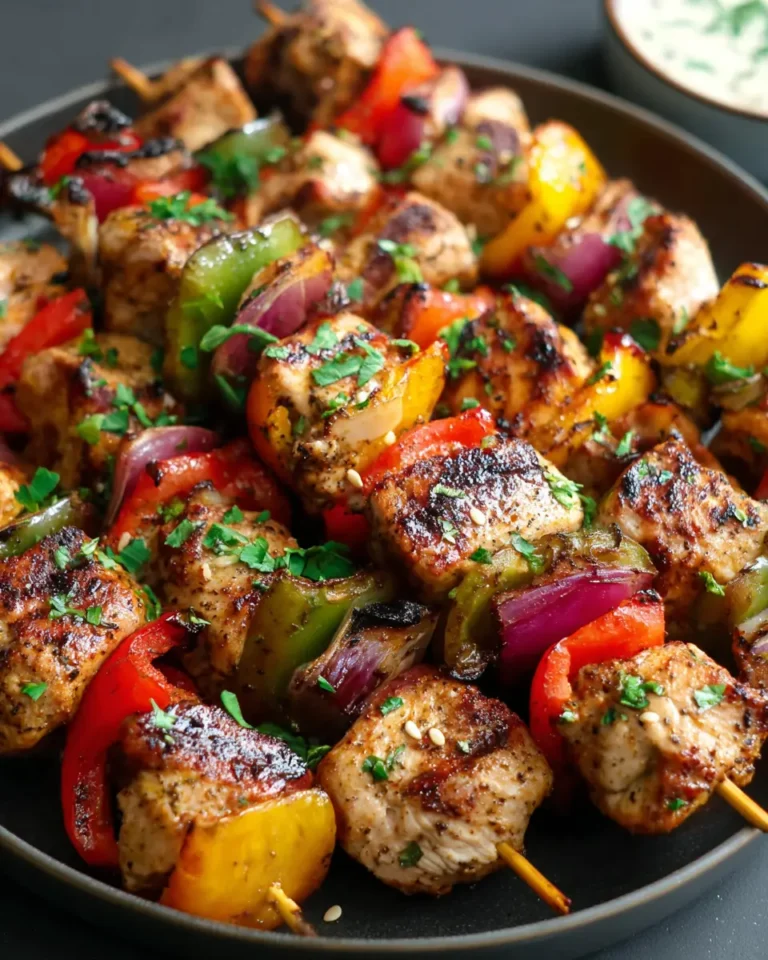
Begin by threading your ingredients onto each skewer in an alternating pattern. A good starting point is to place a piece of steak, followed by a baby Yukon Gold potato, then another piece of steak, and finally a baby bella mushroom. Continue this pattern, repeating the sequence of steak, potato, steak, mushroom until the skewer is full, leaving a small space at each end for easier handling. This consistent arrangement helps to ensure that everything cooks evenly, as the heat will circulate around each component.
Aim for a similar number of ingredients and a similar pattern on each skewer. This uniformity is not just for aesthetics; it plays a significant role in the evenness of cooking. By distributing the steak, potatoes, and mushrooms thoughtfully, you maximize the chances of all elements reaching their perfect doneness at the same time. Avoid packing the ingredients too tightly, as this can hinder heat circulation and lead to uneven cooking.
The assembly process is also a great time to assess your ingredients and ensure they are still appealing. If any steak pieces are significantly larger or smaller than others, try to group them together on different skewers or adjust their placement. Similarly, ensure the potatoes are still firm enough to hold their shape. This detailed assembly ensures a visually appealing and perfectly cooked batch of kabobs.
Step 5: Grill to Perfection
With the skewers assembled and the grill preheated to medium-high, it’s time to cook your Grilled Steak and Potato Kabobs to perfection. Carefully place the assembled skewers onto the hot, oiled grill grates. Listen for that satisfying sizzle as they make contact with the heat; this indicates the grill is at the optimal temperature for searing.
Allow the kabobs to cook for approximately 5 to 6 minutes per side. During this cooking time, it’s essential to turn the skewers every few minutes. This frequent turning ensures that all sides of the steak, potatoes, and mushrooms get exposed to the direct heat, promoting even browning and preventing any single side from overcooking or burning. The goal is to achieve a beautiful sear on the steak and develop those desirable char marks on the potatoes and mushrooms.
As the kabobs cook, keep an eye on the steak to gauge its doneness. For medium-rare, the steak should still feel slightly springy to the touch. The mushrooms should soften and become tender, and the potatoes should develop a lovely exterior char while finishing all the way through to a tender consistency. If you notice some areas cooking much faster than others, you can move those skewers to a slightly cooler part of the grill.
The total grilling time will likely be around 12 to 18 minutes, depending on the thickness of your steak pieces and how well-done you prefer your steak. Remember that the steak will continue to cook slightly after being removed from the grill due to residual heat, so it’s often best to pull them off when they are just a touch under your ideal doneness. This careful monitoring ensures the best possible outcome for your grilled masterpiece.
Step 6: Rest and Serve
Once your Grilled Steak and Potato Kabobs have reached their peak of deliciousness, remove them from the grill using tongs. Place them on a clean platter or baking sheet to rest for a few minutes before serving. This resting period is incredibly important for the steak.
During resting, the juices within the steak redistribute themselves throughout the meat. If you cut into the steak immediately after grilling, these flavorful juices would simply run out onto the plate, leaving the meat drier. A brief rest allows the muscle fibers to relax, ensuring that every bite is as moist and tender as possible. A minute or two is generally sufficient for kabobs.
Serve the kabobs hot, straight from the grill or after their short rest. They are fantastic on their own, showcasing the vibrant flavors of the marinade and the grill. The combination of juicy steak, tender potatoes, and savory mushrooms makes for a complete and satisfying meal. This final step ensures that all your efforts in preparation and grilling culminate in a truly memorable dining experience.
Pro Tips for Grilled Steak and Potato Kabobs
Uniformity is Key: When cutting your steak and preparing your potatoes, aim for uniform sizes. This ensures that each piece cooks at the same rate, preventing overcooked steak or undercooked potatoes. Consistency in size is a fundamental principle for successful grilling.
Don’t Over-Marinate: While marinating adds flavor, over-marinating, especially with acidic ingredients, can break down the steak’s texture too much. Stick to the recommended 30 minutes to 2 hours for the best results; a shorter time is perfectly fine if you’re pressed for time.
Manage Your Heat Zones: Grills often have hot spots. Be prepared to move your kabobs around on the grill as needed. If you see one side charring too quickly, shift it to a slightly cooler area to finish cooking gently.
Wooden Skewer Soak: Never skip soaking wooden skewers if you use them. A minimum of 30 minutes in water prevents them from ignoiting and burning to a crisp before your food is cooked through. For extra safety, you can even soak them for longer.
Potato Prep Matters: Par-boiling the potatoes is non-negotiable for this recipe. It ensures they become tender on the inside while developing a pleasant char on the outside, completing their cooking cycle on the grill alongside the steak and mushrooms.
Serving Suggestions for Grilled Steak and Potato Kabobs
Decoration
Elevate the presentation of your Grilled Steak and Potato Kabobs with simple yet impactful garnishes. A scattering of fresh, finely chopped parsley or chives over the top adds a vibrant splash of color and a burst of fresh, herbaceous flavor. For a touch of elegance, consider a few thin slices of red bell pepper or a sprinkle of toasted sesame seeds. A small dollop of a complementary sauce on the side can also serve as both a visual accent and a flavorful addition.
Side Dishes
These kabobs are incredibly versatile and pair wonderfully with a variety of side dishes that complement their hearty nature. A crisp green salad with a light vinaigrette provides a refreshing contrast to the richness of the steak and the savory marinade. Grilled corn on the cob, brushed with a little butter and seasoned, is another excellent choice that keeps the meal focused on the grill. Roasted asparagus or a simple quinoa pilaf also make for nutritious and satisfying accompaniments.
For a more substantial meal, consider serving these kabobs alongside a creamy potato salad, a hearty baked bean dish, or a refreshing coleslaw. These classic American sides enhance the comfort food aspect of the meal and offer textural variety. Don’t forget a cool, refreshing beverage like iced tea or a light beer to round out the dining experience.
If you’re aiming for a lighter meal, serving the kabobs over a bed of mixed greens or alongside steamed vegetables like broccoli or green beans works beautifully. The key is to balance the richness of the grilled components with lighter, brighter flavors and textures. Consider the context of your meal – is it a casual backyard BBQ or a slightly more formal gathering? Your side dish choices can help set the tone.
Creative Serving Ideas
Move beyond the basic skewer presentation for truly creative serving. Gently slide the grilled steak, potato, and mushroom pieces off the skewers and arrange them artfully over a bed of fluffy couscous or a vibrant pesto pasta salad. This transforms the dish into a more composed main course that feels restaurant-worthy.
Another idea is to deconstruct the kabobs and serve the components separately alongside a selection of dipping sauces. Offer a smoky chipotle aioli, a zesty chimichurri, or a classic garlic-herb butter for guests to customize their bites. This interactive approach is always a hit at parties and gatherings.
For a fun, family-style presentation, arrange the skewers on a large platter and serve them family-style with an assortment of small bowls filled with toppings like crumbled feta cheese, chopped red onion, sliced jalapeños, and extra marinade for drizzling. This allows everyone to create their perfect bite. Imagine the delight of guests customizing their own flavor profiles with each pick.
Consider transforming leftovers into a hearty steak salad. Remove the meat and potatoes from the skewers, chop them into bite-sized pieces, and toss with mixed greens, cherry tomatoes, cucumber, and a balsamic vinaigrette. This repurposing is economical and delicious, offering a fresh perspective on the original dish. The possibilities are truly endless when you think outside the skewer.
Preparation & Storage
Storing Leftovers
If you’re fortunate enough to have leftovers of these delicious Grilled Steak and Potato Kabobs, proper storage is key to maintaining their quality. For the best texture and easiest reheating, it’s recommended to slide the steak, potatoes, and mushrooms off the skewers before storing them. This prevents the ingredients from becoming soggy due to trapped steam and makes it simpler to distribute them evenly when you’re ready to enjoy them again.
Transfer the de-skewered components into an airtight container. Ensure the container is well-sealed to prevent any moisture loss or absorption of other odors from your refrigerator. Properly stored leftovers should remain fresh and flavorful for up to 3 days. Always ensure the food has cooled down sufficiently before sealing the container and refrigerating it to prevent condensation buildup.
When you retrieve them from the refrigerator, give them a quick visual inspection and a sniff test to ensure they are still safe to consume. If everything looks and smells fine, they are ready for reheating. This simple step ensures that you can enjoy the delicious flavors of the kabobs again, even if they weren’t all consumed at the initial meal.
Freezing
While these kabobs are best enjoyed fresh, freezing is a possibility if you have an abundance or want to prepare ahead for a future meal. However, it’s important to note that the texture of the potatoes and mushrooms may change slightly after thawing and reheating. They might become a bit softer or more watery than when they were freshly grilled, but the flavor should largely remain intact.
To freeze, remove all ingredients from the skewers first. Place the steak, potatoes, and mushrooms in a single layer on a baking sheet lined with parchment paper and freeze until solid. This initial freeze prevents them from clumping together. Once frozen, transfer them to a freezer-safe airtight container or a heavy-duty freezer bag, removing as much air as possible to prevent freezer burn. They can be stored in the freezer for approximately 2 months.
When you are ready to use them, thaw the kabob components overnight in the refrigerator. This slow thawing helps to maintain the best possible texture. Avoid thawing them at room temperature, as this can promote bacterial growth. Once thawed, they are ready for reheating, though adjustments might be needed to achieve the best possible result given the nature of frozen and thawed vegetables.
Reheating
Reheating your Grilled Steak and Potato Kabobs is straightforward and can be done using a few different methods, depending on your preference and the equipment available. For the best texture, especially for the steak, using a skillet over medium heat is often the preferred method. Add a small splash of oil to the skillet and warm the kabob components, stirring occasionally, until they are heated through.
If you are reheating a larger batch or prefer using your oven, preheat it to 350°F (175°C). Spread the de-skewered ingredients evenly on a baking sheet and warm them in the oven for several minutes until heated through. This method provides gentle, even heat distribution, which is excellent for bringing them back to their original warmth without overcooking.
The microwave is the quickest option in a pinch, but it’s important to be aware that it can sometimes alter the texture of the steak, making it a bit tougher, and the potatoes may become softer. If using the microwave, heat in short intervals, stirring in between, to prevent uneven heating and potential overcooking of the steak. Regardless of the method, aim to reheat just until the food is warm throughout, rather than overheating.
Frequently Asked Questions
-
Can I use a different cut of steak for these kabobs?
Yes, absolutely! While ribeye steak is highly recommended for its superior tenderness and marbling, which ensures a juicy result even with grilling, other cuts can certainly be used. Sirloin steak is a great alternative if you prefer something a little leaner. It has a good beefy flavor and a reasonably tender texture. If you opt for sirloin, ensure you cut it into uniform 1-inch cubes and marinate it for the recommended time to tenderize it. Other options like top round or flank steak could also work, but they are generally tougher and might benefit from a longer marinating period of up to 4 hours, or even overnight, to achieve optimal tenderness. It’s crucial to cut these tougher cuts against the grain to ensure they are palatable. Ultimately, the key is to select a cut that will hold its shape during skewering and grilling and to maintain consistent sizing for even cooking.
-
Why do the potatoes need to be par-boiled before grilling?
The par-boiling step for the potatoes is essential for ensuring that all components of the kabob cook evenly on the grill. Potatoes require a longer cooking time than steak and mushrooms. If you were to put raw potatoes directly onto the grill with the steak, the steak would likely be overcooked and dry by the time the potatoes were tender and nicely browned. Par-boiling the potatoes gives them a significant head start, bringing them to a state where they are just fork-tender but still firm enough to hold their shape. This allows them to finish cooking on the grill in the same amount of time as the steak and mushrooms, achieving a desirable tender interior and a slightly crisp, charred exterior without compromising the doneness of the other ingredients. It’s a crucial technique for perfectly balanced kabobs.
-
How do I know when the steak is done to my preferred level of doneness?
Determining steak doneness on the grill involves a few sensory cues. Visually, you’re looking for a good sear on the outside with appealing char marks. For medium-rare to medium, the steak should still feel slightly springy to the touch when gently pressed, not firm all the way through. A more precise method is to use an instant-read meat thermometer inserted into the thickest part of a steak cube, avoiding any fat. For medium-rare, aim for an internal temperature of 130-135°F (54-57°C). For medium, target 135-145°F (57-63°C). Remember that steak continues to cook for a few minutes after being removed from the heat due to residual heat, so pull them off the grill a few degrees below your ultimate target temperature. This slight carryover cooking ensures your steak is perfectly done without being overcooked.