Ultimate Easy Vegetable Soup
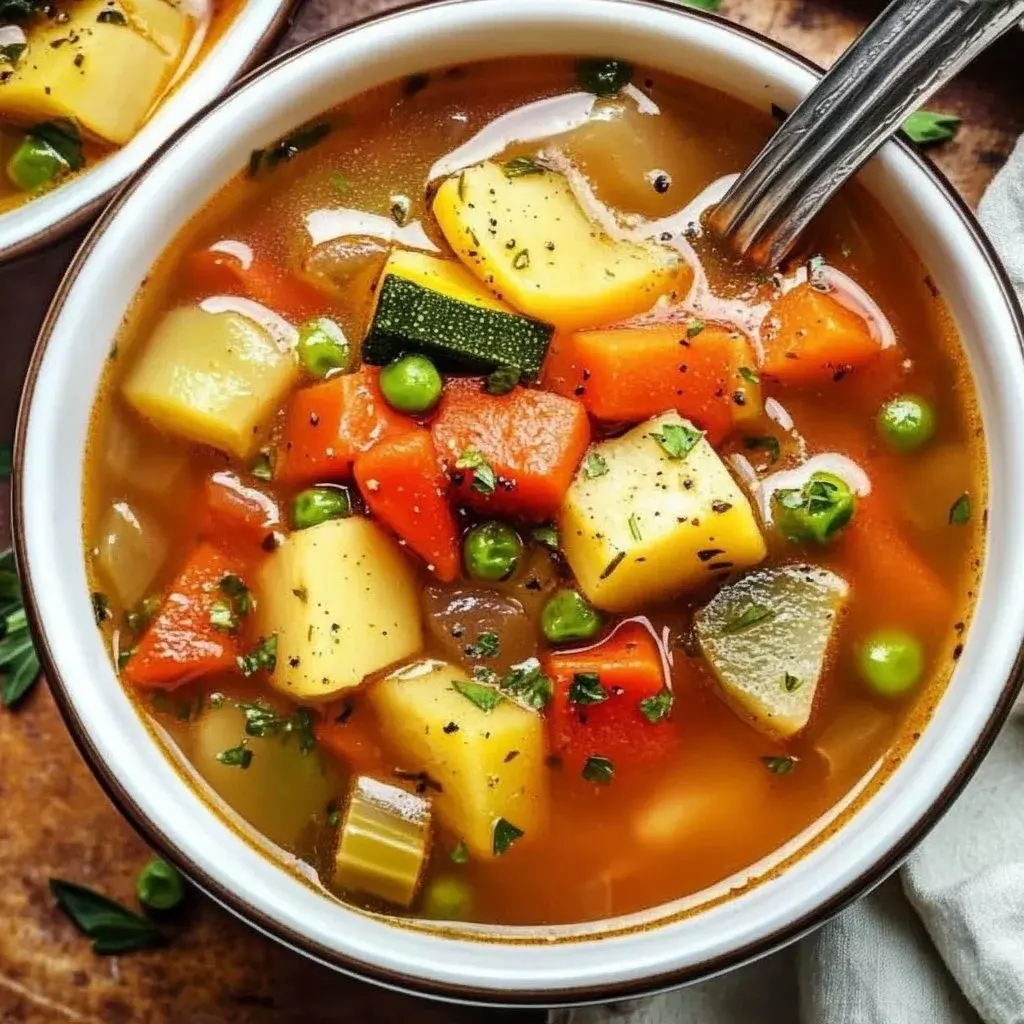
A warm bowl of Easy Vegetable Soup is like a comforting hug on a chilly evening. Whether you’re looking for a healthy meal or a way to clear out your fridge, this wonderful recipe checks every box. It’s packed with vibrant vegetables and aromatic herbs, delivering a wholesome experience that’s both nutritious and delicious.
The beauty of this recipe lies in its simplicity and the delightful fragrance that fills your kitchen as you prepare it. With just a handful of fresh ingredients, you can create a dish that brings family and friends together, nourishing both body and soul. This soup is more than just a meal; it’s a joyful experience that offers comfort and goodness in every spoonful.
Why You Will Love This Recipe
- Flavorful and Satisfying: An irresistible blend of vegetables and herbs creates a delightful taste experience that warms you from the inside out.
- Quick and Easy Preparation: Simple, straightforward steps make soup-making a breeze, perfect for weeknight dinners or when you need a speedy yet wholesome meal.
- Nutritionally Rich: Packed with a variety of vitamins and minerals from fresh produce, this soup is a fantastic way to boost your immune system and support overall health.
- Vegan and Healthy: A guilt-free, plant-based choice that caters to healthy eating lifestyles without compromising on taste or satisfaction.
- Highly Customizable: Use your favorite seasonal vegetables or whatever you have on hand, allowing you to tailor the soup to your exact preferences and available ingredients.
Ingredients You Need
The foundation of a truly exceptional soup lies in the quality of its ingredients. For this Easy Vegetable Soup, we emphasize fresh, vibrant produce that, when combined, creates a symphony of flavors and textures. Selecting ripe vegetables ensures that each bite is bursting with natural sweetness and goodness, making the final dish both healthy and incredibly delicious. The simple yet effective seasoning allows the natural flavors of the vegetables to shine through, creating a comforting and satisfying meal for any occasion.
Easy Vegetable Soup
A warm bowl of Easy Vegetable Soup is like a comforting hug on a chilly evening. Whether you’re looking for a healthy meal or a way to clear out your fridge, this wonderful recipe checks every box. It’s packed with vibrant vegetables and aromatic herbs, delivering a wholesome experience that’s both nutritious and delicious. The beauty of this recipe lies in its simplicity. With just a handful of fresh ingredients, you can create a dish that brings family and friends together.
- 2 Tbsp olive oil
- 1 medium onion, diced
- 4 medium carrots, peeled and sliced
- 3 ribs celery, sliced
- 4 cloves garlic, minced
- 3 cups vegetable broth (or more, depending on desired consistency)
- 3 medium potatoes, peeled and diced
- 1 ½ cups green beans, fresh and chopped
- 2 (14.5-oz) cans diced tomatoes, with their juices
- 1 cup frozen peas
- 1 cup frozen corn
- 2 tsp Italian seasoning
- 1 tsp salt, or to taste
- 2 Tbsp fresh lemon juice (optional but recommended)
- 1Heat olive oil in a large pot over medium heat. Add the onion, carrots, and celery, and sauté until softened, about 5 minutes.
- 2Add the garlic, Italian seasoning, salt, and pepper. Cook for another 30 seconds until fragrant.
- 3Stir in the potatoes, green beans, diced tomatoes (with juice), and the vegetable broth. Bring to a boil.
- 4Reduce heat to a simmer, cover, and cook for about 20 minutes or until the potatoes are fork-tender.
- 5Add the frozen peas and corn, stir, and cook for another 5–7 minutes until heated through.
- 6Turn off the heat. Stir in the fresh lemon juice (if using) and chopped parsley.
- 7Serve hot. Adjust seasoning to taste before serving.
Keywords: Easy, Healthy, One-Pot, Vegetable Soup
- olive oil: a small amount to sauté the aromatics and build a flavor base.
- onion: provides a foundational sweetness and savory depth to the soup.
- carrots: add a touch of sweetness and a vibrant color, contributing essential vitamins.
- celery stalks: offer a subtle savory note and a pleasant crunch, enhancing the soup’s texture.
- garlic cloves: impart a pungent aroma and robust flavor that is crucial to most savory dishes.
- vegetable broth: forms the liquid base, carrying all the flavors and melding them together.
- diced tomatoes: contribute acidity and a rich, fruity undertone, along with liquid.
- green beans: add a fresh, slightly earthy flavor and a nice pop of green color.
- zucchini: provides a delicate texture and absorbs flavors beautifully, adding bulk without overpowering.
- dried basil: offers a sweet, slightly peppery, and minty aromatic quality.
- dried oregano: lends an earthy, slightly bitter, and pungent flavor that complements the vegetables.
- salt: enhances all the other flavors in the soup, bringing them into balance.
- pepper: adds a touch of warmth and subtle spice to the overall taste profile.
The precise quantities for these wonderful ingredients are all conveniently listed within the recipe card, ensuring you have everything you need for a perfect batch.
Variations
This Easy Vegetable Soup is a canvas for culinary creativity, easily adaptable to suit different dietary needs and taste preferences. Imagine transforming it into a hearty vegan delight or a lighter, low-carb option. These variations ensure that the soup remains a versatile and beloved staple in your kitchen, catering to everyone at the table.
Vegan Delight: To make this soup fully vegan, simply ensure your vegetable broth is plant-based. You can also boost the protein and creaminess by adding a can of rinsed and drained chickpeas or white beans towards the end of the simmering time. A touch of nutritional yeast can also add a cheesy, savory dimension without any dairy. This ensures a robust and satisfying meal that adheres to vegan principles.
Low-Carb Adaptation: For those watching their carbohydrate intake, swap the potatoes for lower-carb vegetables like cauliflower florets or additional zucchini and bell peppers. You can also increase the amount of leafy greens, such as spinach or kale, which are packed with nutrients and very low in carbs. This modification allows you to enjoy a nutrient-dense soup while staying within your dietary goals. The flavors will remain vibrant and satisfying.
Spicy Kick: If you enjoy a bit of heat, this soup is an excellent base for adding some spice. Sautéing a finely chopped jalapeño or serrano pepper along with the onions and carrots will infuse a gentle warmth. Alternatively, stir in a pinch of red pepper flakes or a dash of your favorite hot sauce during the simmering stage. This variation transforms the comforting soup into a zesty and invigorating dish, perfect for those who love a little fire.
How to Prepare easy vegetable soup
Step 1: Gather and Prepare Your Vegetables
The journey to a perfect Easy Vegetable Soup begins with the careful selection and preparation of your fresh produce. Start by thoroughly washing all the vegetables under cool running water to remove any dirt or residues. This initial step is crucial for ensuring the cleanliness and safety of your ingredients, setting the stage for a delicious and healthy meal. Proper preparation enhances both the visual appeal and the taste of the final soup.
Next, focus on the chopping. Dice the onion into small, uniform pieces, ensuring it will soften evenly during the sautéing process. Slice the carrots and celery into consistent rounds or half-moons; this uniformity is key for even cooking and ensures that each spoonful has a balanced mix of vegetables. Aim for bite-sized pieces that are easy to eat and pleasant in texture. The goal is to create a harmonious blend where no single vegetable piece is overwhelmingly large or small.
Mince the garlic cloves finely. The smaller they are, the more their flavor will distribute throughout the soup. Keep the minced garlic separate for now, as it will be added later to prevent it from burning. For the zucchini, chop it into similar bite-sized pieces as the other vegetables, ensuring it cooks through without becoming mushy. These precise preparations lay the groundwork for a flavorful and well-textured soup that is a joy to eat.
Step 2: Build the Flavor Base
Begin by heating one tablespoon of olive oil in a large pot or Dutch oven over medium heat. The olive oil acts as a conductor for heat and a flavor enhancer, providing a smooth foundation for the aromatics. Once the oil is shimmering and warm, carefully add the chopped onions, sliced carrots, and celery. These hardy vegetables will form the aromatic core of your soup.
Sauté these vegetables for approximately 5 to 7 minutes. Stir them occasionally to ensure they cook evenly and do not stick to the bottom of the pot. You are looking for them to become softened and translucent, releasing their natural sugars and developing a more mellow, sweeter flavor. This gentle cooking process is essential for developing a deep flavor profile that will permeate the entire soup. Don’t rush this step; it’s where much of the soup’s character is built.
The softened vegetables will start to release a wonderful aroma, filling your kitchen with the promise of a delicious meal to come. This stage is critical for extracting the best possible flavor from these foundational ingredients. Their slight caramelization adds a depth that simply boiling them wouldn’t achieve, setting a rich base for the rest of the ingredients.
Step 3: Infuse with Garlic and Herbs
Once the onions, carrots, and celery have softened beautifully, it’s time to introduce the pungent magic of garlic. Add the minced garlic to the pot and stir it in with the sautéed vegetables. Cook for just another minute, stirring constantly. Garlic is potent, and cooking it for too short a time will leave it raw and sharp, while cooking it for too long will make it bitter.
The aroma that emerges as the garlic cooks is truly intoxicating; it blends with the sweetness of the onions and the earthy notes of the carrots and celery, creating a complex and inviting fragrance. This brief cooking period allows the garlic’s essential oils to release, infusing the entire pot with its distinctive flavor. Be sure to stir constantly to prevent the delicate garlic from scorching, which would impart an unpleasant burnt taste to your soup.
Following the garlic, stir in the dried basil and dried oregano. These herbs are key to the classic flavor profile of many vegetable soups. Toasting them lightly in the hot oil and vegetable mixture for about 30 seconds awakens their aromatic compounds, intensifying their flavor. This quick “blooming” process ensures that their herbaceous notes are fully integrated into the soup, adding layers of complexity and freshness that make the soup truly sing.
Step 4: Add the Liquids and Tomatoes
Now, it’s time to introduce the liquid elements that will bring your soup together. Pour in the vegetable broth, ensuring it covers the sautéed vegetables generously. If you prefer a thinner soup, you can always add a little more broth later, but start with the recommended amount to establish a good balance. The broth will carry all the developed flavors throughout the soup.
Next, add the can of diced tomatoes, including their juices. The tomatoes bring a touch of acidity and a wonderful depth of flavor that balances the earthiness of the vegetables and herbs. Stir everything together thoroughly, ensuring that the sautéed aromatics and herbs are well distributed throughout the broth. This thorough stirring helps to deglaze the pot, picking up any flavorful bits that may have adhered to the bottom during sautéing.
The mixture should now be a beautiful array of colors, with the rich broth, bright tomatoes, and softened vegetables starting to meld. This step combines the foundational flavors with the primary liquid components, creating the perfect base for the rest of the vegetables to simmer and soften in. The interplay of savory broth and tangy tomatoes sets a robust flavor profile for the soup.
Step 5: Incorporate the Remaining Vegetables
With the liquid base established, it’s time to add the remaining fresh vegetables. Add the chopped green beans and the bite-sized zucchini pieces to the pot. These vegetables are added now because they cook relatively quickly and you want them to retain a slight bite rather than becoming overly soft or mushy. Their vibrant colors will also add visual appeal to the soup.
Stir these additions into the soup, making sure they are submerged in the broth and nestled amongst the other ingredients. Gently mix them in so that all the vegetables have an opportunity to cook evenly and absorb the delicious flavors that have already begun to develop. The goal is to create a harmonious medley where each vegetable contributes its unique texture and taste.
Observe how the vegetables start to mingle with the broth, tomatoes, and aromatics. This is where the soup truly begins to take shape, transforming from individual components into a cohesive and comforting dish. The fresh green beans will add a bright vegetal note, while the zucchini will soften beautifully and add body to the soup. The visual appeal of the colorful vegetables against the rich broth is also a key part of the enjoyment.
Step 6: Season and Simmer to Perfection
Now that all the primary ingredients are in the pot, it’s time to season the soup to perfection. Add salt and freshly ground black pepper to taste. Remember that broths can vary in their salt content, so it’s always best to season gradually and taste as you go. You can always add more, but you can’t take it away.
Stir the salt and pepper into the soup, ensuring they are evenly distributed. This is the moment where you elevate the soup from simply cooked ingredients to a dish with depth and character. Proper seasoning is paramount for bringing out the natural flavors of the vegetables and harmonizing the entire soup. Don’t be afraid to be generous, but always start conservatively and adjust as needed.
Once seasoned, bring the entire mixture to a rolling boil over medium-high heat. This initial boil helps to rapidly heat the soup through and encourages the flavors to start melding together quickly. It also ensures that any impurities from the vegetables are brought to the surface, where they can be skimmed off if desired, though this is usually not necessary for a simple vegetable soup. This stage is an exciting part of the cooking process, signaling that the soup is nearing readiness.
Step 7: The Simmering Process
After reaching a boil, reduce the heat to low, cover the pot with a lid, and let the soup simmer gently for about 20 to 25 minutes. This simmering period is crucial for allowing the vegetables to become tender without disintegrating. A gentle simmer, with just a few bubbles breaking the surface, is ideal for slow cooking and flavor development.
During this time, the flavors will continue to meld and deepen. The vegetables will soften to the perfect consistency, and the broth will become infused with all the delicious essences. Resist the urge to stir too frequently, as this can break down the vegetables prematurely. A gentle stir once or twice during the simmering time is usually sufficient to prevent sticking.
The aroma that fills your kitchen during this stage is incredibly comforting and inviting. It’s the smell of wholesome, home-cooked goodness. This patient simmering process is what transforms simple ingredients into a rich, satisfying soup. It allows the textures to soften just enough, creating a pleasant mouthfeel for each spoonful of soup.
Step 8: Taste and Adjust for Final Perfection
Once the vegetables are tender, carefully remove the lid and taste the soup. This is perhaps the most important step in ensuring your soup is absolutely perfect. Use a clean spoon to sample the broth and some of the vegetables.
Is the salt level just right? Does it need a bit more pepper for warmth? Perhaps a touch more dried herb? This is your chance to fine-tune the flavors to your exact liking. Don’t be shy about making adjustments; this is what personalizes the soup and makes it uniquely yours. If it tastes a little flat, a tiny pinch more salt can work wonders.
If you find the soup needs a little brightness, consider adding a squeeze of fresh lemon juice just before serving. Lemon juice cuts through the richness and lifts all the flavors, adding a vibrant finish. This final taste test and adjustment ensure that every spoonful is as delicious as the last, delivering a truly satisfying culinary experience.
Pro Tips for easy vegetable soup
Use Fresh Herbs for Maximum Flavor: While dried herbs are convenient and work well, consider adding fresh herbs like parsley, thyme, or dill towards the end of cooking or as a garnish. Fresh herbs provide a brighter, more vibrant flavor that can elevate your soup to the next level. Their delicate aroma and taste offer a refreshing contrast to the cooked vegetables and broth.
Don’t Skimp on the Aromatics: The initial sautéing of onions, carrots, and celery is crucial. This step builds a deep flavor base that will permeate the entire soup. Allowing them to soften and become slightly translucent ensures their sweetness is released, creating a richer, more complex broth. A little patience here pays significant dividends in the final taste.
Consider Adding Legumes or Grains: For a heartier soup, feel free to add a can of rinsed chickpeas or white beans, or even a handful of small pasta or quinoa during the last 10-15 minutes of simmering. This not only adds extra protein and fiber but also changes the texture and satiety of the soup, making it a more complete meal. It’s a simple way to boost nutritional value.
Taste and Adjust Seasoning Throughout: Seasoning is not a one-time event. Taste your soup at different stages of cooking, especially after adding liquids and again before serving. Broths can vary in saltiness, and vegetables release their own natural flavors as they cook. Adjusting salt, pepper, and herbs as you go ensures a perfectly balanced final dish. This iterative process is key to culinary success.
Embrace Seasonal Produce: This recipe is incredibly forgiving and adaptable. Use vegetables that are in season for the best flavor and value. In the summer, add corn, bell peppers, or squash. In the fall, consider adding sweet potatoes or a pinch of cinnamon for a warmer note. Seasonal ingredients are at their peak, ensuring the most vibrant and delicious soup.
Serving Suggestions for easy vegetable soup
Decoration
The visual appeal of a soup can be just as important as its taste. A simple garnish can transform a humble bowl of vegetable soup into a restaurant-worthy dish. Freshly chopped parsley, chives, or cilantro add a pop of vibrant green color and a burst of fresh aroma. A swirl of good quality olive oil or a dollop of plain Greek yogurt or sour cream can add richness and visual interest. A sprinkle of toasted croutons or a grating of Parmesan cheese (if not making it strictly vegan) also provides a pleasing textural contrast.
Side Dishes
Easy Vegetable Soup pairs wonderfully with a variety of side dishes, making it a complete and satisfying meal. Crusty bread, whether a baguette, sourdough, or a rustic country loaf, is a classic accompaniment, perfect for soaking up every last drop of flavorful broth. A simple green salad with a light vinaigrette offers a refreshing contrast to the warmth of the soup. For a more substantial meal, consider serving it alongside grilled cheese sandwiches or savory muffins. These combinations provide textural variety and complementary flavors.
Creative Serving Ideas
Think beyond the basic bowl! Serve this soup in hollowed-out bread bowls for a fun and rustic presentation, perfect for picnics or casual gatherings. For a lighter option, serve smaller portions as an appetizer before a main course. You can also serve it chilled as a refreshing gazpacho-style soup during warmer months, blending some of the cooked vegetables with the broth for a smoother consistency. Another idea is to serve it as part of a tasting menu with smaller portions of different soup varieties. This makes any meal feel special.
Preparation & Storage
Storing Leftovers
To store any leftover Easy Vegetable Soup, allow it to cool completely at room temperature before transferring it to an airtight container. This step is important to prevent condensation from forming, which can affect the soup’s texture and shorten its shelf life. Once cooled, seal the container tightly and refrigerate.
Properly stored leftovers will typically last for 3 to 4 days in the refrigerator. The flavors often meld and deepen over time, making the soup just as delicious, if not more so, the next day. Ensure the container is well-sealed to prevent the soup from absorbing odors from other foods in the fridge.
When you are ready to enjoy the leftovers, it’s best to reheat them thoroughly. This ensures that any potential bacterial growth is eliminated and that the soup is served at a safe and enjoyable temperature. Always check for any signs of spoilage, such as off odors or mold, before reheating and consuming.
Freezing
Easy Vegetable Soup freezes exceptionally well, making it an excellent candidate for batch cooking and meal prepping. Allow the soup to cool completely before portioning it into freezer-safe containers or heavy-duty freezer bags. Leaving a little headspace in the container is advisable, as liquids expand when frozen.
Label each container with the date and contents to keep track of your frozen meals. Properly frozen soup can maintain its quality for up to 3 months. For best results, try to remove as much air as possible from freezer bags to prevent freezer burn. This method ensures you have a healthy and delicious meal ready to go whenever you need it.
When freezing, consider portioning the soup into individual servings if you typically eat it alone, or in larger batches if you plan to share. This makes it easier to thaw only the amount you need at any given time, reducing waste and ensuring convenience. Using high-quality freezer containers will also help maintain the soup’s texture and flavor integrity over time.
Reheating
To reheat refrigerated leftovers, pour the soup into a saucepan and warm it gently over medium-low heat, stirring occasionally, until it is heated through. Avoid boiling the soup vigorously, as this can sometimes break down the vegetables too much or cause the broth to become cloudy.
If reheating from frozen, the best method is to thaw the soup in the refrigerator overnight first. Once thawed, reheat it on the stovetop as described above. Alternatively, you can reheat frozen soup directly in a saucepan over low heat, stirring frequently to break up any ice crystals and ensure even heating. This may take a bit longer than reheating refrigerated soup.
For a quick reheat, you can also use the microwave. Place the desired amount of soup in a microwave-safe bowl, cover it loosely, and heat on medium power in 1-2 minute intervals, stirring between each interval, until hot. Always ensure the soup is steaming hot all the way through before serving to eliminate any potential food safety concerns.
Frequently Asked Questions
-
Can I prepare this Easy Vegetable Soup ahead of time?
Absolutely! This soup is an excellent candidate for making ahead. In fact, many believe that the flavors meld and deepen overnight, making it even more delicious when reheated. It’s perfect for busy weekdays when you want a healthy, homemade meal without the fuss of cooking from scratch each day.
-
Is it possible to freeze Easy Vegetable Soup?
Yes, this soup freezes wonderfully. Once cooled, portion it into airtight, freezer-safe containers or heavy-duty freezer bags. Leave a little headspace for expansion, as liquids can expand when frozen. Properly stored, it can retain its quality in the freezer for up to three months, offering a convenient and wholesome meal option down the line.
-
How long does Easy Vegetable Soup last in the refrigerator, and what are the best substitutions for ingredients?
When stored correctly in an airtight container in the refrigerator, Easy Vegetable Soup will typically last for 3 to 4 days. As for substitutions, feel free to swap out vegetables based on what you have available or your personal preferences; zucchini can be replaced with yellow squash, green beans with peas, or even hearty greens like kale or spinach can be added. Vegetable broth can be substituted with chicken broth if preferred, or for a vegan option, ensure it’s plant-based. The key is to maintain a good balance of textures and flavors.