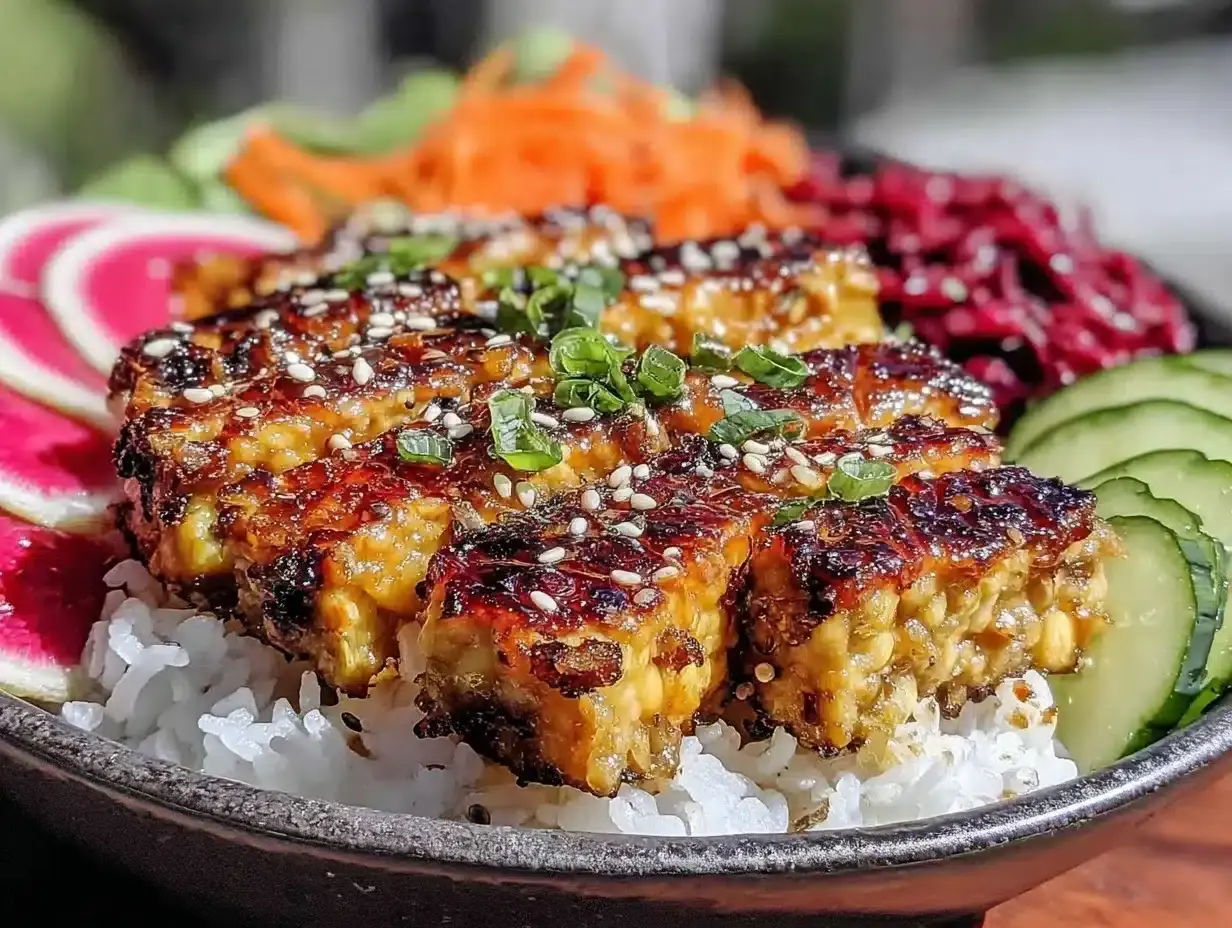
Crispy Teriyaki Tempeh Bowl Easy Recipe for Quick Healthy Weeknights
One chaotic Thursday evening, I found myself staring blankly into my fridge, trying to conjure up something quick, healthy, and actually exciting for dinner. My usual go-to of throwing together a salad felt uninspired, and ordering out was out of the question since I was craving something wholesome. That’s when I remembered a block of tempeh I’d bought on a whim, deciding to whip up a vibrant, flavorful, and totally doable crispy teriyaki tempeh bowl.
The first time I made this recipe, I was skeptical that tempeh could get crispy enough on a weeknight schedule without deep-frying or complicated prep. Spoiler: it absolutely can, thanks to a simple pan-frying technique paired with a sticky, savory teriyaki glaze that clings perfectly to every bite. Toss in some tangy, quick-pickled veggies, and you’ve got a bowl that’s bursting with textures and flavors—crunchy, sweet, salty, and bright all at once, making it a true culinary revelation.
Why You Will Love This Recipe
- Quick Preparation: Dinner is on the table in under 30 minutes, perfect for busy weeknights when time is of the essence and hunger strikes fast.
- Balanced Flavors: The sweet and savory teriyaki glaze perfectly complements the earthy tempeh, while the pickled vegetables add a delightful acidic counterpoint that awakens the palate with every forkful.
- Nutrient-Rich Protein: Tempeh is a fantastic source of plant-based protein and fiber, ensuring you feel satisfied and energized without any heaviness.
- Customizable & Versatile: Easily adapt this recipe with your favorite vegetables or pantry staples, making it a go-to option that always feels fresh and new.
- Effortless Cleanup: With most of the cooking happening in a single pan, you’ll spend less time scrubbing and more time enjoying your delicious meal.
Ingredients You Need
The magic of this crispy teriyaki tempeh bowl lies in the quality and thoughtful combination of its ingredients. Prioritizing fresh produce and flavorful pantry staples ensures a dish that is not only healthy but also incredibly satisfying. Even simple substitutions can lead to wonderfully unique flavor profiles, so don’t be afraid to experiment with what you have available.
Crispy Teriyaki Tempeh Bowl with Quick Pickled Vegetables
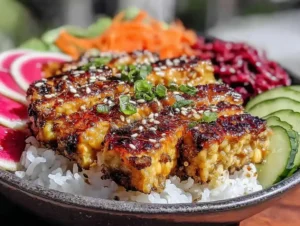
A quick, healthy, and flavorful weeknight dinner featuring crispy pan-fried tempeh glazed with a sticky teriyaki sauce, served with quick pickled vegetables and rice. This dish is packed with plant-powered protein and vibrant, tangy flavors.
- 8 oz (225g) tempeh
- 1/4 cup (60ml) soy sauce or tamari
- 2 tablespoons (30ml) maple syrup
- 1 tablespoon (15ml) rice vinegar
- 2 cloves garlic, minced
- 1 teaspoon fresh ginger, grated
- 1 teaspoon (5ml) sesame oil
- 1 teaspoon (3g) cornstarch
- 1/2 cup (120ml) rice vinegar (for pickling)
- 1 tablespoon (12g) sugar
- 1 teaspoon (6g) salt
- 1 medium cucumber, thinly sliced
- 1 small carrot, julienned
- 1/2 cup shredded red cabbage
- 2 cups cooked jasmine or brown rice (370g)
- 2 green onions, thinly sliced
- 1 tablespoon toasted sesame seeds
- Fresh cilantro or basil (optional)
- 1 tablespoon neutral oil (e.g., avocado or canola) for frying
- 1Prepare the Quick Pickled Vegetables: In a medium bowl, whisk together rice vinegar, sugar, and salt until dissolved. Add the thinly sliced cucumber, julienned carrot, and shredded red cabbage. Toss to coat evenly and let sit at room temperature while preparing the rest.
- 2Slice and Press the Tempeh: Slice the tempeh into 1/2-inch thick pieces or cubes. Pat dry with paper towels to remove moisture.
- 3Make the Teriyaki Sauce: In a small bowl, whisk together soy sauce, maple syrup, rice vinegar, minced garlic, grated ginger, and sesame oil. Set aside.
- 4Pan-Fry the Tempeh: Heat 1 tablespoon of neutral oil in a non-stick or cast iron skillet over medium-high heat. Add tempeh slices in a single layer without crowding. Cook undisturbed for 4-5 minutes until golden and crispy on one side, then flip and cook another 4 minutes.
- 5Glaze the Tempeh: Lower heat to medium. Pour teriyaki sauce over tempeh in the pan. Mix cornstarch with 1 tablespoon cold water and pour into the pan. Stir gently as sauce thickens and coats the tempeh.
- 6Assemble the Bowl: Spoon cooked rice into bowls. Top with glazed tempeh and quick pickled vegetables. Garnish with sliced green onions, toasted sesame seeds, and fresh herbs if using.
Keywords: teriyaki tempeh, crispy tempeh, quick weeknight dinner, healthy bowl, plant-based protein, vegan teriyaki, pickled vegetables
The precise quantities for each ingredient are detailed within the recipe card provided, ensuring perfect results every time you prepare this delightful dish.
Variations
For those seeking a spicier kick, incorporate a teaspoon of sriracha or chili garlic sauce directly into the teriyaki glaze. This adds a pleasant heat that complements the sweet and savory notes without overwhelming the dish, making it ideal for heat enthusiasts.
To embrace a low-carb lifestyle, substitute the traditional jasmine or brown rice with cauliflower rice. This light and fluffy alternative offers a similar texture and serves as an excellent base for the tempeh and vegetables, significantly reducing the carbohydrate count.
Consider adding a sprinkle of toasted chopped peanuts or cashews over the finished bowl for an extra layer of texture and richness. This simple addition brings a delightful crunch and a nutty depth that enhances the overall sensory experience of the dish.
For a refreshing twist, try quick-pickling thinly sliced radishes or bell peppers alongside the cucumber and cabbage. These vibrant additions bring unique flavors and textures, showcasing the recipe’s adaptability and your culinary creativity.
Embrace a gluten-free approach by swapping traditional soy sauce for tamari, a rich and savory gluten-free alternative. Ensure your cornstarch is also certified gluten-free, and you’ll have a delicious dish that caters to specific dietary needs without sacrificing flavor.
How to Prepare crispy teriyaki tempeh bowl
Step 1: Prepare the Quick Pickled Vegetables
In a medium-sized mixing bowl, begin by whisking together the rice vinegar, sugar, and salt until all the granules have completely dissolved. This foundational step ensures a smooth and evenly seasoned pickling liquid that will infuse the vegetables with a bright, tangy flavor.
Next, add your thinly sliced cucumber, julienned carrot, and finely shredded red cabbage to the bowl. Gently toss these colorful vegetables to ensure they are thoroughly coated with the vinegar mixture. Allowing them to sit at room temperature while you proceed with the other components of the dish ensures they develop a pleasant, slightly softened texture and absorb the delightful tang.
The pickling process is quite forgiving; feel free to toss the vegetables a few times as you prepare the tempeh. This continuous interaction helps distribute the acidic marinade evenly, creating a more complex and refreshing flavor profile. The resulting vegetables provide a crucial bright contrast to the rich teriyaki glaze and crispy tempeh.
Step 2: Slice and Press the Tempeh
Begin by slicing your block of tempeh into uniform ½-inch thick pieces or cubes, depending on your preferred presentation. Uniformity in size is key here, as it ensures that each piece cooks evenly and develops a consistently crispy exterior. Aim for pieces that are substantial enough to hold their shape during the cooking process but not so thick that they require excessive cooking time.
Once sliced, it’s crucial to pat the tempeh pieces dry with paper towels. Tempeh, by nature, can hold a fair amount of moisture, and removing this excess water is a vital step in achieving that coveted crispiness. This simple action prevents the tempeh from steaming in the pan, allowing it to achieve a beautiful golden-brown sear instead. This preparatory step is a small effort that yields significant results in texture.
For an even less dense and slightly spongier texture that some prefer, consider freezing the tempeh overnight and then thawing it before slicing and pressing. This freezer-then-thaw method alters the tempeh’s internal structure, making it more porous and receptive to marinades, though it’s entirely optional for this recipe’s success. Regardless of whether you freeze it, ensure it’s well-pressed to remove as much liquid as possible before cooking.
Step 3: Make the Teriyaki Sauce
In a small, clean bowl, combine the soy sauce (or tamari for a gluten-free option), pure maple syrup for natural sweetness, and a splash of rice vinegar to balance the flavors. This blend forms the savory foundation of your glaze, promising a rich umami depth that will coat the crispy tempeh beautifully.
Next, add the finely minced fresh garlic and grated fresh ginger to the mixture. These aromatic ingredients are essential for that authentic teriyaki character, providing a pungent warmth and zest that elevates the sauce. A teaspoon of fragrant sesame oil is then stirred in, lending its distinctive nutty aroma that is a hallmark of Asian-inspired cooking.
Whisk all these ingredients together thoroughly until they are completely combined into a homogenous liquid. This smooth, well-emulsified sauce is ready to be introduced to the pan, where it will transform into a luscious, sticky glaze that clings perfectly to the tempeh. Having the sauce pre-mixed saves precious time during the final cooking stages.
Step 4: Pan-Fry the Tempeh
Heat approximately one tablespoon of a neutral cooking oil, such as avocado or canola oil, in a non-stick or cast-iron skillet over medium-high heat. A well-heated pan is essential for achieving that satisfying crispy exterior on the tempeh; you want to hear a gentle sizzle as the pieces hit the surface.
Carefully place the pressed and sliced tempeh pieces into the hot skillet in a single layer, ensuring they are not overcrowded. Giving each piece ample space allows for even heat distribution and promotes superior browning and crisping. Resist the urge to move the tempeh immediately; let it cook undisturbed for about 4 to 5 minutes until a beautiful golden-brown crust forms on the bottom.
Once the first side is perfectly crisped, gently flip each piece of tempeh. Continue to cook the second side for another 3 to 4 minutes, until it also achieves a similar golden-brown hue and desirable crispiness. The goal is to develop a delightful textural contrast, with a satisfying crunch on the outside and a tender interior. Proper searing here is fundamental to the dish’s success.
Step 5: Glaze the Tempeh
Reduce the heat of the skillet to medium once the tempeh is beautifully browned and crispy on all sides. This lower heat prevents the glaze from burning and allows it to thicken properly, coating the tempeh in a luscious, sticky layer. It’s the moment where the tempeh truly transforms into a flavor powerhouse.
Now, pour the prepared teriyaki sauce directly over the tempeh pieces in the skillet. Swirl the pan gently to distribute the sauce evenly among the pieces. The aroma will instantly become more intense and inviting as the sweet and savory glaze begins to bubble and react with the heat.
To achieve the perfect glossy, thickened glaze, prepare a cornstarch slurry by mixing one teaspoon of cornstarch with one tablespoon of cold water in a tiny separate bowl until smooth. Pour this slurry into the simmering teriyaki sauce in the skillet. Stir gently and continuously; the sauce will thicken remarkably quickly, transforming into a rich, sticky coating that clings beautifully to every piece of tempeh, creating that signature “crispy teriyaki” effect.
Step 6: Assemble the Bowl
Begin by spooning a generous portion of your freshly cooked jasmine or brown rice into the bottom of your serving bowls. The fluffy rice serves as the perfect absorbent foundation, ready to soak up all the delicious teriyaki glaze and savory juices from the tempeh and vegetables.
Next, artfully arrange the crispy, glazed tempeh pieces on top of the rice. Follow this with a hearty helping of the tangy, quick-pickled vegetables, distributing them around the tempeh for a vibrant and visually appealing presentation. The contrast of textures and colors is key to making this bowl a feast for the eyes as well as the palate.
Finally, garnish your masterpiece with thinly sliced green onions, adding a fresh, sharp bite. Sprinkle toasted sesame seeds over the top for an added nutty crunch and visual appeal. If desired, a scattering of fresh cilantro or basil can provide a final burst of herbaceous brightness, completing this stunning and satisfying meal.
Pro Tips for crispy teriyaki tempeh bowl
Press Your Tempeh Thoroughly: Before slicing and cooking, take the time to press the tempeh gently between paper towels. This seemingly small step is crucial for removing excess moisture, which directly impacts how crispy the tempeh becomes. It allows the tempeh to sear rather than steam in the pan, leading to a much more satisfying texture.
Don’t Crowd the Pan: When pan-frying the tempeh, ensure there’s enough space between each piece. Overcrowding the skillet lowers the pan’s temperature and causes the tempeh to steam, resulting in a softer, less appealing texture. Cook in batches if necessary to achieve optimal crispiness.
Taste and Adjust the Glaze: The teriyaki sauce is highly adaptable. After whisking the ingredients, taste a tiny bit. If it’s too salty, add a touch more maple syrup or vinegar. If it’s too sweet, a little more soy sauce or vinegar will balance it out. This ensures your glaze is perfectly suited to your palate.
The Cornstarch Slurry is Key: When thickening the teriyaki glaze, add the cornstarch slurry gradually. While it thickens quickly, adding too much can make the sauce gummy. Stir continuously as you add it, and stop once you reach your desired glossy, coating consistency.
Embrace Quick Pickling Variations: Don’t limit yourself to the suggested vegetables. Thinly sliced radishes, red onion, or even snap peas can be quick-pickled alongside the cabbage and cucumber for added variety and crunch. Experimentation here can lead to delightful new flavor combinations.
Serving Suggestions for crispy teriyaki tempeh bowl
Decoration
The visual appeal of your crispy teriyaki tempeh bowl is as important as its taste. Start with a scattering of thinly sliced fresh green onions over the top, their vibrant green adding a pop of color and a fresh, sharp aroma. Toasted sesame seeds are another essential garnish, providing a beautiful speckled finish and a delightful nutty crunch that complements the other textures.
For an extra touch of freshness and visual sophistication, consider a sprinkle of finely chopped fresh cilantro or basil leaves. These herbs not only enhance the flavor profile with their bright, herbaceous notes but also add another layer of green to the dish, making it look truly restaurant-worthy. A small drizzle of extra teriyaki glaze, if any remains, can add a glossy finish.
If you’re feeling particularly artistic, consider arranging the components in a visually pleasing manner. Perhaps place the glazed tempeh pieces in a neat row or fanned out, with the pickled vegetables nestled alongside. This thoughtful presentation elevates the simple weeknight meal into something special, making every bite a delightful experience.
Side Dishes
While the bowl is wonderfully complete on its own, a simple side of steamed edamame can add an extra boost of protein and a vibrant green hue. The slightly sweet, nutty flavor of edamame pairs beautifully with the teriyaki glaze and provides a pleasant textural contrast.
For a lighter accompaniment, consider a small, simple Asian-inspired slaw dressed with a light vinaigrette. Shredded cabbage, carrots, and a touch of ginger in a sesame-ginger dressing would offer a refreshing crunch that cuts through the richness of the tempeh.
If you desire a more substantial meal, a small portion of steamed broccoli or asparagus makes an excellent addition. These classic green vegetables offer a mild flavor and a tender-crisp texture that complements the bowl without competing with its main flavors. Ensure they are cooked al dente to retain their satisfying bite.
Creative Serving Ideas
Transform this bowl into a delightful appetizer by serving smaller portions in elegant martini glasses or small bowls. Top with just a few pieces of tempeh and a smaller mound of pickled vegetables for a sophisticated starter at gatherings. This miniature version maintains all the big flavors in a petite package.
For a fun, family-style meal, arrange all the components on a large platter or lazy Susan. Let everyone build their own bowl, choosing their preferred ratio of rice, tempeh, and pickled vegetables. This interactive approach makes mealtime more engaging, especially for children.
Consider repurposing the crispy teriyaki tempeh as a topping for salads or wraps. The glazed tempeh adds a satisfying protein punch and a burst of flavor that can transform a simple green salad or a whole-wheat wrap into a complete and exciting meal. It’s a versatile component that extends beyond the confines of the bowl.
Preparation & Storage
Storing Leftovers
Once cooled, store any leftover crispy teriyaki tempeh and quick-pickled vegetables in separate airtight containers in the refrigerator. Keeping them separate is key to preserving the crispiness of the tempeh and the crunch of the vegetables. This practice ensures that when you’re ready for seconds, the components retain their intended textures.
The tempeh and pickled vegetables will typically remain fresh and delicious for up to 3 days when stored properly. This makes the dish an excellent candidate for meal prepping lunches or ensuring you have a quick, healthy meal ready to go on a subsequent evening. Always check for any signs of spoilage before consuming.
If you have leftover cooked rice, it can also be stored in a separate airtight container in the refrigerator. Combining all the components just before reheating will help maintain the integrity of each element, from the crisp tempeh to the zesty vegetables.
Freezing
The cooked crispy teriyaki tempeh can be frozen successfully, though it’s important to note that its texture may change slightly upon thawing. For best results, allow the tempeh to cool completely before transferring it to a freezer-safe container or bag. Ensure it is well-sealed to prevent freezer burn.
However, the quick-pickled vegetables are not ideal for freezing, as the freezing and thawing process can render them soggy and significantly diminish their characteristic crunch. It’s best to store any leftover pickled vegetables fresh in the refrigerator and consume them within a few days. The cooked rice can also be frozen separately if you anticipate having large quantities of leftovers.
When freezing the tempeh, consider portioning it into individual servings. This allows you to thaw and reheat only what you need, minimizing the impact of repeated freezing and thawing on the quality of the tempeh. This strategic approach ensures you can enjoy the flavors of the dish again with minimal effort.
Reheating
To best revive the crispiness of the reheated tempeh, avoid using the microwave, which tends to make it soft and unappealing. Instead, heat a small amount of neutral oil in a non-stick skillet over medium-high heat. Add the tempeh and cook for 2-3 minutes per side, until it is heated through and has regained some of its original crispiness.
If you’re in a significant rush, a microwave can be used, but expect a softer texture. Place the tempeh on a microwave-safe plate and heat in short bursts, checking frequently to prevent overcooking. A sprinkle of sesame seeds after reheating can add back some textural interest.
The pickled vegetables are best served cold, so they don’t require reheating. Simply retrieve them from the refrigerator just before assembling your reheated bowl. If the rice has been refrigerated, it can be reheated gently in the microwave or a small saucepan with a splash of water until warmed through.
Frequently Asked Questions
-
Can I make the pickled vegetables ahead of time?
Absolutely! In fact, the pickled vegetables often taste even better if they have had a chance to marinate for a few hours or even overnight in the refrigerator. This allows the flavors to meld and deepen, resulting in a more complex and satisfying tang. Store them in an airtight container, and simply give them a good toss before serving to redistribute the brine. This makes them a fantastic component for meal prepping, ensuring you always have a bright, flavorful element ready to go.
-
What if I don’t have rice vinegar for the pickling liquid? Can I substitute it with something else?
While rice vinegar is ideal due to its mild, slightly sweet, and less acidic profile which perfectly complements Asian-inspired flavors, you can use substitutes in a pinch. Apple cider vinegar or standard white distilled vinegar can be used, but be aware that they have a stronger, sharper taste. You might want to reduce the quantity slightly or balance the acidity with a touch more sugar if using a harsher vinegar. The key is to achieve a pleasant tanginess that brightens the dish without overpowering the other delicate flavors.
-
How do I ensure the tempeh gets extra crispy without deep frying? What are the crucial steps?
Achieving incredibly crispy tempeh without deep frying is all about moisture control and proper cooking technique. First, ensure you press the tempeh thoroughly to remove as much excess water as possible before slicing; this is perhaps the most critical step. Second, slice the tempeh into uniform ½-inch thick pieces to guarantee even cooking. Third, heat your skillet with oil over medium-high heat until shimmering before adding the tempeh, and critically, do not overcrowd the pan. Allow each piece ample space to develop a golden-brown crust without steaming. Patience is rewarded here; resist the urge to move the tempeh too frequently during the initial searing process, letting it build that satisfying crispness naturally.