
Ultimate Chickpea Stew: A Delicious Vegan Comfort Food
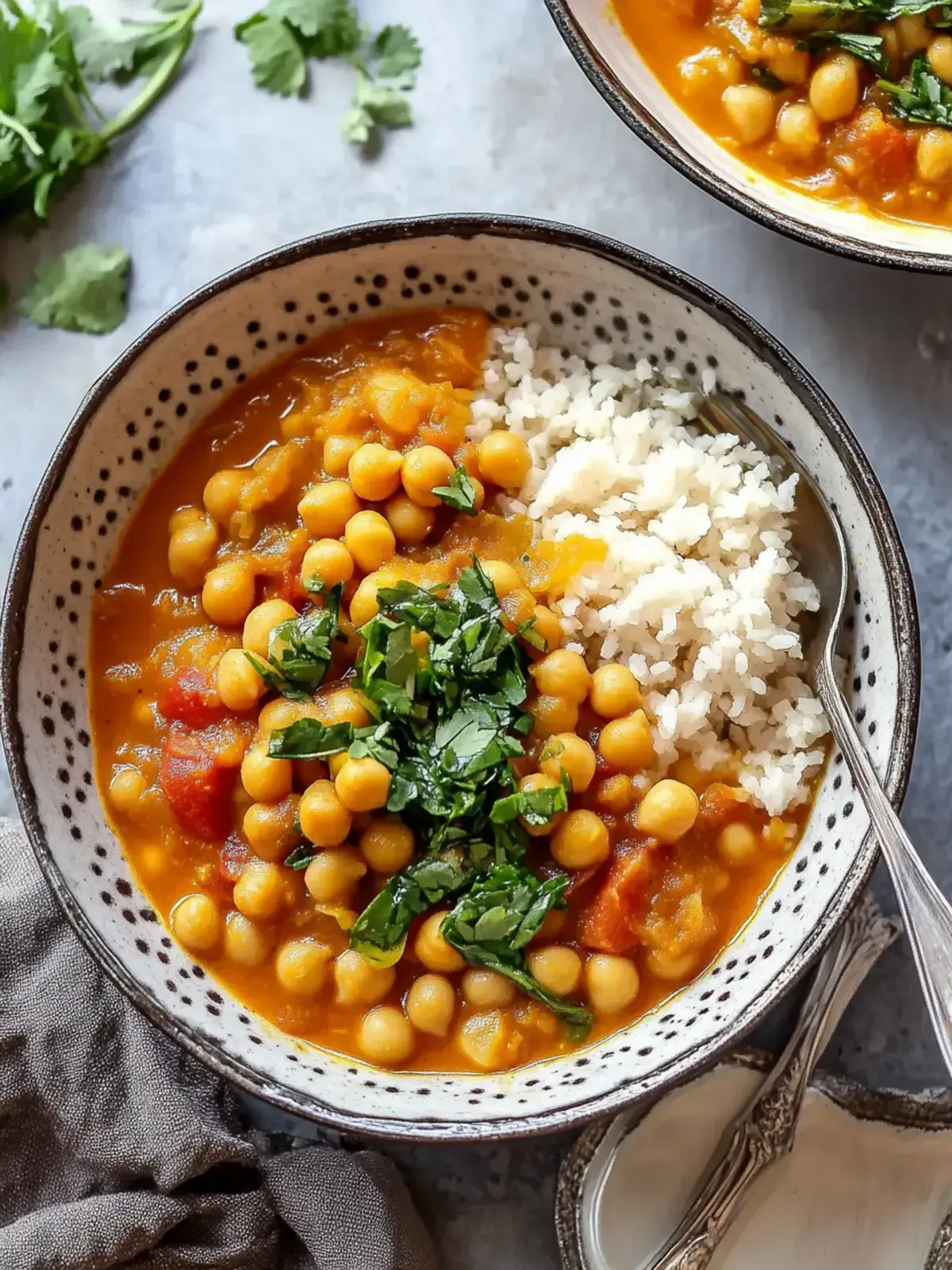
The moment the rich, aromatic flavors of Ethiopian Shiro Wat waft through your kitchen, it’s like an invitation to experience a warm embrace of comfort food. This creamy chickpea stew, brimming with the distinctive Berbere spice blend, not only warms your soul but also nourishes your body. I discovered this gem after a long week of uninspiring meals filled with fast food; I craved something that was both filling and heartfelt.
Every scoop of Shiro Wat is a celebration of the vibrant Ethiopian culture, and it’s incredibly easy to whip up, making it the perfect choice for a cozy weeknight dinner. Whether you’re new to plant-based eating or a seasoned vegan, this dish promises an explosion of flavor while being naturally gluten-free and protein-packed. Let’s dive in and transform your dinner table into a lively Ethiopian feast that’s sure to delight your taste buds and impress every guest!
Why You Will Love This Recipe
- Rich Flavor Profile: Experience the complex and warming notes of Berbere spice blended with the earthiness of chickpeas for an unforgettable taste. This stew is a true culinary adventure, transporting your senses with every spoonful.
- Comforting Creaminess: The use of chickpea flour creates a wonderfully smooth and satisfyingly creamy texture that is both hearty and luxurious. It’s the kind of dish that makes you feel good from the inside out.
- Naturally Vegan & Gluten-Free: This recipe is a fantastic option for those with dietary restrictions, offering a delicious and wholesome meal that everyone can enjoy. It proves that plant-based eating can be incredibly flavorful and satisfying.
- Quick & Easy Preparation: Despite its complex flavor, this stew comes together relatively quickly, making it an ideal choice for busy weeknights. You can have a deeply satisfying meal on the table in under an hour.
- Versatile & Customizable: Easily adapt this recipe to your liking by adjusting spice levels or adding your favorite vegetables. It’s a forgiving dish that welcomes your personal touch, making it your own unique creation.
Ingredients You Need
Crafting an exceptional Creamy Chickpea Stew begins with selecting high-quality ingredients that bring out the authentic flavors of Ethiopian cuisine. The cornerstone of this dish is chickpea flour, which provides the signature creamy texture and a subtle, nutty base. The aromatic Berbere spice mix is non-negotiable, delivering warmth, depth, and a hint of heat that defines the stew’s character. Fresh ginger adds a bright, zesty contrast, cutting through the richness and enhancing the overall flavor profile beautifully.
Creamy Chickpea Stew: A Vegan Comfort Food Delight
Experience a warm embrace of comfort food with this creamy chickpea stew, brimming with the distinctive Berbere spice blend. This dish not only warms your soul but also nourishes your body, making it a perfect choice for a cozy weeknight dinner. Naturally gluten-free and protein-packed, it promises an explosion of flavor.
- 1 cup Chickpea Flour
- 2 tablespoons Berbere Spice Mix
- 1 inch Fresh Ginger
- 3 cups Vegetable Broth or Water
- 2 tablespoons Olive Oil
- Salt to taste
- 1In a pot over medium heat, warm the olive oil until it shimmers, about 1-2 minutes.
- 2Add the grated ginger to the pot and sauté for about 1 minute until fragrant.
- 3Stir in the Berbere spice mix, cooking for an additional minute to release its deep, aromatic qualities.
- 4Gradually whisk in the chickpea flour, making sure no lumps remain. This will create the creamy, thick foundation of your stew.
- 5Slowly add the vegetable broth or water, stirring continuously until a smooth consistency is achieved, about 2-3 minutes.
- 6Bring the mixture to a gentle boil, then reduce the heat to a simmer. Allow it to cook for 15-20 minutes, stirring occasionally until thickened and creamy.
- 7Taste and adjust the salt as needed.
- 8Serve hot, garnished with fresh herbs if desired.
Keywords: chickpea stew, vegan, gluten-free, ethiopian, comfort food, berbere, protein-rich, weeknight dinner
- chickpea flour: the essential base for authentic flavor and creamy texture; avoid substitutes for the best results.
- berbere spice mix: key seasoning that brings depth and warmth; adjust the amount for your desired spice level.
- fresh ginger: adds a zesty punch; always choose fresh for optimal flavor.
- vegetable broth or water: use vegetable broth for a richer taste, enhancing the stew’s overall flavor profile.
- olive oil: ideal for sautéing and enriching the stew; you may substitute with a neutral oil if preferred.
- salt: adjust to taste as it elevates the dish’s overall flavor and balances the spices.
The exact quantities for these vital components are detailed within the recipe card, ensuring precision for a perfect outcome every time you prepare this delightful dish.
Variations
Elevate your Creamy Chickpea Stew experience by exploring a world of delicious variations that cater to different tastes and dietary preferences. These creative twists ensure that your comfort food can be endlessly enjoyed, offering new flavor dimensions while maintaining the dish’s inherent warmth and heartiness.
For a vibrant, nutrient-dense meal, consider the Vegetable Boost variation. This involves incorporating a generous handful of finely chopped spinach, diced carrots, or colorful bell peppers into the stew during the simmering process. These vegetables not only add a delightful burst of color and visual appeal but also contribute essential vitamins and minerals, transforming your stew into an even more wholesome and satisfying dish.
If you’re looking for a change in texture and earthy depth, the Lentil Twist offers an inspired alternative. Instead of chickpea flour, try substituting with ground lentils, such as red or brown lentils. This substitution will maintain the stew’s thick and hearty consistency while introducing a wonderfully robust and slightly different flavor profile. It’s a fantastic way to add variety and protein to your plant-based meals, offering a unique take on a beloved classic.
To explore a luxurious, richer experience, the Coconut Creamy variation is an absolute delight. Towards the end of the cooking time, stir in a splash of full-fat coconut milk. This addition will lend an incredible creaminess and a subtle, tropical sweetness that beautifully complements the savory spices. It transforms the stew into an even more decadent and comforting bowl, perfect for those moments when you crave an extra layer of indulgence.
How to Prepare Creamy Chickpea Stew
Step 1: Building the Aromatic Base
Begin by selecting a sturdy, heavy-bottomed pot or Dutch oven, as this will ensure even heat distribution and prevent scorching. Heat the olive oil over medium heat until it shimmers, a visual cue that it’s ready to begin the sautéing process. This initial warming of the oil is crucial for unlocking the full flavor potential of the aromatics that follow.
Once the oil is sufficiently heated, carefully add the finely grated fresh ginger. Sauté the ginger for approximately one minute, stirring constantly, until it becomes wonderfully fragrant. The kitchen will fill with a warm, inviting aroma, signaling that the foundational flavors are beginning to develop beautifully.
Following the ginger, introduce the Berbere spice mix to the pot. Continue to cook and stir this vibrant spice blend for another minute. This brief sautéing helps to bloom the spices, releasing their complex aromas and deep flavors, which is essential for an authentic-tasting stew.
Step 2: Creating the Creamy Foundation
Now, it’s time to introduce the star ingredient that gives this stew its signature texture: chickpea flour. Gradually whisk the chickpea flour into the aromatic mixture in the pot. It’s imperative to add it slowly and whisk continuously to ensure that no lumps form, creating a perfectly smooth and cohesive base for your stew.
Continue whisking until the chickpea flour is fully incorporated and has formed a thick paste with the ginger and spices. This step is critical for achieving the desired creamy consistency; patience here will yield a much more satisfying result. Take your time, ensuring every bit of flour is blended seamlessly into the base.
The mixture at this stage will resemble a thick, paste-like consistency. This is exactly what you want, as it will form the rich, velvety foundation for the entire stew. Don’t be tempted to rush this process, as thorough incorporation of the chickpea flour is key to a lump-free, beautifully textured stew.
Step 3: Adding the Liquid and Simmering
With the creamy base established, it’s time to introduce the liquid component that will transform the paste into a luscious stew. Slowly pour in the vegetable broth or water, a cup at a time, while continuing to whisk vigorously. This gradual addition, combined with constant whisking, prevents any lumps from forming and helps to create a silky-smooth texture.
Continue adding the liquid until it is fully incorporated and the mixture is smooth. Aim for a consistency that is pourable but already showing signs of thickening. Once all the liquid has been added and the mixture is homogenous, bring it to a gentle boil over medium heat, stirring occasionally to prevent sticking to the bottom of the pot.
Once the stew reaches a gentle boil, immediately reduce the heat to low. Cover the pot partially, leaving a small gap for steam to escape, and let it simmer. This low and slow simmering process is crucial for allowing the flavors to meld and the stew to reach its perfect, creamy consistency. Allow it to simmer for at least 15 to 20 minutes, stirring every few minutes to ensure it doesn’t stick.
Step 4: Developing Depth of Flavor
During the simmering process, the flavors will deepen and the stew will thicken considerably. This is where the magic truly happens, as the initial aromas transform into a rich, complex, and deeply satisfying taste. The Berbere spice will infuse the entire dish, creating a warmth that is both comforting and invigorating.
Stir the stew periodically to ensure that the chickpea flour doesn’t settle at the bottom and potentially burn. This constant attention helps maintain the smooth texture and even cooking of the stew. The aroma filling your kitchen at this stage is a testament to the delicious meal you are creating.
If the stew becomes too thick for your liking during the simmering process, don’t hesitate to add a splash more vegetable broth or water. Adjust the consistency until it’s perfectly creamy and enjoyable. The goal is a rich, velvety texture that coats the back of a spoon.
Step 5: Seasoning and Final Touches
As the stew approaches its final cooking time, it’s crucial to taste and adjust the seasoning. The Berbere spice mix can vary in saltiness, so tasting at this stage ensures perfect balance. Add salt gradually, stirring well after each addition, until the flavors sing and the stew is perfectly seasoned to your preference.
Consider this the moment to fine-tune the dish. Perhaps it needs a touch more Berbere for heat, or maybe a pinch more salt to bring out all the subtle nuances. This personal adjustment is what makes homemade cooking so rewarding and ensures the stew is exactly to your taste.
Once the seasoning is perfect and the stew has reached your desired consistency, remove it from the heat. The stew will continue to thicken slightly as it sits. It’s now ready to be served and enjoyed, a testament to your culinary efforts.
Step 6: Serving and Garnishing
Serve the Creamy Chickpea Stew piping hot, allowing its comforting warmth to be fully appreciated. Traditionally, this dish is served alongside injera, a unique Ethiopian sourdough flatbread, which is perfect for scooping up every last delicious drop. The slightly tangy and spongy texture of injera offers a wonderful contrast to the creamy richness of the stew.
Alternatively, steamed rice serves as an excellent accompaniment, providing a neutral base that allows the stew’s complex flavors to shine. You can also offer crusty bread for dipping, ensuring no single flavorful morsel goes to waste. The way you choose to serve it can significantly enhance the overall dining experience, making it suitable for a casual weeknight meal or a more elaborate gathering.
For an added touch of freshness and visual appeal, garnish each serving with a sprinkle of chopped fresh cilantro or parsley. A small squeeze of fresh lemon or lime juice just before serving can also add a bright, zesty note that beautifully cuts through the richness of the stew, elevating the entire dish.
Pro Tips for Creamy Chickpea Stew
Taste and Adjust Seasoning: Never skip the tasting step before serving. Berbere spice blends can vary in their saltiness and heat levels. Adjust salt and additional Berbere as needed to achieve your perfect flavor balance. This simple step can make a world of difference in the final outcome of your stew.
Achieving Perfect Creaminess: The key to a luxuriously creamy stew lies in gradually whisking in the chickpea flour and then allowing it to simmer gently. If the stew becomes too thick during cooking, simply stir in a little more vegetable broth or water to reach your desired consistency. Patience during this stage ensures a velvety smooth texture.
Don’t Rush the Sauté: Allow the ginger and Berbere spice mix to sauté properly for at least a minute each. Blooming these aromatics in the hot oil is crucial for releasing their full flavor potential, creating a deeper, more complex taste profile in the finished stew. This foundational step is vital for authentic flavor.
Make it Ahead for Deeper Flavor: Like many stews, Creamy Chickpea Stew often tastes even better the next day. The flavors have more time to meld and deepen overnight. Prepare it a day in advance and reheat gently on the stovetop, adding a touch of liquid if needed to restore its creamy texture.
Spice Level Customization: The Berbere spice mix can range from mild to quite spicy. Start with the recommended amount and taste as you go. You can always add more Berbere if you prefer a spicier stew, ensuring it’s perfectly tailored to your heat preference.
Serving Suggestions for Creamy Chickpea Stew
Decoration
Elevate the visual appeal of your Creamy Chickpea Stew with thoughtful garnishes that add both color and freshness. A sprinkle of freshly chopped cilantro or flat-leaf parsley offers a vibrant green contrast against the warm, earthy tones of the stew. Consider a delicate swirl of dairy-free yogurt or a drizzle of olive oil for an added touch of richness and visual depth.
For those who enjoy a little zest, a wedge of fresh lemon or lime placed on the side of the bowl provides an optional burst of acidity that can be added just before eating. A few toasted sunflower or pumpkin seeds can also add a lovely textural element and a visual crunch, making the presentation even more enticing.
The goal is to add elements that complement the stew’s flavors and textures while making it look as appetizing as possible. Simple additions can transform a humble dish into a visually stunning culinary creation.
Side Dishes
Authentic Ethiopian injera is the traditional and most highly recommended accompaniment to Creamy Chickpea Stew. Its unique spongy texture and slightly sour flavor are perfect for scooping up the rich, creamy stew, creating a delightful interplay of sensations with every bite. The injera acts as a delicious edible utensil, enhancing the communal aspect of the meal.
Steamed rice, particularly basmati or jasmine, offers a simpler yet equally satisfying alternative. The neutral grains provide a comforting base that allows the complex flavors of the stew to take center stage. It’s a classic pairing that ensures a hearty and filling meal for any occasion, offering a reliable and delicious option.
A crisp, refreshing side salad can provide a welcome contrast to the stew’s warmth and richness. Consider a simple salad of mixed greens, cucumbers, tomatoes, and a light vinaigrette, or perhaps a more robust chopped vegetable salad with onions and bell peppers. This adds a palate-cleansing element that balances the meal beautifully.
Creative Serving Ideas
Transform your Creamy Chickpea Stew into a delightful starter by serving smaller portions in individual ramekins or small bowls. This elegant presentation is perfect for entertaining guests and allows them to savor the rich flavors as an appetizer before a main course. It adds a touch of sophistication to this comforting dish.
For a lighter, yet still satisfying meal, serve the chickpea stew over a bed of fluffy quinoa or couscous. This creates a delightful texture contrast and adds another layer of grain goodness, making it a complete and wholesome meal perfect for a weeknight dinner. The smaller grains are ideal for absorbing the flavorful sauce.
Consider a “build-your-own” bowl station for a fun and interactive dining experience. Offer the stew as the central component alongside various toppings such as chopped fresh herbs, toasted nuts, a dollop of dairy-free yogurt, and a side of crusty bread or rice. This allows everyone to customize their bowl to their exact liking, making it a crowd-pleasing option for gatherings.
Preparation & Storage
Storing Leftovers
Leftover Creamy Chickpea Stew can be stored in an airtight container in the refrigerator for up to 3 to 4 days. Ensure the stew has cooled down completely before sealing the container to prevent condensation buildup, which can affect texture. Proper storage is key to maintaining its deliciousness and preventing spoilage, ensuring you can enjoy it for days to come.
When storing, it’s beneficial to press a piece of parchment paper or plastic wrap directly onto the surface of the stew before sealing the container. This helps to minimize air exposure and prevent a skin from forming on top, keeping the stew’s creamy texture intact. This little trick can make a noticeable difference in the quality of your leftovers.
Always ensure your refrigerator is at the correct temperature, typically below 40°F (4°C), to maximize the safe storage period of your leftovers. Promptly refrigerating any uneaten portions will help maintain their freshness and prevent the growth of harmful bacteria.
Freezing
Creamy Chickpea Stew freezes exceptionally well, making it a fantastic candidate for batch cooking and meal prepping. Allow the stew to cool completely before transferring it into freezer-safe containers or heavy-duty freezer bags. Ensure the containers are well-sealed to prevent freezer burn, which can alter the flavor and texture upon thawing.
Portion the stew into smaller, individual servings before freezing. This makes it much easier to thaw and reheat only the amount you need, reducing waste and saving time on busy days. Label each container with the date of freezing to keep track of your frozen food inventory.
When properly stored, Creamy Chickpea Stew can be kept frozen for up to 2 to 3 months. While it might retain its safety beyond this period, the quality, particularly its texture and flavor, may begin to degrade over longer storage times. For best results, aim to consume within the recommended timeframe.
Reheating
Reheating Creamy Chickpea Stew is a straightforward process that brings back its delightful warmth and creamy texture. The best method is on the stovetop over low to medium heat. Add the frozen or refrigerated stew to a saucepan, and stir gently as it warms.
If the stew appears too thick after thawing or reheating, don’t worry. Simply stir in a splash of vegetable broth, water, or even a bit of non-dairy milk to loosen it up and restore its desired creamy consistency. Continuous stirring is important to ensure even heating and to prevent sticking to the bottom of the pan.
Alternatively, you can reheat individual portions in the microwave. Place the stew in a microwave-safe bowl and heat on medium power, stirring every minute or so, until thoroughly heated through. Be cautious to avoid overheating, which can sometimes alter the texture.
Frequently Asked Questions
-
What type of chickpea flour should I use for the stew, and can I substitute it?
Absolutely! For the best authentic flavor and creamy texture that defines this dish, it’s essential to use traditional chickpea flour, often labeled as ‘besan’ or ‘gram flour’ in many regions. This flour has a unique starchy quality that breaks down beautifully when cooked, creating the signature velvety consistency of the stew. Substituting it with all-purpose flour or other types of flour is generally not recommended, as they will significantly alter the flavor, texture, and cooking properties of the stew, potentially leading to a gummy or less satisfying result.
-
How long can I store leftover chickpea stew, and how should I reheat it to maintain its creamy texture?
You can store leftover Creamy Chickpea Stew in an airtight container in the refrigerator for up to 3 to 4 days. When you’re ready to enjoy it again, reheating on the stovetop over low heat is the preferred method to best preserve its creamy texture. As it warms, stir occasionally and add a splash of vegetable broth or water if it has thickened too much, which will help to bring back its smooth, luscious consistency. Microwaving is also an option, but stirring frequently is crucial to ensure even heating and prevent the stew from becoming too dense.
-
Can I freeze chickpea stew for longer storage, and if so, what are the best practices?
Yes, you can indeed freeze your Creamy Chickpea Stew for longer storage, making it an excellent option for meal prep. It’s best to allow the stew to cool completely before transferring it into freezer-safe containers or heavy-duty freezer bags. Ensure they are well-sealed to prevent freezer burn. Properly stored, the stew can be frozen for up to 2 to 3 months. When you wish to use it, thaw it overnight in the refrigerator and then reheat gently on the stovetop, adding a bit of liquid if needed to achieve the perfect creamy texture again.