
Coleslaw Rezept – Einfach & Cremig Klassiker – Muma’s Kitchen
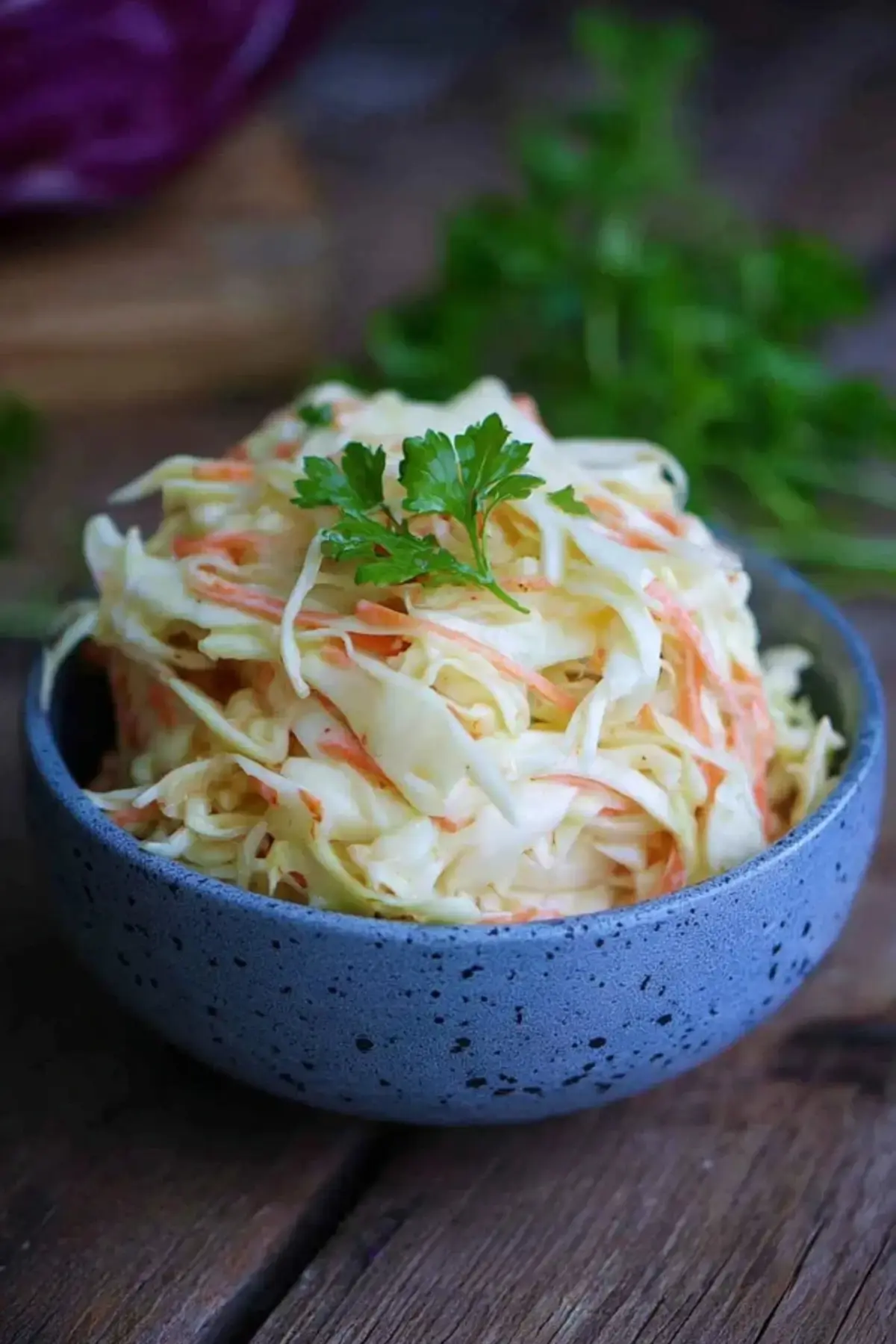
Coleslaw is a beloved classic, a vibrant salad that brings together the satisfying crunch of fresh cabbage with a creamy, tangy dressing. It’s the quintessential side dish, effortlessly elevating everything from a backyard barbecue to a casual weeknight dinner. The beauty of coleslaw lies in its deceptive simplicity; it’s incredibly easy to whip up, yet it delivers a flavor profile that is both comforting and refreshing.
This particular coleslaw recipe has been perfected to ensure maximum flavor and delightful texture. It’s the kind of dish that gets better with time, allowing the flavors to meld beautifully in the refrigerator. Get ready to discover why this recipe will become your go-to for gatherings and everyday meals alike.
Why You Will Love This Recipe
- Effortless Preparation: With just a few simple steps, you can create a delicious coleslaw that rivals any restaurant’s offering.
- Perfectly Balanced Flavor: The harmonious blend of creamy mayonnaise, sharp vinegar, and a hint of sweetness creates a taste sensation that is incredibly addictive.
- Versatile Pairing: This coleslaw is the ideal companion for a wide array of dishes, from smoky barbecue ribs to juicy burgers and flaky fish tacos.
- Customizable to Your Taste: Easily adjust the dressing’s sweetness and tanginess, or experiment with add-ins to make it uniquely yours.
- Make-Ahead Marvel: Coleslaw actually improves with age, making it a fantastic option for preparing ahead of time, saving you precious minutes on busy days.
Ingredients You Need
The foundation of an exceptional coleslaw lies in the quality and freshness of its ingredients. Using crisp, vibrant vegetables ensures a delightful texture that holds up beautifully to the dressing. Opting for good quality mayonnaise and balancing your dressing components are key to achieving that signature creamy and tangy perfection.
Classic Creamy Coleslaw

This Coleslaw recipe is particularly easy to prepare and is perfect as a side dish for barbecue dishes, burgers or as a light snack. The combination of crunchy white cabbage, fine acidity and creamy dressing makes Coleslaw a real favorite in every kitchen.
- 500 g White cabbage
- 2 Carrots
- 150 g Mayonnaise
- 2 tbsp Apple cider vinegar
- 1 tbsp Lemon juice
- 1-2 tbsp Sugar
- 1 tsp Salt
- 1/2 tsp Pepper
- 1 small Onion (optional)
- 1Cut the white cabbage into fine strips and peel and grate the carrots.
- 2Knead the cabbage vigorously with salt in a large bowl until it becomes softer.
- 3In a separate bowl, mix mayonnaise, apple cider vinegar, lemon juice, sugar, salt, and pepper to a creamy dressing.
- 4Add the carrots and optional finely chopped onions to the cabbage.
- 5Pour the dressing over the vegetables and mix everything thoroughly.
- 6Cover the coleslaw and let it steep in the refrigerator for at least 1 hour.
- 7Stir again before serving and season to taste.
Keywords: coleslaw, cabbage salad, side dish, salad, vegetarian, american
- white cabbage: the crisp, fibrous base of our salad, providing essential crunch and volume.
- carrots: add a touch of natural sweetness, a vibrant splash of color, and a boost of beta-carotene.
- mayonnaise: the creamy binder that brings all the flavors together into a rich, luscious dressing.
- apple cider vinegar: introduces a bright, tangy acidity that cuts through the richness and enhances freshness.
- sugar: a touch of sweetness to balance the acidity and round out the overall flavor profile.
- salt: an essential seasoning that amplifies all the other flavors and helps tenderize the cabbage.
- black pepper: provides a subtle warmth and a gentle spicy kick to awaken the palate.
- red onion (optional): can add a sharp, pungent note and a beautiful pink hue if desired.
- lemon juice: offers an extra layer of bright, citrusy freshness that complements the vinegar.
You’ll find the precise quantities for each ingredient within the detailed recipe card for perfect results every time.
Variations
One of the most wonderful aspects of coleslaw is its incredible adaptability. This versatile dish can be transformed to suit various dietary needs and flavor preferences, ensuring everyone can enjoy its deliciousness.
For a lighter and healthier take, consider swapping out half of the mayonnaise for plain Greek yogurt or a lighter, low-fat variety. This substitution significantly reduces the calorie and fat content while still providing a wonderfully creamy texture. You can also boost the tanginess with an extra splash of lemon juice or a touch of Dijon mustard for added complexity, creating a delightfully refreshing and guilt-free side.
If you’re aiming for a vegan coleslaw, the solution is simple: opt for a high-quality vegan mayonnaise. Many excellent plant-based options are available today that offer a rich, creamy taste indistinguishable from their dairy-based counterparts. Enhance the flavor further with a pinch of kala namak (black salt) for a subtle eggy note, or incorporate a bit of nutritional yeast for a cheesy, umami depth.
To introduce an interesting textural contrast and a slightly different flavor profile, try incorporating finely chopped celery or even a handful of toasted sunflower seeds or chopped almonds into the mix. These additions provide an extra layer of satisfying crunch and nutty undertones. For those who appreciate a bit of heat, a finely minced jalapeño or a dash of your favorite hot sauce can add a pleasant spicy kick, transforming this classic into something uniquely exciting.
How to Prepare coleslaw recipe
Step 1: Preparing the Cabbage Base
Begin by selecting a firm, fresh head of white cabbage. Remove any wilted or bruised outer leaves, as these can impart an undesirable flavor or texture. You want the crisp, vibrant inner leaves to form the core of your salad. For the best results, halve the cabbage, remove the tough central core, and then slice it as thinly as possible. A sharp chef’s knife works wonderfully for this, creating delicate ribbons that will readily absorb the dressing.
Once the cabbage is finely shredded, place it into a large mixing bowl. Now comes a crucial step for achieving that perfectly tender yet still slightly crisp coleslaw texture: salting and kneading. Sprinkle about a teaspoon of salt evenly over the shredded cabbage. Using your hands, gently but firmly knead the cabbage for about 3 to 5 minutes. You’ll notice the cabbage will start to soften, shrink slightly, and release some of its natural moisture. This process not only tenderizes the cabbage but also helps to draw out excess water, preventing a watery salad.
After kneading, let the salted cabbage sit for at least 15-20 minutes. This resting period allows the salt to continue its work, further softening the cabbage and melding its flavor. You can use this time to prepare the other components of your coleslaw. If you find that the cabbage has released a significant amount of liquid, you can gently drain off any excess before proceeding to the next step, ensuring your final dish has the perfect consistency.
Step 2: Shredding and Preparing the Carrots
Next, turn your attention to the vibrant carrots that will add a touch of sweetness and color to your coleslaw. For optimal texture, it’s generally best to use medium-sized carrots that are firm and free from any blemishes. Start by washing the carrots thoroughly to remove any dirt or debris from their skin. You can then choose to peel them if you prefer a smoother texture and to remove any potentially tough outer layers, or you can leave the skins on for added nutrients and a slightly more rustic appearance; just ensure they are very clean.
The method of shredding the carrots can significantly impact the final look and feel of your coleslaw. For a classic, finely integrated texture, a box grater with its smallest holes is ideal. This will produce fine, almost thread-like carrot strands that blend seamlessly with the cabbage. Alternatively, if you prefer a bit more texture and visual interest, you can use the medium shredding holes on your grater, or even a food processor with a shredding attachment. Ensure that the shredded carrots are roughly the same consistency as your shredded cabbage to maintain a harmonious blend.
Once all your carrots are beautifully shredded, add them directly into the bowl with the prepared cabbage. If you’re opting for the optional red onion, now is also a good time to finely mince it and add it to the mixture. The raw onion will lend a pungent sharpness that cuts through the richness of the dressing, providing a delightful counterpoint to the sweet carrots and cabbage. Ensure everything is evenly distributed before moving on to the dressing preparation.
Step 3: Crafting the Creamy Dressing
The heart and soul of any good coleslaw lies in its dressing, and this recipe focuses on creating a perfectly balanced, creamy, and tangy concoction. In a separate medium-sized bowl, begin by adding your mayonnaise. For the creamiest results, full-fat mayonnaise is generally recommended, as it provides a rich base that is both luxurious and satisfying. Ensure your mayonnaise is at room temperature for the smoothest blending; cold mayonnaise can sometimes be more challenging to emulsify.
Next, introduce the acidic elements that give the dressing its signature tang and brightness. Add your apple cider vinegar, which offers a mellow yet distinct acidity, and the fresh lemon juice, which provides a more vibrant, citrusy lift. The combination of these two liquids is key to achieving a well-rounded flavor that isn’t overly sharp. Stir these together thoroughly with the mayonnaise until you have a smooth, cohesive base for your dressing.
Now, it’s time to introduce the seasonings that will elevate the dressing from merely creamy to truly delicious. Add the sugar, starting with the lower amount, and the salt and black pepper. Whisk everything together vigorously until the sugar has completely dissolved and the dressing is smooth and well-emulsified. Taste the dressing at this stage and adjust the seasoning as needed. You might want to add a touch more sugar for sweetness, more vinegar for tang, or a pinch more salt to enhance all the flavors. This tasting and adjusting phase is crucial for achieving your personal perfect coleslaw dressing.
Step 4: Combining and Mixing
With your beautifully prepared vegetables and your perfectly seasoned dressing ready, it’s time for the grand union. Gently pour the creamy dressing over the salted cabbage, shredded carrots, and optional minced red onion in the large mixing bowl. Avoid dumping it all in one spot; try to distribute it as evenly as possible across the surface of the vegetables.
Now, using large spoons or salad tongs, begin to thoroughly combine the ingredients. The goal here is to ensure that every single strand of cabbage and every shred of carrot is coated in the luscious dressing. Fold and toss the mixture gently but effectively, working from the bottom of the bowl upwards to ensure an even distribution. Continue this process until you can no longer see any dry bits of vegetable and the entire salad has a uniform, creamy appearance. It’s important not to overmix or mash the ingredients, as you want to preserve that delightful crunch.
Once everything is thoroughly coated, take a moment to admire your work. The colors should be vibrant, and the texture should already look inviting. This is also your last chance to make any minor adjustments to the seasoning. If it seems a bit bland, a tiny pinch more salt or pepper might be needed. If it’s too tangy, a minuscule sprinkle of sugar can help. However, remember that the flavors will continue to meld and deepen as the coleslaw rests, so it’s often best to err on the side of slightly less seasoning at this stage.
Step 5: Chilling and Resting
This step is arguably the most important for developing the signature flavor and texture of exceptional coleslaw. Once your coleslaw has been thoroughly mixed, cover the bowl tightly with plastic wrap or a lid. If you don’t have a lid that fits your bowl, the plastic wrap should create a good seal. Ensuring the bowl is well-covered will prevent the coleslaw from drying out and absorbing any unwanted odors from your refrigerator.
Now, carefully transfer the covered bowl to the refrigerator. The ideal resting time for coleslaw is at least one hour, but for truly outstanding results, aim for two to four hours. During this chilling period, several magical transformations occur. The salt that was used to tenderize the cabbage will have drawn out more moisture, creating a more succulent salad. The acidity from the vinegar and lemon juice will have begun to slightly soften the vegetables, while also infusing them with flavor.
Most importantly, the dressing’s ingredients will have had ample time to meld with the vegetables. The sweetness, tanginess, and creamy notes will harmonize, creating a more complex and deeply satisfying flavor profile than you would achieve with freshly mixed coleslaw. The textures will also improve; the initial crispness of the cabbage will be tempered by the dressing, resulting in that perfect, slightly yielding crunch that is characteristic of great coleslaw.
Step 6: Final Touches and Serving
After the coleslaw has had sufficient time to chill and meld in the refrigerator, it’s time to bring it back to life and prepare it for serving. Remove the bowl from the refrigerator and unwrap it. You will likely notice that the coleslaw has a slightly different consistency now; it should appear more cohesive, and the vegetables will look thoroughly coated and glistening with the dressing.
Before serving, give the coleslaw a good stir. This redistribution of the dressing ensures that every serving is equally flavorful and creamy. As you stir, take a moment to taste a small portion. This is your final opportunity to adjust the seasoning. If you feel it needs a little more brightness, a tiny extra splash of lemon juice or vinegar can be added. If it seems a bit too tart, a pinch more sugar can be incorporated. However, remember that the flavors tend to become more pronounced as it sits, so make these adjustments sparingly.
Once you’re completely satisfied with the taste and consistency, your coleslaw is ready to be served. Scoop generous portions into your chosen serving dishes. This delightful salad is incredibly versatile and pairs wonderfully with a wide variety of meals, making it a perfect addition to any table. Its fresh crunch and creamy tang offer a delightful contrast to richer, heavier dishes.
Pro Tips for coleslaw recipe
The Power of Knetting: Don’t skip the kneading step for the cabbage! This simple action of massaging the salted cabbage is crucial for breaking down its tough fibers, making it more tender and receptive to the dressing. It ensures a better texture and allows the flavors to penetrate deeply.
Freshness is Key: Always use the freshest vegetables you can find. Crisp, vibrant cabbage and firm, sweet carrots will make a noticeable difference in the final taste and texture of your coleslaw. Avoid pre-shredded cabbage if possible, as it often lacks the same crispness.
Taste and Adjust: The dressing is where personal preference truly shines. Always taste your dressing before combining it with the vegetables and again after the coleslaw has rested. Adjust sweetness, tanginess, and seasoning until it’s perfect for your palate.
The Magic of Time: Coleslaw is a dish that truly benefits from patience. While an hour is the minimum resting time, allowing it to chill for several hours or even overnight will result in a significantly more flavorful and harmoniously blended salad.
Texture Boosters: For an extra layer of complexity, consider adding finely chopped celery for more crunch, or a sprinkle of caraway seeds for a subtle anise-like flavor that pairs wonderfully with cabbage. Toasted nuts or seeds can also add delightful textural interest.
Serving Suggestions for coleslaw recipe
Decoration
A beautifully presented coleslaw enhances the dining experience. For a simple yet elegant garnish, sprinkle a few fresh, finely chopped chives or parsley leaves over the top just before serving. If you’ve used red onion and it has tinted the salad slightly pink, you can enhance this visual appeal further. A few extra threads of finely shredded carrot can also add a pop of contrasting color.
Side Dishes
Coleslaw is the quintessential side dish, acting as a refreshing counterpoint to a variety of main courses. It pairs exceptionally well with grilled meats such as barbecue ribs, pulled pork, or smoked brisket, its creamy tang cutting through the richness of the smoked flavors. It’s also a classic accompaniment to fried chicken, fish and chips, or any type of burger, offering a cool, crisp contrast to the hot, savory main.
Beyond grilled and fried items, coleslaw is a fantastic addition to sandwiches and wraps, adding moisture and a delightful crunch. It’s also an excellent partner for baked dishes like meatloaf or roasted chicken, providing a bright, fresh element to the plate. Consider serving it alongside potato salad or pasta salad for a complete picnic or potluck spread.
Creative Serving Ideas
Move beyond the basic bowl and get creative with your coleslaw presentation. For a fun and individual serving option, fill small mason jars with the coleslaw; this is particularly charming for outdoor gatherings or picnics. You can also serve individual portions in lettuce cups for a lighter, gluten-free option. Another idea is to use it as a flavorful filling for sliders or mini sandwiches, adding a burst of flavor and texture to each bite.
Consider using coleslaw as a topping for loaded baked potatoes or sweet potato fries, adding a cool, creamy element to a warm, savory base. For a more substantial meal, mix in some shredded cooked chicken, chickpeas, or a plant-based protein to create a hearty coleslaw salad. The possibilities are truly endless, allowing you to adapt this classic side to suit any occasion or culinary adventure.
Preparation & Storage
Storing Leftovers
Proper storage is key to maintaining the deliciousness and freshness of your leftover coleslaw. Once the coleslaw has been served, and if there are any uneaten portions, it’s best to transfer them to an airtight container. Glass containers with tight-fitting lids are ideal, as they prevent air from entering and moisture from escaping, which helps to preserve the texture and flavor.
Ensure the container is completely sealed before placing it in the refrigerator. The cool environment slows down the spoilage process and keeps the vegetables crisp for as long as possible. Generally, homemade coleslaw will remain fresh and enjoyable in the refrigerator for about 2 to 3 days. However, its quality, particularly the crispness of the cabbage, will gradually diminish over time.
Freezing
Unfortunately, coleslaw is not a good candidate for freezing. The high water content of the cabbage and the creamy nature of the mayonnaise-based dressing mean that freezing and thawing will significantly alter the texture. The vegetables will become mushy and watery, and the dressing will likely separate, resulting in an unappealing consistency upon thawing.
It’s far better to enjoy freshly made or refrigerated coleslaw within its optimal timeframe. If you anticipate having a large amount of leftovers that you won’t consume within a few days, it’s best to either share it with friends or family or plan to use it in a way that might be more forgiving of texture changes, though even then, it’s not ideal.
Reheating
Coleslaw is designed to be served chilled or at room temperature, and therefore, it should never be reheated. Reheating will cook the vegetables, destroy their crisp texture, and cause the dressing to break down and become oily or watery. The entire essence of coleslaw lies in its fresh, cool crunch.
If your coleslaw has been refrigerated and you wish to serve it, simply take it out of the refrigerator about 15-30 minutes before serving, depending on how cold your refrigerator is and how warm your dining area is. This allows it to come to a more pleasant serving temperature, where the flavors are more pronounced. Stirring it well before serving will ensure the dressing is evenly distributed.
Frequently Asked Questions
-
How long should coleslaw ideally sit before serving to achieve the best flavor?
For the most developed and harmonious flavor profile, coleslaw benefits significantly from an adequate resting period in the refrigerator. While it can be enjoyed after about an hour, allowing it to sit for a minimum of two to four hours is highly recommended. This extended chilling time allows the acidic dressing to gently tenderize the cabbage and carrots while the flavors of all the ingredients meld beautifully. Many chefs and home cooks find that coleslaw tastes even better the next day, making it an excellent make-ahead dish for parties or busy weeks.
-
What are the best ways to ensure my coleslaw dressing stays creamy and doesn’t become watery or oily?
Several factors contribute to a consistently creamy coleslaw dressing. Firstly, using good quality, full-fat mayonnaise is crucial as it provides a stable, emulsified base. Ensure all your dressing ingredients are at room temperature before mixing, as this helps them combine more smoothly. Thoroughly whisking the dressing ingredients until they are well-emulsified before adding them to the vegetables is also key. The salting and kneading of the cabbage is vital; this process draws out excess moisture from the cabbage itself, preventing it from diluting the dressing over time. If your coleslaw does appear a bit too wet after resting, you can carefully drain off any excess liquid, but it’s usually a sign that the initial preparation steps may have been rushed.
-
Can I prepare coleslaw entirely a day in advance, and what are the best practices for doing so?
Absolutely! Coleslaw is one of those dishes that truly excels when prepared in advance. The best practice for making coleslaw the day before serving is to follow all the steps of the recipe as usual: prepare the vegetables, make the dressing, combine them thoroughly, and then cover the bowl tightly. Place it directly into the refrigerator. This allows ample time for the flavors to meld and for the dressing to work its magic on the vegetables, resulting in a more delicious and well-textured salad. When ready to serve, give it a good stir, taste, and adjust seasoning if necessary. Avoid adding any garnishes like fresh herbs until just before serving to keep them looking their best.