Classic Vinaigrette Dressing: The Perfect Easy Recipe
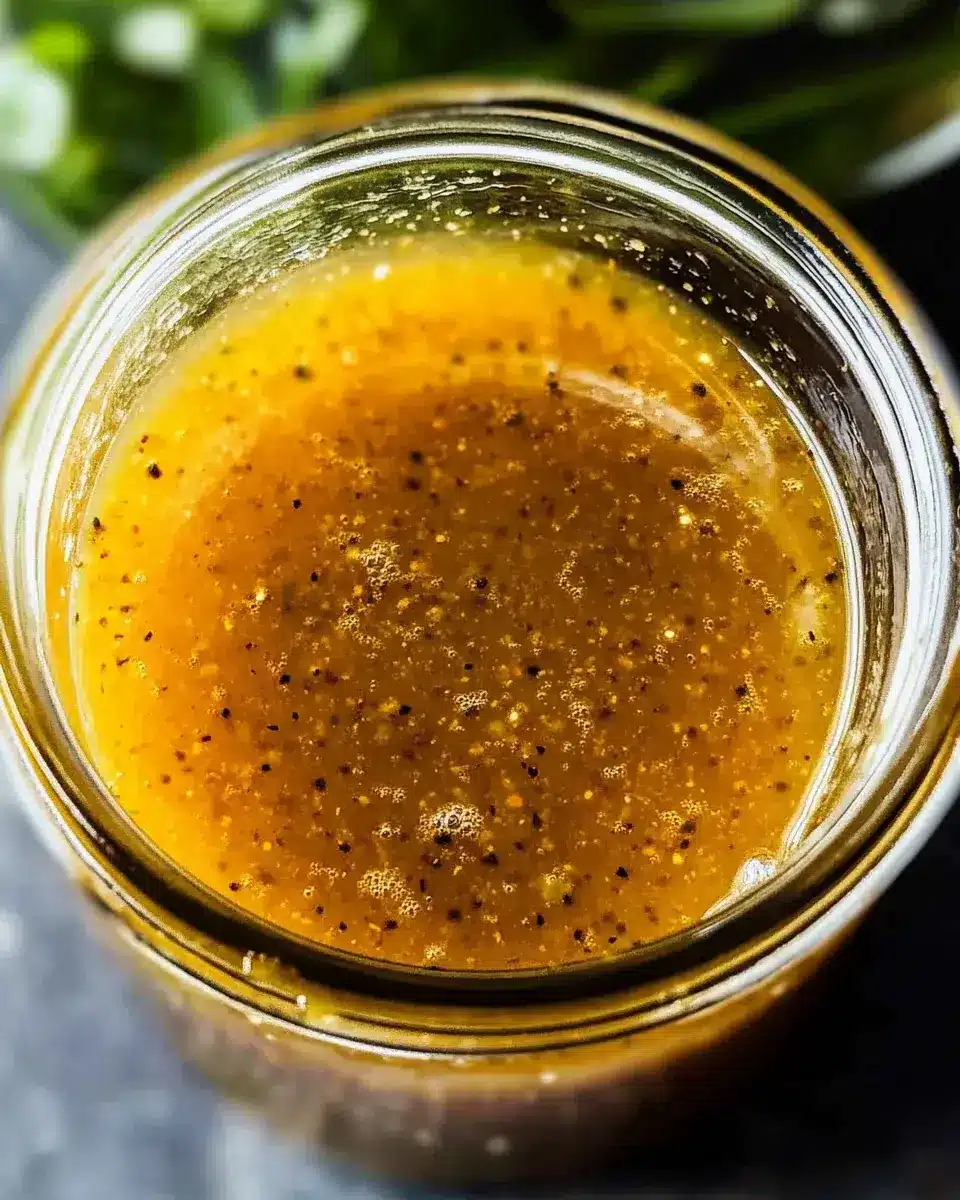
The art of a perfectly dressed salad often hinges on a simple, yet profoundly flavorful vinaigrette. This classic recipe embodies that very principle, offering a vibrant punch of taste that transforms humble greens into a culinary masterpiece.
It’s a testament to how a few well-chosen ingredients, combined with minimal effort, can yield extraordinary results. This dressing is not just an accompaniment; it’s a star player in your kitchen, ready to elevate a multitude of dishes.
Why You Will Love This Recipe
- Effortless Elegance: Prepare a restaurant-quality dressing in mere minutes, perfect for impromptu meals or sophisticated entertaining.
- Flavor Versatility: Its balanced profile makes it an ideal partner for a wide array of salads, roasted vegetables, and even as a marinade.
- Wholesome Goodness: Crafted from simple, recognizable ingredients, it’s a healthier alternative to many store-bought dressings laden with artificial additives.
- Kitchen Simplicity: No fancy equipment or obscure ingredients are needed; everything you require is likely already in your pantry.
- Personalized Perfection: This recipe serves as a fantastic base, inviting you to experiment with herbs, spices, and sweeteners to create your signature blend.
Ingredients You Need
Crafting the perfect vinaigrette starts with selecting high-quality ingredients. The richness of your olive oil and the bright acidity of your vinegar are paramount to achieving a truly exceptional dressing. A little sweetness and well-balanced seasoning are the final touches that bring everything together harmoniously.
Classic Vinaigrette Dressing
This Classic Vinaigrette Dressing is the perfect blend of simplicity and flavor. Made in just 5 minutes with pantry staples, it’s ideal for any occasion, whether you’re hosting a summer barbecue or preparing a quick weeknight salad. This dressing shines with its rich taste and versatility, easily elevating any dish it accompanies. Plus, no blender is required—just shake and serve!
- 2 tsp honey (or granulated sugar)
- 1 tsp paprika
- 1 tsp salt
- 1Add all ingredients to a mason jar or sealed container.
- 2Secure the lid tightly and shake vigorously for about 15–20 seconds until well combined.
- 3Store in the fridge for up to 2 weeks, shaking before each use.
Keywords: vinaigrette, salad dressing, homemade, easy, quick, pantry staples, vegetarian, gluten-free
- olive oil: the backbone of the dressing, providing a smooth, rich base and healthy fats.
- white vinegar: offering a clean, sharp acidity that cuts through richness and awakens flavors.
- honey (or granulated sugar): providing a subtle sweetness to round out the acidity and create balance.
- paprika: adding a hint of color and a mild, earthy undertone that enhances complexity.
- salt: essential for bringing out and unifying all the individual flavors.
- onion powder: lending a subtle, savory depth without the bite of raw onion.
- pepper: providing a gentle warmth and piquancy to complete the flavor profile.
The precise quantities for these ingredients are readily available within the accompanying recipe card for your convenience.
Variations
The beauty of a classic vinaigrette lies in its inherent adaptability, allowing for endless creative flourishes. Consider a vegan rendition by swapping the honey for maple syrup, a liquid sweetener that offers a slightly different, yet equally delightful, flavor profile. This subtle change maintains the dressing’s smooth consistency and tangy character, making it suitable for all dietary preferences and ensuring it remains a versatile staple.
For those mindful of carbohydrate intake, a low-carb variation is easily achievable. Simply omit the honey or sugar entirely, relying on the natural flavors of the oil and vinegar to shine. You can also introduce a dash of Dijon mustard; its emulsifying properties help bind the ingredients and add a piquant complexity without adding significant carbohydrates, creating a robust flavor.
Furthermore, infusing your vinaigrette with fresh herbs can unlock a new dimension of flavor. Finely chopped dill, chives, parsley, or even a hint of rosemary can be stirred in to complement specific dishes. Imagine a lemon-herb vinaigrette for grilled fish or a garlic-infused version for roasted root vegetables; the possibilities for customization are truly limitless and incredibly rewarding.
How to Prepare Classic Vinaigrette Dressing
Step 1: Combine the Foundation
The initial step in crafting this impeccable classic vinaigrette dressing is to gather all your essential components. Precision is key here, so ensure you have your measuring cups and spoons ready to go. This meticulousness ensures that the delicate balance of flavors, which is the hallmark of a great vinaigrette, is achieved.
Select a vessel for your creation; a mason jar with a tightly fitting lid is ideal. This not only makes the subsequent emulsification process incredibly easy but also provides a convenient storage solution. Pour the high-quality olive oil into the jar first, appreciating its rich viscosity and golden hue.
Next, carefully measure and add the chosen vinegar, whether it’s the bright clarity of white vinegar or the fruitier notes of apple cider vinegar. This provides the essential acidic backbone that will cut through the richness of the oil and awaken the palate. The ratio here is crucial; a common starting point is a 3:1 ratio of oil to vinegar, but this can be adjusted to your personal preference for tanginess.
Step 2: Introduce the Flavor Enhancers
Now, it’s time to introduce the elements that will elevate this simple oil and vinegar mixture into a truly memorable dressing. Begin with your sweetener; a teaspoon of honey offers a natural, nuanced sweetness that beautifully complements the acidity of the vinegar. If honey isn’t your preference, granulated sugar can be used, dissolving readily and providing a straightforward sweetness.
Follow this with the carefully measured spices that will impart depth and character. A teaspoon of paprika is next, adding not just a beautiful blush of color but also a subtle, smoky or sweet note depending on the type you use. This visual cue is also part of the overall sensory experience of enjoying the dressing.
Crucially, add the salt and pepper. Salt is the great unifier of flavors, enhancing every other component and preventing the dressing from tasting flat or one-dimensional. Half a teaspoon of onion powder follows, offering a mild, savory background note that adds complexity without overwhelming the other ingredients. Finally, a half teaspoon of freshly ground black pepper provides a gentle warmth and piquancy that awakens the taste buds.
Step 3: The Art of Emulsification
With all the ingredients securely nestled within your chosen container, it’s time to bring them together through the magic of emulsification. This process involves vigorously shaking the ingredients until the oil and vinegar, which naturally repel each other, are forced into a temporary suspension, creating a unified, creamy texture. This is where the mason jar truly shines as your primary tool.
Secure the lid of the mason jar with a firm grip, ensuring it is completely sealed to prevent any leaks during the energetic shaking. Begin shaking the jar with a consistent, rhythmic motion. You want to impart enough force and duration to break down the oil into tiny droplets that can be temporarily dispersed throughout the vinegar.
Continue this vigorous shaking for approximately 15 to 20 seconds. You will notice the mixture transforming from two distinct layers into a cloudy, unified dressing. The color will likely become more opaque, and the texture will appear slightly thickened. This sustained shaking is what creates that desirable smooth consistency that coats salad leaves beautifully.
Step 4: Taste and Adjust
Once the initial emulsification is complete, resist the urge to serve immediately. This is a critical juncture where you fine-tune the dressing to your exact palate. Open the jar carefully and take a small taste, perhaps with a clean spoon or a piece of lettuce.
Consider the balance of flavors. Is it too tart? You might need a touch more honey or sugar to soften the acidity. Does it lack a certain spark? A pinch more salt can often bring the flavors to life. Perhaps you desire a bit more warmth; a tiny grind of extra black pepper could be the answer.
Don’t be afraid to make these adjustments. The beauty of homemade dressing is its complete customizability. Add ingredients sparingly, re-shake the jar briefly after each addition to incorporate them, and taste again until you achieve that perfect harmony of sweet, sour, and savory notes. This iterative process ensures your vinaigrette is not just good, but absolutely perfect for your specific taste.
Step 5: Storage and Serving Preparation
After achieving your desired flavor profile and texture, the final step is to ensure the dressing is stored properly to maintain its freshness and quality. The mason jar you used for shaking is also an excellent container for storage. Simply ensure the lid is screwed on tightly to create an airtight seal.
Place the sealed jar in the refrigerator. The cool temperature will help preserve the ingredients and prevent spoilage. When stored in this manner, your homemade classic vinaigrette dressing will remain delicious and ready to use for up to two weeks. This long shelf life makes it an incredibly convenient addition to your weekly meal prep routine.
Before each use, remember that vinaigrettes naturally tend to separate over time as the oil and vinegar re-establish their distinct phases. Therefore, it is essential to give the jar a good shake before drizzling it over your salad or vegetables. This re-emulsification ensures you get the full, balanced flavor and creamy texture with every serving.
Pro Tips for Classic Vinaigrette Dressing
Quality is Paramount: Always opt for the best quality extra virgin olive oil you can afford. Its flavor profile significantly impacts the final taste of the vinaigrette, so a robust, fruity oil will yield a superior dressing. Similarly, choose a vinegar with a flavor you genuinely enjoy, as its character will be prominent.
The Emulsifier’s Helper: While shaking works wonders, a tiny amount of Dijon mustard (about half a teaspoon) can act as a natural emulsifier. It helps to bind the oil and vinegar more effectively, creating a more stable and creamy dressing that resists separation for longer.
Beyond the Basics: Don’t be afraid to experiment with your flavorings. Consider adding finely minced garlic or shallots for a pungent kick, a touch of dried herbs like oregano or basil, or even a hint of lemon zest for added brightness. These small additions can transform the vinaigrette into something truly unique.
Temperature Matters: For the most pleasant taste and texture, serve your vinaigrette at room temperature or slightly chilled, but not ice cold. Very cold dressings can sometimes mute the flavors and make the oil feel more solid, impacting the overall experience.
Serving Suggestions for Classic Vinaigrette Dressing
Decoration
A final flourish can elevate the visual appeal of your dressed dishes. Consider garnishing your salads with a sprinkle of fresh, finely chopped herbs like parsley, chives, or dill. These not only add a touch of vibrant green but also provide a subtle aromatic lift.
For a bit of color contrast and texture, a scattering of toasted sesame seeds, pumpkin seeds, or even a few edible flowers can make a significant impact. A light dusting of freshly ground black pepper or a tiny pinch of smoked paprika can also add visual interest just before serving.
Side Dishes
This classic vinaigrette is a magnificent companion to a wide range of side dishes. It pairs exceptionally well with grilled vegetables such as zucchini, bell peppers, and asparagus, adding a tangy zest that complements their smoky char. Roasted root vegetables like potatoes and carrots also benefit from a light drizzle, their natural sweetness enhanced by the dressing’s acidity.
Consider tossing it with hearty grain salads like quinoa or farro, incorporating chopped cucumbers, tomatoes, and herbs for a refreshing and filling side. A simple cucumber and red onion salad, lightly dressed, also makes for a wonderfully cool and crisp accompaniment to any meal.
Creative Serving Ideas
Move beyond the salad bowl and discover the versatility of this vinaigrette. It makes an excellent light marinade for chicken or fish before grilling or baking, infusing them with flavor and helping to tenderize the meat. Try drizzling it over steamed or roasted broccoli, green beans, or Brussels sprouts for an instant flavor upgrade.
It can also be used as a base for a lighter coleslaw dressing, offering a tangier alternative to mayonnaise-based versions. For a delightful appetizer, toss some chickpeas, cherry tomatoes, and feta cheese with this vinaigrette for a quick and flavorful Mediterranean-inspired salad that’s perfect for sharing.
Preparation & Storage
Storing Leftovers
Proper storage is key to ensuring your homemade classic vinaigrette dressing retains its delicious flavor and quality. The best method is to transfer any leftover dressing into an airtight container. A clean mason jar with a tight-fitting lid is ideal, as it effectively prevents air from entering and oxidizing the ingredients.
You should store the container in the refrigerator. The cool environment slows down any potential spoilage and helps maintain the emulsification for as long as possible. When stored correctly in this manner, the vinaigrette can typically be enjoyed for up to two weeks.
Freezing
While freezing is possible, it’s generally not the recommended storage method for classic vinaigrette dressing. The emulsification process, where oil and vinegar are temporarily combined, can be disrupted by the freezing and thawing cycles. This often results in a significant separation of ingredients that may be difficult to fully re-emulsify upon thawing.
If you absolutely must freeze it, use a freezer-safe container, leaving some headspace as liquids expand when frozen. It can be stored for up to three months. However, be prepared for potential textural changes and a less perfect emulsion upon thawing, which might require vigorous whisking or blending.
Reheating
Classic vinaigrette dressing is designed to be served cold or at room temperature, so “reheating” in the traditional sense isn’t typically necessary or advisable. Its purpose is to provide a refreshing, tangy counterpoint to other dishes.
If you prefer a slightly warmer dressing for a particular application, gentle warming is the only approach. You can do this by placing the container in a bowl of warm water for a few minutes, or very cautiously on the stovetop over the lowest possible heat, stirring constantly to avoid cooking the ingredients. Microwaving is also an option in very short bursts, checking and stirring frequently, but extreme caution must be exercised to prevent overheating.
Frequently Asked Questions
-
How do I make classic vinaigrette dressing without a blender?
Creating a classic vinaigrette dressing without a blender is remarkably simple and often preferred for its rustic texture and ease. The most straightforward method involves using a mason jar or any sealable container. Simply combine all your measured ingredients – typically a ratio of olive oil to vinegar, sweetened slightly with honey or sugar, and seasoned with salt, pepper, and any desired spices – directly into the jar. Secure the lid tightly and shake vigorously for about 15-20 seconds. This action forces the oil and vinegar to emulsify temporarily, creating a stable dressing that is ready to use. The inherent design of a mason jar makes it perfect for both mixing and immediate storage, eliminating the need for extra bowls or utensils.
-
Can I customize my classic vinaigrette dressing?
Absolutely! The classic vinaigrette is a wonderfully forgiving base that readily accepts a multitude of flavor enhancements, making customization not only possible but highly encouraged. For added depth, consider incorporating finely minced garlic or shallots, which introduce a pungent, savory element. Fresh herbs like basil, parsley, chives, or dill can be finely chopped and stirred in for vibrant, aromatic notes that complement specific dishes. A touch of Dijon mustard not only aids in emulsification but also adds a subtle tang and complexity. You can also experiment with different vinegars (like red wine, balsamic, or champagne vinegar) or sweeteners (maple syrup, agave) to further tailor the flavor profile to your liking.
-
What is the best oil for classic vinaigrette dressing?
Extra virgin olive oil is widely considered the best oil for classic vinaigrette dressing due to its rich flavor, pleasant fruitiness, and healthy monounsaturated fats. Its quality significantly impacts the final taste, so opting for a good quality olive oil will yield a superior dressing. While olive oil is the traditional choice, other oils can be used to achieve different flavor profiles. For a neutral taste, avocado oil or grapeseed oil are excellent options that won’t overpower other ingredients. Sunflower oil also provides a mild flavor and is readily available. Ultimately, the “best” oil depends on the desired outcome and personal preference, but extra virgin olive oil remains the benchmark for classic flavor and quality.