Irresistible Caribbean Johnny Cake – Delicious Breakfast Treat
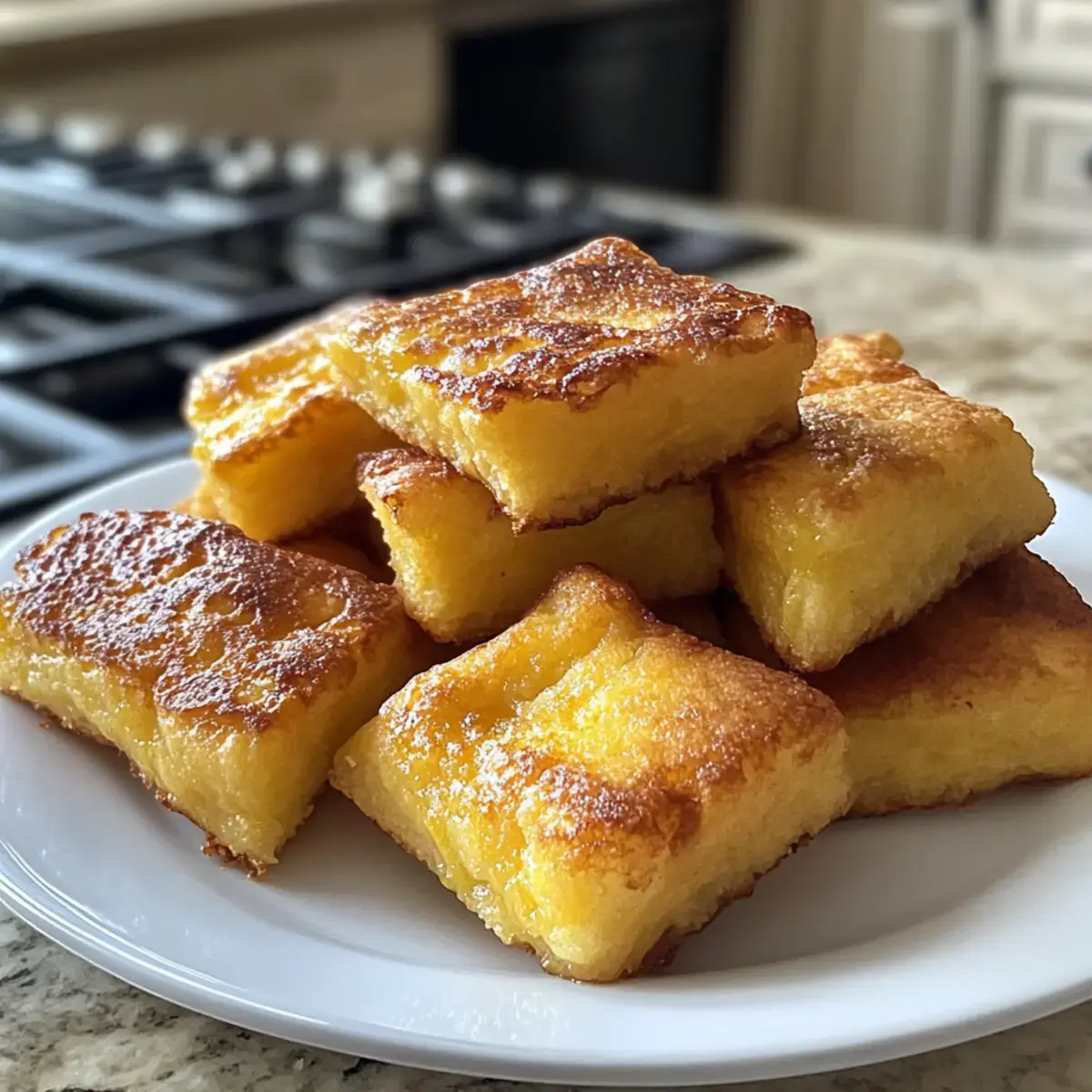
As I stood over the stove, the sizzling sound of dough hitting hot oil instantly whisked me away to the vibrant streets of the Caribbean. The smell of frying Caribbean Johnny Cakes filled the air, a delightful reminder of comforting island breakfasts and festive gatherings.
This authentic recipe, with its crispy exterior and fluffy center, not only serves as a mouthwatering side dish but also offers a fascinating glimpse into cultural heritage. Quick to whip up, these golden-brown treats are versatile enough to pair with everything from savory stews to tropical jams. Whether you’re a seasoned home chef or just looking to elevate your breakfast game, this traditional method is easy and delivers island vibes right to your kitchen. Are you ready to dive into the delicious world of Johnny Cakes?
Why You Will Love This Recipe
- Simplicity Meets Flavor: This recipe is incredibly easy to master, making it an ideal choice for home cooks of all skill levels, ensuring a delicious outcome every time.
- Traditional Comfort: Immerse yourself in the rich history of Caribbean cuisine as you prepare a beloved island staple right in your own home, connecting with authentic culinary traditions.
- Versatile Delight: These cakes are perfect whether served as a morning treat or a delightful side dish, making every meal feel a bit more special and festive.
- Unique Texture: Savor the satisfying contrast of a perfectly crispy exterior that gives way to a wonderfully fluffy interior, making each bite an absolute joy.
- Cultural Connection: Sharing homemade Johnny Cakes can foster cherished family traditions and deepen cultural appreciation, enriching your dining experience with a sense of heritage.
Ingredients You Need
To create these delightful Caribbean Johnny Cakes, you’ll need a few basic pantry staples that combine to form a wonderfully textured and flavorful treat. The quality of your ingredients, particularly the flour and fat, will significantly impact the final outcome, so opting for fresh and good-quality items is always recommended for the best taste and texture. We’ve kept the ingredient list straightforward, focusing on the essentials that make this classic so beloved across the islands.
Delicious Caribbean Johnny Cake
Try this authentic Caribbean Johnny Cake recipe for a delightful breakfast treat with a crispy exterior and fluffy center. This recipe is easy to master, making it ideal for home cooks of all levels, and offers a taste of rich Caribbean history and culture.
- 2 cups all-purpose flour (can substitute with gluten-free flour)
- 1 tablespoon baking powder (leavening agent)
- 2 tablespoons sugar (optional)
- 1 teaspoon salt
- 3 tablespoons butter or shortening (coconut oil is a dairy-free substitute)
- 3/4 cup water or evaporated milk (coconut milk works well too)
- 1 inch vegetable oil (can use light olive oil or peanut oil for frying)
- 1In a large mixing bowl, whisk together 2 cups of all-purpose flour, 1 tablespoon of baking powder, 2 tablespoons of sugar (if using), and 1 teaspoon of salt until well combined.
- 2Cut in 3 tablespoons of butter or shortening into the flour mixture using a pastry cutter or your fingers until it resembles coarse crumbs.
- 3Gradually mix in 3/4 cup of water or evaporated milk, stirring gently with a wooden spoon until a soft, non-sticky dough forms.
- 4Cover the dough with a clean kitchen towel and let it rest for 15-20 minutes at room temperature.
- 5Turn the dough onto a lightly floured surface and divide it into 6-8 equal portions, shaping them into golf ball-sized balls. Then, flatten each ball into discs about 1/2 inch thick.
- 6Heat about 1 inch of vegetable oil in a deep skillet over medium heat until it reaches 350°F (175°C).
- 7Carefully place the dough discs into the hot oil, frying them for 2-3 minutes on each side or until they turn a delightful golden brown.
- 8Once golden brown, transfer the fried Johnny Cakes to a paper towel-lined plate to drain excess oil. Allow them to cool slightly before serving warm.
Keywords: Caribbean, Johnny Cake, Breakfast, Fried Dough, Island Cuisine, Easy Recipe, Traditional
- all-purpose flour: the foundation of the Johnny Cake, providing structure and a slightly tender crumb; can be substituted with a gluten-free blend for dietary needs.
- baking powder: essential for lift and leavening, it ensures the cakes achieve their signature light and fluffy interior texture.
- sugar: optional, but adds a subtle sweetness that complements the other flavors and aids in browning; omit if a less sweet profile is desired.
- salt: a crucial flavor enhancer that balances sweetness and brings out the nuanced tastes of the other ingredients, making the cakes more savory.
- butter or shortening: provides richness, moisture, and contributes to the tender crumb; coconut oil is an excellent dairy-free alternative, adding a tropical note.
- water or evaporated milk: used to bind the dough, creating a soft and pliable consistency; coconut milk can be used for an extra layer of flavor and richness.
- vegetable oil: for frying, it creates that essential crispy, golden-brown exterior that is characteristic of authentic Johnny Cakes; other neutral oils like peanut or light olive oil also work well.
The precise quantities for each ingredient are conveniently listed within the recipe card itself, ensuring you have everything you need for perfect preparation.
Variations
The beauty of Caribbean Johnny Cake lies not only in its classic preparation but also in its incredible adaptability, allowing for numerous delightful variations that cater to diverse tastes and dietary needs. Experimenting with these modifications can introduce exciting new dimensions to this beloved island staple, making it even more versatile for any occasion.
For those seeking a gluten-free option, a simple swap of all-purpose flour for a high-quality 1:1 gluten-free flour blend will yield wonderfully light and delicious Johnny Cakes. This substitution requires no additional adjustments to the liquid or fat ratios, ensuring a seamless transition to a gluten-free treat that retains all the comforting qualities of the original.
Embrace a dairy-free lifestyle by substituting the butter or shortening with coconut oil, which imparts a subtle, delightful tropical essence to the cakes. Alternatively, vegan butter can be used for a more neutral flavor profile. This simple change makes the recipe accessible to a wider audience without compromising on taste or texture.
If you prefer a less traditional, healthier approach, consider a baked version instead of frying. Shape the dough into slightly thicker discs and bake them in a preheated oven at 375°F (190°C) for about 15-20 minutes, or until golden brown. This method still results in a satisfying texture, offering a lighter alternative for those mindful of oil consumption.
To add a savory depth, incorporate a teaspoon of garlic powder or finely chopped fresh herbs like thyme or chives directly into the dry ingredients. This infusion of aromatic spices transforms the Johnny Cakes into a more complex side dish, perfect for accompanying rich stews or spicy curries.
For a touch of sweetness beyond the classic, a bit of grated coconut or a tablespoon or two of honey can be added to the dough, creating a delightful dessert-like variation. These slightly sweeter cakes are particularly wonderful when served with tropical fruit jams or a dollop of whipped cream.
To introduce a rustic, heartier texture, consider adding about 1/4 cup of cornmeal to the dry ingredients. This addition not only provides a satisfying chew but also gives a nod to other traditional Caribbean corn-based preparations, making the Johnny Cake a more robust accompaniment to savory meals.
Elevate your Johnny Cakes by creating a delicious stuffed variation. Simply form a small pocket in the center of the dough disc before frying and fill it with your favorite cheese, shredded salted codfish, or even a spoonful of spiced ground meat. This makes each bite an exciting culinary adventure, offering a surprise filling within the crispy exterior.
For those who enjoy a bit of heat, a pinch of cayenne pepper or finely minced jalapeños can be incorporated into the dough mixture. This spicy twist adds an exhilarating kick that perfectly complements the savory notes of the cake, making it an interesting accompaniment to spicy main courses or a bold breakfast option.
Finally, don’t shy away from using alternative flours like cassava flour for a unique texture, or experimenting with different spices such as a hint of nutmeg or cinnamon for a warming aroma. The possibilities for customizing your Caribbean Johnny Cake are virtually endless, ensuring there’s a perfect version for every palate and preference.
How to Prepare Caribbean Johnny Cake
Step 1: Mix Dry Ingredients
Begin by gathering a large mixing bowl, ensuring it’s clean and dry, ready to become the hub for your culinary creation. Into this bowl, meticulously measure and add two cups of all-purpose flour, making sure to level off the measuring cup for accuracy. This flour will form the primary structure of your delightful Johnny Cakes.
Next, carefully incorporate one tablespoon of baking powder; this essential leavening agent is what will give your cakes their airy, fluffy interior. If you’re opting for a touch of sweetness, now is the time to add two tablespoons of sugar, ensuring it’s evenly distributed. Finally, add one teaspoon of salt to enhance and balance all the flavors, preventing the cakes from being too bland.
Using a whisk or a fork, thoroughly combine all these dry ingredients. The goal here is to ensure that the baking powder, sugar, and salt are perfectly integrated throughout the flour. This even distribution is absolutely critical for achieving consistent results and a light, pleasant texture in every single Johnny Cake you prepare.
Step 2: Incorporate Fat
Now it’s time to introduce the fat, which is key to creating that wonderfully tender and rich crumb that makes Caribbean Johnny Cakes so irresistible. Carefully measure out three tablespoons of softened butter or shortening, ensuring it is at room temperature for easy incorporation. If you are using coconut oil, make sure it is in a solid but pliable state.
Add this measured fat to the bowl containing your dry ingredients. The method for incorporating fat is crucial: you want to cut it into the flour mixture until it resembles coarse crumbs, much like small peas or even coarse sand. This can be achieved using a pastry blender, two knives, or simply by using the tips of your fingers.
Work the fat into the flour mixture with a light touch, ensuring there are no large, unblended chunks of butter or shortening remaining. This step is vital because these little pockets of fat will melt during cooking, creating steam and contributing significantly to the cake’s flaky and fluffy texture. The process should take approximately two to three minutes of gentle but consistent mixing.
Step 3: Add Liquid
With your fat and dry ingredients beautifully combined into a crumbly mixture, it’s time to bring everything together into a cohesive dough. Carefully measure out three-quarters of a cup of liquid, which can be either water or evaporated milk, depending on your preference. For an even richer and more pronounced tropical flavor, unsweetened coconut milk is an excellent alternative here.
Begin to gradually add this liquid to the flour and fat mixture. It’s important to add it slowly and incrementally, rather than all at once, allowing the dry ingredients to absorb the moisture properly. Stir gently with a wooden spoon or a sturdy spatula as you add the liquid.
Continue mixing until a soft, pliable dough begins to form. The ideal consistency is one that is just barely tacky to the touch, meaning it shouldn’t stick excessively to your hands or the bowl. You want it to be moist enough to hold together but not wet or sticky, indicating it’s perfectly ready for the next stage of preparation and will yield wonderfully textured Johnny Cakes.
Step 4: Rest the Dough
Once your dough has reached the perfect soft, non-sticky consistency, it’s time to let it relax and develop. Take a clean kitchen towel or a piece of plastic wrap and gently cover the bowl containing the dough. This covering will prevent the dough from drying out as it rests.
Allow the dough to rest at room temperature for a period of 15 to 20 minutes. This seemingly simple step is actually quite important for the final texture of your Johnny Cakes. Resting allows the gluten that developed during mixing to relax, which will result in a lighter, more tender cake that is less prone to becoming tough or dense.
While the dough is resting, take this opportunity to prepare your frying station. Ensure you have a deep skillet or pot ready, along with your frying oil. Preheat the oil over medium heat to the correct temperature, typically around 350°F (175°C), ensuring it’s ready for when your dough is shaped and prepared to fry. This preparation ensures a smooth and efficient frying process for your delicious Caribbean Johnny Cakes.
Step 5: Shape Cakes
After the dough has had its crucial resting period, it should feel even more pliable and easier to handle. Lightly flour a clean work surface, such as a countertop or a large cutting board, to prevent the dough from sticking. Gently turn the rested dough out onto this prepared surface.
Using your hands or a bench scraper, divide the dough into approximately six to eight equal portions. The exact number will depend on how large or small you prefer your Johnny Cakes, but aiming for roughly golf ball-sized pieces is a good starting point. Roll each portion into a smooth ball.
Once you have your individual dough balls, flatten each one into a disc shape. Aim for a thickness of about half an inch. You want them to be relatively uniform in size and thickness to ensure they cook evenly. Each flattened disc should appear neat and well-formed, preparing them perfectly for their transformation into golden-brown Caribbean Johnny Cakes.
Step 6: Fry
Prepare your frying vessel, a deep skillet or a Dutch oven, by adding about one inch of vegetable oil. Heat this oil over medium heat until it reaches the optimal frying temperature of 350°F (175°C). You can test the oil’s temperature by dropping a tiny piece of dough into it; it should sizzle immediately and float to the surface.
Carefully place the shaped dough discs into the hot oil, being mindful not to overcrowd the skillet. Frying in batches is essential to maintain the oil’s temperature and ensure even cooking for all the cakes. Leave some space between each cake so they can fry properly without sticking together.
Allow the Johnny Cakes to fry for approximately two to three minutes on each side. You are looking for a beautiful, deep golden-brown color to develop on both surfaces. Keep a watchful eye on them during this process, as cooking times can vary slightly. Flipping them gently with a slotted spoon or tongs is recommended.
Step 7: Drain & Serve
Once your Caribbean Johnny Cakes have achieved that perfect, inviting golden-brown hue and are delightfully crisp, it’s time to remove them from the hot oil. Use a slotted spoon or tongs to carefully lift each cake out of the oil, allowing any excess oil to drip back into the skillet for a moment.
Transfer the fried Johnny Cakes immediately to a plate lined with paper towels. This step is crucial for absorbing any remaining excess oil, helping to maintain their crispiness and preventing them from becoming greasy. Allow them to rest on the paper towels for a minute or two, letting them cool slightly.
Serve your Caribbean Johnny Cakes warm to best enjoy their irresistible combination of a crispy exterior and a wonderfully fluffy interior. They are wonderfully versatile, perfect as a delightful breakfast treat, a satisfying snack, or a flavorful side dish to complement savory meals, bringing a taste of the islands to your table.
Pro Tips for Caribbean Johnny Cake
Gentle Handling is Key: When mixing your dough, avoid over-kneading it. Overworking the dough develops too much gluten, which will result in dense, tough Johnny Cakes instead of the desired light and fluffy texture. Mix just until the ingredients are combined and a soft, non-sticky dough forms.
Master the Oil Temperature: Maintaining the correct oil temperature is absolutely critical for achieving perfectly fried Johnny Cakes. Aim for consistently around 350°F (175°C). If the oil is too cool, the cakes will absorb too much grease and become soggy; if it’s too hot, they’ll burn on the outside before the inside is cooked through.
The Importance of Resting: Do not skip the dough resting period. Letting the dough sit for 15-20 minutes allows the gluten to relax, which is a vital step in ensuring your Johnny Cakes have a light, tender crumb. This relaxation period makes the dough easier to handle and contributes significantly to the final texture.
Fry in Batches for Best Results: Resist the temptation to overcrowd your frying pan. Frying too many Johnny Cakes at once will significantly lower the oil temperature, leading to greasy and unevenly cooked cakes. Fry them in small batches, ensuring each cake has enough space to cook properly and develop a beautiful golden crust.
Embrace Flavorful Additions: Don’t be afraid to experiment with adding extra flavors to your Johnny Cake dough. Consider incorporating a pinch of nutmeg, a dash of cinnamon, or even some grated citrus zest for a fragrant twist. Savory additions like finely chopped chives or a sprinkle of garlic powder can also transform them into a delightful accompaniment for mains.
Use Fresh Leavening: Ensure your baking powder is fresh. An old or expired baking powder will not provide adequate lift, leading to flatter, denser cakes. Test its potency by dropping a little into hot water; it should bubble vigorously.
Drain Properly: After frying, draining the Johnny Cakes on paper towels is essential for removing excess oil. If you have a wire rack set over a baking sheet, this can also be an excellent option for allowing air to circulate around the cakes, helping them stay crispier for longer.
Serving Suggestions for Caribbean Johnny Cake
Decoration
While Caribbean Johnny Cakes are often enjoyed in their simple, golden-brown glory, a few decorative touches can elevate their presentation. A light dusting of powdered sugar can transform them into a delightful dessert or a sweet breakfast treat, offering a delicate sweetness that contrasts with the fried exterior. For a more rustic appeal, a sprinkle of finely chopped fresh parsley or chives on top just after frying can add a pop of color and a hint of herbaceous aroma, making them visually appealing and enticing.
Side Dishes
These versatile Johnny Cakes shine as a side dish, pairing exceptionally well with a variety of Caribbean favorites. They are the perfect accompaniment to hearty, savory dishes like a rich, slow-cooked beef stew or a flavorful curry, their slightly dense texture providing a wonderful base for scooping up sauces and gravies. Salted codfish, a staple in Caribbean cuisine, also finds its perfect partner in Johnny Cake, the savory, flaky fish balancing beautifully with the tender cake.
For a truly tropical experience, consider serving them alongside sweet, caramelized fried plantains. The contrast between the savory cake and the sweet, tender plantains is a classic island combination that delights the palate. Another excellent pairing is a fresh avocado salad; its creamy texture and bright flavors offer a refreshing counterpoint to the fried cake, creating a well-rounded and satisfying meal.
Breakfast and brunch spreads are enhanced by their presence; they pair wonderfully with scrambled eggs, crispy bacon, or grilled sausages. A side of fresh tropical fruit salsa, bursting with mango, pineapple, and papaya, adds a vibrant, zesty element that complements the Johnny Cakes perfectly. Consider serving them with a side of your favorite island jam, such as guava or mango, for a delightful sweet and savory breakfast experience.
Creative Serving Ideas
Transform your Johnny Cakes into a unique appetizer by slathering them with a dollop of seasoned cream cheese or a spicy pepper jelly before serving. You could even create mini versions, perfect for a tasting menu or a party, offering guests a bite-sized taste of the Caribbean. For a truly innovative twist, consider filling them with a savory mixture, such as shredded jerk chicken or seasoned ground beef, and then lightly frying them again to seal the filling.
Another creative idea is to serve them as a base for a brunch-style dish; top a warm Johnny Cake with a poached egg, a drizzle of hollandaise sauce, and a sprinkle of smoked paprika for an elegant and satisfying meal. They can also be used as a delightful alternative to bread in a sandwich, filled with seasoned pulled pork or grilled fish for a unique handheld meal. For a dessert presentation, serve them warm with a scoop of vanilla bean ice cream and a drizzle of caramel sauce, offering a delightful contrast of temperatures and textures.
Preparation & Storage
Storing Leftovers
Should you find yourself with leftover Caribbean Johnny Cakes, proper storage is key to maintaining their delightful texture and flavor for future enjoyment. Once completely cooled, store them in an airtight container at room temperature. In this manner, they can remain fresh and enjoyable for up to three days, retaining a good portion of their crispy exterior and fluffy interior.
If you anticipate needing to store them for a longer period than three days, transferring them to the refrigerator is the next best option. Place the cooled cakes in a well-sealed container or a zip-top bag. In the fridge, they can typically last for up to a week, though their texture might become slightly softer.
To ensure they are at their best when you’re ready to eat them again, it’s always recommended to reheat them before serving, especially if they have been refrigerated. This reheating process helps to revive their crispiness and bring back that satisfying texture that makes them so enjoyable.
Freezing
For extended storage, freezing is an excellent method to preserve the deliciousness of your Caribbean Johnny Cakes for months to come. Ensure the cakes are completely cooled before you begin the freezing process. Place them in a single layer on a baking sheet lined with parchment paper, ensuring they do not touch each other.
Once the Johnny Cakes are frozen solid, which usually takes about one to two hours, transfer them carefully into a heavy-duty freezer bag or an airtight freezer-safe container. Removing as much air as possible from the bag before sealing will help prevent freezer burn and maintain quality. Properly stored, frozen Johnny Cakes can last for up to three months.
When you are ready to enjoy them after freezing, they can be reheated directly from their frozen state. This makes them a convenient option for a quick snack or side dish whenever the craving strikes, without needing to thaw them beforehand, saving valuable time.
Reheating
To bring your stored Caribbean Johnny Cakes back to their delightful best, reheating them properly is essential for restoring their appealing texture. The best method for reheating is typically on the stovetop. Place the cooled or frozen Johnny Cakes in a skillet with a small amount of oil or butter over low to medium heat.
Cook them gently, flipping them occasionally, until they are warmed through and have regained their desirable crispy exterior. This method is particularly effective for reviving the crunchiness that is so characteristic of freshly fried Johnny Cakes. Be patient with this process, ensuring they heat evenly without burning.
Alternatively, if you have a large batch to reheat, the oven can also be used. Place them on a baking sheet in a preheated oven at around 350°F (175°C) for about 5-10 minutes, or until they are warmed through and crisped up. This approach works well for maintaining a consistent temperature across multiple cakes. For frozen cakes, you may need to increase the reheating time slightly to ensure they are heated all the way through.
Frequently Asked Questions
-
How do I choose the best ingredients for my Caribbean Johnny Cake to ensure authentic flavor and texture?
Absolutely! For the most authentic and delicious results, always opt for fresh, high-quality ingredients. Using unbleached all-purpose flour is recommended as it contributes to a more traditional and slightly chewier texture. If you are using butter, ensure it is softened to room temperature but not melted, as this consistency is crucial for achieving that delightful, fluffy texture during the fat incorporation stage. For a dairy-free alternative, virgin coconut oil is an excellent choice, providing a rich flavor and aroma that beautifully complements the Caribbean profile of the cakes. Fresh baking powder is also vital for proper leavening, so check the expiration date.
-
What is the best way to store leftover Caribbean Johnny Cakes to maintain their crispiness and flavor for as long as possible?
Very! To keep your Johnny Cakes tasting their best, store them in an airtight container at room temperature for up to three days; this helps to preserve their integrity. If you notice they start to lose a bit of their crispiness over time, a quick reheat in a skillet over low heat for a few minutes until warmed through will work wonders to restore their texture. Storing them in the refrigerator can extend their shelf life to about a week, but be aware that the texture might become slightly softer compared to room temperature storage, making reheating even more important to regain that delightful crispiness.
-
Can I freeze Caribbean Johnny Cakes, and if so, what is the most effective method for freezing and reheating them later?
For sure! To freeze your Johnny Cakes, the first crucial step is to let them cool completely to room temperature to prevent condensation, which can lead to ice crystals. Then, arrange them in a single layer on a baking sheet and place them in the freezer until they are solid, usually taking about 1 to 2 hours. Once they are frozen solid, carefully transfer the individual cakes into a freezer-safe bag, squeezing out as much air as possible before sealing to prevent freezer burn. They can be stored this way for up to three months. When you’re ready to enjoy them, you can reheat them directly from frozen in a skillet over medium-low heat or in a preheated oven at around 350°F (175°C) until they are thoroughly warmed and their crispy exterior is restored.
-
What should I do if my Caribbean Johnny Cakes turn out dense, and how can I achieve a lighter, fluffier texture in the future?
Don’t worry! If your cakes are dense, it’s often a result of over-kneading or overmixing the dough, which develops too much gluten. The key to a lighter texture is to mix the dough gently and only until a soft, non-sticky dough forms, without overworking it. Additionally, allowing the dough to rest for the recommended 15-20 minutes is a critical step that helps the gluten relax, leading to a tenderer outcome. Lastly, ensuring your frying oil is at the correct temperature is also vital; frying in oil that is too cool can cause the cakes to absorb excess grease and become heavy, so always use a thermometer to verify the temperature.
-
Are there any specific dietary considerations or common allergies associated with Caribbean Johnny Cake, and how can I adapt the recipe?
Certainly! This recipe is naturally vegetarian-friendly, making it a good option for many. To adapt it for a gluten-free diet, simply substitute the all-purpose flour with a good quality 1:1 gluten-free flour blend; this usually requires no other adjustments. For individuals with dairy allergies, substituting butter with coconut oil or a vegan butter alternative is an effective and delicious solution. While Johnny Cakes themselves are not typically problematic for common allergies like nuts (unless coconut oil is an issue for someone with a specific tree nut allergy), it’s always wise to be mindful of cross-contamination in your kitchen and be aware of any specific sensitivities your guests might have, especially when serving with other dishes.