Irresistible Caribbean Chicken and Rice – A Flavor-Packed Delight
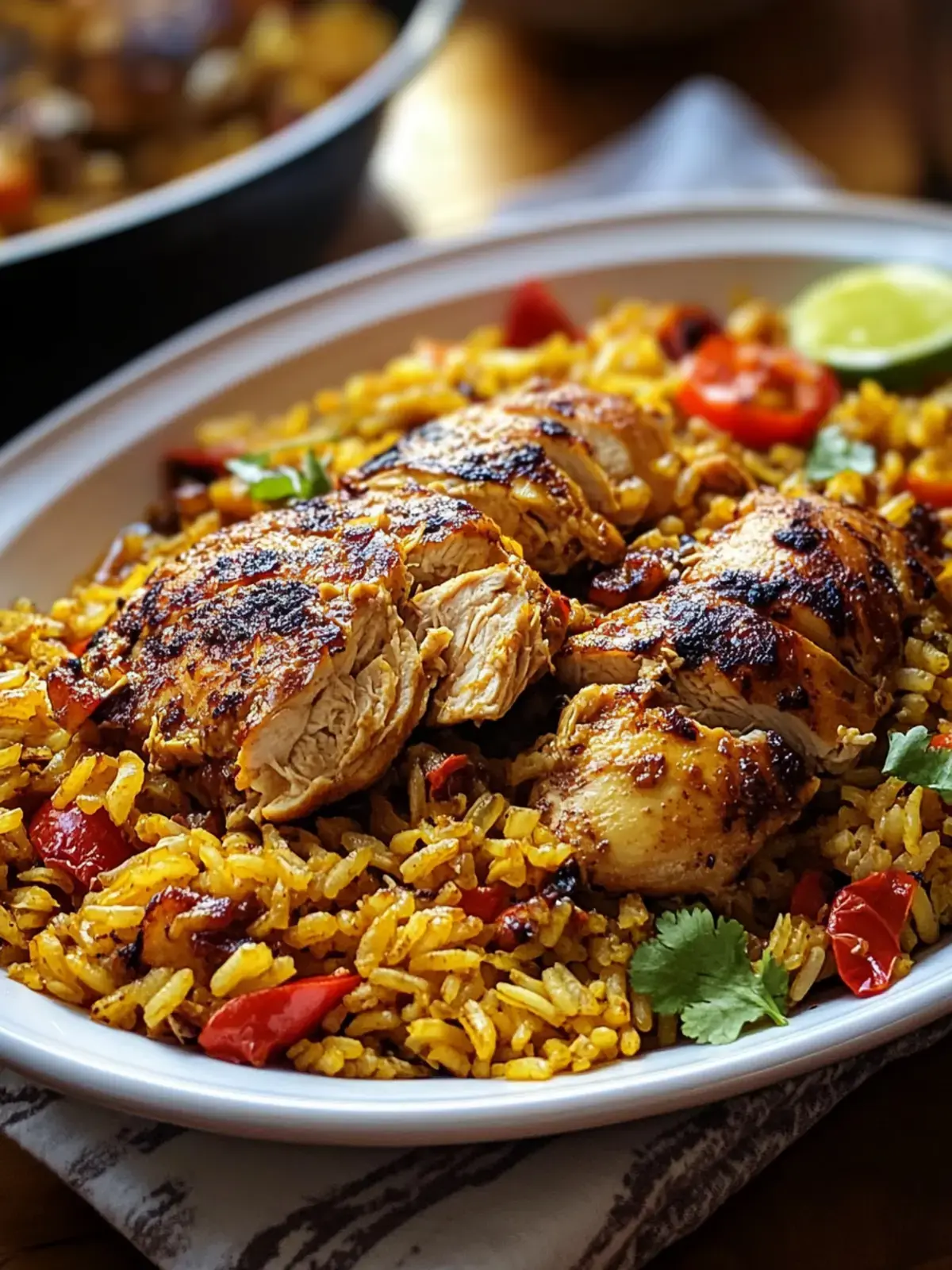
The moment I caught a whiff of coconut and spices wafting through my kitchen, I felt instantly transported to a sun-kissed Caribbean beach, where vibrant colors and lively flavors reign supreme. That’s the magic of this Caribbean Chicken and Rice recipe—a one-pot wonder that captures the essence of tropical cooking in a dish that’s as comforting as it is exciting.
Perfect for those busy weeknights or special family get-togethers, this recipe is not just delightful to eat but delights in its versatility. Whether you’re craving tender chicken, succulent shrimp, or a hearty vegetarian twist, you can tailor it to suit your taste, all while enjoying the ease of minimal cleanup.
Why You Will Love This Recipe
- Flavorful Adventure: Each spoonful transports you to the tropics, infused with the warmth of spices and the richness of coconut milk, creating an unforgettable culinary journey.
- Customizable Dish: Whether it’s chicken, shrimp, or a vibrant veggie mix, you can adapt this recipe to your unique preferences for a truly personalized meal every single time.
- One-Pot Wonder: Enjoy the unparalleled ease of cleanup with this simple yet spectacular one-pot meal that absolutely does not compromise on taste or quality.
- Nutrient-Rich: Packed with a delightful medley of fresh vegetables and lean protein, this dish is not just delicious but also a wholesome and healthy choice for you and your entire family.
- Family-Friendly: Perfectly suited for casual gatherings or everyday weeknight dinners, this comforting and flavorful dish is guaranteed to please everyone at the table, from the youngest to the oldest.
Ingredients You Need
The heart of any exceptional dish lies in the quality of its ingredients, and this Caribbean Chicken and Rice is no exception. We’ll be using a blend of aromatic spices, tender chicken, and creamy coconut milk to create a truly authentic and delicious experience that will transport your taste buds straight to the islands. Using fresh, vibrant produce will elevate the final dish, making it a feast for both the eyes and the palate.
Caribbean Chicken and Rice Perfection
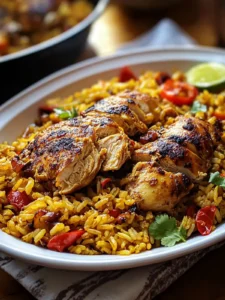
Discover the vibrant flavors of Caribbean Chicken and Rice, a delightful one-pot dish that's perfect for any occasion. Each spoonful transports you to the tropics, infused with the warmth of spices and the richness of coconut milk. This customizable and family-friendly recipe is a one-pot wonder that doesn't compromise on taste or quality, packed with fresh vegetables for a healthy choice.
- 4 pieces chicken thighs or drumsticks
- 1 teaspoon smoked paprika
- 1 teaspoon ground allspice
- 1/2 teaspoon cayenne pepper (optional)
- 1 teaspoon garlic powder
- 1 teaspoon onion powder
- 1 teaspoon dried thyme
- 1 teaspoon salt
- 1/2 teaspoon black pepper
- 2 tablespoons olive oil
- 1 medium onion, chopped
- 1 medium bell pepper, chopped
- 2 cloves garlic, minced
- 1.5 cups long-grain white rice or basmati
- 1 can coconut milk
- 2 cups chicken broth
- 1 cup frozen peas
- 1 cup diced pineapple (optional)
- 1/4 cup cilantro, fresh
- 1Combine spices in a bowl and coat chicken evenly for maximum flavor.
- 2Heat olive oil in a large pot over medium-high heat. Add the chicken pieces and brown them for about 3-4 minutes on each side until golden.
- 3Remove the chicken and set aside. In the same pot, sauté chopped onions and bell peppers until softened (about 5-7 minutes), then stir in the minced garlic.
- 4Add the long-grain rice to the vegetable mixture and toast for 1-2 minutes. Pour in the coconut milk and chicken broth, stirring to combine.
- 5Place the seared chicken back into the pot, nestling it into the rice mixture. Cover and simmer on low for 25-30 minutes, until the rice is tender and chicken is cooked through.
- 6In the last 5 minutes of cooking, stir in the frozen peas and optional diced pineapple.
- 7Let the dish rest for a few minutes, then garnish with fresh cilantro and serve.
Keywords: Caribbean chicken and rice, one-pot meal, coconut milk, spices, tropical flavors, chicken dinner, weeknight meal, family friendly, gluten-free option, healthy recipe
- chicken thighs or drumsticks: skin-on for richness or skinless for a leaner option
- smoked paprika: adds deep, smoky flavor
- ground allspice: provides the warm, aromatic essence typical of Caribbean cuisine
- cayenne pepper: optional for heat; adjust to taste
- garlic powder: enhances the savory base flavor
- onion powder: complements the overall seasoning
- dried thyme: offers herbal notes; fresh thyme can brighten the dish
- salt: essential for overall seasoning
- black pepper: essential for overall seasoning
- olive oil: ideal for searing chicken and sautéing vegetables; can substitute with vegetable or coconut oil
- onion: a base vegetable for flavor
- bell pepper: adds sweetness; modify with other preferred vegetables if desired
- garlic: fresh clove, minced; adds depth of aroma
- long-grain white rice or basmati: absorbs flavors and remains fluffy; use brown rice for a healthier option but adjust cooking time
- coconut milk: creamy element that adds a lightly sweet taste; low-fat coconut milk can substitute if needed
- chicken broth: adds depth; vegetable broth works for a vegetarian version
- frozen peas: brightens the dish with color and sweetness; can be replaced with other vegetables
- diced pineapple: optional; enhances sweetness; swap for mango for a different flair
- cilantro: fresh garnish to enhance flavor; parsley works as an alternative
Please refer to the recipe card for the precise quantities of each ingredient required to achieve this tropical delight.
Variations
This Caribbean Chicken and Rice recipe is wonderfully adaptable, allowing you to explore a myriad of delicious variations that cater to different dietary needs and flavor preferences. The foundational spices and coconut-rice base provide a perfect canvas for creativity in the kitchen.
For a delightful dinner option that steers clear of meat, consider a robust vegetarian version. Tofu, firm or extra-firm, can be pan-fried until golden brown and then added to the rice mixture, absorbing all the aromatic flavors. Alternatively, hearty cubes of roasted sweet potato or chunks of cauliflower florets can provide a satisfying texture and absorb the fragrant coconut milk beautifully, making for a deeply flavorful and wholesome plant-based meal.
If you’re exploring a lunch or meal that’s lighter on carbohydrates, this dish can be ingeniously modified. Instead of traditional rice, you could serve the spiced chicken and sautéed vegetables over a bed of cauliflower rice, which offers a similar texture with significantly fewer carbs. Another excellent low-carb approach involves serving the flavorful chicken and vegetable topping over a generous portion of steamed greens like spinach or kale, creating a vibrant and nutrient-dense meal without the rice.
To amplify the tropical experience, don’t hesitate to introduce additional fruits and vegetables. Cubes of ripe mango or papaya can be stirred in alongside or in place of the pineapple, offering a different spectrum of sweetness and aroma. For a touch more heat and authenticity, a finely minced Scotch bonnet pepper can be added to the sautéing vegetables, provided you and your diners enjoy a significant spice kick. Fresh green onions or a sprinkle of toasted coconut flakes can also add delightful textural and flavor nuances.
How to Prepare Caribbean Chicken and Rice
Step 1: Prepare and Marinate the Chicken
Begin by gathering all your spices for the flavor-packed marinade. In a medium-sized mixing bowl, combine the smoked paprika, ground allspice, cayenne pepper (if using), garlic powder, onion powder, dried thyme, salt, and black pepper. Whisk these dry ingredients together thoroughly to ensure they are well incorporated and ready to coat the chicken. This blend forms the aromatic foundation of our dish, infusing every bite with quintessential Caribbean warmth.
Next, add your chosen chicken pieces to the spice mixture. Whether you’re using bone-in thighs and drumsticks for maximum succulence or skinless pieces for a lighter option, ensure each piece is generously coated with the spice blend. Use your hands to massage the spices into the chicken, ensuring an even distribution. For an even deeper flavor infusion, you can let the chicken marinate for at least 30 minutes at room temperature, or even better, cover it and refrigerate it for a few hours or overnight before cooking.
Proper marination is key to unlocking the full potential of the spices. The salt in the blend will begin to break down the proteins in the chicken, allowing the other aromatic compounds to penetrate deeply. This preliminary step guarantees that the chicken itself will be bursting with flavor, not just the accompanying rice. This careful preparation ensures the chicken is tender and incredibly flavorful from the inside out.
Step 2: Sear the Chicken to Golden Perfection
To initiate the cooking process and build a rich flavor base, heat the olive oil in a large, heavy-bottomed pot or Dutch oven over medium-high heat. The oil should be shimmering but not smoking, indicating it’s at the right temperature for searing. A well-heated pan is crucial for achieving a beautiful golden-brown crust on the chicken, which adds both visual appeal and depth of flavor through the Maillard reaction.
Carefully place the marinated chicken pieces into the hot oil, ensuring not to overcrowd the pot, which can lead to steaming rather than searing. You may need to work in batches depending on the size of your pot and the quantity of chicken. Sear the chicken for approximately 3-4 minutes on each side, until it develops a rich, golden-brown color. This step is vital for locking in the juices and creating a delicious caramelized exterior that adds complexity to the finished dish.
Once seared to perfection, remove the chicken from the pot and set it aside on a plate. Don’t worry about it being fully cooked at this stage; it will finish cooking alongside the rice. The rendered fat and flavorful bits left in the bottom of the pot are precious and will form the base for sautéing our aromatics. Resist the urge to clean the pot; these browned bits are flavor gold.
Step 3: Sauté the Aromatic Vegetables
In the same pot where you seared the chicken, reduce the heat to medium if it’s too high, leaving the flavorful drippings. Add your chopped onion and bell pepper to the pot. Sauté these vegetables, stirring occasionally, for about 5-7 minutes, or until they begin to soften and become translucent. This process draws out their natural sweetness and begins to build the savory foundation of the dish.
Once the onions and peppers have softened beautifully, add the minced fresh garlic to the pot. Stir the garlic for about 30-60 seconds until it becomes fragrant. Be careful not to burn the garlic, as this can impart a bitter taste to the dish. The aroma of sautéed garlic, onions, and peppers mingling with the residual spices from the chicken is wonderfully inviting and indicative of the delicious meal to come.
The softened vegetables will absorb some of the browned bits from the bottom of the pot, further enriching their flavor. This combination of aromatics provides a crucial layer of taste and aroma that complements the spices and the coconut milk. It’s this careful layering of flavors that elevates a simple dish into something truly special and memorable.
Step 4: Toast the Rice and Add Liquids
Now, introduce the long-grain white rice or basmati rice to the pot with the sautéed vegetables and aromatics. Stir the rice continuously for about 1-2 minutes, allowing the grains to toast slightly. This toasting process helps to develop a nuttier flavor in the rice and also ensures that the grains remain separate and fluffy once cooked, preventing them from becoming mushy. You’ll notice the rice grains becoming slightly opaque as they toast.
After toasting, pour in the creamy coconut milk and the chicken broth. Stir everything together thoroughly, ensuring that the rice is well distributed and all the ingredients are combined. Scrape the bottom of the pot gently to loosen any remaining browned bits from the chicken and vegetables, incorporating all those delicious flavors into the liquid base. This liquid mixture will be absorbed by the rice as it cooks, infusing it with rich, tropical flavors.
Bring the liquid to a simmer, stirring gently. The combination of coconut milk and chicken broth creates a luxurious, flavorful broth that is the backbone of this dish. The ratio of liquid to rice is crucial for achieving perfectly cooked grains, so ensure you’ve measured accurately. This is where the magic truly starts to happen, transforming simple ingredients into a cohesive and delicious meal.
Step 5: Combine and Simmer to Perfection
Gently nestle the seared chicken pieces back into the pot, arranging them on top of the rice and liquid mixture. Ensure the chicken is partially submerged in the liquid to help it cook through evenly and remain moist during the simmering process. Try to distribute the chicken pieces evenly so that everyone gets a good portion with their rice. Avoid stirring too vigorously at this point, as it can break apart the chicken and make the rice gummy.
Once the chicken is in place, cover the pot tightly with a lid. Reduce the heat to low, maintaining a gentle simmer. Let the dish cook undisturbed for approximately 25-30 minutes. During this time, the rice will absorb the liquid and cook to tender perfection, while the chicken will finish cooking through. It’s important not to lift the lid frequently, as this releases steam and can affect the cooking time and texture of the rice.
Check the chicken for doneness towards the end of the cooking time; it should reach an internal temperature of 165°F (74°C). The rice should be tender and all the liquid should be absorbed. If the rice seems undercooked and the liquid is gone, you can add a tiny splash more broth or water, cover, and continue to simmer for a few more minutes. This slow, gentle cooking process is key to achieving perfectly cooked rice and succulent chicken.
Step 6: Add Final Touches and Rest
In the last 5 minutes of the simmering time, gently stir in the frozen peas and the optional diced pineapple. The residual heat will cook the peas through, maintaining their vibrant green color and slight sweetness, while the pineapple will warm up and release its tropical juices, adding a delightful burst of sweetness and tanginess. These additions provide lovely pops of color and flavor that complement the savory chicken and rice.
Once the cooking time is complete and the chicken is fully cooked, remove the pot from the heat. Let the dish rest, still covered, for about 5-10 minutes. This resting period is crucial for allowing the flavors to meld together and for the rice to finish absorbing any residual moisture, resulting in perfectly fluffy grains. It also allows the chicken juices to redistribute, ensuring it remains tender and moist.
Finally, uncover the pot and garnish generously with fresh cilantro. The bright, herbaceous notes of cilantro are the perfect finishing touch, adding a fresh aroma and flavor that cuts through the richness of the coconut milk and spices. Serve the Caribbean Chicken and Rice hot, perhaps with lime wedges on the side for an extra squeeze of citrusy brightness that awakens all the flavors. This dish is a complete meal on its own but also pairs beautifully with other dinner accompaniments.
Pro Tips for Caribbean Chicken and Rice
Sear to Perfection: Always ensure you achieve a deep golden-brown crust on your chicken pieces before adding them to the rice. This searing step is not just about appearance; it creates a Maillard reaction that locks in juices and develops a complex, savory flavor profile that is essential for the dish’s success. Skipping or rushing this step can result in blander, less succulent chicken.
Rinse Your Rice: Before adding the rice to the pot, take a moment to rinse it thoroughly under cold running water until the water runs clear. This simple yet vital step removes excess surface starch, which is the primary culprit behind sticky or clumpy rice. Rinsing ensures each grain remains distinct and fluffy, allowing it to perfectly absorb the flavorful liquids without becoming gummy.
Avoid Overstirring: Once the rice, liquid, and chicken are combined and simmering, resist the strong urge to stir the mixture excessively. Constant stirring can break down the rice grains, releasing too much starch and leading to a mushy consistency. Allow the rice to cook undisturbed for the recommended time to achieve even cooking and the ideal fluffy texture.
Adjust the Heat: The cayenne pepper is optional but adds a wonderful warmth. If you’re sensitive to spice or cooking for individuals who are, it’s best to either omit it entirely or use just a tiny pinch. The goal is a pleasant warmth that enhances the other flavors, not an overwhelming heat. Always taste and adjust seasoning, including spice levels, as you go.
Monitor Liquid Levels: Keep a close eye on the liquid in the pot, especially during the simmering stage. If it appears to be drying out too quickly before the rice is fully cooked, don’t hesitate to add a small splash of additional chicken broth or water. This ensures the rice cooks evenly and prevents the bottom from scorching, maintaining moisture and tenderness throughout the dish.
Embrace Fresh Garnishes: The finishing touch of fresh cilantro is more than just decoration; it significantly elevates the dish. Its bright, herbaceous flavor cuts through the richness of the coconut milk and complements the warm spices. If cilantro isn’t your preference, fresh parsley or chopped green onions can also provide a lovely fresh element.
Serving Suggestions for Caribbean Chicken and Rice
Decoration
The visual appeal of Caribbean Chicken and Rice is enhanced with thoughtful garnishes. A generous sprinkle of freshly chopped cilantro adds a vibrant green contrast and a fresh, herbaceous aroma. For an extra burst of color and a touch of tropical flair, a few thin slices of fresh lime or wedges can be artfully arranged on top. You might also consider a scattering of toasted coconut flakes for a subtle crunch and added tropical essence, or finely sliced red chilies for those who appreciate a visual cue of the dish’s potential heat.
Side Dishes
To complement the rich flavors of the chicken and rice, several side dishes create a well-rounded Caribbean feast. Sweet, caramelized fried plantains are a classic pairing, offering a delightful contrast in texture and a touch of sweetness that beautifully balances the savory and spiced main dish. A refreshing coleslaw, perhaps with a tangy vinaigrette or a creamy dressing, adds a welcome crunch and acidity, cutting through the richness.
Creamy black beans, seasoned with cumin and garlic, provide an earthy depth and additional protein, making the meal even more substantial and satisfying. For a lighter option, a simple side salad with a tropical fruit vinaigrette, featuring hints of mango or passionfruit, can add another layer of freshness. Consider also serving it with some pancakes if you are looking for a fusion of breakfast and dinner. Alternatively, a simple portion of steamed or grilled vegetables, like asparagus or green beans, offers a clean counterpoint to the robust flavors of the main course.
Creative Serving Ideas
Transform this delightful dish into a more interactive and visually engaging experience. Consider serving the Caribbean Chicken and Rice in hollowed-out bell peppers or small individual ramekins for a charming presentation at a dinner party. For a more casual gathering, you could present it family-style in a large, decorative platter, allowing guests to serve themselves. Another idea is to layer the rice and chicken mixture in clear glass bowls, showcasing the vibrant colors of the peas and pineapple.
You could also offer a “build-your-own” bowl station, providing the main chicken and rice mixture alongside various toppings. These could include shredded lettuce, diced avocado, a spicy mango salsa, toasted nuts, or a dollop of cooling sour cream or yogurt. This interactive approach allows each guest to customize their meal according to their preferences, making the dining experience fun and engaging. Don’t forget a pitcher of chilled sparkling water infused with citrus slices to cleanse the palate between bites.
Preparation & Storage
Storing Leftovers
Proper storage is key to enjoying this flavorful dish for days to come. Allow any leftover Caribbean Chicken and Rice to cool down to room temperature completely before transferring it to an airtight container. This helps prevent condensation, which can lead to sogginess and spoilage. Once sealed, the leftovers can be safely stored in the refrigerator for up to 3 days. Ensure the container is well-sealed to maintain freshness and prevent the absorption of other odors from the refrigerator.
When storing, try to ensure the chicken and rice are evenly distributed within the container. If there’s a lot of liquid remaining, it’s generally fine, but excessive moisture can shorten the shelf life. The flavors of this dish often meld and deepen overnight, making leftovers just as, if not more, delicious. Always check for any signs of spoilage before reheating, such as off-odors or mold.
For optimal freshness, consider storing larger portions separately if you plan to reheat them at different times. This prevents repeated cooling and reheating of the entire batch, which can degrade the quality over time. Proper storage ensures you can enjoy this tropical delight safely and conveniently.
Freezing
This Caribbean Chicken and Rice freezes exceptionally well, making it an excellent candidate for meal prepping and saving for a future craving. Once the dish has cooled completely, portion it into freezer-safe containers or heavy-duty freezer bags. It’s important to remove as much air as possible from the bags to prevent freezer burn, which can affect the texture and flavor of the food. Label each container with the date of freezing to keep track of its freshness.
When freezing, it’s best to avoid over-packing the containers, leaving a little headspace as liquids can expand slightly when frozen. If you plan to freeze individual portions, single-serving containers are ideal for easy thawing and reheating. For best quality, consume frozen leftovers within 2 months. While it can last longer, the texture and flavor might degrade over extended periods in the freezer.
The rice and chicken combination holds up well to the freezing and thawing process. Ensure the containers are truly airtight to protect the dish from ice crystals and air exposure. This makes it a convenient option for a quick and satisfying meal on a busy day, offering a taste of the tropics whenever you desire.
Reheating
Reheating your Caribbean Chicken and Rice is straightforward and aims to restore its original deliciousness. If your leftovers are frozen, the first step is to thaw them overnight in the refrigerator. This slow thawing process helps to maintain the integrity of the ingredients and ensures more even reheating. Never reheat food directly from a frozen state in a microwave or on the stovetop, as this can lead to uneven cooking and potential safety hazards.
Once thawed, transfer the leftovers to a saucepan or skillet. Reheat gently over low to medium-low heat. To prevent the dish from drying out, add a splash of chicken broth, water, or even a little more coconut milk. Stir occasionally as it heats to ensure even warming and to distribute the added liquid. This helps to rehydrate the rice and keep the chicken moist and tender.
Alternatively, you can reheat smaller portions in the microwave. Place the leftovers in a microwave-safe dish, add a tablespoon or two of liquid, cover loosely (to allow steam to escape), and heat in 1-2 minute intervals, stirring in between, until thoroughly heated. Be cautious not to overheat, which can make the rice mushy. The goal is to warm it through gently, preserving the texture and flavor profile.
Frequently Asked Questions
-
How do I choose the right chicken for this recipe?
For this delightful Caribbean Chicken and Rice, chicken thighs or drumsticks are highly recommended due to their higher fat content, which ensures they remain incredibly moist and flavorful throughout the cooking process. The bone and skin, if left on, also contribute significantly to the overall richness and depth of flavor in the dish. However, if you prefer a leaner option or are mindful of fat intake, skinless and boneless chicken thighs or even breasts can be used, though you’ll need to be more vigilant about not overcooking them to prevent dryness. Always select chicken that appears fresh, with a good color and no off-putting odors, ensuring a safe and delicious meal.
-
What is the best way to store leftovers, and how long do they last?
Storing leftovers properly is crucial to maintain their quality and safety. After the Caribbean Chicken and Rice has cooled down completely to room temperature, transfer it into an airtight container. Refrigerate the container promptly. Properly stored, this dish typically remains fresh and enjoyable in the refrigerator for up to three days. It’s always a good practice to check for any unusual smells or textures before reheating and consuming to ensure it’s still safe to eat.
-
Can I freeze Caribbean Chicken and Rice?
Yes, absolutely! This Caribbean Chicken and Rice freezes remarkably well, making it an excellent choice for meal prepping or saving for a later date. Once cooled, portion the dish into freezer-safe airtight containers or heavy-duty freezer bags, removing as much air as possible to prevent freezer burn. When stored correctly, it can be kept in the freezer for up to two months. Remember to label the containers with the date to keep track of their freshness and ensure you enjoy them at their best quality.
-
How can I reheat this dish without it drying out?
To reheat, if the dish is frozen, allow it to thaw overnight in the refrigerator first. Then, transfer the leftovers to a saucepan or skillet over low to medium-low heat. Add a small splash of chicken broth, water, or a bit more coconut milk to help retain moisture and add flavor. Stir gently and occasionally until the dish is heated through evenly. Avoid high heat, which can cause the rice to become mushy or the chicken to dry out. Alternatively, you can reheat in the microwave, adding a little liquid and heating in short intervals, stirring between each, until warm.
-
Are there any dietary considerations for this recipe?
This recipe is naturally gluten-free if you ensure that your chicken broth is certified gluten-free, as many processed broths can contain gluten-based additives. For those managing carbohydrate intake, using brown rice instead of white rice is a healthier option, though it will require a slightly longer cooking time. To make it dairy-free, ensure you use full-fat coconut milk, as some low-fat versions might contain added thickeners. Always check ingredient labels for hidden allergens like soy or nuts if you have specific dietary restrictions or severe allergies.
-
What should I do if my rice is undercooked or too mushy?
If your rice is undercooked and the liquid has been absorbed, you can add about a quarter cup of hot chicken broth or water to the pot, cover it tightly, and let it simmer gently for another 5-10 minutes until tender. If, however, your rice has become mushy, it’s likely due to over-stirring or too much liquid initially. While it’s hard to fully ‘fix’ mushy rice, you can try spreading it out on a baking sheet to cool and potentially absorb some excess moisture. For future preparations, ensure you rinse your rice well and avoid excessive stirring once it begins cooking.