Ultimate Black Pepper Beef Udon Noodles in 15 Minutes
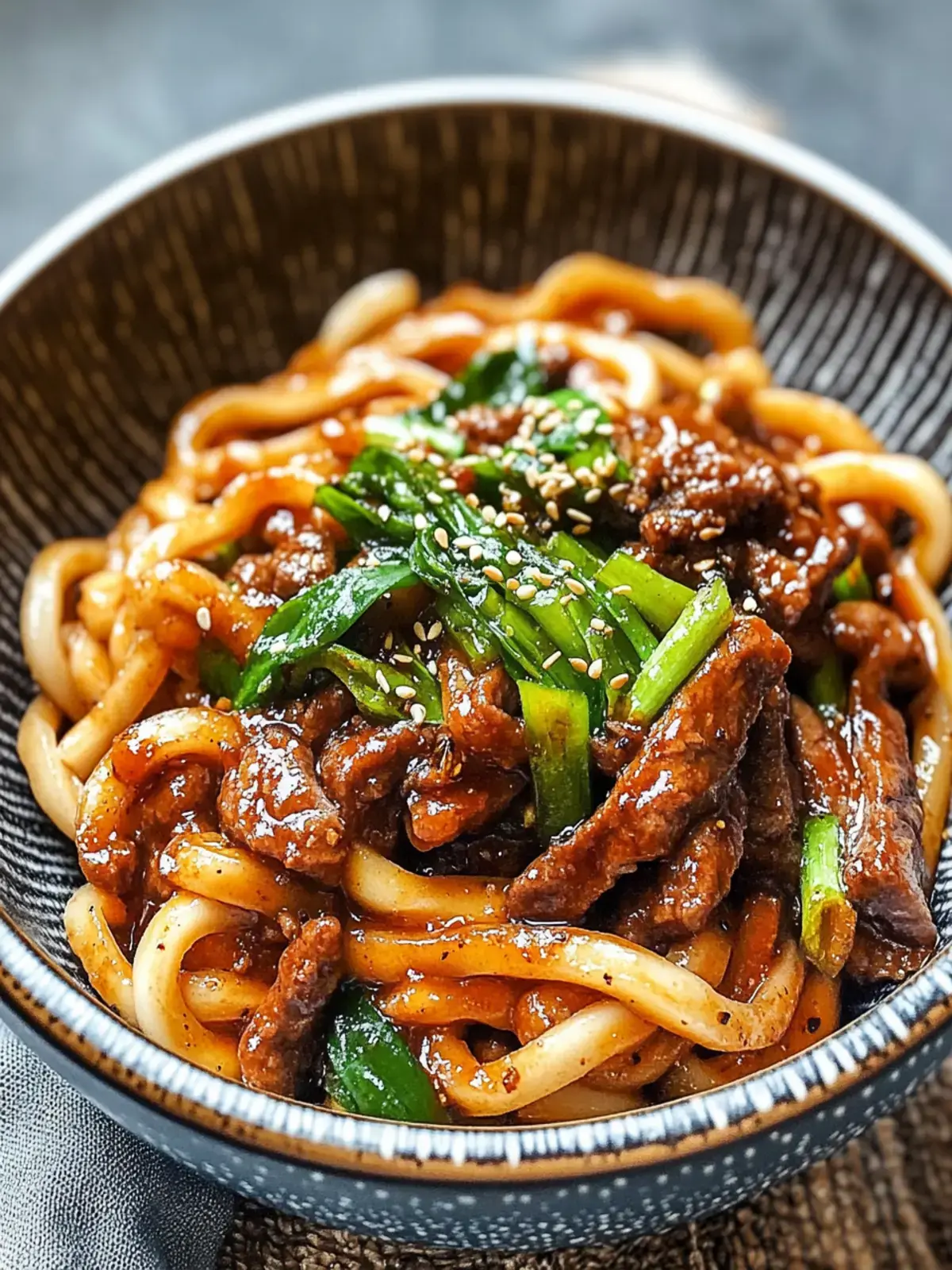
There’s something truly delightful about whipping up a meal that feels both comforting and elegant in under 15 minutes. When the clock is ticking and the hunger pangs are at their peak, my go-to has become these Black Pepper Beef Udon Noodles. The moment you toss the tender, thinly sliced beef into the hot pan, the kitchen is filled with a mouthwatering aroma that has everyone gathering around to see what’s cooking.
This dish is a vibrant punch of flavor, combining chewy udon noodles with a savory, spicy black pepper sauce that transports you straight to the bustling streets of Singapore. With just a handful of ingredients and minimal clean-up, you’ll realize this recipe isn’t just a quick fix; it’s a pantry miracle that breathes new life into your weeknight dinner routine. So, grab your wok, and let’s dive into a delicious adventure that’s sure to become a family favorite!
Why You Will Love This Recipe
- Quick and Easy: In just 15 minutes, you’ll have a flavorful meal that satisfies without stress.
- Savory Satisfaction: The rich blend of dark soy sauce, oyster sauce, and black pepper delivers a delectable taste that warms the heart.
- One-Pot Wonder: Minimal clean-up is a breeze with this dish combining everything in one pot, giving you more time to enjoy your meal.
- Versatile Options: Not a beef fan? Try tofu or mixed veggies instead; this recipe is easily adaptable for any dietary preference.
- Crowd Pleaser: Whether it’s a weeknight dinner or meal prep, this family-friendly dish will have everyone coming back for seconds.
Ingredients You Need
Gathering the right ingredients is the first step to creating an exceptional dish. The quality of your components directly impacts the final flavor profile and overall success of your Black Pepper Beef Udon Noodles. Opting for fresh udon noodles and thinly sliced beef, often referred to as shabu-shabu style, ensures the perfect texture that absorbs the rich sauce beautifully.
Savory Black Pepper Beef Udon Noodles
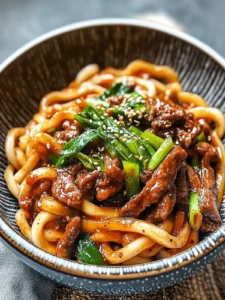
Enjoy Black Pepper Beef Udon Noodles, a quick, comforting meal packed with flavor in under 15 minutes. This dish is a vibrant punch of flavor, combining chewy udon noodles with a savory, spicy black pepper sauce that transports you straight to the bustling streets of Singapore. With just a handful of ingredients and minimal clean-up, you’ll realize this recipe isn't just a quick fix; it's a pantry miracle that breathes new life into your weeknight dinner routine.
- 8 oz Fresh Udon Noodles (Fresh is preferred, but dry can be used with pre-cook.)
- 8 oz Shabu Shabu Beef (Thinly sliced beef, can substitute with flank steak.)
- 1 medium Onion (Can use shallots as a milder alternative.)
- 1 tsp Garlic (minced) (Garlic powder can work in a pinch.)
- 1/2 tsp Ginger (minced) (Optional, adds warm spicy undertone.)
- 1/4 cup Dark Soy Sauce (Kicap Manis is a good option.)
- 1 tsp Oyster Sauce (Hoisin sauce for a vegetarian option.)
- 1 tbsp Tomato Paste (Ketchup may be used as a substitute.)
- 2 tsp Black Pepper (Adjust according to preference.)
- 1 cup Water (Chicken or beef broth can be used.)
- 2 cups Chye Sim (Can use spinach or bok choy.)
- 2 tsp Cornstarch slurry (Cornstarch + water) (Essential for achieving silky sauce consistency.)
- 1Blanch fresh udon noodles in a pot of boiling water for about 1 minute to loosen them up. Drain and transfer to a plate, setting aside for later.
- 2In a hot pan or wok, add a splash of oil and toss in the sliced onions, minced garlic, and optional ginger. Sauté for 2-3 minutes until fragrant and tender.
- 3Add the shabu shabu beef to the pan and stir-fry quickly for 2-3 minutes until the beef is just browned.
- 4Pour in the dark soy sauce, oyster sauce, tomato paste, black pepper, and water. Stir well and bring to a gentle simmer.
- 5Gently add the blanched udon noodles and chye sim to the pan. Toss everything together, adding the cornstarch slurry for thickness. Cook for an additional minute.
- 6Plate your delicious Black Pepper Beef Udon Noodles immediately, optionally garnished with extra black pepper.
Keywords: Udon, Beef, Black Pepper, Stir-fry, Quick Dinner, Asian
- fresh udon noodles: The chewy foundation of this dish, fresh udon noodles are preferred for their delightful texture; however, dry varieties can be used with a quick pre-cook.
- shabu shabu beef: Thinly sliced beef that cooks in a flash, perfect for quick stir-fries; flank steak can be substituted if you prefer a different cut.
- onion: Brings a subtle sweetness to the dish; shallots can offer a milder, more refined alternative.
- garlic (minced): Fills the kitchen with an irresistible aroma; garlic powder can be used in a pinch if fresh is unavailable.
- ginger (minced, optional): Adds a warm, spicy undertone that enhances the overall flavor profile; feel free to omit if ginger isn’t to your liking.
- dark soy sauce: Adds depth and a beautiful rich color to the dish; kicap manis is an excellent option, or use light soy sauce with a touch of brown sugar for sweetness.
- oyster sauce: Enriches the dish with a deep umami flavor; for a vegetarian alternative, hoisin sauce is a fantastic substitute.
- tomato paste: Provides a hint of tanginess and adds to the richness of the sauce; ketchup can be used as a substitute for a simpler, slightly sweeter flavor.
- black pepper: Delivers that signature potent heat that defines the dish; increase the amount for a spicier experience tailored to your preference.
- water: Acts as the primary cooking liquid for the sauce; chicken or beef broth can be used instead for a more intensely flavored base.
- chye sim (or any leafy greens): Offers a nutritional boost and vibrant color to the dish; spinach or bok choy are excellent alternatives that work equally well.
- cornstarch slurry: Essential for achieving that signature silky sauce consistency; this mixture of cornstarch and water thickens the sauce perfectly, so don’t skip this vital step.
The exact quantities for each of these components are detailed in the recipe card found below.
Variations
While the classic Black Pepper Beef Udon Noodles are a triumph on their own, the beauty of this dish lies in its adaptability. Experimenting with different proteins and flavor profiles can lead to exciting new culinary discoveries right in your own kitchen. Consider how each tweak can transform the familiar into something wonderfully new and tailored precisely to your palate.
For a delightful vegetarian rendition, swap the beef for firm tofu or tempeh. Press the tofu to remove excess moisture, then cube it for a satisfying bite that crisps up beautifully when stir-fried. This protein swap offers a hearty, meat-free alternative that absorbs the savory sauce just as effectively, making it a perfect choice for plant-based eaters or anyone looking to reduce their meat consumption without sacrificing flavor.
If you’re craving an extra layer of richness and a hint of nuttiness, try incorporating a tablespoon of creamy peanut butter into the sauce. Stir it in along with the other sauce ingredients; it will melt into the mixture, creating an unexpectedly delicious nutty dimension that complements the black pepper spice. This simple addition can elevate the dish to a whole new level of flavor complexity.
Another exciting variation involves a touch of creamy indulgence. For a richer, more decadent sauce, stir in a splash of full-fat coconut cream towards the end of the cooking process. This adds a velvety texture and a subtle tropical sweetness that beautifully balances the savory and spicy elements of the black pepper sauce, creating a truly unique flavor experience.
Spice enthusiasts will adore the “Spicy Kick” variation. For an intensified heat, add a teaspoon of chili paste or a few slices of fresh jalapeños along with the aromatics. This will infuse the dish with a fiery warmth that is utterly irresistible. Adjust the quantity based on your personal heat tolerance to achieve your perfect level of spice and savor the bold, invigorating flavors.
For those seeking a lighter, more refreshing profile, consider adding a squeeze of fresh lime juice or a sprinkle of lime zest just before serving. This zesty addition brightens the entire dish, cutting through the richness of the sauce and adding a delightful tang. It’s a simple yet impactful way to add a burst of citrusy freshness that elevates the overall taste experience.
You can also experiment with different noodle types for a textural variation. While udon provides its signature chewiness, swapping it for soba noodles offers a slightly firmer, nuttier bite. This change introduces a different character to the dish, making each mouthful a novel experience while still embracing the bold flavors of the black pepper sauce.
How to Prepare Black Pepper Beef Udon Noodles
Step 1: Prepare the Udon Noodles
The foundation of any great noodle dish lies in perfectly prepared noodles. For this recipe, fresh udon noodles are highly recommended due to their superior chewy texture and ability to absorb flavor. Begin by bringing a large pot of water to a rolling boil over high heat. Ensure there is enough water to generously cover the noodles, preventing them from clumping together.
Once the water is boiling vigorously, carefully add the fresh udon noodles. It’s important to stir them gently with chopsticks or a fork immediately after adding them to prevent any sticking. The goal is to loosen them up and separate any strands that might have adhered during storage or packaging. This step usually takes about 60 seconds, or until the noodles are pliable and no longer stuck together.
After a brief blanching period, drain the udon noodles thoroughly using a colander. Shake the colander well to remove as much excess water as possible, as a watery noodle will dilute the sauce. Transfer the blanched noodles to a plate or bowl, and set them aside. This brief resting period allows them to cool slightly, making them easier to handle in the subsequent stir-frying process. Keep them covered loosely to prevent them from drying out.
Step 2: Sauté the Aromatics
While the noodles are resting, it’s time to build the aromatic base of your Black Pepper Beef Udon Noodles. Heat a wok or a large, heavy-bottomed skillet over medium-high heat. Add a tablespoon or two of your preferred cooking oil, such as vegetable, canola, or even peanut oil, ensuring it shimmers but does not smoke.
Once the oil is hot, add the thinly sliced onion to the pan. Stir-fry the onions for about 2-3 minutes, or until they begin to soften and become slightly translucent. The goal here is to release their natural sweetness without letting them brown too much. This initial sautéing step lays the groundwork for the complex flavors to come.
Next, add the minced garlic and the optional minced ginger to the pan. Stir-fry for another 30-60 seconds, just until the garlic and ginger are fragrant. Be careful not to burn the garlic, as burnt garlic can impart a bitter taste. The aroma should be intoxicating, a testament to the deliciousness that’s about to unfold. This fragrant mixture forms the flavor core of the dish.
Step 3: Cook the Beef
Now it’s time to introduce the star protein: the beef. Ensure your shabu-shabu beef is thinly sliced, as this allows it to cook extremely quickly and remain tender. Increase the heat to high for this step, as rapid cooking is key to achieving the perfect texture. Add the beef slices to the hot wok in a single layer, if possible, to prevent steaming.
Stir-fry the beef continuously for about 2-3 minutes. You’re looking for the meat to change color from red to a pleasant brown, indicating it’s just cooked through. Overcooking the beef will make it tough and chewy, diminishing the delightful texture of the final dish. The rapid cooking at high heat sears the outside while keeping the inside wonderfully tender and juicy.
Once the beef is just browned, remove it from the wok and set it aside on a clean plate. This brief separation prevents the beef from overcooking while the sauce is being prepared. It also allows you to manage the cooking of the beef separately, ensuring optimal texture. You can even leave any accumulated juices from the beef to add back into the sauce later, boosting the flavor.
Step 4: Build the Sauce and Combine Ingredients
With the aromatics fragrant and the beef ready, it’s time to create the signature black pepper sauce. Return the wok to medium heat. Pour in the dark soy sauce, oyster sauce, tomato paste, and the freshly ground black pepper. If you reserved any juices from the cooked beef, add them now for an extra layer of flavor.
Stir all the sauce ingredients together thoroughly to combine. Allow the mixture to simmer gently for about 1 minute, letting the flavors meld together. This brief simmering period helps to deepen the richness of the sauce and meld the distinct notes of soy, oyster, and pepper into a harmonious blend. Taste the sauce at this point and adjust the black pepper to your liking, adding more if you desire a spicier kick.
Next, carefully pour in the 1 cup of water (or broth for a richer flavor). Stir everything together once more and bring the sauce to a gentle simmer. Allow it to bubble softly for another minute. This step ensures the sauce is well-integrated and has reached a pleasant consistency before the noodles are added. The aroma filling your kitchen should be incredibly enticing by now.
Step 5: Incorporate Noodles and Greens
Now it’s time to bring all the elements together. Gently add the blanched udon noodles and the chye sim (or your chosen leafy greens) to the wok with the simmering sauce. Be gentle with the noodles to avoid breaking them apart too much, although some breakage is natural during stir-frying.
Toss everything together using tongs or chopsticks, ensuring the noodles and greens are evenly coated with the rich black pepper sauce. Continue to stir-fry for about 1-2 minutes, allowing the noodles to absorb the sauce and the greens to wilt slightly. The heat from the wok will help the noodles become even more tender and infused with flavor.
This is also the moment to add the cornstarch slurry to thicken the sauce. Make sure you stir the slurry well before adding it, as cornstarch can settle at the bottom. Pour the slurry into the wok gradually while stirring continuously. The sauce should begin to thicken almost immediately, transforming into a glossy, appealing glaze that clings beautifully to the noodles and beef. Cook for an additional minute until the sauce reaches your desired glossy consistency.
Step 6: Serve Hot
Your delicious Black Pepper Beef Udon Noodles are now ready to be served! Transfer the finished dish immediately from the wok to individual serving bowls or a communal platter. The heat from the noodles and sauce will continue to cook the greens slightly, and the sauce will remain at its perfect consistency.
For an extra touch of visual appeal and a burst of fresh flavor, garnish the dish with a sprinkle of freshly ground black pepper. You can also add thinly sliced green onions or sesame seeds if desired. These finishing touches not only enhance the presentation but also add subtle layers of flavor and texture, making the dish even more enticing.
Serve the Black Pepper Beef Udon Noodles piping hot. The combination of tender beef, chewy udon noodles, and the intensely savory, peppery sauce is best enjoyed fresh. This dish is a complete meal in itself, offering a satisfying and flavorful dining experience that’s perfect for a quick weeknight dinner or a comforting lunch. Enjoy the explosion of Asian-inspired flavors with every bite!
Pro Tips for Black Pepper Beef Udon Noodles
Noodle Handling: Be gentle when separating fresh udon noodles to prevent tearing. A quick blanch in boiling water not only loosens them but also makes them more resilient for the stir-fry process. Avoid over-blanching, as they will continue to cook in the wok.
Seasoning Precision: Adjust the amount of black pepper according to your personal spice tolerance. It’s always best to add it gradually and taste as you go, ensuring you achieve the perfect level of heat without overwhelming the other flavors.
Sauce Balance is Key: Before adding more soy sauce or salt, always taste your sauce. This simple step prevents the dish from becoming overly salty and ensures a perfectly balanced, savory flavor profile. The goal is depth, not just saltiness.
Elevate with Broth: For a richer, more complex base flavor, consider using chicken or beef broth instead of plain water when making your black pepper beef udon noodles. This simple substitution significantly enhances the umami notes of the sauce.
Boost the Veggies: Don’t hesitate to add more vegetables like thinly sliced bell peppers, broccoli florets, or snap peas for extra nutrition, color, and textural contrast. These additions make the dish even more wholesome and visually appealing.
Marinate for Deeper Flavor: For an even more intensely flavored beef, slice it thinly and marinate it for at least 15-30 minutes in a mixture of dark soy sauce, a little oyster sauce, and a pinch of cornstarch. The cornstarch helps to tenderize the meat and create a velvety coating.
High Heat, Quick Cooking: The key to tender beef and perfectly cooked noodles is high heat and fast cooking. Ensure your wok or pan is very hot before adding ingredients, and stir-fry quickly to avoid overcooking and achieve that desirable slightly charred exterior on the beef.
Cornstarch Slurry Consistency: When preparing your cornstarch slurry, ensure it’s a smooth paste with no lumps. Add it to the simmering sauce gradually while stirring constantly. This technique ensures a smooth, glossy sauce that coats the noodles beautifully without becoming clumpy or gummy.
Prep Ingredients Ahead (Mise en Place): Because the cooking process is so rapid, it’s crucial to have all your ingredients prepped and within easy reach before you start. This includes slicing the beef, mincing the garlic and ginger, chopping the onions, and measuring out all your sauce components. This organizational step, known as mise en place, is vital for a stress-free and successful stir-fry.
Make Ahead Options for Busy Cooks: These Black Pepper Beef Udon Noodles are fantastic for busy home cooks looking to save time during the week. You can prep the fresh udon noodles by blanching them and storing them in an airtight container in the refrigerator for up to 24 hours. The beef can be sliced and marinated in the soy sauce mixture (omitting the cornstarch slurry for storage) and kept in the fridge for up to 3 days. When you’re ready to serve, simply stir-fry the aromatics, add the marinated beef until cooked, then incorporate the noodles and chye sim along with the cornstarch slurry for that final glossy finish. This way, you’ll enjoy a delicious meal with minimal effort!
Serving Suggestions for Black Pepper Beef Udon Noodles
Decoration
Elevate the visual appeal of your Black Pepper Beef Udon Noodles with simple yet effective garnishes. A generous sprinkle of freshly ground black pepper not only enhances the flavor but also adds a rustic, inviting look. Thinly sliced green onions, with their vibrant green hue, provide a fresh contrast against the rich brown sauce and noodles.
For an added textural element and a subtle nutty aroma, consider scattering toasted sesame seeds over the top. If you enjoy a touch of heat and visual interest, a few thinly sliced red chilies can make a striking statement. These decorative touches transform a delicious meal into a feast for the eyes, making it even more enjoyable.
Side Dishes
To create a well-rounded and satisfying meal, consider pairing your Black Pepper Beef Udon Noodles with complementary side dishes. Steamed dumplings, whether pork, shrimp, or vegetable-filled, offer a comforting texture that harmonizes beautifully with the chewiness of the udon and the savory sauce. Their delicate wrapper and juicy filling provide a lovely contrast.
A light and refreshing cucumber salad offers a crisp, palate-cleansing element that balances the richness of the noodles. Tossed with a simple vinaigrette, perhaps with a hint of sesame oil and rice vinegar, it adds a much-needed brightness. For a more substantial pairing, smoky and savory egg fried rice complements the beef udon, creating a truly hearty Asian-inspired feast.
A warm, comforting bowl of miso soup serves as an excellent starter, providing a gentle umami flavor that primes the palate for the main course. The subtle savory notes of the miso broth are a perfect prelude. Pickled vegetables, such as daikon radish or carrots, bring a delightful tang and acidity that cuts through the savory notes of the beef and pepper, adding an exciting crunchy element.
Creative Serving Ideas
Transform a weeknight meal into a special occasion with creative serving ideas. Serve the Black Pepper Beef Udon Noodles in traditional Japanese ramen bowls to enhance the authentic dining experience. For a fun, interactive meal, present the noodles and stir-fried beef and vegetables separately, allowing each diner to assemble their own bowl with their preferred noodle-to-topping ratio.
Consider a “build-your-own” topping bar with various additions like fried shallots, chili oil, bean sprouts, and a soft-boiled egg with a perfectly jammy yolk. This approach caters to individual preferences and adds an element of playful dining. For a more elegant presentation, plate the noodles neatly in the center of a large platter, artfully arranging the beef and greens around them, then drizzle with extra sauce.
To complete the meal, offer a refreshing chilled green tea or a light, fruity iced beverage. An Asian-inspired fruit salad featuring mango, pineapple, and kiwi can provide a sweet, palate-cleansing finish. These thoughtful additions and presentations ensure your Black Pepper Beef Udon Noodles are not just a meal, but a memorable culinary experience.
Preparation & Storage
Storing Leftovers
Should you be fortunate enough to have any Black Pepper Beef Udon Noodles leftover, proper storage is key to maintaining their delicious quality. Ensure the dish has cooled down to room temperature before transferring it into an airtight container. This prevents condensation, which can lead to a soggy texture and spoilage.
Store the container in the refrigerator for up to 2 days. The sauce’s flavors tend to meld and deepen over time, so leftovers can sometimes be even more flavorful. However, it’s best to consume them within this timeframe to ensure optimal freshness and food safety. Avoid leaving the dish at room temperature for extended periods.
Freezing
Freezing Black Pepper Beef Udon Noodles is a fantastic way to have a quick, delicious meal ready at a moment’s notice. Once the dish has completely cooled, divide it into individual portions using freezer-safe containers or heavy-duty freezer bags. Removing as much air as possible from the packaging will help prevent freezer burn.
The noodles can be stored effectively in the freezer for up to 2 months. While freezing is a convenient option, be aware that the texture of the udon noodles might change slightly upon reheating. For the best results, plan to consume them within the recommended timeframe to enjoy the optimal flavor and texture.
Reheating
Reheating your Black Pepper Beef Udon Noodles requires a gentle approach to bring back their original deliciousness. The most recommended method is on the stovetop. Place the refrigerated or thawed leftovers in a non-stick skillet over medium heat. Add a splash of water or a bit of broth to help loosen the sauce and prevent it from sticking to the pan.
Stir gently and continuously until the noodles are heated through and the sauce is glossy and coats everything evenly. This method allows you to control the consistency of the sauce and ensures even heating. If reheating from frozen, thaw the noodles overnight in the refrigerator before using the stovetop method for the best results.
Alternatively, you can reheat the noodles in the microwave. Transfer them to a microwave-safe dish, cover loosely, and heat on medium power in 1-minute intervals, stirring in between, until thoroughly heated. Again, adding a tablespoon of water or broth can help maintain moisture and prevent the sauce from drying out. Enjoy your revitalized Black Pepper Beef Udon Noodles!
Frequently Asked Questions
-
How can I choose the best udon noodles for this recipe?
For the absolute best texture and flavor in your Black Pepper Beef Udon Noodles, I highly recommend using fresh udon noodles as the primary base of the dish. Fresh noodles are known for providing that delightfully springy and chewy texture that makes this meal truly enjoyable and authentic. If, however, fresh udon is not readily available in your local market or grocery store, you can certainly opt for dry udon noodles. If you choose the dry variety, it’s crucial to pre-cook them according to the package instructions before you begin the stir-frying process. This ensures they are tender and ready to absorb the rich sauce without becoming mushy or undercooked.
-
What is the best way to store leftovers of Black Pepper Beef Udon Noodles?
To keep your delicious Black Pepper Beef Udon Noodles tasting as fresh and flavorful as possible, the best practice for storing leftovers is to place any remaining portions in an airtight container. Ensure the lid is sealed tightly to prevent air from entering, which helps maintain quality and prevent spoilage. Store this sealed container in the refrigerator, where it can be kept for up to 2 days. It’s worth noting that the flavors in this dish tend to meld and deepen over time, so leftovers can sometimes taste even richer than when freshly made. For optimal freshness and food safety, aim to consume them within this 2-day window.
-
Can I freeze Black Pepper Beef Udon Noodles?
Absolutely, you can freeze your Black Pepper Beef Udon Noodles for convenient future meals! The most important step before freezing is to ensure that the dish has cooled down completely to room temperature. Once cooled, transfer the noodles into a freezer-safe container or a heavy-duty zip-top bag. Make sure to press out as much air as possible from the bag or container to minimize the risk of freezer burn. Properly stored this way, your Black Pepper Beef Udon Noodles can be kept frozen for up to 2 months. When you’re ready to enjoy them, thaw the frozen noodles overnight in the refrigerator and then reheat them on the stove, adding a little water or broth as needed to achieve your desired sauce consistency.
-
What should I do if my sauce is too salty?
Very! If you find that the sauce for your Black Pepper Beef Udon Noodles has turned out too salty for your liking, don’t worry, there are a couple of effective ways to adjust and balance the flavor. Your first option is to simply add a bit more water or broth to the sauce. This will help to dilute the saltiness, making it more palatable. Alternatively, you can introduce a touch of sweetness by mixing in a small amount of sugar or honey. This helps to counteract the saltiness and create a more balanced flavor profile. Start with a small amount of either diluent or sweetener and taste as you go, carefully adjusting until the final flavor is just right for your personal preference.
-
Are there any dietary considerations for making this recipe?
Definitely! This Black Pepper Beef Udon Noodles recipe is wonderfully versatile and can be adapted to suit various dietary needs. For those following a vegetarian or vegan lifestyle, the shabu shabu beef can be easily substituted with thinly sliced firm tofu or meaty mushrooms like shiitake. For a plant-based version, ensure your oyster sauce is swapped for a vegan-friendly alternative like hoisin sauce. Additionally, always be mindful of the ingredients used in pre-made sauces and seasonings if you have specific allergies; checking labels is always a good practice. This adaptability ensures everyone can enjoy this delicious dish.
-
How can I adjust the level of spiciness in my Black Pepper Beef Udon Noodles?
The more the merrier when it comes to spice! You can easily adjust the spiciness of your Black Pepper Beef Udon Noodles by increasing or decreasing the amount of freshly ground black pepper you add to the sauce. The recipe typically calls for 2 teaspoons, which provides a noticeable warmth. Feel free to start with that amount and then gradually add more, tasting the sauce as you go, until you reach your preferred level of heat. Remember that everyone’s spice tolerance is different, so the key is to make it your own and tailor it precisely to what you find most enjoyable and delicious!