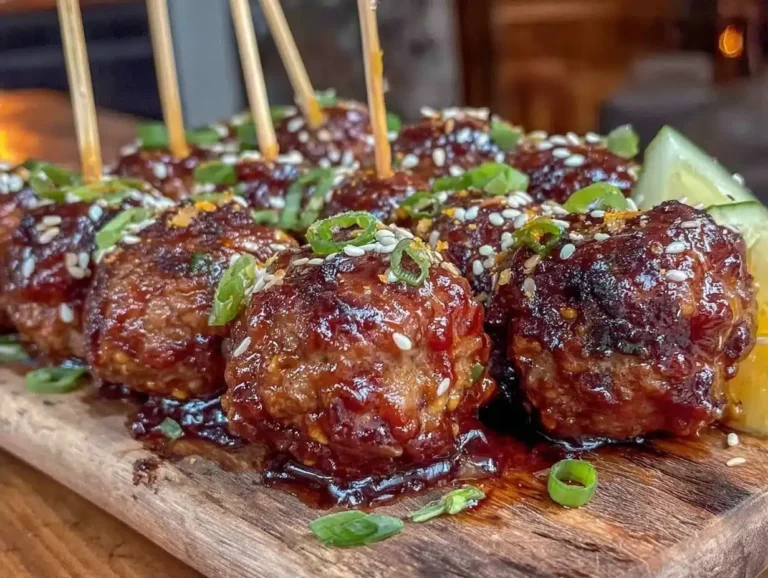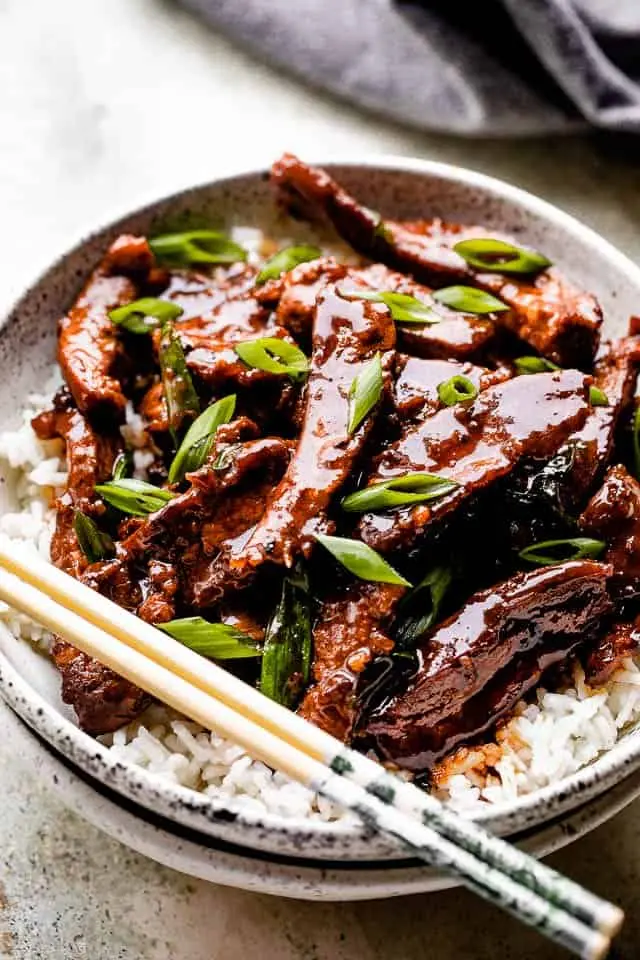
Beijing Beef – Panda Express Copycat Recipe!
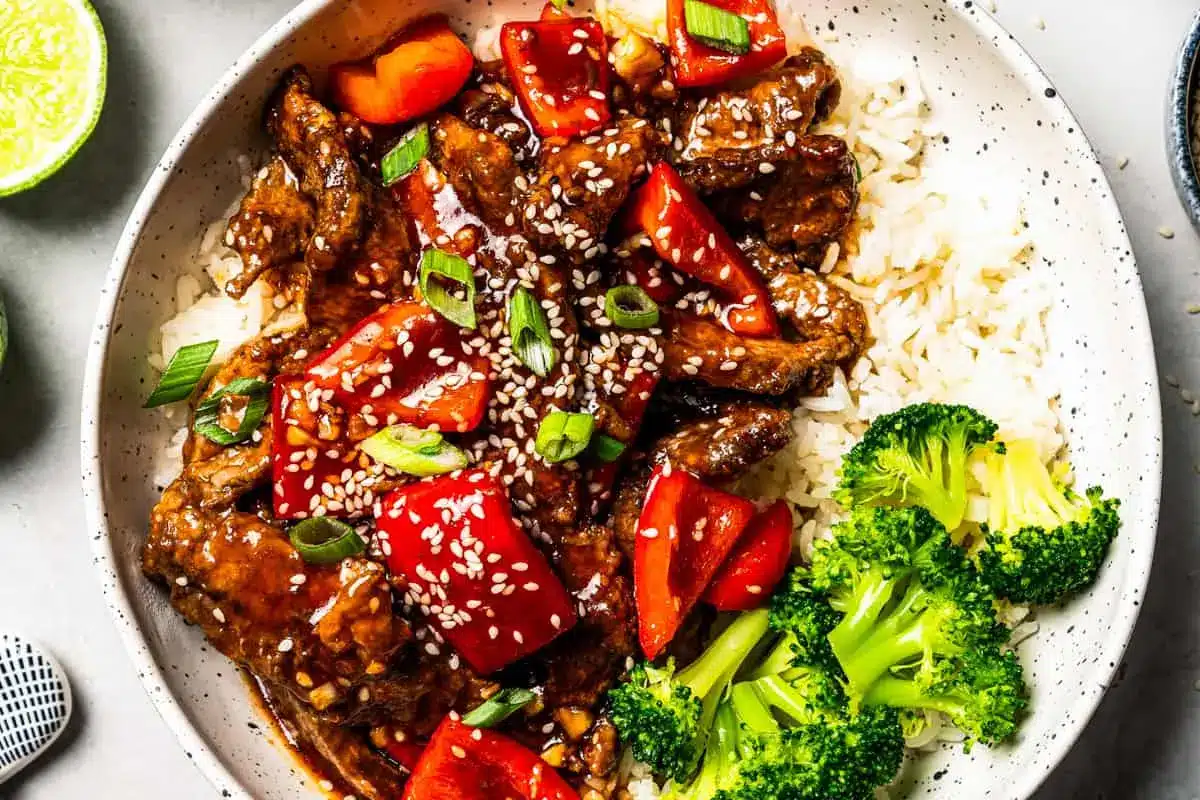
This Beijing beef recipe delivers that irresistible sweet, savory, and spicy kick you crave from your favorite Chinese takeout, but with a homemade touch that truly elevates it. Imagine tender strips of beef, coated in a light crisp and then tossed with vibrant bell peppers and onions in a glossy, flavorful sauce. It’s a dish that promises to satisfy those takeout cravings without leaving your kitchen.
The beauty of this recipe lies in its approachable nature and the ability to tailor it precisely to your palate. You can adjust the spice level, swap out vegetables, and even modify the sauce ingredients slightly to make it uniquely yours. It’s an ideal candidate for your next dinner rotation, offering a restaurant-quality experience that’s surprisingly easy to achieve at home.
Why You Will Love This Recipe
- Authentic Flavor: Captures the signature sweet, savory, and tangy profile of classic Beijing beef with a delightful spicy undertone, making it a true Panda Express copycat.
- Tender & Crispy Beef: Achieves that perfect texture contrast through the “velveting” technique with cornstarch, ensuring each bite is incredibly tender yet delightfully crisp.
- Quick Preparation: Despite its complex flavors, this dish comes together in under an hour, making it a perfect weeknight dinner solution.
- Customizable Spice Level: Easily adjust the heat by modifying the amount of sweet chili sauce, allowing you to create a version that’s perfectly suited to your spice tolerance.
- Fresh, Wholesome Ingredients: Utilizes readily available pantry staples and fresh vegetables for a healthier and more satisfying alternative to store-bought versions.
Ingredients You Need
The key to an exceptional Beijing beef lies in the quality and freshness of your ingredients, as well as understanding their roles in creating that signature flavor profile. By selecting good cuts of beef and vibrant produce, you lay the groundwork for a truly memorable culinary experience. Even common pantry staples play a crucial role in achieving the authentic taste and texture that makes this dish so beloved.
Beijing Beef
This Beijing beef features bell peppers and onions tossed in a sweet, savory, spicy homemade stir-fry sauce that tastes just like Panda Express (or even better!).
- 1 pound flank steak, cut into ¼-inch thick strips
- Salt and freshly ground black pepper, to taste
- 1 tablespoon soy sauce
- 2 egg whites, lightly beaten
- ¼ cup cornstarch, + 1 tablespoon
- 1 cup vegetable oil, for frying
- ½ cup low sodium chicken broth
- 2 tablespoons soy sauce
- 3 tablespoons ketchup
- ¼ cup hoisin sauce
- 3 tablespoons sweet chilli sauce
- 2 teaspoons oyster sauce
- ¼ cup brown sugar
- 2 tablespoons white vinegar
- 2 red bell peppers, seeded and chopped
- 4 cloves garlic, minced
- Sesame seeds, for garnish
- Spring onions, chopped, for garnish
- 1Marinate the beef: Using a whisk, beat the soy sauce, egg whites, and 1 tablespoon cornstarch in a large bowl. Season to taste with salt and pepper. Add the sliced steak, cover with plastic wrap, and refrigerate for 30 minutes to marinate.
- 2Make the sauce: Combine all the sauce ingredients in a bowl. Set aside.
- 3Velvet the beef: Remove the beef from the marinade. Discard the marinade. Coat the beef slices with the ¼ cup of cornstarch. You can do this in two batches.
- 4Cook the beef: Heat the cooking oil in a large skillet or wok to 350°F. Once heated, add the beef and cook for 3-4 minutes or until done. Remove the beef slices with a slotted spoon and move them to a paper-lined plate to drain. Try not to crowd the pan and cook the beef in two batches.
- 5Cook the veggies: Remove most of the oil from your skillet or wok, leaving about 2 tablespoons. Add the bell pepper and cook, stirring until crisp-tender, about 2 minutes. Stir in the garlic and cook for 15 seconds, or until fragrant. Remove the veggies from the skillet and transfer them to the plate with the beef.
- 6Thicken the sauce: Add the sauce to the same skillet or wok. Cook for 3 to 5 minutes or until it thickens.
- 7Put it all together: Stir the beef and veggies back into the pan with the sauce and toss to combine.
- 8Serve: Serve warm, garnished with sesame seeds and spring onions.
Keywords: Beijing Beef, Panda Express, stir-fry, beef, Asian, copycat
The precise quantities and detailed breakdown of these ingredients are readily available in the accompanying recipe card, ensuring you have everything you need for success.
Variations
For those seeking a plant-based delight, a vegan Beijing beef is entirely achievable by substituting the beef with firm tofu or tempeh. The tofu can be pressed, cut into bite-sized pieces, and then coated in cornstarch and fried until golden and crispy, mimicking the texture of the beef. Ensure your sauce ingredients are also vegan-friendly, and you’ll have a delicious meat-free alternative.
A low-carb adaptation can be made by omitting the brown sugar from the sauce and using a sugar substitute like erythritol or stevia. You can also serve the Beijing beef mixture over cauliflower rice or a bed of sautéed zucchini noodles instead of traditional rice. This modification allows for a satisfying meal that aligns with a ketogenic or low-carbohydrate lifestyle.
For a gluten-free version, the primary adjustments involve using tamari instead of soy sauce and ensuring your hoisin and sweet chili sauces are certified gluten-free. The cornstarch used for velveting and thickening is naturally gluten-free, making the rest of the recipe inherently suitable. This ensures everyone can enjoy the incredible flavors of Beijing beef, regardless of dietary restrictions.
How to Prepare Beijing Beef
Step 1: Marinate the Beef for Ultimate Tenderness
Begin by preparing the marinade for your beef, which is a crucial step in achieving that signature tender texture. In a large bowl, whisk together the soy sauce, lightly beaten egg whites, and one tablespoon of cornstarch. This combination forms the base of the “velveting” process that tenderizes the meat and helps create a slight crispiness during frying.
Season this marinade generously with salt and freshly ground black pepper to your personal preference. Once the marinade is perfectly blended and seasoned, add your thinly sliced flank steak to the bowl. Ensure each strip of beef is well-coated by tossing them gently. Cover the bowl tightly with plastic wrap and refrigerate for at least 30 minutes, allowing the flavors to meld and the meat to become wonderfully tender.
While the beef is marinating, you can use this time to prepare all your other ingredients, such as chopping the vegetables and mixing the sauce. This efficiency is key to a smooth stir-frying process. The 30-minute marination period is just enough to infuse the beef with flavor and begin the tenderizing process without making the meat mushy.
Step 2: Crafting the Signature Beijing Sauce
Simultaneously, it’s time to create the heart of this dish: the vibrant and complex Beijing beef sauce. In a separate bowl, combine all the listed sauce ingredients: the low-sodium chicken broth, soy sauce, ketchup, hoisin sauce, sweet chili sauce, oyster sauce, brown sugar, and white vinegar. The ketchup provides a quick, sweet-tangy base, while the hoisin adds a deep, savory sweetness characteristic of Chinese barbecue sauces.
Whisk these ingredients together thoroughly until everything is well incorporated and the sugar has dissolved. The sweet chili sauce adds a touch of heat, which you can adjust according to your preference – use more for a spicier dish or less for a milder one. Oyster sauce contributes a layer of umami and depth, essential for that authentic restaurant taste. This harmonious blend of sweet, savory, tangy, and slightly spicy notes is what defines Beijing beef.
Taste a small amount of the sauce and adjust seasonings if necessary; perhaps a little more vinegar for tang or a pinch more sugar for sweetness. Once you’re satisfied with the flavor profile, set the bowl of sauce aside. Having the sauce ready to go will make the final stir-frying stage much quicker and more efficient, preventing the vegetables and beef from overcooking.
Step 3: Velveting the Beef for Perfect Texture
Now, it’s time to prepare the beef for its crispy transformation through the velveting technique. Remove the marinated beef from the refrigerator. Discard the excess marinade that remains in the bowl, as you only want the beef coated in the tenderizing mixture. This step is vital to prevent the beef from becoming waterlogged during frying.
In a clean bowl or directly on a plate, place the remaining ¼ cup of cornstarch. Dredge each strip of marinated beef in the cornstarch, ensuring it is evenly coated on all sides. You might need to do this in batches to ensure thorough coverage and to prevent the cornstarch from clumping. This cornstarch coating is the secret to achieving that delightfully crispy exterior on the beef.
The cornstarch forms a protective layer that fries up to a delicate crisp, holding in the juices and preventing the beef from becoming tough. Take your time with this step, ensuring each piece of beef is well-covered. This meticulous coating is what sets this homemade version apart, delivering restaurant-quality results right in your own kitchen.
Step 4: Frying the Beef to Golden Perfection
Heat your cooking oil in a large skillet or wok over medium-high heat to approximately 350°F (175°C). A neutral oil with a high smoke point, such as canola, vegetable, or peanut oil, is ideal for this process. Using a thermometer to monitor the oil temperature is recommended for consistent results, ensuring the beef fries perfectly without burning.
Once the oil is hot, carefully add the cornstarch-coated beef strips to the skillet. Do not overcrowd the pan; fry the beef in batches if necessary to maintain the oil temperature and ensure even cooking. Fry the beef for about 3-4 minutes, or until it’s golden brown and cooked through, turning the pieces as needed for even browning. The goal is a beautiful, crispy exterior that locks in the juicy interior.
Using a slotted spoon or metal tongs, carefully remove the fried beef from the skillet and transfer it to a plate lined with paper towels. This will help drain away any excess oil, keeping the beef delightfully crisp. Repeat this frying process with any remaining beef, ensuring each batch is cooked to perfection before moving on to the next step.
Step 5: Sautéing the Vegetables
After frying the beef, carefully remove most of the oil from your skillet or wok, leaving just about 1-2 tablespoons behind. This remaining oil will be used to sauté the vegetables and infuse them with flavor. Return the skillet to medium-high heat.
Add your chopped red bell peppers to the hot skillet. Cook the bell peppers, stirring frequently, for about 2 minutes, or until they are crisp-tender. You want them to retain a slight bite, not become mushy. The vibrant red color of the peppers will also add a beautiful visual appeal to the finished dish.
Next, add the minced garlic to the skillet with the bell peppers. Stir and cook for about 15-30 seconds, just until the garlic becomes fragrant. Be careful not to burn the garlic, as this can impart a bitter taste. Once the garlic is fragrant and the peppers are crisp-tender, remove the vegetables from the skillet and transfer them to the plate with the cooked beef.
Step 6: Finishing the Dish with the Sauce
Now, it’s time to bring everything together by thickening the sauce and combining it with the beef and vegetables. Pour the prepared Beijing beef sauce directly into the same skillet or wok where you cooked the vegetables. Place the skillet back over medium heat.
Allow the sauce to simmer and bubble, stirring occasionally, for about 3 to 5 minutes. You will notice the sauce begin to thicken as it cooks, becoming glossy and rich. This thickening process is due to the cornstarch that was incorporated earlier. If the sauce seems too thick, you can add a tablespoon or two of chicken broth or water to reach your desired consistency.
Once the sauce has reached your desired thickness and consistency, return the fried beef and sautéed vegetables to the skillet. Toss everything together gently but thoroughly, ensuring that every piece of beef and every vegetable is beautifully coated in the luscious sauce. Serve immediately while hot for the best texture and flavor experience.
Pro Tips for Beijing Beef
Slice Against the Grain: For the most tender beef, always slice your flank steak against the grain. The grain refers to the visible lines of muscle fiber running through the meat. Cutting perpendicular to these lines severs the tough connective tissues, resulting in meat that is significantly more tender and enjoyable to eat.
Don’t Skip the Cornstarch: Cornstarch is a multifaceted ingredient in this recipe. It’s used not only for velveting the beef to create a crispy exterior but also for thickening the sauce. Ensure you have enough for both steps, as it’s the key to achieving that restaurant-quality texture and glossy sauce.
Control the Heat: The spice level of Beijing beef can be easily adjusted. The sweet chili sauce is the primary contributor to the heat. If you prefer a milder dish, reduce the amount of sweet chili sauce or omit it entirely. For a spicier kick, add a pinch of red pepper flakes or use a hotter chili sauce.
Oil Temperature is Key: Frying the beef at the correct oil temperature (around 350°F or 175°C) is crucial. If the oil is too cool, the beef will absorb too much oil and become greasy. If it’s too hot, the cornstarch coating will burn before the beef is cooked through. Using a thermometer will ensure consistent and perfect frying results.
Prep Ahead for Speed: Stir-frying is a fast cooking method, so having all your ingredients prepped and ready before you start cooking is essential. This includes chopping vegetables, mixing the sauce, and coating the beef. This mise en place approach ensures a smooth and efficient cooking process, preventing any component from overcooking.
Serving Suggestions for Beijing Beef
Decoration
To beautifully finish your Beijing Beef, a sprinkle of toasted sesame seeds adds a nutty aroma and a visual appeal that complements the rich sauce. Thinly sliced spring onions, with their vibrant green color and mild oniony bite, provide a fresh counterpoint. These garnishes not only enhance the aesthetic of the dish but also add subtle layers of flavor and texture that elevate the overall dining experience.
Side Dishes
This flavorful Beijing beef pairs exceptionally well with steamed jasmine rice, which acts as a perfect canvas to soak up the delicious sauce. For those looking for a noodle experience, consider serving it alongside fluffy egg noodles, hearty soba, or classic chow mein and lo mein. These carbohydrate bases provide a satisfying foundation for the stir-fried components.
To create a more complete and authentic takeout-style meal, consider adding a crispy side. Air-fried crab rangoon, with their creamy filling and crunchy exterior, offer a delightful textural contrast. Alternatively, homemade spring rolls, filled with vegetables or pork, provide another excellent crunchy accompaniment that enhances the meal’s overall appeal.
Creative Serving Ideas
For a truly impressive appetizer spread, consider preparing shrimp toast or fluffy homemade bao buns with char siu. These additions transform a simple meal into a festive gathering, offering diverse flavors and textures that guests will rave about. This approach is perfect for special occasions or when you want to impress your diners.
To embrace a “surf-and-turf” theme, pair your Beijing beef with a succulent seafood dish. Bang bang shrimp, with their creamy, spicy sauce, create a dynamic duo with the beef. Another excellent option is shrimp fried rice, which combines the savory flavors of fried rice with the deliciousness of shrimp, making for a doubly satisfying meal.
Preparation & Storage
Storing Leftovers
Leftover Beijing beef can be stored in an airtight container in the refrigerator for up to 3-4 days. Ensure the container is sealed tightly to prevent the dish from drying out or absorbing odors from other foods. Proper storage is key to maintaining the quality and flavor of the dish for future enjoyment.
Freezing
While Beijing beef is best enjoyed fresh, it can be frozen for longer storage. Allow the dish to cool completely before transferring it to freezer-safe containers or heavy-duty freezer bags. It can be stored in the freezer for up to 2 months. Freezing can slightly alter the texture of the beef and vegetables, but the flavors will generally remain intact.
Reheating
To reheat your Beijing beef, you have a couple of convenient options. On the stovetop, heat a tablespoon of oil or a splash of broth in a skillet over medium heat and gently stir-fry the leftovers until heated through. Alternatively, you can reheat it in the microwave, covering the dish loosely and heating in short intervals, stirring in between, until warmed. If the sauce appears too thick after refrigeration or freezing, a small splash of water, broth, or even a touch of soy sauce can help loosen it up.
Frequently Asked Questions
-
What is the primary difference between Beijing Beef and Mongolian Beef?
The fundamental distinction between Beijing Beef and Mongolian Beef lies in their flavor profiles and textures, although both are popular stir-fried beef dishes. Beijing Beef is characterized by its crispy fried beef strips coated in a tangy, savory, and distinctly spicy sauce that often includes notes of ketchup and chili. The texture of the beef is intended to be crunchy on the outside. Mongolian Beef, on the other hand, typically features thinly sliced beef that is tender but not usually fried to a crisp, and its sauce is generally sweeter and more savory, often with a dominant soy sauce and oyster sauce base, and it’s less frequently spicy. Beijing beef is often described as having a bolder, more aggressive flavor profile due to its spice and tanginess, whereas Mongolian beef is considered milder and more mellow.
-
Is the original Panda Express Beijing Beef very spicy? How can I adjust the spice level in this homemade version?
The original Panda Express Beijing Beef does have a noticeable level of spice, primarily derived from chili flakes and the sweet chili sauce used in its preparation. While this homemade recipe aims to replicate that flavor, it offers a more controlled approach to heat. The sweet chili sauce is the main component contributing to the spiciness here. To adjust the heat level, you can easily increase or decrease the amount of sweet chili sauce called for in the recipe. For a milder version, use less sweet chili sauce or omit it entirely and perhaps add a touch more ketchup or hoisin for sweetness and body. For a spicier rendition, feel free to add more sweet chili sauce, a pinch of red pepper flakes during the sautéing of the garlic, or even a dash of your favorite hot sauce to the final sauce mixture. This flexibility ensures you can tailor the dish to your exact spice preference.
-
Can I use a different cut of beef besides flank steak for this recipe? What are the best alternatives?
Yes, absolutely! While flank steak is an excellent choice for its tenderness and ability to hold up well in stir-fries, several other cuts of beef can be successfully used for this Beijing Beef recipe, provided they are sliced thinly and cooked quickly. Skirt steak is another fantastic option, similar to flank steak in texture and flavor, and it also slices beautifully against the grain. Sirloin steak is also a good choice; it’s relatively tender and flavorful, though you might want to ensure it’s cut into very thin strips to prevent it from becoming tough. For a more premium option, tenderloin or ribeye can be used, but they are more expensive and cook very quickly. The key across all alternatives is to slice the beef thinly (about 1/4-inch thick) against the grain to maximize tenderness, and to be mindful of cooking times to avoid overcooking, which can lead to toughness regardless of the cut.