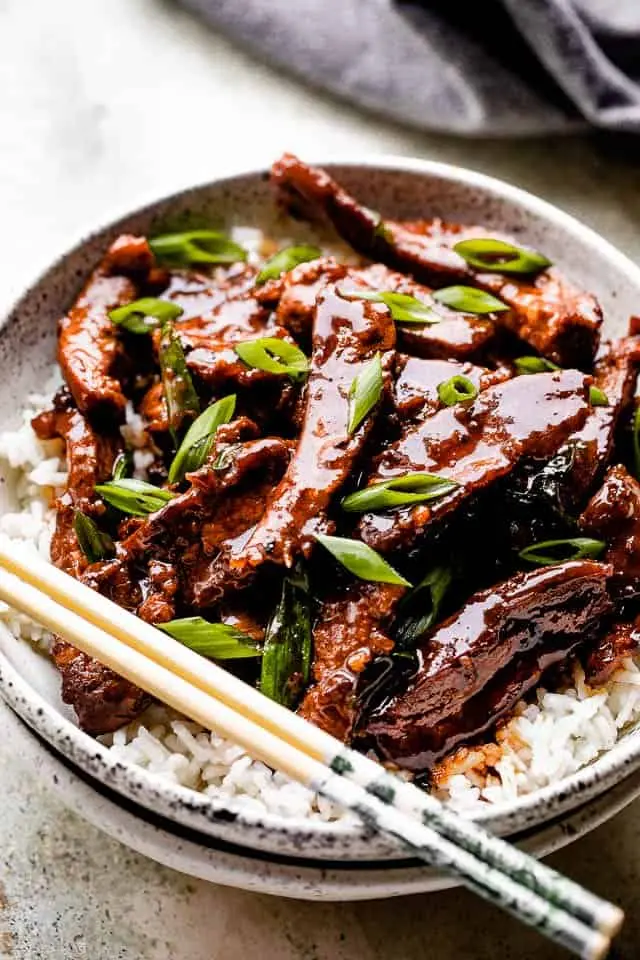
Beijing Beef – Panda Express Copycat Recipe!
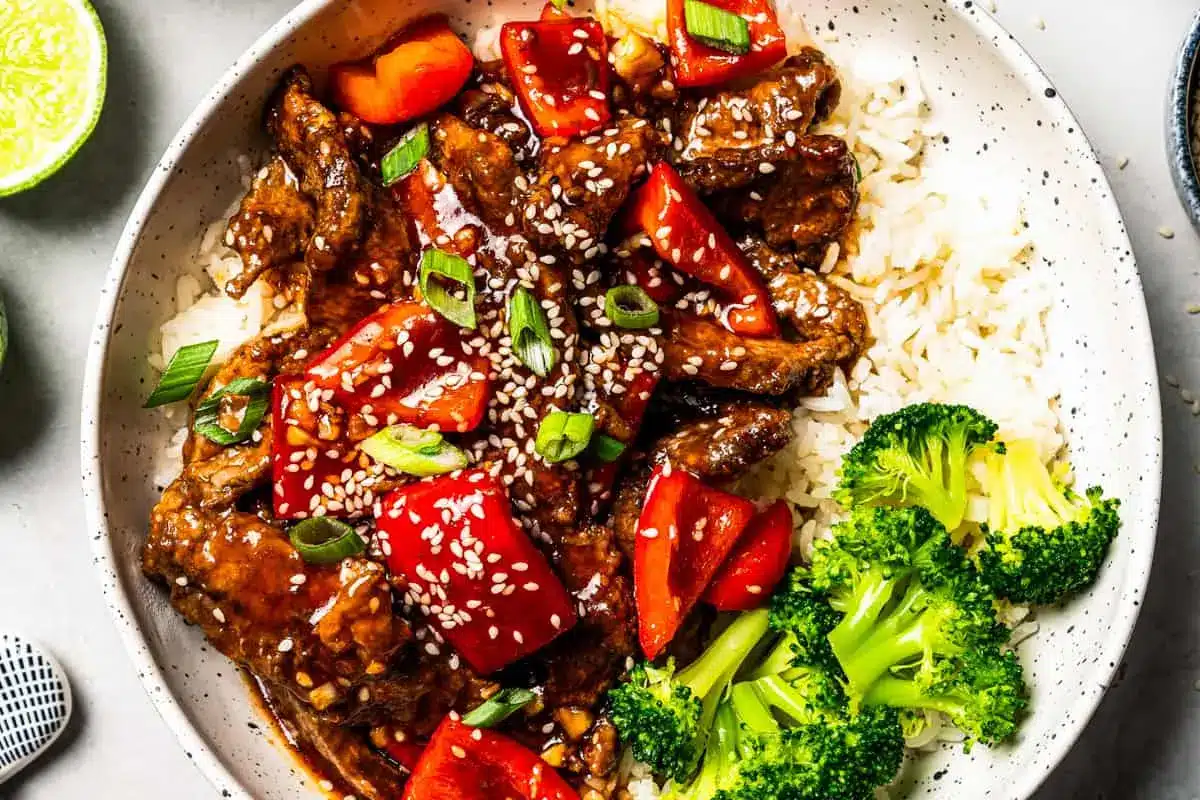
Embark on a culinary adventure with this incredible Beijing Beef recipe, a beloved classic that brings the vibrant flavors of authentic Chinese takeout right into your kitchen. This dish promises a symphony of sweet, savory, and subtly spicy notes, perfectly balanced to delight your taste buds. It’s a fantastic option for a weeknight dinner or a special occasion, offering a satisfying and impressive meal that’s surprisingly simple to prepare.
Imagine tender, crispy beef strips coated in a luscious, tangy sauce, mingling with crisp bell peppers and onions – it’s a sensory experience that’s hard to resist. This recipe is a celebration of bold flavors and satisfying textures, making it a guaranteed hit for family and friends alike. Get ready to discover your new favorite homemade Chinese-inspired dish.
Why You Will Love This Recipe
- Authentic Taste: Captures the beloved sweet, savory, and spicy profile of restaurant-style Beijing Beef, delivering an unparalleled takeout experience at home.
- Tender & Crispy Beef: Achieves that perfect texture with a specialized “velveting” technique using cornstarch, ensuring succulent meat with delightfully crisp edges after frying.
- Quick Preparation: Despite its impressive flavor, this dish comes together efficiently, making it an ideal choice for busy weeknights when you crave something special.
- Customizable Spice: Easily adjust the heat level to your preference by modifying the amount of sweet chili sauce or adding your favorite chili flakes, ensuring a perfect balance for every palate.
- Versatile Serving Options: Pairs beautifully with a variety of sides, from fluffy rice to noodles, offering endless possibilities for creating a complete and satisfying meal.
Ingredients You Need
The secret to an exceptional Beijing Beef lies in the quality and careful selection of your ingredients. Using fresh produce and good pantry staples will elevate the final dish, ensuring a depth of flavor that truly shines. Don’t shy away from seeking out specific Asian ingredients if possible, as they can offer a more authentic taste, though substitutions are often available and effective.
Beijing Beef
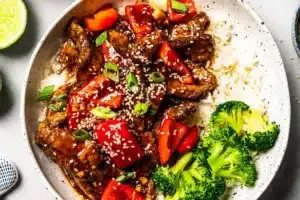
This Beijing beef features bell peppers and onions tossed in a sweet, savory, spicy homemade stir-fry sauce that tastes just like Panda Express (or even better!).
- 1 pound flank steak, cut into ¼-inch thick strips
- salt and freshly ground black pepper, to taste
- 1 tablespoon soy sauce
- 2 egg whites, lightly beaten
- ¼ cup cornstarch, + 1 tablespoon
- 1 cup vegetable oil, for frying
- ½ cup low sodium chicken broth
- 2 tablespoons soy sauce
- 3 tablespoons ketchup
- ¼ cup hoisin sauce
- 3 tablespoons sweet chilli sauce
- 2 teaspoons oyster sauce
- ¼ cup brown sugar
- 2 tablespoons white vinegar
- 2 red bell peppers, seeded and chopped
- 4 cloves garlic, minced
- sesame seeds, for garnish
- spring onions, chopped, for garnish
- 1Marinate the beef: Beat together soy sauce, egg whites, 1 tablespoon cornstarch, salt, and pepper. Add steak, cover, and refrigerate for 30 minutes.
- 2Make the sauce: Combine all sauce ingredients in a bowl.
- 3Velvet the beef: Discard marinade, coat beef with ¼ cup cornstarch.
- 4Cook the beef: Heat oil to 350°F. Fry beef in batches for 3-4 minutes until golden. Drain on paper towels.
- 5Cook the veggies: Remove most oil from skillet, leaving 2 tablespoons. Stir-fry bell peppers until crisp-tender (about 2 minutes). Add garlic and cook for 15 seconds. Transfer veggies to the plate with beef.
- 6Thicken the sauce: Add sauce to the same skillet and simmer for 3-5 minutes until thickened.
- 7Put it all together: Return beef and veggies to the skillet with the sauce. Toss to combine.
- 8Serve warm, garnished with sesame seeds and spring onions.
Keywords: Beijing Beef, Panda Express, Stir-fry, Copycat, Beef, Quick Dinner, Chinese
Please refer to the recipe card for precise quantities. The list above provides a comprehensive overview of everything you’ll need to create this delicious dish.
Variations
While the classic Beijing Beef is a triumph, exploring variations can unlock new dimensions of flavor and cater to different dietary preferences. Consider a vegan adaptation by swapping the beef for firm tofu or large king oyster mushrooms, ensuring they are pressed and cut to mimic the beef strips. Marinate and fry these substitutes similarly, and you’ll achieve a surprisingly satisfying chewy texture.
For a low-carb version, significantly reduce or omit the brown sugar in the sauce and swap the cornstarch coating for a blend of almond flour and a touch of psyllium husk to achieve a similar crispiness. Serve this over cauliflower rice or alongside a generous portion of steamed, non-starchy vegetables like broccoli and bok choy.
Another exciting twist involves incorporating different vegetables. While bell peppers and onions are traditional, feel free to add snap peas for a delightful crunch, julienned carrots for sweetness and color, or even some tender broccoli florets. These additions not only boost the nutritional value but also add visual appeal and textural contrast to the dish, making it even more exciting.
How to Prepare Beijing Beef
Step 1: Marinate the Beef
Begin by preparing your beef. Select a quality cut like flank steak, ensuring it’s sliced thinly against the grain to guarantee tenderness. The grain refers to the lines of muscle fiber visible in the meat; cutting across these lines will break them down, preventing a chewy texture. This step is crucial for achieving that melt-in-your-mouth sensation characteristic of well-prepared stir-fried beef.
In a medium-sized bowl, whisk together the soy sauce, lightly beaten egg whites, and a tablespoon of cornstarch. Season this marinade generously with salt and freshly ground black pepper to your taste. The egg whites act as a tenderizer, while the cornstarch helps create a protective coating that will contribute to the beef’s crispiness later on. Ensure the marinade is thoroughly combined before adding the beef.
Once the marinade is ready, add the thinly sliced beef strips to the bowl. Toss them gently to ensure every piece is evenly coated. Cover the bowl tightly with plastic wrap, pressing it down to minimize air exposure. Place the bowl in the refrigerator and allow the beef to marinate for at least 30 minutes. This resting period allows the flavors to penetrate the meat and the tenderizing agents to work their magic, preparing the beef for optimal texture and taste.
Step 2: Prepare the Stir-Fry Sauce
While the beef is marinating, it’s the perfect time to assemble the star of the show: the Beijing Beef sauce. This sauce is a beautiful balance of sweet, savory, and tangy elements that define the dish’s signature flavor profile. Having all the sauce ingredients measured and ready to go ensures a seamless and quick cooking process when it’s time to bring everything together.
In a separate, clean bowl, combine the low-sodium chicken broth, soy sauce, ketchup, hoisin sauce, sweet chili sauce, oyster sauce, brown sugar, and white vinegar. The ketchup provides a quick and easy way to introduce sweetness and tang, while the hoisin sauce adds a complex depth of flavor, often described as Chinese barbecue sauce. Sweet chili sauce brings a gentle heat and further sweetness, and oyster sauce contributes a rich umami note.
Whisk these ingredients together thoroughly until the brown sugar is completely dissolved and the mixture is uniform. Take a moment to taste the sauce and adjust the sweetness, saltiness, or spiciness to your personal preference. This is your chance to perfect the balance before it’s time to cook. Once satisfied, set this flavorful concoction aside, ready to be introduced to the wok.
Step 3: Velvet the Beef
Now it’s time to prepare the beef for frying using the “velveting” technique, a cornerstone of Chinese stir-fry cooking that ensures exceptionally tender and juicy meat with a delightful exterior crispness. This process involves coating the marinated beef in a dry starch before cooking, creating a protective barrier that seals in moisture and promotes a crispy texture during high-heat frying.
Retrieve the marinated beef from the refrigerator. Carefully discard the marinade liquid that remains in the bowl; this liquid has done its job of tenderizing and flavoring the meat. You should be left with beautifully coated beef strips that are ready for their next transformation. Ensure there isn’t excessive liquid clinging to the beef, as this can hinder the cornstarch’s ability to coat properly.
Place about a quarter cup of cornstarch (or slightly more, depending on the amount of beef) into a clean bowl or a resealable plastic bag. Add the beef strips to the cornstarch and gently toss or shake until each piece is evenly and lightly coated. You want a fine, even layer of cornstarch that adheres to the beef. Avoid clumping the cornstarch; a light dusting is all that’s needed. This coating is the secret to achieving that coveted restaurant-quality texture.
Step 4: Cook the Beef
This is where the magic happens, as the velvetted beef is transformed into its signature crispy state. Heat a generous amount of neutral oil, such as canola, vegetable, or peanut oil, in a large skillet or, ideally, a wok. Aim for a temperature of around 350°F (175°C); using a kitchen thermometer is the most accurate way to ensure the oil is hot enough for perfect frying.
Carefully add the cornstarch-coated beef to the hot oil. It’s crucial not to overcrowd the pan, as this will lower the oil temperature and result in steamed, greasy beef rather than crispy pieces. Work in batches if necessary, frying the beef for approximately 3 to 4 minutes, or until it achieves a beautiful golden-brown color and a satisfying crispiness. The cornstarch coating will puff up slightly, creating a delicate crust.
Once the beef is cooked to perfection, use a slotted spoon or metal tongs to remove the crispy strips from the oil. Transfer them to a plate lined with paper towels. This step is essential for absorbing any excess oil, ensuring the beef remains deliciously crisp and not greasy. Set the cooked beef aside while you proceed with the next stages of the recipe.
Step 5: Cook the Vegetables
With the beef fried and set aside, it’s time to add the vibrant vegetables and aromatics to the stir-fry. Carefully pour out most of the frying oil from the skillet or wok, leaving behind about 2 tablespoons. This remaining oil will be perfect for sautéing the vegetables, providing a flavorful base and preventing them from sticking.
Add the chopped red bell peppers to the hot skillet. Stir-fry them for about 2 minutes, or until they are crisp-tender – still retaining a slight bite and vibrant color. Overcooking them will result in a mushy texture, so aim for that perfect balance of cooked yet slightly firm. The heat of the wok will continue to cook them slightly as the dish comes together.
Next, add the minced garlic to the skillet with the bell peppers. Stir continuously for about 15 seconds, just until the garlic becomes fragrant. Be careful not to burn the garlic, as this can impart a bitter flavor. Once the garlic is fragrant, remove the bell peppers and garlic from the skillet and transfer them to the plate with the cooked beef. This prevents the vegetables from overcooking and allows them to retain their fresh flavors and textures.
Step 6: Thicken the Sauce and Combine
Now, it’s time to bring all the delicious components together. Return the same skillet or wok to medium-high heat, even if it seems empty. Pour the prepared Beijing Beef sauce mixture into the skillet. Allow the sauce to simmer and bubble, stirring occasionally.
Cook the sauce for approximately 3 to 5 minutes, or until it has thickened to your desired consistency. The cornstarch from the velveting process and the natural thickening properties of the ingredients will help it reduce. If the sauce seems too thick, you can add a tablespoon or two of chicken broth or water to thin it out. If it’s not thick enough, you can create a quick cornstarch slurry (1 teaspoon cornstarch mixed with 2 teaspoons cold water) and whisk it into the simmering sauce until it reaches the perfect viscosity.
Once the sauce has thickened beautifully, return the crispy beef and sautéed vegetables to the skillet. Toss everything gently to ensure the beef and vegetables are evenly coated in the luscious sauce. Stir just until everything is combined and heated through. Avoid over-stirring, which can cause the crispy coating on the beef to break down too much. Serve immediately for the best texture and flavor.
Pro Tips for Beijing Beef
Slice Against the Grain: This is perhaps the most critical tip for tender beef. Look for the direction of the muscle fibers and slice perpendicular to them. This simple technique significantly impacts the final texture, ensuring the beef isn’t tough or chewy.
Don’t Skip the Velveting: The cornstarch coating is essential for creating that signature crispy exterior on the beef while keeping the inside tender and juicy. It’s a technique borrowed from professional kitchens that makes a world of difference.
High Heat is Key: Stir-frying relies on high heat to cook ingredients quickly, preserving their freshness and texture. Ensure your wok or skillet is properly heated before adding ingredients to achieve that perfect sear and crisp.
Prep Everything Ahead: Stir-frying is a fast process. Having all your ingredients chopped, measured, and ready to go before you start cooking will prevent you from feeling rushed and ensure a smoother cooking experience.
Adjust Sweetness and Spice: The beauty of homemade Beijing Beef is the ability to customize it. Taste the sauce before adding it to the pan and adjust the sugar, vinegar, or chili sauce to match your preferred flavor profile. You can also add a pinch of red pepper flakes for extra heat.
Serving Suggestions for Beijing Beef
Decoration
To elevate the visual appeal of your Beijing Beef, consider garnishes that add both color and texture. A sprinkle of toasted sesame seeds provides a nutty aroma and a delightful crunch, contrasting beautifully with the tender beef and vegetables. Finely chopped fresh spring onions, particularly the green parts, add a pop of bright green and a fresh, mild onion flavor that cuts through the richness of the sauce.
Side Dishes
Beijing Beef is wonderfully versatile when it comes to accompaniments. For a classic pairing, serve it over fluffy steamed jasmine rice or fragrant basmati rice, which acts as a perfect canvas to soak up the delicious sauce. Alternatively, opt for noodles; Chinese egg noodles, soba noodles, or even quick-cooking lo mein noodles make for a satisfying and substantial meal. Consider pairing it with a simple side of steamed broccoli or bok choy for added freshness and color.
Creative Serving Ideas
For an impressive appetizer or a fun party dish, serve smaller portions of Beijing Beef in miniature lettuce cups, offering a refreshing and crunchy contrast. You could also incorporate it into fried rice, adding a sweet and savory protein boost to a classic dish. Another creative idea is to pair it with crispy spring rolls or air-fried crab rangoon for an ultimate at-home takeout feast, creating a multi-faceted dining experience that rivals your favorite Chinese restaurant.
Preparation & Storage
Storing Leftovers
If you’re fortunate enough to have any Beijing Beef leftover, storing it properly will ensure it remains delicious for a few days. Allow the cooked dish to cool down to room temperature before transferring it to an airtight container. This helps prevent condensation, which can make the beef soggy. Refrigerate the container promptly.
Leftovers can be stored in the refrigerator for up to 3 to 4 days. When storing, it’s best to keep the beef and sauce together, as the sauce helps to keep the meat moist. Ensure the container is sealed tightly to maintain freshness and prevent the absorption of other odors from the refrigerator.
Freezing
While fresh is always best, Beijing Beef can be frozen for longer-term storage if needed. It’s advisable to freeze the beef and sauce mixture separately from any rice or noodles it was served with. Allow the cooked dish to cool completely before portioning it into freezer-safe containers or heavy-duty freezer bags. Remove as much air as possible before sealing to prevent freezer burn.
The dish can be stored in the freezer for approximately 1 to 2 months. Freezing may slightly alter the texture of the beef and vegetables, but the flavor will largely remain intact. It’s a good option for meal prepping or for having a quick, flavorful meal on hand for a future date.
Reheating
Reheating your Beijing Beef to recapture its original deliciousness is straightforward. The best method for reheating is on the stovetop. Place the leftover beef and sauce in a skillet over medium heat. Stir occasionally, and if the sauce seems too thick or dry, add a splash of water, chicken broth, or even a little more soy sauce to loosen it up and restore its glossy consistency.
Alternatively, you can reheat it in the microwave. Transfer the leftovers to a microwave-safe dish, cover loosely, and heat on medium power in short intervals, stirring between each interval, until heated through. Be cautious not to overheat, which can make the beef tough. The goal is to gently warm the dish without overcooking the meat.
Frequently Asked Questions
-
What makes Beijing Beef different from other sweet and savory Chinese beef dishes?
Beijing Beef is distinguished by its unique combination of textures and flavors. The beef is typically fried to achieve a distinct crispiness, a hallmark of this dish, differentiating it from stir-fried beef that may be softer or chewier. The sauce is also a key factor; it’s a vibrant blend of sweet, tangy, and subtly spicy notes, often achieved through ingredients like ketchup, hoisin sauce, and sweet chili sauce, creating a bold profile that is both comforting and exciting. This specific sauce formulation, coupled with the crispy beef preparation, sets it apart from dishes like General Tso’s Chicken, which might be spicier, or Mongolian Beef, which tends to be more savory and less tangy.
-
Can I use a different cut of beef if flank steak is unavailable?
Absolutely! While flank steak is highly recommended for its tender texture and suitability for thin slicing, several other cuts can be used successfully in this recipe. Skirt steak is another excellent choice, known for its flavor and tenderness when sliced against the grain. Sirloin steak is also a good option; it’s lean and readily available, though you’ll want to ensure it’s sliced very thinly to avoid toughness. For a quicker-cooking option, tenderloin or ribeye can be used, but be mindful that they are richer and more expensive cuts, and their higher fat content can alter the final dish slightly. Regardless of the cut chosen, slicing thinly against the grain remains the most critical step for ensuring tender results.
-
How can I make the Beijing Beef sauce spicier or less sweet?
Adjusting the sauce to your personal taste is one of the greatest advantages of making this recipe at home. To increase the spiciness, you can add more sweet chili sauce, or for a more pronounced heat, incorporate a pinch of red pepper flakes or a dash of sriracha into the sauce mixture. If you prefer a much spicier kick, consider adding some finely chopped fresh chilies like Thai bird chilies along with the garlic during the vegetable cooking stage. To reduce the sweetness, simply decrease the amount of brown sugar or ketchup used in the sauce. You can also slightly increase the amount of white vinegar or add a little more soy sauce to balance out any perceived excess sweetness, always tasting and adjusting as you go to achieve your perfect flavor profile.