Balsamic Chicken Caprese
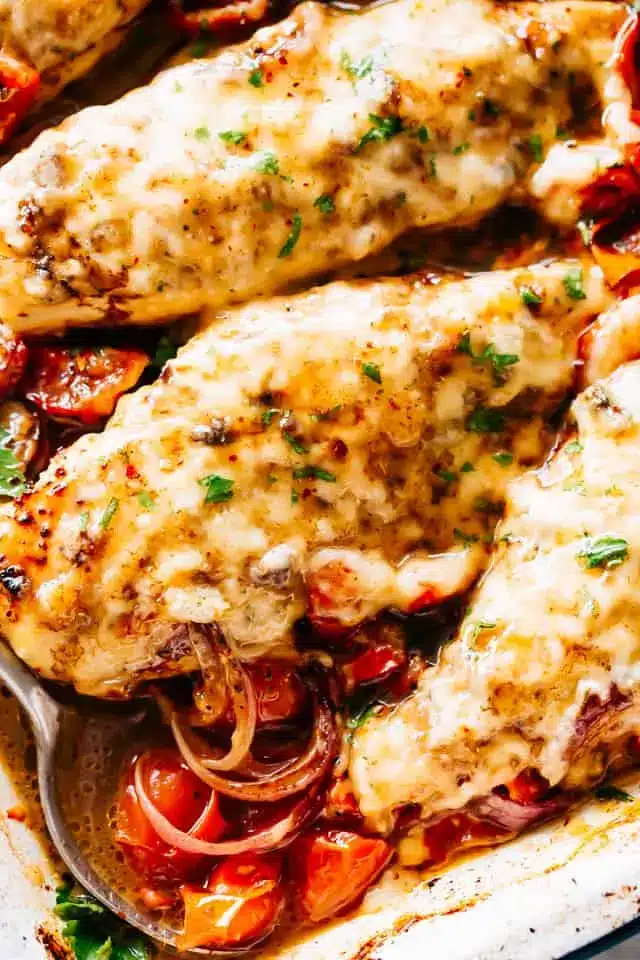
Elevate your weeknight dinners with this exquisite Balsamic Chicken Caprese recipe. It masterfully blends tender, juicy chicken with the vibrant flavors of balsamic glaze, sweet cherry tomatoes, and creamy mozzarella, all baked to perfection. This dish is a culinary triumph that brings the sophistication of Italian cuisine right into your home kitchen with surprising ease.
Imagine a meal that looks impressive, tastes divine, and requires minimal effort – that’s precisely what this recipe delivers. It’s designed to delight your senses and simplify your cooking routine, making it a cherished addition to your repertoire. Get ready to experience a symphony of textures and tastes that will have everyone asking for seconds.
Why You Will Love This Recipe
- Effortless Elegance: This dish presents beautifully with minimal fuss, making it perfect for both weeknight family meals and casual entertaining. The vibrant colors and delicious aroma are sure to impress.
- Flavor Explosion: The sweet tang of balsamic vinegar, the juicy burst of cherry tomatoes, and the creamy, melted mozzarella create a complex and utterly satisfying flavor profile. Every bite is a delightful experience.
- Speedy Preparation: Despite its impressive taste and appearance, this recipe comes together surprisingly quickly. It’s an ideal solution for those evenings when time is short but you still crave a homemade, healthy meal.
- Customizable Delight: This recipe serves as a fantastic base for culinary creativity. Feel free to adjust seasonings, add other vegetables, or experiment with different types of cheese to make it uniquely yours.
Ingredients You Need
The success of any dish begins with high-quality ingredients, and this Balsamic Chicken Caprese is no exception. Opting for fresh, ripe cherry tomatoes and a good quality balsamic vinegar will significantly enhance the final flavor. Similarly, using fresh garlic and fragrant herbs will impart a depth of taste that dried alternatives can’t quite match. The boneless, skinless chicken breasts should be of a uniform thickness for even cooking, ensuring every piece is perfectly tender and juicy.
Balsamic Chicken Caprese

Incredibly juicy baked chicken breasts smothered in a sweet, balsamic sauce with cherry tomatoes, onions, and melty mozzarella cheese. Easy, Keto-friendly, and amazing!
- 2 cups cherry tomatoes, halved
- 1 small red onion, thinly sliced
- Salt and freshly ground black pepper, to taste
- 1.5 pounds boneless, skinless chicken breasts
- Salt and freshly ground black pepper, to taste
- 4 cloves garlic, minced
- 3 tablespoons balsamic vinegar
- 1 cup shredded mozzarella cheese
- Chopped fresh basil, for garnish
- 1Preheat oven to 425˚F.
- 2Lightly grease a 9x13 baking dish with cooking spray.
- 3Arrange the cut tomatoes and red onions on the bottom of the baking dish; season with salt, pepper, and dried basil. Stir and set aside.
- 4Drizzle olive oil over the chicken breasts and season them with salt, pepper, basil, and oregano.
- 5Rub the minced garlic all over each chicken breast, simultaneously rubbing in the seasonings.
- 6Arrange the chicken over the tomatoes and set aside.
- 7In a small mixing bowl, combine balsamic vinegar and sweetener; whisk until well incorporated.
- 8Drizzle the balsamic vinegar over the chicken and tomatoes; flip the chicken over to coat all around.
- 9Bake for 23 to 25 minutes or until done.
- 10Remove from oven and add shredded cheese over each chicken breast.
- 11Continue to bake for 3 to 4 minutes or until the cheese is melted.
- 12Remove from oven and let stand 5 minutes.
- 13Drizzle the pan sauce over the chicken, garnish with basil, and serve.
Keywords: Balsamic Chicken, Chicken Caprese, Baked Chicken, Italian-American, Easy Chicken Recipe, Weeknight Dinner, Mozzarella, Cherry Tomatoes
- cherry tomatoes: halved, for a burst of sweetness and color.
- red onion: thinly sliced, to add a subtle sharp and sweet note.
- salt and freshly ground black pepper: to season and enhance all the other flavors.
- dried basil: a classic Italian herb that complements tomatoes and chicken beautifully.
- boneless, skinless chicken breasts: the lean protein base, ensuring a tender and juicy result.
- olive oil: for moistening the chicken and helping the seasonings adhere.
- dried oregano: another essential herb for that authentic Italian essence.
- garlic: minced, to infuse the chicken with its pungent aroma and flavor.
- balsamic vinegar: the star ingredient, providing a signature sweet and tangy glaze.
- sweetener: a touch to balance the acidity of the balsamic vinegar.
- shredded mozzarella cheese: for that irresistible gooey, melted topping.
- fresh basil: chopped, for a final flourish of freshness and visual appeal.
The precise quantities for these ingredients can be found within the accompanying recipe card, designed for your convenience and culinary success.
Variations
This Balsamic Chicken Caprese is incredibly versatile, allowing for numerous delicious variations to suit any dietary need or preference. Consider a delightful vegan adaptation by swapping the chicken for thick slices of firm tofu or portobello mushrooms, and the mozzarella for a dairy-free alternative. The balsamic glaze and fresh vegetables will still shine through, creating a satisfying plant-based meal.
For those following a low-carbohydrate lifestyle, this recipe is already quite accommodating, but you can enhance its keto-friendliness further. Instead of a sugar-based sweetener, opt for a low-carb alternative like erythritol or stevia. You could also serve the chicken over a bed of zucchini noodles or cauliflower rice instead of traditional pasta or grains.
Another exciting variation involves incorporating different flavor profiles. Perhaps a touch of lemon zest into the balsamic glaze for an extra citrusy kick, or adding a pinch of red pepper flakes to the tomatoes and onions for a hint of spice. You could also experiment with different cheeses, such as provolone or a blend of Italian cheeses, for a slightly different melty texture and taste.
How to Prepare balsamic chicken caprese recipe
Step 1: Preheat Oven and Prepare the Vegetable Base
Begin by setting your oven to a robust 425°F (220°C). This high temperature is crucial for achieving perfectly cooked chicken and nicely softened vegetables. Simultaneously, lightly grease a 9×13 inch baking dish. This step is vital to prevent sticking, ensuring your finished dish slides out effortlessly.
Next, prepare your vibrant vegetable medley. Halve the cherry tomatoes and thinly slice the red onion. Arrange these colorful ingredients evenly across the bottom of the greased baking dish. This layer will not only add moisture and flavor as it bakes but also create a beautiful bed for the chicken to rest upon.
Season this vegetable foundation generously. Sprinkle with salt, freshly ground black pepper, and the dried basil. Gently stir the tomatoes and onions together within the dish to distribute the seasonings evenly. This initial seasoning step ensures that even the vegetables are bursting with flavor.
Step 2: Season and Prepare the Chicken Breasts
Now, turn your attention to the star of the dish: the chicken breasts. Take your boneless, skinless chicken breasts and place them on a clean plate or cutting board. Drizzle them with the olive oil, ensuring a light, even coating over all surfaces. The olive oil helps the seasonings adhere and promotes a tender, moist texture during baking.
Season the chicken breasts thoroughly with salt and freshly ground black pepper. Don’t be shy with the seasoning; this is a primary layer of flavor. Follow this with the dried oregano, another cornerstone of Italian cooking, and an additional half teaspoon of dried basil if you desire a more pronounced herbal note.
Prepare your minced garlic. Using your fingers, gently rub the minced garlic all over each chicken breast. Simultaneously, work the garlic and the other seasonings into the meat. This technique helps to infuse the chicken with garlic’s potent aroma and flavor, creating a truly delicious base for the balsamic glaze.
Step 3: Arrange Chicken and Prepare the Balsamic Glaze
Carefully place the seasoned chicken breasts on top of the bed of tomatoes and onions in the baking dish. Ensure they are arranged in a single layer, not overlapping too much, to allow for even cooking. The vegetables underneath will begin to release their juices and soften as the chicken starts to cook.
In a small mixing bowl, prepare your signature balsamic glaze. Combine the balsamic vinegar with the sweetener. If using a granular sweetener like sugar, you might want to whisk it vigorously to ensure it dissolves completely. For Stevia packets, a simple whisk will suffice.
Whisk these two ingredients together until they are thoroughly incorporated. The goal is a smooth, cohesive mixture that will coat the chicken beautifully. This simple glaze is the key to the dish’s distinctive sweet and tangy flavor profile, a hallmark of balsamic chicken recipes. This balsamic glaze is a crucial element that will caramelize slightly during baking, adding a wonderful depth of flavor.
Step 4: Glaze the Chicken and Begin Baking
Drizzle the prepared balsamic vinegar mixture evenly over the chicken breasts. Ensure each piece is well-coated with the glaze. You can even use a spoon or a brush to help spread it around, making sure the glaze covers the tops and sides of the chicken.
After glazing the chicken, carefully flip each breast over to coat all sides with the balsamic mixture. This ensures that every surface of the chicken is infused with the sweet and tangy flavors. The glaze will cling to the chicken and begin to caramelize as it bakes, creating a beautiful sheen and an irresistible aroma.
Now, it’s time to bake the dish. Place the baking dish into the preheated oven at 425°F (220°C). The initial baking time is crucial for cooking the chicken through. Bake for approximately 23 to 25 minutes. The exact time will depend on the thickness of your chicken breasts, so keep an eye on them to ensure they are cooked thoroughly and not overdone.
Step 5: Melt the Cheese and Finish Baking
Once the chicken has reached its desired doneness, carefully remove the baking dish from the oven. The chicken should be cooked through, with juices running clear. At this stage, the tomatoes and onions underneath will have softened and released their delicious juices, mingling with the balsamic glaze.
Now, it’s time to add the crown jewel of the Caprese influence: the mozzarella cheese. Sprinkle the shredded mozzarella cheese evenly over the top of each chicken breast. Ensure a generous layer for maximum meltiness and gooeyness.
Return the baking dish to the oven for a final brief bake. Continue to bake for another 3 to 4 minutes, or until the mozzarella cheese is beautifully melted and lightly golden brown in spots. This short period allows the cheese to melt and become wonderfully stringy without overcooking the chicken or burning the cheese.
Step 6: Rest, Garnish, and Serve
Once the cheese is perfectly melted, remove the dish from the oven. It is incredibly important to let the Balsamic Chicken Caprese rest for at least 5 minutes before serving. This resting period allows the juices within the chicken to redistribute, resulting in an incredibly moist and tender bite. Cutting into it too soon can lead to a loss of those precious juices.
While the chicken is resting, prepare your fresh basil for garnish. Finely chop the fresh basil leaves. The vibrant green color and fresh, slightly peppery aroma of basil provide a perfect final touch, both visually and aromatically, complementing the rich flavors of the dish.
Before serving, drizzle the delicious pan sauce that has collected at the bottom of the dish over the chicken. Finally, sprinkle the chopped fresh basil over the top. Your Balsamic Chicken Caprese is now ready to be served and enjoyed. This entire process transforms simple ingredients into a culinary masterpiece. The resulting dish is a beautiful balance of tender chicken, sweet and tangy sauce, roasted vegetables, and melted cheese, making it a truly satisfying dinner recipe.
Pro Tips for balsamic chicken caprese recipe
Marinate for Deeper Flavor: If you have the luxury of time, consider marinating the chicken breasts in the balsamic vinegar mixture for a few hours, or even overnight, in the refrigerator. This allows the flavors to penetrate the chicken more deeply, resulting in an even more intense and nuanced taste. Ensure the chicken is in a sealed bag or container to prevent any leaks.
Broiling for Char: For an extra layer of texture and a slightly caramelized char on the chicken and cheese, you can use the broiler for the last minute or two of cooking. Watch it very carefully to prevent burning, as broilers can be intense. This step adds a delightful crispness and visual appeal.
Resting is Key: Never skip the resting period after baking. Allowing the chicken to rest for at least 5 minutes helps the juices settle back into the meat. This is a fundamental technique for ensuring that your chicken is not dry but incredibly moist and succulent with every bite.
Adjust to Your Palate: Don’t hesitate to adjust the ingredients to suit your personal taste preferences. If you prefer a sweeter glaze, add a touch more sweetener. If you like it tangier, increase the balsamic vinegar slightly. Similarly, feel free to experiment with the herb amounts to achieve your desired flavor profile.
Use a Meat Thermometer: For guaranteed perfect results, a meat thermometer is your best friend. Insert it into the thickest part of the chicken breast. The safe internal temperature for chicken is 165°F (74°C). This ensures the chicken is fully cooked and safe to eat, without being overcooked and dry. It’s a small tool that makes a huge difference in culinary success.
Serving Suggestions for balsamic chicken caprese recipe
Decoration
The visual appeal of Balsamic Chicken Caprese is enhanced with thoughtful decoration. Freshly chopped basil leaves provide a vibrant green contrast to the rich colors of the dish and offer a burst of aromatic freshness. A few whole basil leaves can also be artfully placed on top for a more dramatic presentation. A final drizzle of high-quality balsamic glaze or a sprinkle of flaky sea salt can add an extra touch of elegance and refined flavor.
Side Dishes
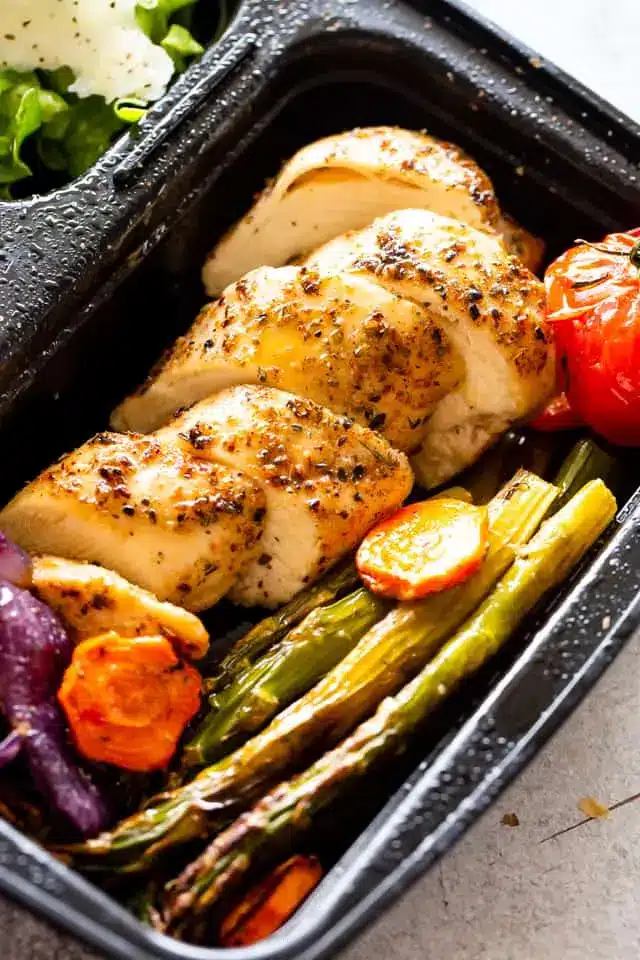
This flavorful chicken dish pairs wonderfully with a variety of sides. A large, fresh green salad, like an Avocado Feta Kale Salad, offers a refreshing counterpoint to the richness of the chicken and cheese. For a heartier meal, consider serving it with creamy zucchini noodles or a side of crusty bread to soak up any extra delicious pan sauce. Roasted vegetables, such as asparagus or broccoli, also make excellent companions, adding more color and nutrients to your plate.
Creative Serving Ideas
Beyond traditional plating, get creative with how you serve your Balsamic Chicken Caprese. You can deconstruct it slightly by serving the chicken atop a bed of cooked quinoa or farro for a more substantial meal. For a lighter option, consider serving it open-faced on toasted ciabatta bread, creating a gourmet sandwich. It also works wonderfully as a topping for pancakes (savory ones, of course!) or even incorporated into a hearty stew or casserole for a flavor boost.
Preparation & Storage
Storing Leftovers
Leftovers of this delightful Balsamic Chicken Caprese can be stored in an airtight container in the refrigerator. It is best to allow the dish to cool down to room temperature before sealing the container. Properly stored, the leftovers should remain fresh and safe to consume for up to 3 days. Ensure the container is well-sealed to prevent the chicken from drying out.
Freezing
While this dish is best enjoyed fresh, freezing is an option for longer storage. It is recommended to freeze the components separately if possible. For instance, the cooked chicken and vegetable mixture can be frozen, but the mozzarella cheese might lose its ideal texture upon thawing. Ensure the food is completely cooled before transferring it to freezer-safe bags or containers, removing as much air as possible to prevent freezer burn.
Reheating
To reheat leftovers, the best method is often in the oven or a skillet. For oven reheating, place the chicken and vegetables in an oven-safe dish, perhaps adding a tablespoon of water or broth, and warm at a moderate temperature (around 325°F or 160°C) until heated through. If you plan to add fresh mozzarella, do so during the last few minutes of reheating. Reheating in a skillet over medium-low heat can also work well, allowing you to control the temperature and moisture.
Frequently Asked Questions
-
Can I use chicken thighs instead of breasts for this recipe?
Yes, you absolutely can use chicken thighs for this Balsamic Chicken Caprese recipe. Boneless, skinless chicken thighs tend to be more forgiving and can remain juicier than chicken breasts, even if cooked a little longer. You might need to adjust the baking time slightly, as thighs often take a bit longer to cook through. Always ensure the internal temperature reaches 165°F (74°C) for safety. The richer flavor of thighs will also complement the balsamic glaze beautifully, creating a slightly different but equally delicious outcome.
-
What are some good side dishes that pair well with Balsamic Chicken Caprese?
This dish is wonderfully versatile when it comes to side pairings. For a light and refreshing contrast, a simple mixed green salad with a vinaigrette is always a good choice, or consider a more substantial salad like an avocado feta kale salad. Creamy zucchini noodles or cauliflower rice offer a lower-carb option that still provides a satisfying texture. If you’re craving carbs, a side of crusty bread to sop up the delicious balsamic sauce, or even a small portion of pasta, would be delightful. Roasted asparagus, green beans, or roasted Brussels sprouts also make excellent companions, adding color and nutrients.
-
How can I make the balsamic glaze thicker if it’s too thin?
If your balsamic glaze is thinner than you’d like after baking, there are a couple of simple ways to thicken it. One method is to carefully pour the pan juices into a small saucepan, leaving behind any solids. Bring the sauce to a gentle simmer over medium-low heat and let it reduce for a few minutes until it reaches your desired consistency. Be patient, as reducing takes time and can intensify the flavor. Another option, if you prefer a quicker fix, is to whisk in a teaspoon of cornstarch mixed with an equal amount of cold water (a slurry) into the simmering sauce and cook for another minute or two until thickened. Be cautious not to over-thicken, as it can become too syrupy.