Authentic Pico de Gallo Recipe: Fresh, Zesty & Irresistible!
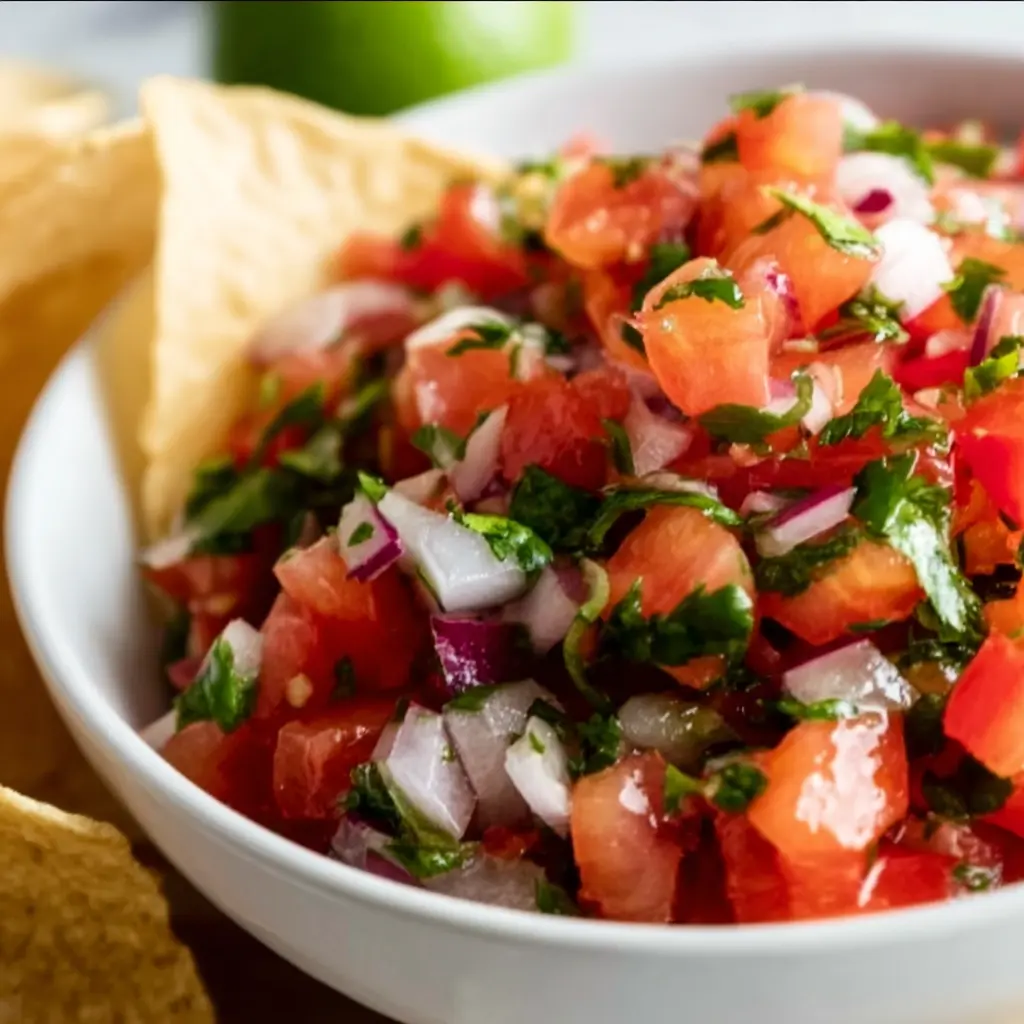
Authentic Pico de Gallo brings the vibrant essence of Mexican cuisine right to your kitchen with just a handful of fresh ingredients. There is something truly magical about the way crisp tomatoes, zesty lime juice, and aromatic cilantro come together in perfect, refreshing harmony.
The beauty of this classic condiment lies in its simplicity, where every single ingredient shines through with bright and clean flavors. Whether you are serving it as a topping for dinner or as a simple snack, this recipe will quickly become a staple in your home.
Why You Will Love This Recipe
- Quick Preparation: You can assemble this entire dish in under ten minutes, making it the perfect solution for busy weeknights or unexpected guests.
- Fresh Flavors: Every bite delivers a burst of garden-fresh ingredients that are far superior to any store-bought jarred salsa.
- Incredible Versatility: This condiment pairs perfectly with everything from morning breakfast eggs to hearty evening grilled meats.
- Budget Friendly: All the necessary components are affordable, accessible at any local grocery store, and can be easily found in peak season.
- Naturally Healthy: This recipe is packed with vitamins and minerals, offering a low-calorie, nutrient-dense addition to any lunch or dinner plate.
Ingredients You Need
To achieve the most authentic results, always prioritize using firm, high-quality produce that is currently in season. The vibrancy of your final dish depends entirely on the ripeness of the tomatoes and the crispness of your onions. Please refer to the specific quantities provided in the digital resource below to ensure your flavor ratios are perfectly balanced.
Authentic Pico de Gallo
Authentic Pico de Gallo is a classic Mexican condiment made with fresh, hand-chopped ingredients. This vibrant, zesty salsa is the perfect topping for tacos, grilled meats, or simply served with tortilla chips for a fresh and healthy snack.
- 4 ripe Roma tomatoes, diced
- 1/2 small white onion, finely chopped
- 1 jalapeño, seeded and minced
- 1/4 cup fresh cilantro, chopped
- 2 tablespoons fresh lime juice
- 1/2 teaspoon salt
- 1/4 teaspoon black pepper
- 1Dice the tomatoes into small, even pieces and add to a mixing bowl.
- 2Finely chop the onion and jalapeño, then add them to the bowl.
- 3Add chopped cilantro to the mixture.
- 4Pour fresh lime juice over the ingredients.
- 5Season with salt and black pepper.
- 6Gently mix everything until well combined.
- 7Let it sit for 10 minutes to allow flavors to blend.
- 8Serve fresh with tortilla chips, tacos, or grilled dishes.
Keywords: Pico de Gallo, Mexican Salsa, Fresh Salsa, Dip, Authentic Mexican
- roma tomatoes: these are ideal due to their lower water content and meaty texture.
- white onion: essential for providing that sharp, pungent bite characteristic of traditional salsa.
- jalapeño pepper: the primary source of heat, which can be adjusted based on your personal preference.
- fresh cilantro: adds a signature herbal note that brightens the entire flavor profile.
- lime juice: provides the necessary acidity to marinate the vegetables and tie all the elements together.
- sea salt: acts as a flavor enhancer that draws out the natural juices from the tomatoes.
- black pepper: adds a subtle, earthy depth to the finished mixture.
Variations
If you want to experiment with different textures and profiles, consider adding diced avocado for a creamy mouthfeel. This variation works beautifully when serving the salsa alongside baked lemon chicken or other light proteins. The richness of the healthy fats perfectly balances the sharp acidity of the lime juice.
For those looking for a fruity twist, incorporate finely diced mango or pineapple into the mix. This sweet-and-spicy combination is a favorite during the summer months and provides an exotic flair to any meal. Simply follow the same preparation steps as the original recipe.
To keep things low-carb or to add extra crunch, stir in some diced radishes or even finely sliced cucumber. These additions maintain the structural integrity of the salsa while offering a refreshing, cooling effect on the palate. Such creative adjustments ensure that your pico de gallo remains exciting regardless of the main course.
How to Prepare Authentic Pico de Gallo
Step 1: Selecting and Preparing the Tomatoes
Start by selecting the firmest Roma tomatoes you can find at the market. Soft or overly ripe tomatoes will release too much juice and lead to a soggy consistency. Ensure they have a deep red color, which indicates peak ripeness and optimal flavor.
Using a very sharp chef’s knife, slice the tomatoes in half lengthwise. Use a small spoon to gently scoop out the watery seeds and the soft inner pulp. This simple step is the secret to a professional, non-watery salsa.
Once seeded, slice the tomato halves into thin strips, then rotate them to dice into small, uniform cubes. Maintaining consistent sizing is crucial so that every forkful contains a perfect distribution of ingredients. Aim for pieces that are roughly a quarter-inch in size.
Step 2: Chopping the Onion and Jalapeño
Peel your white onion and chop it into a fine dice that matches the size of your tomatoes. You want the onion to provide flavor and crunch without overpowering the other delicate ingredients. If you find raw onion too intense, you can briefly rinse the diced pieces in cold water and pat them dry.
For the jalapeño, carefully slice off the stem and cut the pepper in half. If you prefer a milder salsa, be sure to scrape out all the white membranes and seeds using the edge of your knife. The heat in a pepper is concentrated in the white pith.
Finely mince the jalapeño until the pieces are very small, almost like a confetti. This prevents anyone from accidentally getting a massive, spicy bite. Always remember to wash your hands thoroughly after handling hot peppers to avoid irritation.
Step 3: Preparing the Cilantro
Wash your fresh cilantro bunch thoroughly under cool running water to remove any garden debris. Shake off the excess water and lay it on a clean paper towel to dry. Damp cilantro can cause the salsa to wilt prematurely.
Pluck the leaves from the thicker stems, as the leaves offer the best texture and flavor. Bundle the leaves together tightly on your cutting board. Use a rocking motion with your knife to chop the cilantro into small, manageable pieces.
Avoid over-chopping the herb into a paste, as this will cause it to lose its vibrant green color and fresh aroma. Once chopped, fold the cilantro gently into your bowl of tomatoes and onions. The bright color contrast is the hallmark of a fresh, authentic preparation.
Step 4: Incorporating the Acids and Seasonings
Now, pour the fresh lime juice evenly over the prepared vegetable mixture in your bowl. Lime juice is the essential catalyst that transforms the raw ingredients into a cohesive sauce. The acidity will begin to brighten the flavors immediately upon contact.
Sprinkle the salt and black pepper over the top of the bowl. Salt is vital because it acts as a seasoning agent that draws out the natural, savory juices from the tomatoes. You may want to start with a smaller amount of salt and adjust based on your preferences.
Toss the ingredients gently using a rubber spatula or a large spoon. Ensure that every piece of tomato and onion is coated in the lime juice and seasoning. Avoid stirring too vigorously, as you do not want to crush the diced vegetables.
Step 5: The Marination and Final Blend
Place your finished salsa in the refrigerator, covered with plastic wrap, for at least ten to twenty minutes. This waiting period is known as the marination process, where the magic truly happens. During this time, the flavors will meld together to create a sophisticated flavor profile.
As the salsa sits, you will notice it naturally begins to create its own sauce from the mixture of tomato juice and lime. This is entirely normal and expected for a high-quality, authentic pico de gallo. If you find the liquid levels are too high, simply use a slotted spoon when serving.
Taste the salsa right before you are ready to serve to check the seasoning levels. You may find that a tiny additional squeeze of lime or a pinch more salt is needed to reach perfection. Once balanced, it is ready to elevate your meal to a restaurant-quality experience.
Pro Tips for Authentic Pico de Gallo
Use a Sharp Knife: A dull blade will crush the tomatoes instead of slicing them, which leads to a watery and mushy salsa. A sharp edge preserves the integrity of the vegetables.
The Resting Period: Never skip the mandatory fifteen-minute rest in the refrigerator. This brief window allows the onion to mellow and the lime juice to thoroughly permeate the tomatoes.
Seed Control: Always remove the seeds from your tomatoes to keep the texture chunky and firm. Excess liquid is the primary enemy of a high-quality, homemade salsa.
Start Small: You can always add more salt, lime, or jalapeño, but you cannot take them away once they are mixed. Taste as you go to ensure a balanced, delicious result for your guests.
Visit our Pinterest profile for more visual inspiration on how to style your dishes. You can also explore our recipes for easy lobster bisque or funfetti cookies for complete menu ideas.
Serving Suggestions for Authentic Pico de Gallo
Decoration
Top your serving bowl with a few fresh, whole cilantro leaves to give it a professional, vibrant appearance. A small wedge of lime placed on the side of the bowl adds a pop of color and signals the freshness of the dish.
Side Dishes
Pico de gallo shines when served alongside crispy, warm tortilla chips or soft flour tortillas. It also makes an excellent topping for rice bowls, beans, or even as a colorful garnish for roasted vegetables.
Creative Serving Ideas
Use this salsa as a fresh topping for baked potatoes or stuffed bell peppers to add a sudden burst of acidity. You can even stir it into cooked grains like quinoa or couscous for a light and healthy side dish that surprises the palate.
Preparation & Storage
Storing Leftovers
Store any leftover salsa in a tightly sealed glass container in the refrigerator. It will stay fresh for up to two days, though it is always best served within the first twenty-four hours. Keep an eye on the liquid levels, as the tomatoes will continue to soften over time.
Freezing
Freezing is not recommended for traditional pico de gallo because it relies on the crisp texture of fresh vegetables. Once thawed, the vegetables will become soft and lose the vibrant quality that makes this recipe special. Please plan to consume your batch fresh.
Reheating
Never attempt to reheat your pico de gallo, as it is strictly meant to be enjoyed cold or at room temperature. Heating the ingredients will destroy the delicate herbal notes and the freshness of the raw vegetables. Simply remove it from the fridge ten minutes before serving to take the chill off.
Frequently Asked Questions
- What makes pico de gallo “authentic”? Authentic pico de gallo is defined by the use of fresh, raw, hand-chopped ingredients rather than blended sauces. The chunky texture is a signature mark of traditional preparation, and it avoids the use of cooked tomato pastes or purees.
- Can I make pico de gallo ahead of time? You can definitely prepare it ahead, but we recommend waiting to add the salt until the final serving moment. Salting early draws out moisture too quickly, which can lead to a watery consistency if it sits in the fridge for more than a few hours.
- Why is my pico de gallo too watery? Excess liquid is usually the result of using very soft tomatoes or failing to remove the seeds before chopping. To prevent this, stick to firm Roma varieties and always discard the inner pulp, which is almost entirely water and does not contribute to the final flavor profile.