Crying Tiger Sauce: The Perfect Quick Thai Dipping Delight
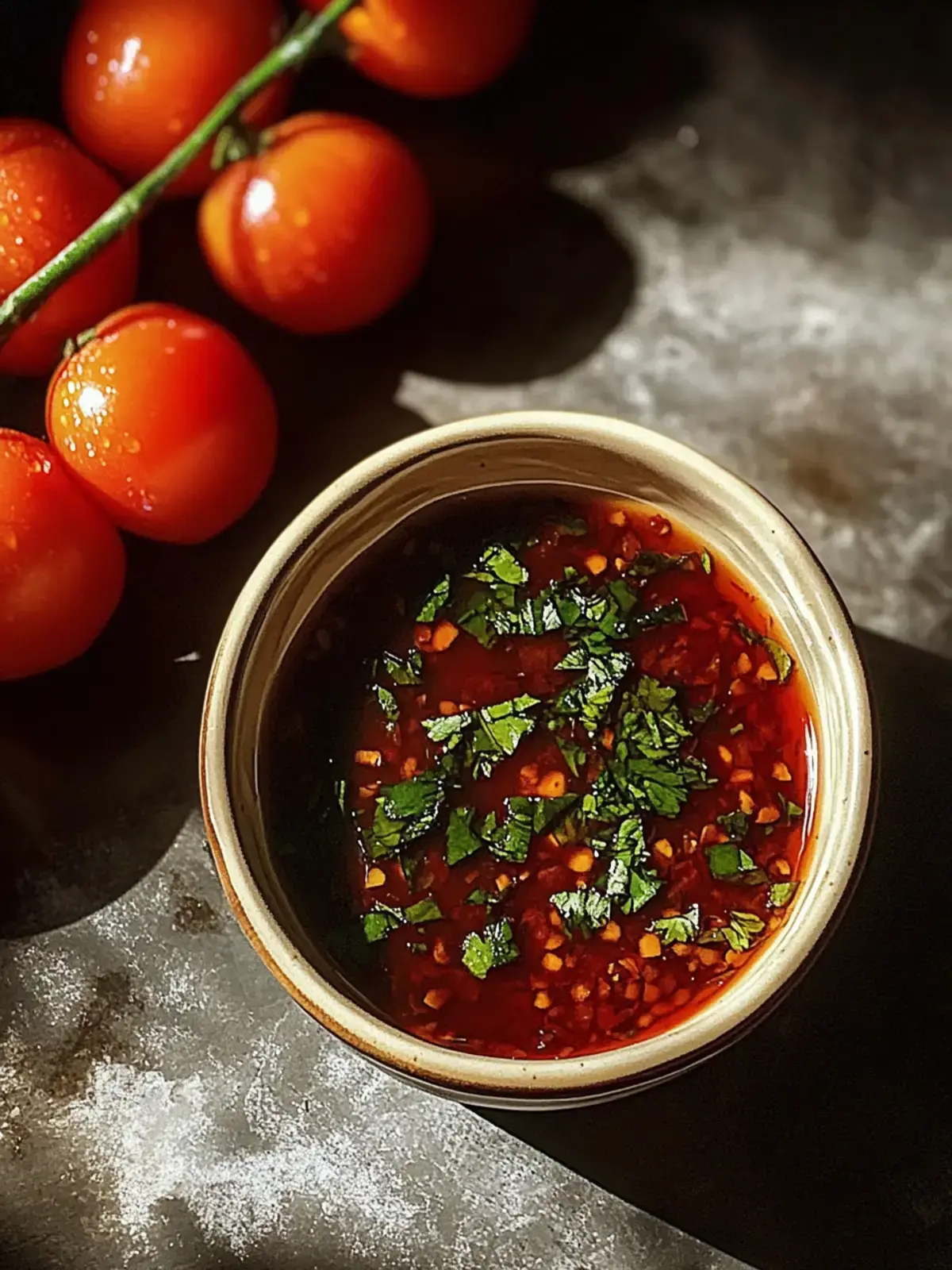
The first time I dipped a piece of perfectly charred grilled meat into a bowl of authentic Crying Tiger Sauce, I felt like I was instantly transported to the bustling, vibrant street markets of Thailand. The intoxicating aroma of zesty lime, pungent garlic, and fresh herbs filled my kitchen, signaling a culinary experience that was as bold as it was refreshing.
This legendary dipping sauce is an absolute game-changer for anyone looking to elevate their backyard barbecue or dinner routine. With a perfect balance of spicy, tangy, and slightly sweet notes, it transforms even the simplest ingredients into a gourmet feast in just ten minutes.
Why You Will Love This Recipe
- Quick Preparation: You can whip up this complex, restaurant-quality condiment in less than ten minutes without any complicated cooking techniques.
- Customizable Heat: Whether you are a dedicated heat-seeker or prefer a milder touch, the spice level is fully adjustable to suit your specific palate.
- Unique Flavor Profile: The combination of fresh aromatics like lemongrass and cilantro creates a bright, refreshing finish that perfectly cuts through rich grilled meats.
- Versatile Pairing: It serves as a fantastic companion for baked lemon chicken, savory beef skewers, or even as a zesty dressing for fresh vegetable salads.
- Meal Prep Friendly: You can easily prepare this sauce in advance and keep it in the refrigerator, where the flavors will continue to meld and develop over several days.
Ingredients You Need
Creating a high-quality sauce starts with choosing the freshest ingredients available to ensure the most vibrant flavor profile possible. For the best results, visit your local market to find bright limes, firm stalks of lemongrass, and crisp, green herbs that provide the authentic Thai essence this recipe is famous for.
Crying Tiger Sauce
A vibrant, zesty, and customizable Thai-inspired dipping sauce perfect for elevating grilled meats, salads, and vegetables with a balance of spicy, tangy, and sweet flavors.
- 3 tablespoons Lime Juice (substitute with lemon juice if needed)
- 2 tablespoons Fish Sauce (use soy sauce for a vegetarian option)
- 2 tablespoons Water (adjust for desired consistency)
- 2 teaspoons Brown Sugar (honey or maple syrup can be used)
- 3 cloves Garlic (minced; garlic powder can be used in a pinch)
- 1 stalk Lemongrass (lemongrass paste is a convenient alternative)
- 2 tablespoons Green Onions (substitute with chives if needed)
- 1/4 cup Cilantro (basil can be used as an alternative)
- 2 tablespoons Thai Red Chili Peppers (swap for jalapeños for a milder sauce)
- 1 teaspoon Red Pepper Flakes (optional; feel free to omit)
- 2 tablespoons Toasted Rice Powder (optional; replace with crushed peanuts if desired)
- 1In a medium bowl, mix together the fresh lime juice, fish sauce, water, brown sugar, minced garlic, lemongrass, green onions, and cilantro until well incorporated.
- 2Gently fold in the chopped Thai red chili peppers and red pepper flakes, ensuring even distribution.
- 3Taste the sauce and adjust spice levels or tanginess with brown sugar or lime juice as necessary.
- 4Serve immediately or store in a sealed container in the refrigerator for up to 5 days.
Keywords: Crying Tiger Sauce, Thai Sauce, Dipping Sauce, BBQ Sauce, Grilled Meat Dip, Spicy Sauce
- lime juice: the primary source of acidity and brightness in the sauce.
- fish sauce: provides the essential salty umami depth required for authentic Thai flavor.
- water: used to adjust the consistency and balance the intensity of the sauce.
- brown sugar: adds a subtle sweetness that tempers the sharpness of the lime and chilies.
- garlic: offers a pungent, aromatic base that defines the character of the sauce.
- lemongrass: brings a unique, citrusy herbal note that is a hallmark of Southeast Asian cuisine.
- green onions: adds a mild, fresh onion flavor and a pop of vibrant color.
- cilantro: provides a fragrant finish that elevates the overall complexity of the dip.
- thai red chili peppers: the source of the signature heat that gives this sauce its name.
- red pepper flakes: an optional addition for those who want an extra layer of spicy intensity.
- toasted rice powder: a traditional ingredient that adds an incredible nutty crunch and texture.
Please refer to the full recipe card above for the exact measurements and quantities needed to achieve the perfect balance of flavors.
Variations
Vegan-Friendly Twist: You can easily make this sauce plant-based by replacing the traditional fish sauce with a high-quality tamari or soy sauce mixed with a small amount of miso paste. This substitution ensures you maintain that essential savory, umami-rich foundation while keeping the dish entirely vegan.
Low Carb & Keto-Friendly: For those monitoring their sugar intake, simply swap the brown sugar for a monk fruit sweetener or erythritol blend to maintain the desired sweetness without the extra carbohydrates. This allows you to enjoy the same bold, zesty experience while staying within your dietary goals for a healthy lunch or dinner.
Tropical Fruit Infusion: If you want to experiment with more exotic profiles, try incorporating finely diced mango or pineapple into the base. The natural sweetness of the fruit pairs beautifully with the heat of the Thai chilies, offering a refreshing and sophisticated flavor profile that stands out during any summer gathering.
How to Prepare Crying Tiger Sauce
Step 1: Preparing the Aromatics
Strong start: Begin your preparation by finely mincing your garlic cloves and slicing the green onions into thin, elegant rounds. It is important to remove the tough outer layers of the lemongrass stalk before mincing the tender white center as finely as possible to avoid woody textures in your finished sauce.
Finely chopping these aromatics is the most vital step in releasing their essential oils. If you prefer a smoother sauce, feel free to use a mortar and pestle to gently bruise the ingredients, which creates a more integrated and rustic flavor profile.
Step 2: Mixing the Flavor Base
Combining ingredients: Take a medium-sized mixing bowl and add your freshly squeezed lime juice, fish sauce, water, and brown sugar. Whisk these ingredients together vigorously until the sugar granules have completely dissolved into the liquids.
This base acts as the soul of your sauce, providing the perfect ratio of salt, acid, and sugar. Before moving forward, take a quick taste to ensure the balance meets your personal preference for tanginess and sweetness.
Step 3: Integrating Fresh Herbs and Heat
The aromatic blend: Now, add your prepared garlic, lemongrass, and green onions into the liquid mixture. Gently fold in the freshly chopped cilantro, which should be added last to maintain its vibrant green color and delicate herbal fragrance.
Finally, incorporate the finely chopped Thai red chili peppers and the red pepper flakes. The heat from these peppers is where the sauce earns its name, so add them slowly if you are sensitive to spicy food.
Step 4: Enhancing the Texture
The secret element: One of the defining characteristics of an authentic Thai dipping sauce is the addition of toasted rice powder. Sprinkle this into your mixture, as it absorbs some of the liquid and provides a satisfying, slightly nutty crunch in every bite.
If you cannot find toasted rice powder, you can easily make your own by dry-toasting raw jasmine rice in a pan until golden brown and then grinding it into a coarse powder. This small step adds an incredible amount of complexity and makes your sauce feel like a true culinary masterpiece.
Step 5: Resting and Serving
The resting phase: Allow your sauce to sit at room temperature for at least five to ten minutes before serving. This brief rest period allows the lime juice to soften the raw garlic and the chilies to fully infuse their spicy oils into the rest of the ingredients.
Before bringing the bowl to the table, give the mixture one final, thorough stir. This ensures the heavier herbs and rice powder are evenly distributed throughout the tangy, spicy liquid for a consistent experience in every dip.
Pro Tips for Crying Tiger Sauce
Tip: The Fresher, The Better: Always use freshly squeezed lime juice rather than bottled concentrate to ensure the sauce has that bright, lively zest that makes the dish pop. Dried herbs simply cannot compete with the aromatic punch of fresh cilantro and green onions, so stick to fresh produce whenever possible.
Tip: Controlling the Heat: Thai chili peppers can vary wildly in their potency, so always perform a small “heat test” with a tiny piece of the pepper before adding all of them to your bowl. If you find the sauce is too intense, increase the amount of water or add a small splash of coconut milk to soften the bite.
Tip: Balancing the Flavors: If your palate prefers a more rounded taste, consider adding a teaspoon of toasted sesame oil to the mixture. This adds a subtle, nutty richness that complements the savory fish sauce and works exceptionally well when serving with dessert-adjacent sides or savory grilled meats.
Tip: The Power of Patience: While this sauce is delicious immediately after mixing, it is even better if allowed to marinate in the refrigerator for an hour. This extra time allows the ingredients to interact and creates a much deeper, more cohesive flavor profile that guests will definitely notice.
Serving Suggestions for Crying Tiger Sauce
Decoration
Serve the sauce in a small, elegant ceramic bowl to make it stand out on your dinner table. Garnish the surface with a small sprig of fresh cilantro and a few extra red chili rings to provide a hint of what is inside. A light dusting of toasted rice powder right before serving adds a beautiful, professional touch to the final presentation.
Side Dishes
This sauce is traditionally served alongside sticky rice, which acts as the perfect neutral canvas to soak up all the flavorful juices. It also pairs wonderfully with crisp, cooling vegetables like sliced cucumbers, cabbage wedges, or blanched long beans. These refreshing sides provide a necessary crunchy contrast to the bold, intense flavors of the dipping sauce.
Creative Serving Ideas
Don’t limit yourself to just grilled meats, as this sauce is incredibly versatile. Drizzle it over seared white fish or shrimp for an instant upgrade, or use it as a dressing for a cold noodle salad filled with shredded carrots and peanuts. You can even use it as a marinade for tofu, giving your vegetarian meals an unforgettable, spicy kick.
Preparation & Storage
Storing Leftovers
If you have any remaining sauce, keep it in an airtight glass container to prevent the strong aroma of garlic and fish sauce from permeating your refrigerator. When stored correctly, the sauce will maintain its quality for up to five days. Remember to stir the mixture well before each use, as the fresh herbs may settle at the bottom of the container.
Freezing
For those who want to keep the flavors on hand for months, freezing is a fantastic option. Spoon the prepared sauce into ice cube trays and freeze until solid before transferring the cubes into a heavy-duty freezer bag. This allows you to thaw only the amount you need, making it a convenient solution for quick weeknight meals.
Reheating
Crying Tiger Sauce is best served chilled or at room temperature, so there is typically no need for heating. If you have added it to a warm dish during the cooking process, simply serve immediately. If you have kept it in the fridge, take it out about fifteen minutes before your meal to allow the flavors to wake up.
Frequently Asked Questions
- How do I choose the right lime to ensure the best juice for the sauce?
Look for limes that feel heavy for their size and have a slightly thin, smooth skin, as these are typically the juiciest. Avoid limes with hard or leathery skin, as they often contain less juice and may have a bitter undertone that can negatively impact the delicate balance of your sauce. - Can I use a different type of chili if I cannot find Thai red chili peppers?
Yes, you can substitute Thai chilies with serrano peppers or even jalapeños if you prefer a significantly milder heat level. While the flavor profile will change slightly, these peppers still provide the necessary crunch and freshness required for the sauce, making them excellent, accessible alternatives for most home cooks. - Is it necessary to use fish sauce, or can I use salt instead?
While you can use salt in an emergency, fish sauce is highly recommended because it provides a distinct, fermented umami depth that salt alone cannot replicate. This umami is what gives the sauce its authentic “Crying Tiger” character; however, if you are strictly avoiding fish products, soy sauce combined with a drop of lime zest is the closest non-fish alternative.
For more inspiration on pairing this sauce with your main courses, be sure to check out my german pancake recipe for a unique brunch experience or browse the site for other creative culinary ideas. Don’t forget to follow our Pinterest page for more delicious inspiration and updates on new recipes.