Irresistible Mafe (Maafe) – Creamy Senegalese Peanut Stew
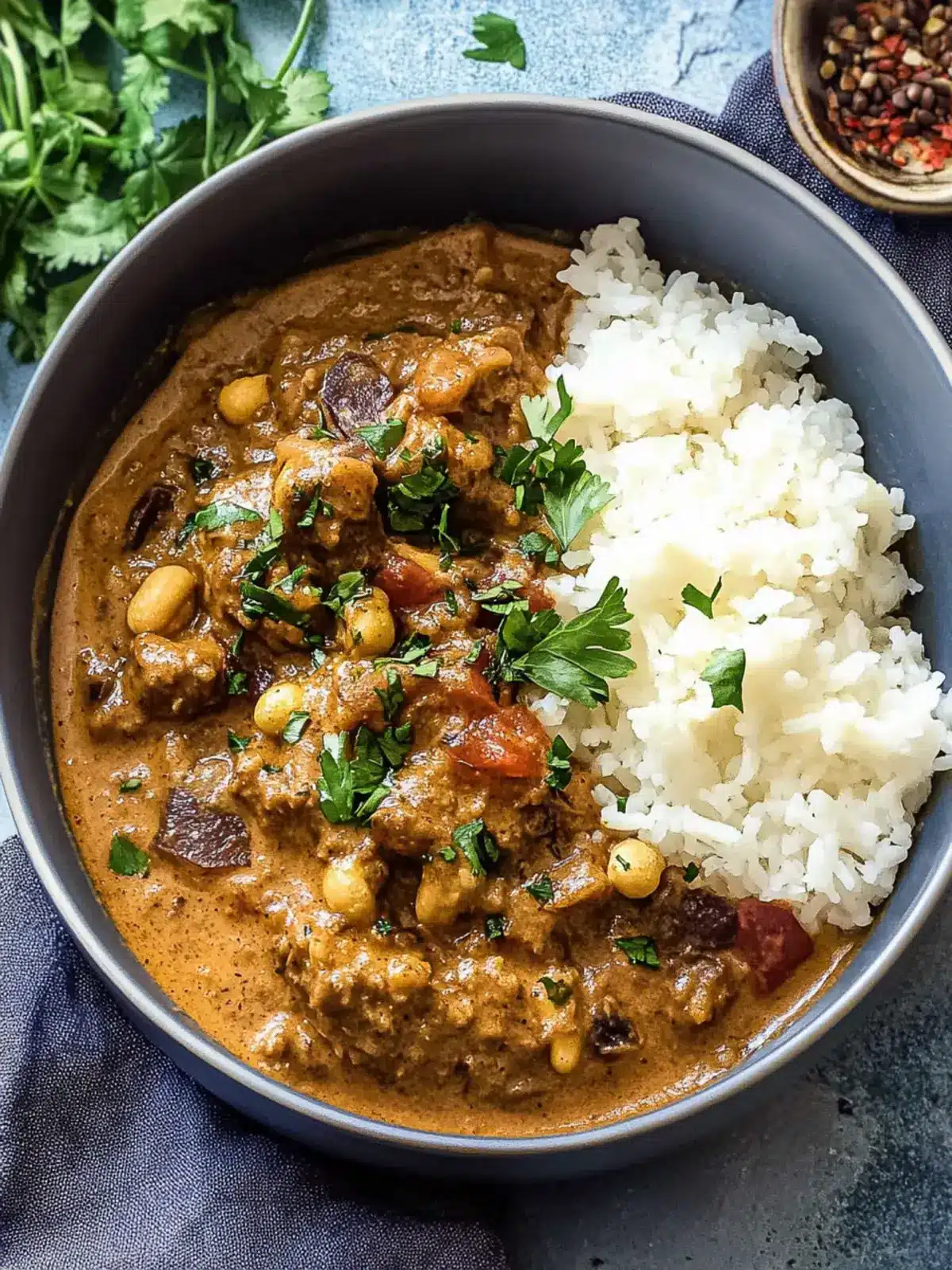
The first time I tasted Maafe, or Senegalese Peanut Stew, I was completely captivated by its rich, creamy texture and the way the flavor enveloped my senses. Imagine a warm bowl filled with tender beef, simmered to perfection, dancing with the nutty sweetness of peanut butter and the vibrant notes of fresh tomatoes and spices.
This hearty dish often has a unique way of bringing people together, evoking memories of family gatherings and celebrations. Perfect for those busy weeknights, this delectable stew can be whipped up in just 35 minutes, making it an ideal antidote to the fast-food routine. If you are looking for more inspiration for your next meal, check out our collection of dinner ideas or perhaps a comforting lunch to brighten your afternoon.
Why You Will Love This Recipe
- Rich, Creamy Texture: Maafe boasts a velvety consistency that wraps around tender meat, creating a delightful mouthfeel with every spoonful.
- Quick Preparation: In just 35 minutes, you can have a hearty meal ready, making it perfect for your busy weeknight schedule.
- Flavor Fusion: The balance of sweet peanut butter, fresh tomatoes, and spices offers a unique taste that is both comforting and exotic.
- Diet-Friendly: With options for low-carb and gluten-free diets, this dish appeals to a wide range of preferences and nutritional needs.
- Cultural Heritage: Originating from Senegal, this stew is a symbol of community and family, often served during special occasions and festive gatherings.
Ingredients You Need
The quality of your ingredients determines the depth of flavor in this authentic dish, so try to use fresh vegetables and high-quality peanut butter. Always select firm, shiny bell peppers and ripe onions to provide a solid aromatic foundation for the stew. You can find the exact measurements and specific quantities in the recipe card below.
Savory Maafe – Irresistible Senegalese Peanut Stew

A rich and creamy Senegalese stew featuring tender beef simmered in a peanut butter and tomato-based sauce, spiced with cayenne for a comforting, exotic meal.
- 2 lbs Stew Beef
- 1 Red Bell Pepper
- 2 tablespoons Tomato Paste
- 1 Onion, chopped
- 1 tablespoon Beef Bouillon Powder
- 1 teaspoon Cayenne Pepper
- Salt and Black Pepper
- 1 cup Water
- 2 cups Stock/Broth
- 1Prepare the Beef: Wash and cut the stew beef into small, bite-sized pieces.
- 2Heat the Oil: In a large pan, heat the olive oil over medium heat until it shimmers.
- 3Sauté the Beef: Add the beef to the pan, season with salt and pepper, and cook for 8-10 minutes until browned.
- 4Add Vegetables: Add the onions and red bell pepper, sautéing for 3 minutes until softened.
- 5Incorporate Tomato Paste: Stir in the tomato paste and cook for 5 minutes.
- 6Add Liquid Ingredients: Pour in the water, stock, and bouillon powder along with the cayenne pepper. Bring to a boil, then simmer for 5 minutes.
- 7Mix in Peanut Butter: Stir in the peanut butter until fully dissolved. Add more water if a thinner consistency is desired.
- 8Thicken and Serve: Cook for an additional 2-5 minutes until the stew reaches your preferred thickness. Serve hot.
Keywords: Maafe, Senegalese Peanut Stew, Beef Stew, African Cuisine, Dinner Recipe, Nutty Stew
- stew beef: a heartier choice that adds protein and depth to the dish; chicken or lamb also work well.
- peanut butter: provides that essential creamy, nutty flavor; consider using natural ground peanuts for a more traditional texture.
- red bell pepper: offers natural sweetness and a vibrant pop of color to the final stew.
- tomato paste: intensifies the savory base; if you are in a pinch, crushed tomatoes can be used as a substitute.
- onion: serves as the base flavor for the entire dish; shallots are a great alternative for a milder profile.
- beef bouillon powder: enhances the umami notes, but you can swap with vegetable bouillon to keep it plant-based.
- cayenne pepper: adds the right spice kick; adjust according to your personal heat preference.
- olive oil: ideal for sautéing, though coconut oil can add a unique tropical twist.
- salt and black pepper: season to your specific dietary needs and taste preferences.
- water: helps combine the ingredients while achieving your desired stew consistency.
- stock/broth: replenishes flavor throughout the cooking process; vegetable broth is excellent for vegetarian versions.
Variations
Protein Swaps: You can easily swap the beef for boneless chicken thighs or tender lamb cubes to create a leaner version of the stew. If you prefer a meat-free meal, simply omit the protein and increase the volume of vegetables like spinach, sweet potatoes, or zucchini.
Nut-Free Twist: If you or your guests have nut allergies, do not despair! You can use sunflower seed butter or even tahini in place of the peanut butter to maintain that signature creamy mouthfeel and nutty depth.
Spice and Aroma: For those who love a fiery experience, add fresh diced habaneros or extra cayenne pepper during the simmering stage. Alternatively, you can stir in a splash of coconut cream at the very end to achieve a luxurious, tropical-inspired finish that balances the heat.
How to Prepare Senegalese Peanut Stew
Step 1: Prepare the Beef
The Foundation: Start by thoroughly washing and patting dry your choice of protein before cutting it into uniform, bite-sized pieces. This careful preparation not only ensures that the meat cooks evenly but also helps it absorb the rich flavors of the sauce much faster.
Tender Results: Cutting the meat into smaller chunks is essential for a 35-minute recipe, as larger pieces would require much longer simmering times. If you are preparing this for a large group, you might want to double the quantity, though be sure to work in batches to avoid crowding the pan.
Step 2: Heat the Oil
The Perfect Sauté: Place a heavy-bottomed pan or a large Dutch oven over medium-high heat and add your olive oil. You want the oil to be shimmering, which indicates it has reached the ideal temperature for searing the beef without burning the exterior.
Pro Tip: Using a high-quality oil like olive or avocado oil provides a neutral yet stable base that will not smoke prematurely. Once the pan is properly heated, your ingredients will sizzle upon contact, which is the first step toward building the complex flavor profile of this stew.
Step 3: Sauté the Beef
Flavor Development: Carefully add your prepared beef to the shimmering oil, spreading it out into a single layer to ensure proper browning. Season the meat immediately with fresh black pepper and a pinch of salt to draw out the natural juices and build a savory crust.
Color is Key: Allow the beef to cook for about 8-10 minutes, turning the pieces occasionally until they are deeply browned on all sides. This browning process, known as the Maillard reaction, is responsible for the deep, complex flavor that defines a truly professional-grade peanut stew.
Step 4: Add Vegetables
Aromatic Base: Toss in your chopped onions and sliced red bell peppers directly into the pan with the beef. Sauté these vegetables for about 3 minutes, or just until they begin to soften and release their vibrant, sweet aromas into the oil.
Softening: It is crucial not to overcook the peppers at this stage, as they will continue to simmer in the liquid later. You want them to retain a slight texture, which provides a lovely contrast to the creamy consistency of the finished peanut-based sauce.
Step 5: Incorporate Tomato Paste
Concentrating Flavor: Stir in your tomato paste, coating the meat and vegetables thoroughly in the process. Let this mixture cook for approximately 5 minutes, allowing the tomato paste to caramelize slightly and lose its raw, metallic edge.
The Secret Step: This step is critical for building a rich, deep-red base that will eventually meld perfectly with the peanut butter. If the bottom of your pan gets a little too dark, do not worry—that is just concentrated flavor waiting to be deglazed by your liquids.
Step 6: Simmer and Finish
Combining the Elements: Pour in your water, stock, and beef bouillon powder, followed by the cayenne pepper. Bring the entire mixture to a gentle boil before reducing the heat to a low simmer for about 5 minutes, allowing the flavors to marry.
The Final Act: Carefully stir in the peanut butter, whisking until it is completely dissolved and no clumps remain. Allow the stew to simmer for an additional 2-5 minutes until it reaches your desired thickness, then garnish with fresh herbs like parsley or cilantro before serving.
Pro Tips for Senegalese Peanut Stew
Beef Cut Size: Always aim for uniform, bite-sized pieces when cutting your meat to ensure even cooking throughout the simmering process. This prevents some pieces from being overcooked while others remain tough.
Consistency Control: The stew will naturally thicken as it cools, so if you find it becoming too thick after adding the peanut butter, simply stir in a splash of warm water or broth. This trick allows you to reach your desired texture without diluting the overall flavor profile of the dish.
Flavor Depth: For an even more authentic experience, consider using roasted ground peanuts instead of processed peanut butter. The natural oils and toasted bits provide a rustic texture that is often found in traditional village-style preparations of Maafe.
Spice Management: When working with cayenne pepper, remember that heat levels can vary by brand. Start with a smaller amount, taste your stew after it has simmered for a few minutes, and only add more if your palate requires the extra kick.
Serving Suggestions for Senegalese Peanut Stew
Decoration
You can elevate the presentation of your Maafe by scattering fresh, vibrant cilantro or parsley over the top just before serving. A small drizzle of chili oil or a few crushed peanuts scattered across the bowl adds both visual appeal and a delightful crunch to every serving.
Side Dishes
Cauliflower rice is a perfect, modern side dish that absorbs the rich sauce without adding unnecessary weight. For a more traditional experience, serve the stew alongside soft, pillowy fufu or a mound of fluffy steamed white rice, which pairs beautifully with the creamy, nutty gravy.
Creative Serving Ideas
If you are hosting a dinner party, consider serving the Maafe in small, individual clay bowls to keep it warm for longer. You can also offer a side of spicy mango chutney or a crisp garden salad to provide a zesty, fresh counterpoint to the deep, savory warmth of the peanut stew.
Preparation & Storage
Storing Leftovers
If you have any leftovers, allow the stew to cool completely before transferring it to an airtight container. It will stay fresh in your refrigerator for up to 5 days, and many people believe the flavors actually taste better the next day as they have more time to meld.
Freezing
Maafe is an excellent candidate for freezing, as it retains its flavor and texture very well for 2-3 months. Simply divide the stew into freezer-safe bags or containers, ensuring you remove as much air as possible to prevent freezer burn, and label them clearly with the date.
Reheating
When you are ready to enjoy your frozen stew, thaw it overnight in the refrigerator for the best results. Reheat the portion slowly on the stovetop over low heat, adding a tablespoon of water if needed to bring back that signature silky, smooth consistency.
Frequently Asked Questions
-
How can I customize this recipe for different dietary needs?
The beauty of this dish is its inherent flexibility, making it easy to adapt for gluten-free and low-carb diets. To keep it low-carb, simply stick to cauliflower rice or steamed leafy greens rather than traditional grains, and always ensure your bouillon and store-bought pastes are certified gluten-free if you have a severe intolerance. -
Can I make this dish ahead of time for a party?
Absolutely, and in fact, it is often recommended because the spices have more time to penetrate the meat! You can prepare the entire stew up to three days in advance, keep it in the fridge, and then gently reheat it on the stove when your guests arrive for a stress-free hosting experience. -
What should I do if my peanut butter is too oily or too dry?
If you are using natural peanut butter, the oils may separate on top, so make sure to stir the jar vigorously before measuring your portion. If the peanut butter is too dry or thick, you can soften it by mixing it with a little bit of the warm broth from the pan before adding it to the main pot, which will help it dissolve evenly.
If you enjoyed this hearty recipe, be sure to explore our other favorites like baked lemon chicken or satisfy your sweet tooth with a berry tart. For more culinary tips and inspiration, you can follow us on Pinterest to see all our latest food creations.
Cooking is a journey that brings people together, and learning about dishes like Maafe reminds us of the power of global flavors. Whether you are a beginner or a seasoned chef, there is always something new to discover in the world of gastronomy. Enjoy every bite of your homemade Senegalese Peanut Stew and keep exploring the wonderful world of drinks and meals that make life truly delicious.