Beef Brisket Recipe In The Oven
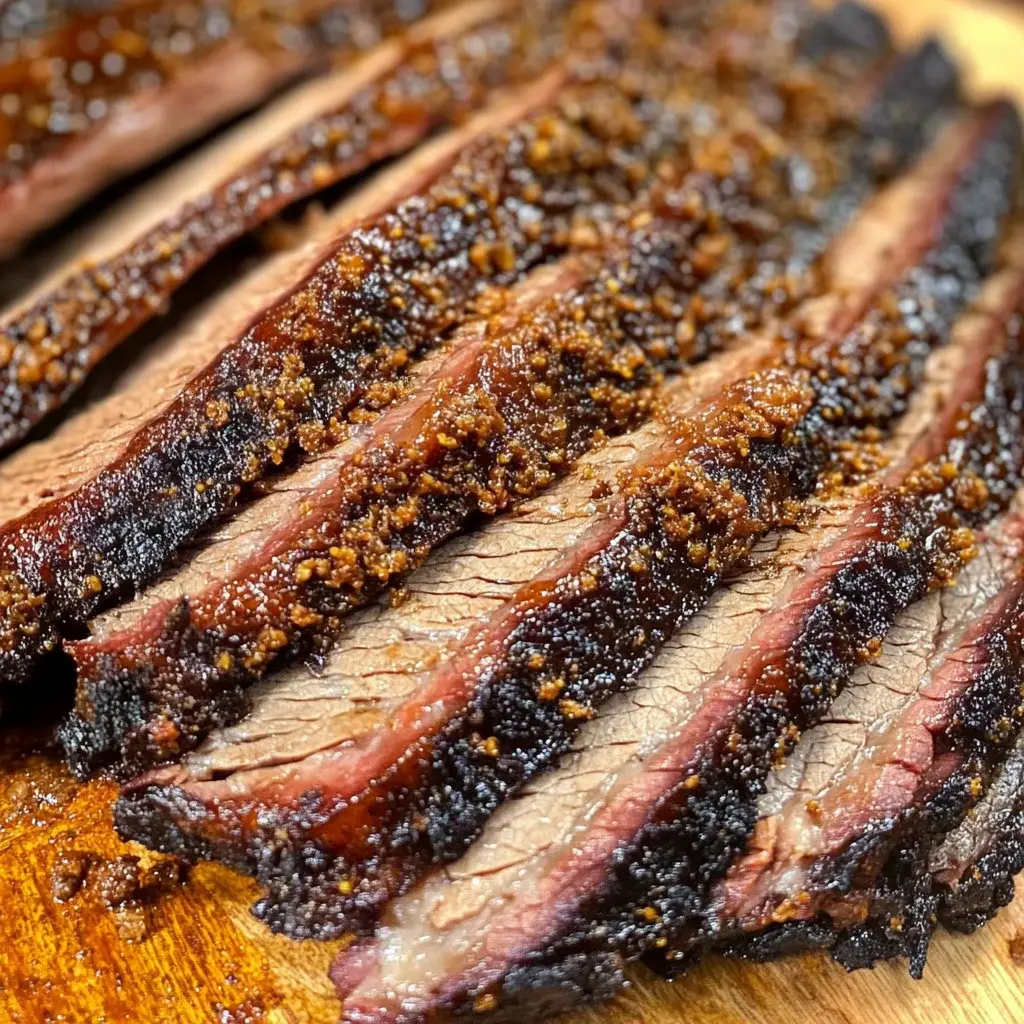
Juicy beef brisket is an ideal centerpiece for any gathering, and this Beef Brisket Recipe In The Oven will elevate your dining experience.
Whether it’s a family dinner or a special occasion, this dish offers mouthwatering flavors and tender goodness that everyone will love. The unique dry rub adds depth to the brisket, making it perfect for sandwiches or served alongside vegetables.
Why You Will Love This Recipe
- Flavorful Dry Rub: The blend of spices creates a rich flavor that seeps into the beef, ensuring every bite is delicious and perfectly seasoned. This is the foundation of a truly memorable brisket.
- Incredibly Tender Texture: Slow cooking in the oven at a low temperature ensures your brisket turns out incredibly tender, practically falling apart with just the touch of a fork. The gentle heat breaks down the connective tissues beautifully.
- Remarkably Versatile Dish: This recipe is perfect for casual family meals and can effortlessly transition to elegant gatherings, making it a go-to for any occasion and any type of guest. It adapts wonderfully to different dining styles.
- Minimal Active Preparation: With very little hands-on cooking time required, this recipe frees you up to focus on other dishes or, more importantly, to enjoy quality time with your guests. The oven does most of the work.
- Fantastic for Leftovers: This brisket is absolutely fantastic in sandwiches, salads, or even hash the next day, meaning you can savor its deliciousness even longer. It transforms beautifully into other meals.
Ingredients You Need
To achieve the most succulent and flavorful beef brisket, using high-quality ingredients is paramount. The simplicity of the components allows the star ingredient, the beef, to truly shine. Every element plays a crucial role in building the complex flavor profile and achieving that melt-in-your-mouth texture.
Oven Baked Beef Brisket
Indulge in the rich, savory goodness of this Oven Baked Beef Brisket. Perfect for gatherings or family dinners, this dish is all about tender meat infused with a flavorful dry rub that enhances every bite. Cooking low and slow ensures that your brisket becomes fork-tender, making it an ideal centerpiece for any occasion. Pair it with roasted vegetables, serve it in hearty sandwiches, or enjoy it as part of a festive feast. With minimal prep time and the ability to create delicious leftovers, this oven-baked brisket is sure to impress everyone at your table.
- 4.5 lb beef brisket
- 1/2 cup dry rub
- Aluminum foil
- Roasting pan
- 1Generously rub the beef brisket with the dry rub, ensuring even coverage.
- 2Wrap the seasoned brisket tightly in aluminum foil and refrigerate overnight to deepen the flavors.
- 3Preheat your oven to 300°F (150°C).
- 4Place the wrapped brisket in a roasting pan and roast for 6-7 hours until it reaches an internal temperature of at least 195°F (90°C).
- 5Allow the brisket to rest for 30 minutes before slicing to let the juices redistribute.
Keywords: beef brisket, oven baked, slow cooker, dry rub, tender, juicy, dinner, holiday, party, main course
- beef brisket: a generous cut, ideally well-marbled for maximum tenderness and flavor.
- dry rub: a proprietary blend of spices that will infuse the meat with an unparalleled depth of taste.
- aluminum foil: heavy-duty foil is essential for retaining moisture and creating a steamy environment during the long cooking process.
- roasting pan: a sturdy pan that can accommodate the brisket and collect its delicious juices.
The specific quantities for these ingredients can be found within the detailed recipe card provided.
Variations
For a delightful vegan alternative, consider using large portobello mushrooms as the base. Marinate them in a smoky, savory broth infused with liquid smoke, soy sauce, and a touch of molasses before roasting. This approach mimics the rich, earthy flavors and satisfying chew of traditional brisket.
If you’re following a low-carb lifestyle, focus on enhancing the natural flavors of the beef with herbs and spices rather than relying on sugary marinades. You can incorporate ingredients like smoked paprika, garlic powder, onion powder, and a hint of cayenne pepper into your dry rub. Serve this version with cauliflower mash or a fresh green salad for a complete meal.
To add an international flair, experiment with a Korean-inspired glaze made from gochujang, honey (or a sugar-free alternative for low-carb), soy sauce, and grated ginger. Baste the brisket with this mixture during the final hour of cooking for a sweet and spicy caramelized exterior. This variation offers a delightful fusion of traditional brisket cooking with vibrant Asian tastes.
How to Prepare Beef Brisket Recipe In The Oven
Step 1: Prepare the Brisket
The journey to a perfectly cooked beef brisket begins with meticulous preparation of the meat itself. It’s crucial to start with a good quality cut, ideally one with a nice fat cap. This fat will render down during the long cooking process, basting the meat and contributing significantly to its moisture and flavor.
Begin by patting the entire brisket dry with paper towels. This step is essential for allowing the dry rub to adhere properly to the meat. Don’t be shy with the dry rub; you want to ensure every surface of the brisket is thoroughly coated. Think of it as giving the meat a flavorful massage, working the spices into every nook and cranny.
Consider the grain of the meat as you apply the rub. While you won’t be cutting it yet, understanding the direction of the muscle fibers will be important later. For now, focus on an even application, ensuring that every inch of the brisket is covered in that aromatic blend of spices. This initial step is the foundation for the incredible flavor that will develop over the hours of cooking.
The dry rub is more than just a seasoning; it’s a crucial element in developing that coveted brisket crust. The salt and sugar in many rubs help to draw out moisture, which then mixes with the spices to create a paste that caramelizes beautifully in the oven. This process contributes to both the texture and the deep, complex flavor profile of the finished dish. Experimenting with different spice combinations can lead to unique and personalized results every time you make this brisket.
Step 2: Wrap and Refrigerate
Once your brisket is generously coated with the dry rub, the next critical step involves wrapping it to begin the flavor infusion process. Tightly wrapping the seasoned brisket in heavy-duty aluminum foil is paramount. This creates a sealed environment, trapping in the rub and any juices that begin to release, allowing them to penetrate the meat more effectively.
The foil acts as a barrier, preventing the rub from drying out and ensuring that its flavors have ample time to meld with the beef. For the best results, it is highly recommended to allow the brisket to marinate in the refrigerator overnight. This extended period of marination, up to 24 hours, allows the salt and spices in the dry rub to work their magic, tenderizing the meat and infusing it with a profound depth of flavor that simply cannot be achieved with shorter resting times.
This overnight rest is not just about flavor; it’s also about texture. The low and slow cooking process works in tandem with the initial rub to break down the tough connective tissues in the brisket. By allowing it to sit, you give the initial stages of this tenderization process a head start. The foil not only keeps the rub in place but also prevents the meat from drying out in the refrigerator, ensuring it’s perfectly prepped for its long journey in the oven. This patient approach is a hallmark of truly exceptional brisket preparation.
When wrapping, ensure there are no gaps or tears in the foil. You want a tight seal to maximize the moist-cooking environment. If you’re using a very large brisket, you might need to use two layers of foil for complete coverage. This ensures that the heat is distributed evenly and that the moisture is retained throughout the entire cooking process. The intention here is to create a self-basting environment within the foil packet, allowing the meat to cook in its own flavorful juices.
Step 3: Preheat Your Oven
Setting the correct oven temperature is one of the most crucial aspects of achieving a tender and succulent beef brisket. For this recipe, a low and slow approach is absolutely key. You need to preheat your oven to a relatively modest 300°F (150°C).
This lower temperature allows the connective tissues within the brisket to gradually break down over many hours. High heat would cook the exterior too quickly, potentially drying out the meat before the interior is tender. The goal is gentle, consistent heat that coaxes the collagen in the brisket into melting, resulting in that signature fall-apart tenderness.
Ensuring your oven has reached the target temperature before placing the brisket inside is vital. Use an oven thermometer if you suspect your oven’s thermostat is inaccurate. Consistent temperature is what allows for predictable cooking times and the best texture. This slow and steady method is the secret weapon for any truly magnificent brisket, making it far more forgiving than quick-cooking methods.
The time spent preheating is an investment in the final outcome. A properly preheated oven ensures that the moment the brisket enters, it begins cooking at the intended temperature. This consistency is paramount for the long cooking duration, preventing temperature fluctuations that could shock the meat and hinder the tenderization process. Trust the process; the low temperature might seem counterintuitive, but it’s the foundation of brisket perfection, ensuring every fiber yields to the fork.
Step 4: Roast the Brisket
Once your oven is perfectly preheated to 300°F (150°C), it’s time to place the foil-wrapped brisket into the roasting pan. Ensure the pan is positioned in the center of the oven to promote even heat circulation around the meat. The long, slow cooking process is where the magic truly happens for this beef brisket recipe.
The estimated cooking time for a brisket of this size is approximately 6 to 7 hours. However, this is a guideline, and the most reliable indicator of doneness is the internal temperature. You’ll want to use a meat thermometer to check the thickest part of the brisket, ensuring it reaches an internal temperature of at least 195°F (90°C). For ultimate tenderness, some pitmasters aim for temperatures closer to 200-205°F (93-96°C).
During the cooking process, resist the urge to open the oven door frequently. Each time the door is opened, heat escapes, which can significantly prolong the cooking time and disrupt the tenderization process. If you notice any juices accumulating heavily in the bottom of the roasting pan, you can carefully baste the brisket by spooning some of those flavorful juices over the top of the foil packet a couple of times during the last hour of cooking. This adds an extra layer of moisture and flavor.
The visual cue of a thermometer reading 195°F or higher is essential, but the tactile feel is also important. When the brisket is done, it should feel very tender when probed with a fork or skewer; it should slide in with very little resistance. This indicates that the collagen has broken down sufficiently. The longer cooking time allows the fat to render and the muscles to relax, resulting in that incredibly succulent and tender meat that makes brisket so beloved. Don’t rush this stage; patience is a virtue when it comes to perfect brisket.
Step 5: Rest Before Serving
This step is arguably as critical as the cooking itself, and it’s one that many home cooks unfortunately overlook. Once the brisket has reached its target internal temperature and is removed from the oven, it absolutely must rest before being sliced. This resting period allows the juices that have been pushed to the surface during cooking to redistribute back into the meat fibers.
If you were to slice the brisket immediately after removing it from the oven, much of that precious moisture would run out onto the cutting board, leaving you with drier meat. A minimum resting time of 30 minutes is essential, but for larger cuts like brisket, allowing it to rest for an hour or even up to two hours is highly beneficial. You can loosely tent the brisket with foil during this resting period to keep it warm.
The resting process allows the meat to relax. Think of it like a marathon runner needing to recover after a race; the muscle fibers need time to rehydrate and settle. This reabsorption of juices is what guarantees that each slice of your brisket will be incredibly moist, tender, and full of flavor. It’s the final, crucial step that transforms a well-cooked piece of meat into an extraordinary culinary experience that will have everyone asking for seconds.
The residual heat within the brisket will continue to cook it slightly during the resting period, a phenomenon known as carryover cooking. This gentle continuation of cooking helps to ensure the meat is perfectly tender throughout. Skipping the rest is like reaching the finish line and immediately collapsing without taking a moment to recover; the results are simply not as good. Embrace the wait, as it is the key to unlocking the brisket’s full potential for juiciness and flavor.
Pro Tips for Beef Brisket Recipe In The Oven
Choose the Right Cut: Opt for a brisket with good marbling; the intramuscular fat is key to a moist and flavorful outcome. Look for a brisket where the fat cap is at least 1/4-inch thick, as this will render down and self-baste the meat.
Don’t Skimp on the Dry Rub: Apply the dry rub generously and ensure every surface of the brisket is coated evenly. Allowing it to marinate overnight in the refrigerator is highly recommended for maximum flavor penetration and tenderization.
Patience with Low and Slow Cooking: Maintain a low oven temperature, ideally between 225°F and 275°F (107°C to 135°C), for the entire cooking duration. This gentle heat is what breaks down the tough connective tissues and renders the fat, ensuring tenderness. Resist the urge to rush the process.
Master the Foil Wrap: Covering the brisket tightly with heavy-duty aluminum foil during the majority of the cooking time is crucial for retaining moisture. You can remove the foil for the last hour or so to allow the exterior to develop a nice crust, but the initial wrap is essential for tenderness.
The Importance of Resting: Always allow your brisket to rest for at least 30 minutes, and preferably up to an hour or more, after it comes out of the oven. This vital step allows the juices to redistribute throughout the meat, ensuring every slice is incredibly moist and flavorful. Skipping this will result in juices running out, leading to drier meat.
Serving Suggestions for Beef Brisket Recipe In The Oven
Decoration
Elevate the visual appeal of your sliced beef brisket by garnishing the serving platter. Fresh herbs like chopped parsley, chives, or cilantro add a vibrant splash of color and a hint of freshness. A scattering of flaky sea salt just before serving can also enhance both the look and the taste of the meat.
Side Dishes
Perfect pairings can transform your brisket meal into an unforgettable dining experience. Creamy mashed potatoes are a classic choice, providing a comforting base that absorbs the rich juices of the brisket beautifully. A tangy, crunchy coleslaw offers a refreshing contrast to the savory meat, cutting through its richness with its bright acidity.
Roasted root vegetables such as carrots, parsnips, and sweet potatoes, caramelized to perfection, complement the deep flavors of the brisket with their inherent sweetness. For a heartier option, consider classic baked beans, which offer a delightful smoky and sweet profile that harmonizes wonderfully with beef. Freshly baked cornbread, with its slightly sweet crumb, is also an excellent companion, perfect for sopping up any extra gravy or juices.
Grilled asparagus adds a touch of elegance and a slightly smoky char that pairs well with the richness of the brisket. Garlic bread, toasted to a golden crisp, is ideal for those who love to mop up every last bit of deliciousness from their plate. For a lighter, health-conscious side, seasoned cauliflower rice makes a fantastic alternative to traditional starches, absorbing flavors without the heaviness.
Creative Serving Ideas
Beyond traditional plating, consider shredding some of the cooked brisket to use as a flavorful filling for tacos or sliders. Top these with your favorite fixings like pickled onions, jalapeños, and a creamy aioli for a fun, interactive meal. You can also chop the brisket and incorporate it into hearty stews or pot pies, adding a deep, savory dimension.
Another creative idea is to use the brisket in flavorful quesadillas or as a topping for loaded baked potatoes. The rich, tender meat lends itself exceptionally well to these comforting and satisfying dishes. Don’t hesitate to experiment with different cuisines; shredded brisket can be a fantastic addition to noodle bowls or even a unique pizza topping.
Preparation & Storage
Storing Leftovers
To properly store leftover beef brisket, allow it to cool completely at room temperature before transferring it to an airtight container. This prevents condensation from forming inside the container, which can lead to a soggy texture. Ensure the container is sealed tightly to maintain freshness and prevent the absorption of any other odors in the refrigerator.
Leftover brisket can be stored in the refrigerator for up to 3 to 4 days. If you have large pieces, consider slicing or shredding them before storing, as this can make them easier to reheat and use in subsequent meals. Proper storage is key to preserving the delicious flavor and tender texture of the cooked brisket, ensuring it remains a treat even after the initial meal.
Freezing
For longer storage, beef brisket freezes exceptionally well. Once cooled, wrap individual portions tightly in plastic wrap, followed by a layer of aluminum foil or placing them inside a freezer-safe bag. Removing as much air as possible from the packaging will help prevent freezer burn and maintain the quality of the meat.
Properly frozen brisket can maintain its excellent quality for up to 3 months. Beyond this timeframe, while still safe to eat, the texture and flavor may begin to degrade slightly. Label your freezer packages with the date to keep track of how long they have been stored, ensuring you use the oldest portions first.
Reheating
Reheating brisket requires a gentle approach to preserve its moisture and tenderness. The best method is to reheat it in the oven at a low temperature, around 325°F (163°C). Place the brisket in an oven-safe dish, add a small amount of liquid such as beef broth or water to the dish (about 1/4 inch), and cover it tightly with foil.
Reheat for about 20-30 minutes per pound, or until the internal temperature reaches around 160°F (71°C). This method ensures the meat stays moist and doesn’t dry out. For smaller portions or quicker reheating, you can use the microwave; place slices on a microwave-safe plate, cover with a damp paper towel, and heat in short 30-second intervals, checking for doneness each time.
Another option for reheating is on the stovetop. You can gently simmer sliced brisket in a skillet over low heat, adding a splash of broth or water to create steam and keep the meat moist. This method works particularly well if you’re planning to use the brisket in a dish like tacos or sandwiches. Avoid high heat or prolonged cooking times when reheating, as these can toughen the meat.
Frequently Asked Questions
-
How do I ensure my Beef Brisket Recipe In The Oven comes out tender?
Achieving a tender beef brisket hinges on cooking it low and slow. Using a consistent oven temperature between 225°F (107°C) and 275°F (135°C) is crucial. This gentle heat allows the tough connective tissues and collagen in the brisket to break down gradually over many hours, transforming them into gelatin and rendering them soft. It’s also vital to let the brisket rest properly after cooking, for at least 30 minutes but ideally longer, as this allows the juices to redistribute throughout the meat, ensuring every slice is moist and succulent.
-
Can I use different cuts of beef for this recipe?
While beef brisket is the traditional and ideal cut due to its marbling and connective tissue content, other cuts can be substituted with adjustments. A chuck roast is a good alternative, offering similar tenderness and flavor when cooked slowly. A beef round roast can also be used, though it tends to be leaner and may require even more careful attention to moisture during cooking. For any substitute, always monitor the internal temperature closely with a meat thermometer to ensure it reaches at least 195°F (90°C) for optimal tenderness, and be prepared for potentially different cooking times based on the cut’s fat content and density.
-
What are some serving ideas for my Beef Brisket Recipe In The Oven?
The versatility of this beef brisket is one of its greatest assets, making it suitable for a wide array of serving occasions. For a classic comfort meal, serve thick slices of brisket alongside creamy mashed potatoes and a side of steamed green beans or roasted carrots. It also makes for incredible sandwiches; simply shred or slice the brisket and pile it high on toasted buns with your favorite barbecue sauce, coleslaw, or pickles.
For a more festive approach, consider using shredded brisket as a filling for savory tacos, empanadas, or even as a topping for loaded baked potatoes. The rich, savory flavor of the brisket pairs wonderfully with spicy accompaniments like jalapeños or a zesty salsa. You can also chop it and incorporate it into hearty chilis or stews, adding an unparalleled depth of flavor and satisfying texture. Consider also serving it as part of a larger grazing board with cheeses, crackers, and various relishes for a more casual, yet elegant, spread.