Greek Egg Casserole: 5 Reasons You'll Adore This Dish
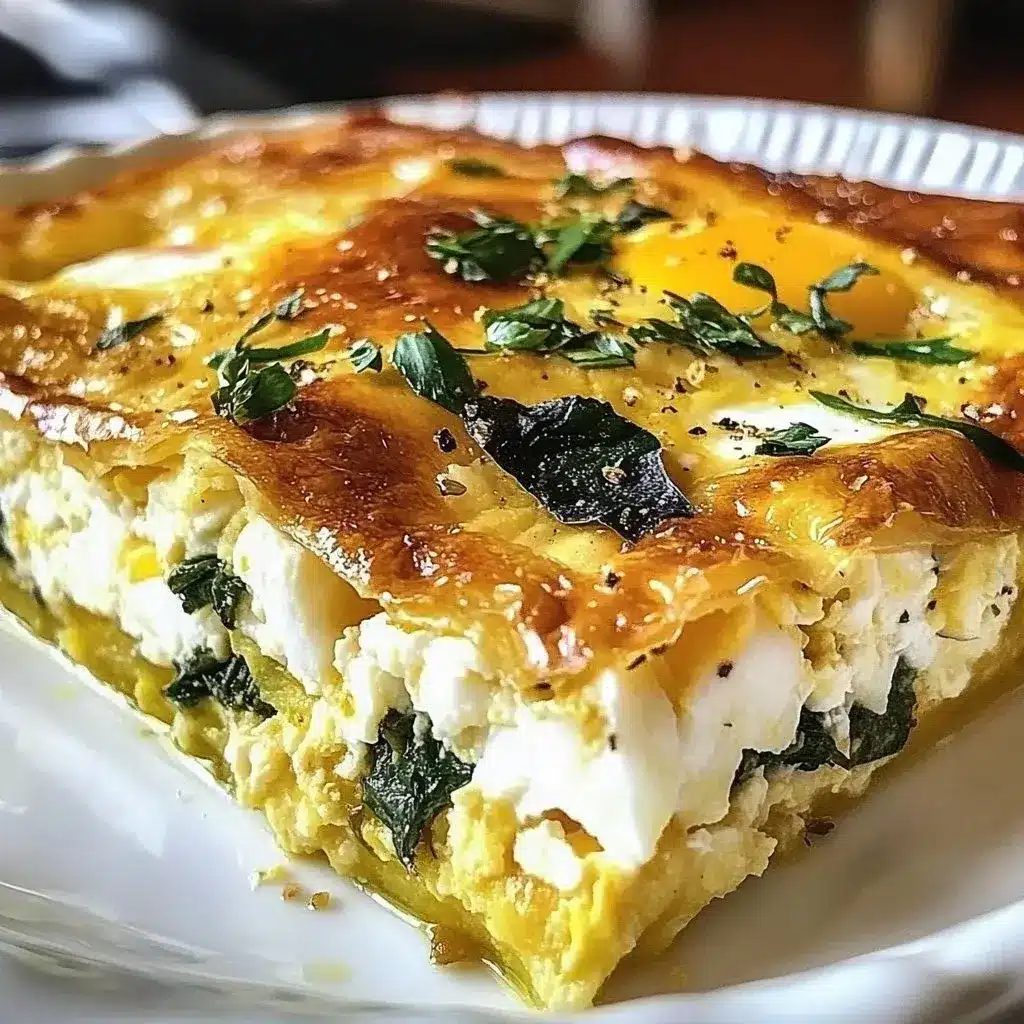
Have you ever craved a comforting dish that brings together the delightful flavors of the Mediterranean? If so, the Greek Egg Casserole is just what you need. This casserole is more than just a meal; it’s a delightful fusion of ingredients that captures the essence of Greek cuisine. Imagine the savory taste of feta cheese, the vibrant freshness of spinach, and the briny touch of olives, all nestled perfectly within fluffy eggs.
This recipe isn’t just easy to prepare but also makes for an impressive dish to share with family and friends. The beauty of this recipe lies in its simplicity, allowing you to whip up a dish that looks and tastes truly gourmet with just a few fresh ingredients. Whether you’re an experienced cook or a kitchen novice, you’ll find this dish easy to follow, and it’s surprisingly budget-friendly, allowing you to craft a delicious meal without breaking the bank.
Why You Will Love This Recipe
- Flavorful Fusion: The combination of feta, olives, and spinach creates an explosion of taste that transports you to the Mediterranean, offering a unique culinary journey with every bite.
- Simplicity in Preparation: The straightforward steps make it accessible for cooks of all skill levels, ensuring a stress-free cooking experience even on busy days.
- Versatile Meal Option: It’s perfect for any time of the day, easily transforming from a hearty breakfast to a satisfying lunch or a delightful light dinner.
- Nutrient-Packed Goodness: Loaded with protein from the eggs and essential nutrients from fresh vegetables like spinach and onions, it’s a health-conscious choice without compromising on taste.
- Family-Friendly Appeal: The irresistible cheesy goodness combined with familiar flavors makes it a guaranteed hit with children and adults alike, ensuring happy mealtimes for everyone.
Ingredients You Need
The success of this Greek Egg Casserole hinges on the quality of its ingredients, which are all readily available. Focusing on fresh, vibrant components will elevate the dish from good to exceptional. Sourcing good feta cheese, crisp spinach, and flavorful olives can truly make a difference in the final taste profile.
Greek Egg Casserole: 5 Reasons You’ll Adore This Dish
A delightful fusion of Mediterranean flavors featuring feta cheese, spinach, and olives baked within fluffy eggs, perfect for any meal of the day. This easy-to-make casserole is versatile, healthy, and family-friendly.
- 6 large eggs
- 1 cup milk (Can substitute with skim or non-dairy milk)
- 1 cup crumbled feta cheese (Can be replaced with dairy-free feta if lactose intolerant)
- 1/2 cup pitted olives, sliced (Sun-dried tomatoes can be used as a substitute)
- 2 cups fresh spinach, chopped (Sturdier greens like kale can also work)
- 1 medium onion, diced
- 2 cloves garlic, minced
- 1 tablespoon olive oil (For sautéing)
- Salt and pepper to taste (Don't forget to season!)
- 1Gather all your ingredients. Dice the onion, mince the garlic, and chop the spinach.
- 2In a skillet, heat the olive oil over medium heat. Add the diced onion and minced garlic, sautéing until softened, about 3-4 minutes.
- 3Add the chopped spinach to the skillet. Cook until wilted, about 2-3 minutes, then remove from heat.
- 4In a large bowl, whisk together the eggs and milk. Season with salt and pepper.
- 5Add the crumbled feta cheese and sliced olives to the egg mixture, followed by the sautéed spinach, onion, and garlic. Stir gently until well mixed.
- 6Grease a baking dish with olive oil or cooking spray to prevent sticking.
- 7Pour the egg mixture into the prepared baking dish, spreading evenly.
- 8Preheat oven to 350°F (175°C) and bake for 30-35 minutes until the eggs are set and the top is golden brown.
- 9Allow the casserole to cool for a few minutes before slicing.
- 10Dish out onto plates and enjoy!
Keywords: Casserole Recipe, Family-Friendly Meals, Greek Egg Casserole, Healthy Cuisine, Mediterranean Dish, Easy Dinner, Breakfast Casserole, Brunch Recipe
- large eggs: the foundation of our creamy casserole.
- milk: to create a lighter, more custardy texture.
- crumbled feta cheese: for that signature briny, salty Greek flavor.
- pitted olives, sliced: adding a delightful briny contrast.
- fresh spinach, chopped: bringing freshness and a boost of nutrients.
- medium onion, diced: providing a sweet, aromatic base.
- cloves garlic, minced: infusing pungent depth.
- olive oil: for sautéing the aromatics.
- salt and pepper to taste: essential for bringing out all the flavors.
You’ll find the precise quantities for each ingredient listed within the recipe card.
Variations
Elevate your Greek Egg Casserole with a touch of Mediterranean flair by incorporating roasted red peppers and briny artichoke hearts. These additions bring a vibrant splash of color and a more complex flavor profile, making each bite a delightful exploration of Mediterranean tastes. This variation transforms the classic dish into a gourmet experience, perfect for impressing guests.
For those seeking a heartier meal, consider infusing the casserole with the savory goodness of cooked and crumbled Greek sausage or finely diced ham. This meat lover’s option adds a satisfying depth and richness that complements the eggs and vegetables beautifully. It turns the casserole into a robust and filling main course, ideal for a hearty brunch or a substantial dinner.
If you enjoy a gentle warmth with your meals, a spicy kick can be introduced by incorporating a pinch of red pepper flakes or finely chopped jalapeños. This subtle heat awakens the palate and adds an exciting dimension to the familiar flavors. It’s a simple yet effective way to personalize the dish and add a touch of excitement for those who appreciate a little spice.
Fresh herbs can also be a game-changer, offering a burst of aromatic freshness. Mixing in finely chopped fresh basil or parsley just before baking infuses the casserole with an herbaceous fragrance that complements the other ingredients. This variation brings a lighter, more vibrant feel to the dish, perfect for a spring or summer meal.
How to Prepare greek egg casserole
Step 1: Gather and Prepare Your Ingredients
The first crucial step in crafting this delightful Greek Egg Casserole is to meticulously gather all your necessary ingredients. This includes ensuring you have the correct quantities of fresh spinach, a medium onion, pungent garlic cloves, and good quality feta cheese. Proper preparation at this stage sets the foundation for a seamless cooking process, preventing any last-minute dashes for missing items and allowing you to focus on the culinary journey ahead.
Next, you will undertake the essential task of preparing the foundational aromatics and vegetables. Dice your medium onion into small, uniform pieces to ensure they cook evenly and release their sweetness. Mince the garlic cloves finely, aiming for a consistent texture that will distribute its potent flavor throughout the dish. Finally, thoroughly chop your fresh spinach, removing any tough stems and ensuring it’s ready to wilt down beautifully into the egg mixture. This attention to detail in the preparation phase significantly impacts the final texture and flavor of your casserole.
The Best Part of Preparation: Taking a moment to pre-chop and measure everything not only saves time during the cooking phase but also allows you to appreciate the vibrant colors and textures of the fresh ingredients you’ll be using. It’s a mindful approach to cooking that ensures everything comes together harmoniously, making the entire process more enjoyable and less stressful.
Step 2: Sauté the Aromatics and Vegetables
In a suitable skillet, initiate the cooking process by heating one tablespoon of olive oil over medium heat until it shimmers gently. This precise temperature is ideal for sautéing, ensuring the aromatics cook through without burning. The gentle heating allows the onion and garlic to soften and release their fragrant oils, forming the flavor base for your entire casserole. A well-sautéed base is key to developing deep, complex flavors.
Once the olive oil is warm, add your diced onion and minced garlic to the skillet. Cook them with gentle stirring for approximately 3 to 4 minutes, or until the onions become translucent and the garlic is wonderfully fragrant. Avoid browning the garlic, as it can turn bitter; the goal is a gentle softening and aroma release. This brief cooking period allows the natural sugars in the onion to caramelize slightly, adding a subtle sweetness that complements the savory elements.
Flavor Infusion: The fragrance that fills your kitchen at this stage is a sure sign that the flavor base is developing beautifully. This simple step of sautéing the onion and garlic is fundamental to building layers of taste in the Greek Egg Casserole. It transforms humble ingredients into a aromatic foundation that will permeate the entire dish as it bakes.
Step 3: Wilt the Spinach
Following the sautéing of the onions and garlic, it’s time to introduce the chopped fresh spinach into the same skillet. The residual heat from the pan, combined with the steam generated from the vegetables, will help the spinach wilt down quickly. This process concentrates its flavor and texture, integrating it seamlessly into the savory mixture. Ensure you add the spinach in batches if necessary to avoid overcrowding the pan, which can lead to steaming rather than wilting.
Cook the spinach for just about 2 to 3 minutes, stirring occasionally until it has visibly reduced in volume and appears tender. The vibrant green color will deepen slightly as it wilts. It’s important not to overcook the spinach at this stage, as it will continue to cook further in the oven; you want it tender but still retaining some of its fresh character. Once wilted, remove the skillet from the heat to prevent any further cooking and to allow the mixture to cool slightly.
A Note on Greens: While fresh spinach is traditional, feel free to experiment with other sturdy greens like chopped kale or Swiss chard. These alternatives can offer a slightly different texture and nutrient profile. If using kale, you might need to cook it a minute or two longer to ensure it tenderizes properly.
Step 4: Prepare the Egg Mixture
In a large mixing bowl, crack your six large eggs. Whisk them vigorously until the yolks and whites are thoroughly combined and the mixture takes on a uniform, pale yellow color. This aeration is essential for achieving a light and fluffy casserole texture. A good whisking incorporates air, which will expand during baking, creating that desirable airy consistency.
Next, pour in one cup of milk. Continue whisking until the milk is fully incorporated into the eggs, creating a smooth, homogenous liquid. This mixture forms the creamy base of your casserole. For optimal flavor, it is absolutely crucial at this stage to season the egg mixture generously with salt and freshly ground black pepper to taste. Properly seasoned eggs are the backbone of a delicious casserole.
Seasoning is Key: Don’t underestimate the power of salt and pepper here. They don’t just add flavor; they enhance all the other flavors present in the dish, from the briny feta to the earthy spinach. Taste as you go (if comfortable) to ensure your seasoning is just right, aiming for a balanced and robust flavor profile.
Step 5: Combine All Ingredients
Now, gently fold the crumbled feta cheese into the whisked egg and milk mixture. Ensure the cheese is distributed relatively evenly, allowing pockets of creamy feta to remain. Next, add the sliced pitted olives to the bowl. Their briny, savory notes will provide delightful bursts of flavor throughout the casserole, offering a classic Mediterranean counterpoint to the richness of the eggs and cheese.
Following the olives, carefully spoon the sautéed spinach, onion, and garlic mixture from the skillet into the large bowl containing the eggs. Stir everything together gently until all the components are just combined. The aim is to distribute the ingredients without overmixing, which could toughen the eggs. A light hand ensures the final texture remains tender and appealing.
Visual Appeal: As you stir, you’ll notice the vibrant colors of the spinach and olives mingling with the creamy egg mixture and the white crumbles of feta. This visual cue indicates that all the components are harmonizing, ready to bake into a cohesive and delicious dish. The uneven distribution of ingredients is part of the charm and textural interest.
Step 6: Prepare the Baking Dish
To ensure your Greek Egg Casserole releases cleanly from the pan after baking, it is essential to properly prepare your chosen baking dish. You can use a light coating of olive oil, spread evenly across the entire interior surface of the dish with a pastry brush or a paper towel. Alternatively, a good quality cooking spray can be used, ensuring complete coverage of the bottom and sides.
This greasing step creates a non-stick barrier between the casserole and the dish, preventing the delicate egg mixture from adhering during the high heat of baking. A well-greased dish is crucial for easy serving and for maintaining the structural integrity of the casserole slices. Without this step, you risk the casserole sticking and breaking apart when you try to serve it.
Dish Choice Matters: A standard 8×8 inch or 9×13 inch baking dish is typically suitable, depending on the depth you prefer. Ceramic or glass baking dishes are excellent choices as they distribute heat evenly. The size of your dish will influence the baking time, so keep that in mind.
Step 7: Pour the Mixture into the Dish
Carefully pour the combined egg, vegetable, and cheese mixture into the prepared baking dish. Use a spatula or the back of a spoon to gently spread the mixture evenly across the bottom and sides of the dish. This ensures that the casserole bakes uniformly, with no overly thick or thin spots, leading to consistent doneness throughout. Taking a moment to level the surface will also contribute to a more aesthetically pleasing final presentation.
Ensure all the delicious ingredients are contained within the baking dish, and that the surface is relatively smooth. This step is straightforward but essential for an even bake. If any ingredients seem to have clumped together, gently coax them apart with your spatula to distribute them better. This creates a visually appealing base for the golden-brown top that will form during baking.
Even Distribution is Key: The goal here is an even layer of the egg mixture, which will allow for consistent cooking. A slightly uneven surface is perfectly fine, as the edges will cook slightly faster than the center, which is desirable. The important part is that the majority of the mixture is within the dish and has a relatively even depth.
Step 8: Bake to Golden Perfection
Preheat your oven to precisely 350 degrees Fahrenheit (175 degrees Celsius) well in advance. This ensures that the oven is at the correct, stable temperature when the casserole is ready to bake, which is vital for consistent cooking. Place the prepared baking dish into the center rack of the preheated oven.
Bake the Greek Egg Casserole for approximately 30 to 35 minutes. The exact baking time will vary slightly depending on your oven and the size of your baking dish. You will know the casserole is ready when the eggs are fully set and the top has developed a beautiful, golden-brown hue. A gentle nudge to the side of the dish should show no liquid wobble in the center.
The Golden Rule of Baking: Resist the urge to open the oven door too frequently during the baking process. This can cause the temperature to fluctuate and may lead to an uneven bake or a sunken casserole. Trust the timer and the visual cues of a set and golden-brown top.
Step 9: Allow to Cool Slightly
Once the Greek Egg Casserole has achieved that perfect golden-brown finish and the eggs are set firm, carefully remove the baking dish from the oven using oven mitts. It is imperative to let the casserole cool for a few minutes on a wire rack before attempting to slice and serve it. This resting period allows the internal structure of the casserole to firm up considerably.
During this brief cooling phase, the residual heat continues to cook the casserole gently, and the proteins in the eggs coagulate further, creating a more stable texture. This step is crucial for achieving clean, neat slices. If you try to cut into it immediately after removing it from the oven, the molten center may ooze out, leading to a messy presentation and a less satisfying eating experience.
Patience Pays Off: Even a short cooling period of about 5 to 10 minutes can make a significant difference in the ease of serving and the final appearance of your dish. This small step ensures that the casserole holds its shape beautifully when plated, presenting its delightful flavors and textures in the best possible way.
Step 10: Serve and Enjoy the Flavors of Greece
After the short resting period, your magnificent Greek Egg Casserole is ready to be served. Using a sharp knife or a spatula, carefully cut generous portions onto individual plates. The aroma that wafts up should be a delightful blend of herbs, cheese, and savory eggs, a true testament to the Mediterranean flavors you have lovingly prepared.
Dish out these warm, comforting servings onto plates and prepare to savor a meal that is as visually appealing as it is delicious. This Greek Egg Casserole offers a delightful taste of the Mediterranean, perfect for any meal of the day. Its rich yet balanced flavors are sure to be adored by everyone who has the pleasure of tasting it, making it a true culinary triumph.
A Culinary Welcome: Present this dish with pride, knowing you’ve created a comforting and flavorful meal that embodies the spirit of Greek hospitality. Each bite is a celebration of fresh ingredients and simple, satisfying preparation. Enjoy the delightful experience of this wonderfully baked dish!
Pro Tips for greek egg casserole
Tip: Use high-quality feta cheese. The flavor of the feta is prominent in this dish, so opt for a good quality, authentic Greek feta cheese if possible. It will provide a superior salty, tangy taste that truly elevates the casserole. Avoid pre-crumbled feta if you can, as it can sometimes be drier and less flavorful.
Tip: Don’t overcook the spinach. Fresh spinach wilts very quickly. Cook it just until it’s tender and reduced in volume. Overcooked spinach can release too much water, potentially making your casserole watery, and can also lose its vibrant color and fresh flavor.
Tip: Season generously and taste. Eggs need good seasoning to shine. Don’t be shy with salt and pepper. If you’re comfortable tasting the raw egg mixture, do so before baking to ensure the seasoning is just right for your palate. Remember, feta is salty, so adjust accordingly.
Tip: Consider adding other Mediterranean elements. Feel free to enhance the Greek theme by adding a sprinkle of fresh dill or oregano to the egg mixture, or even a handful of chopped sun-dried tomatoes for an extra layer of flavor and color. These small additions can make a big impact.
Tip: Allow it to rest. This is a crucial step that many home cooks overlook. Letting the casserole rest for 5-10 minutes after baking allows the structure to set, making it much easier to slice neatly and serve without it falling apart. It also allows the flavors to meld beautifully.
Serving Suggestions for greek egg casserole
Decoration
Garnish your Greek Egg Casserole with a scattering of fresh chopped parsley or a few fresh dill sprigs just before serving. A light dusting of paprika can also add a beautiful pop of color. For an extra touch of visual appeal that hints at the ingredients within, consider arranging a few extra spinach leaves or thin slices of Kalamata olives artfully on top.
Side Dishes
This casserole pairs wonderfully with a crisp, refreshing mixed greens salad dressed with a simple lemon vinaigrette. For added creaminess and healthy fats, serve it alongside slices of ripe avocado or a small dollop of guacamole. Warm, crusty bread or soft pita bread is perfect for soaking up any delicious remnants.
A side of plain Greek yogurt, perhaps seasoned with a hint of garlic and mint, makes a cool, tangy contrast to the savory casserole. For beverages, a glass of freshly squeezed orange juice is a classic brunch accompaniment, while a light, crisp white wine like a Sauvignon Blanc or a Greek Assyrtiko complements the flavors beautifully for lunch or dinner.
Creative Serving Ideas
Transform this versatile casserole into elegant individual servings by baking it in small ramekins. This is perfect for a more formal brunch or for portion control. You can also serve it chilled or at room temperature, making it an ideal candidate for picnics, potlucks, or make-ahead lunches.
Consider serving it as part of a larger Mediterranean-inspired buffet, alongside other dishes like hummus, tzatziki, dolmades, and grilled halloumi. For a casual family meal, simply present the entire casserole in its baking dish, allowing everyone to serve themselves. This approach adds to the comforting, communal feel of the meal.
Preparation & Storage
Storing Leftovers
Once the Greek Egg Casserole has cooled down to room temperature, it can be stored effectively for future enjoyment. Cover the dish tightly with plastic wrap, ensuring a good seal to prevent moisture loss. Alternatively, you can transfer individual portions or the entire remaining casserole into an airtight container, which offers even better protection against odor absorption from other foods in the refrigerator.
Stored properly in the refrigerator, this delicious casserole will maintain its quality and flavor for up to 4 days. This makes it an excellent option for meal prepping, providing a healthy and satisfying meal ready to go on busy weeknights or for quick lunches throughout the week. Always ensure it is stored in a cool environment as soon as possible after consumption.
Freezing
For longer-term storage, the Greek Egg Casserole freezes remarkably well, making it a convenient option for stocking your freezer. It is often easiest to freeze the casserole in individual portions. Slice the cooled casserole into servings and wrap each piece tightly in plastic wrap, followed by a layer of aluminum foil or by placing them inside a freezer-safe bag. This double-layering method helps prevent freezer burn and maintains the texture.
Label each portion clearly with the date of freezing. Properly frozen, the casserole can retain its optimal quality for up to three months. This allows you to have a homemade, delicious meal ready at a moment’s notice, perfect for those times when cooking is not feasible but a hearty, satisfying meal is desired. Be sure to use high-quality freezer bags or containers for best results.
Reheating
When you’re ready to enjoy your stored Greek Egg Casserole, reheating is straightforward. For best results, preheat your oven to 350°F (175°C). Place the refrigerated or thawed frozen portions on a baking sheet or back into a small baking dish, covering them loosely with foil to prevent the top from browning too quickly. Heat for approximately 15-20 minutes for refrigerated portions, or 25-30 minutes for thawed frozen portions, or until heated through and warmed to your desired temperature.
Microwaving is another quick option, especially for single servings. Place a portion on a microwave-safe plate and heat on medium power for 1-2 minutes, checking and continuing in 30-second intervals until hot. Keep in mind that microwaved dishes may have a slightly different texture compared to oven-reheated ones. Always ensure the casserole is piping hot before serving to ensure food safety.
Frequently Asked Questions
-
Can I prepare this Greek Egg Casserole ahead of time, and if so, how should I store it?
Yes, absolutely! Assembling the casserole a day in advance is a fantastic time-saving strategy. Once you’ve mixed all the ingredients and poured them into the baking dish, cover it tightly with plastic wrap or foil. Store it in the refrigerator. When you’re ready to bake, simply remove the plastic wrap and place the dish directly into a preheated oven. You might need to add a few extra minutes to the baking time since it will be going into the oven cold from the refrigerator, but otherwise, the process is the same. This makes it an ideal dish for busy mornings or for entertaining guests without the stress of last-minute preparation.
-
What are the best substitutions for feta cheese and olives if I have dietary restrictions or simply don’t have them on hand?
For those who are lactose intolerant or prefer dairy-free options, a good quality dairy-free feta cheese alternative works beautifully and offers a similar tangy profile. If you’re not a fan of olives or looking for a different flavor dimension, chopped sun-dried tomatoes are an excellent substitute; they provide a sweet, concentrated tomato flavor that pairs wonderfully with the other Mediterranean ingredients. Goat cheese is another delicious alternative to feta, offering a creamy texture and a distinct tanginess that complements the eggs and spinach well. Ricotta cheese can also be used for a milder, creamier result, though it will alter the characteristic briny notes of the dish.
-
Is this Greek Egg Casserole suitable for children, and how can I adjust it to make it more appealing to picky eaters?
This Greek Egg Casserole is generally very family-friendly, especially for children! The combination of creamy eggs and savory cheese is usually a hit. The feta cheese, while flavorful, is typically not overpoweringly strong, and the spinach wilts down to become less noticeable. To make it even more appealing to picky eaters, you can reduce the amount of spinach slightly or ensure it is chopped very finely. Omitting the olives or chopping them extra small can also help. For extra kid-appeal, consider adding a small amount of finely diced ham or cooked chicken, as a hint of familiar meat can often encourage acceptance. A sprinkle of extra cheese on top before baking might also entice younger diners.