Grilled beef Tenderloin
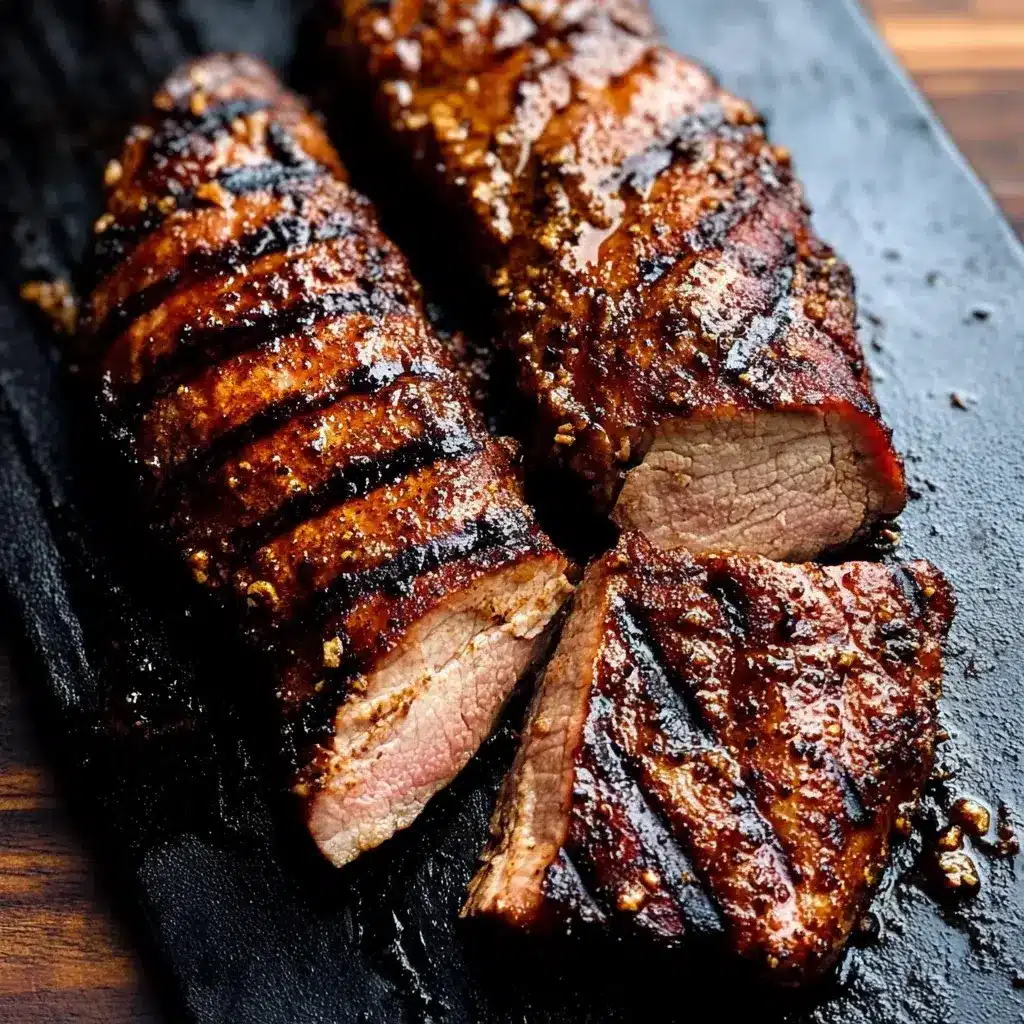
Embark on a culinary journey with this exquisite grilled beef tenderloin recipe, designed to tantalize your taste buds and elevate any dining occasion. The secret lies in a perfectly balanced homemade rub, featuring brown sugar that lends a subtle sweetness to the robust, savory notes of the beef.
This lean and incredibly juicy classic is more than just a meal; it’s an experience that promises to impress, whether you’re hosting a lively barbecue, gathering with loved ones, or celebrating a special milestone. Its rich flavors and melt-in-your-mouth tenderness make it an unforgettable centerpiece for your table.
Why You Will Love This Recipe
- Effortless Preparation: This recipe is designed for ease, featuring straightforward steps and common ingredients that make it accessible even for beginner cooks, ensuring a delicious meal without the fuss.
- Bold Flavor Profile: The custom-blended seasoning rub infuses the beef with a harmonious mix of sweet, savory, and subtly spicy elements, enhancing the natural deliciousness of the tenderloin.
- Exceptional Versatility: Beyond serving it as a magnificent main course, this tenderloin can be sliced thinly for elegant sandwiches or added to vibrant salads, offering numerous ways to enjoy its exquisite taste.
- Guaranteed Perfection: With the guidance of an instant-read meat thermometer, achieving the ideal internal temperature for your beef tenderloin is simple, preventing overcooking and ensuring a consistently perfect result every time.
- Show-Stopping Presentation: The visual appeal of a beautifully grilled beef tenderloin is undeniable, making it a truly impressive and elegant centerpiece that will undoubtedly garner compliments from your guests.
Ingredients You Need
Crafting this exceptional grilled beef tenderloin relies on the quality of its components. Selecting prime cuts and fresh spices will ensure that the vibrant flavors of the homemade rub and the inherent richness of the beef are showcased to their fullest potential. Every ingredient plays a crucial role in creating a harmonious and deeply satisfying dish.
Grilled Beef Tenderloin with Brown Sugar Rub
Indulge in the succulent flavors of this Grilled Beef Tenderloin, seasoned with a homemade brown sugar rub that strikes the perfect balance between sweet and savory. Perfect for barbecues or dinner parties.
- 2 pounds trimmed beef tenderloin
- 1 teaspoon brown sugar
- Optional: Barbecue sauce for serving
- 1Trim excess fat from the beef tenderloin and pat it dry with paper towels.
- 2In a mixing bowl, combine all seasoning ingredients thoroughly.
- 3Rub the seasoning mixture evenly over the beef tenderloin.
- 4Preheat your grill to medium-high heat.
- 5Brush grill grates with vegetable oil and place the seasoned beef on the grill.
- 6Close the lid and cook for 16 to 20 minutes, turning every 5 minutes until an internal temperature of 145˚F is reached.
- 7Remove from the grill and let rest for 5 to 8 minutes before slicing. Serve with optional barbecue sauce.
Keywords: beef tenderloin, grilled beef, brown sugar rub, dinner, main dish, barbecue
- beef tenderloin, trimmed: the star of our dish, chosen for its lean texture and unparalleled tenderness, ready to absorb all the wonderful flavors.
- brown sugar: a touch of sweetness to perfectly balance the savory spices and create a delightful caramelization on the exterior.
- salt: essential for enhancing all the other flavors and drawing out the natural juices of the beef.
- garlic powder: provides a pungent, aromatic depth that is foundational to many savory rubs.
- onion powder: offers a subtle, sweet onion essence that complements the garlic and beef beautifully.
- dried thyme: brings an earthy, slightly minty herbaceousness that pairs wonderfully with grilled meats.
- cayenne pepper: a gentle whisper of heat that awakens the palate without overpowering the other flavors.
- paprika: contributes a mild, sweet pepper note and a lovely reddish hue to the rub.
- dried parsley: adds a fresh, slightly peppery, and visually appealing fleck of green to the seasoning blend.
- fresh ground black pepper: provides a pungent kick that contrasts and enhances the sweetness of the brown sugar.
- dried crushed red pepper flakes: for those who enjoy a bit more warmth, these add a noticeable, pleasant level of spice.
- ground allspice: imparts a unique, warm flavor reminiscent of cinnamon, nutmeg, and cloves, adding a touch of complexity.
- barbecue sauce (optional): a classic accompaniment, perfect for dipping or drizzling, adding an extra layer of smoky, tangy, or sweet flavor.
The specific quantities for these ingredients are detailed within the provided recipe card for your convenience.
Variations
Elevating your grilled beef tenderloin experience can be achieved through creative variations that cater to diverse dietary preferences and flavor profiles. Consider infusing the meat with an array of spices or incorporating global influences for a truly unique meal.
For a delightful vegan alternative, instead of beef tenderloin, you could grill thick slices of portobello mushrooms that have been marinated in a rich, umami-packed blend of soy sauce, balsamic vinegar, garlic, and herbs. These mushrooms develop a wonderfully meaty texture when grilled, making them a satisfying centerpiece that still captures the essence of a hearty grilled dish.
If you’re following a low-carb lifestyle, the classic rub can be maintained, but consider serving the tenderloin with a vibrant cauliflower mash instead of traditional potatoes. This creamy, low-carbohydrate alternative offers a similar comforting texture and readily accepts buttery and garlicky flavors, making it a perfect companion to the grilled beef.
Another exciting variation involves introducing an Asian-inspired marinade. Imagine marinating thin strips of the tenderloin in a mixture of soy sauce, sesame oil, grated ginger, minced garlic, and a touch of honey or maple syrup before grilling. This approach infuses the beef with complex savory, sweet, and aromatic notes, offering a delightful departure from the traditional rub.
How to Prepare grilled beef tenderloin
Step 1: Trim and Prepare the Beef
The foundation of an exceptional grilled beef tenderloin begins with meticulous preparation of the meat itself. Carefully examine your beef tenderloin and use a sharp knife to remove any excess external fat that might interfere with even cooking and searing. Equally important is the removal of the silverskin, a thin, iridescent membrane that can become tough and chewy when cooked, detracting from the tender texture you desire.
Once trimmed, it’s crucial to pat the beef tenderloin thoroughly dry using paper towels. Moisture on the surface of the meat will steam rather than sear on the grill, hindering the development of that desirable, flavorful crust. A dry surface is paramount for achieving a beautiful char and locking in the juices, ensuring that every bite is as succulent as possible.
After the trimming and drying process is complete, place the prepared beef tenderloin on a clean cutting board or a plate. Allow it to sit at room temperature for a short period, approximately 20-30 minutes, before applying the rub. This brief resting period helps the meat to come closer to an even temperature, which promotes more uniform cooking on the grill.
Step 2: Make the Seasoning Rub
In a small, clean mixing bowl, commence the creation of your flavor-packed seasoning rub. This is where the magic truly begins, as you combine the carefully selected dry ingredients that will transform the simple beef tenderloin into a culinary masterpiece. Ensure your bowl is completely dry to prevent any clumping of the spices.
Add the brown sugar, salt, garlic powder, onion powder, dried thyme, cayenne pepper, paprika, dried parsley, fresh ground black pepper, dried crushed red pepper flakes, and ground allspice to the bowl. Take a moment to appreciate the fragrant aromas that begin to emerge as these individual components mingle. The combination of sweet, savory, and slightly spicy elements promises a deeply satisfying flavor profile.
Using a small whisk or a fork, thoroughly combine all the ingredients until they are perfectly blended into a homogenous mixture. Ensure there are no pockets of any single spice. Once you have achieved a uniform consistency, it’s time to apply this magnificent rub generously and evenly over the entire surface of the prepared beef tenderloin, ensuring every inch is coated for maximum flavor impact. Set the seasoned tenderloin aside while you prepare the grill.
Step 3: Preheat the Grill
Preparing your grill for optimal performance is a critical step in achieving perfectly grilled beef tenderloin. Begin by cleaning your grill grates thoroughly; any residue from previous cooks can impart off-flavors or cause the meat to stick. Once the grates are clean, preheat your grill to a medium-high heat setting. This temperature range is ideal for achieving a beautiful sear and developing a rich, caramelized crust on the exterior of the tenderloin.
Allow the grill to preheat for at least 10-15 minutes to ensure it reaches and maintains the desired temperature. A hot grill is essential for creating that sought-after char and preventing the tenderloin from sticking to the grates. You should be able to feel a strong radiant heat when you hold your hand a few inches above the grates, but not so hot that you can’t hold it there for more than a second or two.
Having your grill properly preheated ensures that when the seasoned beef tenderloin is placed on the grates, it will immediately begin to sear, developing those desirable grill marks and the flavorful crust. This step is foundational for achieving that perfect balance of a beautifully cooked exterior and a tender, juicy interior, setting the stage for a truly successful grilling experience.
Step 4: Grill the Beef
With your grill preheated to a robust medium-high heat and the tenderloin beautifully seasoned, it’s time to move to the grilling stage. Before placing the beef on the hot grates, it’s a highly recommended practice to lightly brush the grill grates with a neutral high-heat cooking oil, such as vegetable or canola oil. This simple step acts as a crucial barrier, preventing the tenderloin from adhering to the hot metal, which can lead to tearing and loss of those precious surface juices.
Carefully transfer the seasoned beef tenderloin from your preparation area directly onto the hot, oiled grill grates. Position it centrally to ensure even heat distribution. Once the tenderloin is in place, immediately close the grill lid. This action is vital for trapping the heat and smoke within the grill, which will cook the beef evenly and infuse it with that unmistakable smoky flavor that defines grilled cuisine.
Allow the beef tenderloin to cook for approximately 16 to 20 minutes in total. During this cooking period, it’s essential to turn the tenderloin every 5 minutes. This regular turning ensures that all sides of the beef are exposed to the direct heat, promoting uniform cooking and developing an appealing, consistent char and attractive grill marks across the entire surface of the roast. This rotational technique is key to preventing any single side from overcooking.
Step 5: Check for Doneness
Ensuring your grilled beef tenderloin reaches the perfect level of doneness is paramount for its succulence and flavor. The most reliable method for achieving this precision is by using an instant-read meat thermometer. This indispensable tool allows you to accurately gauge the internal temperature of the meat without excessive probing, which can release valuable juices.
Gently insert the probe of the instant-read meat thermometer into the thickest part of the beef tenderloin, ensuring the tip of the probe does not touch any bone (if present) or gristle, as this could lead to an inaccurate reading. Aim for an internal temperature of 145°F (63°C) for medium-rare to medium, which is widely considered the optimal doneness for beef tenderloin, offering a balance of tenderness and juiciness.
Remember that the cooking time can fluctuate based on the exact thickness and shape of your tenderloin, as well as the consistent temperature of your grill. It’s entirely possible that the specified 16-20 minutes might need slight adjustment. Always rely on the thermometer’s reading rather than the clock to determine when your beef tenderloin has achieved its perfect internal temperature and is ready to be removed from the grill.
Step 6: Rest Before Slicing
The step of allowing your grilled beef tenderloin to rest after it comes off the grill is as crucial as the grilling itself; it is non-negotiable for achieving maximum juiciness and flavor. Once the meat has reached its target internal temperature of 145°F, carefully remove it from the grill using sturdy tongs or a spatula. Transfer the tenderloin to a clean cutting board, ideally one with a channel to catch any juices.
Tent the tenderloin loosely with aluminum foil. This creates a gentle, warm environment that allows the meat’s internal temperature to continue to rise slightly (carryover cooking) and, more importantly, enables the juices that have been pushed to the surface by the heat of the grill to redistribute back throughout the muscle fibers. Skipping this resting period will result in those precious juices running out onto the cutting board when you slice the meat, leaving you with a drier, less flavorful result.
Let the beef tenderloin rest for a minimum of 5 to 8 minutes. For larger cuts, an even longer resting period of 10-15 minutes can be beneficial. This waiting period is essential for allowing the muscle fibers to relax and reabsorb their moisture, ensuring that every slice you cut is incredibly tender, moist, and bursting with flavor. Patience here will be greatly rewarded.
Step 7: Serve
Once your perfectly grilled and beautifully rested beef tenderloin has had adequate time to settle, it’s ready to be presented and enjoyed. The aroma alone is sure to captivate your senses, promising a delicious dining experience. Before serving, you might choose to give it a final, light brush with some of your favorite barbecue sauce, if desired, adding an extra layer of sweetness and tang.
Slice the tenderloin against the grain into your desired thickness. For a formal presentation, aim for ½-inch thick slices, showcasing the beautiful pink interior and the savory crust. If you’re serving it in a more casual setting, slightly thicker slices are also perfectly acceptable and equally delicious. Arrange the slices elegantly on a platter or individual plates, ensuring each portion is a testament to your culinary efforts.
Serve immediately while warm and incredibly juicy. This grilled beef tenderloin is a showstopper on its own but also pairs wonderfully with a variety of complementary sides. Whether served as a magnificent main course or incorporated into other dishes, it’s guaranteed to be a highlight of your meal, leaving your guests thoroughly impressed and satisfied with its exquisite flavor and tender texture.
Pro Tips for grilled beef tenderloin
To elevate your grilled beef tenderloin from delicious to absolutely unforgettable, consider incorporating these expert tips into your preparation and grilling process. These insights are born from experience and are designed to ensure consistently stellar results, helping you achieve that perfect balance of texture and flavor with every cook.
Invest in Quality Meat: The foundation of any great dish is high-quality ingredients. When selecting your beef tenderloin, look for a cut that is well-marbled, meaning it has fine streaks of fat running through the muscle. This marbling melts during cooking, contributing significantly to the beef’s tenderness, moisture, and overall flavor profile. Don’t shy away from choosing a reputable butcher for the best possible cut.
Master the Temperature: Precision is key when grilling tenderloin. Always use an instant-read meat thermometer to monitor the internal temperature. For medium-rare to medium doneness, aim for 145°F (63°C). Remember that carryover cooking will continue to raise the temperature by a few degrees after it’s removed from the heat, so pull it off slightly before it reaches your target.
The Art of the Rest: Never underestimate the power of resting your meat. After grilling, let the beef tenderloin sit, loosely tented with foil, for at least 5-8 minutes (or longer for larger cuts). This crucial step allows the juices to redistribute throughout the meat, ensuring every slice is moist and flavorful. Cutting too soon will result in all that deliciousness escaping onto the cutting board.
Even Heat is Essential: Ensure your grill is properly preheated to medium-high heat before placing the tenderloin on it. An evenly heated grill provides consistent cooking and the best chance for developing beautiful, even grill marks and a consistent sear. If your grill has hot spots, rotate the tenderloin frequently to ensure even cooking.
Don’t Over-Season, but Season Well: While you want the beef’s natural flavor to shine, a well-balanced rub is essential. Ensure the rub is applied evenly to all surfaces of the tenderloin. For thicker cuts, consider making small, strategic slits to help the rub penetrate slightly deeper. Taste your rub ingredients before mixing to ensure they complement each other.
Serving Suggestions for grilled beef tenderloin
Decoration
To enhance the visual appeal of your grilled beef tenderloin, consider garnishes that add color and freshness. A scattering of fresh, finely chopped chives or parsley over the sliced tenderloin provides a vibrant green contrast to the rich brown crust and succulent interior. For a touch of elegance and a hint of peppery zest, a few sprigs of fresh rosemary or thyme can be artfully placed around the platter.
If you’ve opted for a glaze or sauce, a delicate drizzle over the top just before serving can add a glossy finish. Alternatively, a small bowl of a complementary sauce, like a vibrant chimichurri or a classic béarnaise, can be placed alongside the main dish for guests to add as they please. Consider adding a few whole roasted garlic cloves or caramelized shallots around the tenderloin for both decoration and an additional flavor element.
Side Dishes
The versatility of grilled beef tenderloin means it pairs beautifully with a wide array of side dishes, ranging from comforting classics to lighter, fresher options. For a hearty and traditional pairing, creamy garlic mashed potatoes or a rich, buttery polenta provide a perfect counterpoint to the savory beef. Roasted root vegetables, such as parsnips, carrots, and sweet potatoes, tossed with herbs and olive oil, offer sweetness and earthy notes that complement the tenderloin.
For a lighter, more elegant meal, consider serving the tenderloin alongside grilled asparagus spears or broccolini, which provide a pleasant crisp-tender texture and a touch of green. A vibrant quinoa salad, tossed with diced cucumber, cherry tomatoes, fresh herbs, and a lemon vinaigrette, offers a nutritious and refreshing accompaniment. A classic Caesar salad, with its crisp romaine and tangy dressing, also makes for a delightful pairing.
Creative Serving Ideas
Beyond the traditional plated meal, grilled beef tenderloin can be transformed into several creative and crowd-pleasing dishes. Thinly sliced, it makes for exquisite steak sandwiches on toasted artisanal bread with caramelized onions and a horseradish cream sauce. Another fantastic idea is to repurpose leftovers into gourmet tacos, slicing or shredding the beef and serving it in warm corn tortillas with fresh salsa, avocado, and a squeeze of lime.
Consider serving chilled, thinly sliced tenderloin as part of an elaborate charcuterie board, alongside fine cheeses, olives, and crusty bread. It can also be incorporated into a sophisticated beef carpaccio, thinly pounded and drizzled with olive oil, lemon juice, capers, and shaved Parmesan cheese. For a unique twist, create small beef tenderloin bites by topping toasted baguette slices with a dollop of herbed goat cheese and a slice of the tenderloin, finished with a balsamic glaze.
Preparation & Storage
Storing Leftovers
Should you be fortunate enough to have any grilled beef tenderloin remaining, proper storage is key to preserving its quality and flavor for future enjoyment. Once the beef has cooled to room temperature, transfer any leftover portions into an airtight container. This type of container is essential for preventing the meat from drying out and protecting it from absorbing any odors from other foods in your refrigerator.
Tightly seal the container before placing it in the refrigerator. When stored correctly in this manner, leftover grilled beef tenderloin will typically remain fresh and safe to consume for approximately 3 to 4 days. Always ensure your refrigerator is kept at the appropriate temperature, below 40°F (4°C), to maintain food safety standards.
Freezing
For longer-term storage, freezing grilled beef tenderloin is an excellent option to extend its shelf life significantly. Begin by wrapping the cooled, leftover beef tightly in a layer of plastic wrap, ensuring there are no air pockets. For added protection against freezer burn and to maintain optimal quality, follow this with a layer of heavy-duty aluminum foil or place the wrapped beef into a freezer-safe resealable bag.
Carefully remove as much air as possible from the bag before sealing it completely. Label the container or bag with the date of freezing. Properly frozen grilled beef tenderloin can retain its quality for up to 3 months. Beyond this period, while it may still be safe to consume, its texture and flavor might begin to degrade.
Reheating
Reheating grilled beef tenderloin requires a gentle approach to ensure it remains moist and tender. The best method depends on how you plan to serve it. For slices, the oven is a superb choice; preheat your oven to a moderate 350°F (175°C). Place the sliced tenderloin in a baking dish, add a tablespoon or two of beef broth or water to create steam, and cover the dish tightly with aluminum foil. Heat for about 10-15 minutes, or until the beef is warmed through, being careful not to overheat.
If you’re reheating smaller pieces or need a quicker option, the microwave can be utilized. Arrange the sliced or diced beef on a microwave-safe plate. Cover it loosely with a damp paper towel – this helps to trap moisture. Reheat in short intervals of 30 seconds, checking for warmth in between, to avoid overcooking and drying out the meat. For larger portions that need a gentle warming, the stovetop is also effective. Heat a skillet over low-medium heat with a splash of broth or water. Add the sliced beef, cover the pan, and let it steam gently until heated through.
Frequently Asked Questions
-
How do I ensure my grilled beef tenderloin stays juicy and doesn’t dry out?
To guarantee a wonderfully juicy grilled beef tenderloin, focus on two key elements: precise cooking and proper resting. Avoid overcooking; use an instant-read meat thermometer to pull the tenderloin from the grill when it reaches 145°F (63°C) for medium-rare. Equally critical is the resting period of 5-8 minutes after grilling, loosely tented with foil. This allows the juices, which are pushed to the surface during cooking, to redistribute back into the meat fibers, resulting in a far more succulent and flavorful outcome.
-
What is the best way to season grilled beef tenderloin to achieve a rich flavor?
The secret to a rich flavor lies in a well-balanced, aromatic seasoning rub. A combination of savory spices, a touch of sweetness, and a hint of heat works exceptionally well. For instance, a blend incorporating garlic powder, onion powder, dried thyme, a pinch of cayenne pepper for warmth, and the subtle sweetness of brown sugar creates a delightful complexity. Ensure the rub is generously and evenly applied to all surfaces of the tenderloin before grilling to maximize flavor penetration.
-
Can I marinate grilled beef tenderloin, and if so, what are the best marinade ingredients?
Absolutely, marinating can infuse grilled beef tenderloin with even more profound flavor and can also help to tenderize it. When choosing marinade ingredients, opt for acidic components that won’t “cook” the meat too much, such as vinegar-based marinades (like red wine or balsamic vinegar) or those using fruit juices (like citrus or even pineapple juice, used judiciously). Combining these with aromatics like garlic, ginger, herbs, and a touch of oil will create a delicious marinade. Avoid prolonged marination with very strong acids, as it can alter the texture undesirably.