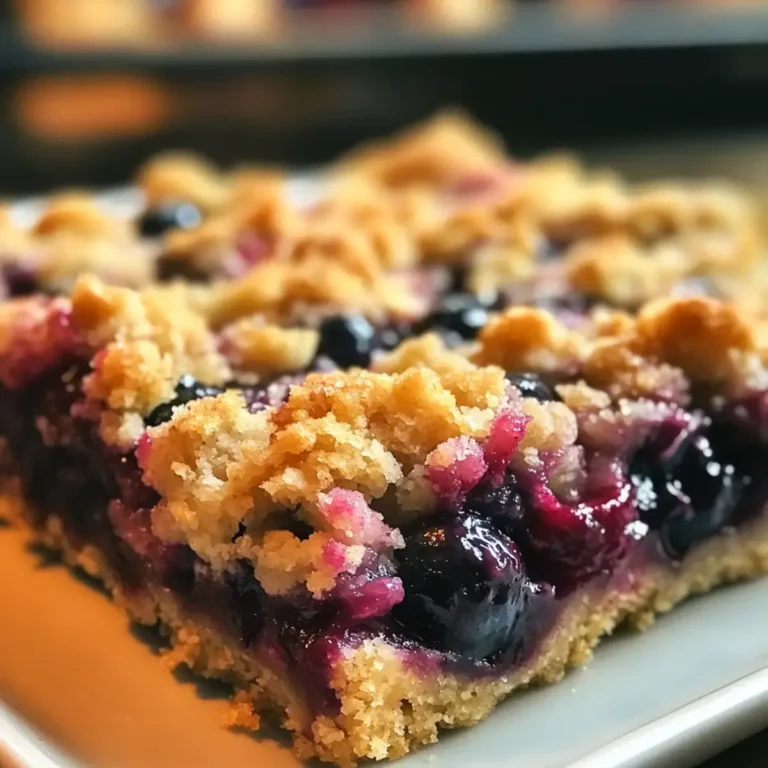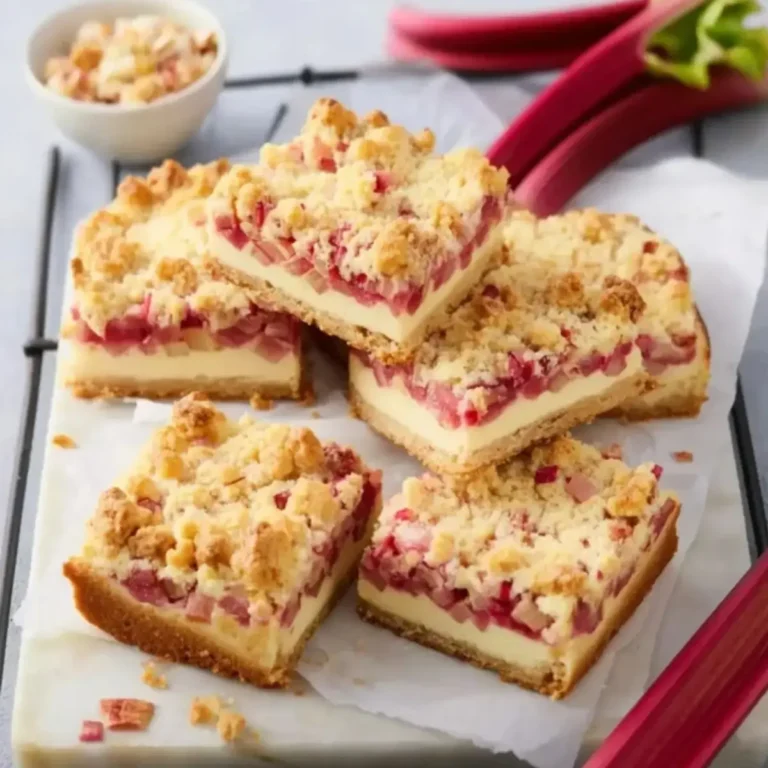
Ultimate Rhubarb Lemon Pie for a Delicious Spring Dessert
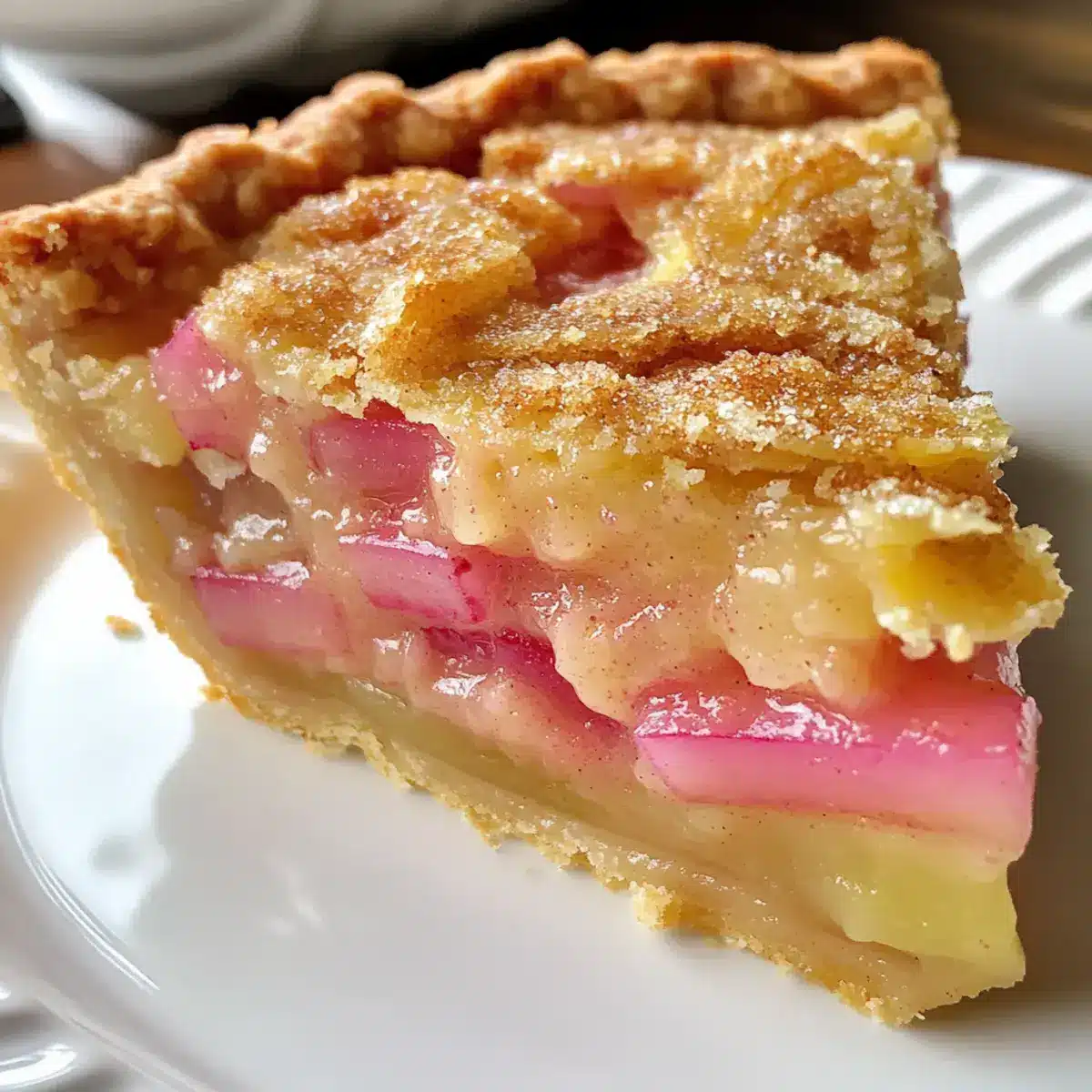
As the days grow warmer and blossoms bloom, there’s nothing quite like the vibrant tang of spring captured in a slice of homemade pie. This Rhubarb Lemon Pie is the ultimate celebration of the season, showcasing the tartness of fresh rhubarb paired with zesty lemon filling cradled in a delicately spiced, buttery crust. This pie is not just a crowd-pleaser; it’s relatively quick to whip up and perfect for sharing at gatherings or enjoying on a sunny afternoon with a cup of tea.
It’s also wonderfully adaptable—feel free to swap in your favorite fruits or make it gluten-free without sacrificing that delightful flavor profile. Ready to whip up this delightful dessert that truly captures the essence of spring and brighten your day? Let’s dive into the ingredients and get baking this delicious treat!
Why You Will Love This Recipe
- Vibrant Spring Flavors: This pie perfectly combines the tartness of rhubarb with the zesty brightness of lemon, creating a deliciously vibrant flavor that’s a true taste of the season.
- Effortless Preparation: With simple, readily available ingredients and straightforward steps, it’s a recipe that’s perfect for both novice bakers and seasoned professionals alike, ensuring success for everyone.
- Versatile Ingredients: Feel free to get creative and swap fruits or adjust spices—whether you decide to add sweet strawberries or aim for a completely gluten-free version, the exceptional flavor remains.
- Crowd-Pleasing Delight: Serve this pie at your next gathering, family dinner, or even a casual afternoon tea, and watch as everyone savors each and every slice. It’s guaranteed to be a hit.
- Perfectly Balanced Sweetness: The combination of tart rhubarb and sweet lemon filling creates a wonderfully balanced profile that isn’t overly sweet, allowing the natural fruit flavors to shine through beautifully.
Ingredients You Need
The quality of your ingredients plays a significant role in the final taste and texture of your Rhubarb Lemon Pie. Sourcing fresh, ripe rhubarb is paramount, and using good quality butter will ensure a wonderfully flaky and rich crust. Freshly squeezed lemon juice and zest will contribute an unparalleled brightness that frozen or bottled alternatives simply cannot match, truly elevating the pie’s citrus notes.
Delicious Rhubarb Lemon Pie for a Refreshing Spring Treat

This Rhubarb Lemon Pie combines vibrant tartness and zesty flavors, making it the perfect spring dessert. It features a cardamom-spiced crust filled with a sweet rhubarb compote and a creamy lemon filling, offering a delightful balance of sweet and tart.
- For the Crust:
- 1 cup All-Purpose Flour (Can be substituted with gluten-free flour.)
- 1 cup Wheat Flour (Adds nutty flavor.)
- 2 tablespoons Sugar (Adjust according to taste.)
- 1 teaspoon Cardamom (Can substitute with cinnamon.)
- 1 teaspoon Ground Ginger (Omit or replace with nutmeg if desired.)
- 1/2 cup Butter (Plant-based butter for dairy-free option.)
- 1 large Egg Yolk (Silken tofu for vegan alternative.)
- 2 tablespoons Milk (Swap for plant-based milk if desired.)
- For the Rhubarb Filling:
- 4 cups Rhubarb (Fresh or thawed frozen, discard leaves.)
- 1 cup Sugar (Adjust based on sweetness preference.)
- 1 teaspoon Vanilla Paste (Can substitute with vanilla extract.)
- 1 teaspoon Cardamom (Skip for simpler profile.)
- 1 teaspoon Ground Ginger (Omit for simpler profile.)
- For the Lemon Filling:
- 1 cup Yogurt (Sour cream or dairy-free alternative can be used.)
- 1 tablespoon Lemon Zest (Freshly grated is recommended.)
- 1/2 cup Lemon Juice (Fresh-squeezed juice preferred.)
- 1/2 cup Sugar (Adjust to taste.)
- Optional Topping:
- 1 cup Whipped Cream (Dairy-free cream for non-dairy option.)
- 1Prepare the Crust: In a mixing bowl, combine all-purpose flour, wheat flour, sugar, cardamom, and ground ginger. Cut in cold butter until the mixture resembles coarse crumbs. Mix the egg yolk and milk together, then gradually incorporate into the flour mixture until a dough forms. Wrap in plastic and chill in the refrigerator for 1 hour.
- 2Preheat the Oven: While the dough chills, preheat your oven to 400°F (200°C).
- 3Make the Rhubarb Compote: Slice the rhubarb into 1-inch pieces and mix with sugar, vanilla paste, cardamom, and ground ginger in a baking dish. Cover with aluminum foil and bake in the preheated oven for 20 minutes. After 20 minutes, uncover the rhubarb and bake for an additional 10-15 minutes until the rhubarb is soft and juicy but still retains its shape.
- 4Blind Bake the Crust: Once chilled, roll out the dough on a floured surface to fit your pie dish. Line the dish with the dough, trimming excess edges. Place parchment paper on top and fill with pie weights or dried beans. Blind bake at 375°F (190°C) for 10-12 minutes, then remove the weights and parchment to bake for another 3-5 minutes until the crust is lightly golden.
- 5Prepare the Lemon Filling: In a large mixing bowl, blend sugar, yogurt, eggs, lemon zest, and lemon juice until completely smooth and creamy.
- 6Assemble the Pie: Once the rhubarb compote has cooled slightly, spoon it evenly over the blind-baked pie crust. Carefully pour the lemon filling over the compote, ensuring it settles evenly.
- 7Bake the Pie: Bake the assembled pie in the oven at 375°F (190°C) for 20-25 minutes. You’ll know it’s done when the edges are set while the center jiggles slightly. Once baked, remove the pie from the oven and cool it at room temperature for 2-3 hours, allowing the flavors to meld and the texture to set perfectly.
Keywords: Rhubarb, Lemon, Pie, Spring, Dessert, Tart, Sweet, German
- all-purpose flour: provides the foundational structure for a tender and flaky crust, and can be easily substituted with a gluten-free blend for those with dietary needs.
- wheat flour: adds a delightful nutty flavor and a slightly heartier texture to the crust; many prefer to use it in combination with all-purpose flour.
- sugar: essential for sweetening the crust, and the amount can be adjusted slightly to suit individual taste preferences without compromising the dough’s integrity.
- cardamom: infuses the crust with a warm, aromatic spice note that beautifully complements the tart rhubarb and zesty lemon filling, offering a sophisticated flavor layer.
- ground ginger: adds a gentle warmth and a subtle earthy undertone to the crust, enhancing the overall spice profile and providing a comforting aroma.
- butter: the key to a rich, tender, and flaky crust; for a dairy-free version, a high-quality plant-based butter substitute works wonderfully.
- egg yolk: binds the dry ingredients together, adding moisture and contributing to the crust’s richness and tender texture; silken tofu can be used as a vegan alternative.
- milk: adds the necessary moisture to bring the dough together, ensuring it’s pliable enough to roll out without cracking; feel free to use your favorite plant-based milk.
- rhubarb: the star ingredient, providing that signature tart punch; use fresh, vibrant stalks and remember to discard the potentially toxic leaves before preparing.
- sugar: balances the intense tartness of the rhubarb, and the quantity can be adjusted to achieve your desired level of sweetness in the filling.
- vanilla paste: adds a deep, rich flavor that rounds out the fruitiness of the rhubarb and lemon; high-quality vanilla extract is an excellent and readily available substitute.
- cardamom: complements the rhubarb filling with its warm, exotic aroma and taste, enhancing the fruit’s natural flavors and adding complexity.
- ground ginger: provides a subtle, warming spice note that harmonizes with the cardamom and rhubarb, creating a wonderfully aromatic filling.
- yogurt: lends a creamy, tangy base to the lemon filling, providing a delightful counterpoint to the sweetness and enhancing its smooth texture; sour cream or a dairy-free alternative are also suitable.
- lemon zest: contributes essential aromatic oils that deliver bright, fresh lemon flavor and fragrance to the filling, making the pie incredibly vibrant.
- lemon juice: provides the crucial tang and acidity that defines the filling, cutting through the richness and sweetness; always opt for freshly squeezed for the best taste.
- sugar: sweetens the lemon filling, balancing the tartness of the lemon juice and creating a harmonious, luscious custard-like texture.
- whipped cream: an optional but highly recommended topping that adds a cloud-like richness and a beautiful visual appeal; a dairy-free version is perfect for non-dairy diets.
The specific quantities for each ingredient are detailed within the accompanying recipe card for your convenience.
Variations
This Rhubarb Lemon Pie is a fantastic canvas for culinary creativity, allowing you to tailor it to your preferences and dietary needs. For a delightful twist that balances the tartness with sweetness, consider adding a cup of fresh or frozen strawberries to the rhubarb mixture. The natural sugars in the strawberries will soften the rhubarb’s bite and introduce a beautiful complementary flavor and color, making for an irresistible berry-rhubarb fusion that is truly a springtime dream.
If you’re managing dietary restrictions or simply seeking a healthier alternative, transforming this pie into a gluten-free and vegan marvel is remarkably straightforward. Utilize a good quality gluten-free flour blend for the crust, and for the filling, swap the butter for a plant-based alternative and the egg yolk for a tablespoon of silken tofu. The yogurt can also be easily replaced with a dairy-free coconut or soy yogurt, ensuring everyone can enjoy a slice of this vibrant dessert without compromise.
For those who love to play with spice profiles, don’t hesitate to experiment beyond the suggested cardamom and ginger. A pinch of nutmeg can add a different kind of warmth, while a whisper of orange zest in the lemon filling can introduce an unexpected but delightful citrus synergy. You could even consider a crumble topping made with oats, nuts, and a touch of cinnamon for added texture and a comforting aroma, making each bite a unique experience.
How to Prepare Rhubarb Lemon Pie
Step 1: Prepare the Crust
Begin by combining your dry ingredients for the crust in a spacious mixing bowl. Whisk together the all-purpose flour, wheat flour, sugar, cardamom, and ground ginger until they are thoroughly incorporated. This initial dry blend ensures even distribution of flavors throughout the crust, setting the stage for a perfectly seasoned pastry.
Next, introduce your cold, cubed butter to the flour mixture. Using a pastry blender, your fingertips, or even a food processor, work the butter into the dry ingredients until the mixture resembles coarse crumbs, with some larger pea-sized pieces of butter remaining. These pockets of butter are crucial for creating that desirable flakiness as they melt during baking, releasing steam.
In a separate small bowl, gently whisk together the egg yolk and milk. Gradually add this wet mixture to the crumbly flour and butter blend, mixing just until a cohesive dough forms. Be careful not to overwork the dough, as this can result in a tough crust; stop mixing as soon as it comes together. Wrap the dough tightly in plastic wrap and refrigerate for at least 1 hour to allow the gluten to relax and the fats to firm up, which is essential for easy handling and a tender result.
Step 2: Preheat the Oven
While your pie crust dough is chilling to perfection in the refrigerator, it’s the ideal time to prepare your oven for baking. Set your oven to preheat to 400°F (200°C). Ensuring your oven reaches and maintains the correct temperature is fundamental for achieving evenly baked pastries and fillings, preventing undercooked centers or burnt edges.
Allowing your oven to preheat fully is a critical step that ensures optimal baking conditions from the moment the pie enters it. This early preparation means that as soon as you’re ready to blind bake your crust or bake the assembled pie, your oven will be at the precise temperature required for success. This attention to oven temperature is a hallmark of professional baking and contributes significantly to the final texture and appearance of your Rhubarb Lemon Pie.
The consistent heat from a properly preheated oven facilitates the proper setting of the crust’s structure and the development of its golden-brown color. It also ensures that the fillings cook through evenly, preventing any unwanted sogginess or a runny texture. This simple step of preheating is often overlooked but is foundational for achieving delicious results every time you bake.
Step 3: Make the Rhubarb Compote
Prepare your fresh rhubarb by washing it thoroughly and trimming off any woody ends. Slice the rhubarb stalks into uniform 1-inch pieces; consistent sizing ensures even cooking. Place these prepared rhubarb pieces into a suitable baking dish, ensuring it’s large enough to hold the rhubarb without overflowing as it cooks and releases its juices.
To the rhubarb, add your sugar, vanilla paste, cardamom, and ground ginger. Gently toss everything together to ensure the rhubarb is evenly coated with the sugar and spices. The sugar will begin to draw out moisture from the rhubarb, creating a syrupy liquid as it bakes, and the spices will infuse their aromatic warmth throughout the fruit.
Cover the baking dish tightly with aluminum foil to trap steam and promote gentle cooking. Bake in your preheated 400°F oven for approximately 20 minutes. After this initial steaming period, carefully remove the aluminum foil. Continue baking uncovered for an additional 10-15 minutes, or until the rhubarb pieces are tender and juicy but still visibly retain their shape. The goal here is a soft, cooked rhubarb that has released its liquid but hasn’t disintegrated into a mush.
Step 4: Blind Bake the Crust
Once your pie dough has finished its mandatory chilling period, it’s time to prepare it for blind baking. Lightly flour a clean work surface and your rolling pin, then roll out the chilled dough into a circle large enough to fit your chosen pie dish. Carefully transfer the rolled-out dough into the pie dish, gently pressing it into the bottom and up the sides, ensuring there are no air pockets. Trim any excess dough from the edges, leaving a slight overhang that can be crimped for a decorative finish.
To prevent the crust from puffing up unevenly during the initial bake, line the prepared crust with a piece of parchment paper. Fill this parchment paper-lined crust with pie weights, dried beans, or uncooked rice, ensuring they are distributed evenly across the bottom and up the sides. This weight will hold the crust in place as it bakes, resulting in a flat, even base for your filling.
Place the pie dish into your preheated oven, now set to 375°F (190°C), and blind bake for 10-12 minutes, until the edges of the crust are just beginning to turn golden. Carefully remove the pie dish from the oven. Gently lift out the parchment paper and pie weights. Return the crust to the oven, uncovered, and bake for an additional 3-5 minutes, or until the bottom of the crust is lightly golden brown and appears dry. This ensures a well-baked crust that won’t become soggy from the filling.
Step 5: Prepare the Lemon Filling
In a large, clean mixing bowl, combine the ingredients for the lemon filling. You’ll need your sugar, yogurt, eggs, fresh lemon zest, and freshly squeezed lemon juice. Using a whisk or an electric mixer on a low setting, blend these ingredients together until the mixture is completely smooth, creamy, and well-emulsified. The goal is a luscious, uniform consistency, free from any lumps of sugar or unincorporated egg.
This lemon filling is designed to be both tangy and rich, providing a beautiful contrast to the tart rhubarb. The yogurt contributes a delightful creaminess and a subtle tang that complements the bright citrus notes perfectly, creating a custard-like texture once baked. Ensure the lemon zest is finely grated to distribute its aromatic oils evenly throughout the filling without large, overpowering pieces.
The sugar in this mixture balances the sharp acidity of the lemon juice, creating a harmonious flavor profile that is both refreshing and satisfying. Take a moment to taste the filling (if you feel comfortable doing so, as it contains raw egg) and adjust the sugar or lemon juice if necessary, though the proportions provided usually create a perfect balance. This vibrant filling is key to the pie’s signature taste and texture.
Step 6: Assemble the Pie
Once your blind-baked pie crust has cooled slightly from its initial bake and your rhubarb compote has also cooled down enough to handle comfortably, it’s time to bring the elements together. Carefully spoon the prepared rhubarb compote evenly across the bottom of the blind-baked pie crust. Distribute it in a single layer, ensuring the tart, cooked rhubarb is spread out to provide a consistent flavor in every slice.
Following the rhubarb layer, gently and slowly pour the prepared lemon filling over the rhubarb compote. Do this carefully to avoid disturbing the rhubarb layer too much. Allow the lemon filling to settle naturally over the rhubarb, aiming for an even distribution across the entire pie surface. The creamy lemon mixture will fill in any gaps and create a beautiful, smooth top layer.
The visual appeal of the assembled pie, with the deep ruby-red rhubarb peeking through the pale yellow lemon filling, is quite enticing. This layering is crucial; the rhubarb provides the tart foundation, while the lemon filling offers a creamy, zesty counterpoint, creating a delicious interplay of textures and flavors in your finished Rhubarb Lemon Pie. This step truly brings your dessert to life.
Step 7: Bake the Pie
With your pie beautifully assembled, it’s time to bake it to golden perfection. Place the pie into your preheated oven, which should now be set to 375°F (190°C). Bake for an initial period of 20-25 minutes. During this time, the lemon filling will begin to set, and the crust will continue to bake to a beautiful golden brown.
You’ll know the pie is nearing completion when the edges of the lemon filling are visibly set, appearing firm and cooked. However, the very center of the pie should still have a slight jiggle when gently nudged. This indicates that the filling is cooked through but not overdone, ensuring a wonderfully creamy texture rather than a dry or rubbery one.
Once baked to perfection, carefully remove the Rhubarb Lemon Pie from the oven. Transfer it to a wire rack and allow it to cool completely at room temperature for 2 to 3 hours. This cooling period is absolutely essential for the filling to fully set and for the flavors to meld together beautifully. Rushing this step can result in a runny pie, so patience is key for achieving those clean, delightful slices.
Pro Tips for Rhubarb Lemon Pie
Use Fresh Rhubarb: Always aim for fresh, firm rhubarb stalks when making this pie. They offer the most vibrant and tart flavor, essential for a classic Rhubarb Lemon Pie. Frozen rhubarb can be used, but it often contains more moisture and can lead to a softer set. If using frozen, ensure it’s well-drained after thawing.
Avoid Watery Filling: Pre-cooking the rhubarb is a crucial step to manage its moisture content. By baking it first, you allow excess liquid to evaporate. Draining any surplus liquid before adding it to the pie shell will significantly help prevent a soggy bottom crust, ensuring every bite is perfectly crisp.
Blind Bake Thoroughly: Don’t skip or skimp on the blind baking process. Ensuring your crust is baked to a lovely golden brown before adding the filling is vital. An under-baked crust is a primary culprit for sogginess, especially when combined with a moist filling like lemon custard.
Chill for Neat Slices: Patience is a virtue when it comes to pie! Allowing the pie to cool completely after baking, and ideally chilling it overnight, makes slicing a breeze. The filling firms up beautifully, allowing you to cut clean, professional-looking slices that showcase the pie’s layers perfectly.
Customize Your Spices: While cardamom and ginger are wonderful additions, feel free to adjust the spices to your liking. A touch of cinnamon can offer a different kind of warmth, or perhaps a pinch of nutmeg. Experimenting with the spice blend in both the crust and filling can make your Rhubarb Lemon Pie uniquely yours and delightfully personal.
Serving Suggestions for Rhubarb Lemon Pie
Decoration
A dusting of powdered sugar over the cooled pie can add a simple yet elegant finish, mimicking a light snowfall. Alternatively, a delicate lattice of pastry scraps or a sprinkle of toasted flaked almonds can provide textural and visual interest. For a truly festive touch, consider garnishing the edges with candied lemon peel or a few fresh mint leaves, which also offer a hint of complementary fragrance.
Side Dishes
A dollop of freshly whipped cream is an almost mandatory accompaniment, its airy sweetness perfectly balancing the pie’s tartness. For those who adore a contrast in temperature and texture, a scoop of high-quality vanilla bean ice cream melting alongside a warm slice is simply divine. Fresh berries, such as raspberries or sliced strawberries, can also add a burst of color and complementary fruitiness to the plate.
Creative Serving Ideas
Consider serving individual slices alongside a small pitcher of crème anglaise for guests to drizzle over their pie, adding an extra layer of creamy indulgence. A light, refreshing fruit salad, perhaps featuring melon and citrus, can provide a palate-cleansing counterpoint. For a more sophisticated pairing, a small selection of mild cheeses, like a creamy brie or a tangy goat cheese, can offer a surprising and delightful savory contrast to the sweet and tart pie.
Preparation & Storage
Storing Leftovers
Leftover Rhubarb Lemon Pie should be covered tightly with plastic wrap or placed in an airtight container to prevent it from drying out. Store it in the refrigerator, where it will maintain its best quality for up to 3 days. Chilling the pie not only preserves its freshness but also allows the flavors to deepen and meld even further, often resulting in an even more delicious experience the next day.
Freezing
Due to the delicate custard-like nature of the lemon filling, it is generally not recommended to freeze this Rhubarb Lemon Pie. Freezing and subsequent thawing can cause the filling’s texture to break down, leading to a watery or separated consistency. It’s best enjoyed fresh or refrigerated for optimal taste and texture. If you need to prepare ahead, consider making the crust and filling components separately and assembling just before baking.
Reheating
If you prefer your pie served warm, individual slices can be gently reheated. Place a slice on a baking sheet and warm it in a preheated oven at 350°F (175°C) for approximately 10-15 minutes, or until heated through. This method helps to restore some of the crust’s crispness and warms the filling without overcooking it. Be cautious not to overheat, as this can negatively affect the texture.
Frequently Asked Questions
-
How do I ensure my rhubarb is properly prepared and safe to eat?
Rhubarb stalks should be firm, crisp, and vibrant in color, typically a deep pink or bright green, avoiding any with dark spots or wilting. Ensure you trim off any woody ends. Critically, always discard the rhubarb leaves, as they contain oxalic acid and are poisonous. The stalks themselves are perfectly safe and delicious when cooked.
-
What are the best ways to prevent a soggy bottom crust with this Rhubarb Lemon Pie?
The key to avoiding a soggy bottom crust lies in several steps: thoroughly blind baking the crust until golden brown is paramount. Additionally, pre-cooking the rhubarb to allow excess moisture to evaporate and draining any resulting liquid before adding it to the pie shell is crucial. Ensure your oven temperature is accurate and consistent throughout the baking process, as insufficient heat can prevent the bottom crust from crisping up properly.
-
Can I use different types of sugar or sweeteners in the filling or crust, and how will it affect the outcome?
Certainly! While granulated sugar is standard, you can experiment. For the crust, a little brown sugar can add a hint of caramelization. In the filling, using honey or maple syrup will introduce their distinct flavors and can alter the texture slightly due to their liquid composition; you might need to adjust the amount of liquid elsewhere in the recipe. These substitutions can create wonderfully unique flavor profiles but may subtly change the overall texture and sweetness balance.