High Protein Steak Fajita Bowl
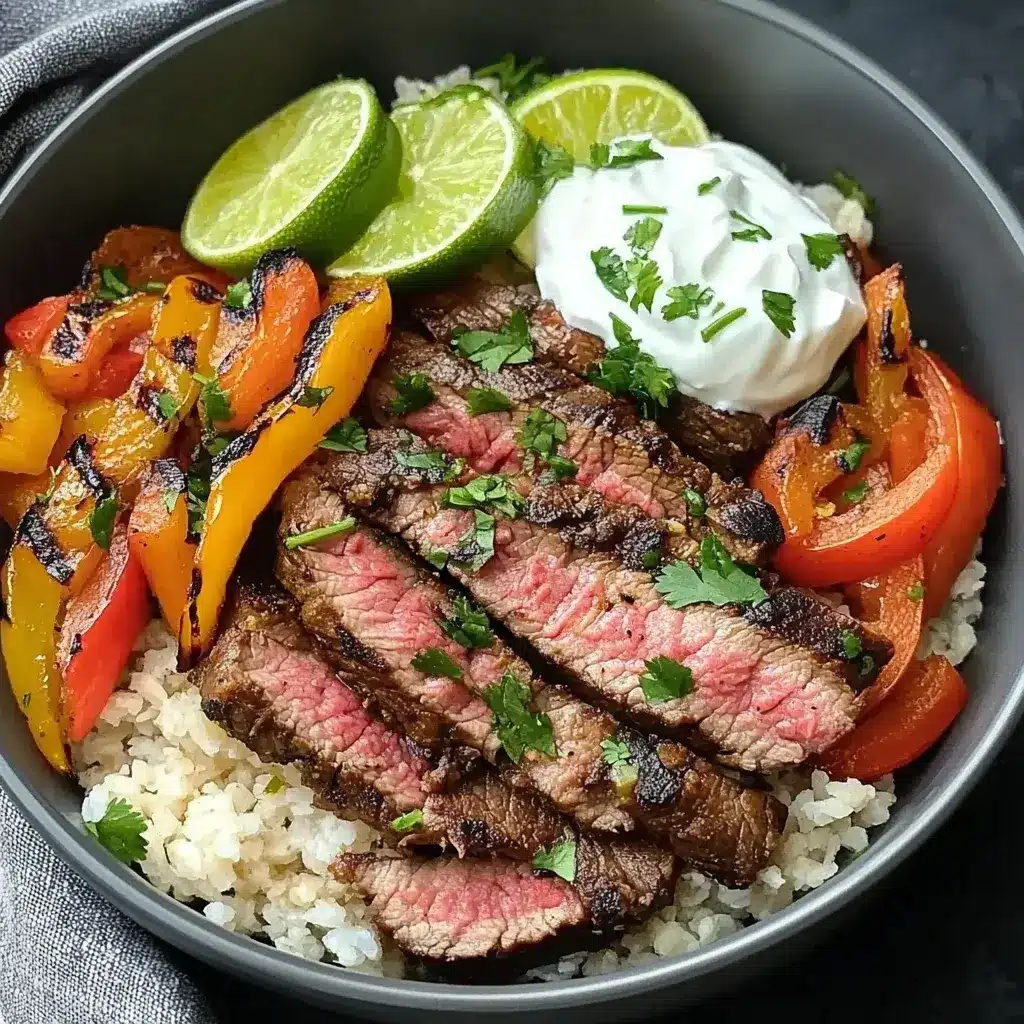
The High Protein Steak Fajita Bowl is more than just a meal; it’s a vibrant explosion of flavors and textures designed to fuel your body and delight your senses. This dish masterfully combines succulent, seasoned steak with crisp, colorful vegetables and a wholesome grain base, creating a satisfying experience that’s both nourishing and incredibly tasty. It’s the perfect answer for those seeking a healthy yet flavorful option that doesn’t compromise on satisfaction.
Imagine a symphony of savory, spicy, and fresh notes dancing on your palate with every forkful. This bowl is crafted for convenience, making it an excellent choice for a quick weeknight dinner or a delightful centerpiece for casual gatherings. Its inherent versatility means you can adapt it to your personal preferences, ensuring a consistently delicious outcome that’s uniquely yours.
Why You Will Love This Recipe
- Quick Preparation: This entire culinary masterpiece can be on your table in approximately 40 minutes, ideal for busy schedules.
- Flavorful Combination: The harmonious blend of zesty spices, tender steak, and fresh vegetables creates an irresistible and memorable taste profile.
- Customizable Options: Easily adapt the ingredients to suit your dietary needs or personal preferences, swapping vegetables, grains, or proteins with ease.
- Nutritionally Rich: Packed with lean protein from the steak and essential nutrients from the vegetables and grains, it’s a fantastic choice for a healthy lifestyle.
- Excellent for Meal Prep: Prepare components in advance for quick assembly, making it a go-to option for lunches throughout the week without sacrificing taste.
Ingredients You Need
Crafting this High Protein Steak Fajita Bowl starts with selecting the freshest, highest-quality ingredients. The vibrant colors and distinct textures of the bell peppers and onions are crucial for that authentic fajita experience. Ensuring your steak is lean and flavorful will elevate the entire dish, making each bite a satisfying delight. The foundation of the bowl, a bed of perfectly cooked rice, along with hearty black beans and sweet corn kernels, provides a wholesome and filling base.
High Protein Steak Fajita Bowl
Indulge in a delicious High Protein Steak Fajita Bowl that brings the vibrant flavors of Mexican cuisine right to your table. This dish features tender seasoned flank steak, colorful bell peppers, and onions, all served on a bed of fluffy brown rice. Topped with zesty lime juice, fresh cilantro, and creamy Greek yogurt, each bite offers a burst of flavor and nutrition.
- 8 ounces flank steak
- 1 tablespoon olive oil
- 1 teaspoon chili powder
- 1 teaspoon cumin
- 1 teaspoon garlic powder
- 1 teaspoon smoked paprika
- 1/2 teaspoon salt
- 1/2 teaspoon black pepper
- 1/2 teaspoon onion powder
- 1 medium bell pepper, sliced
- 1 medium onion, sliced
- 1/2 cup cooked brown rice
- 1/4 cup black beans
- 1/4 cup corn kernels
- 1 tablespoon fresh cilantro, chopped
- 1/4 cup Greek yogurt
- 1 tablespoon lime juice
- 1Heat a cast iron skillet or grill pan over medium-high heat.
- 2Season flank steak with chili powder, cumin, garlic powder, salt, black pepper, smoked paprika, and onion powder.
- 3Add olive oil to the skillet and cook the steak for 4-5 minutes on each side for medium-rare. Rest for 5 minutes after cooking.
- 4Sauté sliced bell peppers and onions in the same skillet until softened (3-4 minutes).
- 5Slice the rested steak against the grain.
- 6In a bowl, combine warm brown rice, black beans, and corn.
- 7Assemble by layering rice mixture at the bottom, topped with sautéed vegetables and sliced steak. Finish with a dollop of Greek yogurt, cilantro, and lime juice.
Keywords: steak, fajita, bowl, high protein, mexican, healthy dinner
- flank steak: choose a good cut, ideally around 8 ounces, for tenderness and rich flavor.
- olive oil: a tablespoon to help sear the steak and sauté the vegetables beautifully.
- chili powder: one teaspoon to impart a foundational warmth and subtle heat.
- cumin: one teaspoon for its earthy, smoky notes that are characteristic of Mexican cuisine.
- garlic powder: one teaspoon to provide a consistent, savory garlic undertone.
- smoked paprika: one teaspoon to add a layer of smoky depth and a vibrant reddish hue.
- salt: half a teaspoon to enhance all the other flavors in the marinade and the dish.
- black pepper: half a teaspoon for a classic peppery bite that complements the spices.
- onion powder: half a teaspoon to deepen the savory profile without the moisture of fresh onions in the marinade.
- medium bell pepper, sliced: one, any color you prefer, to bring sweetness and a slight crunch.
- medium onion, sliced: one, red or yellow, for that classic fajita aromatic base and sweetness when sautéed.
- cooked brown rice: half a cup to serve as the wholesome, fiber-rich base of your bowl.
- black beans: a quarter cup, rinsed and drained, for added protein and a creamy texture.
- corn kernels: a quarter cup, fresh or frozen, to introduce pops of sweetness and color.
- fresh cilantro, chopped: one tablespoon to garnish, offering a burst of fresh, herbaceous flavor.
- Greek yogurt: a quarter cup, plain, as a cool, creamy, and protein-boosting alternative to sour cream.
- lime juice: one tablespoon, freshly squeezed, to add a bright, zesty finish that cuts through the richness.
The precise quantities for each ingredient are readily available within the accompanying recipe card for your convenience.
Variations
For those following a plant-based lifestyle, transforming this bowl into a delicious vegan delight is wonderfully simple. Replace the flank steak with hearty, marinated portobello mushrooms or firm tofu, grilled until tender and slightly charred. You can also add a variety of roasted vegetables like zucchini, sweet potatoes, or cauliflower for extra depth and texture. A sprinkle of toasted pepitas or a drizzle of cashew crema can further enhance the plant-powered goodness.
Embracing a low-carb approach opens up a world of delicious possibilities for this fajita bowl. Instead of brown rice, opt for a generous bed of cauliflower rice, which offers a similar texture with a fraction of the carbohydrates. You can also load up on extra sautéed peppers and onions, and perhaps add some avocado slices or a dollop of full-fat sour cream for healthy fats. This modification ensures you still get all the amazing fajita flavors without the carb overload.
To inject an extra layer of international flair, consider infusing the steak marinade with Asian-inspired elements. A mix of soy sauce, ginger, garlic, and a touch of sesame oil can transform the steak into a teriyaki-style delight. Serve this over jasmine rice or quinoa, and top with pickled ginger, edamame, and a drizzle of sriracha mayonnaise for a truly fusion experience. This creative twist offers a delightful departure from traditional fajita flavors while maintaining the bowl’s satisfying structure.
How to Prepare High Protein Steak Fajita Bowl
Step 1: Prepare Your Cooking Environment
Begin by gathering all your ingredients and necessary kitchen tools. This proactive step ensures a smooth and efficient cooking process, minimizing any last-minute scrambling. A sharp knife, cutting board, and a reliable skillet are your primary allies for this recipe. Ensure your skillet, preferably a cast iron or a good quality grill pan, is clean and ready for high heat. The right cooking surface is essential for achieving that perfect sear on the steak and nicely charred vegetables.
Preheat your chosen skillet or grill pan over medium-high heat for several minutes. Allowing the pan to become sufficiently hot is critical for searing the steak properly. A hot pan creates a beautiful crust on the meat, locking in juices and enhancing flavor through the Maillard reaction. This initial step sets the stage for tender, flavorful steak, preventing it from steaming rather than searing.
While the pan is heating, take this opportunity to prepare your steak. Pat it completely dry with paper towels; this is a crucial step that helps achieve a superior sear. Moisture on the surface of the meat will cause it to steam, hindering the development of that desirable brown crust. Once dry, proceed with seasoning the steak generously on all sides. The even coating of spices will penetrate the meat as it cooks, infusing it with rich flavor.
Step 2: Season and Sear the Steak
Generously season the flank steak on all sides with the chili powder, cumin, garlic powder, smoked paprika, salt, black pepper, and onion powder. Make sure every surface is coated evenly; this spice blend is the heart of the fajita flavor. You can gently press the spices into the steak to ensure they adhere well. Don’t be shy with the seasoning; it needs to stand up to the high heat and complement the other ingredients.
Once your skillet or grill pan is thoroughly heated, add a tablespoon of olive oil. Swirl it around to coat the bottom of the pan. Carefully place the seasoned flank steak into the hot skillet. You should hear a satisfying sizzle immediately, indicating your pan is at the optimal temperature. This initial sear is vital for developing a delicious crust and locking in the steak’s natural juices.
Cook the steak for approximately 4 to 5 minutes per side for a medium-rare finish. Adjust the cooking time based on your preferred level of doneness. For medium, aim for about 6 minutes per side, and for well-done, extend the time further, though be cautious not to overcook, as flank steak can become tough. The goal is a beautifully seared exterior with a tender, juicy interior. Remove the steak from the pan promptly once it reaches your desired doneness.
Step 3: Rest and Slice the Steak
After removing the steak from the hot skillet, transfer it to a clean cutting board. Do not cut into it immediately; this is arguably the most crucial step for tender steak. Allowing the steak to rest for at least 5 to 10 minutes is essential. During this resting period, the muscle fibers relax, and the juices, which have been pushed to the center during cooking, redistribute throughout the entire cut of meat.
This redistribution of juices is what ensures that your steak remains moist and flavorful in every bite. If you were to slice it too soon, all those delicious juices would run out onto the cutting board, leaving you with a dry and less enjoyable steak. Patience here will be handsomely rewarded with superior texture and taste. A slightly longer rest, up to 15 minutes, is perfectly acceptable, especially for thicker cuts.
Once the steak has had adequate time to rest, it’s time to slice it. For the best results, always slice flank steak against the grain. Look for the direction of the muscle fibers and make your cuts perpendicular to them. This breaks down the long, tough muscle fibers, making the steak much more tender and easier to chew. Slice the steak thinly to create fajita-style strips that will integrate perfectly into your bowl.
Step 4: Sauté the Vegetables
While the steak is resting, or immediately after it’s been sliced, it’s time to cook the vegetables. You can use the same skillet you cooked the steak in, which is ideal as it will have absorbed some of the flavorful steak drippings. If there’s excessive fat in the pan, you can pour some of it off, but leave a light coating for sautéing. Add your sliced bell pepper and onion to the hot skillet.
Sauté the vegetables for about 3 to 4 minutes, stirring occasionally, until they begin to soften and develop a slight char. The goal is to cook them until they are tender-crisp, retaining a bit of their bite and structure. You want them to be flavorful and slightly caramelized, but not mushy. The high heat will help them achieve a pleasant char, adding to the overall fajita aesthetic and taste profile.
Season the vegetables lightly with a pinch of salt and pepper while they are cooking. This enhances their natural sweetness and ensures they are well-seasoned. You can also add a tiny bit more chili powder or cumin if you like, to tie them into the steak’s flavor profile. Once they have reached your desired tenderness and have a few appealing charred edges, remove them from the skillet and set them aside with the sliced steak.
Step 5: Prepare the Bowl Base
In a separate small bowl, combine the cooked brown rice, rinsed black beans, and corn kernels. This mixture forms the hearty and nutritious foundation of your High Protein Steak Fajita Bowl. Ensure your brown rice is warm; if it has cooled down, you can briefly microwave it or warm it gently in a small saucepan before combining it with the beans and corn. Warming the base ensures the entire bowl is comforting and satisfying.
Stir these ingredients together gently to distribute them evenly. The black beans and corn add fiber, protein, and wonderful pops of texture and sweetness that complement the savory steak and vegetables. This simple combination creates a balanced base that is both filling and packed with essential nutrients. It’s a crucial step in building a cohesive and delicious meal that will keep you feeling full and energized.
If you prefer your base warmer, you can place this mixture in the microwave for about 30-60 seconds, or until heated through. Alternatively, if you have a little space in your skillet after the vegetables, you can briefly warm the rice mixture there. The key is to have this component ready and warm by the time you are assembling the bowls, contributing to the overall enjoyable temperature and experience of the finished dish.
Step 6: Assemble Your Masterpiece
Now for the most satisfying part: assembling your High Protein Steak Fajita Bowl. Start by spooning a generous portion of the warm rice, black bean, and corn mixture into the bottom of your serving bowl. This creates a sturdy and flavorful base for the rest of the ingredients. Ensure the mixture is evenly spread to provide a good foundation for layering.
Next, artfully arrange the sautéed bell peppers and onions over the rice mixture. Try to distribute them evenly, creating a colorful and appealing layer. Follow this with a generous portion of the thinly sliced flank steak, placing it on top of the vegetables. The vibrant colors of the ingredients should start to create a visually stunning dish, hinting at the delicious flavors within.
To finish, add a cooling dollop of Greek yogurt to one side of the bowl; this adds a creamy tang that balances the spices beautifully. Sprinkle the chopped fresh cilantro over everything for a burst of herbaceous freshness. Finally, squeeze a tablespoon of fresh lime juice over the entire bowl just before serving. The bright citrus notes will awaken all the flavors and add a refreshing zest. Serve immediately and enjoy every delicious bite!
Pro Tips for High Protein Steak Fajita Bowl
Marinade Magic: For an even more intensely flavored steak, consider marinating the flank steak for at least 30 minutes (or up to 4 hours in the refrigerator) before cooking. A simple marinade of olive oil, lime juice, chili powder, cumin, garlic powder, and a pinch of salt and pepper works wonders. This allows the flavors to deeply penetrate the meat, making it more tender and savory.
Vegetable Selection: While bell peppers and onions are classic, don’t hesitate to experiment with other vegetables. Zucchini, mushrooms, or even a handful of spinach can be added to the sauté. For an added kick, consider incorporating some thinly sliced jalapeños into the vegetable mix. The key is to ensure they are cooked to a tender-crisp consistency to maintain textural contrast.
Spice Level Control: Adjust the heat of your fajita bowl to your personal preference. If you like it spicier, add more chili powder or a pinch of cayenne pepper to the steak seasoning. You can also serve with a side of your favorite hot sauce or some finely diced fresh jalapeños for those who crave extra heat. Conversely, reduce the chili powder for a milder dish.
Grain Variety: Brown rice is a fantastic, healthy choice, but feel free to switch it up. Quinoa offers a complete protein and a slightly nutty flavor that works beautifully in this bowl. For a lower-carb option, as mentioned earlier, cauliflower rice is an excellent substitute. Even a simple bed of mixed greens can serve as a base for a lighter, refreshing version.
Make-Ahead Components: To streamline assembly, prepare some components in advance. Cook the rice, sauté the vegetables, and slice the steak a day or two ahead of time. Store them in separate airtight containers in the refrigerator. When you’re ready to eat, simply reheat the components and assemble the bowls for a quick and effortless meal. This makes the dish exceptionally convenient for lunch or busy weeknights.
Serving Suggestions for High Protein Steak Fajita Bowl
Decoration
Garnish your High Protein Steak Fajita Bowl with a generous sprinkle of fresh, chopped cilantro for a burst of herbaceous brightness. A few vibrant slices of avocado add a luxurious creaminess and healthy fats that beautifully complement the other flavors. Consider adding a small wedge of lime on the side of the bowl; this allows each person to add an extra zing of acidity to their liking just before digging in. These simple additions elevate the visual appeal and enhance the overall taste experience significantly.
Side Dishes
To complement the robust flavors of the fajita bowl, consider serving it with a side of creamy guacamole. The rich, smooth texture of guacamole is a perfect counterpoint to the savory steak and slightly spicy vegetables. Another excellent option is a refreshing Mexican street corn salad, also known as esquites, which adds a sweet, tangy, and cheesy dimension. Crispy tortilla chips served with a vibrant salsa, like pico de gallo, offer a delightful crunch and a refreshing burst of freshness to balance the meal.
Creative Serving Ideas
For a more casual gathering, present the components of the fajita bowl buffet-style, allowing guests to build their own personalized creations. Offer a variety of toppings such as shredded lettuce, cheese, salsa, sour cream, and pickled red onions. Another fun idea is to serve the components in individual small cast-iron skillets for a rustic and warm presentation, especially if you’re serving it straight from the oven. You can even wrap the entire contents in a large flour tortilla to create a hearty fajita burrito or taco for a different handheld experience.
Preparation & Storage
Storing Leftovers
To store any leftover High Protein Steak Fajita Bowl, it’s best to separate the components before refrigerating. Place the cooked steak, sautéed vegetables, and the rice mixture into individual airtight containers. This method helps maintain the texture and freshness of each element, preventing the rice from becoming soggy or the steak from drying out. Properly stored, leftovers can be safely kept in the refrigerator for up to 3 days.
Freezing
Freezing this fajita bowl is most effective when done in components. Allow the cooked steak, vegetables, and rice mixture to cool completely. Portion each component into separate freezer-safe containers or heavy-duty freezer bags. Label each container with the date to ensure you use them within the recommended timeframe. The components can be frozen for up to 2 months for optimal quality.
Reheating
Reheating is straightforward and depends on your preferred method. For the stovetop, gently warm the steak and vegetables in a skillet over medium heat until heated through. The rice mixture can also be warmed in a separate pan or a small amount of water added to prevent sticking. In the microwave, place the components in a microwave-safe dish and heat in 1-2 minute intervals, stirring in between, until hot. For oven reheating, spread the components on an oven-safe tray, cover with foil, and bake at 350°F (175°C) for about 15-20 minutes, or until heated through.
Frequently Asked Questions
- How can I make this High Protein Steak Fajita Bowl even more filling and nutrient-dense?
To boost the satiety and nutritional profile, consider adding more fiber-rich ingredients like extra black beans, chickpeas, or a variety of cooked vegetables such as zucchini, sweet potatoes, or even spinach wilted into the mixture. Incorporating healthy fats like avocado slices, a sprinkle of toasted pumpkin seeds (pepitas), or a dollop of a richer sauce like a homemade chipotle crema can also enhance both the flavor and the staying power of the meal. If you’re looking for additional protein, adding grilled chicken strips or shrimp alongside the steak can further increase the protein content without sacrificing the delicious fajita flavors.
- What are the best ways to customize the spice level and flavor profile of this fajita bowl?
Adjusting the spice level is quite simple. For more heat, increase the amount of chili powder in the steak seasoning, add a pinch of cayenne pepper, or incorporate finely diced jalapeños or serrano peppers into the sautéed vegetables. If you prefer a milder flavor, simply reduce the chili powder and focus on other spices like cumin and smoked paprika. To introduce different flavor dimensions, you could marinate the steak in a teriyaki-style sauce for an Asian twist, or use a blend of herbs like oregano and thyme for a more Mediterranean flair. Experimenting with different types of salsa or hot sauces as toppings can also dramatically alter the overall taste experience.
- Can I prepare the steak and vegetables in advance for meal prep, and if so, how should I store and reheat them to maintain quality?
Absolutely, preparing the steak and vegetables in advance is an excellent meal prep strategy. After cooking, allow the steak to cool completely before slicing and storing it in an airtight container in the refrigerator for up to 2-3 days. Similarly, sautéed vegetables should be cooled, stored separately in an airtight container, and refrigerated. When reheating, it’s best to warm the steak and vegetables gently on the stovetop over medium-low heat or in a microwave-safe dish for a few minutes until they are heated through. Avoid over-reheating, especially the steak, to prevent it from becoming tough or dry. Reheating them separately from the rice ensures the best texture for all components.