Easy Mediterranean Mezze Platter for Delicious Entertaining
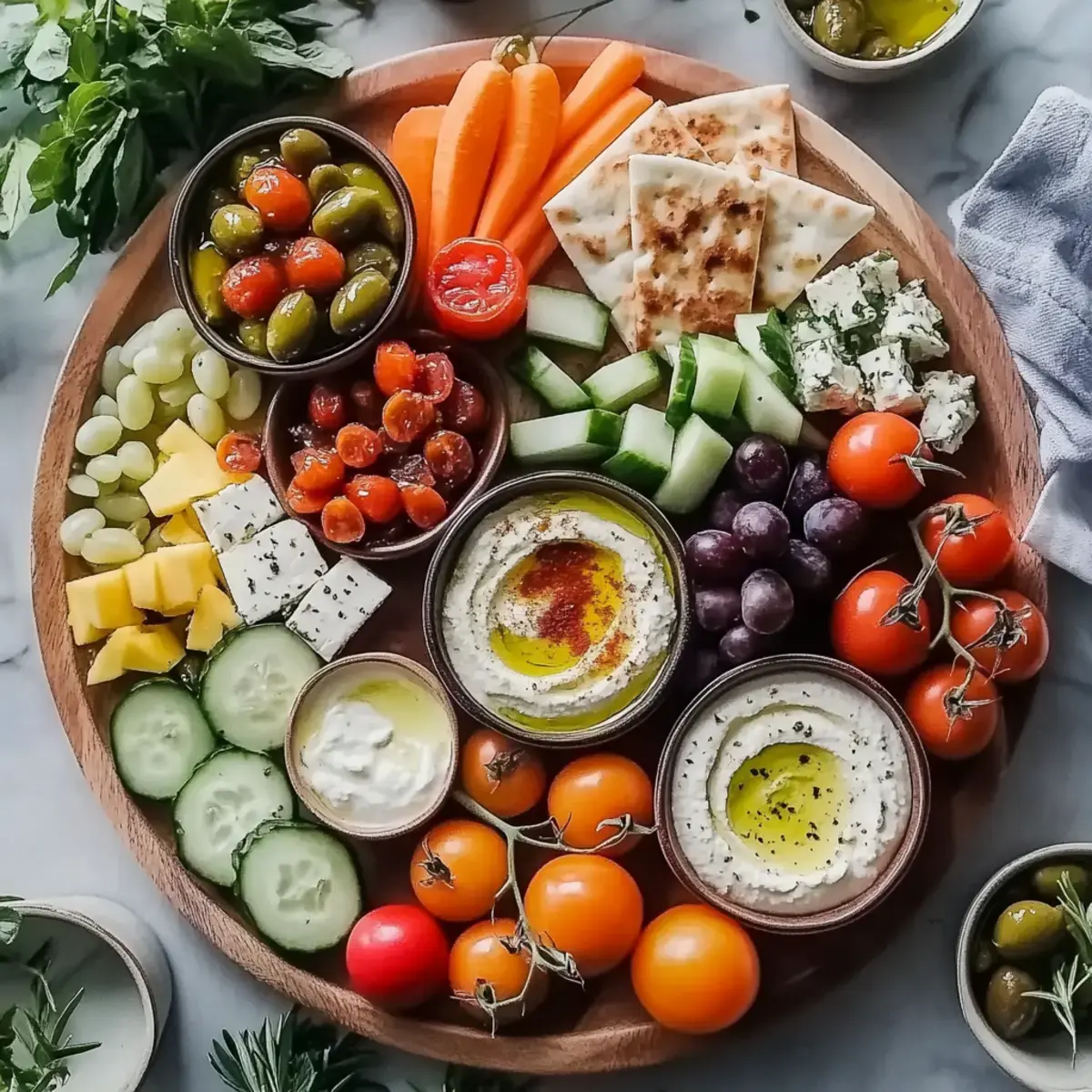
Gathering friends around a beautifully arranged platter can instantly transform a simple evening into something extraordinary. My Vibrant Mediterranean Mezze Platter is not only a feast for the eyes but also a celebration of flavors and textures that everyone will love. This delightful no-cook dish is perfect for effortless entertaining and offers endless customization options, allowing you to mix your favorite ingredients.
It’s a crowd-pleaser that requires minimal prep time—ideal for those busy days when you crave hearty yet healthy fare without spending hours in the kitchen. Ready to impress your loved ones and yourself? Let’s dive into this inspiring culinary adventure!
Why You Will Love This Recipe
- Effortless Entertaining: This vibrant platter is a simple way to impress guests without slaving away in the kitchen.
- Endless Customization: Feel free to swap dips or veggies based on what you love. Try a refreshing Mediterranean Vegetable Pasta for a different taste experience!
- Fresh & Healthy: A beautiful selection of fresh ingredients makes this dish both nutritious and visually stunning.
- Quick Assembly: With no cooking involved, you can put this together in minutes, making it perfect for spontaneous gatherings.
- Crowd-Pleasing Flavor: The combination of zesty dips and crunchy veggies means there’s something for everyone to enjoy!
Ingredients You Need
Selecting the freshest, highest-quality ingredients is paramount to achieving the authentic, vibrant flavors of a Mediterranean Mezze Platter. The beauty of this dish lies in its simplicity and the natural taste of its components. Prioritizing seasonal produce will ensure a delightful taste experience that truly captures the essence of the Mediterranean.
Vibrant Mediterranean Mezze Platter
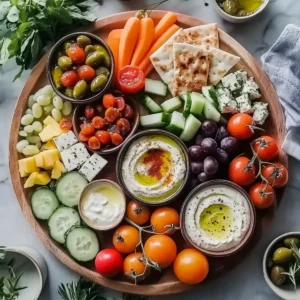
Gathering friends around a beautifully arranged platter can instantly transform a simple evening into something extraordinary. My Vibrant Mediterranean Mezze Platter is not only a feast for the eyes but also a celebration of flavors and textures that everyone will love. This delightful no-cook dish is perfect for effortless entertaining and offers endless customization options, allowing you to mix your favorite ingredients. It’s a crowd-pleaser that requires minimal prep time—ideal for those busy days when you crave hearty yet healthy fare without spending hours in the kitchen. Ready to impress your loved ones and yourself? Let’s dive into this inspiring culinary adventure!
- 1 cup Hummus
- 1 cup Tzatziki
- 1 cup Marinated Olives
- 1 cup Cherry Tomatoes
- 1 cup Cucumber
- 2 medium Carrots
- 1 medium Bell Pepper
- 1 cup Feta Cheese
- 1 cup Stuffed Grape Leaves (Optional)
- 1 cup Roasted Red Peppers
- 1 pita Pita Bread
- 1Prepare the Dips by spooning hummus and tzatziki into small serving bowls and arranging them on a large platter.
- 2Arrange Fresh Veggies by scattering halved cherry tomatoes, cucumber sticks, carrot sticks, and bell pepper strips around the dips on the platter.
- 3Add Cheese and Grape Leaves by layering feta and optionally the stuffed grape leaves onto your platter.
- 4Finalize with Roasted Peppers by spreading roasted red peppers throughout the platter.
- 5Serve with Pita by cutting pita bread into triangles and arranging them around the platter.
Keywords: Mediterranean, Mezze, Platter, Appetizer, No-Cook, Vegetarian, Healthy, Entertaining, Party, Snacks
- hummus: creamy dip made from chickpeas; homemade adds a delightful flavor boost.
- tzatziki: a cool cucumber yogurt dip that enhances freshness and pairs wonderfully with veggies.
- marinated olives: a mix of green and black olives for a briny kick that elevates the platter.
- cherry tomatoes: halved for easy snacking; they add sweetness and vibrant color.
- cucumber: sliced into sticks or rounds; provides a refreshing crunch.
- carrots: cut into sticks; they add a touch of sweetness and bright color.
- bell pepper: sliced into strips; offers both crunch and variety in color.
- feta cheese: cubed for tangy richness; a classic Mediterranean touch that enhances flavor.
- stuffed grape leaves: adds authenticity and flavor complexity; a traditional favorite.
- roasted red peppers: provides a smoky flavor that boosts both taste and visual appeal.
- pita bread: cut into triangles; perfect for scooping up dips and enjoying all the flavors.
You will find the specific quantities for each ingredient within the recipe card itself.
Variations
Embrace your culinary creativity with these delightful swaps and twists that will make your Mediterranean Mezze Platter uniquely yours! These variations cater to different tastes and dietary needs, ensuring everyone can enjoy a personalized platter.
For a delicious Vegan option, simply omit the feta cheese and ensure your hummus and tzatziki are dairy-free; many store-bought options are naturally vegan, or you can make your own with plant-based yogurt. You can double up on the roasted red peppers or add some marinated artichoke hearts for extra flavor and texture. This approach guarantees a robust and satisfying platter without any animal products.
If you’re looking for a Low Carb alternative, focus on the vegetables and dips while reducing or eliminating the pita bread. Instead of pita, consider serving the platter with cucumber slices, celery sticks, and bell pepper strips as your primary dippers. You could also add some hard-boiled eggs or even some grilled halloumi cheese, which is low in carbs and high in protein, making the platter more substantial. This adaptation keeps the spirit of the mezze while adhering to a low-carbohydrate lifestyle.
To introduce a Spicy Kick, incorporate sliced jalapeños or a small bowl of fiery harissa paste alongside your other dips. You could also add a pinch of red pepper flakes to your hummus or tzatziki for a subtle heat. For those who love bold flavors, consider adding some spicy pickled vegetables, like pickled radishes or peppers, to the platter for an extra layer of zest. This addition transforms the classic, mild flavors into an exciting and zesty adventure.
Consider a Gluten-Free approach by serving the platter with a variety of gluten-free crackers, rice cakes, or even large lettuce leaves instead of traditional pita bread. Ensure any store-bought dips you use are also certified gluten-free. You can also add more variety with vegetable sticks like jicama or kohlrabi, which offer a unique crunch and are naturally gluten-free. This ensures that guests with gluten sensitivities can fully partake in the mezze experience.
Exploring the world of dinner recipes often leads to delightful discoveries, and this Mediterranean Mezze Platter is a prime example of how simple, fresh ingredients can create an impressive culinary statement. It’s a perfect appetizer or light meal that embodies the fresh, healthy spirit of Mediterranean cuisine.
How to Prepare Mediterranean Mezze Platter
Step 1: Prepare the Dips
Begin by selecting your serving bowls for the dips; choose ones that have vibrant colors or interesting textures to immediately enhance the visual appeal of your platter. Spoon generous portions of creamy hummus and refreshing tzatziki into these chosen bowls, ensuring they are filled sufficiently for dipping. Carefully arrange these prepared dip bowls on your large serving platter, leaving ample space around them.
This initial placement of the dips creates a beautiful and inviting foundation for the rest of your Mediterranean Mezze Platter. The colors of the dips themselves, a pale beige for hummus and a creamy white for tzatziki, offer a wonderful contrast to the vibrant ingredients that will be added next. Imagine them as the anchors, drawing your guests’ eyes and appetites towards the heart of the platter.
Ensure the bowls are stable and positioned to allow easy access from multiple sides of the platter. This thoughtful arrangement sets the stage for an enjoyable and interactive dining experience, making the first impression one of abundant freshness and flavor.
Step 2: Arrange Fresh Veggies
Now, it’s time to introduce the vibrant colors and refreshing crunch of fresh vegetables to your mezze. Take your halved cherry tomatoes, ensuring they are plump and juicy for the best flavor, and scatter them artfully around the dip bowls. Next, arrange the cucumber sticks, carrot sticks, and bell pepper strips, ensuring a diverse array of colors like red, orange, yellow, and green are visible.
Distribute these colorful vegetables evenly across the platter, creating appealing patterns and ensuring they are easily accessible for guests. The goal is to create a visually pleasing contrast against the smooth texture of the dips and the richness of the other elements. Think about creating natural groupings or flowing lines with the vegetables that guide the eye across the platter.
The crispness of these raw vegetables provides a delightful textural counterpoint to the softer dips and cheeses, adding another dimension to each bite. This careful arrangement not only enhances the aesthetic appeal but also makes the platter incredibly functional and inviting to explore.
Step 3: Add Cheese and Grape Leaves
This step introduces more robust flavors and traditional Mediterranean elements to your platter. Begin by adding cubes of tangy feta cheese; strategically place them in sections or clusters around the platter, inviting guests to enjoy its salty, creamy richness. The white of the feta will provide another beautiful contrast against the other colorful components.
If you are including stuffed grape leaves (dolmades), arrange them now, perhaps nestled amongst the vegetables or cheese. These add an authentic touch and a unique, savory flavor profile that is characteristic of true Mediterranean cuisine. Their delicate shape and vinegary notes offer a sophisticated addition to the overall composition.
This layering of ingredients adds depth and complexity to the mezze. The combination of creamy cheese and the savory, often herbed, grape leaves creates a more substantial and varied eating experience, moving beyond just dips and raw vegetables.
Step 4: Finalize with Roasted Peppers
To complete your vibrant platter, it’s time to add the deeply flavorful roasted red peppers. Spread these beautifully colored strips throughout the remaining spaces on your platter, tucking them gently among the vegetables, cheese, and grape leaves. Their slightly sweet, smoky flavor and soft texture add a wonderful depth that complements the fresh and tangy elements.
Arrange the roasted red peppers in a way that draws the eye, perhaps in wavy lines or scattered artfully to fill in any gaps. Their rich red hue will further enhance the visual appeal of the Mediterranean Mezze Platter, making it look even more inviting and appetizing. Their presence adds a touch of rustic charm and a hint of smoky complexity.
These peppers provide a delightful contrast in flavor and texture, offering a softer, more concentrated sweetness compared to the raw vegetables. They contribute significantly to the overall sensory experience of the platter, making it a true feast for both the eyes and the palate.
Step 5: Serve with Pita
The final, crucial element for enjoying your Mediterranean Mezze Platter is the pita bread. Cut your pita bread into wedges or triangles, creating easy-to-handle pieces for scooping up the delicious dips and picking up the various ingredients. Arrange these warm pita triangles artfully around the perimeter of the platter, or in a separate basket nearby if the platter is very full.
The warm pita bread serves as the perfect vehicle for savoring every last bit of flavor from the dips and other accompaniments. Its soft, slightly chewy texture and mild taste are designed to complement, not overpower, the other ingredients on the platter. Ensuring there is enough pita is key for guests to fully enjoy the interactive experience of building their own perfect bites.
This simple addition is essential for a complete and satisfying Mediterranean Mezze Platter experience, ensuring that everyone has something delicious to munch on as they explore the diverse flavors and textures you’ve so carefully assembled. It truly brings the whole ensemble together, making it ready to be shared and enjoyed.
Step 6: Add Finishing Touches
To elevate your Mediterranean Mezze Platter from good to exceptional, consider a few final touches that enhance both flavor and presentation. A light drizzle of high-quality extra virgin olive oil over the hummus and roasted red peppers can add a beautiful sheen and a fresh, fruity note. This simple addition not only boosts the visual appeal but also adds a subtle layer of richness.
Consider scattering a few fresh herbs like chopped parsley, mint, or even a sprinkle of za’atar over the platter. These vibrant green accents provide a pop of color and a burst of aromatic freshness that complements the savory components beautifully. The fragrant herbs can awaken the palate and add a delightful complexity.
Finally, for an extra touch of Mediterranean flair, you might add a small bowl of marinated artichoke hearts or a sprinkle of toasted pine nuts over the dips. These small additions provide interesting textures and nuanced flavors that impress and delight your guests, transforming a simple platter into a gourmet presentation. This attention to detail ensures a truly memorable culinary experience.
Pro Tips for Mediterranean Mezze Platter
To ensure your Mediterranean Mezze Platter is a resounding success, whether you’re a seasoned chef or a beginner in the kitchen, a few expert tips can make all the difference. These insights focus on maximizing flavor, presentation, and guest enjoyment.
Prep Ahead Strategically: Many components of this platter can be prepared a day in advance to save you time on the day of serving. Hummus and tzatziki can be made up to three days prior and stored in airtight containers in the refrigerator. Similarly, vegetables like carrots, cucumbers, and bell peppers can be chopped and stored submerged in water in the fridge for up to 24 hours to maintain their crispness. This allows for much smoother assembly when guests arrive.
Focus on Ingredient Freshness: The essence of Mediterranean cuisine lies in the quality of its fresh ingredients. Select ripe, vibrant produce with firm textures and bright colors. For instance, choose cherry tomatoes that are plump and glossy, cucumbers that are crisp and free of soft spots, and bell peppers that feel heavy for their size. The better the raw ingredients, the more spectacular your platter will taste and look. Don’t underestimate the impact of using high-quality olive oil.
Balance Flavors and Textures: A truly great mezze platter offers a symphony of tastes and textures. Ensure you have a balance of creamy dips (hummus, tzatziki), salty elements (feta, olives), crunchy vegetables (carrots, cucumber), and something soft and yielding (roasted peppers, pita bread). This variety ensures that every bite is interesting and satisfying, catering to diverse preferences. The contrast keeps the palate engaged and excited.
Presentation Matters: While flavor is king, visual appeal is incredibly important for a mezze platter. Use a large, attractive platter or board as your base. Arrange the components thoughtfully, creating appealing color contrasts and groupings. Utilize small bowls for dips and olives to contain them and add visual interest. Consider adding fresh herb garnishes for a final touch of freshness and color. A well-presented platter is as much a feast for the eyes as it is for the stomach.
Temperature Considerations: Serve some components at their ideal temperatures for the best flavor. Dips are typically best served chilled or at room temperature. Roasted red peppers are delicious either at room temperature or slightly warmed. Pita bread is always best served warm; a quick toast or brief warming in the oven can significantly enhance its texture and flavor. These small details contribute to the overall dining experience.
Serving Suggestions for Mediterranean Mezze Platter
Decoration
To truly make your Mediterranean Mezze Platter a showstopper, decorative elements play a crucial role in enhancing its visual appeal and evoking the spirit of the Mediterranean. Consider using small sprigs of fresh rosemary or thyme tucked between components; their fragrance alone adds to the ambiance. A final drizzle of high-quality extra virgin olive oil over the entire platter, particularly over the hummus and roasted red peppers, provides a beautiful sheen and a rich finish that catches the light.
Think about using small, colorful bowls for your dips or olives that complement the hues of the vegetables and cheeses, creating visual interest through varied shapes and heights. You can also scatter edible flowers, like nasturtiums or pansies, for an unexpected pop of color and elegance, transforming the platter into a vibrant edible artwork. The goal is to create a sense of abundance and freshness, drawing guests in with its inviting appearance.
The presentation should feel abundant yet organized, with each element having its own space while contributing to the overall harmony of the platter. A sprinkle of toasted sesame seeds or sumac over the hummus can add texture and a subtle visual flourish, signaling the delightful flavors that await.
Side Dishes
While the mezze platter itself is a substantial offering, certain side dishes can beautifully complement its flavors and textures, transforming it into a more complete meal or a more elaborate appetizer spread. Consider serving a light, refreshing Mediterranean Vegetable Pasta salad on the side. Its cool, herby notes and varied vegetable textures provide a delightful contrast to the dips and cheeses.
Another excellent pairing would be small bowls of Marinated Artichoke Hearts or Grilled Halloumi Skewers. The tanginess of the artichokes adds another dimension of acidity, while the grilled halloumi offers a warm, slightly squeaky, salty bite that is incredibly satisfying. These additions offer more substantial options for guests looking for heartier fare beyond the platter’s primary components.
For a truly authentic experience, a simple Greek salad with ripe tomatoes, cucumbers, red onion, Kalamata olives, and a lemon-oregano vinaigrette makes a wonderful accompaniment. Its crisp freshness and bright flavors echo the theme of the platter and provide a classic Mediterranean pairing. Ensure your side dishes are presented simply, allowing the mezze platter to remain the star.
Creative Serving Ideas
Beyond the traditional arrangement on a large platter, there are numerous creative ways to serve your Mediterranean Mezze Platter that can elevate the dining experience and cater to different serving situations. For a more interactive and personalized approach, consider creating individual mini-mezze platters for each guest. This can be done using small wooden boards, slate tiles, or even large appetizer plates, allowing each person to have their own curated selection.
Another fun idea is to serve the mezze components buffet-style, allowing guests to build their own creations. Set up different stations with the dips, vegetables, cheeses, and pita bread, and let everyone customize their perfect bite. This approach encourages mingling and interaction, turning the meal into a communal activity. You can even offer small skewers or toothpicks for easy assembly.
For a more casual gathering, such as a picnic or a backyard barbecue, arrange the mezze components in various attractive bowls and platters and place them directly on a low table or blanket. This relaxed setting still allows for the enjoyment of delicious Mediterranean flavors, just in a more informal style. Consider providing small bags of pita chips or gluten-free crackers alongside the fresh pita for added variety in texture.
Preparation & Storage
Storing Leftovers
Proper storage is key to maintaining the freshness and flavor of your Mediterranean Mezze Platter leftovers. Any remaining dips, such as hummus and tzatziki, should be transferred to airtight containers and refrigerated promptly. These dips can typically last for up to 5 days when stored correctly, retaining their creamy texture and savory taste.
Cut vegetables, like cucumber sticks, carrot sticks, and bell pepper strips, are best stored submerged in a thin layer of water in an airtight container in the refrigerator. This method helps to keep them crisp and prevents them from drying out, maintaining their refreshing crunch for up to 24 hours. While they may not be as crisp as when freshly cut, they will still be perfectly enjoyable.
Leftover feta cheese, olives, and roasted red peppers can be stored in their original packaging or in separate airtight containers in the refrigerator. Pita bread should be stored in a resealable plastic bag at room temperature to prevent it from becoming stale or hard; it’s best consumed within a day or two.
Freezing
While many components of a Mediterranean Mezze Platter are best enjoyed fresh, some can be successfully frozen for later use, extending their shelf life. The most common item to freeze is hummus; it freezes remarkably well and retains its creamy consistency after thawing. Ensure you use airtight containers or freezer bags, leaving a little headspace for expansion during the freezing process.
Roasted red peppers can also be frozen, though their texture may become slightly softer upon thawing. They are still suitable for use in cooked dishes or blended dips where texture is less critical. Avoid freezing fresh vegetables such as cucumbers, carrots, or bell peppers, as their texture will become unpleasantly mushy and they will lose their characteristic crunch and refreshing quality.
Feta cheese can be frozen, but its texture can change, becoming more crumbly and less creamy. It’s often best used in cooked dishes after freezing rather than for serving on a platter. Marinated olives can be frozen, though the marinade might separate slightly upon thawing.
Reheating
Reheating is primarily relevant for components like pita bread to ensure they are served at their best, enhancing the overall enjoyment of the mezze. For warm pita bread, a quick method is to toast it lightly in a toaster for about 30-60 seconds, or warm it in a dry skillet over medium heat for a minute or two per side until pliable and slightly toasted. Alternatively, you can warm it in a preheated oven at 350°F (175°C) for about 5-7 minutes, wrapped loosely in foil to keep it soft.
If you have leftover roasted red peppers that you wish to serve warm, gently warm them in a small saucepan over low heat or briefly in a microwave. Be careful not to overheat them, as they can become mushy. Dips like hummus and tzatziki are generally served cold or at room temperature and do not require reheating; if they have been refrigerated, simply take them out about 30 minutes before serving to allow them to come to temperature.
Hummus that has been frozen and thawed can sometimes benefit from a quick stir and perhaps a touch more olive oil or lemon juice to refresh its consistency and flavor. The goal with reheating is always to enhance the texture and flavor, not to cook the ingredients further, preserving the fresh and vibrant character of the mezze platter.
Frequently Asked Questions
-
How do I choose ripe vegetables for my Mediterranean Mezze Platter?
Absolutely! When selecting vegetables, aim for those with firm textures and vibrant colors. Look for cucumbers that are crisp and without dark blemishes, cherry tomatoes that are plump and shiny, and bell peppers that feel heavy for their size, indicating juiciness. Carrots should be firm and smooth, without any signs of wilting or soft spots. This ensures that your platter not only tastes delightful but also looks stunning and provides the best refreshing crunch.
-
How should I store leftovers from the Mediterranean Mezze Platter?
Very important to know! Store leftover dips in airtight containers in the fridge for up to 5 days. Keep any remaining cut vegetables submerged in water within a container to maintain their crispness for up to 24 hours; otherwise, store them in an airtight container. If you’ve got pita bread left, keep it stored in a zip-top bag at room temperature to avoid it drying out and becoming hard. This careful storage ensures you can enjoy the remaining elements for a few more days.
-
Can I freeze any components of my Mediterranean Mezze Platter?
Absolutely! While fresh vegetables like cucumbers and bell peppers should not be frozen—since they lose their texture and crunch—you can freeze hummus for up to 3 months without significant loss of quality. To freeze hummus: place portions in an airtight container or freezer bag, leaving space for expansion, and label with the date. When ready to enjoy, thaw in the fridge overnight before serving, giving it a good stir and perhaps adding a touch more olive oil or lemon juice to refresh its texture.
-
What should I do if my hummus is too thick for dipping?
No worries! If your hummus ends up too thick for your liking, it’s an easy fix. Simply add a bit of water or extra virgin olive oil, one tablespoon at a time, mixing in between each addition, until it reaches your desired smooth and dippable consistency. You can also add a little extra lemon juice or a pinch of garlic powder while you’re adjusting the consistency to further enhance its flavor. This allows you to tailor the texture perfectly.
-
Is this Mediterranean Mezze Platter suitable for guests with dietary restrictions?
Definitely! This platter is highly customizable to cater to various dietary needs, making it incredibly inclusive. Use gluten-free crackers or vegetable sticks as dippers instead of pita bread for a lunch option that caters to gluten sensitivities. Feel free to make dips with low-sodium ingredients and opt for dairy-free alternatives for cheeses and yogurt if needed to accommodate vegan or lactose-intolerant guests. Always check with your guests about specific allergies or preferences beforehand to ensure everyone can enjoy the platter safely and deliciously.
-
How long can I prepare the dips ahead of time?
Great question! You can prepare the hummus and tzatziki dips up to 3 days in advance without compromising their freshness or flavor. Store them separately in airtight containers in the refrigerator to maintain their quality. Just give them a good stir before you’re ready to arrange them on your platter, and they’ll be just as delicious and inviting as if they were made the same day. This make-ahead capability is fantastic for entertaining.