Grilled Pineapple Veggie Kabobs
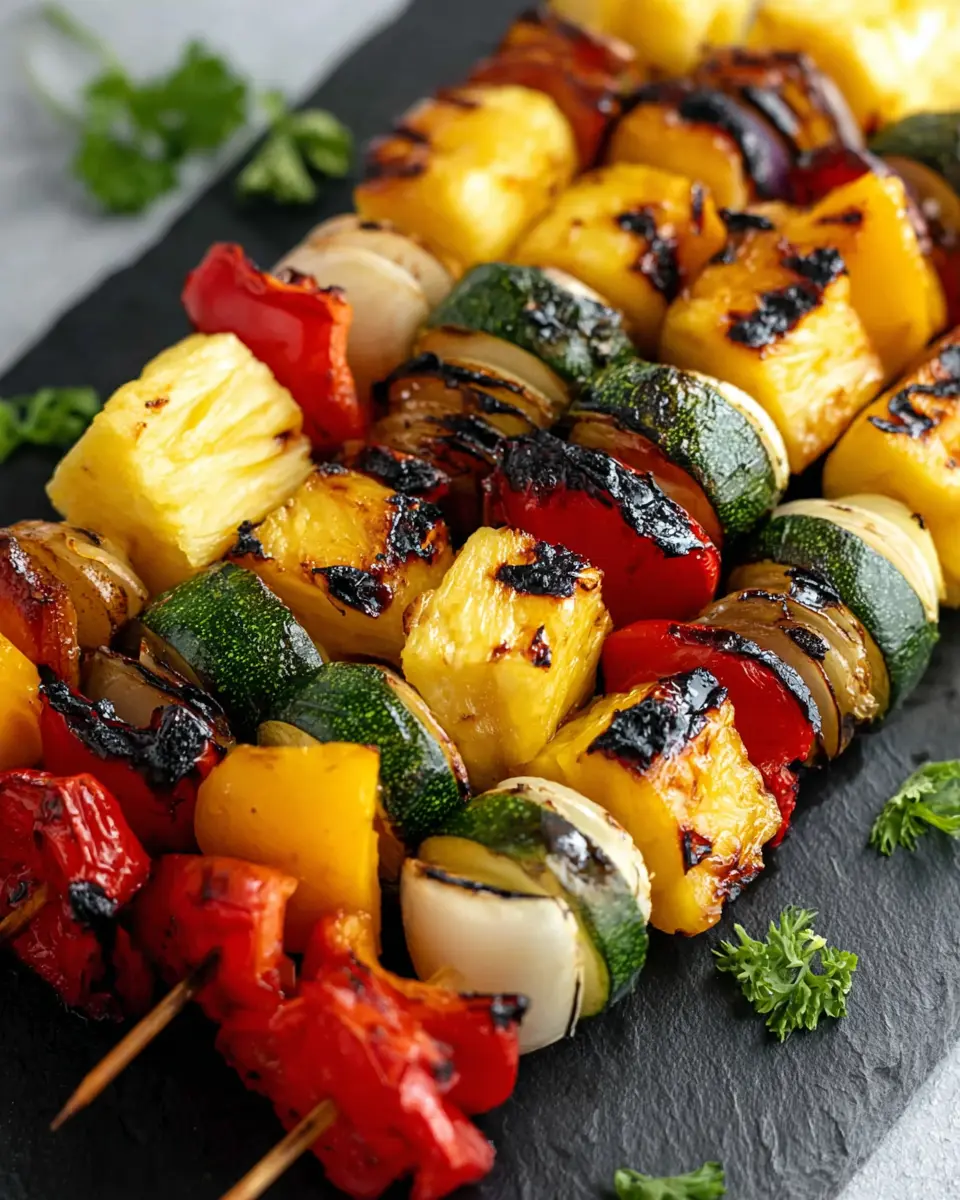
Grilled Pineapple and Veggie Kabobs are a quick, colorful cookout favorite with juicy-sweet pineapple, tender squash, and lightly charred peppers and onions, making them a fresh summer grilling side dish that feels simple, vibrant, and dependable.
This is the kind of dish that fits right into the meals you actually make, whether you are firing up the grill for a weekend gathering or just need something bright to round out dinner. It looks cheerful on the platter, cooks fast, and brings a lot of flavor without a complicated prep list.
Why You Will Love This Recipe
- Sweet and Savory Balance: The inherent sweetness of grilled pineapple beautifully complements the savory notes of the vegetables, creating a delightful flavor contrast that is truly addictive.
- Vibrant Visual Appeal: With a medley of colorful peppers, golden pineapple, and green squash, these kabobs are a feast for the eyes, adding a cheerful and appetizing touch to any meal.
- Effortless Preparation: Despite their impressive appearance, these kabobs require minimal fuss, making them an ideal choice for busy weeknights or relaxed weekend entertaining.
- Healthy and Wholesome: Packed with fresh fruits and vegetables, these kabobs offer a nutritious and light option that is satisfying without being heavy.
- Versatile Summer Delight: They are a perfect accompaniment to a wide range of grilled proteins or can stand alone as a delicious vegetarian main, embodying the spirit of summer dining.
Ingredients You Need
The beauty of these grilled kabobs lies in their simplicity, relying on fresh, readily available produce to create a harmonious flavor profile. Opting for the freshest ingredients will always yield the most vibrant and delicious results, making each bite a celebration of seasonal goodness.
Grilled Pineapple and Veggie Kabobs
Grilled Pineapple and Veggie Kabobs combine sweet pineapple with a colorful assortment of vegetables for a simple, vibrant dish with lightly charred edges and tender texture. Cooked over medium-high heat, they make a fresh and flavorful option for outdoor meals.
- 1 cup fresh pineapple, cut into 1-inch pieces
- 2 large yellow onions, cut into eighths with the root end left attached to help hold the sections together
- Sea salt, to taste
- 1 large green squash, sliced into pieces about 1 inch thick
- Olive oil, for drizzling
- 2 bell peppers of any color, seeded and cut into chunks about 1 to 1½ inches wide
- Freshly ground black pepper, to taste
- 1 large summer squash, cut into 1-inch chunks
- 1Prepare the produce first. Cut each onion into eighths, keeping the root attached so the layers stay together more easily during grilling.
- 2Trim and seed the bell peppers, then cut them into pieces about 1 to 1½ inches square. Cut the summer squash into 1-inch chunks, slice the green squash into pieces about 1 inch thick, and cut the pineapple into 1-inch chunks so everything cooks at a similar rate.
- 3Preheat the grill to medium-high heat. This temperature allows the kabobs to cook through while developing light charring without scorching.
- 4Thread the vegetables and pineapple onto skewers, alternating the pieces to create a balanced and colorful arrangement. Make sure each piece is secured well on the skewers.
- 5Drizzle the assembled kabobs with olive oil, then season with sea salt and ground black pepper. A grill basket may be used instead of skewers if preferred.
- 6Place the kabobs on the preheated grill. Turn them every 5 minutes so they cook evenly and develop grill marks on all sides.
- 7Continue grilling for 15 to 20 minutes, or until the vegetables and pineapple are tender and lightly charred. Remove from the grill carefully, let them cool briefly, and serve.
Keywords: Grilled Pineapple, Veggie Kabobs, Summer Grilling, Side Dish, Vegetarian, Healthy, Colorful
- fresh pineapple: ripe and juicy, cut into sturdy pieces that will hold up to grilling
- yellow onions: quartered, with the root end still attached to help keep the layers together
- bell peppers: a mix of colors for visual appeal and varied sweetness, seeded and cut into chunks
- green squash: firm and fresh, sliced into uniform pieces for even cooking
- summer squash: tender and mild, cut into bite-sized chunks that complement the other ingredients
- olive oil: a good quality extra virgin olive oil for coating and promoting even browning
- sea salt: to enhance the natural flavors of the produce
- black pepper: freshly ground for a hint of sharpness
The exact quantities and specific ingredient preparations are detailed within the provided recipe card for your convenience.
Variations
Vegan Delight: For a fully vegan iteration, ensure all your chosen vegetables are fresh and vibrant. You can amplify the savory notes by adding cubes of firm tofu or tempeh, marinated briefly in a mixture of soy sauce, garlic, and ginger, before threading them onto the skewers alongside the pineapple and vegetables. This ensures a protein-rich and satisfying vegan main or side that will impress any guest.
Low-Carb Elegance: To make these kabobs a fantastic low-carb option, focus on non-starchy vegetables and omit the pineapple or use it very sparingly. Swap pineapple chunks for cherry tomatoes or zucchini rounds, which offer a similar burst of flavor and texture. You can also add mushrooms or asparagus for more depth. The key is to embrace the grilled vegetables and perhaps add a light drizzle of balsamic glaze at the end for a touch of sweetness without the carbs.
Spicy Kick: Introduce a fiery element by adding jalapeño peppers or chili flakes to your marinade or directly onto the skewers. You can also grill some slices of spicy sausage or add a dash of hot sauce to the olive oil before drizzling. This variation brings a delightful heat that beautifully contrasts with the sweetness of the pineapple, creating a more complex and exciting flavor profile that’s perfect for those who enjoy a little heat.
How to Prepare Grilled Pineapple and Veggie Kabobs
Step 1: Preparing the Produce for Grilling Perfection
Begin by meticulously preparing all your fruits and vegetables. The goal here is uniformity in size, which is absolutely crucial for ensuring that every component on your kabobs cooks through at the same rate. This prevents any single ingredient from becoming overcooked and mushy while others remain stubbornly raw.
For the onions, slice them into substantial wedges, about eight per onion, and critically, leave a bit of the root end attached. This small but significant step helps to keep the onion layers intact and prevents them from falling apart on the grill, making them much easier to manage. Similarly, seed and cut your bell peppers into robust, roughly 1 to 1.5-inch chunks, ensuring they are substantial enough to thread securely onto the skewers.
Cut your green squash and summer squash into pieces that are approximately 1 inch thick, and then proceed to cut the fresh pineapple into similarly sized 1-inch chunks. This consistent sizing is the cornerstone of achieving perfectly grilled kabobs where each piece is tender, slightly charred, and bursting with flavor.
Step 2: Preheating Your Grill for Optimal Searing
The next vital step is to ensure your grill is adequately preheated to a medium-high heat. This is not just a suggestion; it’s a fundamental requirement for achieving that sought-after char and distinct grill marks. A grill that is hot enough on contact will sear the exterior of your ingredients quickly, locking in moisture and imparting that irresistible smoky flavor that defines grilled dishes.
Failing to preheat the grill sufficiently can lead to a frustrating experience where the vegetables and pineapple stick to the grates, resulting in uneven cooking and a disappointing lack of aesthetic appeal. You want to hear that satisfying sizzle the moment your kabobs hit the surface, signaling that the grill is ready to work its magic.
A properly heated grill also helps to create a barrier, preventing the delicate sugars in the pineapple from burning too quickly before the vegetables have a chance to soften. This balance is key to the overall success and deliciousness of your kabobs, ensuring a beautiful presentation and perfect texture.
Step 3: Assembling the Colorful Kabobs
With all your ingredients prepped and the grill heating up, it’s time to bring your kabobs to life through assembly. Take your skewers and begin threading the pineapple and vegetable pieces onto them in an alternating, visually appealing pattern. This is where you can get creative, mixing colors and textures to make each skewer a miniature work of art.
Aim to create a diverse arrangement on each skewer, ensuring that you have a good distribution of pineapple, peppers, onions, and squash. This not only makes the kabobs look more inviting but also guarantees that each bite offers a balanced combination of sweet, savory, tender, and slightly crisp elements.
It’s important not to pack the ingredients too tightly onto the skewers. Leave a small amount of space between each piece. This allows the heat to circulate effectively around all sides of the ingredients, promoting even cooking and enabling those desirable grill marks to form properly. Overcrowding can lead to steaming rather than grilling, compromising the texture and flavor you are trying to achieve.
Step 4: Seasoning for Maximum Flavor
Once your kabobs are artfully assembled, it’s time to elevate their flavor profile with a simple yet effective seasoning. Carefully drizzle a generous amount of good-quality olive oil over all sides of the assembled skewers. Ensure that each piece of pineapple and vegetable is lightly coated, as this oil will help the seasonings adhere, promote even browning, and prevent sticking to the grill.
After the olive oil coating, season the kabobs liberally with sea salt and freshly ground black pepper. The salt is essential for drawing out the natural sweetness of the pineapple and enhancing the inherent flavors of the vegetables, while the pepper adds a subtle warmth and complexity. You can gently turn the skewers in your hands or on a clean tray to ensure the oil and seasonings are distributed evenly across every surface.
This straightforward seasoning approach allows the inherent quality and natural flavors of the fresh ingredients to shine through. It’s a testament to how simple, high-quality ingredients, when prepared with care, can result in an incredibly delicious dish without the need for overly complicated marinades or spice rubs. This minimalist approach often yields the most authentic and satisfying results.
Step 5: Grilling to Tender, Charred Perfection
Now, the exciting part: bringing your kabobs to the grill. Carefully place the seasoned skewers onto the preheated medium-high grill grates. Listen for that satisfying sizzle as they make contact, indicating that you’re on your way to achieving beautiful grill marks and perfectly cooked ingredients.
You’ll want to turn the kabobs every few minutes to ensure even cooking and charring on all sides. This consistent turning is key to developing those attractive grill marks that not only look fantastic but also add a wonderful depth of flavor. Keep an eye on them, as grilling times can vary depending on the heat of your grill and the size of your ingredient pieces.
The goal is to achieve tender vegetables that have a slight bite, caramelized and slightly charred pineapple that has softened and intensified in sweetness, and onions that are sweet and tender. Look for slight blistering on the peppers and squash, and a beautiful char on the pineapple edges. Aim for about 15-20 minutes total cooking time, but always cook to the desired level of tenderness and char.
Step 6: Resting and Serving Your Masterpiece
Once your grilled pineapple and veggie kabobs have reached that perfect state of tender, slightly charred deliciousness, carefully remove them from the grill. It’s tempting to dive in immediately, but allowing them to rest for just a few minutes before serving is a small step that makes a significant difference.
This brief resting period allows the juices within the pineapple and vegetables to redistribute evenly. This not only makes the kabobs easier to handle and serve but also ensures that every bite is as flavorful and moist as the last. It’s a moment of anticipation that pays off in terms of texture and taste.
Serve your beautiful, vibrant kabobs warm, either directly off the skewers or carefully removed. They are a stunning addition to any meal, bringing a burst of color, flavor, and freshness that is sure to be a crowd-pleaser. Enjoy the delightful blend of sweet pineapple and savory, smoky vegetables in every single bite.
Pro Tips for Grilled Pineapple and Veggie Kabobs
Uniformity is Key: For the most even cooking, ensure all your vegetable and pineapple pieces are cut to roughly the same size. This prevents some pieces from burning while others remain undercooked, guaranteeing a perfectly tender result across all components of your kabobs.
Don’t Overcrowd the Skewers: Leave a little breathing room between your ingredients on the skewer. This allows heat and smoke to circulate effectively, promoting proper searing and charring rather than steaming the produce.
Grill Heat Management: Medium-high heat is ideal, but if your grill runs exceptionally hot, don’t hesitate to move the kabobs to a slightly cooler zone of the grill to prevent burning before they are cooked through. This flexibility ensures perfect results.
Prevent Sticking: Always ensure your grill grates are clean and well-oiled before placing the kabobs down. A clean, oiled grate is your best defense against sticking, allowing for those beautiful grill marks to develop without a fight.
Soaking Wooden Skewers: If you are using wooden skewers, remember to soak them in water for at least 30 minutes before use. This crucial step prevents the wooden skewers from catching fire on the grill, ensuring a safe and enjoyable cooking experience.
Serving Suggestions for Grilled Pineapple and Veggie Kabobs
Decoration
Elevate the presentation of your grilled pineapple and veggie kabobs with a few simple decorative touches. A sprinkle of fresh, finely chopped cilantro or parsley over the top adds a pop of vibrant green and a hint of herbaceous freshness. You could also arrange the kabobs on a bed of fresh arugula or mixed greens for added color and a slightly peppery contrast. For an extra flair, a light drizzle of balsamic glaze or a squeeze of fresh lime juice just before serving can add visual appeal and a final burst of flavor.
Side Dishes
These vibrant kabobs are incredibly versatile and pair wonderfully with a variety of side dishes, making them suitable for any meal. They are an exceptional partner to grilled proteins like chicken, fish, or steak, offering a bright, refreshing counterpoint to richer flavors. Consider serving them alongside a fluffy quinoa pilaf, a simple bowl of steamed rice, or a light couscous salad for a complete and satisfying meal. For a lighter option, a crisp green salad with a lemon vinaigrette or a creamy potato salad can also complement their fresh taste beautifully.
Creative Serving Ideas
Think outside the traditional platter for serving your grilled pineapple and veggie kabobs. For a fun appetizer or party dish, arrange them in a standing upright manner in a sturdy vase or tall glass filled with coarse salt or even small pebbles – it’s unexpected and eye-catching! You could also deconstruct them slightly, arranging the grilled components artistically over a bed of mixed greens for a substantial salad. Another delightful idea is to serve them with a cooling yogurt-based dipping sauce or a spicy aioli for those who enjoy an extra kick. They also make a fantastic addition to a brunch spread, offering a healthy and colorful element.
Preparation & Storage
Storing Leftovers
To keep your delicious grilled pineapple and veggie kabobs fresh for later enjoyment, proper storage is key. Once the kabobs have cooled completely, transfer them to an airtight container. For optimal texture, it’s often best to remove the cooked ingredients from the skewers before storing them, as this allows them to fit more compactly and prevents the vegetables from becoming too compressed.
Store these containers in the refrigerator, where they will typically remain fresh and flavorful for up to three days. This makes them an excellent option for meal prepping or ensuring you have a healthy and tasty side dish readily available throughout the week. Always check for any signs of spoilage before consuming.
Freezing
While not ideal for maintaining the perfect texture, it is possible to freeze leftover grilled pineapple and veggie kabobs if necessary. The high water content in vegetables like squash and peppers can lead to a softer, more mushy consistency after thawing and reheating, so this method is best reserved for when other options are unavailable.
If you choose to freeze them, remove the ingredients from the skewers and place them in a single layer on a baking sheet lined with parchment paper. Freeze until solid, then transfer the frozen components to a freezer-safe bag or container. It is recommended to use them within one month for the best possible quality, understanding that the texture will be compromised.
Reheating
Reheating your leftover grilled pineapple and veggie kabobs is straightforward and aims to preserve as much of their original texture and flavor as possible. For the best results, gently reheat them in a skillet or on a grill pan over medium heat, stirring occasionally, until they are warmed through. Alternatively, you can place them on a baking sheet in a preheated oven at 350°F (175°C) for about 5-10 minutes.
If you are in a hurry, the microwave can be used, but be aware that this method can sometimes make the vegetables, especially squash and peppers, a bit softer or slightly watery. Regardless of the method, avoid overcooking to prevent them from becoming too mushy. They should be warmed through, not cooked further.
Frequently Asked Questions
- Can I use pre-cut pineapple or frozen vegetables for this recipe?
While fresh ingredients are always recommended for the best flavor and texture, you can certainly adapt this recipe using pre-cut pineapple and frozen vegetables. If using pre-cut pineapple, ensure it’s not overly ripe and has a firm texture. For frozen vegetables, it’s crucial to thaw them completely and pat them very dry before threading them onto skewers. This step helps to remove excess moisture that could otherwise lead to a steamed rather than grilled result and can affect how well the seasonings adhere. Some frozen vegetables, like zucchini, may become softer when grilled compared to fresh, so adjust your expectations and grilling time accordingly. For the best outcome, consider using frozen vegetables in a grill basket rather than on skewers, as they can be more delicate.
- What is the best way to prevent the ingredients from falling off the skewers while grilling?
Preventing ingredients from slipping or spinning on skewers is a common concern, but it can be easily managed with a few techniques. Firstly, cutting your ingredients into substantial, uniform pieces is paramount; avoid very small or irregular shapes. Leaving the root end attached to onion wedges is a fantastic trick that helps hold the layers together. Secondly, thread the ingredients snugly but not so tightly that they compress each other, allowing them to support one another on the skewer. If using wooden skewers, ensure they are soaked thoroughly to prevent burning and splintering. For tougher vegetables or more delicate items, consider using double skewers placed parallel to each other, which provides more stability. Finally, once the ingredients begin to soften slightly on the grill, they will naturally adhere better to the skewer.
- Are there any alternative cooking methods if I don’t have a grill?
Absolutely! If grilling isn’t an option, you can still achieve delicious pineapple and veggie kabobs using other methods. An oven broiler is an excellent alternative; arrange the assembled and seasoned kabobs on a foil-lined baking sheet and broil on high, turning frequently, until tender and nicely charred. A cast-iron grill pan on the stovetop is another fantastic option, offering similar char marks and smoky flavor. Simply preheat the pan over medium-high heat, add a little oil, and cook the kabobs, turning regularly. For a truly hands-off approach, you can even bake them in a conventional oven at a higher temperature (around 400°F or 200°C), although they may not achieve the same level of charring as grilling or broiling. A grill basket is also a versatile tool for stovetop or oven cooking of mixed vegetables and pineapple.