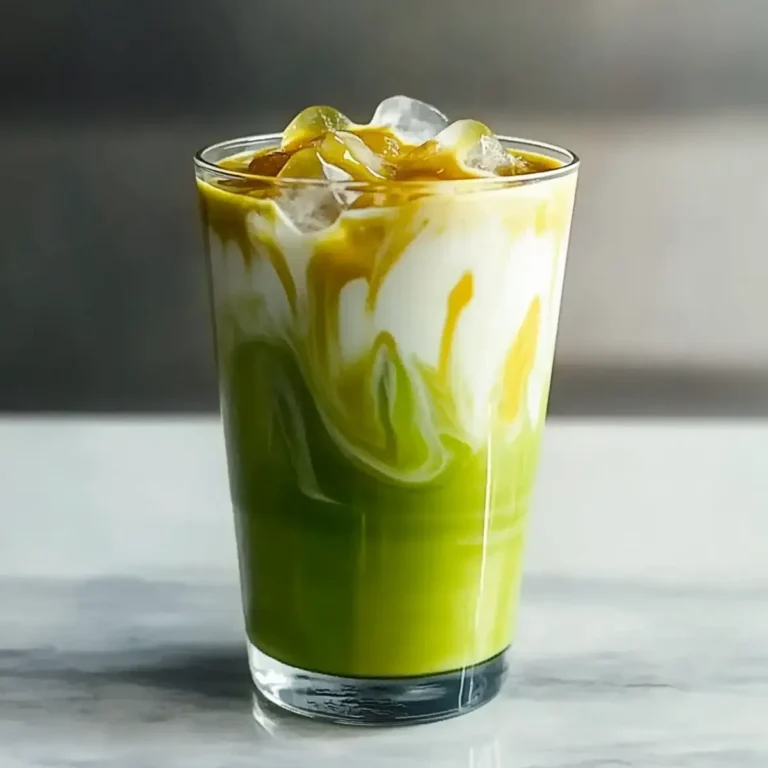
Bariatric Gelatin Recipe: The Ultimate Comfort Drink

Embarking on a health journey, especially after bariatric surgery, calls for nourishing and easy-to-digest options. This bariatric gelatin recipe emerges as a stellar choice, offering a delightful way to stay hydrated and meet your protein goals. It’s a simple yet profoundly beneficial addition to your dietary regimen, designed for ease of preparation and maximum impact.
The versatility of this recipe allows it to be enjoyed as a soothing warm drink or a refreshing chilled snack. Its clean ingredient list makes it suitable for those adhering to strict dietary protocols, while its satisfying nature helps manage cravings. Prepare to discover a new favorite that supports your wellness objectives beautifully.
Why You Will Love This Recipe
- Quick Preparation: In just about 5 minutes, you can have a nourishing gelatin ready to enjoy, making it perfect for busy schedules or when you need something quickly.
- Protein-Packed: This recipe is an excellent way to boost your daily protein intake without adding excessive calories, crucial for recovery and muscle maintenance.
- Customizable Flavors: You have the freedom to experiment with different liquids like herbal teas or add citrus for a personalized taste experience.
- Hydration Support: With the optional inclusion of pink salt, this gelatin can contribute to your hydration levels, which is vital for overall health and recovery processes.
- Satisfies Cravings: Its smooth texture and customizable nature can help curb less healthy food desires, promoting a feeling of fullness and satisfaction.
Ingredients You Need
The beauty of this bariatric gelatin recipe lies in its simplicity and the quality of its ingredients. Choosing unflavored gelatin, preferably grass-fed, ensures you are getting pure protein without unnecessary additives. The other components are straightforward, focusing on hydration and optional flavor enhancements.
Bariatric Gelatin Recipe

A delightful, protein-rich drink perfect for post-operation recovery, aiding digestion, and supporting weight loss. Simple to prepare and offers versatility in flavor profiles. Ideal for any time of day, this gelatin can be enjoyed warm or set as a refreshing snack. With its clean ingredients, it's suitable for bariatric patients and anyone on a low-carb journey.
- 1 tbsp Unflavored gelatin (grass-fed preferred)
- 1 tbsp Lemon juice (optional)
- 1 pinch Pink salt (optional)
- 1In a mug or small bowl, add the gelatin powder.
- 2Pour in hot water and stir gently until fully dissolved.
- 3Mix in cold water or herbal tea until combined.
- 4Optionally, add lemon juice and pink salt for flavor.
- 5Serve warm immediately or refrigerate for 2–3 hours until set.
Keywords: bariatric, gelatin, protein, recovery, weight loss, low carb, healthy drink, snack
- unflavored gelatin (grass-fed preferred): the foundation for a smooth, protein-rich base.
- hot water (not boiling): essential for properly dissolving the gelatin crystals.
- cold water or herbal tea: balances the temperature and adds subtle flavor notes.
- lemon juice (optional): provides a bright, refreshing taste and aids digestion.
- pink salt (optional): a small pinch can help with electrolyte balance and hydration.
The precise quantities for these ingredients are detailed in the accompanying recipe card for your convenience.
Variations
Exploring variations of this bariatric gelatin recipe can keep your palate engaged and provide diverse nutritional benefits. For instance, a vegan version would require substituting the gelatin with agar-agar or carrageenan, ensuring it aligns with your dietary needs while maintaining a similar texture.
For those focusing on a low-carbohydrate lifestyle, the current recipe is already an excellent fit. You can further enhance its low-carb appeal by using unsweetened herbal teas as your liquid base, or by incorporating sugar-free flavor extracts like vanilla or almond.
Another exciting modification involves infusing the liquid with spices. Consider steeping cinnamon sticks or star anise in the hot water before adding the gelatin for a warm, comforting flavor profile, perfect for cooler evenings or as a gentle treat.
How to Prepare bariatric gelatin recipe
Step 1: Dissolving the Gelatin
Begin by carefully measuring out one tablespoon of unflavored gelatin. It is highly recommended to opt for a high-quality, grass-fed gelatin, as this can offer superior nutritional benefits and a cleaner taste profile. Grass-fed gelatin is often sourced from pasture-raised cattle, ensuring ethical and natural production methods.
In a suitable vessel, such as a mug or a small mixing bowl, place the measured gelatin powder. Next, pour half a cup of hot water over the gelatin. It is crucial that the water is hot but not boiling; boiling water can denature the gelatin proteins, potentially affecting its ability to set properly and its texture.
Using a spoon or a small whisk, stir the mixture gently but consistently. Continue stirring until you observe that all the gelatin granules have completely dissolved. This process ensures a smooth, lump-free base for your bariatric gelatin, making the final product much more enjoyable.
Step 2: Incorporating the Liquid Base
Once the gelatin has fully dissolved in the hot water, it’s time to introduce the second liquid component. Measure out half a cup of cold water or, for added flavor and health benefits, a brewed herbal tea.
Herbal teas offer a wonderful opportunity to introduce subtle flavors and additional wellness properties; consider options like chamomile for relaxation, peppermint for digestion, or ginger for its anti-inflammatory effects. Ensure the tea is cooled sufficiently so it doesn’t interfere with the gelatin’s setting capabilities.
Pour this cold water or cooled herbal tea into the gelatin mixture. Stir again thoroughly to ensure both liquids are completely combined. This step also helps to bring the overall temperature down, making it ready for immediate consumption or chilling.
Step 3: Enhancing Flavor and Nutrition
This step is where you can truly personalize your bariatric gelatin. If you desire a brighter, more invigorating flavor, incorporate one tablespoon of fresh lemon juice. Lemon juice not only adds a zesty note but is also known for its digestive properties and Vitamin C content.
For those looking to boost their electrolyte intake, a tiny pinch of pink salt can be added. Pink Himalayan salt contains trace minerals that can be beneficial for hydration, especially for individuals recovering from surgery. Ensure you use only a pinch, as excessive salt can alter the taste.
Stir the mixture once more after adding any optional ingredients. This ensures that the lemon juice and salt are evenly distributed throughout the gelatin, providing a consistent flavor and benefit with every sip or bite. The goal here is to create a palatable and beneficial treat.
Step 4: Serving or Chilling
You now have two delightful options for enjoying your bariatric gelatin. The first is to consume it immediately as a warm, soothing beverage. This can be particularly comforting and easy to digest, making it an excellent choice for those who prefer warm liquids or are experiencing digestive sensitivity.
Alternatively, if you prefer a jello-like snack, the mixture can be chilled. Pour the prepared gelatin into a small bowl, cup, or even silicone molds. Place it in the refrigerator for approximately two to three hours, or until it has fully set into a wobbly, enjoyable texture.
Once set, the gelatin can be eaten directly from the container or unmolded if you used molds. This chilled version is a refreshing option, perfect for satisfying a desire for something sweet without the sugar, and it makes a great portable snack.
Step 5: Understanding the Setting Process
The transformation of the liquid mixture into a firm gelatin is a result of the protein molecules in gelatin forming a three-dimensional network. As the gelatin cools and the liquid becomes cold, these protein strands intertwine and trap the liquid, creating the characteristic gel structure.
The type and quality of gelatin significantly impact the setting time and firmness. Higher quality gelatins, like those sourced from grass-fed animals, often yield a better texture and require standard chilling times. Unflavored gelatin is preferred to avoid added sugars and artificial ingredients commonly found in flavored varieties.
Factors like ambient temperature can also subtly influence how quickly your gelatin sets. In warmer kitchens, it might take a bit longer, while a cooler environment can speed up the process. Ensure your refrigerator is set to an appropriate temperature to facilitate proper setting.
Step 6: Maximizing Digestive Benefits
Gelatin itself is known for its potential to support digestive health. It contains amino acids like glycine, which plays a role in the integrity of the intestinal lining. Consuming gelatin-rich foods can be a gentle way to support the gut barrier.
The addition of lemon juice can further aid digestion by stimulating the production of bile and stomach acids, which are crucial for breaking down food. For individuals undergoing bariatric procedures, supporting digestive function is paramount, and this recipe contributes positively in this regard.
Incorporating this gelatin regularly into your diet, whether warm or chilled, can provide consistent benefits. It’s a palatable and simple method to introduce these beneficial components into your daily intake, supporting your overall wellness journey.
Pro Tips for bariatric gelatin recipe
Quality Matters: Always opt for unflavored, grass-fed gelatin. This ensures you’re getting the purest form of protein without any unwanted additives or sweeteners that could interfere with your dietary goals.
Temperature Control: Remember that hot, not boiling, water is key to dissolving gelatin effectively. Boiling can damage its gelling properties, leading to a less stable set.
Flavor Exploration: Don’t shy away from experimenting with different herbal teas. Chamomile, peppermint, or even a mild fruit-infused tea can add a unique and pleasant dimension to your gelatin.
Hydration Boost: A tiny pinch of pink salt can subtly enhance the flavor while also supporting your body’s electrolyte balance, a crucial aspect of recovery and overall health.
Smoothness is Key: Stirring until completely dissolved is non-negotiable. Any undissolved granules will result in a gritty texture, detracting from the smooth, satisfying experience this recipe aims to provide.
Serving Suggestions for bariatric gelatin recipe
Decoration
While simple is often best, especially in the early stages of recovery, a few subtle decorative touches can enhance the appeal of your bariatric gelatin. A tiny sprig of fresh mint, if tolerated, can add a burst of aroma and a touch of elegance. For a slightly more elaborate presentation, especially if allowed by your dietary stage, a very small piece of fresh fruit, like a thin slice of lemon or lime, can be placed on top.
Side Dishes
When serving the gelatin as part of a meal or snack, consider accompaniments that are equally easy to digest and align with a bariatric diet. Plain Greek yogurt, if permitted, can be served alongside the chilled gelatin for added protein and a creamy contrast. For a bit of texture and fiber, a few bites of plain, unsweetened apple sauce or a small portion of steamed, soft vegetables like carrots or zucchini could be appropriate options, depending on your individual dietary guidelines.
Creative Serving Ideas
Beyond the basic warm drink or chilled dessert, think about incorporating the gelatin into other formats. If your diet allows, blend a small portion of the set gelatin into a protein shake or smoothie for an extra smooth texture and a protein boost. For a more structured presentation, set the gelatin in individual, small ramekins or decorative cups. You could even freeze small portions in ice cube trays to add to beverages for a chilled, flavorful element, providing a slow release of hydration and taste.
Preparation & Storage
Storing Leftovers
Any prepared bariatric gelatin that hasn’t been consumed can be stored in the refrigerator for up to 3-5 days. It’s essential to keep it in an airtight container to prevent it from absorbing odors from other foods in the fridge and to maintain its freshness and texture. Ensure the container is sealed tightly before placing it back in the refrigerator.
Freezing
While gelatin can be frozen, it’s important to manage expectations regarding texture upon thawing. For convenience, you can freeze individual portions in ice cube trays or small silicone molds. This makes it easy to grab a single serving to add to drinks or consume as a small, chilled treat. Frozen gelatin is best consumed within one to two months for optimal quality.
Reheating
If you have chilled gelatin and prefer it warm, reheating should be done gently. The most effective methods involve low heat to avoid compromising the gelatin’s structure. You can gently warm it in a saucepan over low heat, stirring constantly, or use a microwave in short intervals of 15-20 seconds, stirring between each interval until it reaches your desired warmth. Avoid bringing it to a boil, as this can cause it to break down.
Frequently Asked Questions
-
What exactly is a bariatric gelatin recipe and why is it beneficial?
A bariatric gelatin recipe is a specially formulated gelatin-based food or drink designed to be easily digestible and nutrient-dense, particularly for individuals recovering from bariatric surgery. Its primary benefits include providing essential protein, aiding in hydration, and being gentle on a sensitive digestive system. The simplicity of its ingredients and preparation makes it an ideal option when appetite and digestion are compromised, offering a way to meet nutritional needs without causing discomfort.
-
Can I use flavored gelatin instead of unflavored for this bariatric recipe, and what are the implications?
While you can technically use flavored gelatin, it is strongly recommended to stick with unflavored gelatin, especially for a bariatric diet. Flavored gelatins often contain significant amounts of sugar, artificial sweeteners, colors, and flavors, which are typically restricted or advised against post-bariatric surgery. Unflavored gelatin allows you complete control over the ingredients, enabling you to add natural flavorings like pure fruit extracts or citrus juice while ensuring it remains low in sugar and free from potentially irritating additives. This control is paramount for optimizing health outcomes and adhering to dietary guidelines.
-
What are the best ways to ensure the gelatin sets properly, and what should I do if it doesn’t?
To ensure proper setting, it’s crucial to use the correct ratio of gelatin to liquid and to dissolve the gelatin completely in hot (but not boiling) water before adding cold liquid. If your gelatin doesn’t set, it’s usually due to one of these factors: the water was too hot, the gelatin wasn’t fully dissolved, or the ratio of liquid was too high. If it hasn’t set, you can try gently reheating the mixture (again, not boiling) and adding a little more dissolved gelatin, then re-chilling. Alternatively, if it’s too thin, you can incorporate it into a smoothie or drink as is, understanding it won’t achieve a firm jello consistency.