Bok Choy Recipe
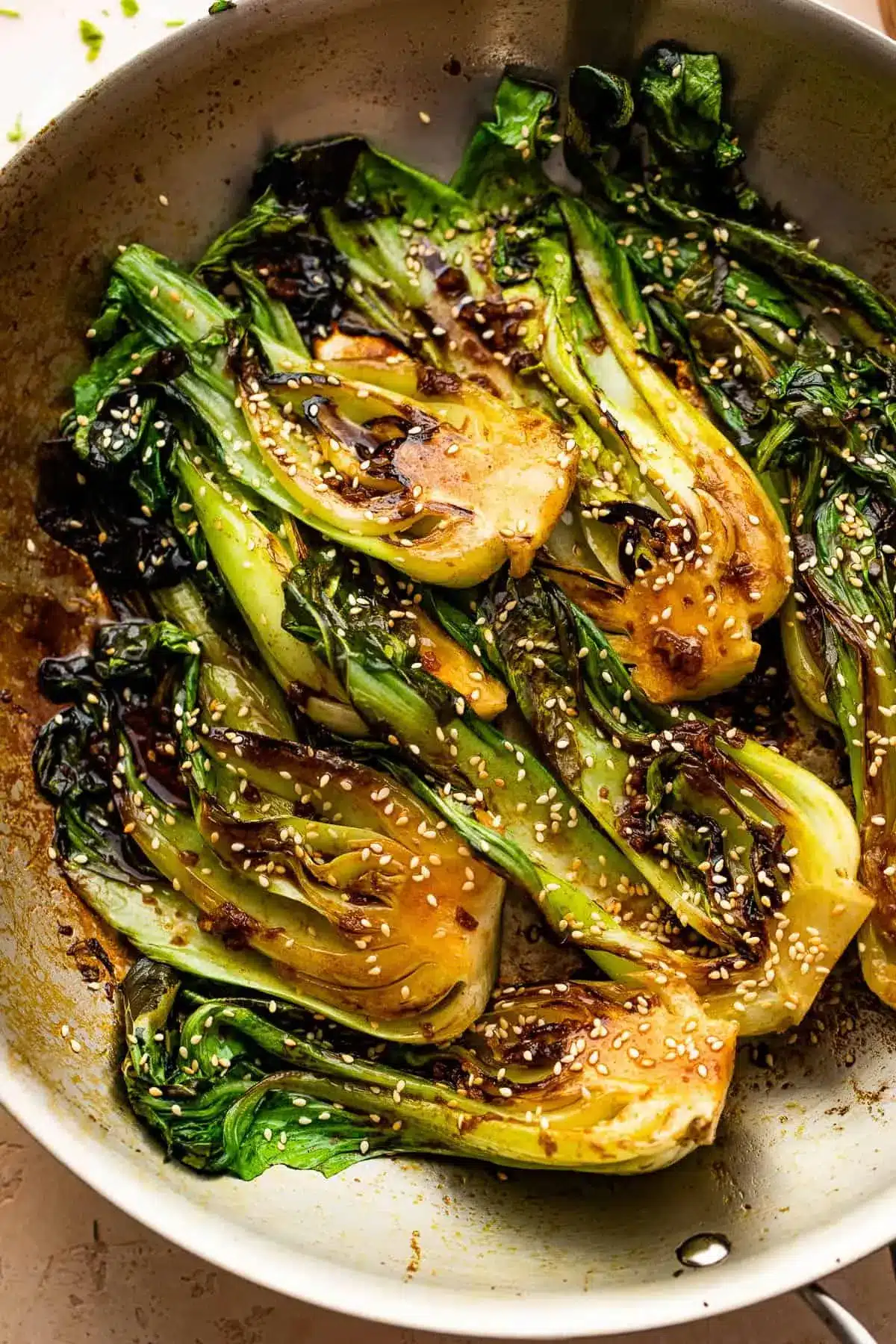
Embarking on a culinary adventure with baby bok choy is a delightful journey into the heart of vibrant, fresh flavors. This humble green, often found gracing the tables of Asian households, offers a unique texture and a subtle sweetness that can transform any meal into something truly special. Its crisp stalks and tender leaves are a testament to the beauty of simple, wholesome ingredients prepared with care.
This particular preparation elevates baby bok choy to a starring role, transforming it into a crave-worthy side dish that perfectly complements a wide array of main courses. Imagine the satisfying crunch, followed by a burst of savory, garlicky goodness – it’s an experience that will have you reaching for seconds before you know it.
Why You Will Love This Recipe
- Effortless Elegance: This recipe transforms simple baby bok choy into a sophisticated and delicious side dish with minimal effort, perfect for busy weeknights or impressive dinner parties.
- Flavor Explosion: The warm garlic dressing, infused with soy sauce, sesame oil, and a hint of sriracha, creates a complex and addictive flavor profile that awakens the palate.
- Speedy Preparation: From start to finish, this dish comes together in under 15 minutes, making it an ideal last-minute addition to any meal.
- Versatile Pairing: Its clean, bright flavors make it a fantastic accompaniment to a vast range of proteins, from grilled fish to roasted chicken and hearty beef dishes.
- Nutrient-Rich Goodness: Packed with vitamins and minerals, baby bok choy offers a healthy and delicious way to increase your vegetable intake without compromising on taste.
Ingredients You Need
The magic of this baby bok choy recipe lies in its ability to highlight the natural beauty of fresh, quality ingredients. By choosing vibrant, firm baby bok choy and pairing it with aromatic garlic, savory soy sauce, and toasted sesame oil, we create a symphony of flavors that is both comforting and exciting. The slight kick from sriracha and the tang of rice vinegar and lime juice add layers of complexity that will leave you wanting more, proving that simple can indeed be extraordinary.
Baby Bok Choy with Warm Garlic Dressing
A delicious side dish of crisp-tender sautéed baby bok choy tossed with a savory Asian-style sauce made with garlic, soy sauce, sesame oil, and sriracha.
- 3 tablespoons vegetable oil
- 4 pieces (about 1.5 pounds total) baby bok choy, halved longwise
- 1 tablespoon vegetable oil
- 3 cloves garlic, minced
- 4 tablespoons low sodium soy sauce
- 1 to 2 tablespoons sriracha sauce
- 1 tablespoon rice vinegar
- 1 tablespoon lime juice
- 1 tablespoon sesame oil
- 1 tablespoon toasted sesame seeds, for garnish
- 1Heat 3 tablespoons vegetable oil in a large skillet set over medium-high heat.
- 2Add the halved bok choy pieces to the skillet, cut side down; cook for 2 minutes.
- 3Turn over the bok choy and cook for a minute. Add more oil, if needed.
- 4Cover and continue to cook for about 3 to 4 minutes, or until crisp-tender. Turn the bok choy a couple times while cooking.
- 5Remove bok choy from the skillet and set aside.
- 6Return skillet to the heat and add a tablespoon of vegetable oil.
- 7Stir in the minced garlic and cook for 20 seconds, or until fragrant.
- 8Add soy sauce, sriracha, rice vinegar, lime juice, and sesame oil; whisk until well combined.
- 9Cook for 1 minute, or just until the sauce starts to thicken. Remove from heat.
- 10Drizzle or brush the sauce over the bok choy. Garnish with sesame seeds. Serve.
Keywords: bok choy, side dish, asian, vegetarian, quick, easy, garlic, soy sauce, sriracha
The full list of ingredients and their precise measurements can be found within the provided recipe card. Remember, the key to this dish is freshness, so select the best baby bok choy you can find.
Variations
For those following a plant-based lifestyle, transforming this dish into a vegan delight is incredibly simple. Begin by ensuring your soy sauce is indeed vegan-friendly, or opt for coconut aminos for a delightful alternative. The core flavors remain, offering a satisfying and nutritious option that is entirely plant-powered.
If you are looking to reduce your carbohydrate intake, this recipe adapts beautifully. Focus on the bok choy and the dressing, perhaps by slightly increasing the amount of lime juice or adding a touch of fresh ginger to the garlic base. This approach keeps the flavor profile vibrant while minimizing the carbohydrate count, making it a perfect fit for a low-carb diet.
Another exciting variation involves introducing a touch of sweetness and heat. Consider adding a drizzle of honey or maple syrup to the dressing for a sweet and savory glaze, or experiment with different chili pastes like gochujang for a deeper, fermented heat. These subtle adjustments can unlock entirely new dimensions of flavor, making the dish endlessly adaptable to your personal preferences.
How to Prepare baby bok choy recipe
Step 1: Prepare the Baby Bok Choy
Begin by carefully rinsing the baby bok choy under cool running water. This step is crucial for removing any lingering soil or grit that might be trapped between its crisp leaves and sturdy stalks. Gently separate the stalks to ensure thorough cleaning, paying close attention to the base where dirt tends to accumulate the most.
Once thoroughly cleaned, trim away the very bottom of the root end, being careful not to detach the individual stalks from one another. This will help the bok choy maintain its beautiful structure during the cooking process. For larger baby bok choy or if you prefer smaller pieces, you can then slice the entire head in half lengthwise, or even into quarters if they are particularly robust.
Ensure that all excess water is shaken off or gently patted dry with a clean kitchen towel or paper towels. This dryness is essential for achieving that perfect sauté, preventing the bok choy from steaming rather than searing, and ultimately contributing to a superior texture and a more appealing presentation. The preparation is simple yet foundational for a successful outcome.
Step 2: Achieve the Perfect Sauté
Heat a generous amount of your chosen cooking oil, such as vegetable or avocado oil, in a large, heavy-bottomed skillet over medium-high heat. It’s important to have enough oil to coat the bottom of the pan adequately, as this will facilitate the searing process and prevent sticking. Allow the oil to shimmer, indicating it has reached the optimal temperature for cooking.
Carefully arrange the prepared baby bok choy halves, cut-side down, into the hot skillet. You should hear a satisfying sizzle as they make contact with the hot surface. Allow them to cook undisturbed for approximately two minutes, allowing a beautiful golden-brown sear to develop on the cut surfaces, which adds depth of flavor and a delightful textural contrast.
After the initial searing, gently flip each piece of bok choy to cook the other side for about one minute. Resist the urge to stir or move them around excessively during this phase; allowing them to caramelize properly is key to unlocking their inherent sweetness and creating a delightful char. This initial sauté builds the foundation for the textures and flavors to come.
Step 3: Steaming to Crisp-Tender Perfection
Once the initial sauté has imparted a beautiful color to the bok choy, it’s time to introduce a gentle steaming process. This will ensure that the stalks become tender while retaining a pleasant, crisp bite, avoiding any mushiness. Carefully cover the skillet with a tight-fitting lid, effectively trapping the steam generated by the residual moisture and heat.
Allow the bok choy to steam for approximately three to four minutes. During this short period, the heat and moisture will work to soften the fibrous stalks, making them enjoyable to eat while preserving their vibrant green color and refreshing crunch. The exact timing may vary slightly depending on the size and thickness of your baby bok choy, so a visual check is always beneficial.
While the bok choy steams, you can carefully turn the pieces once or twice to ensure even cooking and exposure to the steam. This gentle turning helps to distribute the heat and moisture effectively. The goal is to achieve a state where the stalks are tender when pierced with a fork but still offer a slight resistance, indicating they are perfectly crisp-tender and ready for the next stage of flavor development.
Step 4: Crafting the Irresistible Garlic Dressing
With the bok choy perfectly cooked and set aside, it’s time to create the star of the show: the warm garlic dressing. In the same skillet used for cooking the bok choy, add another tablespoon of your chosen cooking oil if the pan appears dry. Ensure the skillet is still warm over medium heat, as this will help release the fragrant aromas of the garlic.
Add the minced fresh garlic to the skillet and stir it constantly for about 20-30 seconds. Be extremely careful not to burn the garlic, as this will impart a bitter flavor to the dressing; you are looking for it to become fragrant and lightly golden, not dark brown. The scent of sautéing garlic is a powerful indicator of its readiness.
Immediately after the garlic becomes fragrant, introduce the liquid ingredients to the skillet. Pour in the low-sodium soy sauce, sriracha sauce for that essential kick, rice vinegar for a touch of acidity, fresh lime juice for brightness, and the rich, nutty sesame oil. Whisk these components together vigorously to emulsify them into a cohesive and aromatic sauce.
Step 5: Uniting Flavors and Finishing Touches
Allow the newly combined dressing to simmer gently in the skillet for about one minute. This brief cooking period allows the flavors to meld together beautifully and the sauce to thicken slightly, creating a more luscious texture. You’ll notice the aroma intensifying, signaling that the dressing is developing its full potential.
Once the dressing has reached your desired consistency and the flavors have harmonized, remove the skillet from the heat. This prevents any further cooking and ensures the dressing remains vibrant and fresh. It’s now ready to be applied to the perfectly cooked baby bok choy, transforming it from a simple vegetable into a culinary delight.
Carefully arrange the cooked baby bok choy on a serving platter or individual plates. Then, generously drizzle or brush the warm garlic dressing all over the bok choy, ensuring each piece is coated in the savory goodness. For a final flourish and an extra textural element, sprinkle toasted sesame seeds over the top. Serve immediately while warm to fully appreciate its exquisite flavors and textures.
Step 6: Garnish and Serve with Flair
The final step in presenting this exquisite baby bok choy dish involves adding those small touches that elevate it from good to truly outstanding. The toasted sesame seeds are not just for visual appeal; they add a delightful nutty crunch that complements the tender bok choy and the rich dressing beautifully.
Ensure the seeds are evenly distributed across the dish, allowing each bite to benefit from their presence. This garnishing step is quick but makes a significant impact on both the aesthetic and gustatory experience of the dish, demonstrating that presentation is as important as preparation in creating a memorable meal.
Serve this baby bok choy recipe immediately. Its warmth, vibrant colors, and enticing aroma are best enjoyed fresh. It stands proudly as a fantastic accompaniment to a wide variety of main courses, adding a healthy, flavorful, and visually appealing element to any dining occasion. Prepare to receive compliments on this simple yet sophisticated creation.
Pro Tips for baby bok choy recipe
- Rinse Thoroughly: Always give your baby bok choy a good wash under cool water before cooking. Grit can hide in the nooks and crannies, so a thorough rinse ensures a clean, pleasant bite every time.
- Prep All Ingredients: This dish cooks very quickly, so have your garlic minced, soy sauce measured, and other dressing ingredients ready to go before you even start cooking the bok choy. This “mise en place” approach prevents any part of the dish from overcooking.
- Avoid Overcrowding: When sautéing, cook the baby bok choy in batches if necessary. Overcrowding the pan will cause the vegetables to steam rather than sear, leading to a less desirable texture and flavor.
- Adjust Spice Level: The sriracha can be adjusted to your personal preference. For a milder heat, use less, or for a spicier kick, add a little more. Alternatively, a touch of sweet chili sauce can be used for a sweeter, less intense heat.
- Don’t Overcook: Baby bok choy is best when it’s crisp-tender. Overcooking will result in a limp, unappealing texture. Keep a close eye on it during the steaming phase and cook just until tender.
Serving Suggestions for baby bok choy recipe
Decoration
Beyond the essential toasted sesame seeds, consider a final flourish to make your baby bok choy visually stunning. A light sprinkle of finely chopped fresh chives or cilantro can add a pop of vibrant green and a fresh, herbaceous aroma. Thinly sliced red chili peppers, if you enjoy a bit more heat and color, can also be artfully arranged on top for an attractive presentation.
For an extra touch of elegance, a tiny drizzle of a contrasting sauce, like a mild teriyaki glaze or even a touch of hoisin sauce, can create beautiful patterns across the dish. The key is to add these decorative elements just before serving to maintain their freshness and visual impact, making your dish as appealing to the eyes as it is to the palate.
Side Dishes
This versatile baby bok choy dish shines as a perfect accompaniment to a wide variety of main courses. It pairs exceptionally well with richer, heavier proteins such as baked lemon chicken or any form of stir-fried beef, where its crispness and fresh flavor cut through the richness. The vibrant green also provides a beautiful color contrast on the plate, making your entire meal more appealing.
Consider serving it alongside other Asian-inspired dishes to create a cohesive and flavorful meal. It’s an excellent partner to dishes like easy lobster bisque for a more sophisticated pairing, or complement it with a simple bowl of steamed rice to soak up any extra delicious dressing. The clean flavors of the bok choy make it adaptable to almost any culinary theme.
For a well-rounded and satisfying dinner, think about pairing it with a protein that offers a different texture. Grilled fish, crispy tofu, or even succulent pork chops would benefit from the refreshing crunch and savory notes of this bok choy preparation. It’s a side dish that truly enhances, rather than competes with, the main event.
Creative Serving Ideas
Elevate your everyday meals by incorporating this baby bok choy into more elaborate dishes. For a quick and satisfying lunch, finely chop the cooked bok choy and stir it into a bowl of ramen noodles or a flavorful noodle soup, adding both texture and nutrition. It can also be chopped and added to fried rice for an extra layer of fresh vegetable goodness.
Consider using the cooked bok choy as a base for a light, refreshing salad. Toss the cooled, chopped bok choy with a light vinaigrette, perhaps a sesame-ginger dressing, and add some edamame, shredded carrots, and toasted almonds for a delightful crunch and a complete, healthy meal. The inherent crispness of the bok choy makes it an ideal salad component.
For a more adventurous approach, try layering the sautéed baby bok choy into spring rolls or lettuce wraps. The crisp texture and savory dressing will provide a wonderful contrast to the other fillings, offering a burst of flavor and a satisfying crunch in every bite. This showcases the versatility of this simple vegetable preparation.
Preparation & Storage
Storing Leftovers
Should you be fortunate enough to have any leftover baby bok choy, proper storage is key to maintaining its quality. Transfer any remaining portions into an airtight container. This will prevent the vegetables from drying out and will also help to prevent the absorption of any unwanted odors from other foods in your refrigerator.
Refrigerate the container promptly. The baby bok choy will remain at its best for up to three days when stored in this manner. While it’s always ideal to consume dishes fresh, proper storage will ensure that your leftovers are still enjoyable and safe to eat within this timeframe.
It’s worth noting that the texture might soften slightly with storage, but the flavors will largely remain intact. For the best eating experience, try to consume them within the first two days after refrigerating.
Freezing
Freezing cooked baby bok choy is generally not recommended if you want to maintain its optimal texture. The delicate nature of the leaves and the crispness of the stalks are significantly compromised by the freezing and thawing process, often resulting in a mushy and watery consistency.
If you absolutely must freeze it, it’s best to do so immediately after cooking and cooling. Pack the bok choy tightly into freezer-safe containers or bags, removing as much air as possible to prevent freezer burn. However, be prepared for a considerable change in texture upon thawing and reheating.
For dishes where texture is less critical, or if you plan to incorporate the thawed bok choy into a soup or stew where it will be further cooked, freezing might be a viable option. Otherwise, it is best to enjoy this dish fresh or store it in the refrigerator for a few days.
Reheating
Reheating leftover baby bok choy is best done gently to preserve its remaining crispness and flavor. The most effective method is to use a skillet. Place the leftover bok choy in a covered skillet over low heat.
Add a tablespoon or two of water or a little extra of the prepared dressing if you have it on hand. Cover the skillet and allow the bok choy to heat through gently for a few minutes. This steaming method helps to revive the vegetable without overcooking it or making it soggy.
Avoid microwaving if possible, as this can often lead to uneven heating and a less desirable texture. If microwaving is your only option, use short intervals and stir frequently to ensure it heats evenly. The goal is simply to warm it through, not to cook it further, ensuring you can still enjoy its delightful texture.
Frequently Asked Questions
- Can I use regular (larger) bok choy instead of baby bok choy?
Yes, you absolutely can use larger, mature bok choy for this recipe, but a few adjustments might be necessary. The larger stalks are generally tougher and have a more pronounced stem. When preparing, trim off any tough, woody ends from the base more thoroughly. You may also need to cut the bok choy into larger segments, perhaps 3-4 inches long, to ensure even cooking. The cooking time will likely be slightly longer, so keep an eye on it to ensure it reaches that perfect crisp-tender stage without becoming mushy. The dressing, however, will still work beautifully with the mature variety, providing that signature savory and aromatic flavor.
- What can I substitute for sriracha if I don’t like spicy food?
If you’re not a fan of spicy food or simply don’t have sriracha on hand, there are several excellent substitutes that can maintain the flavor profile of the dressing. A fantastic alternative is sweet chili sauce; it offers a touch of sweetness and a mild heat that complements the other ingredients wonderfully. Another option is to simply omit the sriracha and add a little extra lime juice or rice vinegar for more tang. For a different kind of mild heat and flavor, a small amount of finely diced red bell pepper can be sautéed with the garlic, or a pinch of red pepper flakes (used very sparingly) can provide a subtle warmth without the aggressive spice of sriracha.
- Why is my baby bok choy watery or mushy after cooking?
The most common reason for watery or mushy baby bok choy is overcrowding the pan or cooking it for too long. When the pan is overcrowded, the bok choy releases its moisture and steams instead of searing, leading to a limp texture. Ensure you cook the bok choy in batches if necessary, allowing each piece adequate space to make contact with the hot pan for that initial sear. Additionally, be mindful of the steaming time; baby bok choy cooks very quickly. Aim for crisp-tender, not completely soft. Checking its tenderness with a fork after a few minutes of steaming is crucial to avoid overcooking and maintain its delightful crunch.