Pasta Fagioli – Classic Italian Beans and Pasta Soup
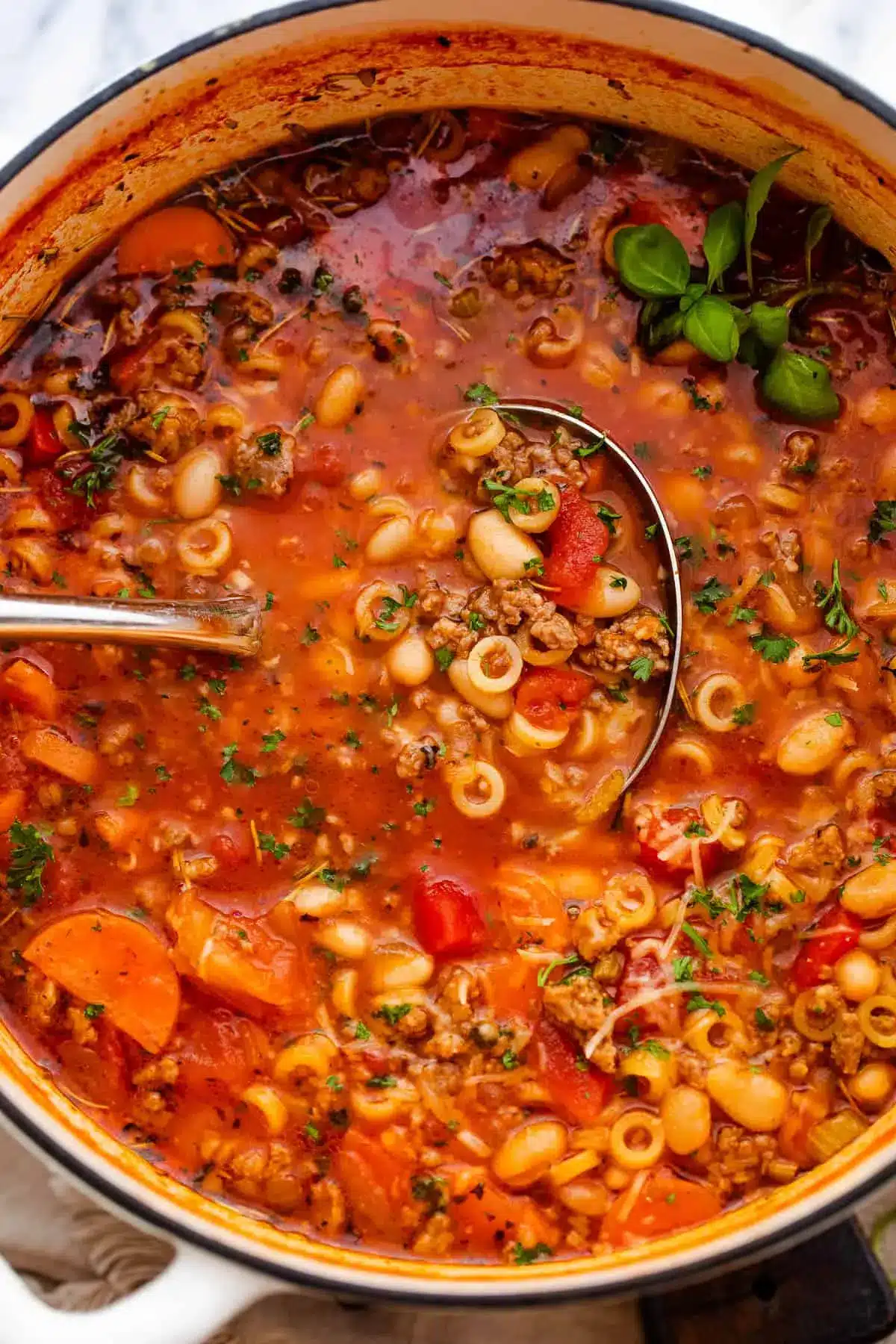
As the leaves begin to turn and a crispness fills the air, there’s an undeniable urge to gather in the kitchen and create something warm, comforting, and deeply satisfying. This Pasta Fagioli soup is precisely that kind of dish, a classic Italian embrace in a bowl that promises to nourish both body and soul.
It’s a recipe that sings of tradition, of simple ingredients coming together to create something truly magical. Get ready to be enchanted by its rich flavors and hearty texture.
Why You Will Love This Recipe
- Authentic Italian Flavors: Experience the genuine taste of Italy with a recipe perfected over generations, delivering a rich and savory broth that’s truly irresistible.
- Hearty and Wholesome: Packed with tender beans, delightful pasta, and a medley of vegetables, this soup offers a complete and satisfying meal that will keep you full and happy.
- Versatile for Any Occasion: Whether it’s a chilly weeknight dinner or a comforting weekend lunch, Pasta Fagioli is always the perfect choice, adaptable to your preferences.
- Easy to Customize: With simple suggestions for variations, you can easily tailor this soup to suit dietary needs or to incorporate your favorite ingredients, making it uniquely yours.
- Remarkable Aroma: The moment you start cooking, your kitchen will be filled with an intoxicating aroma of simmering vegetables, herbs, and savory sausage, hinting at the deliciousness to come.
Ingredients You Need
The foundation of any truly exceptional dish lies in the quality of its ingredients. For this Pasta Fagioli, we’re focusing on fresh, wholesome components that will meld together to create a symphony of flavors. While the recipe calls for specific items, don’t hesitate to explore local markets for the freshest produce to elevate your soup even further.
Pasta Fagioli Soup
Tender white beans, wholesome pasta, flavorful smoked sausage, and a savory broth make this classic Italian soup a family favorite.
- 2 tablespoons olive oil, divided
- 1 pound spicy or sweet Italian sausage, removed from casings
- 1 small yellow onion, finely chopped
- 3 celery ribs, thinly sliced
- 2 carrots, diced
- 4 cloves garlic, minced
- 2 tablespoons tomato paste
- Salt and Freshly ground black pepper
- 2 cans (15 ounces each) great northern beans, drained and rinsed
- 1 can (15 ounces) diced tomatoes
- 1 can (8 ounces) tomato sauce
- 6 to 8 cups low sodium chicken broth
- 2 teaspoons sugar
- 1 teaspoon dried crushed rosemary
- 1 teaspoon dried basil
- 1 teaspoon dried oregano
- 1 teaspoon dried thyme
- 1-½ cups ditalini pasta, or any other small shaped pasta
- Freshly grated Parmesan, for garnish
- Freshly chopped parsley, for garnish
- 1Heat 1 tablespoon olive oil in a Dutch oven or a large deep pot set over medium heat.
- 2Add sausage and cook, breaking up with a wooden spoon; cook for about 5 minutes, or until cooked through.
- 3Transfer cooked sausage to a plate and set aside.
- 4Heat remaining tablespoon of olive oil in the same pot.
- 5Stir in the onions, celery, and carrots; cook for 5 minutes.
- 6Add garlic and cook for 20 seconds, or until fragrant. Stir in the tomato paste. Season with salt and pepper.
- 7Add in beans, diced tomatoes, tomato sauce, and chicken broth.
- 8Stir in the sugar, rosemary, basil, oregano, thyme, and previously cooked sausage; increase heat and bring to a boil.
- 9Once boiling, stir in the pasta and reduce heat to medium.
- 10Cook for 8 minutes, or until pasta is al dente.
- 11Taste soup for seasonings and adjust accordingly. Remove from heat.
- 12Ladle into soup bowls and garnish with freshly grated parmesan and parsley.
Keywords: Soup, Italian, Sausage, Beans, Pasta, Dinner, Comfort Food
These quantities are a guide; the precise measurements are detailed in the provided recipe card for your convenience.
Variations
The beauty of a classic like Pasta Fagioli lies in its inherent adaptability. While this recipe provides a delightful foundation, exploring variations can lead to even more exciting flavor profiles and cater to specific dietary preferences.
Vegetarian Delight: To transform this into a vibrant vegetarian masterpiece, simply omit the Italian sausage. You can boost the umami flavor by sautéing the vegetables in a bit more olive oil and adding a splash of balsamic vinegar or a pinch of smoked paprika to the broth. Consider adding a bay leaf to the simmering pot for an extra layer of aromatic complexity. This approach ensures a hearty and satisfying plant-based meal.
Low-Carb Adaptation: For those mindful of carbohydrates, the pasta can be the ingredient to adjust. Consider omitting it entirely, or replacing it with small pieces of zucchini or cauliflower florets that will soften in the broth. You could also opt for a high-fiber legume alternative like lentils, which will add a different but equally pleasing texture and nutritional boost. Be mindful that these substitutions might alter the cooking time slightly.
Spicy Kick: If you enjoy a bit of heat, consider using spicy Italian sausage as the base. Alternatively, you can introduce a pinch of red pepper flakes along with the garlic and tomato paste. A dash of hot sauce stirred in just before serving can also provide that extra fiery zest. For those who love an intense heat, consider adding a diced jalapeño or serrano pepper to the initial sauté with the onions, celery, and carrots.
How to Prepare Pasta Fagioli Soup Recipe
Step 1: Searing the Sausage and Building the Flavor Base
Begin by heating one tablespoon of rich olive oil in a substantial Dutch oven or a large, deep soup pot over medium heat. This initial step is crucial for rendering the fat from the sausage and creating a flavorful foundation for the entire soup. Once the oil is shimmering, add your pound of Italian sausage, whether it’s spicy or sweet, removed from its casings.
As the sausage begins to cook, take a sturdy wooden spoon and break it up into smaller, bite-sized pieces. Allow it to brown beautifully, developing a lovely crust and releasing its savory essence into the pot. This process typically takes about five minutes, transforming the raw meat into golden-brown morsels. Once perfectly cooked and browned, carefully transfer the sausage to a separate plate, leaving any rendered fat behind in the pot, as this fat is a treasure trove of flavor.
In that same pot, now infused with the essence of the sausage, add the remaining tablespoon of olive oil if needed. Introduce your finely chopped small yellow onion, thinly sliced celery ribs, and diced carrots. Sauté these aromatic vegetables for approximately five minutes, stirring occasionally until they begin to soften and become slightly translucent. This gentle cooking process mellows their raw bite and starts to build the sweet and savory backbone of your soup.
Next, add the minced garlic to the pot. Cook for about 20 seconds, just until it becomes fragrant; be careful not to let it burn, as burnt garlic can impart a bitter taste. Stir in the tomato paste, coating the vegetables and cooking it for a minute or two. This step caramelizes the tomato paste slightly, deepening its flavor and adding a rich, concentrated tomato essence to the mix. Season generously with salt and freshly ground black pepper at this stage to start enhancing all the developing flavors.
Step 2: Introducing the Liquids and Hearty Components
Now, it’s time to bring all the delicious elements together. Add the drained and rinsed great northern beans to the pot, ensuring they are evenly distributed amongst the softened vegetables. Pour in the can of diced tomatoes, juice and all, which will contribute both texture and a bright tomato flavor. Follow with the can of tomato sauce, providing a smooth, rich tomato base that will enrich the broth.
Pour in your low-sodium chicken broth; start with 6 cups, but have an extra 2 cups on standby. This liquid will form the body of your soup, carrying all the individual flavors. Stir in the sugar; this may seem unusual, but a touch of sweetness balances the acidity of the tomatoes and enhances the savoriness of the other ingredients, including the sausage and beans. Don’t underestimate the power of this simple addition to round out the flavor profile.
Next, introduce the dried herbs: the fragrant crushed rosemary, aromatic basil, earthy oregano, and subtle thyme. If you prefer, you can also use a pre-mixed Italian seasoning blend. Stir in the previously cooked and set-aside Italian sausage. Increase the heat under the pot and bring the entire mixture to a rolling boil, allowing all the flavors to meld together vigorously for a few moments.
Step 3: Cooking the Pasta to Perfection
Once the soup has reached a robust boil, it’s time to add the pasta. Stir in your 1 ½ cups of ditalini pasta, or any other small-shaped pasta you have on hand, ensuring it’s fully submerged in the broth. The key here is to cook the pasta until it is perfectly al dente, meaning it should have a slight bite to it and not be mushy. Mushy pasta can detract from the overall texture of the soup, so keep a close eye on it.
Immediately after adding the pasta, reduce the heat to medium. This will maintain a steady simmer, allowing the pasta to cook evenly without overcooking. Simmer the soup for approximately 8 minutes, or until the pasta reaches that ideal al dente stage. During this time, the pasta will absorb some of the delicious broth, becoming infused with its savory flavors. Stir occasionally to prevent the pasta from sticking to the bottom of the pot or clumping together.
As the pasta cooks, the soup will naturally thicken. If you find the soup becoming too thick for your liking during this simmering stage, don’t hesitate to add some of the extra chicken broth you set aside earlier. Stir it in gradually until you reach your desired consistency. Remember, the soup will thicken slightly more as it cools, so aim for a consistency that is pleasing to you right now.
Step 4: Final Seasoning and Resting
Once the pasta has achieved its perfect al dente texture, it’s time for the crucial step of tasting and adjusting the seasonings. Carefully taste a spoonful of the soup, paying attention to the balance of salt, pepper, and other flavors. This is your opportunity to make any necessary adjustments to ensure the soup is absolutely perfect for your palate. Add more salt if it needs a savory boost, or a grind of fresh black pepper for a touch of warmth.
Consider adding a pinch of sugar if the tomato acidity is too pronounced, or a splash of white wine vinegar for brightness if it tastes a little flat. Some people even like a tiny pinch of cayenne pepper for a subtle warmth that doesn’t overpower the other flavors. This meticulous tasting and adjustment phase is what elevates a good soup to an extraordinary one. Remember that flavors can intensify as the soup sits, so err on the side of caution with potent additions.
After you’ve perfected the seasoning, remove the pot from the heat. Allowing the soup to rest for about 5 to 10 minutes before serving is a small but significant step. This resting period allows the flavors to meld and deepen further, ensuring every spoonful is a harmonious blend. It also gives the pasta a chance to fully absorb some of the broth, contributing to a richer texture and more integrated flavor profile.
Step 5: Serving with Flair
Now for the best part: serving your magnificent Pasta Fagioli. Ladle generous portions of the steaming, aromatic soup into warm soup bowls. The vibrant colors of the tomatoes, beans, and pasta should be visually appealing, a testament to the fresh ingredients you’ve used.
Garnish each bowl with a sprinkle of freshly grated Parmesan cheese. The salty, nutty flavor of the Parmesan melts slightly into the hot soup, adding a luxurious creaminess and a delightful savory depth. Follow this with a scattering of freshly chopped parsley. The bright green herbs add a pop of color and a fresh, slightly peppery note that cuts through the richness of the soup, providing a perfect finishing touch.
Serve immediately while the soup is piping hot and the garnishes are at their freshest. This classic Italian soup is best enjoyed right after it’s made, allowing you to savor the warmth and the intricate layering of flavors. Accompany it with crusty bread for dipping, and you have a meal that is both comforting and profoundly satisfying.
Step 6: Elevating with Optional Additions
To truly make this Pasta Fagioli your own, consider a few optional enhancements that can take it from delicious to absolutely sublime. One wonderful addition is a small piece of Parmesan rind. Toss it into the pot during the simmering stage (Step 3) and remove it just before serving. The rind slowly infuses the broth with an incredible depth of umami flavor that is both complex and comforting, a secret weapon for many Italian home cooks.
Another fantastic option for enhancing richness is to swirl in a tablespoon of good quality extra virgin olive oil into each bowl just before serving. This adds a fruity, slightly peppery finish that brightens the soup and adds a luxurious mouthfeel. A small drizzle of balsamic glaze can also offer a delightful tangy contrast to the savory elements. Experimentation is key to finding your personal perfect Pasta Fagioli.
For those who enjoy a bit more texture, a handful of toasted croutons or a sprinkle of crispy fried shallots can be added as a final garnish. This provides a pleasing crunch against the soft pasta and beans. Alternatively, a dollop of pesto can introduce a fresh, herbaceous note that complements the tomato and sausage beautifully. These thoughtful additions transform a classic soup into a culinary experience.
Pro Tips for Pasta Fagioli Soup Recipe
Ingredient Quality Matters: While this recipe is forgiving, using high-quality canned beans like Great Northern or cannellini will make a noticeable difference in texture and flavor. Likewise, a good quality chicken or vegetable broth provides a superior base compared to bouillon cubes.
Don’t Overcook the Pasta: Pasta absorbs liquid as it cooks and sits in the soup. Cook it until it’s just al dente in the soup itself; it will continue to soften as the soup rests. Overcooked pasta can make the soup gummy and less appealing.
Taste and Adjust: The salt content in canned beans and broth can vary greatly. Always taste your soup before serving and adjust seasoning accordingly. A pinch of sugar can balance tomato acidity, and a squeeze of lemon juice can brighten dull flavors.
Embrace the Aromatics: The initial sautéing of the onions, celery, and carrots is crucial for building depth. Don’t rush this step; allow them to soften and become fragrant to release their full flavor potential into the soup.
Make Ahead Magic: Pasta Fagioli often tastes even better the next day as the flavors have more time to meld. If making ahead, consider cooking the pasta separately and adding it just before serving to maintain its optimal texture. You can always reheat the broth and beans with fresh pasta.
Serving Suggestions for Pasta Fagioli Soup Recipe
Decoration
Garnishes are the final flourish that elevates any dish, and Pasta Fagioli is no exception. The classic combination of freshly grated Parmesan cheese and a scattering of vibrant, finely chopped fresh parsley provides both visual appeal and an explosion of complementary flavors. The Parmesan adds a salty, savory richness that melts beautifully into the warm broth, while the parsley offers a bright, herbaceous counterpoint that cuts through the soup’s heartiness.
For an extra touch of elegance, consider a delicate drizzle of high-quality extra virgin olive oil over the top of each bowl just before serving. This not only adds a beautiful sheen but also imparts a subtle peppery fruitiness that enhances the overall aroma and taste profile. A tiny swirl of pesto can also be a delightful addition, introducing a fresh, garlicky basil note that harmonizes wonderfully with the tomato and bean base. Don’t be afraid to get creative with your toppings.
A few toasted pine nuts or even a light sprinkle of red pepper flakes can offer textural contrast and a hint of warmth, respectively. The goal is to add elements that enhance, rather than overpower, the comforting flavors of the soup. Each small addition can transform the dining experience, making your Pasta Fagioli a truly memorable meal.
Side Dishes
Pasta Fagioli, being a hearty and substantial soup, pairs beautifully with a variety of side dishes that complement its comforting nature. Crusty Italian bread, whether it’s a rustic baguette or a softer focaccia, is an absolute must for soaking up every last drop of the delicious broth. The porous texture of good bread is perfect for this task, turning a simple soup into a complete and satisfying meal.
For a lighter, more refreshing contrast, a simple green salad dressed with a vinaigrette is an excellent choice. This provides a crisp, acidic element that balances the soup’s richness. Consider a salad featuring mixed greens, cherry tomatoes, and perhaps some shaved red onion for a pleasant bite. The combination of warm, savory soup and cool, crisp salad is a time-honored culinary delight.
Alternatively, a side of cheesy garlic bread offers a more indulgent pairing, doubling down on the comforting flavors. If you’re looking for something a bit different, consider serving it with a small portion of [https://easycookfeed.com/baked-lemon-chicken/]. The bright, zesty notes of the chicken can be a delightful counterpoint to the earthy depth of the soup.
Creative Serving Ideas
Take your Pasta Fagioli experience to the next level with some inventive serving ideas that cater to different occasions and preferences. For a more formal dinner party, serve the soup in small, elegant bowls as a starter course, allowing guests to savor its complex flavors before the main event. Garnish each serving with a single fresh basil leaf or a sprig of rosemary for a sophisticated touch.
For a casual family gathering or a potluck, consider serving the soup buffet-style. Offer a selection of toppings on the side, such as extra Parmesan cheese, a variety of chopped fresh herbs, crispy pancetta bits, or even a small bowl of Calabrian chili paste for those who crave extra heat. This allows everyone to customize their bowl to their exact liking, fostering a fun and interactive dining experience.
Another unique approach is to serve Pasta Fagioli as part of a themed Italian meal. Pair it with other classic [https://easycookfeed.com/category/dinner/] dishes like a simple Caprese salad or a lemon-herb roasted chicken. For a lighter meal, it could be an excellent companion to [https://easycookfeed.com/german-pancake-recipe/], offering a hearty savory balance to the sweet pancake.
Preparation & Storage
Storing Leftovers
The wonderful news is that Pasta Fagioli soup stores exceptionally well, and its flavors often deepen and meld beautifully overnight. To store your leftovers, allow the soup to cool down to room temperature before transferring it to airtight containers. Glass containers are ideal as they don’t absorb odors and are easy to clean. Ensure the lids are sealed tightly to prevent any air from entering, which can contribute to spoilage or freezer burn if stored long-term.
Refrigerate the soup within two hours of cooking. Properly stored leftovers can be enjoyed for up to 3 to 4 days. When you’re ready to reheat, it’s best to do so gently to preserve the texture of the beans and pasta. Keep in mind that the pasta will continue to absorb liquid, so you might need to add a splash of broth or water when reheating to achieve your desired consistency.
Avoid the temptation to leave the soup at room temperature for extended periods, as this can encourage bacterial growth. Always err on the side of caution when it comes to food safety. If you’re unsure about the freshness of leftovers, it’s always best to discard them rather than risk illness. Proper storage is key to enjoying this delicious soup for days to come.
Freezing
Pasta Fagioli is an excellent candidate for freezing, making it a perfect make-ahead meal for those busy days. Once the soup has cooled completely, portion it into freezer-safe containers or heavy-duty freezer bags. It’s often beneficial to leave a little headspace in the containers, as liquids expand when frozen. Label each container with the date and contents to keep track of your freezer inventory.
When freezing, consider the pasta. While it does freeze reasonably well, it can become slightly softer upon thawing and reheating. For the absolute best texture, you can opt to freeze the broth, beans, and sausage mixture separately from the pasta. Then, cook fresh pasta just before you plan to reheat and serve the soup. However, for convenience, freezing it all together is perfectly acceptable for most home cooks.
Properly frozen Pasta Fagioli can be stored for up to 3 months without a significant loss in quality. Beyond that, while it might still be safe to eat, the texture and flavor might begin to degrade. Thawing should ideally be done overnight in the refrigerator to ensure even thawing and to minimize the risk of bacterial growth. Avoid thawing at room temperature.
Reheating
Reheating your delicious Pasta Fagioli is a straightforward process that brings the comforting flavors back to life. The best method for reheating is on the stovetop, as it allows for controlled heating and the ability to adjust consistency. Place the desired portion of chilled soup into a saucepan and set it over medium-low heat.
Stir the soup occasionally as it heats to prevent sticking and ensure even warming. If the soup appears too thick due to the pasta absorbing more liquid during storage or thawing, gradually add a splash of water or chicken broth until you reach your preferred consistency. This will help to loosen the soup and bring it back to its original heartwarming flow.
Alternatively, you can reheat the soup in the microwave. Place the soup in a microwave-safe bowl and heat on medium power, stirring every minute or so, until it is heated through. Be cautious not to overheat, which can cause the soup to boil vigorously and potentially scorch. Whichever method you choose, ensure the soup is piping hot before serving, usually reaching an internal temperature of 165°F (74°C).
Frequently Asked Questions
- Can I use dried beans instead of canned beans for Pasta Fagioli?
Absolutely! Using dried beans can offer a more economical and sometimes richer flavor profile, though it requires advance planning. To prepare dried Great Northern beans, you’ll need to soak them overnight in plenty of water for at least 8 hours, or use a quick-soak method by boiling them for a few minutes, then letting them sit in the hot water for an hour. After soaking, drain and rinse them thoroughly. You will then need to cook the beans in fresh water or broth until they are tender, which can take anywhere from 45 minutes to 1.5 hours depending on their age and how they were soaked. Once tender, you can add them to the soup in Step 2, and you may need to adjust the amount of broth as the beans will absorb more liquid than canned beans. Be aware that the cooking time for the soup might need to be extended slightly to ensure the dried beans are perfectly cooked and tender.
- How can I make this Pasta Fagioli recipe thicker or creamier?
There are several effective ways to achieve a thicker or creamier Pasta Fagioli. A classic technique is to remove about 1 to 2 cups of the soup (including some beans and broth) once it has simmered for a while, and then blend it until smooth using an immersion blender or a regular blender. Stir this pureed mixture back into the main pot of soup. The starch from the blended beans will naturally thicken the broth and give it a luscious, creamy consistency without the need for dairy. Another method involves mashing some of the beans directly in the pot with the back of your spoon during the simmering stage. This releases their starches and contributes to a thicker broth. For a richer, more decadent texture, you could also consider stirring in a tablespoon or two of heavy cream or mascarpone cheese towards the end of cooking, though this would alter the soup’s traditional character.
- What is the best way to prevent the pasta from becoming mushy if I’m not serving the soup immediately?
The key to preventing mushy pasta in Pasta Fagioli, especially when serving later or reheating leftovers, is to manage when the pasta is cooked and added. The ideal scenario is to cook the pasta separately until it is just al dente, then rinse it briefly under cool water to stop the cooking process and prevent sticking. Store the cooked pasta separately from the soup. When you are ready to serve, reheat the soup base (broth, beans, vegetables, and sausage) on the stovetop. Once the soup is hot, stir in the separately cooked pasta and allow it to heat through for just a minute or two. This ensures the pasta remains perfectly al dente and retains its pleasant chewiness, rather than becoming soft and falling apart in the soup. If reheating a soup that already has pasta in it, aim for gentle reheating and be prepared that the pasta may be softer than ideal.