Lahmacun Recipe: The Ultimate Delicious Delight
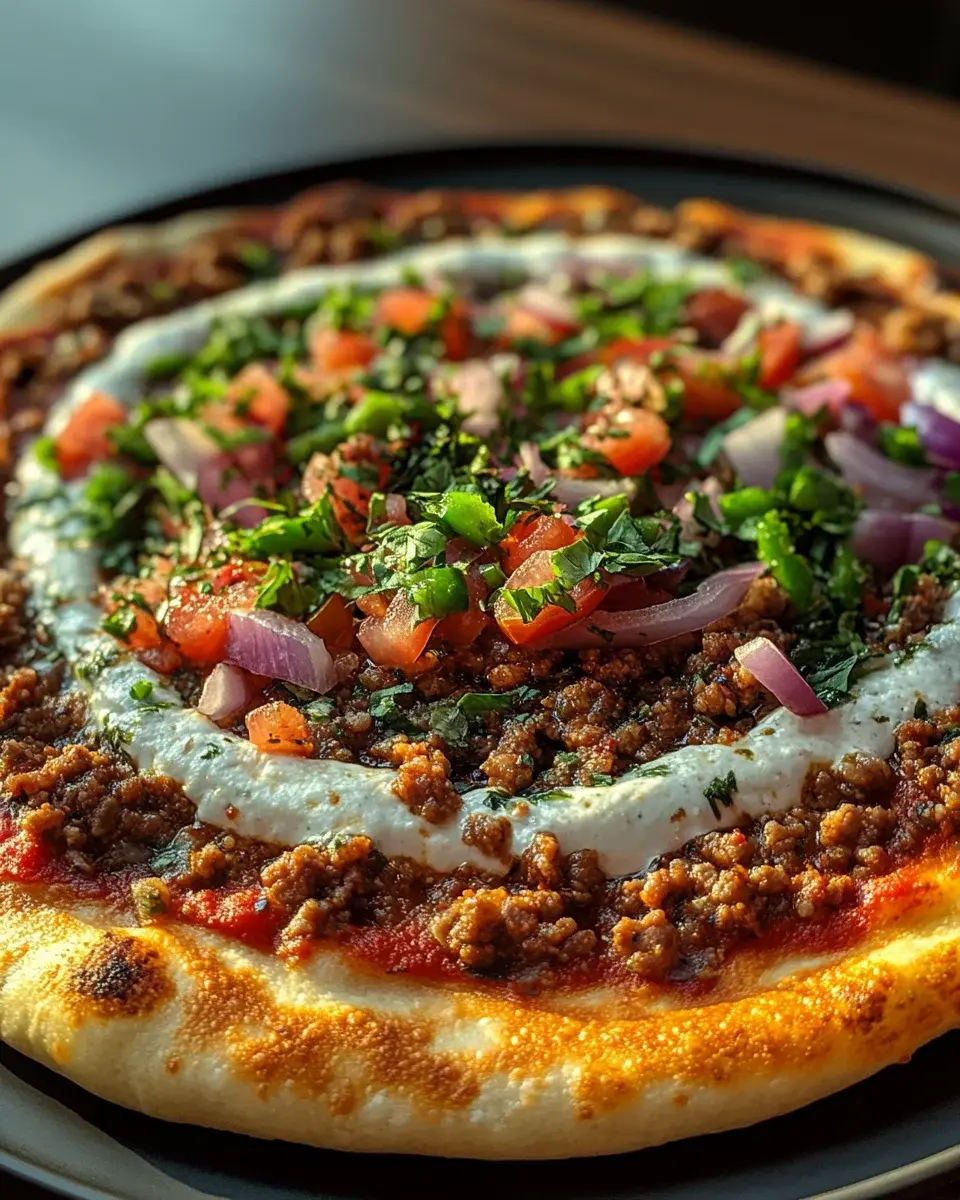
Lahmacun is a culinary delight that bridges the gap between a flavorful meal and an exciting appetizer, often described as Turkish pizza. Its thin, crispy base, adorned with a vibrant mixture of seasoned ground meat, fresh vegetables, and an aromatic symphony of spices, offers a truly unique gastronomic experience. This dish is incredibly adaptable, making it a fantastic choice for everything from intimate family dinners to lively social gatherings, and it even serves as a satisfying snack.
The magic of lahmacun lies in its harmonious blend of textures and tastes, promising a satisfying bite every time. Whether you are a seasoned cook or just beginning your culinary journey, this recipe is designed to be approachable yet yield impressive results. Prepare to impress your loved ones with this authentic Turkish treat that embodies both simplicity and sophistication.
Why You Will Love This Recipe
- Authentic Flavor Profile: Experience the rich and savory taste of traditional Turkish cuisine with every bite, a true culinary adventure.
- Crispy, Thin Crust: The perfectly baked base provides a delightful crunch that complements the tender, spiced meat topping beautifully.
- Quick Assembly: Once the dough is prepared and risen, assembling the lahmacun is a straightforward process that doesn’t take long.
- Customizable Toppings: Feel free to adjust the spices or add your favorite vegetables to make each lahmacun uniquely yours.
- Versatile Serving: Enjoy it as a main course, an appetizer, or even folded into a wrap for a delightful handheld meal.
Ingredients You Need
Crafting delicious Lahmacun begins with selecting the freshest ingredients to ensure the most vibrant flavors possible. High-quality ground meat and crisp vegetables form the heart of this dish, while well-balanced spices bring it all together. Paying attention to the details of each component will elevate your homemade Lahmacun to restaurant quality.
Lahmacun Recipe
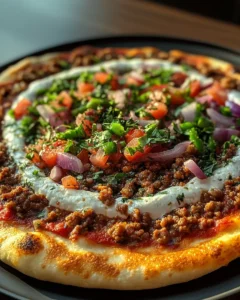
Indulge in the flavors of Turkey with this easy-to-make Lahmacun recipe, often referred to as Turkish pizza. Featuring a thin, crispy base topped with a savory blend of seasoned ground meat, fresh vegetables, and aromatic spices, this dish is perfect for any occasion—be it casual dinners, gatherings, or quick snacks. Enjoy lahmacun hot from the oven with a squeeze of lemon and a sprinkle of fresh herbs for an unforgettable culinary experience.
- For the Dough: 1 cup warm water (105-115°F), 1 teaspoon sugar, 2 teaspoons active dry yeast, 2 1/2 cups all-purpose flour, plus more for dusting, 1 teaspoon salt, 2 tablespoons olive oil, plus more for brushing
- For the Topping: 1 lb ground lamb or beef (or a mixture), 1 medium onion, finely chopped or grated, 1 green bell pepper, finely chopped, 2 tomatoes, peeled, seeded, and finely chopped, 1/4 cup tomato paste, 1/4 cup chopped fresh parsley, 1 tablespoon red pepper flakes (or to taste), 1 teaspoon paprika, 1 teaspoon cumin, 1/2 teaspoon allspice, 1/4 teaspoon cinnamon, Salt and black pepper to taste
- For Serving: Lemon wedges, Fresh parsley or mint
- 1Prepare the Dough: In a large bowl, combine warm water, sugar, and yeast. Let it sit for 5-10 minutes until foamy.
- 2Mix Flour Ingredients: In another bowl, whisk together flour and salt. Add the flour mixture to the yeast mixture along with olive oil. Mix until a shaggy dough forms.
- 3Knead the Dough: Turn the dough onto a lightly floured surface and knead for 5-7 minutes until smooth and elastic.
- 4Let the Dough Rise: Place the dough in a lightly oiled bowl. Cover with plastic wrap or a kitchen towel. Let it rise in a warm place for 1-2 hours or until doubled in size.
- 5Prepare the Topping: In a large bowl, combine ground meat with chopped onion, green bell pepper, tomatoes, tomato paste, parsley, red pepper flakes, paprika, cumin, allspice, cinnamon, salt, and pepper. Mix well.
- 6Assemble the Lahmacun: Preheat oven to 450°F (230°C). Line baking sheets with parchment paper. Once the dough has risen, punch it down to release air. Divide it into 6-8 equal portions.
- 7Roll Out Dough Portions: On a lightly floured surface, roll out each portion into thin circles about 8-10 inches in diameter.
- 8Add Meat Mixture: Spread a thin layer of the meat mixture over each dough circle, leaving a small border around the edges.
- 9Bake Lahmacun: Place lahmacuns on prepared baking sheets and bake for 10-15 minutes, or until crust is golden brown and meat is cooked through.
- 10Serve: Let lahmacuns cool slightly before serving. Serve them with lemon wedges and fresh parsley or mint if desired.
Keywords: Lahmacun, Turkish pizza, Turkish flatbread, ground meat, quick dinner, easy recipe, baking
- warm water: crucial for activating the yeast and creating a supple dough.
- sugar: feeds the yeast, ensuring a good rise and a slightly tender crust.
- active dry yeast: the powerhouse behind a light and airy dough, essential for that characteristic texture.
- all-purpose flour: the sturdy foundation of your Lahmacun base, providing structure.
- salt: enhances all the flavors and controls yeast activity for a perfectly balanced dough.
- olive oil: adds richness to the dough and helps create a slightly crispier texture when baked.
- ground lamb or beef: the savory star of the topping, offering a rich, meaty flavor profile.
- medium onion: provides aromatic depth and a slight sweetness to the meat mixture.
- green bell pepper: adds a fresh, slightly sweet vegetal note and a vibrant color to the topping.
- tomatoes: contribute moisture and a touch of acidity, balancing the richness of the meat.
- tomato paste: intensifies the tomato flavor and adds a lovely depth to the topping mixture.
- chopped fresh parsley: brings a burst of herbaceous freshness and a beautiful green speckle to the topping.
- red pepper flakes: offer a pleasant warmth and a gentle kick of heat, adjustable to your preference.
- paprika: adds a mild, smoky sweetness and a lovely reddish hue to the meat mixture.
- cumin: imparts an earthy, warm, and slightly smoky flavor that is characteristic of many Middle Eastern dishes.
- allspice: provides a complex, warm spice note that hints at cinnamon, cloves, and nutmeg.
- cinnamon: a subtle addition that adds a touch of warmth and complexity, balancing the savory elements.
- salt and black pepper: essential for seasoning, bringing out the best in every ingredient.
- lemon wedges: a bright, zesty accompaniment that cuts through the richness and enhances all the flavors when squeezed over the finished Lahmacun.
- fresh parsley or mint: used for garnishing, adding a final flourish of color and freshness to the presentation.
The exact quantities for these ingredients are detailed in the recipe card for your convenience.
Variations
The beauty of Lahmacun lies not only in its traditional preparation but also in its adaptability, allowing for creative twists that cater to various dietary needs and flavor preferences. Experimenting with these variations can open up a whole new world of delicious possibilities for this beloved Turkish flatbread.
Vegan Lahmacun: To create a satisfying vegan version, the ground meat can be replaced with a hearty mixture of finely chopped mushrooms and lentils. These ingredients mimic the texture of meat while absorbing the spices beautifully. You can also incorporate finely diced eggplant or zucchini for added depth and moisture, ensuring the topping remains rich and flavorful without any animal products, making it suitable for those embracing plant-based diets or seeking lighter options.
Low-Carb Lahmacun: For those mindful of carbohydrate intake, a cauliflower crust can be an excellent substitute for the traditional dough. Grated cauliflower, mixed with a binder like flaxseed or psyllium husk and a touch of almond flour, can be shaped and pre-baked to form a sturdy, low-carb base. The savory meat topping can remain similar, or for an even lower-carb option, use a plant-based mince or focus on a medley of finely chopped, low-carb vegetables like bell peppers, onions, and zucchini.
Spicy Delight Lahmacun: Elevate the heat by increasing the red pepper flakes and adding a pinch of cayenne pepper or a finely minced jalapeño to the meat mixture. For an extra layer of spice, consider adding a drizzle of your favorite hot sauce or a spicy harissa paste into the topping before baking. This variation is perfect for those who enjoy a fiery kick and a more intense flavor experience.
How to Prepare Lahmacun Recipe
Step 1: Preparing the Dough for Perfect Texture
Begin by activating your yeast; in a large mixing bowl, gently combine the warm water with a teaspoon of sugar and then sprinkle the active dry yeast over the top. Let this mixture sit undisturbed for about 5 to 10 minutes, allowing the yeast to bloom and become visibly foamy, which indicates it’s alive and ready to work its magic. This crucial step ensures your dough will rise beautifully, creating a light and airy base for your Lahmacun.
In a separate, dry bowl, whisk together the all-purpose flour and salt, ensuring they are well combined. Once the yeast mixture is foamy, pour it into the bowl with the flour and salt. Add the two tablespoons of olive oil to the mix. Using a sturdy spoon or your hands, stir everything together until a shaggy, cohesive dough begins to form. Don’t worry if it looks a bit rough at this stage; the next step is where the magic truly happens.
The initial mixing is just the prelude to developing the perfect dough texture. It’s important to get everything incorporated enough so there are no large pockets of dry flour. This process starts the gluten development, which will be further enhanced by kneading. Properly activating the yeast is paramount; if it doesn’t foam, your dough will be dense, so always check the water temperature and the yeast’s expiry date.
Step 2: Kneading and Developing the Dough
Turn the shaggy dough out onto a clean, lightly floured surface, such as your countertop or a large cutting board. This is where the tactile process of kneading begins; use the heels of your hands to push the dough away from you, then fold it back over on itself. Continue this rhythmic motion of pushing, folding, and turning for approximately 5 to 7 minutes. The goal is to develop the gluten, transforming the dough from sticky and rough to smooth, elastic, and wonderfully pliable.
As you knead, you’ll notice the dough becoming progressively smoother and less sticky. If it’s sticking too much to your hands or the surface, lightly dust with a tiny bit more flour, but be careful not to add too much, as this can result in a tough dough. The dough is ready when it springs back slowly when gently poked with a finger. This elasticity is key to achieving a thin, even crust that bakes up perfectly crisp.
Proper kneading is a fundamental technique that significantly impacts the final texture of your Lahmacun. It’s not just about mixing ingredients; it’s about developing the protein network within the flour, which gives bread its structure and chewiness. Don’t rush this step; the effort invested here will be clearly visible and palpable in your finished dish, leading to a superior culinary outcome.
Step 3: The Rise to Perfection
Once your dough has achieved that beautiful smooth and elastic texture, it’s time to let it rest and rise. Lightly oil a clean, large bowl with a tablespoon of olive oil, ensuring the inside surface is coated. Place the kneaded dough into the oiled bowl, turning it once to ensure it’s coated with oil on all sides; this prevents the dough from drying out as it rises. Cover the bowl tightly with plastic wrap or a clean kitchen towel.
Find a warm, draft-free spot in your kitchen for the dough to rise. This could be a slightly warm (but not hot) oven, near a sunny window, or simply on your counter if your kitchen is at a comfortable room temperature. Allow the dough to rise for 1 to 2 hours, or until it has visibly doubled in size. The warmth encourages the yeast to become more active, producing carbon dioxide gas that inflates the dough, creating that airy structure.
The duration of the rise can vary depending on the ambient temperature and the yeast’s activity. Patience is key here; a well-risen dough is essential for a light Lahmacun. If your kitchen is cool, it might take closer to two hours, while a warmer environment might speed up the process. Don’t be tempted to skip this step, as it’s fundamental to the final texture and appearance of your Turkish pizza.
Step 4: Crafting the Flavorful Topping
While the dough is enjoying its rise, it’s the perfect time to prepare the star of the show: the flavorful topping. In a large mixing bowl, combine the pound of ground lamb or beef (or a mixture of both for an even richer taste). Add the finely chopped or grated medium onion, ensuring it’s distributed evenly throughout the meat. Next, incorporate the finely chopped green bell pepper, adding a fresh, slightly sweet vegetal element.
Peel, seed, and finely chop the two tomatoes; this helps to release their moisture and flavor into the mixture without making it watery. Stir in the 1/4 cup of tomato paste, which intensifies the tomato essence and adds a lovely rich hue. Add the 1/4 cup of chopped fresh parsley for a burst of herbaceous freshness that brightens the entire mixture. Now, it’s time for the spices: mix in the red pepper flakes, paprika, cumin, allspice, and cinnamon, along with a generous pinch of salt and black pepper to taste.
Thoroughly mix all these ingredients together, using your hands or a sturdy spoon, until everything is well combined. The key is to ensure the spices are evenly distributed and the vegetables are incorporated into the meat. This mixture should be moist but not overly wet. The blend of spices is crucial for that authentic Lahmacun flavor, so don’t be shy with them. The aromas starting to emerge from this bowl are a promise of the deliciousness to come.
Step 5: Assembling Your Lahmacun Masterpieces
Preheat your oven to a very hot 450°F (230°C); a high temperature is essential for achieving that characteristic crispy crust and perfectly cooked topping. Line your baking sheets with parchment paper to prevent sticking and make cleanup a breeze. Once the dough has completed its rise and doubled in size, gently punch it down to release the trapped air. This process deflates the dough, making it easier to handle and shape.
Divide the punched-down dough into 6 to 8 equal portions, depending on how large you want your Lahmacuns to be. Roll each portion into a smooth ball. On a lightly floured surface, take each dough ball and begin to roll it out. The aim is to create thin circles, approximately 8 to 10 inches in diameter. The thinner you roll the dough, the crispier your Lahmacun will be, so aim for an even, delicate thickness.
Once you have your thin dough circles, it’s time to add the topping. Spread a thin, even layer of the prepared meat and vegetable mixture over each dough circle. Be sure to leave a small border, about half an inch, around the edges of each circle; this will form the slightly raised crust of your Lahmacun. Avoid overloading the dough with topping, as this can lead to uneven cooking and a soggy base.
Step 6: Baking to Golden Perfection
Carefully transfer the assembled Lahmacuns onto the prepared baking sheets. Ensure they are not overcrowded on the sheets; you might need to bake them in batches if necessary. Place the baking sheets into the preheated hot oven.
Bake for approximately 10 to 15 minutes, or until the crust has turned a beautiful golden brown and the meat topping is fully cooked through and slightly caramelized. Keep an eye on them during the last few minutes of baking, as ovens can vary, and you want to achieve that perfect crispy texture without burning.
The high heat of the oven is what gives Lahmacun its signature crispy texture. The toppings cook quickly, and the dough bakes to a delightful crunch. Once they come out of the oven, the aroma is incredible, signaling that your delicious Turkish pizzas are ready to be enjoyed. It’s important to let them cool for just a minute or two before serving, as they will be very hot.
Pro Tips for Lahmacun Recipe
Use High-Quality Meat: Opt for fresh, good-quality ground lamb or beef for the most flavorful topping. A blend of both can offer a richer, more complex taste. Ensure the meat is not too lean, as a little fat helps with moisture and flavor.
Don’t Overwork the Dough: While kneading is important for developing gluten, over-kneading can make the dough tough. Knead just until it’s smooth and elastic, and then let it rise undisturbed. The goal is a tender crust, not a chewy one.
Roll the Dough Thinly: This is critical for achieving the characteristic crispy texture of Lahmacun. The thinner the dough, the faster it will bake and the crispier it will become. Aim for an even thickness across the entire circle.
Preheat Your Oven Thoroughly: A very hot oven is key to crisping up the crust quickly and cooking the topping evenly. Make sure your oven reaches the specified temperature before you place the Lahmacun inside. This ensures immediate cooking and prevents a soggy base.
Garnish Generously: The traditional serving of Lahmacun involves a squeeze of fresh lemon juice and a sprinkle of fresh parsley or mint. These garnishes add brightness, freshness, and a beautiful visual appeal that complements the savory topping perfectly. Don’t skip this final flourish!
Serving Suggestions for Lahmacun Recipe
Decoration
Presenting Lahmacun attractively enhances the dining experience. A generous scattering of finely chopped fresh parsley or mint leaves over the top right after baking adds a vibrant green color and a fresh aroma. A few extra lemon wedges artfully placed on the serving platter provide visual appeal and make it easy for guests to add that essential zesty touch.
Side Dishes
Lahmacun pairs wonderfully with a variety of refreshing and complementary dishes. A crisp Fattoush salad, with its tangy dressing and crunchy pita pieces, offers a delightful textural contrast. Cacık, a cooling yogurt and cucumber dip, provides a soothing counterpoint to the spicy meat topping. Creamy hummus or smoky baba ghanoush can also serve as delicious accompaniments.
Creative Serving Ideas
For a more casual gathering, serve Lahmacun family-style on a large platter, encouraging guests to assemble their own personalized bites. You can also cut them into smaller, appetizer-sized portions and serve them with a selection of dips. For a unique twist, serve the Lahmacun as a base for a layered salad, topping it with fresh greens, tomatoes, and a light vinaigrette after it has cooled slightly.
Preparation & Storage
Storing Leftovers
Lahmacun is best enjoyed fresh, but leftovers can be stored effectively. Allow the cooked Lahmacun to cool completely before storing. Place them in an airtight container, or wrap them individually and tightly in plastic wrap or aluminum foil. If stacking, placing a layer of parchment paper between each piece can prevent them from sticking together.
Properly stored, leftover Lahmacun can be kept in the refrigerator for up to 2 to 3 days. The quality, particularly the crispness of the crust, will diminish over time, but they will still be perfectly edible and enjoyable. Ensure the container is well-sealed to prevent the Lahmacun from drying out or absorbing other odors from the refrigerator.
When preparing to store, make sure the Lahmacun is completely at room temperature. Storing warm food in the refrigerator can raise the internal temperature of the fridge, potentially affecting other items. This simple step helps maintain food safety and the quality of your delicious leftovers.
Freezing
To freeze Lahmacun for longer storage, it’s best to freeze them before they are baked or after they have been fully cooked and cooled. For uncooked Lahmacun, prepare them up to the topping stage, then freeze on a baking sheet until solid before transferring to a freezer-safe bag or container. For cooked Lahmacun, ensure they are completely cool, then wrap them tightly in plastic wrap followed by a layer of aluminum foil or place them in a freezer bag.
When freezing uncooked Lahmacun, you can bake them directly from frozen, though they may require a slightly longer baking time. For cooked Lahmacun, they can be frozen for up to 2 to 3 months. Labeling them with the date of freezing will help you keep track of their freshness. Properly frozen Lahmacun retains its flavor and texture reasonably well, offering a convenient meal option for later.
Freezing is a fantastic way to have this delicious Turkish dish on hand whenever a craving strikes. It’s important to use good quality freezer-safe packaging to prevent freezer burn, which can affect the texture and taste. This method ensures you can enjoy homemade Lahmacun even weeks or months after preparation.
Reheating
Reheating Lahmacun depends on your desired texture. For a crispy result, the oven is the best method. Preheat your oven to 375°F (190°C) and place the Lahmacun on a baking sheet. Bake for about 5 to 7 minutes, or until heated through and the crust has regained its crispiness. This method closely mimics the original baking process and yields the best results.
If you’re in a hurry, the microwave can be used, though it may result in a softer crust. Heat on medium power for 30-second intervals, checking frequently, as microwaved food can become rubbery quickly. For a stovetop reheat, warm the Lahmacun in a dry skillet over medium heat for about 3 to 4 minutes on each side. This helps to crisp up the base without drying out the toppings.
Whichever method you choose, reheating gently will revive the delicious flavors of your Lahmacun. Be mindful of the texture you prefer – oven for crispness, microwave for speed, and stovetop for a balance of warmth and slight crisping. Enjoy your reheated Lahmacun just as you would freshly made.
Frequently Asked Questions
-
What is the best type of meat to use for Lahmacun topping?
The most traditional and flavorful choice for Lahmacun topping is ground lamb, known for its rich, distinct taste. However, a mixture of ground lamb and ground beef is also highly recommended, as it provides a balanced flavor and a slightly less intense lamb presence. If you prefer not to use lamb, high-quality ground beef can be used on its own, but consider adding a little extra fat (like ground chuck) to ensure the topping remains moist and flavorful during baking. For a lighter option, ground chicken or turkey can be used, though they may result in a less rich flavor profile and might benefit from a little added oil.
-
Can I make the dough for Lahmacun ahead of time?
Yes, absolutely! The dough for Lahmacun can be prepared up to 24 hours in advance. After kneading, place it in an oiled bowl, cover it tightly, and refrigerate. When you are ready to use it, take the dough out of the refrigerator about 30-60 minutes before you plan to shape it. This allows it to come to room temperature, making it easier to roll out and ensuring it rises properly when baked. Cold dough can be more challenging to work with and may result in a denser crust if not allowed to warm up sufficiently.
-
What are some common herbs and spices used in Lahmacun besides the ones listed in the recipe?
While the provided recipe includes the essential spices for authentic Lahmacun, variations in regional Turkish cuisine sometimes incorporate other flavors. Some recipes might include a pinch of sumac for a tangy, lemony note, or a small amount of dried mint alongside the fresh parsley. A touch of garlic powder can also be added to the meat mixture for an extra layer of savory depth. When exploring regional differences or personal preferences, it’s always a good idea to start with the core recipe and then experiment subtly with additional herbs and spices to discover your favorite flavor profile.