Bok Choy Recipe
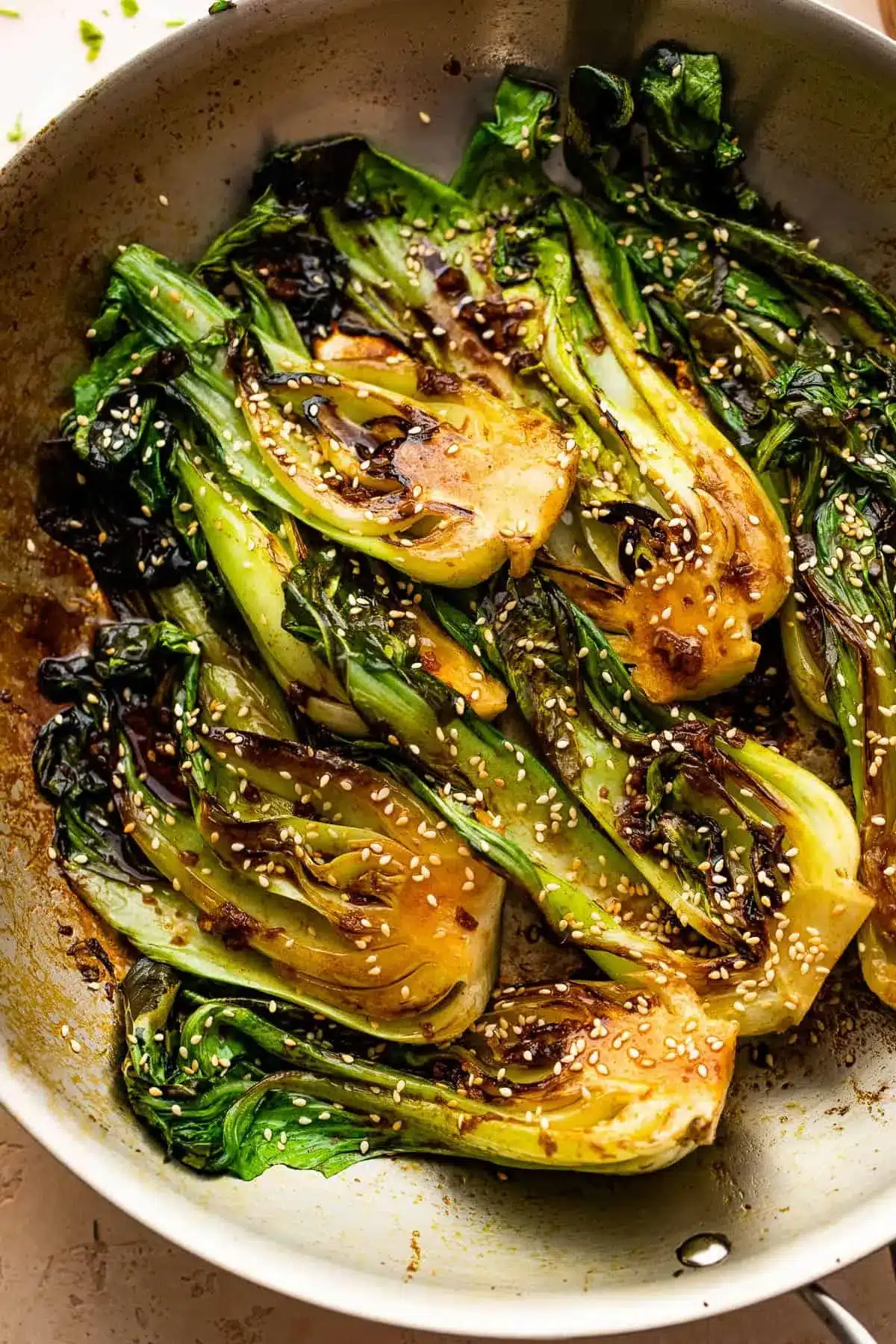
The vibrant green leaves and crisp stalks of baby bok choy offer a delightful crunch and a subtly sweet, mild flavor that makes it an exceptionally versatile vegetable.
This quick and easy recipe elevates this humble crucifer into a show-stopping side dish, infusing it with the bold, savory notes of garlic, soy sauce, and a hint of spice, all brought together by the nutty aroma of toasted sesame oil.
Why You Will Love This Recipe
- Speedy Preparation: This dish comes together in a matter of minutes, making it perfect for weeknight dinners when time is of the essence.
- Bursting with Flavor: The combination of garlic, soy sauce, sriracha, and sesame oil creates a deeply satisfying umami profile that complements any main course.
- Perfectly Tender-Crisp Texture: The cooking method ensures the bok choy is cooked just right – tender enough to enjoy, but still retaining a satisfying, fresh crunch.
- Visually Appealing: The bright green of the bok choy, glistening with the savory dressing and sprinkled with sesame seeds, adds a beautiful pop of color to your table.
- Customizable Heat: Easily adjust the amount of sriracha to suit your personal preference for spice, ensuring a delightful experience for everyone.
Ingredients You Need
The beauty of this baby bok choy recipe lies in its simplicity, utilizing common pantry staples to create an extraordinary flavor. Opting for fresh, high-quality ingredients will always yield the best results, ensuring a vibrant taste and appealing texture in your final dish.
Baby Bok Choy
A delicious side dish of crisp-tender sautéed baby bok choy tossed with a savory Asian-style sauce made with garlic, soy sauce, sesame oil, and sriracha.
- 3 tablespoons vegetable oil
- 4 pieces (about 1.5 pounds total) baby bok choy, halved longwise
- 1 tablespoon vegetable oil
- 3 cloves garlic, minced
- 4 tablespoons low sodium soy sauce
- 1 to 2 tablespoons sriracha sauce
- 1 tablespoon rice vinegar
- 1 tablespoon lime juice
- 1 tablespoon sesame oil
- 1 tablespoon toasted sesame seeds, for garnish
- 1Heat 3 tablespoons vegetable oil in a large skillet set over medium-high heat.
- 2Add the halved bok choy pieces to the skillet, cut side down; cook for 2 minutes.
- 3Turn over the bok choy and cook for a minute. Add more oil, if needed.
- 4Cover and continue to cook for about 3 to 4 minutes, or until crisp-tender. Turn the bok choy a couple times while cooking.
- 5When done, remove bok choy from the skillet and set aside.
- 6Return skillet to the heat and add a tablespoon of vegetable oil.
- 7Stir in the minced garlic and cook for 20 seconds, or until fragrant.
- 8Add soy sauce, sriracha, rice vinegar, lime juice, and sesame oil; whisk until well combined.
- 9Cook for 1 minute, or just until the sauce starts to thicken. Remove from heat.
- 10Drizzle or brush the sauce over the bok choy. Garnish with sesame seeds. Serve.
Keywords: bok choy, side dish, asian, vegetarian, stir-fry
For the full list of ingredients and precise quantities, please refer to the recipe card below.
Variations
While this recipe is already fantastic, it also serves as a wonderful base for creativity. You can easily adapt it to suit different dietary needs or flavor preferences, making it even more versatile.
Vegan Delight: To make this dish entirely vegan, ensure your soy sauce is plant-based (like tamari or coconut aminos) and skip any animal products in your main course. The bok choy itself is naturally vegan, and the dressing is easily adaptable, so this variation is straightforward to achieve.
Low-Carb Option: For those watching their carbohydrate intake, this recipe is already quite friendly. You can further enhance its low-carb appeal by serving it alongside protein sources like grilled chicken or fish. Ensure your soy sauce alternative (if using) is also low in carbs, which is typically true for tamari or coconut aminos.
Spicy Kick Upgrade: If you absolutely love heat, consider adding a pinch of red pepper flakes to the garlic and soy sauce mixture. Alternatively, you could incorporate a small amount of finely chopped fresh chili pepper along with the minced garlic for an extra layer of authentic spice and aroma.
Ginger Zest: For an extra layer of aromatic complexity, add a teaspoon of freshly grated ginger along with the minced garlic. This will infuse the dressing with a warm, zesty note that beautifully complements the other savory ingredients. It’s a simple addition that makes a noticeable difference in the overall flavor profile.
How to Prepare baby bok choy recipe
Step 1: Preparing the Baby Bok Choy
The first crucial step in preparing any fresh produce is thorough cleaning. Baby bok choy, like many leafy greens, can sometimes harbor grit or soil between its stalks and leaves. Therefore, a gentle but diligent wash under cool running water is essential. You can separate the leaves slightly to ensure water reaches all surfaces.
Once clean, carefully trim the very end of the base of each baby bok choy stalk. This is the part where the leaves are joined together. Be mindful not to cut too deeply into the stalk, as this can cause the leaves to separate prematurely. The goal is to remove any tough or dried-out portion while keeping the head intact for easier handling and cooking.
After trimming, the next step is to cut the bok choy for optimal cooking. For most baby bok choy, halving them lengthwise from root to tip is the ideal approach. This exposes more of the interior surface to the heat, allowing for even cooking and better absorption of the flavorful dressing. For larger baby bok choy, you might consider quartering them, but halving is generally sufficient.
Step 2: Searing the Bok Choy
Begin by heating a generous amount of cooking oil in a large skillet or wok over medium-high heat. The oil should shimmer, indicating it’s hot enough to create a lovely sear on the bok choy. A high smoke point oil like vegetable, avocado, or grapeseed oil is recommended here to prevent burning.
Carefully place the halved baby bok choy pieces into the hot skillet, ensuring that the cut sides are facing down. Allow them to sear undisturbed for about two minutes. This initial searing creates a beautiful golden-brown crust on the cut surface, adding a layer of flavor and texture that is highly desirable. It also helps to slightly caramelize the natural sugars present in the vegetable.
After two minutes, carefully turn each piece of bok choy over. Cook on the other side for an additional minute. This brief searing on the second side continues the cooking process and ensures a beautiful appearance. If the pan seems dry, you can add a little more oil at this stage to prevent sticking and ensure even browning.
Step 3: Steaming to Perfection
Once the bok choy has been seared on both sides, it’s time to introduce a steaming element to achieve that perfect crisp-tender texture. This is where the magic happens, transforming the raw vegetable into something truly delicious and enjoyable.
To facilitate steaming, cover the skillet tightly with a lid. This traps the steam generated from the residual moisture in the bok choy and any oil. Allow the bok choy to steam for approximately three to four minutes. During this time, the stalks will soften, and the leaves will wilt slightly, but the vegetable should retain a noticeable crunch.
It’s a good idea to peek under the lid and give the bok choy a gentle turn or two during the steaming process. This ensures that all sides are exposed to the steam evenly and prevents any one piece from overcooking. Once the bok choy reaches your desired level of tenderness – crisp but yielding – remove it from the skillet and set it aside on a serving platter.
Step 4: Crafting the Savory Dressing
While the bok choy rests, it’s time to prepare the incredibly flavorful dressing that will elevate the dish. You can use the same skillet, which now holds the delicious fond from searing the bok choy, for maximum flavor infusion. Add a small amount of fresh cooking oil to the skillet if it appears dry.
Once the oil is warm, add the minced fresh garlic to the pan. Sauté the garlic for about 20-30 seconds, stirring constantly, until it becomes fragrant. Be careful not to burn the garlic, as this can impart a bitter taste to the dressing. The aroma of sautéed garlic is one of the most inviting scents in cooking.
Now, it’s time to build the sauce. Pour in the low-sodium soy sauce, followed by the sriracha sauce for a touch of heat, rice vinegar for a pleasant tang, lime juice for brightness, and the essential sesame oil for its nutty depth. Whisk all these ingredients together vigorously to combine them into a harmonious dressing. Allow this mixture to bubble and cook for about one minute, just until it begins to thicken slightly, coating the back of a spoon.
Step 5: Finishing and Garnishing
With the bok choy ready and the dressing perfectly emulsified, the final step is to bring them together. Carefully retrieve the seared and steamed baby bok choy from its resting place.
Drizzle or brush the warm, savory dressing generously over the prepared bok choy. Ensure that every piece is coated with the flavorful sauce, allowing it to seep into the crevices of the stalks and the folds of the leaves. This step is where the dish truly comes alive, transforming the simple vegetable into a culinary delight.
To add a final flourish and a delightful textural contrast, sprinkle toasted sesame seeds over the dressed bok choy. These seeds provide a visual appeal and a subtle nutty crunch that perfectly complements the tender greens and the savory dressing. Serve the baby bok choy immediately while it is still warm for the best taste and texture experience.
Step 6: Understanding Bok Choy Varieties and Cuts
While this recipe specifically calls for baby bok choy, it’s beneficial to understand how to handle its larger counterpart. Standard bok choy, also known as Shanghai bok choy or Chinese cabbage, is larger and has thicker stems. When using this variety, it’s often best to separate the stalks from the leaves before cooking.
The thicker stems of regular bok choy benefit from a slightly longer cooking time than the delicate leaves. You can cut the stalks into manageable pieces, about two inches long, and then add them to the skillet a minute or two before adding the leafy greens. This ensures everything cooks to a similar level of tender-crispness. The leaves, being more delicate, will wilt and cook very quickly.
When preparing any type of bok choy, regardless of size, proper cutting is key for even cooking. The goal is to create pieces that are roughly uniform in size and thickness. This allows for a more consistent cooking time, preventing some pieces from becoming mushy while others remain too firm. Whether halving, quartering, or separating stalks and leaves, precision in your cuts translates to a better final product.
Pro Tips for baby bok choy recipe
Rinse Thoroughly: Always rinse your baby bok choy under cool running water before cooking. This is especially important as dirt and grit can get trapped between the stalks and leaves, which can be unpleasant if not removed. A gentle shake after washing helps to remove excess water.
Prep Everything First: Bok choy cooks very quickly, so it’s essential to have all your ingredients measured, minced, and ready to go before you even turn on the stove. This “mise en place” ensures a smooth and stress-free cooking process, preventing the bok choy from overcooking while you scramble for other ingredients.
Avoid Overcrowding the Pan: When searing the bok choy, cook it in batches if necessary. Overcrowding the skillet will lower the temperature of the pan, causing the bok choy to steam rather than sear. This leads to a less desirable texture and a lack of caramelization on the cut surfaces.
Adjust the Spice Level: The recipe calls for sriracha, but feel free to adjust the amount to your liking. If you prefer less heat, start with a smaller amount and add more if needed. Conversely, if you love spicy food, you can increase the sriracha or even add a pinch of red pepper flakes for an extra kick.
Don’t Discard the Stems: While the leaves are delicious, don’t underestimate the texture and flavor of the bok choy stems. They provide a satisfying crunch and absorb the dressing beautifully. Ensure they are cooked until tender-crisp, offering a delightful contrast to the softer leaves.
Serving Suggestions for baby bok choy recipe
Decoration
A simple sprinkle of toasted sesame seeds is the classic and most effective garnish for this baby bok choy dish. The seeds add a visual appeal with their tiny, dark specks against the bright green and a delightful nutty crunch. For an extra touch of color and freshness, consider adding a few thinly sliced scallions (green parts only) or a sprinkle of finely chopped cilantro just before serving. These additions not only enhance the presentation but also add subtle layers of flavor and aroma to the finished dish.
Side Dishes
This flavorful baby bok choy is an exceptional accompaniment to a wide array of main courses, particularly those with Asian-inspired flavors. It pairs wonderfully with savory meats like baked lemon chicken, tender lobster bisque, or any stir-fried protein. For a complete and satisfying meal, consider serving it alongside steamed rice or noodles, which will soak up any extra dressing from the bok choy beautifully. Its clean, slightly peppery taste also balances richer dishes, making it a versatile choice for any dinner.
Creative Serving Ideas
Elevate your presentation by serving the baby bok choy in individual portions, perhaps arranged artfully in small bowls or on the edges of larger plates. Another creative idea is to use larger pieces of bok choy as a base for other toppings, such as a spoonful of seasoned ground meat or a scattering of crispy fried shallots. You could even incorporate it into a larger dish, like a vibrant vegetable stir-fry, adding it towards the end of the cooking process to maintain its crispness. For a more casual gathering, arrange the bok choy on a platter and let guests serve themselves, ensuring everyone gets a generous portion of this delicious side.
Preparation & Storage
Storing Leftovers
Leftovers of this delicious baby bok choy dish can be stored in an airtight container in the refrigerator. It’s best to consume them within 2-3 days for optimal freshness and texture. While the bok choy might lose a bit of its crispness upon refrigeration, it will still retain its wonderful flavor. Storing the bok choy and any excess dressing separately can sometimes help maintain better texture upon reheating, though it’s not strictly necessary for this recipe.
Freezing
Freezing cooked bok choy is generally not recommended, as the texture can become quite mushy upon thawing. The crisp, tender-crisp texture is a key characteristic of this dish, and freezing can significantly alter it. It’s best enjoyed fresh or as a chilled leftover. If you have a large amount of uncooked bok choy that you need to store for a longer period, it’s better to blanch it briefly before freezing, though this will still impact its texture compared to fresh.
Reheating
To reheat leftover baby bok choy, the best method is to gently warm it in a skillet over low heat. Add a teaspoon or two of water or broth if the mixture seems dry, cover the skillet, and allow it to heat through for a few minutes until just warmed. Avoid overcooking or microwaving on high, as this can make the bok choy too soft and watery. The goal is to warm it without losing the remaining integrity of its texture.
Frequently Asked Questions
-
What are the best types of cooking oil to use for this baby bok choy recipe?
For this baby bok choy recipe, it’s ideal to use a cooking oil with a high smoke point to withstand the medium-high heat required for searing. Vegetable oil, avocado oil, or grapeseed oil are excellent choices as they are neutral in flavor and can handle higher temperatures without burning. Olive oil is generally not recommended for the initial searing step due to its lower smoke point, though a drizzle of a more flavorful, less refined olive oil or toasted sesame oil could be added at the very end for aroma, if desired. The key is to ensure the oil is hot enough to create a satisfying sear without smoking excessively.
-
Can I substitute soy sauce with something else if I have dietary restrictions?
Absolutely. If you need to avoid soy sauce due to gluten intolerance, soy allergies, or other dietary reasons, there are several excellent substitutes. Tamari is a Japanese soy sauce that is typically gluten-free and can be used as a 1:1 substitute. Coconut aminos are another popular option, offering a slightly sweeter and less salty flavor profile than soy sauce; they are also gluten-free and soy-free. For a lower-sodium option, you can use a low-sodium soy sauce or a sodium-free soy sauce alternative. When substituting, always taste and adjust the seasoning as needed, as different alternatives can vary in saltiness and flavor intensity, ensuring your dressing remains perfectly balanced.
-
How can I make this baby bok choy recipe spicier, and are there alternatives to sriracha?
To increase the spice level beyond the standard sriracha, you have several delicious options. You can simply add more sriracha sauce to the dressing, tasting and adjusting as you go until you reach your desired heat. For a different kind of heat and aroma, finely minced fresh red chilies or a pinch of red pepper flakes can be sautéed with the garlic at the beginning of the dressing preparation. If sriracha is unavailable or you prefer a different flavor profile, consider using chili garlic sauce, gochujang (a Korean chili paste, which will add a fermented depth), or even a dash of your favorite hot sauce. A sweet chili sauce can also be used for a milder, sweeter heat, offering a different but equally enjoyable flavor dimension.