Pico de Gallo – Easy and Classic Pico de Gallo Recipe!
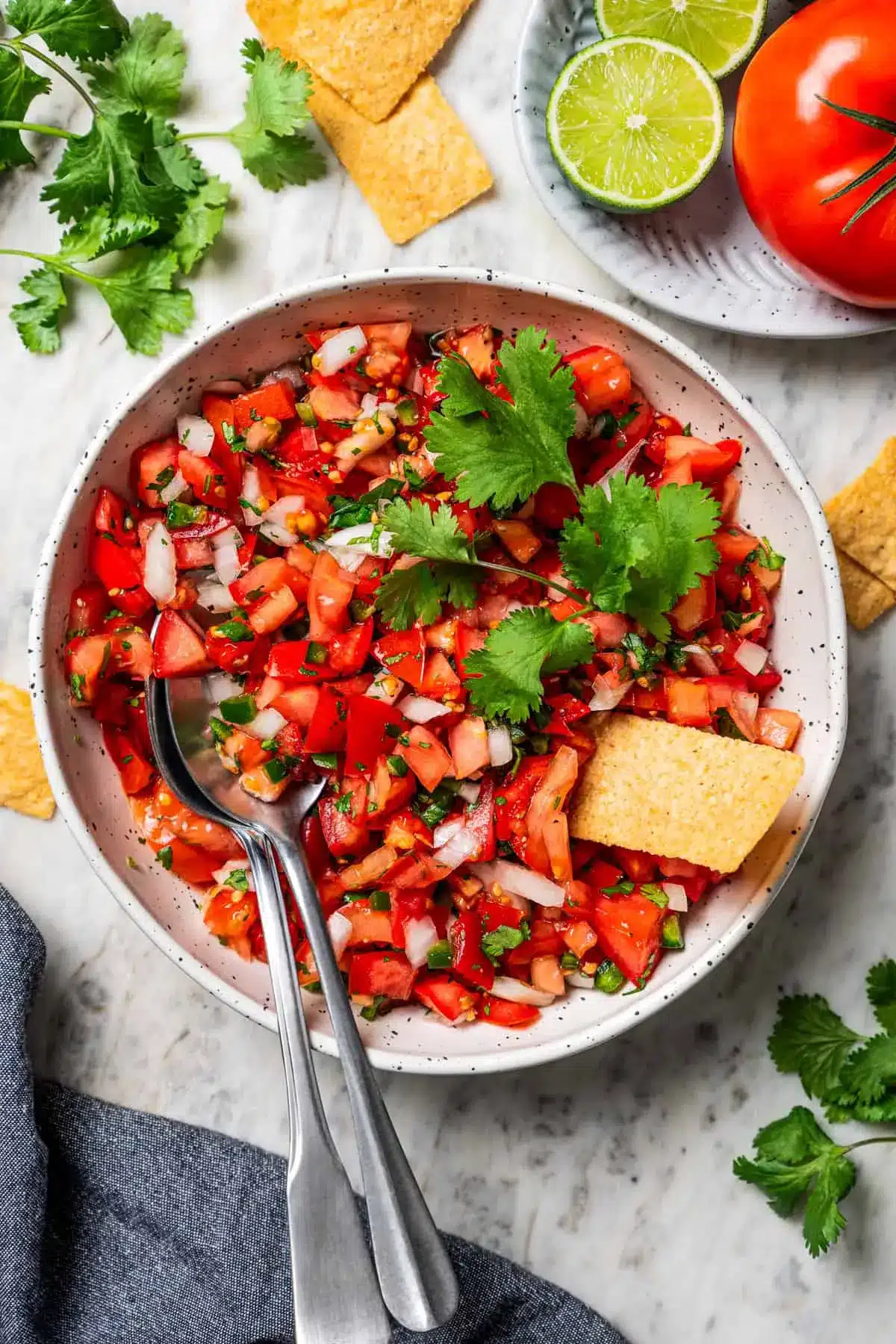
Embark on a culinary adventure with this vibrant and incredibly fresh Pico de Gallo recipe. It’s more than just a dip; it’s a celebration of simple, wholesome ingredients bursting with authentic flavor.
This classic Mexican salsa, also known as salsa fresca, is incredibly versatile and brings a refreshing zest to any meal. Prepare to elevate your taco nights, grilled meats, and casual gatherings with this essential condiment that’s as easy to make as it is delicious to devour.
Why You Will Love This Recipe
- Effortless Freshness: Experience the pure taste of garden-fresh ingredients coming together in perfect harmony, requiring minimal preparation for maximum flavor impact.
- Quick Assembly: In just about 25 minutes from start to finish, you can transform a few common ingredients into a dazzling and delicious salsa that enhances any dish.
- Remarkable Versatility: This pico de gallo is a chameleon in the kitchen, perfectly complementing everything from the simplest tortilla chips to complex main courses.
- Customizable Heat: Easily adjust the spice level to suit your preference, making it ideal for everyone from spice novices to seasoned chili lovers.
- Bright, Clean Flavors: The zesty lime juice, crisp onion, ripe tomatoes, and fresh cilantro create a wonderfully balanced and invigorating taste profile.
Ingredients You Need
The beauty of traditional pico de gallo lies in its simplicity and the quality of its components. By selecting the freshest, ripest produce available, you ensure that every bite is a delightful explosion of natural flavors. The interplay of sweet tomatoes, pungent onion, bright lime, and aromatic cilantro is what makes this salsa truly sing, and superior ingredients will always elevate the final result to extraordinary heights.
Pico de Gallo
This authentic Mexican pico de gallo, also known as salsa fresca, is made with just 5 simple ingredients: fresh tomatoes, onion, jalapeño, cilantro, and lime juice. It's quick, easy, and incredibly versatile, perfect as a dip for tortilla chips or as a fresh topping for tacos, nachos, and more. The key to its vibrant flavor is using ripe, seasonal tomatoes and fresh lime juice.
- 1 to 1.5 pounds ripe tomatoes, diced (use room temperature tomatoes)
- 1 jalapeño, finely diced (ribs and seeds removed)
- 3 tablespoons fresh lime juice
- 1Combine the ingredients: In a bowl, combine the diced tomatoes, onions, jalapeño, salt, and pepper. Let it sit for about 5 minutes.
- 2Add lime juice: Stir in the lime juice and cilantro and toss to combine. Taste and adjust accordingly.
- 3Marinate, then serve: Let it rest for about 15 to 20 minutes before serving. You can also refrigerate it, covered, for up to 4 days.
Keywords: pico de gallo, salsa fresca, mexican, side dish, dip, fresh, tomato, jalapeño, cilantro, lime
- ripe tomatoes: choose firm, red, and juicy tomatoes for the best texture and flavor. Roma or plum tomatoes are ideal due to their lower moisture content.
- white onion: a mild white onion or sweet Vidalia onion provides a crisp bite without overpowering the other ingredients.
- jalapeño pepper: this brings a pleasant warmth; remove the seeds and membranes for a milder heat.
- fresh lime juice: the essential acidic component that brightens all the flavors and adds a tangy zest.
- fresh cilantro: its distinctive herbaceous aroma is key to the authentic taste of pico de gallo.
- salt: enhances and balances all the other flavors in the salsa.
- black pepper: a touch of freshly ground black pepper adds a subtle depth.
Quantities for these essential ingredients can be found in the recipe card above.
Variations
While the classic pico de gallo is perfection as is, feel free to explore exciting variations that add unique twists to this beloved salsa.
Mango Tango Pico de Gallo: For a delightful sweet and savory combination, introduce ripe, diced mango into your pico de gallo. The tropical sweetness of the mango pairs beautifully with the spicy jalapeño and zesty lime, creating a salsa that is both refreshing and complex. This variation is particularly wonderful with grilled fish or chicken, adding a summery flair to any dish. It transforms a simple side into a star attraction.
Black Bean and Corn Pico: Boost the heartiness and texture of your pico de gallo by adding a can of drained black beans and some sweet corn kernels. This creates a more substantial salsa that can almost stand alone as a light lunch or appetizer. The earthy beans and sweet corn complement the traditional ingredients wonderfully, offering a satisfying chew and a burst of varied flavors. It’s an excellent way to make your pico de gallo more filling and nutritious, perfect for a casual buffet or as a topping for loaded nachos.
Avocado Fiesta Pico de Gallo: Introduce creamy goodness by gently folding in diced ripe avocado just before serving. The smooth, buttery texture of the avocado creates a luxurious contrast to the crisp vegetables, making each bite a delightful sensory experience. This addition also mellows the heat of the jalapeño slightly, resulting in a richer, more decadent salsa. It’s divine served alongside any Mexican-inspired dinner or even as a topping for a simple grilled steak.
How to Prepare Pico de Gallo Recipe
Step 1: Prepare the Base Ingredients
Begin by carefully preparing your core ingredients, which form the foundation of this delightful salsa. The key to an exceptional pico de gallo is in the precision of your chopping. You want each component to be uniformly diced to ensure a harmonious blend of flavors and textures in every spoonful.
This means taking your time to finely chop the ripe tomatoes, removing any excess watery pulp if you prefer a less juicy salsa. The onion should also be diced very small, so its sharp bite is distributed evenly rather than concentrated in one area. Similarly, the jalapeño pepper needs to be meticulously diced, and if you are sensitive to heat, make sure to thoroughly remove all the seeds and the white ribs from the inside of the pepper.
For the tomatoes, selecting firm, ripe specimens is crucial; overripe or mushy tomatoes will result in a watery and less appealing texture. Roma tomatoes are often recommended for their dense flesh and fewer seeds, making them ideal for achieving that perfect chunky consistency. If Roma tomatoes aren’t available, any firm, flavorful red tomato will suffice, but avoid anything that feels too soft or has large water pockets.
Step 2: Combine and Season
Once all your vegetables are meticulously chopped to the desired size, it’s time to bring them together in a suitable mixing bowl. Gently combine the diced tomatoes, finely chopped onion, and minced jalapeño. This initial mixing ensures that the ingredients are well-distributed before the seasonings are added, laying the groundwork for a balanced flavor profile.
Now, introduce the salt and freshly ground black pepper to the mixture. These essential seasonings are not just for flavor; they play a vital role in drawing out the natural juices from the vegetables. This process, known as maceration, begins to meld the flavors together and contributes to the salsa’s overall depth and character. Let this mixture rest for about five minutes, allowing the salt to work its magic and begin softening the vegetables slightly.
This brief resting period is important for several reasons. It allows the salt to start drawing out moisture from the tomatoes and onions, which concentrates their flavors. It also gives the flavors a head start in mingling before the wetter ingredients like lime juice and cilantro are added. Don’t underestimate the impact of these foundational steps on the final taste and texture of your pico de gallo.
Step 3: Add the Zesty Finish
With the base ingredients seasoned and beginning to meld, it’s time to introduce the bright, aromatic elements that truly define pico de gallo. Add the freshly squeezed lime juice to the bowl. Ensure you are using juice from fresh limes, as bottled versions lack the vibrant zest and nuanced flavor that fresh citrus provides. The acidity of the lime juice will cut through the richness of the tomatoes and onions, adding a crucial layer of brightness.
Next, incorporate the finely chopped fresh cilantro. Cilantro is a signature ingredient in pico de gallo, offering a distinct herbal note that is both refreshing and complex. If you are among those who find cilantro tastes soapy, a simple substitution of fresh parsley can work, though it will alter the authentic flavor profile. Gently toss everything together, ensuring the lime juice and cilantro are evenly distributed throughout the mixture.
As you toss, take a moment to taste the salsa. This is your opportunity to adjust the seasonings according to your personal preference. Perhaps it needs a little more salt to enhance the existing flavors, a touch more lime juice for extra zing, or even a pinch more jalapeño for increased heat. Fine-tuning at this stage is what elevates a good pico de gallo to an exceptional one.
Step 4: Marinate for Maximum Flavor
This step is often overlooked, but it is absolutely crucial for developing the full, rich flavor of your pico de gallo. Once all the ingredients have been combined and tasted, cover the bowl and allow the salsa to rest. The ideal resting period is between 15 to 20 minutes at room temperature.
During this marination time, the flavors of the tomatoes, onions, jalapeño, lime juice, and cilantro will have a chance to meld and deepen. The salt, which was added earlier, will continue to draw out moisture, creating a flavorful liquid that mixes with the lime juice and cilantro. This liquid is essentially a concentrated salsa dressing that coats all the chopped ingredients, infusing them with vibrant taste.
This resting period also allows the ingredients to slightly soften, achieving a more cohesive and enjoyable texture. Rushing this step means you’ll miss out on a significant development in flavor complexity. So, be patient and let the ingredients do their work; the reward will be a pico de gallo that is far more nuanced and delicious than if you were to serve it immediately.
Step 5: Serve and Enjoy
After the marination period, your fresh pico de gallo is ready to be served. The vibrant colors and fresh aroma are sure to entice everyone. It’s time to enjoy the fruits of your simple yet rewarding labor.
When serving, especially if you notice a good amount of liquid at the bottom of the bowl (which is a sign of a well-made salsa!), consider using a slotted spoon. This allows you to scoop out the chunky salsa while leaving most of the excess liquid behind. This technique is particularly helpful when topping dishes like tacos or nachos, as it prevents them from becoming soggy and maintains their desired crispness.
The leftover liquid is not to be discarded; it’s packed with flavor! You can reserve this flavorful liquid and use it as a base for salad dressings, add it to marinades for meats, or even stir it into soups for an extra kick of freshness. This thoughtful approach ensures no flavor is wasted, maximizing the deliciousness of your homemade pico de gallo and extending its culinary utility.
Step 6: Store Leftovers Properly
Should you find yourself with any leftover pico de gallo, proper storage is key to maintaining its freshness and flavor for future enjoyment. The best method is to transfer any remaining salsa into an airtight container. Ensure the container has a tight-fitting lid to prevent exposure to air, which can lead to oxidation and a loss of vibrant flavor.
Refrigerate the container promptly after it has been used. Pico de gallo is best consumed within 3 to 4 days of its preparation. While it can technically last a bit longer, the tomatoes will continue to break down, and the freshness will gradually diminish. For optimal taste, aim to use it within the first couple of days after making it.
Avoid freezing pico de gallo, as the high water content of the tomatoes and other fresh ingredients will cause them to become mushy and lose their desirable texture upon thawing. Freezing fundamentally alters the texture, making it unsuitable for its intended use as a crisp, fresh salsa. For this reason, it’s always best to make only what you anticipate consuming within a few days.
Pro Tips for Pico de Gallo Recipe
- Use Room Temperature Tomatoes: For the best flavor and texture, ensure your tomatoes are at room temperature before dicing. Cold tomatoes can taste muted and have a firmer, less yielding texture.
- Uniform Dicing is Key: Aim for small, consistent dice sizes for all your ingredients. This ensures that each spoonful provides a balanced mix of tomato, onion, and jalapeño, enhancing the overall eating experience.
- Adjust Jalapeño to Your Taste: The heat of jalapeños can vary. Taste a small piece before dicing, and always remove the seeds and ribs if you prefer a milder salsa. For more heat, leave some seeds in or add an extra pepper.
- Fresh Lime Juice is Non-Negotiable: Never use bottled lime juice for pico de gallo. The bright, zesty flavor of fresh lime is essential for authentic taste and cannot be replicated.
- Don’t Skip the Marinating Time: Allowing the pico de gallo to rest for at least 15-20 minutes before serving lets the flavors meld and deepen significantly, resulting in a much more delicious salsa.
- Consider a Slotted Spoon for Serving: If you’re using the pico de gallo as a topping, a slotted spoon will help you serve the chunky bits while leaving excess liquid behind, preventing sogginess in tacos or nachos.
Serving Suggestions for Pico de Gallo Recipe
Decoration
Pico de gallo naturally adds a burst of color and freshness to any dish. Its vibrant red, white, and green hues make it an attractive garnish. A generous dollop on top of tacos, enchiladas, or grilled meats immediately elevates the visual appeal. The fresh cilantro leaves, flecks of red tomato, and white onion create a beautiful contrast, making your food look as appealing as it tastes.
Side Dishes
As a side dish, pico de gallo is incredibly versatile. It is the quintessential accompaniment to tortilla chips, providing a healthy and flavorful alternative to heavier dips. It pairs wonderfully with any Mexican or Tex-Mex lunch, adding a refreshing counterpoint to richer flavors. Consider serving it alongside rice and beans, quesadillas, or even a hearty salad for an added zing.
Creative Serving Ideas
Beyond the usual suspects, pico de gallo can be incorporated into numerous creative culinary applications. Spoon it over grilled fish or chicken for a bright, zesty topping. It makes a fantastic filling for omelets or a flavorful addition to scrambled eggs for a Mexican-inspired breakfast. You can also mix it into tuna salad or chicken salad for a unique twist, or use it as a base for a quick salsa verde by blending it with tomatillos.
Preparation & Storage
Storing Leftovers
To store leftover pico de gallo, transfer it into an airtight container. Make sure the lid fits snugly to prevent air from coming into contact with the salsa, which can cause it to spoil faster. Refrigerate immediately after use. Properly stored, it should remain fresh and flavorful for up to 3 to 4 days.
The key to optimal storage is minimizing exposure to oxygen and maintaining a consistent cool temperature. Even in an airtight container, the fresh ingredients will continue to break down over time. For the best taste, it’s advisable to consume it within the first two days of preparation, though it remains safe and tasty for a few days longer.
Freezing
Freezing pico de gallo is generally not recommended due to the high water content of the fresh ingredients, particularly the tomatoes. When frozen, the cell structure of these ingredients breaks down, and upon thawing, the salsa will become watery and mushy. The crisp texture that defines pico de gallo would be irrevocably lost.
While it might still be edible, the texture change is significant and would likely detract from its appeal as a fresh salsa. Therefore, if you have a surplus, it’s best to find ways to use it up within a few days rather than resorting to freezing.
Reheating
Pico de gallo is a fresh salsa and is not intended to be reheated. Its appeal lies in its crisp, raw ingredients and vibrant, uncooked flavors. Reheating would diminish its freshness, alter the texture of the vegetables, and cook down the vibrant notes of the lime and cilantro.
Instead of reheating, if you find yourself with pico de gallo that’s a day or two old and you want to refresh it, you can try adding a little more fresh lime juice and a sprinkle of fresh cilantro. This can help revive some of the bright flavors and aroma, making it more palatable. Always serve it cold or at room temperature, never hot.
Frequently Asked Questions
-
What is the exact meaning of “Pico de Gallo” and why is it called that?
When translated directly from Spanish, “pico de gallo” means “rooster’s beak.” The exact origin of this name is not definitively known and is subject to various theories. One popular explanation suggests that the name comes from the way people used to eat the salsa, picking at it with their fingers much like a rooster pecks at its food. Another theory proposes it relates to the vibrant, almost flamboyant colors of the salsa, reminiscent of a rooster’s colorful plumage. Regardless of the etymology, the name has become universally recognized for this beloved fresh salsa.
-
Can I substitute store-bought salsa for pico de gallo in recipes that call for salsa?
While both are tomato-based condiments, pico de gallo and salsa have distinct differences, primarily in texture and liquid content. Pico de gallo is chunky and made with raw, diced ingredients, containing less liquid than most blended salsas. Therefore, you can often use them interchangeably as a dip or topping. However, if a recipe relies on the specific liquid volume or smoother texture of blended salsa, like in slow-cooker dishes or marinades, substituting pico de gallo might not yield the desired results. In such cases, it’s best to stick to a recipe-specific salsa or adjust the liquid content if using pico de gallo.
-
What are the best tomatoes to use for pico de gallo, and does the season matter?
The quality and type of tomato significantly impact the flavor and texture of your pico de gallo. Roma (or plum) tomatoes are frequently recommended because they have dense flesh and fewer seeds, resulting in a less watery salsa and a better chunky consistency. However, any firm, ripe, flavorful tomato can be used, provided it’s not overly watery. The season absolutely matters; ripe, in-season tomatoes, especially during the summer months, will offer the best sweetness and depth of flavor. If out-of-season tomatoes lack flavor, consider using high-quality cherry tomatoes, which often retain their sweetness and juiciness year-round, though they might require slightly more careful dicing to manage their juice.