
This is the BEST oven roasted vegetables recipe!
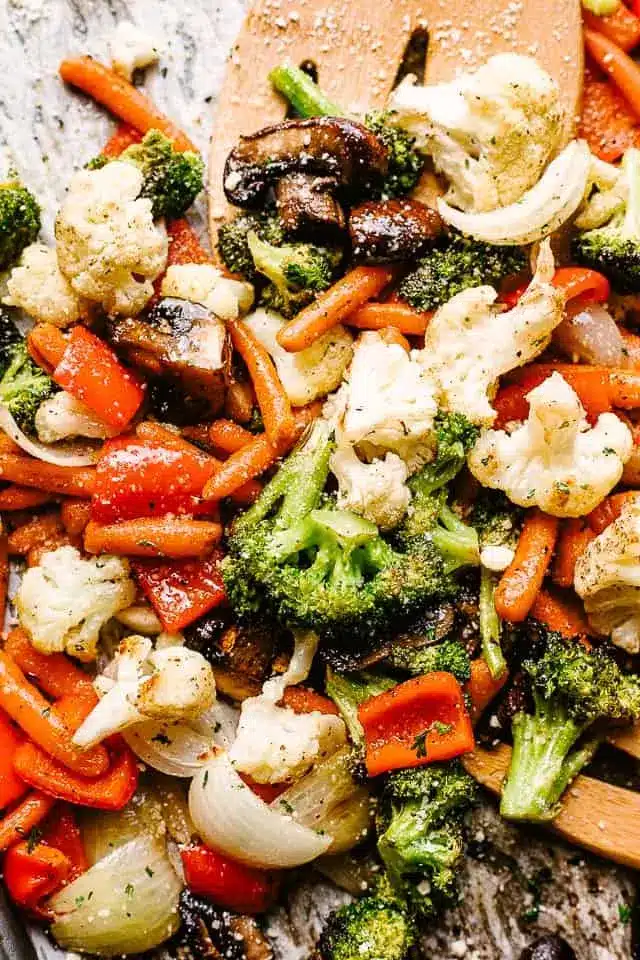
Discover the vibrant and delightful world of oven-roasted vegetables, a culinary technique that transforms humble produce into incredibly flavorful and satisfying dishes. This method unlocks the natural sweetness and deepens the savory notes of various vegetables, creating a perfectly tender interior with wonderfully caramelized edges.
Whether you’re a seasoned home cook or just beginning your culinary journey, this recipe provides a simple yet impressive way to elevate any meal. It’s a versatile foundation that can be adapted to suit your taste preferences and the ingredients you have readily available.
Why You Will Love This Recipe
- Effortless Preparation: Minimal chopping and simple seasoning make this a stress-free addition to any weeknight dinner.
- Versatile Flavor Profile: The Italian seasoning blend offers a classic taste that pairs well with countless main courses, from grilled meats to seafood.
- Healthy & Nutritious: Packed with vitamins and fiber, these roasted vegetables are a delicious way to increase your daily nutrient intake.
- Adaptable to Any Veggies: Feel free to swap out or add your favorite vegetables, as long as they have similar cooking times.
- Crowd-Pleasing Appeal: The natural sweetness and savory char make even the pickiest eaters reach for seconds.
Ingredients You Need
Crafting these delightful oven-roasted vegetables relies on a selection of fresh, high-quality ingredients that work harmoniously to create a depth of flavor. The simplicity of the seasonings allows the natural essence of each vegetable to shine through beautifully, making every bite a delightful experience. This blend is designed to be both accessible and wonderfully aromatic, transforming everyday produce into something truly special.
Easy Oven Roasted Vegetables
These easy Oven Roasted Vegetables are perfectly tender and packed with flavor! This method for roasting vegetables can be adapted to fit any veggies you've got on hand!
- 2 cups broccoli florets
- 2 cups cauliflower florets
- 2 cups sliced baby portobello mushrooms
- 1 cup thin baby carrots
- 1 red bell pepper, chopped
- 1 small yellow onion, cut into 6 wedges
- 2 tablespoons olive oil
- salt and fresh ground pepper, to taste
- 1½ teaspoons Italian Seasoning
- grated parmesan cheese, for garnish (optional)
- chopped fresh parsley, for garnish (optional)
- 1Preheat oven to 425˚F. Line a large baking sheet with foil or parchment paper.
- 2Add all the vegetables to the baking sheet. Drizzle olive oil over the veggies and mix with either a wooden spoon or just use your hands.
- 3Season the vegetables with salt, black pepper, Italian Seasoning, and garlic powder; gently toss until thoroughly combined.
- 4Arrange all the veggies in a single layer and bake for 15 to 20 minutes, stirring halfway through cooking. You want to roast the vegetables until they are fork-tender and lightly browned.
- 5Remove the roasted vegetables from the oven. Garnish with parmesan cheese and parsley, and serve.
Keywords: Roasted vegetables, side dish, healthy, easy, vegetarian, oven
- broccoli florets: fresh, bite-sized pieces that offer a satisfying crunch and absorb flavors wonderfully.
- cauliflower florets: similar to broccoli, these florets become tender and slightly sweet when roasted.
- baby portobello mushrooms: sliced to provide a meaty texture and a rich, umami depth to the dish.
- baby carrots: naturally sweet and vibrant, they add a pop of color and sweetness.
- red bell pepper: chopped into bite-sized pieces, it contributes a lovely sweetness and a tender-crisp texture.
- yellow onion: cut into wedges, it softens and sweetens significantly during roasting, adding a foundational aromatic sweetness.
- olive oil: a generous drizzle helps coat the vegetables evenly, promoting caramelization and preventing sticking.
- salt and fresh ground pepper: essential seasonings that enhance all the other flavors present.
- Italian Seasoning: a fragrant blend of dried herbs like oregano, basil, and thyme, infusing an authentic Italian aroma.
- garlic powder: provides a concentrated garlic flavor without the risk of burning fresh garlic cloves in the high heat.
- grated parmesan cheese: an optional but highly recommended garnish that adds a salty, nutty finish.
- chopped fresh parsley: a sprinkle of fresh herbs adds a burst of freshness and visual appeal right before serving.
Quantities for each ingredient are readily available within the accompanying recipe card for your convenience.
Variations
This versatile recipe serves as a fantastic base for numerous dietary adaptations, allowing everyone to enjoy the goodness of roasted vegetables. By making a few simple substitutions, you can cater to various culinary needs and preferences, ensuring a delicious outcome every time.
For a vibrant Vegan version, simply omit the optional Parmesan cheese garnish. You can amp up the flavor with a sprinkle of nutritional yeast for a cheesy note, or add a pinch of red pepper flakes for a subtle warmth. A squeeze of fresh lemon juice just before serving can also brighten the flavors beautifully. This approach ensures that the inherent deliciousness of the vegetables remains the star.
To create a Low-Carb option, focus on non-starchy vegetables. Consider swapping the carrots for zucchini rounds, green beans, or asparagus spears. Brussels sprouts, halved or quartered, are also excellent. The high heat of the oven will quickly tenderize these vegetables, making them a perfect complement to a low-carbohydrate lifestyle. This modification keeps the essence of roasted goodness intact.
Experiment with a Spicy Kick by adding a pinch of cayenne pepper or a generous amount of red pepper flakes along with the other seasonings. A drizzle of sriracha or a spicy aioli for dipping can also elevate the heat level significantly. This variation is perfect for those who enjoy a bit of fiery excitement in their meals, transforming the dish into something truly exhilarating.
How to Prepare Oven Roasted Vegetables
Step 1: Preheat Your Oven and Prepare the Baking Sheet
The initial step in achieving perfectly roasted vegetables is to preheat your oven to the optimal temperature. For most vegetables, a high heat of 425°F (220°C) is ideal, as it promotes quick cooking and encourages lovely caramelization on the edges. This high temperature is crucial for developing that desirable tender-crisp texture without making the vegetables mushy. Ensure your oven is fully preheated before you even begin prepping the vegetables to maintain a consistent cooking environment.
While the oven heats up, prepare your baking sheet. Lining a large baking sheet with either aluminum foil or parchment paper is highly recommended. This not only prevents the vegetables from sticking, making cleanup significantly easier, but also helps to create a more even cooking surface. Using a sheet pan that is adequately sized, ideally around 12×16 inches, is also important to avoid overcrowding.
Overcrowding the pan is a common mistake that leads to steaming rather than roasting. When vegetables are packed too tightly, they release moisture that gets trapped, resulting in a soggy texture. By using a large enough pan and allowing ample space between each piece, you ensure that the hot air can circulate freely around every vegetable, promoting that beautiful, crispy char and tender interior we’re aiming for. This careful preparation sets the stage for successful roasting.
Step 2: Prepare the Vegetables
Begin by washing all your chosen vegetables thoroughly under cool running water. Once clean, pat them dry with a paper towel, as excess moisture can hinder browning. For ingredients like broccoli and cauliflower, cut them into uniform florets, ensuring they are roughly the same size so they cook evenly. Baby carrots can usually be roasted whole; however, if you’re using larger regular carrots, slice them into uniform pieces about half an inch thick.
Bell peppers should be cored, seeded, and cut into bite-sized pieces, approximately one inch in size. Onions, if using a larger variety, should be cut into wedges that are substantial enough to hold their shape during the roasting process. Mushrooms, such as baby portobellos, can often be halved or quartered if they are large, but slicing smaller ones is usually sufficient. Uniformity in size is key to ensuring that all vegetables reach the perfect level of tenderness simultaneously.
The goal here is to create pieces that will cook through in roughly 15-20 minutes. If you are incorporating denser root vegetables like sweet potatoes or parsnips, it is essential to cut them into smaller, more uniform pieces than the softer vegetables. This adjustment will help them cook in a similar timeframe, preventing them from burning while the other vegetables are still undercooked. Proper preparation is fundamental to a successful outcome.
Step 3: Season and Coat the Vegetables
Once your vegetables are prepped and ready, transfer them all to the prepared baking sheet. Drizzle the olive oil generously over the collection of vegetables. Ensure that each piece is lightly coated with the oil; this acts as a crucial carrier for the seasonings and helps to achieve that beautiful golden-brown char. You can use your hands to gently toss the vegetables directly on the baking sheet, ensuring an even distribution of oil.
Now, it’s time to add your seasonings. Sprinkle the salt, freshly ground black pepper, Italian seasoning, and garlic powder evenly over the oiled vegetables. Be sure to season generously, as the vegetables will absorb these flavors as they cook. You can adjust the quantities of each spice to suit your personal preference, but this combination offers a wonderful base flavor. Again, toss the vegetables gently to ensure the seasonings adhere uniformly to all surfaces.
This coating process is vital for developing the rich, savory flavor profile of the roasted vegetables. The oil helps the spices stick and caramelize, while the dry heat of the oven intensifies their aromas. For an added layer of flavor, consider adding a pinch of red pepper flakes for a bit of heat or a dash of smoked paprika for a smoky undertone. The key is to ensure every piece is seasoned to perfection before it hits the heat, as it’s more challenging to adjust seasoning evenly once they are cooking.
Step 4: Arrange and Roast
This is where the magic truly happens. Carefully arrange all the seasoned and oiled vegetables in a single layer on the prepared baking sheet. It is absolutely critical that the vegetables are not overlapping or piled on top of each other. This single layer allows hot air to circulate freely around each piece, promoting even cooking and achieving that coveted roasted texture with crisp edges. If your baking sheet is too small, it is better to use two smaller sheets rather than overcrowding one.
Once evenly spread, place the baking sheet into the preheated 425°F (220°C) oven. Set a timer for 15 to 20 minutes. During this roasting time, the vegetables will begin to soften, sweeten, and develop beautiful caramelized spots. The high heat works to draw out moisture and concentrate the natural sugars, creating a depth of flavor that is hard to replicate with other cooking methods. The aroma filling your kitchen at this stage is usually a delightful indicator of the deliciousness to come.
About halfway through the cooking time, typically around the 8-10 minute mark, it is highly recommended to stir the vegetables. You can do this directly on the baking sheet with a spatula or tongs. This simple step ensures that all sides of the vegetables are exposed to the direct heat of the oven, promoting even browning and preventing any single side from becoming overcooked or burnt. Stirring also helps to distribute any rendered juices and seasonings more evenly across the batch.
Step 5: Check for Doneness and Finish
After the initial roasting period and the halfway stir, it’s time to check your vegetables for doneness. The goal is for them to be fork-tender, meaning they can be easily pierced with a fork or a thin knife without resistance. You should also observe attractive golden-brown or slightly charred edges on many of the pieces. This charring is a sign of proper caramelization and contributes significantly to the roasted flavor.
If the vegetables are not yet tender enough or have not developed the desired level of browning, return the baking sheet to the oven for an additional 5-10 minutes. Keep a close eye on them during this extended period to prevent burning, as the cooking time can vary depending on the types of vegetables used and the specific oven. You are looking for a texture that is tender but not mushy, with a pleasant slight resistance when bitten into. This balance is key to achieving perfect roasted vegetables.
Once the vegetables have reached your desired tenderness and color, carefully remove the baking sheet from the oven. At this point, you can add the finishing touches. If you are using grated Parmesan cheese, sprinkle it generously over the hot vegetables. The residual heat will help it melt slightly and adhere to the pieces. Finally, garnish with chopped fresh parsley for a burst of freshness and vibrant color. A final drizzle of balsamic glaze or a squeeze of fresh lemon juice can also add another layer of complexity before serving immediately.
Pro Tips for Oven Roasted Vegetables
Uniform Sizing is Key: To ensure that all your vegetables cook evenly, cut them into similarly sized pieces. This prevents smaller pieces from burning while larger ones remain undercooked. Consistency in size is fundamental for achieving a perfectly tender result across the board.
Don’t Overcrowd the Pan: As mentioned before, this is crucial for achieving a roasted texture. Give your vegetables plenty of breathing room on the baking sheet. If necessary, use two pans rather than cramming everything onto one. This allows hot air to circulate properly, fostering caramelization instead of steaming.
High Heat is Your Friend: Roasting at a high temperature, around 425°F (220°C), is essential for developing that signature crispy exterior and tender interior. This heat level encourages the sugars in the vegetables to caramelize, imparting a delightful sweetness and depth of flavor. Lower temperatures tend to steam the vegetables rather than roast them.
Embrace the Char: Don’t shy away from those slightly browned or charred edges. This is where much of the flavor comes from. The Maillard reaction and caramelization process create complex, savory notes that elevate the simple vegetables to a gourmet side dish. Aim for a golden-brown hue with hints of char for optimal taste.
Season Generously: Vegetables are quite absorbent when it comes to flavor. Ensure you season them well with salt, pepper, and your chosen herbs and spices. Tasting and adjusting the seasoning before roasting can also help, though it’s best to season adequately from the start as it’s harder to distribute evenly once cooked.
Serving Suggestions for Oven Roasted Vegetables
Decoration
Elevate the visual appeal of your roasted vegetables with a thoughtful garnish. A sprinkle of freshly chopped parsley or chives adds a vibrant splash of green and a touch of freshness. For a richer look, a light dusting of grated Parmesan cheese, as suggested in the recipe, not only adds flavor but also a beautiful speckled appearance. Consider a few whole sprigs of fresh herbs like rosemary or thyme, which can be removed before eating but add an aromatic and decorative element during cooking.
Side Dishes
These oven-roasted vegetables are exceptionally versatile and serve as a perfect accompaniment to a wide array of main courses. They pair wonderfully with grilled or roasted meats such as lemon chicken, pork tenderloin, or lamb chops. For seafood lovers, they are a delightful match for pan-seared salmon, baked cod, or grilled shrimp. They also complement lighter proteins like turkey breast or vegetarian options such as lentil loaf or stuffed portobello mushrooms, making them a staple for any dinner occasion.
Creative Serving Ideas
Transform these roasted vegetables into the star of a meal by incorporating them into other dishes. Toss them with cooked pasta or quinoa for a hearty grain bowl, or fold them into a frittata or omelet for a flavorful breakfast or brunch option. They can also be mashed with a bit of broth and butter to create a rustic vegetable purée, offering a different texture. For a unique appetizer, serve them atop crostini with a smear of goat cheese or a dollop of pesto, creating a sophisticated bite-sized treat.
Preparation & Storage
Storing Leftovers
Leftover roasted vegetables can be stored in an airtight container in the refrigerator for up to 3 to 4 days. Ensure they have cooled completely before sealing the container to prevent condensation, which can make them soggy. Properly stored, they retain a good portion of their flavor and texture, making them ideal for future meals. It’s always best to store them plain, without any additional sauces or toppings, to maintain their best quality.
Freezing
While not ideal for maintaining their crisp texture, roasted vegetables can be frozen for longer storage. Allow them to cool completely, then spread them in a single layer on a baking sheet and freeze until solid. Once frozen, transfer them to a freezer-safe bag or container, removing as much air as possible. They can be stored in the freezer for up to 2-3 months, though their texture may become softer upon thawing. It’s important to note that freezing is best suited for vegetables that will be used in soups, stews, or purées.
Reheating
To best retain their texture and crispness, reheat roasted vegetables in a preheated oven or a toaster oven at around 400-450°F (200-230°C) for 5-10 minutes. This high heat helps to re-crisp the vegetables and revive their roasted flavor. Alternatively, a skillet on the stovetop over medium-high heat can also work well, allowing you to stir them frequently until heated through and slightly re-caramelized. Microwaving is an option for a quick reheat, but it will likely result in a softer, less crispy texture.
Frequently Asked Questions
-
What are the best vegetables to roast together?
The best vegetables to roast together are those that have similar cooking times and moisture content. Root vegetables like carrots and potatoes, cruciferous vegetables such as broccoli and cauliflower, and aromatics like onions and bell peppers all roast beautifully together. For a balanced roast, aim for a mix of textures and flavors. Avoid combining very dense vegetables that require long cooking times with delicate ones like spinach, which can burn quickly. Considering ingredients that hold up well to high heat is key for optimal results.
-
Can I roast frozen vegetables?
Yes, you can roast frozen vegetables, but there are a few important adjustments to make. Ensure the vegetables are completely thawed and thoroughly patted dry before seasoning and roasting; excess ice will lead to a watery result and prevent browning. You may also need to increase the roasting time slightly, as the frozen vegetables will need time to dry out before they can begin to roast properly. The final texture might be slightly softer than when roasting fresh vegetables, but they can still yield delicious results.
-
How can I make my roasted vegetables more flavorful?
Flavor can be significantly enhanced by starting with fresh, high-quality ingredients and seasoning them generously. Don’t be afraid to experiment with different herbs and spices; beyond Italian seasoning, consider herbs de Provence, smoked paprika, cumin, or even a pinch of curry powder. Adding aromatics like minced garlic or shallots towards the end of the roasting time can provide a fresh burst of flavor. A final drizzle of balsamic glaze, a squeeze of fresh lemon juice, or a sprinkle of toasted nuts or seeds just before serving can also add delightful layers of taste and texture.