Juicy Mediterranean Orzo Pasta Salad That Will WOW Your Tastebuds!
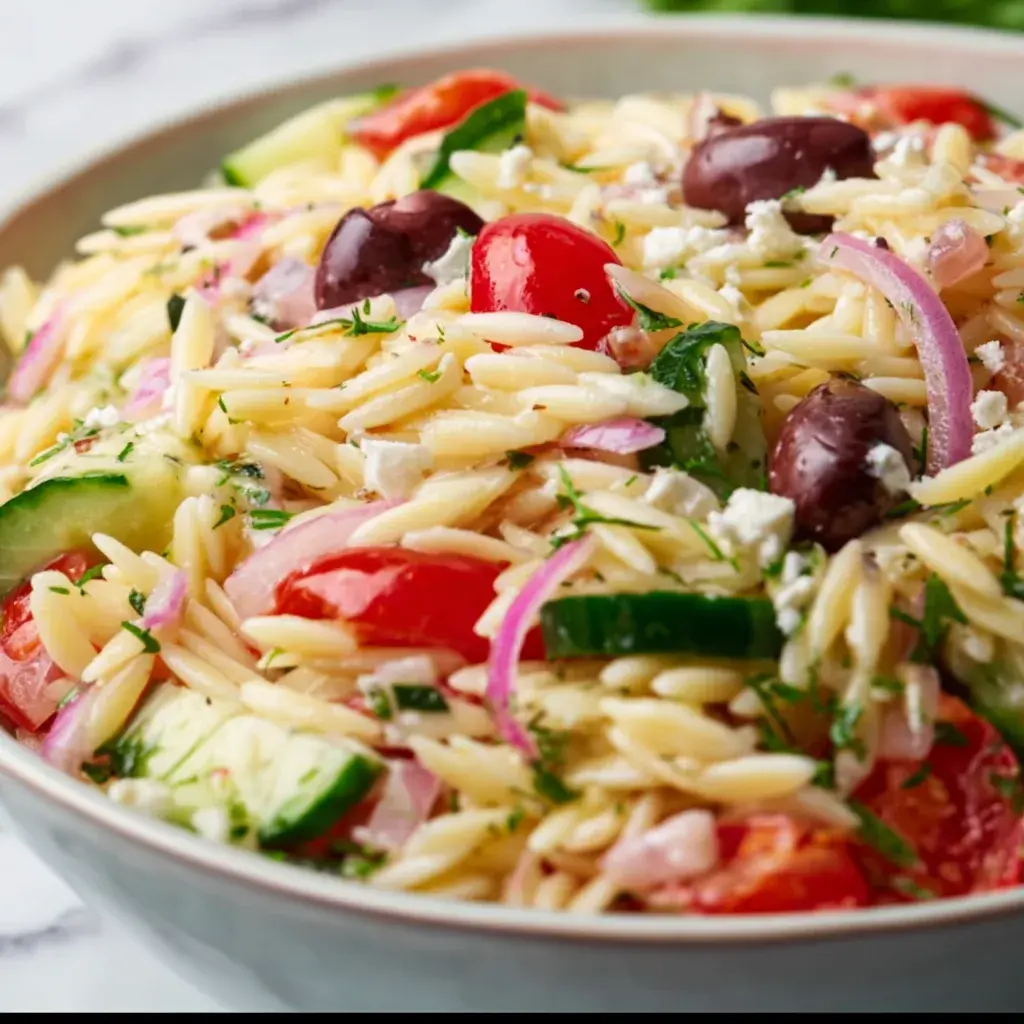
The Juicy Mediterranean Orzo Pasta Salad of your dreams is finally here! I’ve spent years perfecting this recipe, combining tender orzo pasta with sun-kissed tomatoes, crisp cucumbers, and briny olives that transport you straight to a seaside taverna. Every forkful delivers a perfect balance of tangy feta, fresh herbs, and zesty lemon dressing that makes your taste buds dance.
This vibrant dish has become my go-to for everything from casual lunches to impressive dinner parties. Trust me, once you try this Mediterranean masterpiece, you’ll be adding it to your regular rotation at RecipesDarleen.
Why You Will Love This Recipe
- Flavor Explosion: Experience a delightful symphony of sweet tomatoes, briny olives, sharp feta, and refreshing herbs, all brought together by a zesty lemon vinaigrette.
- Perfect Texture: Tender orzo pasta absorbs the flavorful dressing beautifully while crisp vegetables add a satisfying crunch, creating a truly harmonious bite every time.
- Remarkable Versatility: This salad shines as a light lunch, a hearty side dish for grilled meats or fish, or as a star attraction at any potluck or gathering.
- Make-Ahead Magic: The flavors meld and deepen as it sits, making it an ideal candidate for meal prep or preparing ahead of guests, saving you precious time on busy days.
- Effortless Elegance: Despite its simple preparation, this salad looks sophisticated and tastes incredibly gourmet, impressing even the most discerning palates.
Ingredients You Need
Crafting this exceptional Mediterranean Orzo Pasta Salad hinges on the quality of its ingredients, much like appreciating the nuances in a classic easy lobster bisque recipe. Using fresh, vibrant components ensures that each bite delivers the authentic taste of the Mediterranean. I always prioritize ripe, in-season produce for the best flavor and texture, and selecting flavorful herbs is paramount to achieving that bright, aromatic profile.
Juicy Mediterranean Orzo Pasta Salad
A vibrant and refreshing orzo pasta salad bursting with Mediterranean flavors. This dish features tender orzo, sun-kissed tomatoes, crisp cucumbers, briny olives, tangy feta, and a zesty lemon dressing, making it perfect for lunches, dinners, or potlucks. It's a make-ahead wonder that actually improves with time, offering a perfect balance of tangy, fresh, and savory notes.
- 1 pound orzo pasta
- 1 pint cherry or grape tomatoes, halved
- 1 Persian cucumber, diced
- 1/2 cup Kalamata olives, pitted and halved
- 1/2 cup green olives, pitted and halved
- 1/4 cup fresh parsley, chopped
- 1/4 cup fresh mint, chopped
- 1/2 cup crumbled feta cheese
- 1/4 cup olive oil
- 3 tablespoons fresh lemon juice
- 1 clove garlic, minced
- Salt and freshly ground black pepper to taste
- 1Cook orzo pasta according to package directions until al dente. Drain and rinse with cold water.
- 2In a large bowl, combine the cooked orzo, halved cherry tomatoes, diced cucumber, Kalamata olives, green olives, chopped parsley, and chopped mint.
- 3In a small bowl, whisk together the olive oil, fresh lemon juice, and minced garlic. Season with salt and pepper.
- 4Pour the dressing over the orzo mixture and toss gently to combine.
- 5Gently fold in the crumbled feta cheese.
- 6For best flavor, let the salad chill in the refrigerator for at least 30 minutes before serving to allow the flavors to meld.
- 7Serve chilled or at room temperature.
Keywords: orzo, pasta salad, Mediterranean, vegetarian, fresh, healthy, side dish, lunch, dinner, make-ahead
The quantities for these delightful ingredients can be found within the comprehensive recipe card provided. This ensures you have all the precise measurements needed for a perfectly balanced salad.
Variations
Embracing culinary creativity with this Mediterranean Orzo Pasta Salad opens up a world of delicious possibilities. You can easily tailor it to specific dietary needs or flavor preferences, ensuring everyone can enjoy this delightful dish.
Consider a fantastic dinner variation by incorporating protein. Grilled chicken breast, marinated and seared shrimp, or even pan-fried halloumi cheese would add a substantial element. For a vegetarian twist, toss in a generous helping of roasted chickpeas or white beans for plant-based protein and a delightful chewiness. This makes the salad a complete and satisfying meal on its own, perfect for those seeking a lighter yet fulfilling main course.
To cater to a lunch or low-carb lifestyle, you can adapt the base. Swap the orzo for a combination of finely chopped cauliflower and zucchini noodles. This not only reduces the carbohydrate content but also introduces a refreshing crispness that complements the Mediterranean flavors wonderfully. Ensure your vegetables are well-drained if using them in place of orzo to prevent a watery salad.
For an even more elevated experience, think about infusing a hint of sweetness or spice. A small amount of finely diced red apple can add a surprising crunch and sweetness that pairs beautifully with the salty feta and olives. Alternatively, a pinch of red pepper flakes stirred into the dressing can provide a gentle warmth that awakens the palate. These subtle additions can transform the familiar into something wonderfully new and exciting.
How to Prepare Mediterranean Orzo Pasta Salad
Step 1: Perfecting the Orzo Base
The journey to an exceptional Mediterranean Orzo Pasta Salad begins with the orzo itself, much like ensuring the foundational layers of a delicate easy berry tart are just right. I always advocate for generously salting the cooking water; it should taste like the sea, ensuring the pasta is seasoned from the inside out. This is a crucial step that many home cooks overlook, but it makes an immense difference in the final flavor profile of the salad.
Cook the orzo according to package directions until it is perfectly al dente, meaning it has a slight bite to it. Typically, this is around 7 to 8 minutes for most brands. Overcooked orzo will turn mushy, and while it might still be edible, it won’t provide the pleasing texture that is so characteristic of this dish. Timing is key here, so keep a close eye on it as it approaches the suggested cooking time.
Once drained, immediately toss the hot orzo with a tablespoon of good quality olive oil and a generous squeeze of fresh lemon juice. This not only prevents the orzo from clumping together as it cools but also begins the process of infusing it with flavor. The warm pasta readily absorbs these initial notes, setting the stage for the vibrant Mediterranean dressing that will follow. This simple step is a game-changer for creating a salad that’s light and individual grains.
Step 2: Crafting the Zesty Lemon-Herb Vinaigrette
The heart and soul of any great Mediterranean salad lies in its dressing, and for this orzo pasta salad, a bright, zesty lemon-herb vinaigrette is paramount. I start with a base of extra virgin olive oil, preferably one with a fruity, robust flavor that complements the other ingredients. A good ratio is typically three parts oil to one part acid, but for this salad, I often lean slightly more towards the lemon juice to ensure that distinctive Mediterranean tang.
Freshly squeezed lemon juice is non-negotiable here; bottled juice simply doesn’t possess the same vibrant, clean flavor. I also add a touch of red wine vinegar for added complexity and a hint of sweetness, but this can be adjusted to your preference. Whisking in finely minced garlic provides a pungent depth, while a pinch of Dijon mustard acts as an emulsifier, helping to bind the oil and vinegar together smoothly.
The herbs are where this dressing truly sings. I always use a generous amount of freshly chopped parsley and mint, as their bright, fresh flavors are quintessential to Mediterranean cuisine. Feel free to experiment with other herbs like dill or oregano, but parsley and mint offer a classic, refreshing combination. Season generously with salt and freshly ground black pepper, and then whisk everything together vigorously until well combined. Taste and adjust the seasoning as needed, ensuring a perfect balance of tangy, savory, and herbaceous notes.
Step 3: Preparing the Fresh Vegetable Medley
A vibrant medley of fresh vegetables is essential for both the visual appeal and the delightful textural contrast in this Mediterranean Orzo Pasta Salad. I like to use a combination of ingredients that offer a spectrum of colors and flavors, ensuring every bite is interesting and engaging. The goal is to have crisp, refreshing components that stand up well to the dressing and the orzo.
Cherry or grape tomatoes are a fantastic choice for their concentrated sweetness and juicy bursts. Halve or quarter them, depending on their size, to make them easier to eat. Persian cucumbers are my preferred variety for their thin skin and fewer seeds, offering a superior crunch. If you can’t find them, regular cucumbers will work, but be sure to deseed them and chop them into bite-sized pieces. The crispness of the cucumber is vital to the salad’s refreshing character.
A finely diced red onion adds a lovely sharpness and color, but if you find raw onion too strong, you can soak the diced onion in cold water for about 10 minutes to mellow its flavor. Kalamata olives, with their distinctive briny, slightly fruity flavor, are a must for that authentic Mediterranean taste. I also like to add some milder green olives for a different note. If you have access to them, a handful of sun-dried tomatoes packed in oil can add an intense burst of umami flavor, but use them sparingly as they are quite potent.
Step 4: Incorporating the Creamy Feta and Fresh Herbs
The addition of creamy feta cheese and a generous amount of fresh herbs elevates this orzo salad from good to extraordinary, much like the finishing touches that make a funfetti cookie truly festive. I always opt for a block of good quality feta cheese, preferably one packed in brine, as it generally has a superior texture and flavor. Crumble it into bite-sized pieces using your hands or a fork; this allows for an even distribution throughout the salad, ensuring you get pockets of salty creaminess in every spoonful.
Fresh herbs are the aromatic backbone of this dish, providing bright, clean flavors that cut through the richness of the dressing and feta. A generous amount of freshly chopped flat-leaf parsley and fresh mint is my standard combination. The parsley adds a verdant, slightly peppery note, while the mint offers a refreshing coolness that is particularly delightful in a warm-weather salad. Don’t be shy with the herbs; they are crucial to achieving that authentic Mediterranean profile.
Gently fold the crumbled feta and chopped herbs into the prepared orzo and vegetables. Be careful not to overmix at this stage, as you want to maintain the integrity of the ingredients. The goal is to gently combine everything so that the flavors can begin to meld. The combination of the salty feta, the bright herbs, and the tender orzo creates a wonderfully complex and satisfying flavor profile.
Step 5: Marrying Flavors with the Dressing
Now comes the moment where all the individual components of this vibrant Mediterranean Orzo Pasta Salad come together in a harmonious union, much like the carefully balanced elements in a good German pancake recipe. Pour the prepared lemon-herb vinaigrette over the combined orzo, vegetables, feta, and herbs. Ensure that the dressing is distributed as evenly as possible throughout the salad.
Using a large spoon or salad tongs, gently toss everything together. The key here is to be thorough but gentle. You want to coat every grain of orzo and every piece of vegetable with the zesty dressing, but you don’t want to mash the ingredients or break down the delicate textures. Fold from the bottom up, ensuring that no ingredients are left untouched by the flavorful vinaigrette.
Once everything is well combined, taste the salad. This is your final opportunity to make any necessary adjustments to the seasoning. Does it need a little more salt? Perhaps another squeeze of lemon for brightness? A touch more pepper? Don’t hesitate to fine-tune it to your liking. The flavors will continue to meld as the salad sits, so it’s important to get it right at this stage.
Step 6: Resting and Chilling for Optimal Flavor
Patience is a virtue, especially when it comes to creating the most flavorful Mediterranean Orzo Pasta Salad. While the salad is delicious when served immediately, allowing it to rest and chill in the refrigerator for at least 30 minutes, or even better, for an hour or two, allows the flavors to meld and deepen beautifully. This resting period is crucial for the orzo to fully absorb the dressing and for the herbs and vegetables to release their essence.
Cover the salad tightly with plastic wrap or transfer it to an airtight container. Place it in the refrigerator. During this time, the oil and lemon juice in the dressing will penetrate the orzo, making each bite more flavorful. The herbs will also become more fragrant, and the vegetables will tenderize slightly, creating a more cohesive and satisfying dish. It’s during this resting phase that the salad truly transforms.
If you are preparing this salad well in advance, it’s often best to add the more delicate ingredients, such as fresh herbs and possibly the feta cheese, closer to serving time. This helps to preserve their vibrant color and fresh flavor. However, for optimal flavor melding, combining most elements ahead of time and allowing them to chill together is highly recommended. The result is a salad that is not only visually appealing but also a complex and delightful culinary experience.
Pro Tips for Mediterranean Orzo Pasta Salad
Toast the Orzo: For an added layer of nutty flavor and a more robust texture, consider toasting the dry orzo in a dry skillet over medium heat for 2-3 minutes until fragrant before cooking it. This step is optional but highly recommended for an elevated taste.
Quality Olive Oil is Key: Since olive oil is a dominant flavor in the dressing, use a high-quality extra virgin olive oil. A fruity, robust oil will significantly enhance the overall taste of the salad, making it taste more authentic and artisanal.
Don’t Underestimate Fresh Herbs: While dried herbs can be a substitute in a pinch, fresh parsley and mint are essential for the vibrant, authentic Mediterranean flavor. Use a generous amount; they truly make the salad sing and offer a bright contrast to the other ingredients.
Adjust Acidity to Taste: The balance of lemon juice and vinegar is crucial. Taste the dressing before adding it to the salad and adjust the acidity as needed. Some prefer a tangier salad, while others enjoy a milder citrus note. It’s all about personal preference.
Consider Adding a Pinch of Sugar: If your tomatoes are not very sweet or your lemon is particularly tart, a tiny pinch of sugar (or a touch of honey) in the dressing can help to round out and balance the flavors beautifully.
Serving Suggestions for Mediterranean Orzo Pasta Salad
Decoration
To enhance the visual appeal of your Mediterranean Orzo Pasta Salad, a few simple decorative touches can make a big difference. A scattering of fresh, whole parsley or mint leaves over the top adds a burst of green and signals freshness. A few extra crumbles of feta cheese strategically placed can create appealing texture and visual interest. For a pop of color, consider adding a few whole Kalamata olives or a sprinkle of pomegranate seeds, which offer a jewel-like quality.
Side Dishes
This versatile orzo salad serves beautifully as a side dish for a variety of main courses. It pairs exceptionally well with grilled meats such as lamb chops or chicken skewers, offering a refreshing counterpoint to richer flavors. For seafood lovers, it’s a perfect accompaniment to baked fish like cod or sea bass, or even grilled shrimp. Consider serving it alongside a simple roast chicken for an effortless yet impressive family meal. It also complements hearty vegetarian dishes like stuffed bell peppers or lentil loaves wonderfully.
Creative Serving Ideas
Beyond a standard side dish, this Mediterranean Orzo Pasta Salad can be presented in creative ways. Pack it into individual mason jars for vibrant and convenient lunch portions; layer the dressing at the bottom, followed by the sturdier ingredients, and top with the orzo mixture to prevent sogginess. It can also be served as a light main course for a brunch or luncheon, perhaps alongside crusty bread and a selection of dips. For a more formal setting, consider spooning it into hollowed-out bell peppers or large tomatoes for an edible and elegant serving vessel.
Preparation & Storage
Storing Leftovers
Storing leftover Mediterranean Orzo Pasta Salad is straightforward, ensuring you can enjoy its delightful flavors for days to come. The key to maintaining its freshness is proper containment. Transfer any remaining salad into an airtight container, pressing down gently to minimize air exposure. It’s best to keep the container in the refrigerator; the cold temperature slows down any potential spoilage and helps preserve the textures of the ingredients.
This salad generally keeps well for up to 4 to 5 days when stored correctly. However, the texture of the fresh vegetables, especially cucumbers, might soften slightly over time. For the best quality, try to consume it within the first 2 to 3 days. If you notice any separation of the dressing, a simple gentle stir before serving will bring it all back together.
If you’ve made a large batch and want to preserve its quality for longer, consider storing the dressing separately from the salad. This is particularly beneficial if you’ve added very delicate herbs or if you anticipate the salad sitting for an extended period before consumption. This method helps prevent the orzo and vegetables from becoming overly saturated with dressing, maintaining a fresher taste.
Freezing
Unfortunately, Mediterranean Orzo Pasta Salad is not a good candidate for freezing. The primary reason for this is the high water content of many of the fresh ingredients, such as tomatoes and cucumbers, as well as the cooked orzo pasta itself. When frozen and then thawed, these components tend to become mushy and lose their desirable texture and integrity.
The distinct crispness of the vegetables is a critical element that contributes to the salad’s appeal. Freezing will irrevocably damage this texture, resulting in a watery, unappetizing consistency upon thawing. Therefore, it’s best to enjoy this salad fresh or within its recommended refrigerated shelf life rather than attempting to freeze it for later enjoyment.
If you find yourself with an abundance of leftovers that you cannot consume within the recommended timeframe, consider repurposing them creatively. For instance, the mixture could potentially be incorporated into a hearty soup base, though the texture would be significantly altered. However, for the best culinary experience, it’s advisable to prepare only the amount you anticipate consuming within a few days.
Reheating
Reheating Mediterranean Orzo Pasta Salad is generally not recommended, as it is best enjoyed cold or at room temperature. The fresh ingredients and the delicate balance of flavors are designed to be served chilled. Applying heat would significantly alter the texture of the vegetables and orzo, making them soft and unappealing. Furthermore, the bright, fresh herb flavors would likely diminish with heating.
If the salad has been refrigerated and has become too cold for your preference, you can let it sit at room temperature for about 15-20 minutes to bring it closer to a more palatable temperature. This allows the flavors to open up slightly without compromising the integrity of the ingredients. This is the closest you should get to “reheating” this particular dish.
Should you find that the salad seems a bit dry after refrigeration, a small drizzle of fresh olive oil and a squeeze of lemon juice, followed by a gentle toss, can help revive its moisture and zest. This simple adjustment can often make it taste as fresh as when it was first prepared, without the need for any actual heating. Remember, the magic of this salad lies in its refreshing, cool components.
Frequently Asked Questions
-
Can I make Juicy Mediterranean Orzo Pasta Salad gluten-free?
Absolutely! The most straightforward way to make this salad gluten-free is to substitute the orzo pasta with a gluten-free alternative. Many brands now offer gluten-free orzo made from rice, corn, or a blend of grains. Alternatively, you can use other small, gluten-free pasta shapes like ditalini or small shells. Always cook gluten-free pasta according to package directions, as their cooking times can vary significantly from traditional wheat-based pasta. Ensure all other ingredients, such as seasonings and any processed components, are also verified gluten-free to maintain the integrity of the dish.
-
How far in advance can I prepare this salad?
This Mediterranean Orzo Pasta Salad is an excellent make-ahead dish, with most components holding up beautifully for 2-3 days. For optimal freshness, it’s best to prepare the orzo and chop the sturdy vegetables (like tomatoes, cucumbers, and onions) a day or two in advance. Prepare the dressing separately and store it in an airtight container. Then, combine the cooked orzo, vegetables, and dressing a few hours before serving, or even on the same day. Add the delicate ingredients like fresh herbs and feta cheese just before you plan to serve the salad to ensure they retain their vibrant color and fresh flavor, preventing them from wilting or becoming soggy.
-
What are some good substitutes for feta cheese in this recipe?
If feta cheese isn’t your preference or you have dietary restrictions, several excellent substitutes can work wonderfully in this Mediterranean Orzo Pasta Salad. For a similar creamy and tangy profile, crumbled goat cheese is a fantastic option, offering a slightly milder yet equally delicious flavor. If you’re looking for a dairy-free alternative, firm or extra-firm tofu can be pressed, crumbled, and then marinated in a mixture of lemon juice, olive oil, dried oregano, and a pinch of salt to mimic the texture and savory notes of feta. Another option is halloumi cheese, which can be grilled or pan-fried until golden brown and then cubed or crumbled for a chewy, salty addition, though it will have a firmer texture than feta.