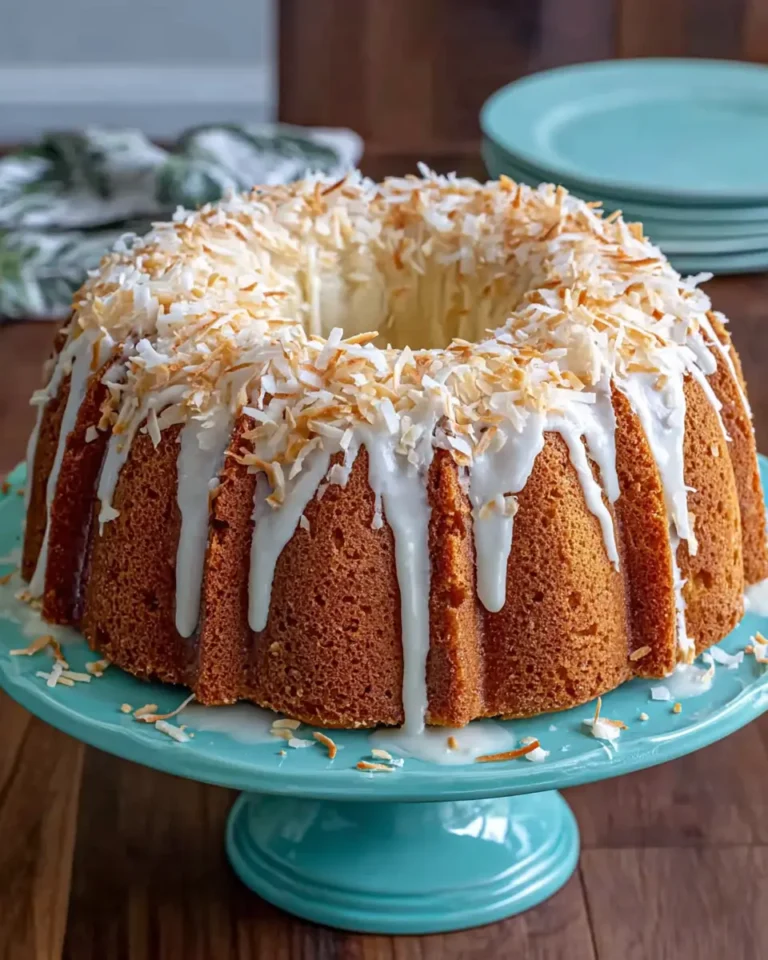
Glazed Pineapple Juice Bundt Cake
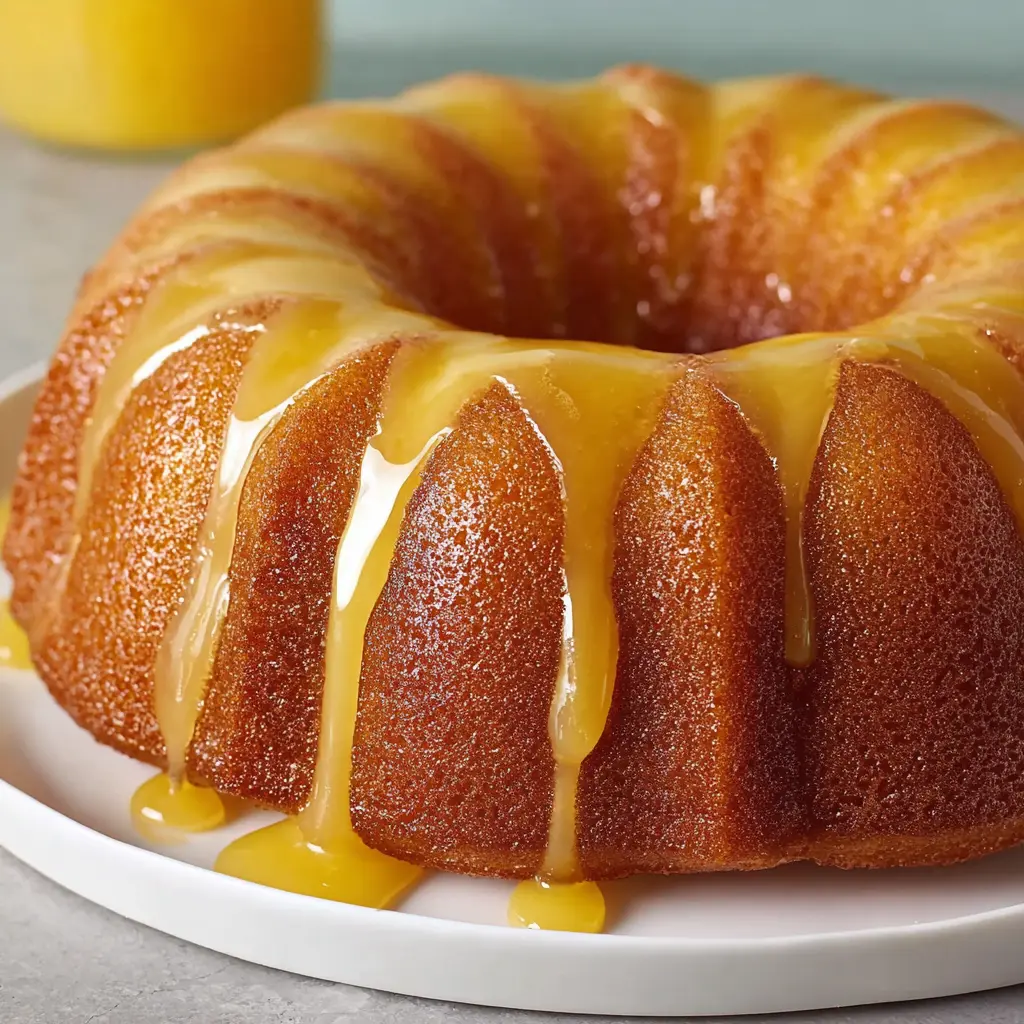
Pineapple Juice Cake is a delightful dessert that strikes a perfect balance between effortless preparation and vibrant tropical flavor. Its moist, tender crumb is a testament to the simple yet effective ingredients, crowned with a buttery glaze that infuses every slice with sweetness. This cake is exceptionally versatile, making it a reliable choice for any occasion, from casual family gatherings to more formal potlucks and holiday celebrations.
What truly sets this cake apart is its ability to deliver a homemade taste and texture without requiring a lengthy ingredient list or complex culinary techniques. The batter comes together in a flash, and the resulting golden Bundt cake, finished with a glistening, syrupy topping, offers a charming, bakery-quality appearance. It’s the kind of treat that feels both familiar and exciting, a truly wonderful addition to any dessert spread.
Why You Will Love This Recipe
- Effortless Preparation: Crafted for convenience, this cake utilizes a standard cake mix as its base, significantly reducing the time and effort needed for mixing, while still delivering exceptional results.
- Moist and Tender Crumb: The combination of pineapple juice and vegetable oil ensures a consistently moist and incredibly tender cake that remains delightful even after resting.
- Bright Tropical Flavor: The star ingredient, pineapple juice, imbues the cake and its glaze with a subtle yet distinct tropical zest, preventing it from tasting overly sweet and adding a refreshing dimension.
- Beautiful Presentation: The classic Bundt shape and the rich, glossy glaze create an appealing presentation that makes this cake look as good as it tastes, perfect for impressing guests.
- Make-Ahead Convenience: This cake is an excellent candidate for advance preparation, as the flavors meld beautifully and the glaze fully saturates the crumb with time, ensuring peak deliciousness when served.
Ingredients You Need
Selecting high-quality ingredients is the first step to baking a truly memorable Pineapple Juice Cake. The foundation of this recipe relies on accessible pantry staples that, when combined thoughtfully, create a symphony of flavors and textures. Each component plays a crucial role, from providing structure and moisture to delivering that signature bright, tropical essence that makes this cake so special.
Pineapple Juice Cake
A tender Bundt cake prepared with yellow cake mix, pineapple juice, eggs, and vegetable oil, then saturated with a buttery pineapple glaze for a moist, richly flavored finish. This cake is quick, moist, and has a bright tropical flavor, a soft tender crumb, and a buttery glaze that soaks into every slice. It is dependable for parties, potlucks, holidays, and simple family desserts. The batter comes together fast, bakes into a golden ring, and finishes with a syrupy topping that gives it a rich, bakery-style look. It is also a great choice for make-ahead serving.
- 1 package yellow cake mix (such as Duncan Hines Classic Yellow)
- 4 large eggs (brought to room temperature for improved blending)
- 3/4 cup pineapple juice
- 3/4 cup vegetable oil
- 4 tablespoons butter (melted, preferably Kerrygold)
- 3/4 cup pineapple juice
- 2 cups confectioners’ sugar
- 1Preheat the oven to 350°F. Thoroughly grease a standard Bundt pan so the cake releases cleanly after baking.
- 2Place the yellow cake mix, room-temperature eggs, pineapple juice, and vegetable oil in a large mixing bowl. Stir until the ingredients are just incorporated, taking care not to overmix. Pour the batter into the prepared Bundt pan and spread it into an even layer.
- 3Bake for 28 to 32 minutes, or until a toothpick inserted into the center comes out clean. Remove the cake from the oven and let it rest in the pan for 10 to 15 minutes.
- 4While the cake cools, prepare the syrup. In a bowl, combine the powdered sugar and pineapple juice with the hot melted butter. Whisk until the mixture is smooth and fully blended.
- 5With the cake still in the pan, use a fork or skewer to make holes across the surface. Pour approximately three-quarters of the syrup evenly over the cake, allowing it to seep into the holes and soak the crumb. Let the cake stand for 15 minutes so the syrup can absorb properly.
- 6Turn the cake out onto a serving plate. Spoon or drizzle the remaining syrup over the top, allowing it to run down the sides. Serve once ready.
Keywords: Pineapple Juice Cake, Bundt cake, tropical cake, easy cake, moist cake, pineapple glaze
The specific quantities for each ingredient are detailed within the recipe card, ensuring you have all the necessary information for a perfect bake.
Variations
While the classic Pineapple Juice Cake is already a triumph of flavor and texture, its inherent simplicity allows for delightful variations that can cater to different dietary preferences or simply offer a new taste experience. These adaptations maintain the cake’s beloved moist crumb and tropical essence while introducing unique twists.
Vegan Delight: To transform this cake into a vegan masterpiece, the eggs can be replaced with a flax egg (1 tablespoon flaxseed meal mixed with 3 tablespoons water, let sit for 5 minutes) or a commercial egg replacer. Ensure the cake mix you choose is also vegan-friendly, as some may contain dairy or egg derivatives. For the glaze, use a plant-based butter substitute or coconut oil instead of butter, and a dairy-free milk alternative if any liquid is needed to adjust consistency. The result is a remarkably moist and flavorful cake that everyone can enjoy.
Gluten-Free Indulgence: For those avoiding gluten, a good quality gluten-free yellow cake mix can be substituted directly for the traditional one. It’s often beneficial to use an additional binder like a teaspoon of xanthan gum if the gluten-free mix doesn’t already contain one, as this helps mimic the structure that gluten normally provides. Some gluten-free baking also benefits from a slightly longer baking time, so keep an eye on your cake and test for doneness with a toothpick.
Spice and Citrus Twist: Elevate the tropical notes by adding a teaspoon of ground cinnamon or a pinch of ground nutmeg to the dry cake mix. These warm spices complement the pineapple beautifully. For an extra layer of brightness, consider adding the zest of one lime or a tablespoon of fresh lime juice to the cake batter. This citrus addition cuts through the sweetness and enhances the overall fruity profile, creating a more complex and invigorating flavor profile that truly sings.
How to Prepare Pineapple Juice Cake
Step 1: Preparing the Bundt Pan and Preheating the Oven
The foundation of a successful Bundt cake lies in proper pan preparation. Begin by preheating your oven to the specified temperature of 350°F (175°C). This ensures that the cake bakes evenly from the moment it enters the oven, leading to a consistently cooked interior and a beautifully golden exterior.
Next, meticulously grease your standard Bundt pan. Use a generous amount of softened butter or non-stick cooking spray, ensuring every single crevice, ridge, and the central tube is thoroughly coated. This step is critical for preventing the delicate cake from sticking and ensuring it releases cleanly once baked, preserving its beautiful ring shape.
For an extra layer of security against sticking, some bakers like to lightly dust the greased pan with flour or finely ground almond flour, tapping out any excess. This creates a non-stick barrier that gives the cake the best possible chance of sliding out of the pan in one pristine piece.
Step 2: Mixing the Cake Batter
In a large mixing bowl, combine the dry yellow cake mix, which provides a stable and familiar base for our cake. Add the room-temperature eggs; their warmth allows them to emulsify more easily with the other ingredients, contributing to a smoother batter and a more tender crumb.
Next, incorporate the liquid ingredients: the pineapple juice, which brings both moisture and the signature tropical flavor, and the vegetable oil, which guarantees a soft, moist texture that lasts. Stir these ingredients together using a whisk or an electric mixer on low speed. It is important to mix only until the batter is smooth and all the ingredients are just combined; overmixing can develop the gluten in the flour excessively, leading to a tougher cake texture.
The resulting batter should be thick yet pourable, with a consistent texture free of dry pockets of cake mix. A well-emulsified batter is key to a cake that bakes up evenly and has a desirable light and airy crumb structure.
Step 3: Baking the Cake to Golden Perfection
Carefully pour the prepared batter into the meticulously greased Bundt pan. Use a spatula to spread the batter evenly, ensuring it fills all the nooks and crannies of the pan for uniform baking. Gently tap the pan on the counter a couple of times to release any large air bubbles that might have been trapped within the batter, which can cause large holes in the finished cake.
Place the filled Bundt pan into the preheated oven. Bake for approximately 28 to 32 minutes. The exact baking time can vary slightly depending on your oven’s calibration and the specific Bundt pan used. You’ll know the cake is ready when it’s beautifully golden brown around the edges and a toothpick or cake tester inserted into the center comes out clean, indicating that the interior is fully cooked.
Avoid opening the oven door too early in the baking process, as this can cause the cake to sink in the center. It’s best to check for doneness only after the minimum baking time has elapsed to ensure optimal results and a perfectly baked cake.
Step 4: Allowing the Cake to Rest
Once the cake has finished baking and the toothpick test confirms it’s done, carefully remove the Bundt pan from the oven. Allow the cake to cool in the pan on a wire rack for an initial period of 10 to 15 minutes. This brief resting period is crucial for several reasons.
During this time, the cake continues to set and firm up slightly, making it less prone to breaking when you attempt to invert it. It also allows the internal structure to stabilize, preventing it from collapsing. Furthermore, this cooling phase helps the cake to begin drawing away from the sides of the pan, preparing it for a clean release.
It is important not to let the cake cool completely in the pan, as this can sometimes cause the sugars in the cake and glaze to caramelize and stick. The warm cake is still pliable enough to be removed easily, and this gentle warmth is actually beneficial for the subsequent glazing step.
Step 5: Preparing the Luscious Pineapple Glaze
While the cake is undergoing its initial cooling period in the pan, it’s the perfect time to prepare the luscious pineapple glaze. In a medium-sized bowl, combine the melted butter, ensuring it’s still warm but not boiling hot. The butter adds a rich, decadent flavor and contributes to the smooth, glossy texture of the glaze, making it more luxurious than a simple powdered sugar and liquid mixture.
Add the 3/4 cup of pineapple juice to the melted butter. This is where the cake gets its signature bright, fruity flavor in the glaze. Whisk these two ingredients together until they are well combined. The mixture will look slightly separated at first, but as you proceed, it will come together.
Gradually add the 2 cups of confectioners’ sugar to the butter and pineapple juice mixture, whisking continuously. Start with about half the sugar and whisk until smooth, then add the remaining sugar in increments. Continue whisking until the glaze is completely smooth, glossy, and has a pourable consistency. If the glaze seems too thick, you can add a tiny bit more pineapple juice, a teaspoon at a time, until it reaches your desired pourable consistency.
Step 6: Glazing the Cake and Final Touches
Once the cake has rested in the pan for the specified 10 to 15 minutes, it’s time to apply the glaze. While the cake is still warm and in the pan, use a fork, skewer, or even a thin wooden dowel to carefully poke holes all over the surface of the cake. These holes act as tiny reservoirs, allowing the glaze to penetrate deep into the cake’s crumb, ensuring every bite is moist and flavorful.
Slowly and methodically pour about three-quarters of the prepared pineapple glaze evenly over the top of the cake. Watch as the warm glaze immediately begins to soak into the poked holes, creating a beautiful, glistening sheen. Allow the cake to sit undisturbed in the pan for another 15 minutes, giving the poured glaze ample time to absorb and saturate the cake’s interior.
After this second resting period, it’s time to invert the cake onto a serving plate or a wire rack set over a tray to catch any drips. Gently turn the pan over, and if you’ve greased it well, the cake should release with ease. Spoon or drizzle the remaining glaze over the top of the inverted cake, letting it cascade down the sides to create an even more decadent finish. Let the glaze set slightly before slicing and serving this delightful Pineapple Juice Cake.
Pro Tips for Pineapple Juice Cake
Embrace Room Temperature Ingredients: Ensure your eggs are at room temperature. This simple step significantly helps the batter emulsify more evenly, leading to a smoother mixture and a cake with a finer, more tender crumb. Cold eggs can cause the fats and liquids to separate, resulting in a less cohesive batter and a denser cake.
Grease the Pan Like Your Life Depends On It: Seriously, this is non-negotiable for Bundt cakes. Use softened butter, baking spray with flour, or even shortening, and then lightly dust with flour or finely ground nuts. Get into every single detail of the pan’s intricate design; this diligence is key to a flawless release every single time.
Don’t Overmix the Batter: Resist the urge to whisk or beat the batter excessively once the wet and dry ingredients are combined. Overmixing develops the gluten in the flour, which can result in a tough, dense, and chewy cake rather than the light, tender crumb you desire. Mix only until everything is just incorporated.
Patience with the Glaze: Pouring the glaze slowly in stages allows the warm cake crumb ample time to absorb the liquid without overwhelming it. This methodical approach ensures the glaze penetrates deeply, leading to a consistently moist cake from top to bottom, rather than just a syrupy top layer.
Allow for Proper Settling: Letting the glazed cake rest before slicing, especially after the final glaze application, allows the syrup to settle and the crumb to firm up slightly. This results in slices that hold their shape beautifully and prevents the moist crumb from crumbling apart when served.
Serving Suggestions for Pineapple Juice Cake
Decoration
The inherent beauty of a well-glazed Bundt cake often needs little embellishment, but a few thoughtful touches can elevate its presentation. A simple dusting of confectioners’ sugar provides a soft, snowy contrast to the glossy glaze, mimicking a light frost. For a pop of color and freshness, consider arranging a few maraschino cherries or fresh pineapple chunks artfully around the base of the cake or atop the glaze before it fully sets. Edible flowers can also add a touch of elegance, bringing a whimsical and natural beauty to the dessert.
Side Dishes
To complement the sweet and tropical notes of the Pineapple Juice Cake, consider pairing it with complementary flavors and textures that enhance the overall dessert experience. A dollop of lightly sweetened whipped cream or a scoop of vanilla bean ice cream provides a cool, creamy counterpoint to the cake’s warmth and richness. Fresh fruit, such as sliced strawberries, raspberries, or even more fresh pineapple, can add a bright, refreshing element that cuts through the sweetness and reinforces the tropical theme of the cake.
For a slightly more sophisticated pairing, a small side of crème anglaise or a light fruit coulis can add another layer of culinary interest. The smooth, custard-like texture of crème anglaise blends beautifully with the cake’s moist crumb, while a vibrant fruit coulis adds both visual appeal and an extra burst of fruity flavor. These accompaniments are designed to enhance, not overpower, the star of the show: the Pineapple Juice Cake itself.
Creative Serving Ideas
Beyond the traditional slice, Pineapple Juice Cake can be reimagined for various serving occasions. Consider transforming slices into miniature trifles by layering crumbled cake with whipped cream and tropical fruit preserves in individual glasses. This creates a visually stunning and texturally diverse dessert that’s perfect for elegant gatherings or smaller, more intimate celebrations.
Another innovative idea is to create “cake bites” by cutting the cake into small cubes and dipping them partially into melted white or dark chocolate. These are perfect for parties where guests might want a small, easily handled treat. For a brunch setting, serve thin slices warmed slightly with a cup of good quality coffee or a fragrant herbal tea, allowing the buttery glaze and tender crumb to be savored slowly.
You can also use leftover cake to create a deconstructed dessert. Crumble the cake and lightly toast it in a pan with a little butter and a sprinkle of sugar to create a crunchy topping. Serve this toasted crumb mixture over a scoop of coconut sorbet or alongside fresh mango slices for a delightful textural contrast and a sophisticated tropical presentation.
Preparation & Storage
Storing Leftovers
Once the Pineapple Juice Cake has cooled completely, proper storage is key to maintaining its delightful moisture and flavor. Cover the cake tightly with plastic wrap, ensuring there are no air gaps, or place it in an airtight container. At room temperature, the cake can be stored for up to two days in a cool kitchen, away from direct sunlight or heat sources.
If you anticipate needing to store it for longer, refrigeration is the best option. In the refrigerator, the cake will remain fresh and moist for up to five days. The glaze on the cake actually helps to preserve its moisture, preventing it from drying out as quickly as unfrosted cakes. Always ensure the cake is well-covered to prevent it from absorbing any unwanted odors from other foods in the refrigerator.
When ready to serve refrigerated cake, it is often best to let it sit at room temperature for about 20-30 minutes to allow the crumb to soften and the flavors to become more pronounced again. This step helps to bring back the cake’s original appealing texture.
Freezing
Pineapple Juice Cake freezes exceptionally well, making it an excellent candidate for preparing ahead of time for future cravings or special occasions. For best results, ensure the cake is completely cooled before wrapping. You can freeze the entire cake, or for easier portioning, wrap individual slices securely.
To freeze, wrap the cake or slices tightly first in a layer of plastic wrap, ensuring no air can penetrate. Then, add a second layer of protection with aluminum foil or a freezer-safe bag. Properly wrapped, the cake can be stored in the freezer for up to two months without a significant loss of quality or flavor.
When you are ready to enjoy your frozen Pineapple Juice Cake, the best method for thawing is to place it in the refrigerator overnight. This gradual thawing process helps to maintain the cake’s texture and prevents condensation from forming on the surface, which could make it soggy. For a quicker thaw, you can leave it on the counter for a couple of hours, but be mindful of ambient temperature and humidity.
Reheating
Reheating Pineapple Juice Cake is a simple process that can bring back its comforting warmth and slightly softened glaze, making it feel freshly baked. If the cake has been refrigerated, it’s often best to let it come to room temperature for about 20 to 30 minutes first. This initial warming helps the glaze loosen up a bit.
For a gently warmed slice, the microwave is an excellent tool. Place a slice on a microwave-safe plate and heat it in short intervals of about 10 to 15 seconds. This brief heating is usually enough to soften the crumb and slightly melt the glaze, enhancing its moistness. Be careful not to overheat, as this can make the cake dry or rubbery.
If you prefer to reheat a larger portion or a whole cake, a low oven temperature is ideal. You can warm slices in a 300°F (150°C) oven for about 5-10 minutes, or until just warmed through. This method allows for more even heating and can help re-crisp any edges slightly if desired, while ensuring the interior remains moist and flavorful. Always monitor the cake closely to prevent over-baking or drying out.
Frequently Asked Questions
-
Can I use fresh pineapple chunks instead of juice in this recipe?
While using fresh pineapple chunks might seem like a natural substitution, it’s not directly recommended for this specific recipe as written. The recipe relies on the liquid and concentrated flavor of pineapple juice to create both the cake’s moisture and the glaze’s consistency. Fresh pineapple contains more fiber and can release excess moisture during baking, potentially altering the cake’s texture and making it too wet or dense. If you wish to incorporate fresh pineapple, it’s best to purée it and strain out most of the liquid to get a more concentrated flavor, or to add small, finely diced pieces as an inclusion to the batter, understanding that this may impact baking time and moisture levels.
-
What is the best way to ensure the cake releases cleanly from a Bundt pan, especially with the glaze?
The key to a clean release lies in thorough preparation of the Bundt pan. Before adding any batter, generously grease every nook and cranny of the pan with softened butter, vegetable shortening, or a high-quality non-stick baking spray that contains flour. Pay extra attention to intricate designs and the central tube. After greasing, lightly dust the interior with flour or finely ground nuts, tapping out any excess. Allowing the cake to cool in the pan for 10-15 minutes after baking is also crucial; this brief resting period allows the cake to firm up slightly, making it less likely to break, but not so long that the glaze sets and glues it to the pan. Inverting the cake onto a wire rack while it’s still warm but not piping hot is the optimal moment for a successful release.
-
My cake came out a bit dry. What could have gone wrong, and how can I prevent this in the future?
A dry cake can result from several common baking errors. Overbaking is a primary culprit; ensure you are baking only until a toothpick inserted near the center comes out clean, and avoid leaving it in the oven longer than necessary. Another cause is using ingredients that are not at room temperature, particularly eggs, which can affect batter emulsification and lead to a less tender crumb. Measuring flour incorrectly, such as by scooping it directly from the bag, can also lead to too much flour being used, resulting in a dry texture. For this specific recipe, remember that the pineapple juice and oil are vital for moisture, so ensure you’re using the correct quantities. If your oven tends to run hot, consider reducing the temperature slightly and baking for a few minutes longer. Finally, the glaze plays a significant role in keeping this cake moist; ensuring it’s properly absorbed is paramount.