P.F. Chang's Mongolian Beef Recipe
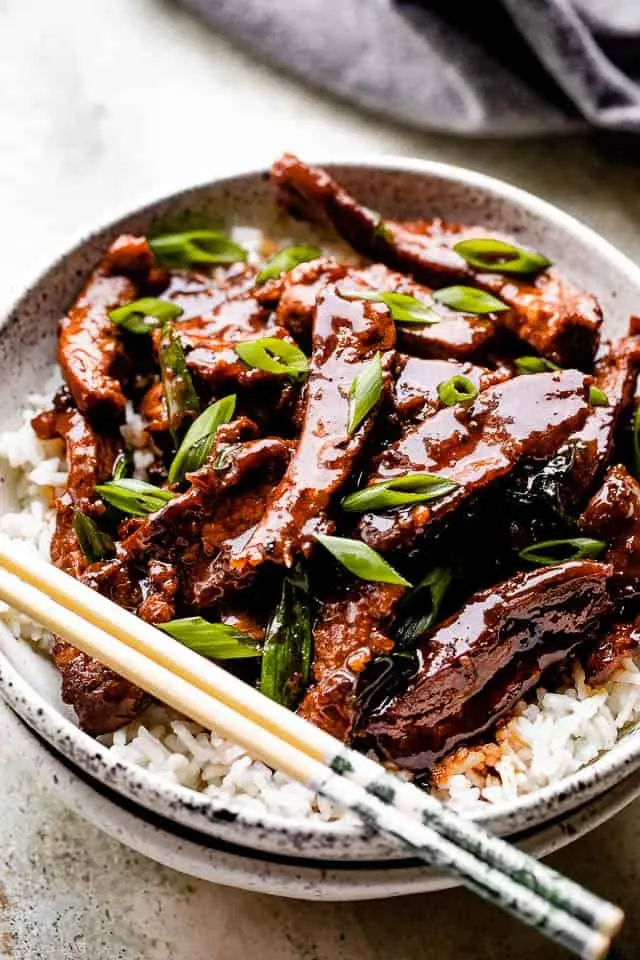
Embark on a culinary adventure that brings the vibrant flavors of your favorite Chinese restaurant right into your kitchen. This Mongolian beef recipe is a delightful journey, promising a tender, succulent beef coated in a luscious, savory-sweet sauce that will have your taste buds singing.
It’s more than just a meal; it’s an experience designed to impress, whether you’re hosting a dinner party or seeking a quick yet elegant weeknight solution. Prepare to be amazed by how easily you can recreate this beloved classic.
Why You Will Love This Recipe
- Quick Preparation: Dinner is on the table in just about 30 minutes, making it an ideal choice for busy weeknights when time is of the essence and cravings strike hard.
- Simple Ingredients: This recipe relies on readily available pantry staples and common produce, ensuring you can whip it up without a special trip to the grocery store.
- Restaurant-Quality Taste: Experience the authentic, mouthwatering flavors of authentic Mongolian beef that rival any takeout dish, offering a truly satisfying culinary delight.
- Tender Beef Perfection: Flank steak is sliced thinly and cooked to a beautiful tenderness, ensuring each bite is melt-in-your-mouth delicious and perfectly complemented by the rich sauce.
- Versatile Serving: While classic over steamed rice, this dish offers endless possibilities for accompaniments, allowing for creative meal planning and personal preference.
Ingredients You Need
Crafting this exceptional Mongolian beef starts with selecting high-quality ingredients that harmonize beautifully to create that signature sweet and savory profile. The simplicity of the ingredients belies the depth of flavor achieved in the final dish, making it an accessible yet impressive culinary feat. Each component plays a crucial role in building the complex and irresistible taste that defines this beloved recipe.
Mongolian Beef Recipe
This copycat P.F. Chang's Mongolian Beef recipe features flank steak simmered in a delectable sweet sauce made with ginger, garlic, soy sauce, and brown sugar. It's simple to prepare and perfectly captures the flavors of the renowned restaurant's dish!
- 1 pound flank steak, thinly sliced across the grain on a diagonal
- ¼ cup cornstarch
- 2 teaspoons vegetable oil
- 1 teaspoon minced fresh ginger
- 1 tablespoon minced garlic
- ½ cup soy sauce
- ½ cup water
- ½ cup dark brown sugar
- 1 cup vegetable oil, for frying
- 2 green onions, green parts only, sliced on the diagonal into 2 inches
- 4 cups cooked white rice
- 1Place cornstarch on a shallow plate. Dip steak slices into the cornstarch, applying it on both sides of each slice of beef. Put the steak pieces aside for 10 minutes while you work on the sauce.
- 2In a saucepan, heat 2 teaspoons of vegetable oil over medium-low heat. Add ginger and garlic to the pan; cook for 10 seconds or until fragrant.
- 3Stir in the soy sauce and water. Whisk in brown sugar and cook while stirring until the sugar dissolves. Set to medium heat and cook the sauce until it thickens, about 10 minutes. Remove from heat and set aside.
- 4Place vegetable oil in a separate large skillet and heat over medium heat until hot. Add the steak slices to the oil and cook for 2 to 3 minutes or until cooked through, flipping the pieces over to cook on the opposite side.
- 5Using a pair of tongs, remove the steak pieces from the oil and let them drain on paper towels.
- 6Discard the oil. Return the saucepan to the stove and heat over medium heat. Add steak slices and cook for 1 minute. Gently stir in previously prepared sauce; continue to cook and stir for a minute. Stir in green onions and cook for 1 to 2 minutes, or until heated through. Remove from heat and serve over rice.
Keywords: Mongolian Beef, P.F. Chang's, Copycat, Chinese-American, Beef, Dinner, Quick, Easy
Detailed quantities for each ingredient are readily available within the comprehensive recipe card, ensuring you have all the precise measurements needed for success.
Variations
While the classic Mongolian beef is a masterpiece in its own right, the beauty of home cooking lies in its adaptability. You can easily tailor this recipe to suit various dietary preferences and flavor profiles, opening up a world of delicious possibilities.
For those seeking a plant-based alternative, consider a “Vegan Mongolian Mushroom” version. This variation would utilize hearty mushrooms like king oyster or shiitake, sliced and marinated similarly to the beef. The same luscious sauce can be employed, creating a surprisingly meaty and satisfying dish that appeals to vegetarians and vegans alike, offering a complex umami punch.
If you’re watching your carbohydrate intake, a “Low-Carb Mongolian Cauliflower Stir-Fry” is an excellent choice. Replace the rice with cauliflower rice and consider adding more non-starchy vegetables such as broccoli florets, bell peppers, and snap peas to the stir-fry. The rich sauce can be slightly adjusted to reduce sweetness if desired, providing a flavorful and guilt-free meal.
Another exciting avenue is to explore a “Spicy Mongolian Beef” twist. Amp up the heat by adding a pinch of red pepper flakes to the sauce during its simmering stage, or incorporate a swirl of sriracha or chili garlic sauce. This variation caters to those who love a bit of a kick, balancing the sweetness with a pleasant warmth that lingers on the palate.
How to Prepare Mongolian beef recipe
Step 1: Prepare the Beef and Sauce Base
The initial preparation involves ensuring your beef is perfectly sliced and ready for its quick culinary transformation. Begin by taking your pound of flank steak and thinly slicing it against the grain. For optimal ease in achieving those paper-thin slices, place the beef in the freezer for approximately 20 minutes beforehand; this firming action makes slicing significantly more manageable and precise. Once sliced, ensure each piece is coated evenly in cornstarch on all sides, creating a delicate crust that will become wonderfully crisp during the frying process.
As the cornstarch-coated beef rests, it’s time to build the foundation of the irresistible Mongolian sauce. In a medium saucepan, heat about 2 teaspoons of vegetable oil over medium-low heat. Add your minced fresh ginger and minced garlic to the fragrant oil; sauté these aromatics for a mere 10 seconds until their intoxicating fragrance fills your kitchen. Be careful not to burn them, as this can impart a bitter taste, so a gentle, brief sauté is key.
Following the aromatics, pour in the half cup of soy sauce and the half cup of water, creating the liquid base for your sauce. Whisk in the half cup of dark brown sugar until it is completely dissolved into the mixture, lending its signature sweetness and depth. Bring this concoction to a simmer, then reduce the heat to medium, allowing it to cook and gently thicken for about 10 minutes. Stir occasionally to prevent sticking and to ensure the sugar is fully incorporated, resulting in a glossy, well-balanced sauce ready to envelop the beef.
Step 2: Achieve Crispy, Tender Beef
Now comes the crucial step of cooking the thinly sliced, cornstarch-dusted beef to perfection. Select a large skillet or wok and add approximately 1 cup of vegetable oil, heating it over medium-high heat. You want the oil to be hot enough to sizzle immediately upon contact with the beef, ensuring a rapid sear that creates a desirable crispy exterior without overcooking the tender interior.
Carefully add the cornstarch-coated beef slices to the hot oil in a single layer. It is imperative to avoid overcrowding the pan, as this will cause the beef to steam rather than fry, resulting in a less desirable texture. You may need to cook the beef in two or even three batches to achieve optimal results, ensuring each piece gets direct contact with the hot oil for that perfect crispiness. Fry the beef for approximately 2 to 3 minutes per side, or until it achieves a beautiful golden-brown hue and is cooked through.
Once the beef is perfectly fried, use a pair of tongs to carefully remove the pieces from the hot oil. Place the fried beef onto a plate lined with paper towels. This step is vital for draining away any excess oil, preventing the final dish from becoming greasy and ensuring that delightful crispness is maintained. Take a moment to admire the perfectly cooked beef, its edges lightly crisped and its center still wonderfully tender, ready to be united with the luscious sauce.
Step 3: Combine and Coat
With your perfectly crisped beef drained and your flavorful sauce simmering gently, it’s time to bring them together in a harmonious marriage of textures and tastes. Return the saucepan containing the thickened Mongolian sauce to the stovetop over medium heat. Ensure the sauce is warm and ready to embrace the beef, providing a beautiful coating.
Carefully add the drained, fried steak slices back into the saucepan with the sauce. Gently stir to ensure every piece of beef is thoroughly coated in the glossy, sweet, and savory sauce. Allow the beef and sauce to meld together for about 1 minute, giving the beef a chance to absorb some of the delightful flavors and for the sauce to cling beautifully to its surface. This brief cooking time also helps to ensure the beef is heated through perfectly.
Now, it’s time to add the finishing touch that provides both a burst of freshness and a vibrant visual appeal: the sliced green onions. Sprinkle the diagonally sliced green parts of the green onions into the saucepan with the beef and sauce. Continue to cook and stir gently for another 1 to 2 minutes, just until the green onions are slightly softened and heated through. This final step infuses a delicate oniony flavor and adds a pop of color, completing the authentic Mongolian beef experience.
Step 4: The Final Toss and Presentation
This is the moment of truth, where all the carefully prepared components converge to create the iconic Mongolian beef dish. Ensure the beef is thoroughly coated in the glossy sauce, with the green onions distributed evenly throughout. The aroma in your kitchen at this point should be absolutely divine, a testament to the deliciousness you are about to serve.
Give everything one last gentle stir to make sure the sauce is clinging beautifully to each piece of tender, crispy beef. The goal is to have a glistening, well-coated dish that promises a symphony of flavors with every bite. The residual heat will perfectly warm the green onions without them becoming overly wilted, maintaining a pleasant texture and fresh flavor.
Remove the saucepan from the heat immediately after the final toss. The Mongolian beef is now ready to be served and enjoyed. The culmination of your efforts is a dish that not only looks incredibly appealing but also delivers that authentic, craveable taste that has made this recipe a global favorite. Prepare to receive rave reviews from your delighted diners!
Step 5: Serving the Masterpiece
The final act in creating your restaurant-worthy Mongolian beef is its presentation and serving. Traditionally, this exquisite dish is served piping hot atop a generous bed of fluffy white rice. The rice acts as a perfect canvas, soaking up every last drop of the rich, savory sauce, making each mouthful an incredibly satisfying experience.
Consider the texture and flavor profiles you want to complement the main dish. While white rice is a classic choice, exploring other options can elevate the meal further. For instance, preparing some fluffy jasmine rice using an Instant Pot can ensure perfect, separate grains that beautifully showcase the sauce. Alternatively, if you’re aiming for a heartier or more flavorful rice base, kimchi fried rice offers a spicy, fermented kick that contrasts wonderfully with the sweet beef.
The presentation is just as important as the taste. Garnish the finished dish with a few extra slices of fresh green onion for a vibrant pop of color and an added hint of freshness. A sprinkle of toasted sesame seeds can also add a nice textural element and nutty flavor. This thoughtful finishing touch elevates the dish from simply delicious to visually stunning, truly making it a centerpiece for any dinner gathering.
Step 6: Enjoying Your Culinary Triumph
Take a moment to savor the aroma wafting from your perfectly prepared Mongolian beef. The combination of savory soy, sweet brown sugar, aromatic ginger and garlic, and tender beef is truly captivating. This is the culmination of your efforts, bringing a beloved takeout favorite to life in your own kitchen.
Serve immediately while the beef is at its most tender and the sauce is luxuriously glossy. The heat from the dish will perfectly complement the fluffy rice, creating a comforting and immensely satisfying meal. Encourage your diners to mix the beef and sauce thoroughly with their rice for the ultimate flavor experience.
Witness the delight on the faces of those you share this meal with. It’s a testament to the power of simple, well-executed cooking and the universal appeal of perfectly balanced flavors. This Mongolian beef is not just a recipe; it’s an invitation to create lasting memories around the dinner table, one delicious bite at a time. For more inspiring recipes, explore the vibrant collection at Pinterest.
Pro Tips for Mongolian beef recipe
Achieve Perfect Slicing: To make slicing the flank steak incredibly easy and precise, pop it into the freezer for about 20 minutes before you plan to cut it. This slight hardening makes it much simpler to achieve those thin, uniform slices that are crucial for tender, quick-cooking beef. Always remember to slice against the grain; this breaks down the long muscle fibers, ensuring the meat remains tender and doesn’t become chewy.
The Importance of a Hot Pan: When it comes time to fry the beef, ensure your pan or wok is sufficiently hot. A screaming hot pan allows the cornstarch-coated beef to sear quickly, developing a delightful crisp exterior while keeping the inside tender and moist. If the pan isn’t hot enough, the beef will absorb too much oil and become greasy, detracting from the overall texture and flavor profile. For optimal results, let the oil heat up until it shimmers before adding the beef.
Avoid Overcrowding the Pan: This is a tip that cannot be stressed enough for achieving that perfect sear on the beef. Frying the meat in small batches, ensuring it’s in a single layer without pieces touching, is paramount. Overcrowding lowers the temperature of the oil and causes the beef to steam rather than fry, leading to a less desirable, softer texture. Patience here will be rewarded with beautifully crisped beef.
Sauce Consistency is Key: Pay attention to the sauce simmering stage. You want it to thicken to a glossy, coating consistency. This means reducing it slightly while stirring to achieve the perfect balance between liquid and body. A sauce that is too thin will run off the beef, while one that is too thick might be cloying. The goal is a luscious coating that adheres perfectly to each piece of meat.
Fresh Aromatics Make a Difference: While using ginger and garlic powder can work in a pinch, the impact of fresh ginger and garlic on the flavor of this Mongolian beef is significant. Their vibrant, pungent notes add an essential layer of complexity to the sauce that dried alternatives struggle to replicate. Finely mince or grate them for the best flavor infusion into the oil during the sauté stage.
Serving Suggestions for Mongolian beef recipe
Decoration
Elevate the visual appeal of your Mongolian beef with simple yet effective garnishes. A scattering of freshly sliced green onions, particularly the vibrant green parts, adds a pop of color and a hint of fresh, mild onion flavor. For a touch of elegance and a pleasant nutty undertone, consider a sprinkle of toasted sesame seeds over the finished dish. A few thin slices of fresh red chili can also be added for a visually striking contrast and a hint of subtle heat for those who appreciate it.
Side Dishes
The classic accompaniment to Mongolian beef is, of course, steamed white rice. Jasmine rice is particularly well-suited due to its fragrant aroma and fluffy texture, which perfectly absorbs the rich sauce. For a heartier option, consider fried rice; a simple version with peas and carrots or a more elaborate kimchi fried rice offers a delightful tang and spice. If you’re looking for a lighter, low-carbohydrate alternative, cauliflower rice is an excellent choice, mimicking the texture of rice without the carbs.
To incorporate more vegetables and create a balanced meal, consider serving your Mongolian beef alongside simple stir-fried greens. Steamed or sautéed bok choy, with its tender leaves and crisp stems, offers a wonderful contrast to the richness of the beef. A refreshing Asian cucumber salad, with its crisp texture and tangy vinegar dressing, provides a cooling counterpoint to the savory-sweetness of the main dish, cleansing the palate beautifully.
Exploring options beyond plain rice can add exciting dimensions to your meal. Consider noodles as an alternative base. A simple noodle stir-fry, perhaps with a touch of soy sauce and sesame oil, can act as a delightful bed for the Mongolian beef. Alternatively, for a fusion twist, serving it over a small portion of ramen noodles, perhaps enhanced with some teriyaki-infused noodles, can offer a uniquely satisfying experience. The key is to choose sides that complement, rather than compete with, the bold flavors of the Mongolian beef, creating a harmonious and delicious dining experience.
Creative Serving Ideas
Move beyond the traditional bowl by creating vibrant and appealing single-serving presentations. Spoon a generous portion of fluffy rice into individual bowls, then artfully arrange the Mongolian beef and its glossy sauce over the top. Garnish each bowl with the fresh green onions and sesame seeds for that restaurant-style flair. For an appetizer or a lighter meal option, consider serving the Mongolian beef in small, elegant ramekins, perhaps with a few crispy wonton strips for added texture.
Another engaging idea is to incorporate the Mongolian beef into a rice bowl concept. Layer the rice at the bottom, then add the beef, and then top with complementary elements such as quick-pickled carrots and daikon, a fried egg with a runny yolk, or even a dollop of spicy mayo for an extra kick. This creates a visually stunning and texturally diverse meal that is both satisfying and exciting to eat. For a fun family-style presentation, arrange the fluffy rice on a large platter and then artfully spoon the glistening Mongolian beef over one side, allowing everyone to serve themselves.
Consider themed dinner nights for even more creative serving options. A “Taste of Asia” night could feature Mongolian beef alongside other popular dishes, presented family-style on a communal table. For a more casual gathering, mini sliders filled with the Mongolian beef and a crisp slaw can be a delightful and unique appetizer. The versatility of this dish allows it to shine in many different culinary contexts, making it a go-to for both everyday meals and special occasions.
Preparation & Storage
Storing Leftovers
Should you be fortunate enough to have any Mongolian beef remaining, storing it properly ensures its deliciousness can be enjoyed again. Transfer the cooled leftovers into an airtight container. This type of container is essential for preventing the ingress of air and moisture, which can lead to spoilage and affect the texture of the beef and sauce.
Your leftover Mongolian beef can be safely stored in the refrigerator for up to 3 to 4 days. During this time, the flavors may even meld and deepen slightly, offering a pleasant surprise when you reheat it. It’s always a good practice to label your containers with the date they were stored, especially if you have multiple leftovers.
Before enjoying your leftovers, always perform a quick visual inspection and a sniff test to ensure it is still fresh and safe to consume. If there are any signs of spoilage, such as an off odor or unusual color, it is best to discard the leftovers to avoid any potential health risks. The rich sauce can sometimes separate slightly upon refrigeration; this is normal and can be easily remedied by stirring during the reheating process.
Freezing
For longer-term storage, Mongolian beef freezes remarkably well, making it an excellent candidate for meal prepping or for having a quick, delicious meal on hand for future cravings. Allow the cooked Mongolian beef to cool completely to room temperature before proceeding with the freezing process.
Transfer the cooled Mongolian beef into a freezer-safe, airtight container or a heavy-duty zip-top bag. Ensure all excess air is removed from the bag before sealing it tightly to prevent freezer burn. If using a container, leave a small headspace, as liquids expand when frozen. Properly packaged, your Mongolian beef can be stored in the freezer for up to 3 to 4 months without significant loss of quality.
It’s a good idea to divide the beef into single-serving portions before freezing. This makes reheating much more convenient, as you can simply take out what you need without thawing the entire batch. Label each container or bag with the contents and the date it was frozen, which will help you keep track of your frozen food inventory and ensure you use it within its optimal timeframe.
Reheating
Reheating your Mongolian beef is a straightforward process that brings back its delicious flavors and textures. The best method for reheating often depends on whether it’s been refrigerated or frozen, and your desired outcome for the beef’s texture.
For refrigerated leftovers, the stovetop is an excellent method. Heat a tablespoon of vegetable oil or a little water in a skillet over medium-low heat. Add the Mongolian beef and stir occasionally until it is heated through. This method helps to re-crisp the beef slightly and ensure the sauce is evenly distributed and warmed. Be patient and avoid high heat, which can overcook the beef.
If you’re reheating directly from frozen, you can place the frozen beef in a saucepan over medium-low heat with a splash of water or broth to help loosen the sauce. Stir frequently until the beef is heated through. Alternatively, you can microwave the frozen Mongolian beef in a microwave-safe dish, stirring halfway through the cooking time to ensure even heating. Ensure that the beef is piping hot before serving to guarantee safety and optimal enjoyment.
Frequently Asked Questions
-
Can I use a different cut of beef for this Mongolian beef recipe?
While flank steak is the preferred cut for its tenderness and ability to be sliced thinly against the grain, other cuts can be adapted. Sirloin steak is a good alternative that can also be sliced thinly and cooks relatively quickly. For any cut, ensuring it’s sliced very thinly and against the grain is crucial for achieving that signature tender texture. Avoid tougher cuts that require slow cooking, as this recipe relies on quick, high-heat cooking for the beef.
-
How can I make the sauce less sweet or spicier?
Adjusting the sweetness and spice level of the sauce is quite simple. To reduce sweetness, simply use less dark brown sugar, or even omit it entirely if you prefer a purely savory sauce; you can then add a touch of honey or a sugar substitute if a hint of sweetness is still desired. For a spicier kick, incorporate red pepper flakes or a dash of sriracha sauce while the sauce is simmering. You can also add a teaspoon of chili garlic sauce for a more complex heat profile. Taste and adjust the seasonings as you go until it matches your preference.
-
Is it possible to prepare the Mongolian beef ahead of time, and how should I store it?
Yes, you can prepare components of the Mongolian beef ahead of time to save on cooking time later. The sauce can be made a day or two in advance and stored in an airtight container in the refrigerator. The beef can be sliced and cornstarched up to a few hours before cooking, kept covered in the refrigerator. However, it’s best to fry the beef and combine it with the sauce just before serving to maintain the optimal crispness of the beef and the freshness of the green onions. If you need to store the fully cooked dish, refrigerate it in an airtight container for up to 3-4 days and reheat gently on the stovetop or in the microwave.