Grilled Veggie Kabobs Marinade
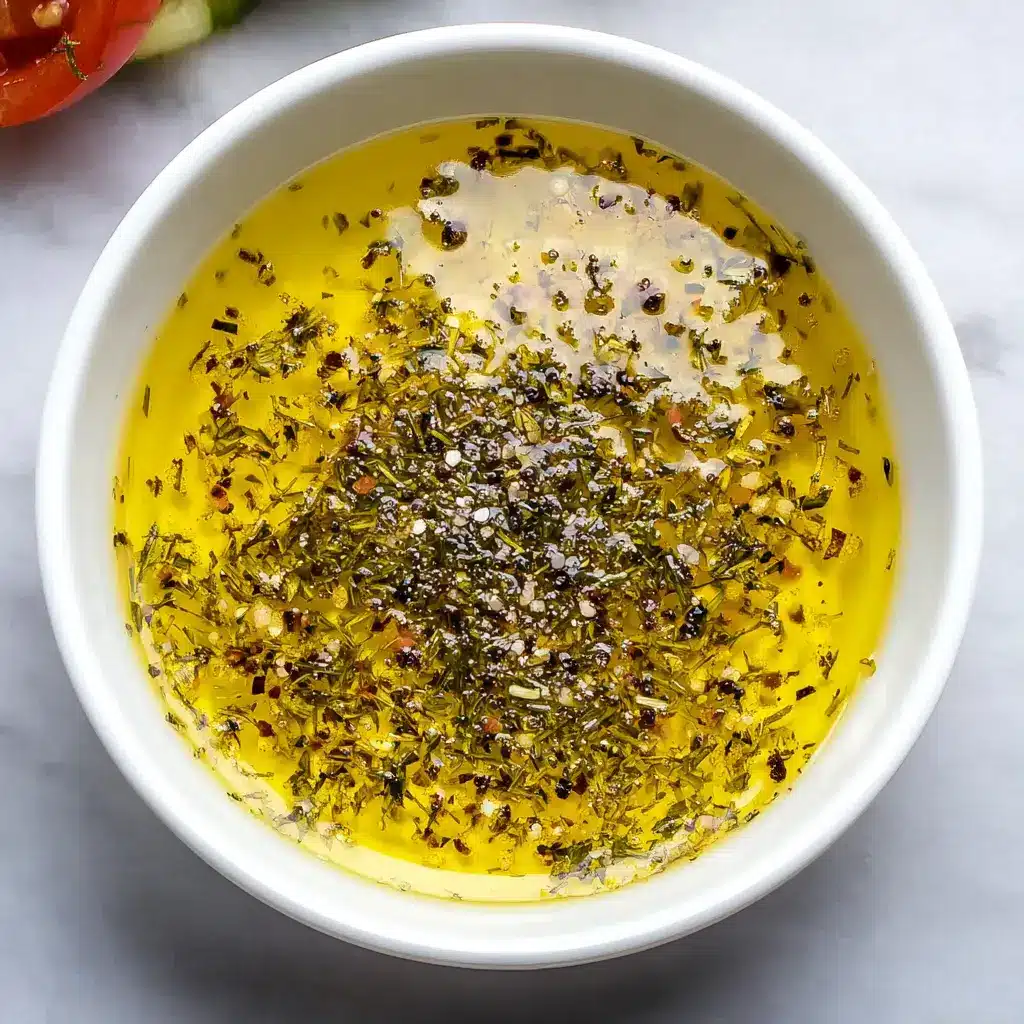
Quick, fresh, and full of bold flavor, Grilled Veggie Kabobs Marinade brings together lemon, garlic, olive oil, and Italian herbs for a simple grilled vegetable marinade that helps kabobs taste lively, savory, and well-seasoned without much effort.
This is the kind of mix that makes vegetable skewers feel a lot more complete. Instead of tasting like plain grilled vegetables, you get a bright coating that adds depth, helps with browning, and gives every bite a more balanced finish.
It also works nicely for different prep styles. You can brush it onto already-assembled skewers when you want something fast, or let chopped vegetables sit in it for a while when you want a little more flavor worked into the surface. What I like most is how practical it is. The ingredient list is short, the prep is minimal, and the flavor leans clean and versatile, so it fits right into weeknight grilling, summer cookouts, or a simple side dish for almost any main course.
Why You Will Love This Recipe
- Quick Preparation: This marinade comes together in mere minutes, making it perfect for those busy weeknights when you want a flavorful side without a lot of fuss. The simple combination of ingredients means you can have it ready to go before your grill even reaches temperature.
- Versatile Flavor Profile: The bright lemon and savory garlic, combined with classic Italian herbs, create a taste that complements a wide variety of vegetables. It’s robust enough to stand up to stronger flavors but subtle enough not to overpower delicate ingredients.
- Easy to Use: Whether you prefer to brush it directly onto assembled skewers or use it as a soak for pre-chopped vegetables, this marinade offers flexibility. This adaptability ensures you can achieve delicious results regardless of your preferred preparation method.
- Healthy & Fresh: Packed with fresh ingredients like lemon juice and garlic, this marinade adds vibrant flavor without relying on heavy or artificial components. It’s a wonderful way to elevate simple vegetables into a delicious and wholesome dish.
- Crowd-Pleasing Appeal: The universally loved combination of lemon, garlic, and herbs makes this marinade a guaranteed hit at any gathering. It transforms ordinary grilled vegetables into a standout dish that even picky eaters will enjoy.
Ingredients You Need
The quality of your ingredients significantly impacts the final flavor of this grilled veggie kabobs marinade. Opting for fresh garlic and good quality extra-virgin olive oil will elevate the taste profile, making a noticeable difference in the vibrancy of the finished dish. Using freshly squeezed lemon juice also imparts a brighter, more authentic citrus note than bottled alternatives ever could.
Grilled Veggie Kabobs Marinade

A bright, herb-infused marinade designed to season vegetable skewers with savory garlic, lemon, and Italian herbs before grilling. It may be brushed over pre-assembled kabobs or used to soak loose-cut vegetables before threading and cooking.
- 1/4 cup extra-virgin olive oil
- 2 tablespoons freshly squeezed lemon juice
- 3 fresh garlic cloves, finely grated
- 1 teaspoon Italian herb seasoning
- 1/4 teaspoon salt
- 1 pinch freshly ground black pepper
- 1In a small bowl, combine the olive oil, grated garlic, black pepper, lemon juice, salt, and Italian herb blend. Stir thoroughly until the mixture is fully blended and evenly seasoned.
- 2For vegetables that are already threaded onto skewers, lightly brush the marinade over each kabob, making certain all pieces are coated. Transfer the skewers to the grill and cook until the vegetables are charred and done to your liking.
- 3For unskewered vegetables, place the pieces in a zip-top bag. Pour in the marinade, seal the bag, and allow the vegetables to marinate for at least 30 minutes, or refrigerate for up to 4 hours for deeper flavor.
- 4After marinating, remove the vegetables from the bag. Thread them onto skewers with even spacing so they cook uniformly, then place the assembled kabobs on the grill. Cook until grill marks appear and the vegetables are tender as desired.
- 5Remove the grilled kabobs from the heat and let them cool slightly before serving. Present them as a flavorful smoky side dish or snack.
Keywords: Grilled Veggie Kabobs Marinade, Vegetable Skewers, Marinade, Grilling, Side Dish
- extra-virgin olive oil: This forms the foundational richness of the marinade, ensuring that flavors adhere well to vegetables and promoting even cooking on the grill. It also provides essential healthy fats.
- fresh lemon juice: The bright, zesty character of lemon juice cuts through the richness of the oil and adds a refreshing tang that awakens the palate. It helps to balance the savory elements beautifully.
- garlic cloves: Fresh garlic, finely grated, delivers a pungent, savory depth that is crucial for any good marinade. Its aromatic properties infuse the entire dish with an irresistible aroma and taste.
- Italian herb seasoning: This dried blend offers a classic, aromatic herbaceousness, typically including oregano, basil, thyme, and rosemary. It provides a complex, well-rounded herbal foundation that is perfect for grilled vegetables.
- salt: Essential for enhancing all the other flavors, salt brings out the natural sweetness of the vegetables and ensures the marinade is savory and satisfying. It is a fundamental flavor enhancer.
- freshly ground black pepper: Adding a touch of gentle heat and aromatic complexity, freshly ground black pepper provides a subtle spice that complements the other ingredients. It offers a more nuanced flavor than pre-ground varieties.
The specific quantities for each ingredient are detailed within the recipe card provided above, ensuring you have the precise measurements needed for perfect results every time.
Variations
To adapt this delightful marinade for a vegan lifestyle, the core recipe already serves as an excellent base. Simply ensure that all your chosen vegetables are themselves vegan-friendly, as the marinade is entirely plant-based. Consider adding a touch of smoked paprika to the marinade for an extra layer of savory depth that can sometimes be associated with animal proteins.
For those following a low-carb diet, this marinade is perfectly suited as it contains no added sugars and relies on healthy fats and fresh aromatics. The key is to pair it with low-carbohydrate vegetables such as bell peppers, zucchini, eggplant, mushrooms, and onions. Avoid starchy vegetables like corn or potatoes if strictly adhering to a low-carb plan.
Another exciting variation involves incorporating a hint of heat. For those who enjoy a little spice, consider adding a pinch of red pepper flakes or a dash of your favorite hot sauce to the marinade mixture. This small addition can transform the familiar flavors into something more adventurous and exciting, making the kabobs a perfect accompaniment to spicy grilled meats or as a standalone zesty side.
If you’re looking to add a touch of Mediterranean flair, consider adding a tablespoon of finely chopped fresh rosemary or oregano to the marinade. You could also include a few Kalamata olives, roughly chopped, into the vegetable mix before marinating. This infusion of herbs and briny olives adds a distinctive regional character that pairs beautifully with the lemon and garlic base.
For a global twist, try infusing the marinade with Asian-inspired flavors. While keeping the lemon and garlic, introduce a tablespoon of soy sauce or tamari for umami, a teaspoon of sesame oil for nutty aroma, and a pinch of grated fresh ginger. This fusion creates a wonderfully complex flavor profile that is excellent with vegetables like broccoli florets, snap peas, and bell peppers.
Furthermore, consider using different citrus fruits for the marinade base. While lemon is classic, lime juice can offer a more tropical and tangy note, perfect for summer grilling. Orange juice, used in moderation, can add a subtle sweetness and a different kind of brightness that works well with root vegetables or heartier greens like asparagus.
How to Prepare Grilled Veggie Kabobs Marinade
Step 1: Combine the Marinade Base
Begin by gathering all your liquid and dry ingredients in a medium-sized mixing bowl. The foundation of this vibrant marinade is extra-virgin olive oil, which not only carries the flavors but also helps to beautifully char the vegetables on the grill. Pour approximately 1/4 cup of good quality extra-virgin olive oil into your bowl.
Next, introduce the zest and zing of fresh lemon juice, about 2 tablespoons worth, to the olive oil. This acidity is crucial for tenderizing the vegetables slightly and providing a bright, refreshing counterpoint to the savory elements. Ensure you are using freshly squeezed juice for the most vibrant citrus flavor possible.
To achieve a beautifully infused garlic aroma and taste, finely grate 3 cloves of fresh garlic directly into the bowl. Grating garlic ensures that its potent flavor is evenly distributed throughout the marinade, preventing harsh bites and promoting a consistent savory profile. Lastly, add your seasonings: 1 teaspoon of Italian herb seasoning, 1/4 teaspoon of salt, and a pinch of freshly ground black pepper. Stir everything together vigorously until the oil and lemon juice are well emulsified and all the dry seasonings are evenly dispersed, creating a fragrant, homogeneous mixture ready for the vegetables.
Step 2: Decide on Your Marinating Method
Now that your flavorful marinade is prepared, you have two primary methods to infuse your vegetables with its delicious essence. The first method is ideal for speed and convenience, perfect for when you’re pressed for time or prefer a lighter coating. This involves assembling your vegetable skewers first and then applying the marinade directly.
Thread your chosen vegetables onto your skewers, leaving a little space between each piece for even cooking. Once the skewers are fully loaded, use a pastry brush or spoon to generously coat each side of the assembled kabobs with the prepared marinade. Ensure that every piece of vegetable receives a light, even layer of the flavorful mixture, allowing the flavors to cling to the surface.
The second method is designed for those who desire a more intense flavor infusion. This approach involves marinating the vegetables before threading them onto skewers. Place your chopped vegetables into a resealable plastic bag or a covered container. Pour the entire marinade over the vegetables, ensuring all the pieces are coated.
Step 3: Marinate for Flavor Infusion
If you’ve opted for the deeper flavor infusion method, it’s time to let the vegetables absorb the delicious marinade. Seal the bag or cover the container tightly, ensuring the marinade is distributed evenly amongst the chopped vegetables. For best results, gently turn the bag or container a few times to ensure every surface of each vegetable piece is thoroughly coated with the lemon-garlic herb mixture.
Allow the vegetables to marinate at room temperature for at least 30 minutes. This initial marinating period allows the flavors to begin penetrating the outer layers of the vegetables, enhancing their inherent taste. For firmer vegetables or if you have more time, refrigerating the vegetables in the marinade for several hours, or even overnight, will yield an even more profound flavor impact. This longer marinating time allows the acids in the lemon juice to work their magic, slightly tenderizing the vegetables and deepening the infusion of herbs and garlic.
If you’re marinating for an extended period in the refrigerator, it’s a good practice to bring the vegetables to room temperature for about 15-20 minutes before skewering and grilling. This slight warming ensures more even cooking on the grill, preventing the outside from charring too quickly before the inside is tender. This step is particularly important for vegetables that are dense or require a longer cooking time.
Step 4: Skewer the Vegetables
Once your vegetables have had ample time to soak up the delightful marinade, it’s time to prepare them for the grill. If you marinated the vegetables loose in a bag or container, carefully remove them and begin threading them onto your skewers. Use skewers that are appropriate for the size of your vegetable pieces; metal skewers are excellent for durability and even heat distribution, while wooden skewers require soaking beforehand to prevent burning.
When skewering, aim for a consistent spacing between each vegetable piece. This spacing is crucial for allowing heat to circulate effectively around all sides of the vegetables as they grill. Too much crowding can lead to uneven cooking, with some pieces getting charred while others remain undercooked. A moderate, even gap ensures that each piece will develop beautiful grill marks and a consistent tenderness.
Consider alternating different types of vegetables on each skewer for visual appeal and a balanced flavor experience. For instance, pair the sweetness of bell peppers with the mildness of zucchini and the slight bite of red onion. If using firmer vegetables like chunks of eggplant or dense squash, place them towards the center of the skewer where the heat is most intense, and quicker-cooking items like cherry tomatoes or asparagus towards the ends.
Step 5: Grill to Perfection
Prepare your grill for medium-high heat, ensuring it’s clean to prevent sticking and off-flavors. Once the grill is adequately heated, carefully place the prepared vegetable skewers onto the grates. Listen for that satisfying sizzle as the marinade meets the hot surface, a sound that promises deliciousness.
Allow the kabobs to grill for several minutes on each side, turning them periodically to ensure even cooking and attractive char marks. The cooking time will vary depending on the types of vegetables used and the heat of your grill, but typically, 10-15 minutes is a good starting point. Keep a close eye on them, as vegetables can go from perfectly grilled to overcooked quite rapidly.
As the vegetables cook, you may notice some pieces picking up color faster than others. This is perfectly normal, especially with vegetables like bell peppers which caramelize beautifully. Use tongs to turn the skewers as needed, bringing the more cooked pieces to cooler parts of the grill if necessary, or rotating them more frequently. The goal is to achieve tender vegetables with lovely charring without them becoming mushy or burnt.
Step 6: Rest and Serve
Once your grilled vegetable kabobs have reached your desired level of tenderness and have developed those irresistible grill marks, it’s time to remove them from the heat. Carefully lift the skewers from the grill using tongs or a spatula and place them on a clean platter or plate. The aroma at this stage should be absolutely incredible, a testament to the vibrant marinade and the grilling process.
Resist the urge to dig in immediately. Allow the kabobs to rest for just a minute or two before serving. This short resting period is important because it allows the juices within the vegetables to redistribute, resulting in a more succulent and flavorful bite. It also gives the exterior a moment to set, making them slightly easier to handle and serve without them falling apart.
Serve these beautifully grilled veggie kabobs hot off the grill, allowing your guests to appreciate their fresh flavor and appealing presentation. They make a fantastic side dish for a variety of grilled meats, poultry, or fish, or can even be enjoyed as a light and satisfying vegetarian main course. The bright, savory marinade ensures they are a welcome addition to any meal.
Pro Tips for Grilled Veggie Kabobs Marinade
- Uniform Vegetable Sizing: To ensure your grilled vegetable kabobs cook evenly, it’s essential to cut your vegetables into uniform, bite-sized pieces. This consistency means that denser vegetables like zucchini and onions will cook at roughly the same rate as softer ones like bell peppers or mushrooms, preventing some pieces from becoming mushy while others remain underdone.
- Marinade Application Technique: When using the marinade, aim for a light but thorough coating rather than a heavy drenching. Excess oil pooling on the vegetables can lead to excessive flare-ups on the grill and may hinder the development of those desirable crispy, charred edges. A well-distributed thin layer is often all that’s needed for maximum flavor.
- Watch Quick-Cooking Vegetables: For kabobs featuring vegetables that cook very quickly, such as asparagus or cherry tomatoes, remain vigilant during the final stages of grilling. These items can easily transition from tender-crisp to limp and overcooked in a matter of moments, so constant monitoring and timely removal are key.
- Don’t Overcrowd the Grill: Give your kabobs adequate space on the grill grates. Overcrowding can lower the grill’s temperature and lead to steaming rather than grilling, which will prevent proper browning and charring. Cook in batches if necessary to ensure each skewer has direct contact with the heat.
- Soak Wooden Skewers: If you are using wooden skewers, remember to soak them in water for at least 30 minutes before threading your vegetables. This simple step is crucial for preventing the wooden skewers from catching fire and burning up on the grill, ensuring your kabobs stay intact throughout the cooking process.
Serving Suggestions for Grilled Veggie Kabobs Marinade
Decoration
To elevate the visual appeal of your grilled veggie kabobs, consider a few simple yet effective decorative touches. A scattering of fresh, finely chopped parsley or chives over the top just before serving adds a burst of color and a hint of freshness. A small drizzle of balsamic glaze can create an elegant contrast and add a touch of sweet tanginess.
Side Dishes
These vibrant kabobs are incredibly versatile and pair wonderfully with a variety of side dishes. Serve them alongside grilled meats, poultry, or fish for a complete and balanced meal that highlights fresh produce. They also complement grains like fluffy rice, couscous, or a vibrant orzo salad, making for a perfect lunch or light dinner.
Creative Serving Ideas
For a more interactive dining experience, deconstruct the kabobs and serve the marinated vegetables family-style with warm pita bread and a creamy tzatziki sauce. You could also incorporate them into larger dishes, such as layering them over a bed of quinoa or tossing them into a fresh pasta salad. They also make a fantastic topping for a gourmet burger or a base for a Mediterranean-inspired grain bowl.
Preparation & Storage
Storing Leftovers
If you find yourself with any leftover grilled veggie kabobs, don’t worry! The best way to store them is to let them cool completely. Once cool, carefully remove the vegetables from the skewers, as this makes them easier to store and reheat. Place the detached vegetables in an airtight container and refrigerate for up to 3 days. The marinade will help preserve some of their flavor, though the texture may soften slightly over time.
Freezing
Unfortunately, freezing grilled vegetable kabobs is generally not recommended. The high water content in most vegetables means that once thawed, their texture can become quite mushy and unappealing. For the freshest and best eating experience, it is advisable to prepare and consume the kabobs within a few days of grilling, rather than attempting to freeze them for later use.
Reheating
To reheat leftover grilled veggie kabobs, gentle heat is key to preserving their texture as much as possible. You can briefly warm them in a non-stick skillet over medium heat, on a grill pan, or in a moderate oven (around 350°F or 175°C) for a few minutes. Avoid overcooking, as this will exacerbate any softening that occurred during storage and can remove any remaining pleasant charring.
Frequently Asked Questions
-
Can I use this marinade on vegetables other than those typically found on kabobs?
Absolutely! This versatile marinade is perfect for a wide array of vegetables beyond those traditionally used in kabobs. It works exceptionally well with vegetables destined for grill baskets, sheet pan roasts, or even stovetop grill pans. Think about adding broccoli florets, Brussels sprouts (halved or quartered), thick slices of eggplant, whole mushrooms, or even sturdy greens like kale or Swiss chard that have been cut into large pieces. The bright, savory flavor profile complements almost any vegetable that benefits from grilling or roasting, adding a delicious zest and depth that enhances their natural sweetness.
-
What is the optimal marinating time for different types of vegetables?
The ideal marinating time can vary based on the density and type of vegetable you are using. For quick-cooking vegetables like bell peppers, zucchini, and cherry tomatoes, a shorter marinating period of 30 minutes to 1 hour is usually sufficient to impart flavor. For firmer vegetables such as red onion, eggplant, or dense squash, extending the marinating time to 2-4 hours in the refrigerator can significantly enhance the flavor penetration and slightly improve tenderness. While longer marination is possible, for this particular marinade, going beyond 4-6 hours is typically unnecessary and might lead to the vegetables becoming too soft due to the acidity of the lemon juice.
-
How can I prevent my vegetables from falling off the skewers during grilling?
Preventing vegetables from falling off skewers requires a combination of proper cutting, secure threading, and mindful grilling. Firstly, ensure your vegetable pieces are cut into uniform, bite-sized chunks that are substantial enough to stay on the skewer; very small or irregularly shaped pieces are more prone to detaching. When threading, push the vegetable firmly onto the skewer, and try to secure them between denser items if possible. Avoid leaving excessive space between pieces, which can allow them to shift and fall. Finally, handle the skewers gently when turning them on the grill; using tongs to grasp the skewer firmly near the end and turning it with a smooth motion will minimize the risk of dislodging the vegetables.