
Irresistible Slow Cooker Korean Beef for Effortless Dinners
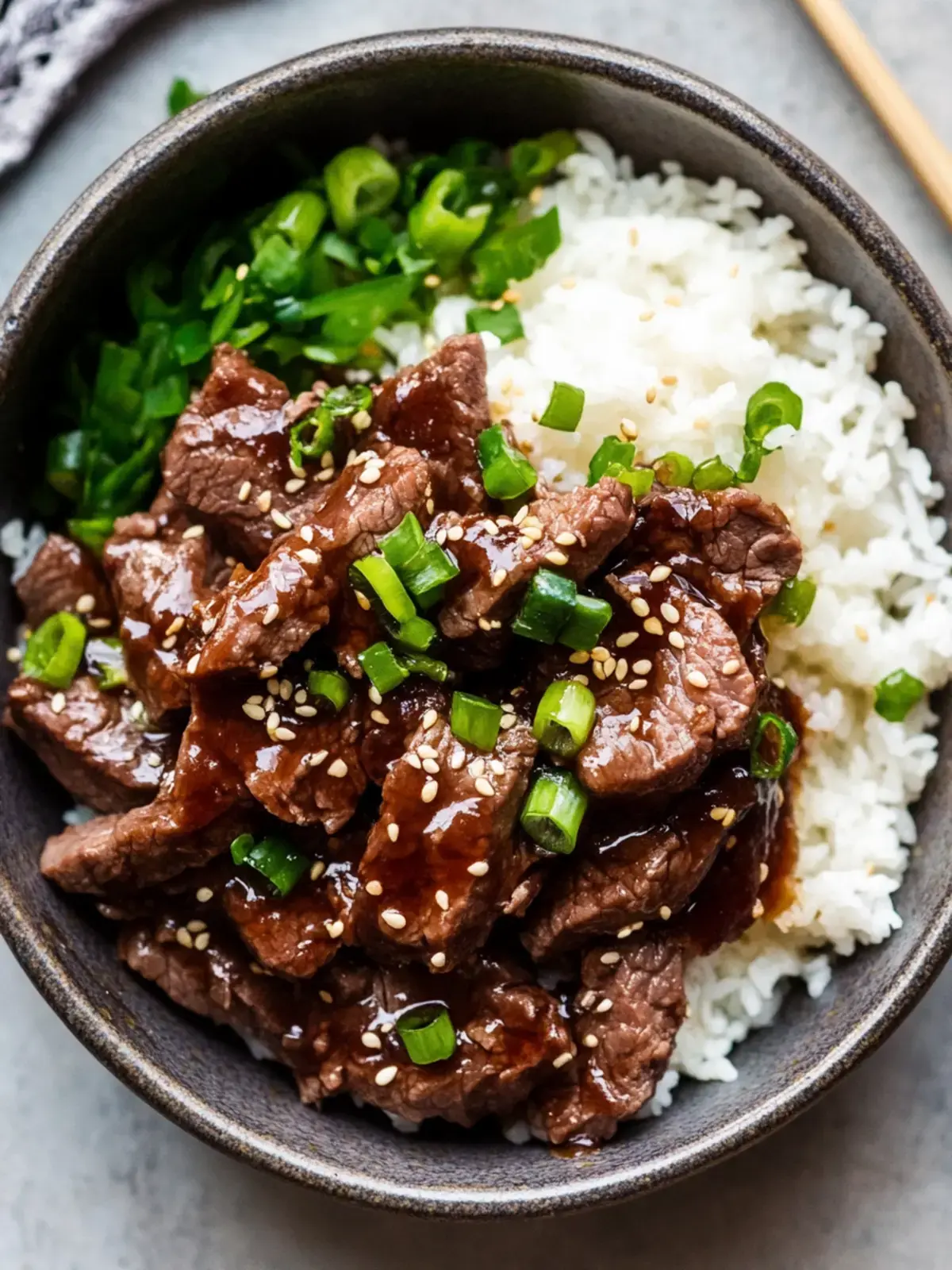
There’s something utterly comforting about a slow cooker bubbling away on a quiet afternoon. The anticipation builds as mouthwatering aromas fill my kitchen, promising a meal that celebrates rich flavors and heartwarming satisfaction. Enter my Slow Cooker Korean Beef—a dish that transforms simple ingredients into an unforgettable culinary experience.
After a week of takeout that left me longing for something homemade, I stumbled upon a jar of Gochujang lurking in my pantry. A quick glance at the beef roast in my fridge revealed my solution. This dish marries the intense umami of soy sauce, the sweetness of brown sugar, and that signature spice of Gochujang, all coming together in a sweet embrace of beefy goodness.
Perfect for feeding a crowd or simply indulging yourself, this recipe not only offers ease but also an explosion of flavor that will have everyone asking for seconds. So, let’s roll up our sleeves and dive into this delectable adventure that will turn your dinner table into a Korean feast! This dish is a fantastic addition to your collection of dinner ideas.
Why You Will Love This Recipe
- Ease of Preparation: This recipe is perfect for those busy weekdays or relaxed weekends, requiring only a few simple steps to create a delicious meal. It’s a true set-it-and-forget-it wonder that minimizes your time in the kitchen.
- Flavor Explosion: The blend of Gochujang, soy sauce, and spices produces a rich, savory sauce you’ll crave time and again. Each bite is a complex dance of sweet, savory, and spicy notes that will tantalize your taste buds.
- Crowd-Pleaser: Serve this dish for dinner gatherings, and watch your friends and family enjoy every bite—it’s sure to be the star of the table! Its approachable yet exciting flavor profile makes it a universally loved option.
- Versatile Meal: Pair with rice, noodles, or veggies, customizing your dinner to match your cravings. This adaptability ensures that it fits seamlessly into various meal preferences and dietary needs.
- Make-Ahead Delight: With minimal effort, enjoy effortless meal prep and have leftovers for lunch! You can easily replicate this winning recipe with other proteins—just check out my earlier post on slow cooker chicken dishes for more delicious inspiration.
Ingredients You Need
Unlocking the secret to this savory goodness lies in selecting the right ingredients, each playing a crucial role in creating that signature Korean flavor profile. Quality ingredients are the foundation of any great dish, and this recipe is no exception, promising a depth of flavor that will impress even the most discerning palates. Ensuring you have fresh aromatics and well-marbled beef will make a significant difference in the final outcome.
Savory Slow Cooker Korean Beef
Enjoy a delightful experience with Slow Cooker Korean Beef, a comforting dish packed with flavors and ease of preparation. This recipe transforms simple ingredients into an unforgettable culinary experience, marrying the intense umami of soy sauce, the sweetness of brown sugar, and the signature spice of Gochujang.
- 1/2 cup reduced-sodium beef broth
- 1/4 cup reduced-sodium soy sauce
- 1/4 cup brown sugar
- 4 cloves garlic, minced
- 2 tablespoons sesame oil
- 2 tablespoons rice vinegar
- 1 tablespoon grated fresh ginger
- 2 tablespoons Gochujang sauce
- 1 teaspoon onion powder
- 1/2 teaspoon pepper
- 3 pounds boneless beef chuck roast, cut into 1-inch cubes
- 2 tablespoons cornstarch
- 1In a medium bowl, combine beef broth with soy sauce, brown sugar, garlic, sesame oil, rice vinegar, ginger, Gochujang sauce, onion powder, and pepper. Mix well to blend flavors.
- 2Place the cubed roast into your slow cooker, ensuring the pieces are evenly distributed for optimal cooking.
- 3Pour the prepared sauce over the cubed meat, making sure each piece is coated with that luscious flavor profile.
- 4Cover the slow cooker and set it to low heat. Allow it to cook for 6-8 hours, or until the beef is tender and infused with the amazing sauce.
- 5In a small bowl, whisk together the cornstarch and remaining beef broth until smooth. This will help thicken your sauce beautifully.
- 6Stir the cornstarch mixture into the slow cooker, ensuring it is evenly incorporated into the sauce.
- 7Cover and cook on high heat for an additional 30 minutes, or until the sauce has thickened to your desired consistency.
- 8Optional: Serve garnished with sliced green onions for an extra burst of freshness.
Keywords: Korean Beef, Slow Cooker, Beef Roast, Gochujang, Easy Dinner, Comfort Food
- reduced-sodium beef broth: This adds essential moisture and a savory base for the sauce without being overly salty.
- reduced-sodium soy sauce: A cornerstone of Asian cuisine, this brings that unmistakable umami depth and rich color to the dish.
- brown sugar: This ingredient masterfully balances the heat from the Gochujang and the saltiness of the soy sauce, providing a comforting sweetness.
- garlic (minced): Freshly minced garlic is non-negotiable for its pungent aroma and robust flavor that permeates the entire dish.
- sesame oil: A drizzle of toasted sesame oil adds a wonderfully nutty aroma and a subtle richness that is characteristic of Korean cooking.
- rice vinegar: This provides a bright, tangy counterpoint that cuts through the richness of the beef and sauce, adding complexity.
- grated fresh ginger: Freshly grated ginger infuses a warm, zesty kick that elevates the overall flavor profile and adds a touch of spice.
- Gochujang sauce: This Korean chili paste is the heart of the dish, lending its unique sweet, savory, and spicy notes.
- onion powder: An easy way to add another layer of savory depth without adding extra moisture.
- pepper: A simple seasoning that enhances the other flavors and adds a subtle warmth.
- boneless beef chuck roast (cut into 1-inch cubes): Chuck roast is ideal for slow cooking due to its excellent marbling, which ensures tender and flavorful results.
- cornstarch: This is crucial for achieving that glossy, thick sauce consistency that clings beautifully to the beef.
You’ll find the exact quantities for each ingredient listed in the recipe card for your convenience.
Variations
This Slow Cooker Korean Beef recipe is wonderfully adaptable, allowing you to tailor it to your personal preferences and dietary needs. Don’t be afraid to experiment with different additions and substitutions to create your perfect version of this beloved dish.
Spicy Kick: For those who love an extra punch of heat, consider adding another tablespoon or two of Gochujang. You can also toss in a pinch of red pepper flakes or a finely chopped jalapeño during the cooking process. This is perfect for anyone who enjoys a dish that truly ignites the senses and leaves a pleasant warmth.
Vegetarian Option: Replace the beef with firm or extra-firm tofu, cut into cubes, or use tempeh for a hearty meatless alternative. These plant-based proteins absorb the flavorful sauce beautifully, offering a satisfying and nutritious meal. Ensure you press the tofu well to remove excess water before adding it to the slow cooker.
Add Veggies: Elevate the dish by adding colorful vegetables during the last hour of cooking. Sliced bell peppers (any color), carrots, broccoli florets, or even snap peas can be incorporated. This not only adds nutritional value but also a delightful textural contrast to the tender beef. If you’re looking for more vegetable-centric recipes, explore the delightful options on Vegetables.
Different Proteins: While beef is classic, this sauce also works exceptionally well with other proteins. Try using boneless, skinless chicken thighs or a pork shoulder. You might need to adjust the cooking time slightly depending on the protein you choose to ensure perfect tenderness.
Sweet & Savory: Introduce a delightful sweetness by adding some chunks of pineapple during the last hour of cooking. The tropical fruit’s natural sugars caramelize, creating a wonderfully sweet counterpoint to the savory and spicy sauce. This is a fun way to bring a taste of the tropics to your Korean-inspired meal.
Herbal Infusion: For a burst of freshness right before serving, stir in a generous handful of chopped fresh cilantro or sliced green onions. These herbs add a vibrant aroma and a clean, bright flavor that cuts through the richness of the dish, making each bite more refreshing.
Zesty Citrus: A squeeze of fresh lime or lemon juice just before serving can remarkably brighten the entire dish. This acidity lifts the flavors, providing a zesty finish that balances the deep, savory notes of the slow-cooked beef and its rich sauce, creating a more dynamic taste experience.
Nutty Flavor: A sprinkle of toasted sesame seeds over the finished dish adds a delightful crunch and a subtle, earthy flavor that complements the Korean theme. This simple garnish enhances both the visual appeal and the overall taste of the Korean beef.
How to Prepare slow cooker korean beef
Step 1: Whisk the Sauce Ingredients Together
Begin by gathering all the ingredients for your flavorful sauce. In a medium-sized bowl, combine the reduced-sodium beef broth, reduced-sodium soy sauce, brown sugar, freshly minced garlic, toasted sesame oil, rice vinegar, grated fresh ginger, Gochujang sauce, onion powder, and a pinch of black pepper. The combination of these ingredients is what creates the signature sweet, savory, and slightly spicy profile that makes this dish so irresistible.
Make sure to whisk these ingredients thoroughly until they are well combined and the brown sugar has begun to dissolve. This step is crucial for ensuring that all the flavors meld together harmoniously before they even hit the heat. A well-mixed sauce is the foundation of a delicious Slow Cooker Korean Beef, setting the stage for a truly memorable meal. This initial melding of flavors will prepare the sauce to beautifully coat and infuse the beef during its slow cooking journey.
The aroma that will begin to develop as you stir these ingredients together is a tantalizing preview of the deliciousness to come. It’s a vibrant mix of pungent garlic, aromatic ginger, nutty sesame, and the unique, complex notes of Gochujang. This aromatic prelude is a promise of the rich culinary experience that awaits, making the anticipation of the meal even more exciting. This step is a simple yet critical part of developing the deep flavor profile.
Step 2: Prepare and Add the Beef
Once your flavorful sauce mixture is ready, it’s time to prepare the star of the show: the beef. Take your boneless beef chuck roast and carefully cut it into uniform 1-inch cubes. Ensuring the pieces are of similar size is important for even cooking; this prevents some pieces from becoming overcooked and dry while others remain underdone. The marbling within the chuck roast is key to its tenderness during the long, slow cooking process, so choose a cut that looks well-streaked with fat.
After cubing the beef, place these savory morsels directly into your slow cooker insert. Arrange the beef cubes in a single layer as much as possible to promote even cooking and sauce distribution. This careful placement ensures that each piece of beef has ample opportunity to absorb the rich flavors of the sauce as it braises. The visual of the raw beef nestled in the slow cooker is the beginning of a culinary transformation.
Now, take the well-whisked sauce and pour it evenly over the beef cubes in the slow cooker. Ensure that each piece of beef is coated with this luscious sauce mixture. This initial coating is vital for infusing the beef with the complex flavors right from the start. Gently stir the beef in the sauce to make sure every surface is covered, promising a deeply flavorful outcome for your dinner.
Step 3: Slow Cook to Perfection
With the beef and sauce united in the slow cooker, it’s time to let the magic of slow cooking work its wonders. Secure the lid tightly onto your slow cooker. Set the appliance to the ‘low’ heat setting, which is ideal for breaking down the tough connective tissues in the chuck roast, rendering it incredibly tender over time. This patient cooking process is what transforms a relatively tough cut of meat into melt-in-your-mouth deliciousness.
Allow the beef to cook for a substantial period, typically between 6 to 8 hours. The exact cooking time can vary slightly depending on your specific slow cooker model and the size of your beef cubes. During this extended cooking period, the beef will become wonderfully tender and deeply infused with all the aromatic and savory flavors from the sauce. The kitchen will fill with an irresistible, comforting aroma as it cooks, a testament to the slow and steady process.
Resist the urge to lift the lid frequently, as this releases valuable heat and steam, prolonging the cooking time. The slow cooker’s closed environment is essential for maintaining a consistent temperature, allowing the beef to tenderize properly. By the end of this low-and-slow journey, you’ll have incredibly succulent beef bathed in a rich, flavorful liquid that is the perfect base for your final sauce.
Step 4: Prepare the Thickening Mixture
While the beef is nearing the end of its slow cooking time, it’s the perfect moment to prepare the cornstarch slurry that will transform the cooking liquid into a luscious, glossy sauce. In a separate small bowl, combine the cornstarch with the remaining portion of cold beef broth. It is essential to use cold liquid for this step, as hot liquid can cause the cornstarch to clump prematurely, leading to an unevenly thickened sauce.
Whisk this mixture vigorously until it is completely smooth and free of any lumps. You are aiming for a uniform, milky consistency. This smooth slurry ensures that when it’s added to the hot liquid in the slow cooker, it will disperse evenly and thicken the sauce beautifully without creating any undesirable pasty textures. This step is a simple but critical technique for achieving a professional, restaurant-quality sauce consistency.
The smooth cornstarch slurry acts as a thickening agent by absorbing the liquid and creating a more viscous texture. This process will give your Slow Cooker Korean Beef sauce that desirable thickness that beautifully coats every piece of tender beef and serves as a perfect base for rice or noodles. Taking a moment to prepare this simple mixture will yield significant rewards in the final presentation and enjoyment of your dish.
Step 5: Thicken the Sauce
Now it’s time to bring the dish together by thickening that wonderfully savory cooking liquid into a rich, glossy sauce. Carefully open the slow cooker, and give the contents a gentle stir to ensure the tender beef is still submerged in the flavorful broth. Pour the prepared cornstarch slurry evenly into the slow cooker, distributing it over the surface of the liquid.
Stir the cornstarch mixture into the slow cooker, making sure it is thoroughly incorporated into the cooking liquid. You want to gently stir until you can see the liquid beginning to thicken and become more viscous. This process might take a few minutes of consistent stirring to achieve the desired consistency. The beef cubes should now be coated in a richer, more substantial sauce that promises a delightful texture and flavor experience.
Cover the slow cooker once more and set the heat to ‘high’. Allow it to cook for an additional 30 minutes. During this final cooking phase, the cornstarch will activate, thickening the sauce to your desired consistency. You’ll notice the sauce becoming glossier and more cohesive, clinging beautifully to the tender pieces of beef, ready to be served and savored.
Step 6: Garnish and Serve
Your Slow Cooker Korean Beef is now nearing its grand finale, ready to be presented as a culinary masterpiece. Once the sauce has thickened to your liking after the final 30 minutes on high heat, turn off the slow cooker. The beef should be incredibly tender, and the sauce rich and glossy, clinging perfectly to each bite. The kitchen should be filled with an aroma that is both comforting and deeply satisfying, a true testament to the power of slow cooking.
For an optional, yet highly recommended, finishing touch that adds both visual appeal and a burst of freshness, garnish the dish generously with thinly sliced green onions or scallions. The bright green of the onions provides a lovely contrast to the deep, rich color of the beef and sauce, making the dish look even more appetizing. This simple garnish elevates the entire presentation, adding a professional flair to your home-cooked meal.
Serve your delicious Slow Cooker Korean Beef hot, spooning generous portions over steamed jasmine rice, tender egg noodles, or your favorite grain. The rich, savory sauce is perfect for soaking into the grains or noodles, creating a complete and deeply satisfying meal. This dish is a celebration of simple ingredients transformed into something extraordinary through the magic of slow cooking and authentic Korean flavors, a perfect example of a well-executed dinner.
Pro Tips for slow cooker korean beef
Achieving the perfect Slow Cooker Korean Beef involves a few nuances and expert insights that can elevate this already delicious dish from great to absolutely extraordinary. Paying attention to these details ensures a superior texture, flavor, and overall dining experience.
- Quality Ingredients Matter: Always opt for the freshest garlic and ginger you can find. Their pungent aromas and robust flavors are vital for the authentic taste of Korean cuisine, and fresher ingredients will undeniably yield a richer, more vibrant Slow Cooker Korean Beef.
- The Right Cut of Beef: Boneless beef chuck roast is hands down the best choice due to its generous marbling, which is the key to achieving incredibly tender and moist results during the extended slow cooking process. Leaner cuts simply do not have the fat content to withstand the long cooking times without becoming dry and tough.
- Mastering the Spice Level: The Gochujang sauce is the primary source of heat, but its intensity can vary. It’s wise to start with the recommended amount and taste the sauce before adding more, especially if you’re sensitive to spice or unsure of your Gochujang’s potency. You can always add more heat, but you can’t easily take it away.
- Prevent Overcooking: Adhere closely to the recommended cooking time of 6-8 hours on the ‘low’ setting. Overcooking can break down the beef too much, leading to a mushy texture rather than the desired tender, slightly shreddable consistency. Your slow cooker’s thermostat can influence cooking times, so keep an eye on it towards the end.
- Achieving a Silky Sauce: When preparing the cornstarch slurry for thickening, ensure it is perfectly smooth. Mix the cornstarch with *cold* broth until absolutely no lumps remain. This prevents a clumpy sauce and guarantees a beautifully silky, glossy texture that coats the beef perfectly.
- Smart Serving Enhancements: To create a balanced and complete meal, always consider serving this rich beef with steamed rice, which is ideal for soaking up every last drop of the delicious sauce. Fresh, crisp vegetables like steamed broccoli, sautéed bok choy, or a refreshing quick pickle also provide a delightful contrast to the savory beef.
Serving Suggestions for slow cooker korean beef
Decoration
The visual appeal of your Slow Cooker Korean Beef can be greatly enhanced with thoughtful garnishes. Thinly sliced green onions or scallions offer a vibrant splash of color and a mild, fresh onion flavor that complements the richness of the beef. Toasted sesame seeds provide a delightful textural contrast, adding a subtle nutty crunch that is both aesthetically pleasing and delicious. A few fresh cilantro leaves, if you enjoy the flavor, can also add a beautiful green hue and an aromatic lift.
Side Dishes
To create a truly authentic and satisfying Korean-inspired meal, pairing the Slow Cooker Korean Beef with the right side dishes is essential. Steamed jasmine rice is a classic choice, its fluffy texture and subtle fragrance providing the perfect canvas for the flavorful sauce to soak into. For a bit of crunch and freshness, consider a quick Korean-style cucumber salad or a vibrant kimchi. These fermented delights offer a tangy and spicy counterpoint that balances the richness of the beef.
Other excellent side dish options include steamed or stir-fried vegetables like broccolini or bok choy, which add color, nutrients, and a pleasant textural contrast. Roasted Brussels sprouts, perhaps with a hint of garlic and sesame, can also be a delicious and slightly caramelized accompaniment. Even simple egg noodles tossed with a bit of sesame oil can serve as a comforting and complementary base for the savory beef.
Creative Serving Ideas
Beyond the traditional bowl of rice, this versatile Slow Cooker Korean Beef can be used in numerous creative ways. Consider using it as a filling for soft tacos or lettuce wraps, offering a lighter and more interactive dining experience. It’s also fantastic piled high on crispy rice cakes or served as a topping for loaded baked potatoes for a fusion twist. For a delightful appetizer, small portions can be served in mini bowls or even as a filling for savory pancakes or sliders.
You can also transform leftovers into entirely new meals. Think Korean beef bowls layered with rice, sautéed vegetables, and a fried egg, or even incorporated into savory fried rice for an exciting weeknight meal. The possibilities are nearly endless, making this recipe a true workhorse in the kitchen, adaptable to any meal occasion or craving.
Preparation & Storage
Storing Leftovers
Should you be fortunate enough to have any Slow Cooker Korean Beef remaining, proper storage is key to maintaining its deliciousness for future enjoyment. Once the dish has cooled to room temperature, transfer the leftovers into an airtight container. This type of container is essential for preventing the beef from drying out and for keeping other food in your refrigerator from absorbing its aroma. Stored correctly in the refrigerator, the leftovers should remain fresh and flavorful for up to 3 days. Ensure the container is sealed tightly to maintain optimal freshness and prevent any contamination.
Freezing
For longer-term storage, Slow Cooker Korean Beef freezes exceptionally well, making it a perfect candidate for batch cooking and meal prepping. Portion the cooled beef and sauce into freezer-safe containers or heavy-duty freezer bags. It’s advisable to remove as much air as possible from the bags to prevent freezer burn, which can affect the texture and flavor of the food. Properly packaged, the Korean beef can be stored in the freezer for up to 3 months. Labeling the containers or bags with the date of freezing will help you keep track of your frozen food inventory and ensure you use it at its best quality.
Reheating
Reheating your frozen Slow Cooker Korean Beef is a straightforward process that brings back its delightful flavor and tender texture. If the beef is frozen, the best method is to thaw it completely in the refrigerator overnight before attempting to reheat it. Once thawed, you can reheat the beef gently on the stovetop over low heat, stirring occasionally to ensure even warming and to prevent scorching. Alternatively, you can reheat it in the microwave, using short intervals of 30-60 seconds and stirring in between, until it is heated through and steaming hot.
Be cautious not to overheat the beef, as this can lead to it becoming dry or tough. The goal is to gently warm it through, reactivating the flavors and the tender texture. If the sauce seems a bit thick after reheating, you can add a splash of beef broth or water to achieve your desired consistency. Enjoy your delicious, conveniently reheated Korean beef!
Frequently Asked Questions
-
What type of beef is best for Slow Cooker Korean Beef?
For this dish, I strongly recommend using a boneless beef chuck roast. Its excellent marbling means it has plenty of fat distributed throughout the meat, which is crucial for staying tender and moist during the long, slow cooking process. This marbling breaks down into gelatin, adding richness and a melt-in-your-mouth texture. Avoid using very lean cuts of beef, such as sirloin or round, as they lack the necessary fat and connective tissue to become tender in a slow cooker and can easily turn dry and tough.
-
How should I store leftovers of Slow Cooker Korean Beef?
Storing leftovers is simple and ensures you can enjoy this delicious dish again. Once the Korean beef has cooled to room temperature, transfer it into an airtight container. This prevents exposure to air, which can cause it to dry out or pick up other odors from your refrigerator. Properly sealed, your leftovers should remain delicious and safe to eat for up to 3 days when kept in the refrigerator. Always ensure the lid is tightly secured before placing it back into the fridge.
-
Can I freeze Slow Cooker Korean Beef?
Absolutely! Slow Cooker Korean Beef freezes beautifully, making it an excellent choice for meal prep or for keeping a convenient meal on hand for busy days. Portion the cooled beef and its delicious sauce into freezer-safe containers or heavy-duty freezer bags. It’s a good idea to remove as much air as possible from the packaging to prevent freezer burn. When stored correctly in the freezer, this dish can maintain its quality for up to 3 months. Remember to label your containers with the date to ensure you use your frozen meals in a timely manner.
-
How do I reheat frozen Slow Cooker Korean Beef?
To enjoy your frozen Korean beef, begin by thawing it completely in the refrigerator overnight. This slow thawing process helps maintain the texture and flavor. Once thawed, you can reheat it gently on the stovetop over low heat, stirring occasionally to ensure even warming and to prevent any sticking or burning. Alternatively, microwave the beef in short 30-60 second bursts, stirring in between, until it is thoroughly heated and steaming. The key is to reheat it gently to preserve its tenderness.
-
What should I do if my sauce is too thin?
If you find that your sauce isn’t as thick as you’d prefer after the initial cooking or even after the cornstarch has been added, there’s a simple fix. Create a cornstarch slurry by mixing 1 to 2 tablespoons of cornstarch with an equal amount of cold water until it’s completely smooth and lump-free. Stir this mixture into the sauce while it’s simmering in the slow cooker (you may need to increase the heat slightly to high for this). Let it simmer and thicken for another 10-15 minutes, stirring occasionally, until it reaches your desired consistency. This will result in a beautifully glossy and thicker sauce.
-
Are there any dietary considerations for this recipe?
Yes, there are a few dietary points to consider. The recipe uses soy sauce, which typically contains gluten. If you are following a gluten-free diet, you should substitute gluten-free soy sauce or tamari for regular soy sauce. Additionally, Gochujang paste can sometimes contain other allergens such as sesame, so it’s always a good practice to check the ingredient label of your Gochujang if you have specific allergies. By making these simple adjustments, the recipe can be adapted to fit various dietary needs, making it accessible to more people.