Irresistible Rhubarb Sticky Buns with Vanilla Bean Mascarpone
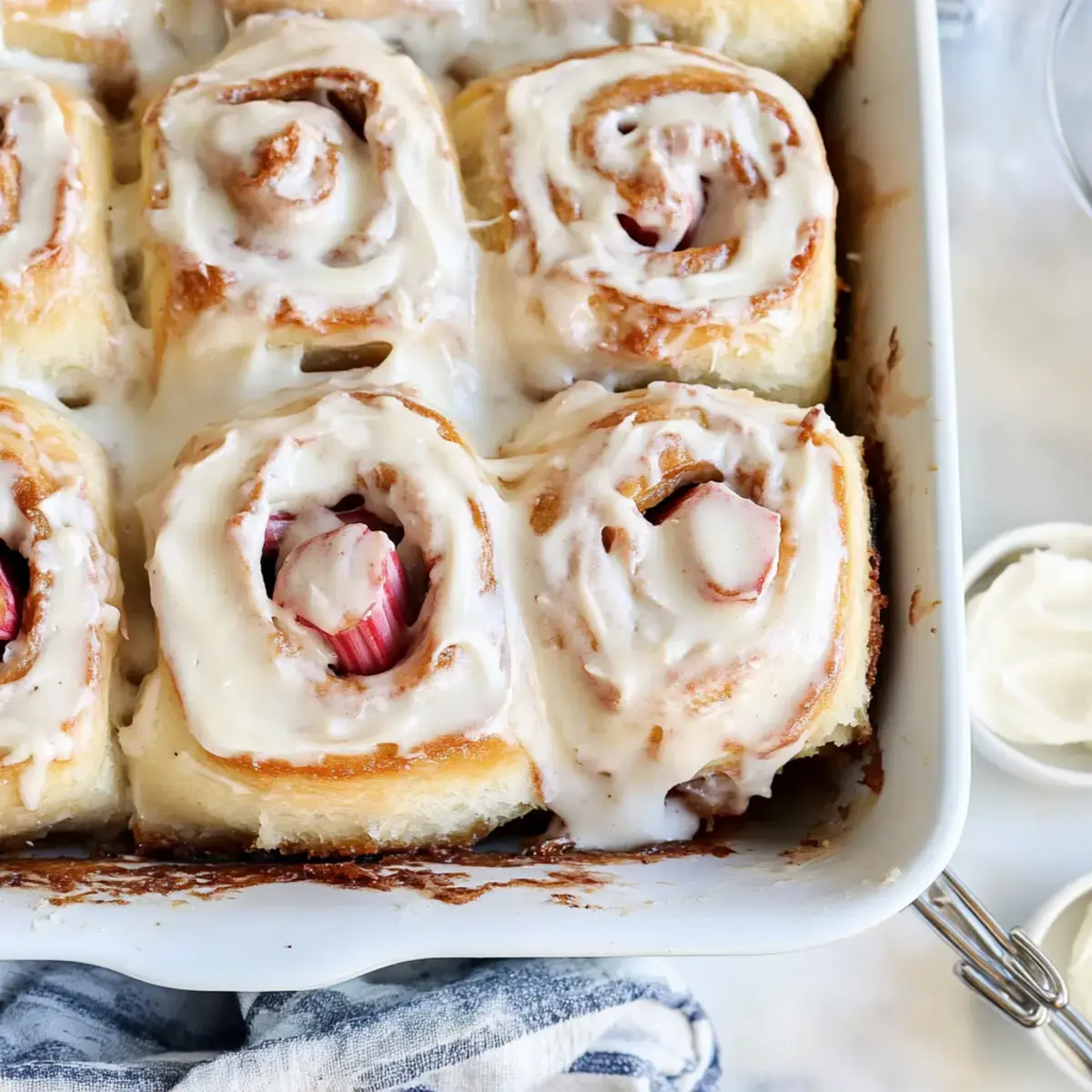
As the crisp air of spring begins to whisper promises of warmer days, I find myself drawn to the kitchen, embracing the comforting scent of baked goods. This season, my inspiration led me to create Rhubarb Sticky Buns with a luscious Vanilla Bean Mascarpone Frosting, a delightful way to bid farewell to winter’s embrace. These buns are more than just a treat for the palate; they embody the renewal and brightness that spring brings, offering a perfect balance of tartness and sweetness.
With a straightforward preparation process and the flexibility to incorporate other seasonal fruits like vibrant blueberries or juicy strawberries, these sticky buns are wonderfully adaptable for any occasion. Whether you’re planning a leisurely brunch or searching for a show-stopping dessert, this recipe promises to be a crowd-pleaser. Get ready to experience the magic of tangy rhubarb married with creamy vanilla frosting, a combination that will transport you to sunnier days with every delectable bite. Let’s embark on this delicious baking adventure together!
Why You Will Love This Recipe
- Irresistible Flavor Combination: The delightful interplay of tart rhubarb and the rich, sweet vanilla bean mascarpone frosting creates a complex and utterly delicious taste experience.
- Beginner-Friendly: Even if you’re new to baking, the clear instructions and simple steps make these sticky buns achievable and incredibly rewarding.
- Seasonal Versatility: While rhubarb shines in spring, you can easily swap it out for other fruits like mixed berries or even apples for a year-round treat.
- Perfect for Sharing: These beautifully baked buns are ideal for gatherings, holidays, or simply as a sweet indulgence to brighten your day.
- Aromatic Delight: The entire process, from dough preparation to the final bake, fills your home with an intoxicating aroma that is simply irresistible.
Ingredients You Need
The success of any baked good hinges on the quality of its ingredients, and these Rhubarb Sticky Buns are no exception. Opting for fresh, high-quality components will elevate the final flavor and texture, ensuring a truly memorable treat for you and your loved ones. We’ll be using the finest produce and pantry staples to create a symphony of taste and aroma.
Rhubarb Sticky Buns with Vanilla Bean Mascarpone Frosting
Celebrate spring with these delightful, soft Rhubarb Sticky Buns featuring a perfect blend of tangy rhubarb and creamy vanilla bean mascarpone frosting. These are ideal for brunch or dessert and can be adapted with different seasonal fruits.
- For the Rhubarb Quick Jam:
- 2 cups Fresh Rhubarb
- 1 cup Granulated Sugar (Adjust based on tartness)
- 1 tablespoon Lemon Juice (Enhances flavor)
- For the Brioche Dough:
- 4 cups All-Purpose Flour (Essential for fluffy texture)
- 2 teaspoons Active Dry Yeast (Check freshness)
- 1 cup Whole Milk (Warm to about 110°F)
- 1/4 cup Granulated Sugar (For dough)
- 3 large Eggs (Room temperature)
- 1/2 cup Unsalted Butter (Softened to room temperature)
- 1 teaspoon Salt (Balances flavors)
- For the Vanilla Bean Mascarpone Frosting:
- 8 ounces Mascarpone Cheese
- 1/2 cup Powdered Sugar (Adjust to taste)
- 1 tablespoon Vanilla Bean Paste (Dreamier than extract)
- 1/4 cup Heavy Whipping Cream (Non-dairy options can be used)
- 1Prepare the Brioche Dough: In a mixing bowl, combine 4 cups of all-purpose flour, 2 teaspoons of active dry yeast, and 1 teaspoon of salt. Warm 1 cup of whole milk to about 110°F, then stir in 1/4 cup of granulated sugar, allowing it to dissolve. Add this mixture to the flour along with 3 room-temperature eggs and 1/2 cup of softened unsalted butter. Mix until the dough forms a ball and knead for 5-7 minutes until smooth and elastic.
- 2Allow the Dough to Rise: Transfer the kneaded dough to a greased bowl, covering it with a damp cloth or plastic wrap. Place it in a warm spot, allowing it to rise until it doubles in size, about 1 to 1.5 hours.
- 3Make the Rhubarb Quick Jam: In a saucepan, combine 2 cups of diced fresh rhubarb, 1 cup of granulated sugar, and 1 tablespoon of lemon juice. Cook over medium heat, stirring occasionally until the mixture thickens, approximately 10-15 minutes.
- 4Roll Out the Dough: Once the dough has risen, punch it down to release excess air, then turn it out onto a floured surface. Roll the dough into a large rectangle, about 1/4 inch thick.
- 5Spread the Jam and Roll: Evenly spread the cooled rhubarb quick jam over the rolled-out dough. Starting from one long side, carefully roll the dough into a tight log. Pinch the seam to seal it and use a sharp knife to slice the log into 12 equal pieces.
- 6Second Proofing in the Baking Dish: Place the cut pieces of sticky buns into a greased 9x13-inch baking dish, making sure they are evenly spaced. Cover them again with a damp cloth and let them proof for another 30-45 minutes until they puff up.
- 7Bake Until Golden Brown: Preheat your oven to 375°F. Bake the sticky buns for 25-30 minutes or until the tops are golden brown.
- 8Prepare the Vanilla Bean Mascarpone Frosting: In a mixing bowl, blend together 8 ounces of mascarpone cheese, 1/2 cup of powdered sugar, 1 tablespoon of vanilla bean paste, and 1/4 cup of heavy whipping cream. Whisk until smooth and creamy.
- 9Frost and Serve: Once the buns have cooled for about 10 minutes, generously spread the vanilla bean mascarpone frosting over each sticky bun. Serve warm!
Keywords: rhubarb, sticky buns, mascarpone, frosting, spring, dessert, brunch, baking, German
You will find the exact quantities for each ingredient listed within the recipe card above, which provides a comprehensive guide for your baking endeavors.
Variations
To truly make these Rhubarb Sticky Buns your own, consider these delightful variations that cater to different tastes and dietary preferences. Each adaptation offers a unique twist while maintaining the comforting essence of the original recipe.
Berry Burst Delight: For a delightful departure from rhubarb, try substituting it with a generous cup of fresh blueberries or a mixed berry blend. The natural sweetness and vibrant colors of berries offer a wonderful contrast and complement the creamy frosting beautifully, making these buns a taste of summer any time of year.
Aromatic Spice Infusion: Elevate the brioche dough by incorporating a teaspoon of ground cinnamon or nutmeg. This simple addition introduces a warm, comforting aroma and flavor that pairs exceptionally well with the tangy rhubarb, creating a more complex and cozy pastry perfect for cooler days or festive occasions.
Nutty Texture Enhancement: For an added layer of satisfying crunch and rich flavor, consider folding in about half a cup of chopped pecans or walnuts into the rhubarb jam filling before spreading it on the dough. The nutty notes provide a wonderful textural contrast to the soft bun and smooth frosting.
Vegan Indulgence: To create a dairy-free and vegan-friendly version, substitute the whole milk with unsweetened almond or oat milk. For the mascarpone frosting, a rich, creamy cashew cream or a high-quality vegan cream cheese can be used, alongside a plant-based whipping cream alternative.
Citrus Zest Elevation: Brighten the mascarpone frosting with the addition of finely grated zest from one lemon or orange. This subtle hint of citrus cuts through the richness, adding a refreshing lift that harmonizes wonderfully with the rhubarb’s tanginess and makes the overall flavor profile even more dynamic.
Gluten-Free Adaptation: For those who need to avoid gluten, the brioche dough can be successfully made using a high-quality gluten-free all-purpose flour blend. Ensure the blend contains a binder like xanthan gum. You may need to slightly adjust the liquid content and kneading time for optimal results, as gluten-free dough behaves differently.
Chocolate Lover’s Dream: For an extra decadent touch, melt some dark chocolate and drizzle it generously over the frosted buns. This addition transforms the already delightful sticky buns into a truly indulgent dessert, perfect for satisfying any serious chocolate craving.
Tropical Escape: Introduce a taste of the tropics by finely dicing a small portion of fresh pineapple and adding it to the rhubarb jam mixture. The sweet and slightly tart pineapple, when cooked down, adds an exotic flair that makes these buns feel like a vacation in every bite.
How to Prepare Rhubarb Sticky Buns
Step 1: Crafting the Perfect Brioche Dough
Begin by gathering your ingredients for the brioche dough, which will form the soft, airy foundation of your sticky buns. In a large mixing bowl, combine 4 cups of all-purpose flour with 2 teaspoons of active dry yeast and 1 teaspoon of salt; this dry mixture provides the structure and lift. Next, gently warm 1 cup of whole milk to approximately 110°F, just warm enough to activate the yeast without killing it, and stir in 1/4 cup of granulated sugar until it dissolves completely. This sweet, milky liquid is crucial for hydrating the flour and feeding the yeast, setting the stage for a beautifully risen dough. Pour this activated milk mixture into the bowl with the dry ingredients, and then add 3 room-temperature eggs and 1/2 cup of softened unsalted butter. The eggs contribute richness and structure, while the softened butter ensures a tender crumb and luxurious mouthfeel.
Using a stand mixer with a dough hook attachment, or your hands, begin to mix the ingredients until they just come together to form a shaggy ball. Gradually increase the mixer speed or continue kneading by hand for about 5 to 7 minutes. The goal is to develop the gluten in the flour, which will give the dough its characteristic elasticity and airy texture. You’ll know the dough is ready when it’s smooth, supple, and pulls away cleanly from the sides of the bowl, feeling elastic and slightly tacky but not overly sticky.
Step 2: The First Rise – Letting the Dough Ascend
Once your brioche dough has been thoroughly kneaded and has achieved a smooth, elastic consistency, it’s time to let it rest and rise. Lightly grease a clean, large bowl with a little cooking oil or butter, and transfer the kneaded dough into it, turning it once to coat the entire surface. This prevents the dough from drying out as it proofs. Cover the bowl tightly with plastic wrap or a clean, damp kitchen towel, which helps maintain a humid environment conducive to yeast activity. Place the covered bowl in a warm, draft-free location in your kitchen; this could be on top of a slightly warm oven (turned off, of course), near a sunny window, or simply in a cozy corner of your countertop.
Allow the dough to rise undisturbed for approximately 1 to 1.5 hours, or until it has visibly doubled in size. The exact time will depend on the ambient temperature of your kitchen; warmer environments will speed up the process, while cooler ones will slow it down. You’ll know the dough is ready when it looks impressively puffed up and has expanded significantly beyond its original volume, appearing light and airy.
Step 3: Preparing the Tangy Rhubarb Quick Jam
While your brioche dough is diligently rising, you can turn your attention to preparing the star of the filling: the rhubarb quick jam. This jam provides a delightful tartness that beautifully balances the sweetness of the buns and frosting. In a medium saucepan, combine 2 cups of freshly diced rhubarb with 1 cup of granulated sugar and 1 tablespoon of fresh lemon juice. The rhubarb is the main flavor component, bringing its signature tartness. The sugar not only sweetens but also helps to break down the rhubarb and thicken the jam, and you can adjust its amount slightly depending on how tart your rhubarb is. The lemon juice brightens the rhubarb’s natural flavor and adds a touch of acidity that complements the overall profile.
Place the saucepan over medium heat and cook the mixture, stirring occasionally, until the rhubarb has softened and broken down into a jam-like consistency. This typically takes about 10 to 15 minutes. You’ll achieve the perfect jam consistency when a spoonful dripped from the spoon holds its shape briefly before slowly running off. Avoid overcooking, which can make the jam too thick, or undercooking, which might leave the rhubarb too firm. Once prepared, remove the jam from the heat and allow it to cool completely before using it as a filling for your sticky buns. This cooling step is essential to prevent it from melting the dough prematurely.
Step 4: Shaping the Dough for Rolling
After your brioche dough has completed its first rise and has doubled in size, it’s time to gently deflate it and prepare it for rolling. Punch down the dough by pressing firmly into its center with your fist; this releases the trapped gases and makes the dough more manageable. Turn the dough out onto a lightly floured surface, such as your clean kitchen counter or a large cutting board. This floured surface will prevent the dough from sticking during the rolling process. You can use a bench scraper to help gather and shape the dough if needed.
Using a rolling pin, begin to roll the dough into a large, even rectangle. Aim for a thickness of about 1/4 inch. The exact dimensions will depend on your dough’s elasticity, but try to achieve a shape that is roughly 12×18 inches or similar. Ensure the thickness is consistent across the entire surface; uneven thickness can lead to uneven baking. This large, flat canvas is now perfectly prepared to receive the delicious rhubarb jam filling.
Step 5: Filling and Rolling the Log
With your brioche dough rolled out into a uniform rectangle, it’s time to introduce the sweet and tangy rhubarb filling. Take the completely cooled rhubarb quick jam and spread it evenly across the surface of the dough. Use an offset spatula or the back of a spoon to ensure an even layer, reaching almost to the edges of the dough but leaving a small border along one of the long sides to help seal the log. This layer of jam is what will create that irresistible sticky texture and burst of flavor in every bite of your buns.
Once the jam is spread, carefully begin to roll the dough up into a tight log. Start from the long edge opposite the one where you left a small border. Roll it as tightly as you can without tearing the dough; a tight roll ensures that when the buns bake, they will have a beautiful swirl pattern and a good ratio of dough to filling. Once the log is rolled, pinch the seam where the dough overlaps to seal it securely. This prevents the jam from leaking out during the baking process.
Using a very sharp knife or a piece of unflavored dental floss (for cleaner cuts), slice the log into 12 equal pieces. Each piece should be approximately 1.5 inches wide. To cut with floss, slide it under the log, bring the ends up and cross them over the top, then pull to slice through the dough. Evenly spaced cuts are key for uniform buns. This step transforms the long log into individual sticky bun portions, ready for their final proof.
Step 6: The Second Proofing – Allowing the Buns to Puff
Now that you have your beautifully sliced sticky buns, arrange them in a greased 9×13-inch baking dish. Place the cut pieces cut-side up, ensuring they are spaced slightly apart but still touching each other lightly. This close proximity during proofing helps them expand and bake into each other, creating that desirable “pull-apart” texture. The baking dish should be well-greased with butter or non-stick spray to prevent the buns from sticking once baked.
Once arranged in the dish, cover the baking dish again with a clean, damp kitchen towel or plastic wrap. Let the buns proof in a warm, draft-free place for another 30 to 45 minutes, or until they have visibly puffed up and are now touching each other on all sides. This second proofing is crucial for achieving an incredibly light and airy texture in the final baked buns, making them wonderfully soft and fluffy.
Step 7: Baking to Golden Perfection
Preheat your oven to 375°F (190°C) during the last 15 minutes of the second proofing period. This ensures the oven is at the correct temperature when the buns are ready to bake. Once the buns have completed their final proof and are nicely puffed, carefully place the baking dish into the preheated oven.
Bake for approximately 25 to 30 minutes, or until the tops of the sticky buns are a beautiful golden brown color. You’ll know they are done when they have risen significantly, are golden on top, and the edges appear nicely caramelized. The kitchen will be filled with an absolutely heavenly aroma as they bake. Keep an eye on them during the last few minutes of baking to prevent over-browning, as oven temperatures can vary.
Step 8: Creating the Creamy Vanilla Bean Mascarpone Frosting
While your Rhubarb Sticky Buns are cooling slightly from their oven time, it’s the perfect moment to whip up the luscious Vanilla Bean Mascarpone Frosting. In a medium mixing bowl, combine 8 ounces of mascarpone cheese, which provides a rich, creamy base. Add 1/2 cup of powdered sugar for sweetness; you can adjust this amount slightly based on your preference for sweetness. Then, incorporate 1 tablespoon of vanilla bean paste, which offers an intense, authentic vanilla flavor with beautiful flecks of vanilla bean – a true indulgence. Finally, add 1/4 cup of heavy whipping cream to achieve the perfect smooth and spreadable consistency.
Using an electric mixer or a whisk, beat the ingredients together until the frosting is smooth, creamy, and well combined. The frosting should be thick enough to hold its shape but still easily spreadable. The warmth of the slightly cooled buns will allow the frosting to melt just slightly, creating a wonderfully decadent glaze that seeps into the crevices of the buns.
Step 9: The Grand Finale – Frosting and Serving
Once your Rhubarb Sticky Buns have cooled for about 10 minutes in the baking dish, they are ready for their final crowning glory: the vanilla bean mascarpone frosting. Using a spatula or a butter knife, generously spread the creamy frosting over the tops of each warm sticky bun. Don’t be shy – a good amount of frosting is key to this delightful treat! As the frosting meets the warmth of the buns, it will melt just enough to create a luscious, slightly drippy glaze that is utterly irresistible.
For the absolute best experience, serve these Rhubarb Sticky Buns warm, fresh from the oven and adorned with their creamy frosting. The combination of the soft, fluffy bun, the tangy rhubarb filling, and the rich, sweet frosting is truly a harmonious blend of flavors and textures. This is the moment to savor your homemade creation!
Pro Tips for Rhubarb Sticky Buns
To ensure your Rhubarb Sticky Buns turn out absolutely perfect every time, here are some expert tips that will elevate your baking experience and the final delicious result.
Ensure Dough is Well-Proofed: Patience is key for a fluffy brioche dough. Allow the dough to double in size during both the first and second proofing stages. Rushing this process can lead to dense, heavy buns, so give your dough ample time to rise in a warm environment.
Use Fresh, Quality Ingredients: The flavor of your sticky buns is directly related to the quality of your ingredients. Use fresh, vibrant rhubarb for the best tartness, and ensure your yeast is active by testing it in warm water before incorporating it into the dough. Freshness truly makes a difference in the final taste.
Manage Butter Temperature Carefully: For the brioche dough, softened, but not melted, butter is essential. If the butter is too warm, it can cause the dough to become greasy and difficult to handle, potentially affecting the gluten development and final texture. Aim for butter that yields easily to gentle pressure.
Monitor Baking Time Closely: Ovens can vary significantly, so keep a close watch on your sticky buns during the final stages of baking. They should be golden brown on top, indicating they are cooked through. Checking a few minutes earlier than the suggested time can prevent them from becoming overcooked and dry.
Frost While Warm for Best Results: Apply the mascarpone frosting to the buns while they are still warm (but not piping hot). The residual heat will slightly melt the frosting, allowing it to spread more easily and create a beautiful, slightly gooey glaze that complements the texture of the buns perfectly.
Don’t Overwork the Dough: While kneading is crucial for gluten development, over-kneading can make the dough tough. Aim for that smooth, elastic stage and then let the yeast do its work. Over-kneading can result in chewy, dense buns rather than light and fluffy ones.
Slice with Precision: For clean, even slices that result in uniform buns, use a sharp knife or unflavored dental floss. A serrated knife can also work well. Clean cuts help the buns maintain their shape during proofing and baking, leading to a more aesthetically pleasing final product.
Serving Suggestions for Rhubarb Sticky Buns
These Rhubarb Sticky Buns are a star on their own, but pairing them with the right accompaniments can elevate your brunch or dessert experience to extraordinary heights.
Decoration
While the vanilla bean mascarpone frosting is already a beautiful topping, a few extra touches can make them visually stunning. Consider a light dusting of powdered sugar for a classic look, or a few finely chopped pistachios or slivered almonds for added color and crunch. A small sprig of mint or a few edible flowers can also add a touch of spring elegance.
Side Dishes
Fresh Fruit Salad: A vibrant medley of seasonal fruits like strawberries, melon, and kiwi offers a refreshing contrast to the richness of the sticky buns. The natural sweetness and acidity of the fruit cleanse the palate and add a light, healthy element to your spread. This bright and colorful addition makes for a balanced and delightful meal.
Crispy Bacon or Sausage: For a classic brunch pairing, the salty crispness of bacon or the savory flavor of breakfast sausage provides a perfect counterpoint to the sweet and tangy sticky buns. This combination offers a delightful balance of sweet and savory that is truly satisfying. The textural contrast between the crunchy bacon and the soft bun is also immensely pleasing.
Creamy Yogurt Parfaits: Layer Greek yogurt with granola and a drizzle of honey for a healthier, yet equally delicious, side option. The tartness of the yogurt complements the sweetness of the buns, while the granola adds a satisfying crunch.
Creative Serving Ideas
Warm with Ice Cream: Serve a warm sticky bun topped with a scoop of high-quality vanilla bean ice cream. As the ice cream melts into the warm bun and frosting, it creates an incredibly decadent and comforting dessert that is simply divine. This classic pairing is a guaranteed crowd-pleaser for any occasion.
Alongside Coffee or Tea: These sticky buns are the perfect companion for your morning coffee or afternoon tea. The rich flavors of the bun pair wonderfully with the comforting warmth of a hot beverage, making for a perfect start to the day or a delightful afternoon treat. Consider a latte or a fragrant herbal tea for an enhanced experience.
As a Dessert Feature: Arrange several sticky buns on a decorative platter and offer them as the sole dessert for a dinner party. The visual appeal, coupled with the delightful flavors, will leave your guests impressed and satisfied. For an extra touch, a light drizzle of caramel sauce could be an optional addition.
Preparation & Storage
Proper preparation and storage are key to enjoying your Rhubarb Sticky Buns to their fullest, ensuring they remain delicious whether eaten immediately or saved for later.
Storing Leftovers
Room Temperature: Rhubarb Sticky Buns can be stored in an airtight container at room temperature for up to 3 days. They retain their softness and flavor well during this period, making them convenient for a few days of enjoyment. Ensure the container is sealed tightly to prevent them from drying out.
Refrigeration for Longer Storage: If you need to store them for longer than 3 days, transfer them to the refrigerator in an airtight container. They will keep for up to a week. However, be aware that refrigeration might slightly alter their texture, making them a bit firmer.
Freezing
Freezing Unfrosted Buns: For long-term storage, it’s best to freeze the Rhubarb Sticky Buns before frosting them. Arrange the cooled, unfrosted buns in a single layer on a baking sheet and place them in the freezer until solid, about 1-2 hours. Once frozen, transfer them to a freezer-safe bag or airtight container, removing as much air as possible, and freeze for up to 3 months.
Thawing Frozen Buns: When you’re ready to enjoy your frozen buns, the best method is to thaw them overnight in the refrigerator. This allows them to gradually return to room temperature. Once thawed, you can then apply the fresh frosting.
Reheating
Microwave Method: For a quick warm-up, place a sticky bun on a microwave-safe plate and heat for about 15-20 seconds. This is perfect for a single serving and will bring back some of that fresh-baked warmth and softness.
Oven Method: For a more even reheating, preheat your oven to 350°F (175°C). Place the desired number of buns on a baking sheet and bake for about 8-10 minutes, or until heated through and slightly warmed. This method helps to revive their texture more effectively than the microwave.
Reheating Frosted Buns: If reheating already frosted buns, use the microwave method with caution, heating for very short intervals to avoid melting the frosting too much. The oven method is generally preferable if the frosting is still intact.
Frequently Asked Questions
- How do I choose ripe rhubarb for my sticky buns?
When selecting rhubarb, look for stalks that are firm, crisp, and brightly colored. The color can range from bright red to pinkish-green, depending on the variety. Avoid any stalks that appear wilted, soft, or have dark spots, as these indicate age or spoilage and will negatively impact the flavor and texture of your jam. Freshness is key for that perfect tartness and vibrant color in your Rhubarb Sticky Buns. - What is the best way to store leftover sticky buns?
For the best flavor and texture, store leftover Rhubarb Sticky Buns in an airtight container at room temperature for up to 3 days. If you need to store them for longer, you can refrigerate them for up to a week, though this may slightly alter their soft texture. For extended storage, freezing unfrosted buns for up to 3 months is an excellent option; simply thaw them in the refrigerator and frost before serving. - Can I freeze my Rhubarb Sticky Buns?
Yes, you absolutely can freeze Rhubarb Sticky Buns! It’s best to freeze them before frosting. Once cooled, place the unfrosted buns on a baking sheet in a single layer and freeze until firm, then transfer them to a freezer-safe bag or container. They will keep well for up to 3 months. To enjoy them later, thaw them overnight in the refrigerator and then prepare and add your vanilla bean mascarpone frosting. - What if my brioche dough doesn’t rise properly?
Several factors can affect dough rising. First, ensure your active dry yeast is fresh and properly activated; it should create a foamy layer when mixed with warm liquid. The temperature of your liquid is crucial; it should be around 110°F (43°C). If your kitchen is too cold, place the dough in a warmer spot. Conversely, if the dough rises too slowly, you might have added too much flour, making it too dense, so measuring accurately is important. Sometimes, a longer kneading time is also beneficial for gluten development, which aids in rising. - Are these sticky buns safe for those with dietary allergies?
These Rhubarb Sticky Buns, as written, contain gluten from all-purpose flour and dairy from milk, butter, and mascarpone cheese. If you or your guests have allergies to gluten or dairy, it’s essential to use suitable substitutions like a gluten-free flour blend and plant-based milk and dairy alternatives. Always double-check the ingredients of all your components, especially for hidden allergens, and be mindful of cross-contamination during preparation for strict dietary needs.